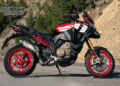


Ducati V21L
While the FIM has decided to pull the plug on MotoE at the end of this season, Ducati says its electric ambitions will continue to charge on. The Bologna factory has confirmed it will continue developing its expertise in alternative technologies beyond internal combustion, even without the race series as a platform.

The MotoE project was originally created to help Ducati build internal know-how so that, if and when battery technology catches up, the company will be ready to produce an electric road bike that still aligns with the performance and character expected of a Borgo Panigale machine.

Across its time in the MotoE World Championship, Ducati has gathered a trove of data from the 18 riders who’ve gone bar-to-bar on its V21L prototype each race weekend.

In just three years, advances in battery cell technology have helped shave 8.2 kilograms from the V21L’s battery pack, a solid gain, though still not enough to get an electric bike anywhere near the weight or range of a modern internal-combustion race machine.

That limitation is exactly why Ducati says it will continue collaborating with other Volkswagen Group brands to push development further. The goal is battery packs with significantly higher energy density, and work is already underway.

On September 8, Ducati unveiled a fresh version of the Ducati V21L at the IAA Mobility show in Munich, fitted with cutting-edge QuantumScape solid-state batteries and developed in collaboration with Audi and PowerCo. Ducati describes this prototype as just the first step in what it sees as a long-term path of research and development, one it’s determined to keep following, even as the racing side of the project winds down.