

46th Coca-Cola Suzuka 8 Hours Endurance Race
Australian MotoGP star Jack Miller, currently racing with Prima Pramac Yamaha, will swap Grand Prix duties for endurance action this August as he takes on the Suzuka 8 Hours—one of the crown jewels of the FIM Endurance World Championship.
Taking place on the legendary 5.821-kilometre Suzuka Circuit, complete with its figure-of-eight layout, the event might last for eight hours rather than 24 (the duration of the EWC season-opening and closing events), but with ambient temperatures expected to top 30 degrees centigrade and humidity due to exceed 90 per cent, Suzuka is still clearly one of the toughest challenges in motorcycle sport.
Despite the race’s punishing and unrelenting reputation, 55 teams have signed up for action compared to 46 in 2024. Of those, 15 teams are contesting the entire EWC season, representing an increase of four compared to 2024 and the highest number since 2019, when 13 permanent outfits entered the famous Japanese event.
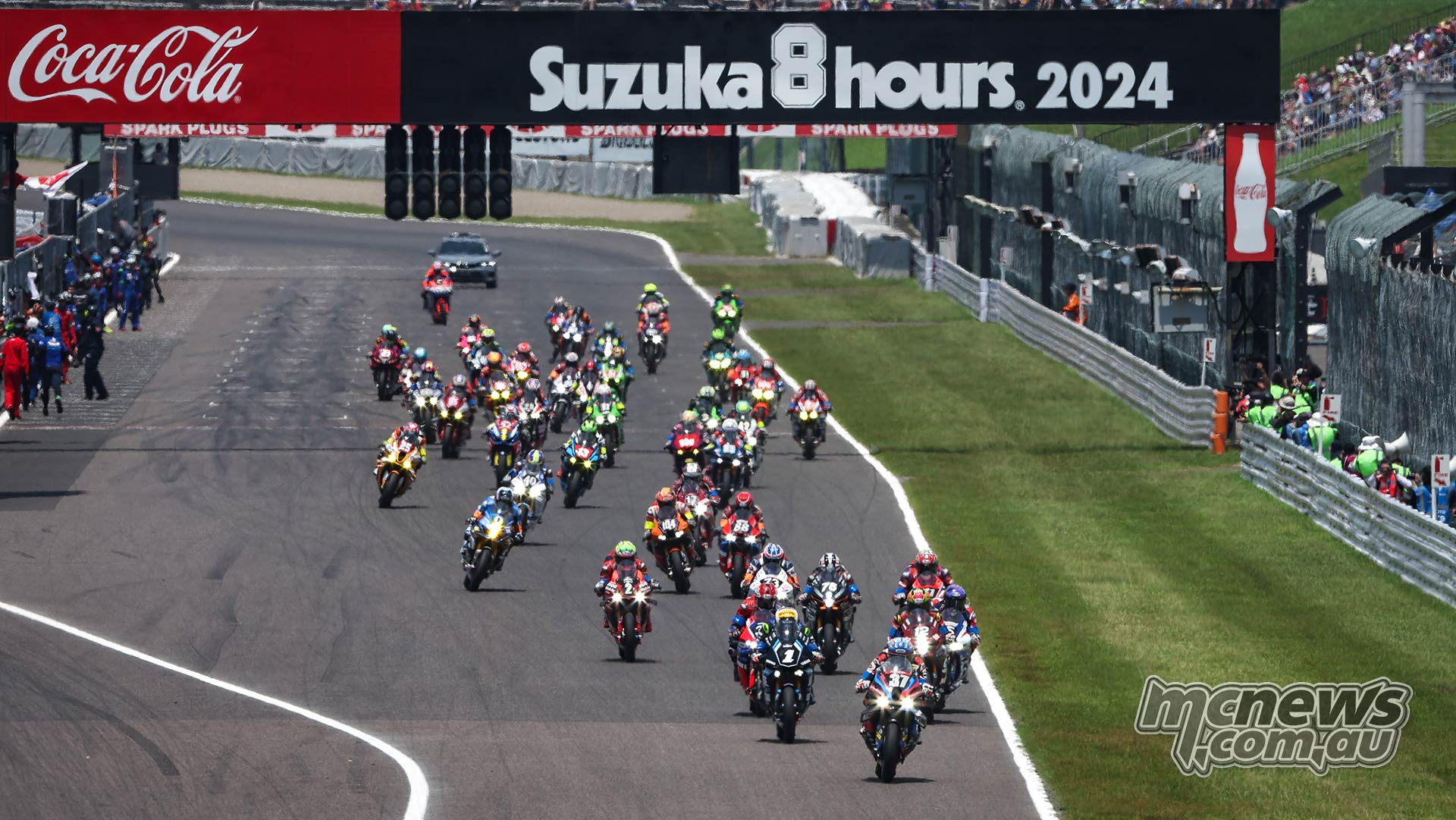
The high turnout for the 46th Coca-Cola Suzuka 8 Hours Endurance Race continues a trend of increasing entry numbers for EWC events in 2025. April’s 24 Heures Motos at Le Mans attracted 53 registrations compared to 48 in 2024, while 44 teams entered the 8 Hours of Spa Motos last month after 37 did so the previous year. The 46th Coca-Cola Suzuka 8 Hours Endurance Race does not form part of the new-for-2025 FIM Endurance World Trophy for production motorcycles.
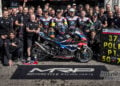
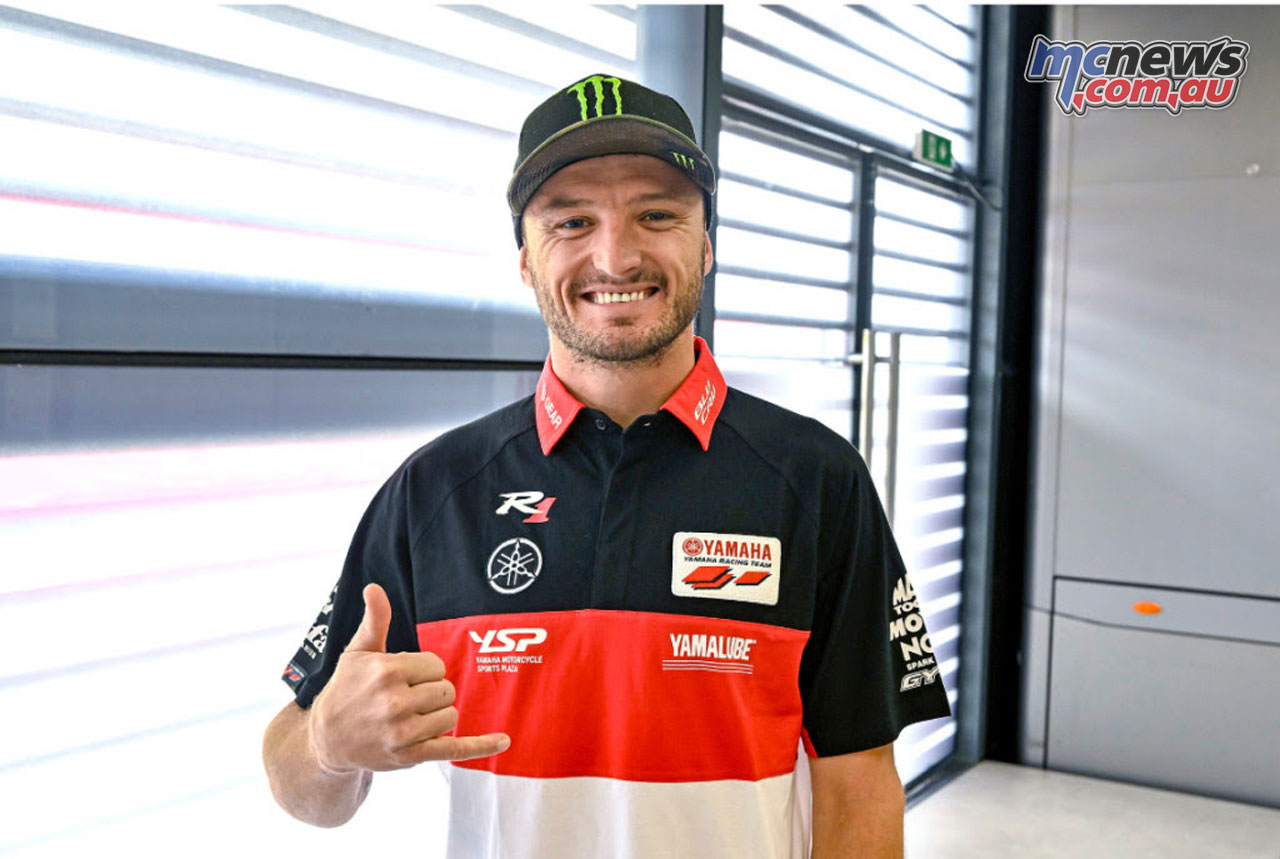
Miller will line up for the Yamaha Factory Racing Team, joining forces with four-time Suzuka winner Katsuyuki Nakasuga and WorldSBK front-runner Andrea Locatelli for the 46th edition of the legendary event.
Ahead of the iconic race at Japan’s most revered circuit, Miller took time out to reflect on the opportunity and shared his thoughts on what lies ahead.
What does it mean to you to represent Yamaha during its 70th-anniversary year at such a prestigious event?
Jack Miller
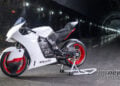
“It’s obviously a massive honour for me to be able to represent Yamaha at the Suzuka 8 Hours. It’s a race I’ve been wanting to go back to since 2017 when I finished fourth, losing to Yamaha that time. It’s a big pleasure that I get to ride that Yamaha R1 motorcycle this time and represent the factory Yamaha Racing Team in Japan at such a prestigious race.
Like I said, I’ve been dreaming of this race, and to have the opportunity to come back with such a strong team is a massive pleasure. I look forward to hopefully a good result for them at home and receiving some big support from the Japanese fans.”
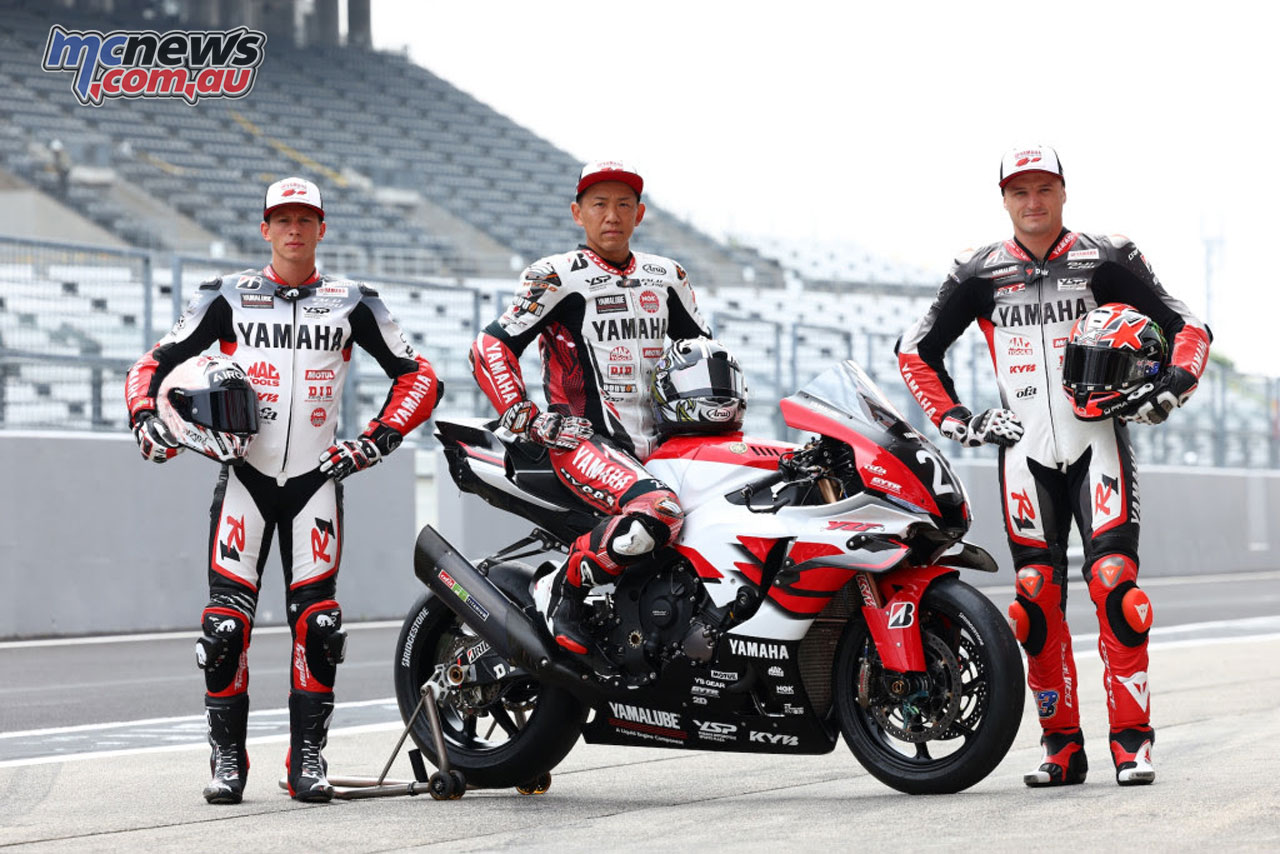
You had the opportunity to test the Yamaha Racing Team YZF-R1M at Suzuka earlier this month. How did it go?
“It was nice to be back in Suzuka, especially with the R1 – it’s a lot of fun. The long run with [Locatelli] went well; I think we did a good job together. The pace is good, the speed is okay, and I think that during the race weekend we will find a bit of extra margin when we need it, which is normal.
Overall, working with the R1 feels good. I’m getting more and more comfortable with the Suzuka Circuit. It’s a long track, and there are many areas where you can make a mistake. Trying to put a perfect lap together is very difficult, so [the test] was about becoming comfortable with your marks and getting ready for the Suzuka 8 Hours.”

For a rider, how physically demanding is an endurance race and how you prepare for it?
“Endurance is a whole different kettle of fish compared to sprint racing where you can kind of blow your lights out from the get-go. It’s all about pacing yourself, you’re kind of having to manage the riders around you because there’s a lot more traffic. Not only that, Suzuka, especially, it’s 37, 38 degrees with about 90 per cent humidity, excruciating heat.
So trying to do your best to battle that is one of the big keys. You’re sweating profusely, it just doesn’t stop. About three to four kilos throughout the race you end up losing, whilst trying to smash protein, trying to smash some carbs, and then also trying to get your mineral salts back in because cramping can be an absolute nightmare around that joint. It’s a tricky one.
Over the duration of eight hours a lot can happen, whether it’s with the weather and also finishing into the night. It creates an awesome atmosphere though. At Suzuka the Japanese fans are unbelievable, they come out in full force. To finish under the lights, I was lucky enough to do it last time and I think I should do it this time as well.
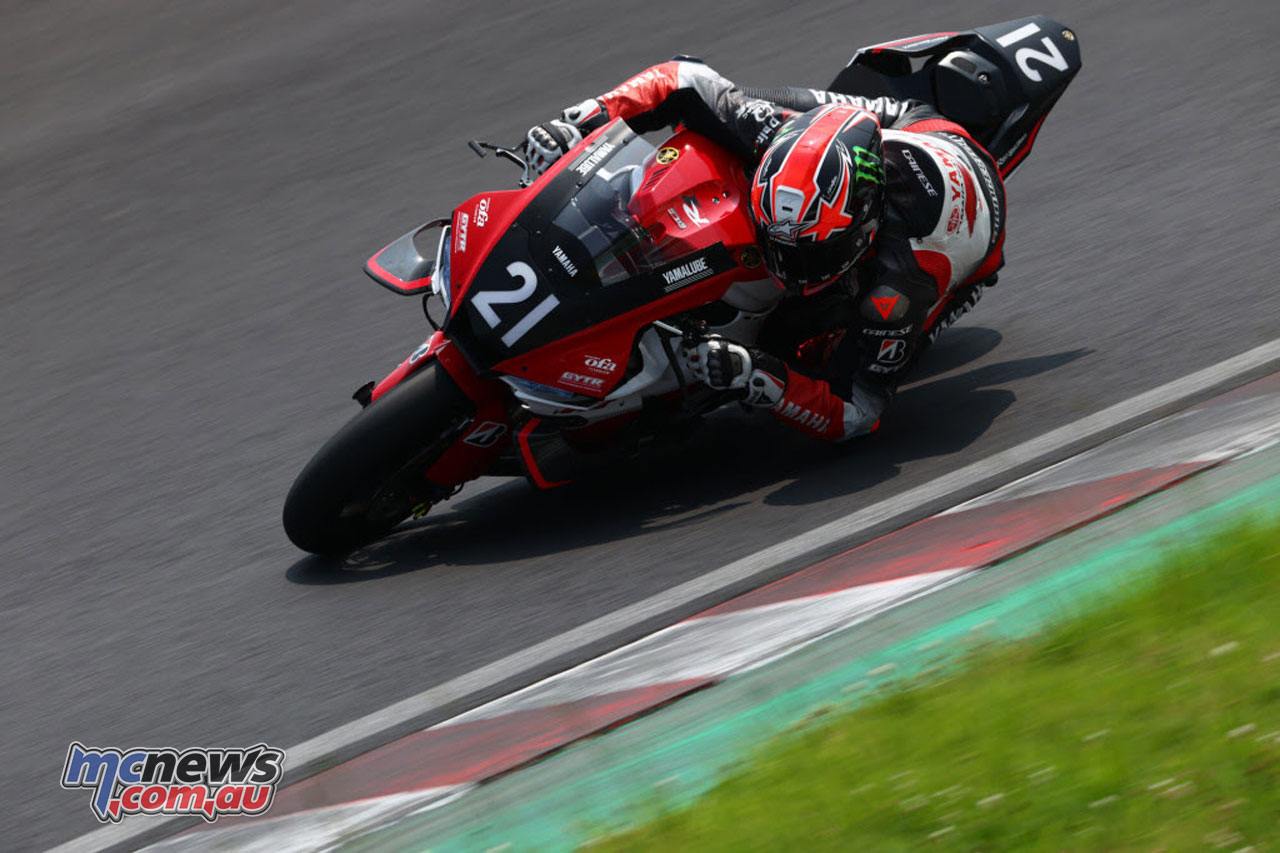
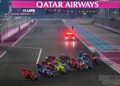
You know, riding around seeing all the glowsticks with the different brand colours and stuff like that, it just creates a whole different atmosphere. We race at night in MotoGP, but it’s quite considerably different racing, the track isn’t lit like Qatar, where you can run a dark visor in the middle of the night. You’re there with the clear visor and basically riding on feel because you can’t see anything.
When you open the gas, the headlights are in the air, when you grab the brakes, the headlights are on the front wheel. But I’m looking forward to getting back there. It’s an awesome race and just an absolute pleasure to be a part of, especially with a team like the Yamaha team.
The way that they put on the event, especially with the Top 10 Trial shootout and the way that they stagger everything out makes the build-up for the race all the more special. You know, they really make a big deal out of everything, so it’s awesome to go and do. Motorcycle racing is generally an individual sport, but to be able to work together with team-mates is a lot of fun.”
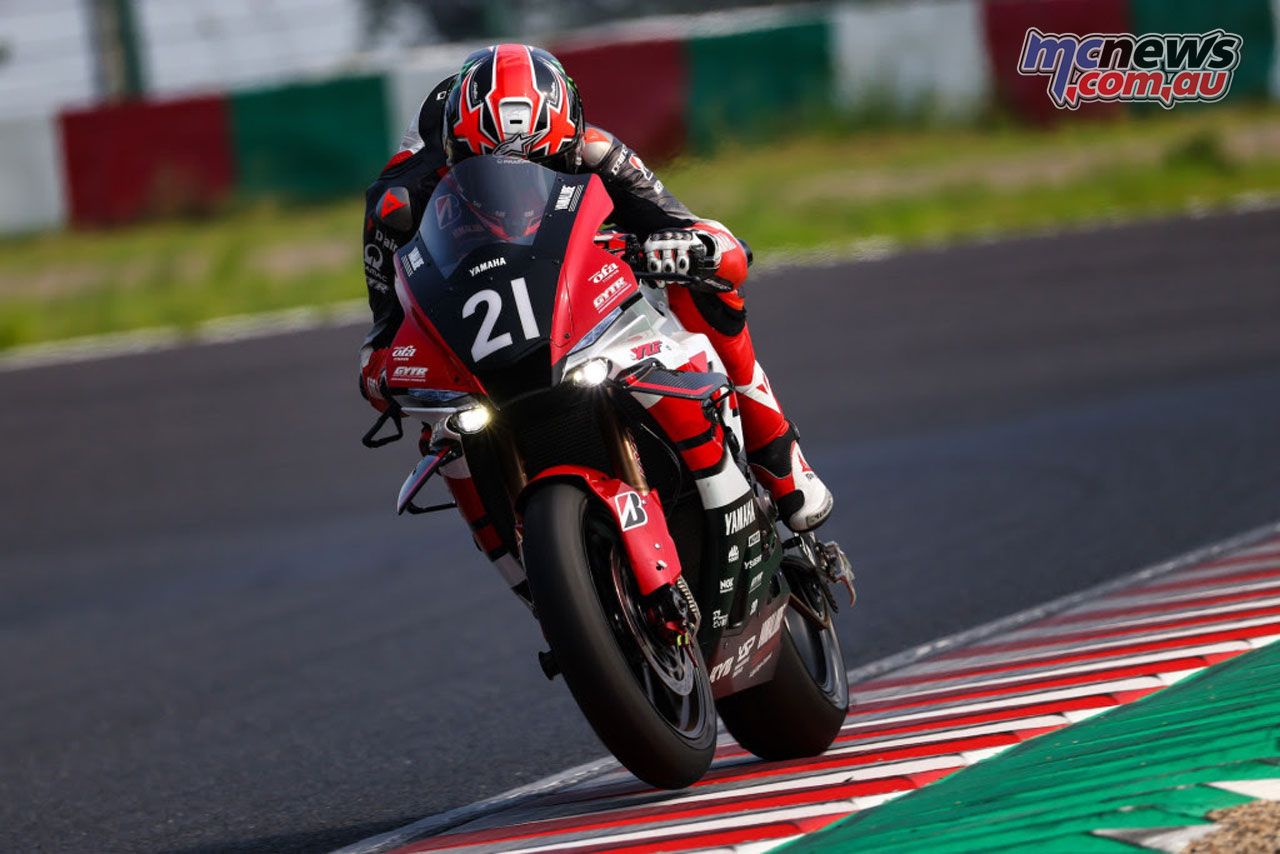
Obviously it can change during a race, but how do you approach an endurance race in terms of strategy, pit stops. How do you have to work things out?
“I’m working a lot on pit stops and understanding fuel lights and so on and so forth. How we cannot muck that up. Basically trying to understand the pit board and what we need to be seeing on the big light-up pit board, it’s extremely important.
The biggest thing is just trying not to get caught up in anything and not let the extremely fast laps be too fast and not letting the extremely slow laps be too slow. It’s all about averaging it out and trying to be as consistent as possible, considering, like I said, there’s a lot of traffic.
You’re dealing with up to 15 riders a lap sometimes, some laps more, some laps less. You’re slicing and dicing through the whole race. You’re just kind of trying to keep that average lap time to a reasonable number.”
Do you think more MotoGP riders should give the Suzuka 8 Hours a go?
“I think so, I think it should be back in the contract negotiations, for sure.”
As with all EWC events, private testing, free practice and night practice are scheduled along with two qualifying sessions for all rider colour groups with the qualifying result based on the average time recorded by a team’s fastest two riders. However, the Suzuka 8 Hours also features the spectacular Top 10 Trial shootout to decide the first 10 places on the starting grid for the race on Sunday 3 August.
Following Second Qualifying on the afternoon of Friday 1 August, the leading 10 teams go forward into the Top 10 Trial on Saturday afternoon (2 August), once the final practice session has taken place.
Two nominated riders per team compete separately against the clock with teams taking to the track in descending order of their qualifying positions in two groups. Each rider gets a warm-up lap, a flying lap and a cool-down lap during which they return to the pitlane prior to a team’s second rider getting their Top 10 Trial bid under way, but only once all first riders from the first group have taken part.
The teams finishing qualifying in positions 10th to sixth go first with the slowest rider from each team first to run. Once the riders from the first group have completed their flying laps it’s the turn of the teams in positions fifth to first following qualifying. The Top 10 Trial results are based on the fastest lap per team, rather than a combined time, by taking into account the performances of the two riders.
The 5-4-3-2-1 qualifying points are awarded after the Top 10 trial rather than after the completion of Second Qualifying, which is the case at other EWC events.
2025 Suzuka 8 Hours Schedule
PROVISIONAL KEY EWC TIMINGS (LOCAL CET +7)
Friday 1 August
08h30-10h30: Free Practice
12h00-12h20: First Qualifying (Blue Riders)
12h35-12h55: First Qualifying (Yellow Riders)
13h10-13h30: First Qualifying (Red Riders)
15h30-15h50: Second Qualifying (Blue Riders)
16h05-16h25: Second Qualifying (Yellow Riders)
16h40-17h00: Second Qualifying (Red Riders)
18h30-19h50: Night Free Practice
Saturday 2 August
14h15-15h00: Free Practice
15h30-17h00: Top 10 Trial
Sunday 3 August
08h30-09h15: Warm-up
11h30: Start of 46th Coca-Cola Suzuka 8 Hours Endurance Race
19h30: Finish of 46th Coca-Cola Suzuka 8 Hours Endurance Race
All timings are CET +7 and subject to change