

Mario Román fears hard enduro is losing its way
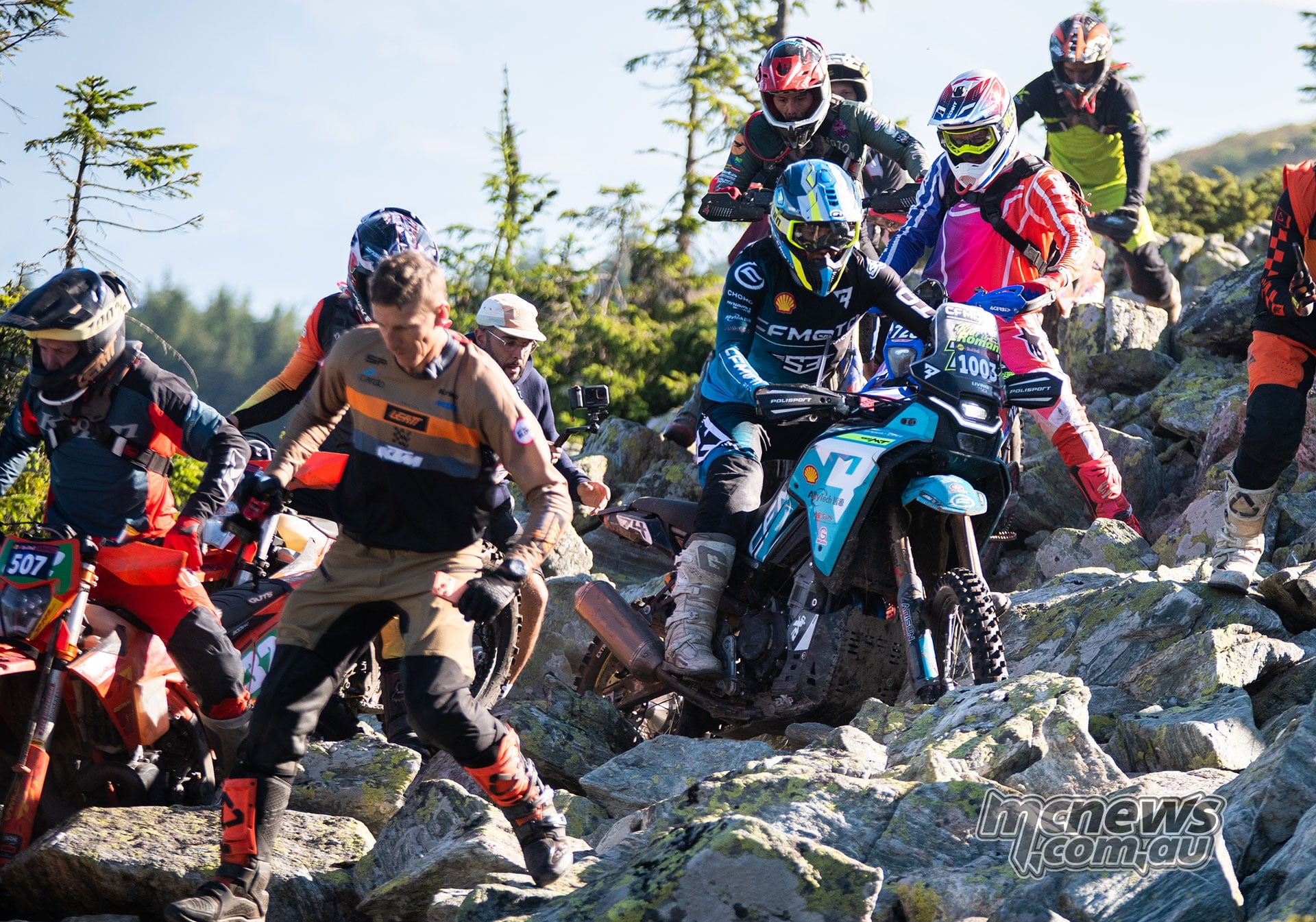
Mario Román does not believe hard enduro should be easy. But he argues there is a difference between riding a motorcycle through brutally difficult terrain and spending hours pushing it through obstacles that are no longer rideable. That difference is becoming increasingly important to the sport’s future.
The Spaniard has two related concerns. Some organisers keep making individual sections more extreme, while the wider championship is moving towards compact, spectator-friendly racing. He supports the need to make hard enduro easier to follow, but fears the pendulum is swinging too far away from the hours-long test of skill, strength and judgement that made the discipline distinctive.
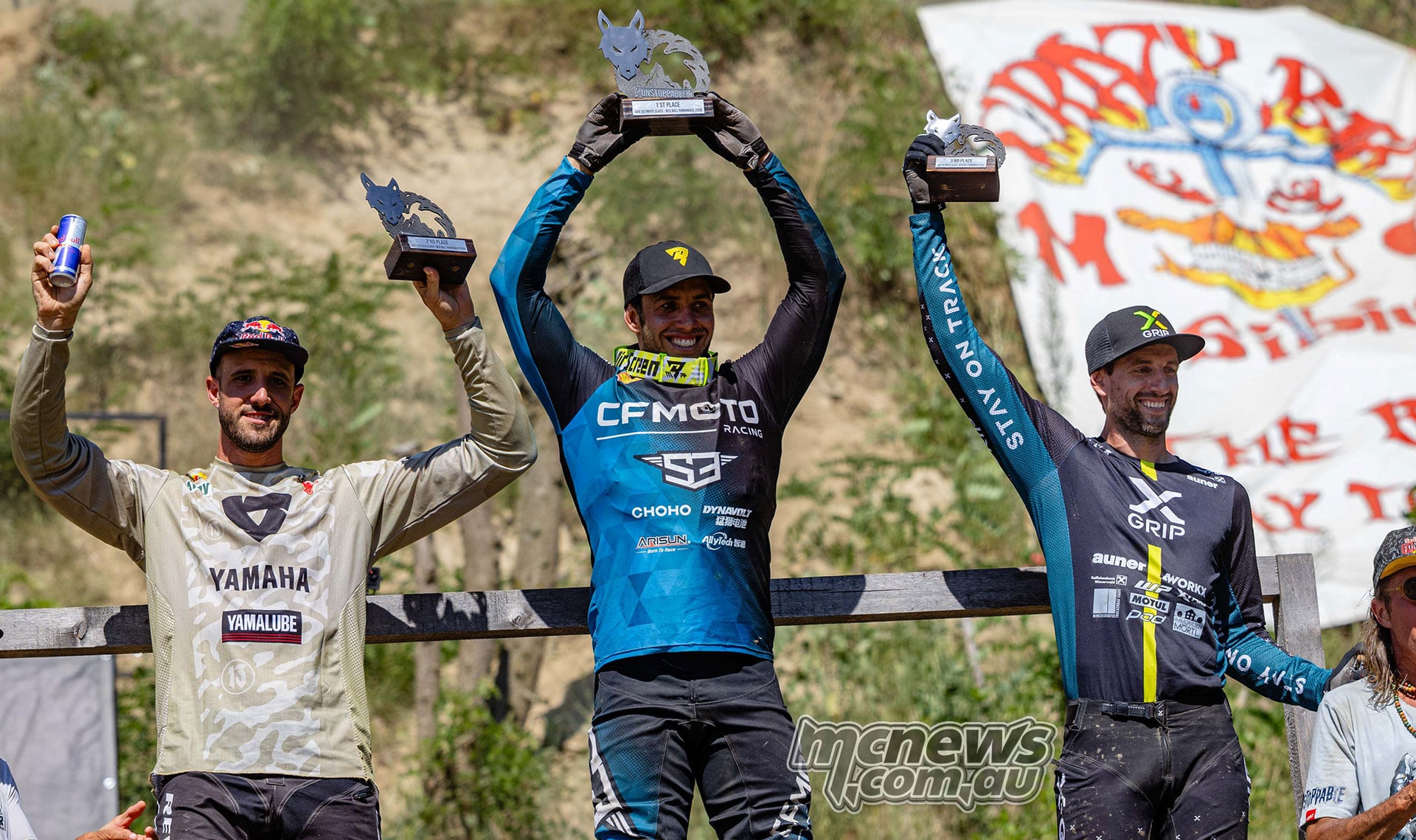
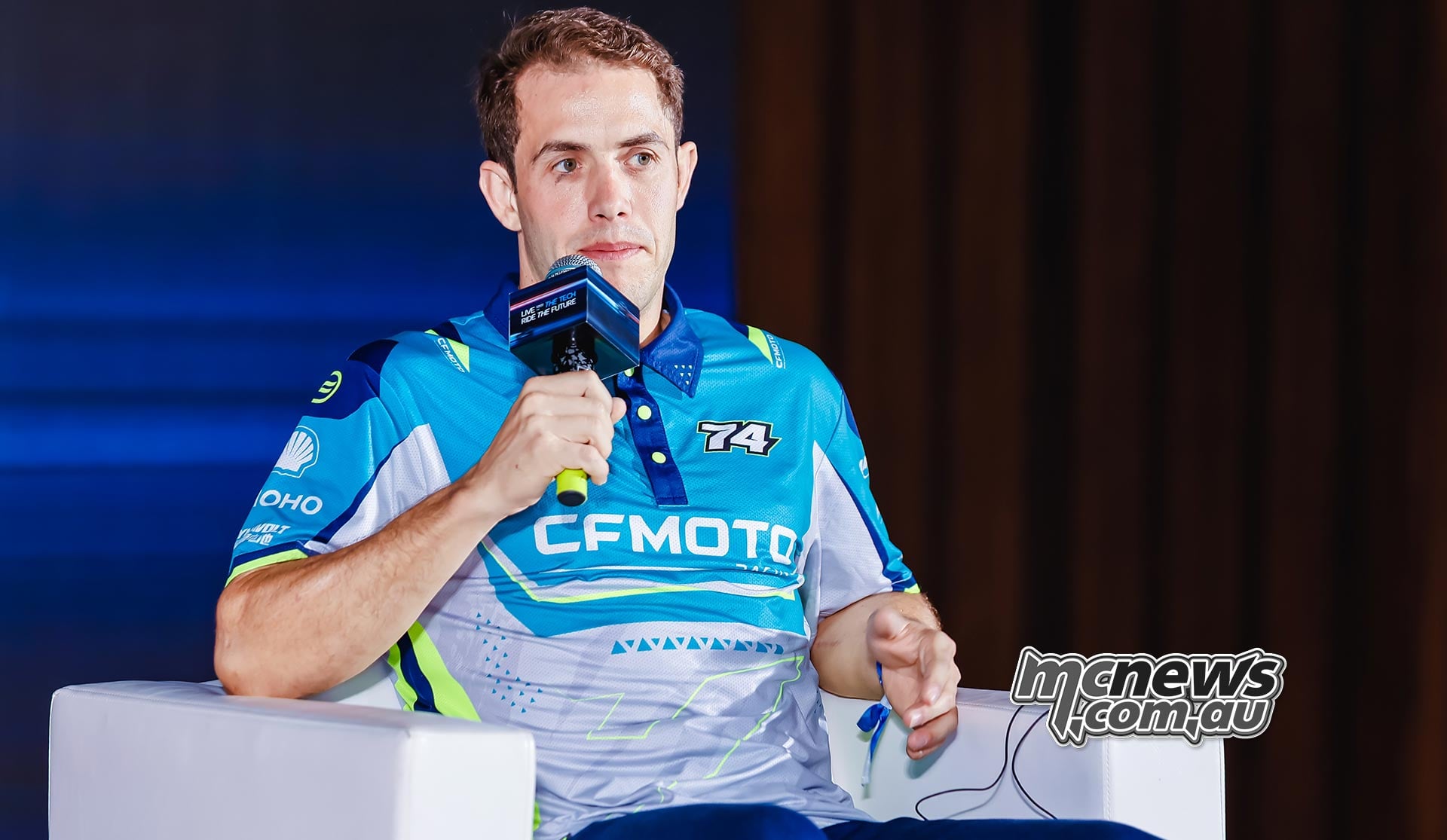
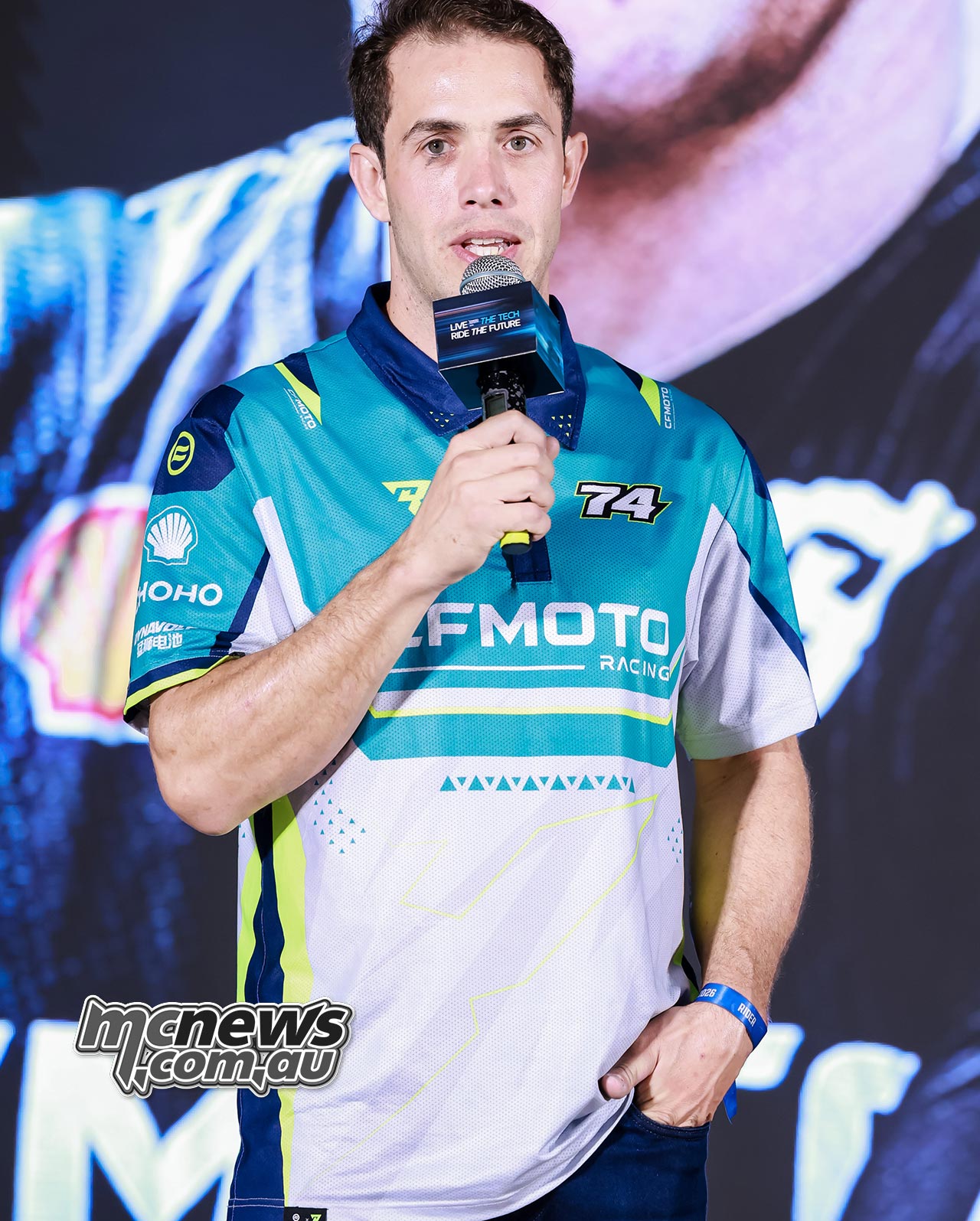
It is a perspective worth listening to from a rider who has just won Red Bull Romaniacs Adventure Ultimate aboard a CFMOTO 450MT, beating Pol Tarrés on a Yamaha Ténéré 700 by 14 minutes and 40 seconds and finishing ahead of Dieter Rudolf on a KTM 890 Adventure. After years competing in the far lighter Gold-class machinery, Román had his first Romaniacs class victory.
His result also headlined a sweep of all three 2026 Adventure classes for CFMOTO. Read our full 2026 Red Bull Romaniacs report for the broader results.
I sat down with Román during a recent CFMOTO event in China to talk about that victory, his growing role within the manufacturer’s development operation, and whether the sport he has spent his career mastering is moving in the right direction.
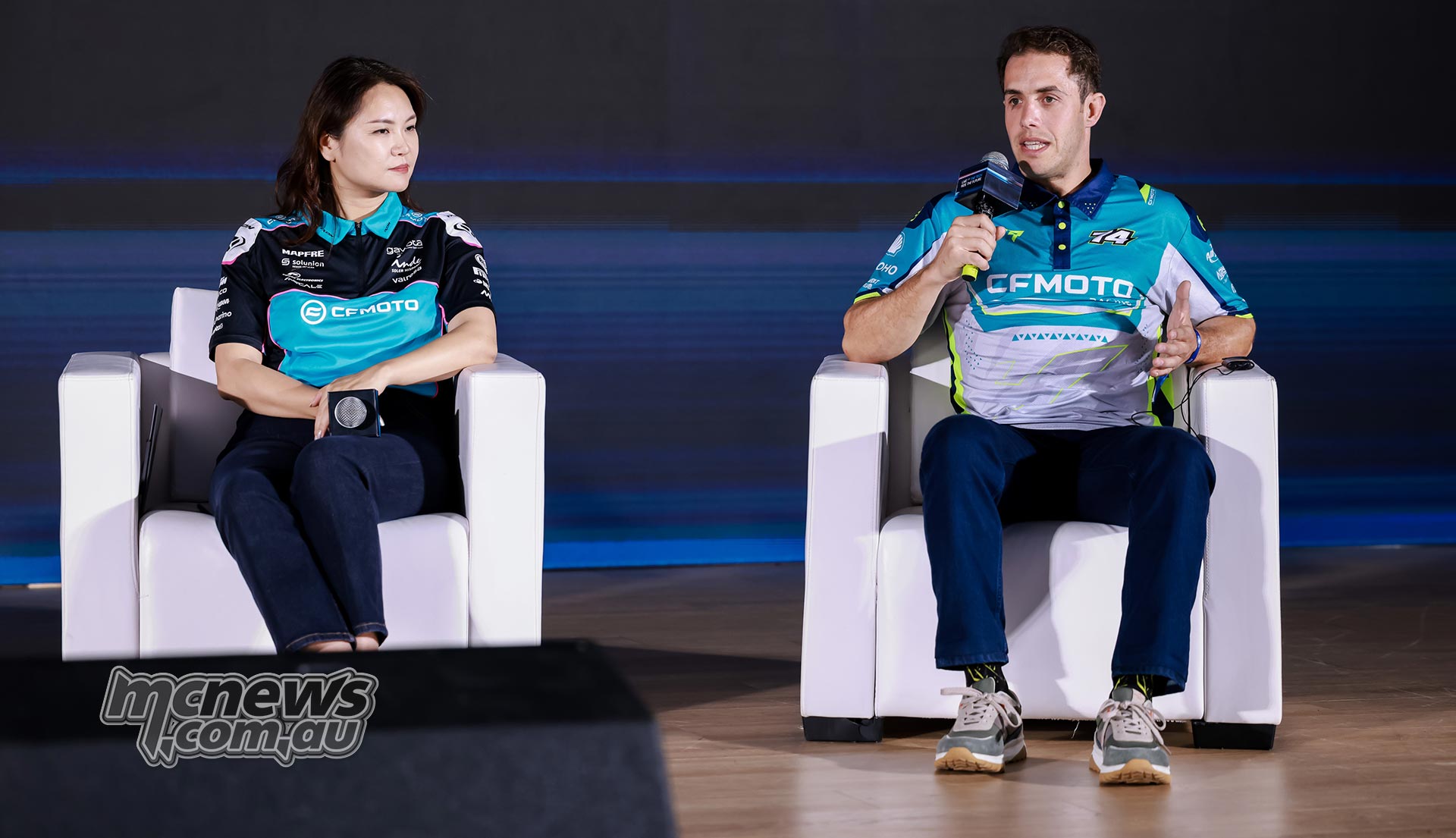
CFMOTO wanted more than an ambassador
Román’s association with CFMOTO began with an email ahead of the 2025 EICMA show in Milan. The manufacturer approached him about becoming an ambassador, but he was clear that he had no intention of retiring from top-level hard enduro simply to take on a promotional position.
He travelled to China, met the people behind the company, toured the operation and tested a motorcycle. The outcome was a three-year deal involving much more than an occasional appearance in CFMOTO colours.
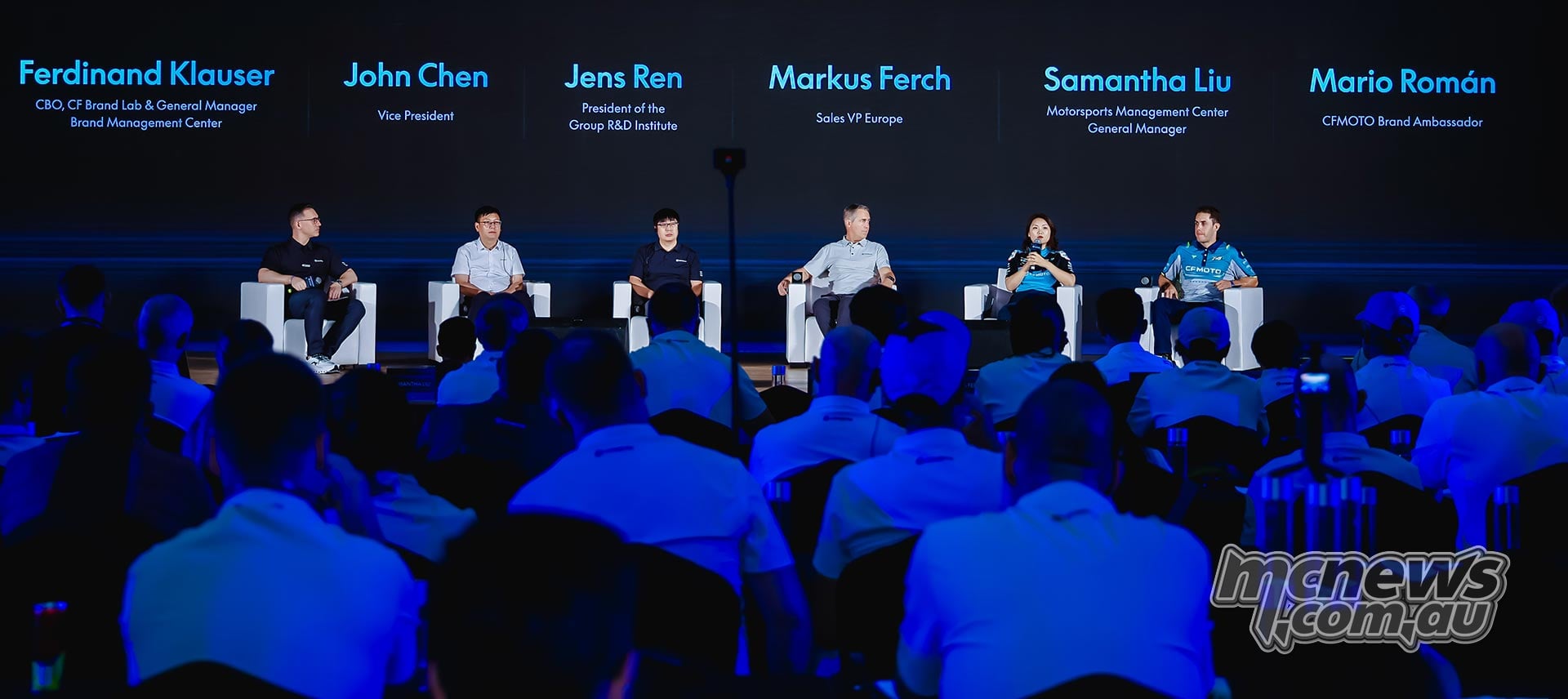
Mario Román
“Since I began, I have already tested prototypes. I think one of the reasons they took me is because I have a lot of experience in off-road, obviously, from all my years racing. They want me to give feedback, not only on that day, but also testing at home, special parts and stuff like that. Every couple of weeks, we have meetings with all the R&D people, engineers and technicians.”
That regular contact makes him an active participant in development, not merely a famous rider delivering an endorsement. After around eight months of working together, Román was impressed by how quickly the engineering staff responded to information coming back from the field.
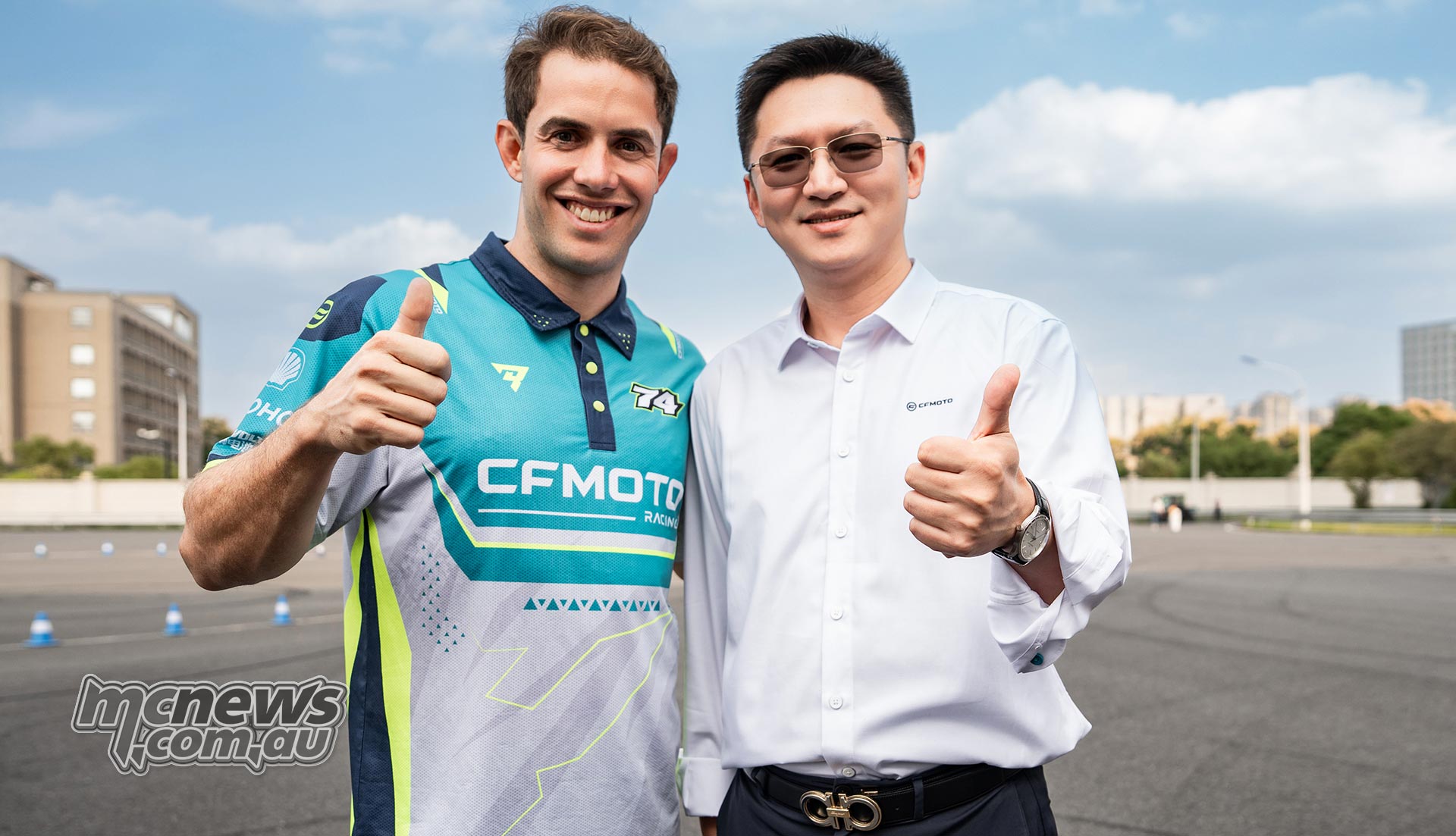
He was equally direct when I asked what had surprised him. In previous factory relationships, Román says he has encountered engineers who acknowledge a weakness yet seem unwilling to address it or let a rider try an alternative. His experience at CFMOTO has been different.
Mario Román
“They learn quick. They are very humble. They are more open-minded and they listen. They realise maybe they even know the problem, but you prove to them it is not working properly. Let’s do something.”
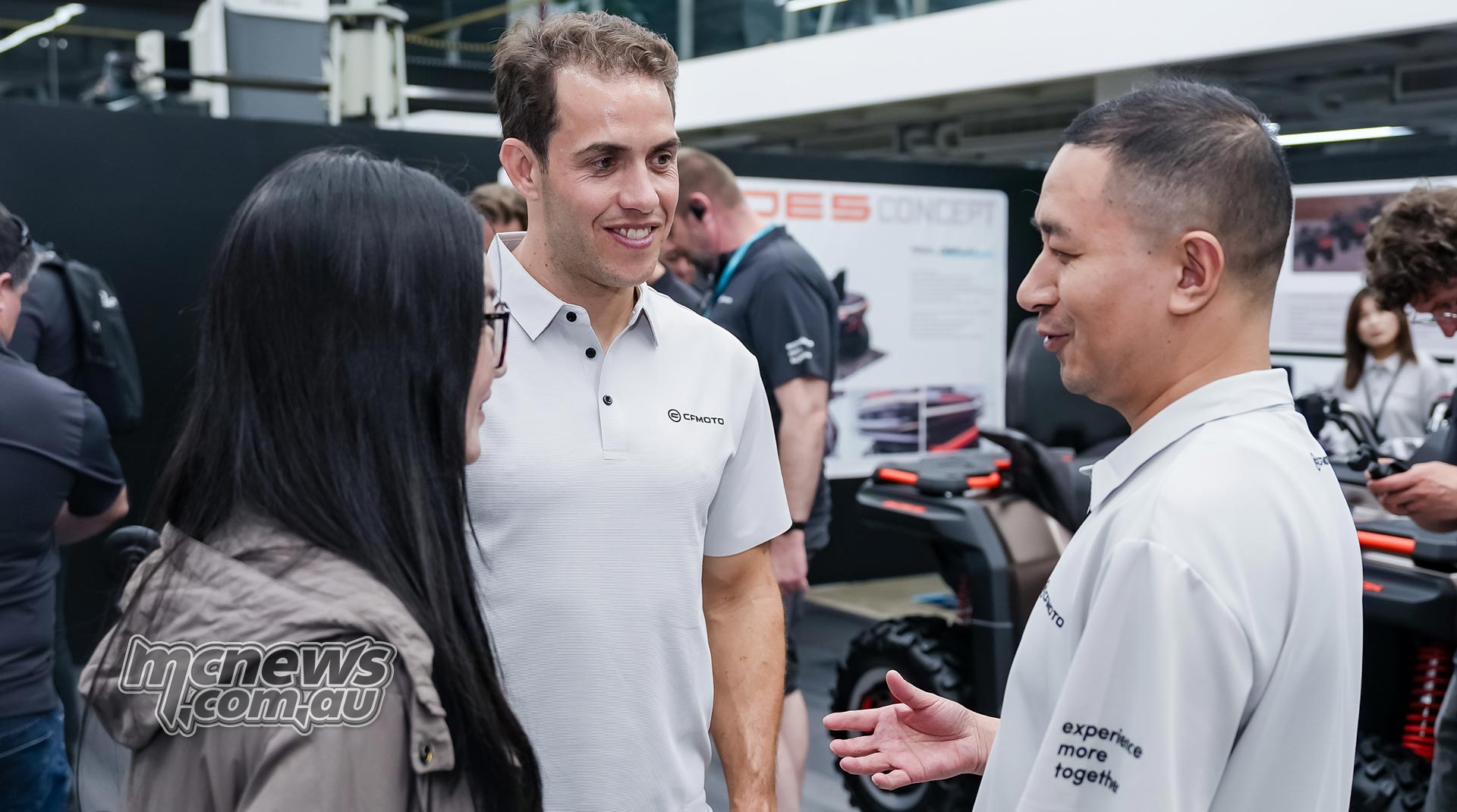
When CFMOTO does not yet have the required component, he says the company is prepared to let him collaborate with outside specialists. That willingness has proved useful during a season in which he has been asking a middleweight adventure motorcycle to do some fairly unreasonable things.
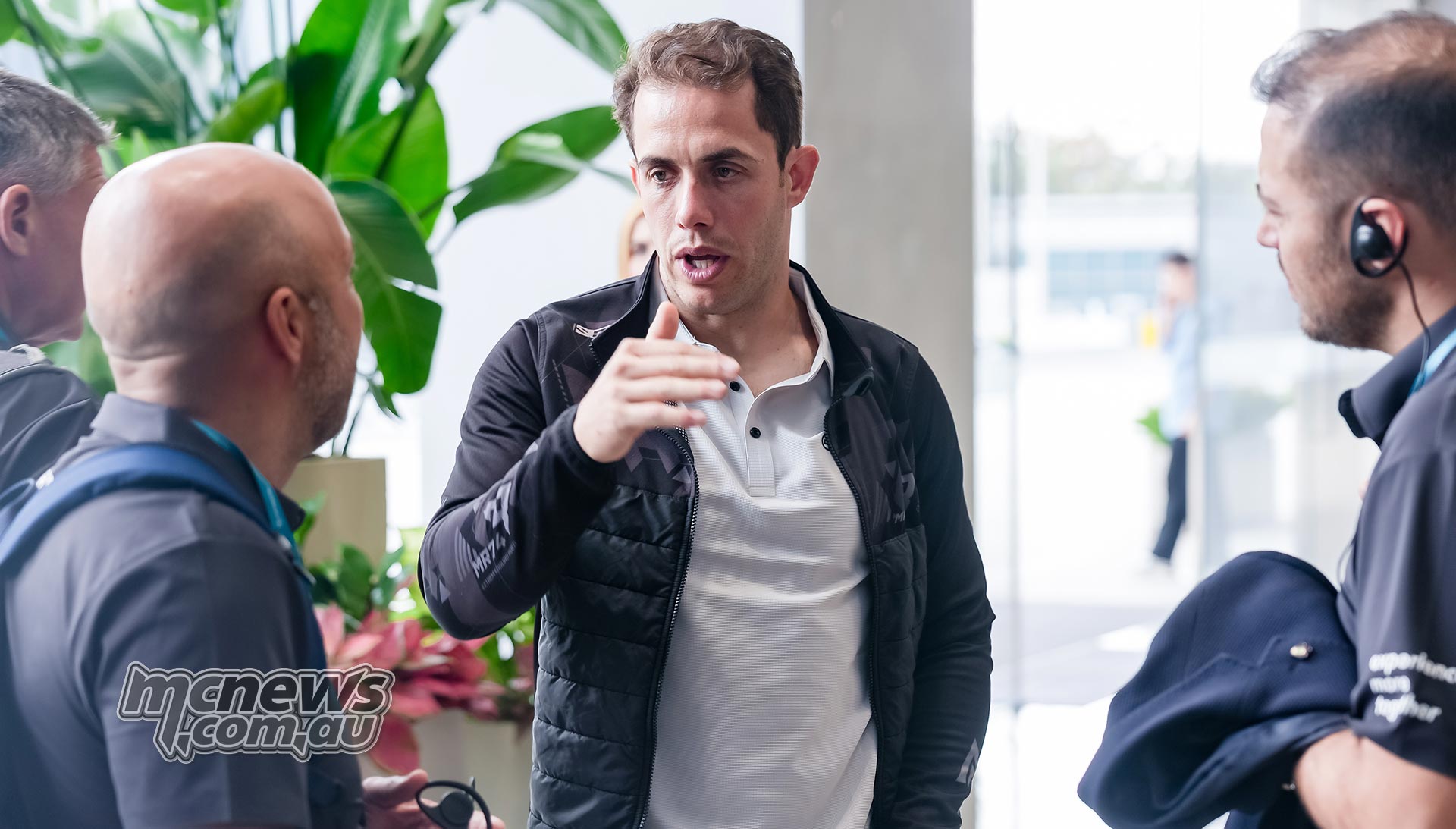
When I raised the prospect of another new motorcycle appearing at EICMA, Román replied with a knowing “Very soon.” He was understandably reluctant to elaborate, despite already being involved in prototype testing and development work for CFMOTO.
However, MCNews understands that CFMOTO is preparing to unveil the new 550MT at EICMA next month. A larger-capacity, more powerful evolution of the enormously successful 450MT, the 550MT is expected to build on the smaller machine’s strengths while taking CFMOTO’s increasingly competitive adventure range another step forward. Although the manufacturer has yet to formally announce the model, its impending debut is one of the more interesting developments to watch at this year’s Milan show.
The standard 450MT clutch was the big challenge
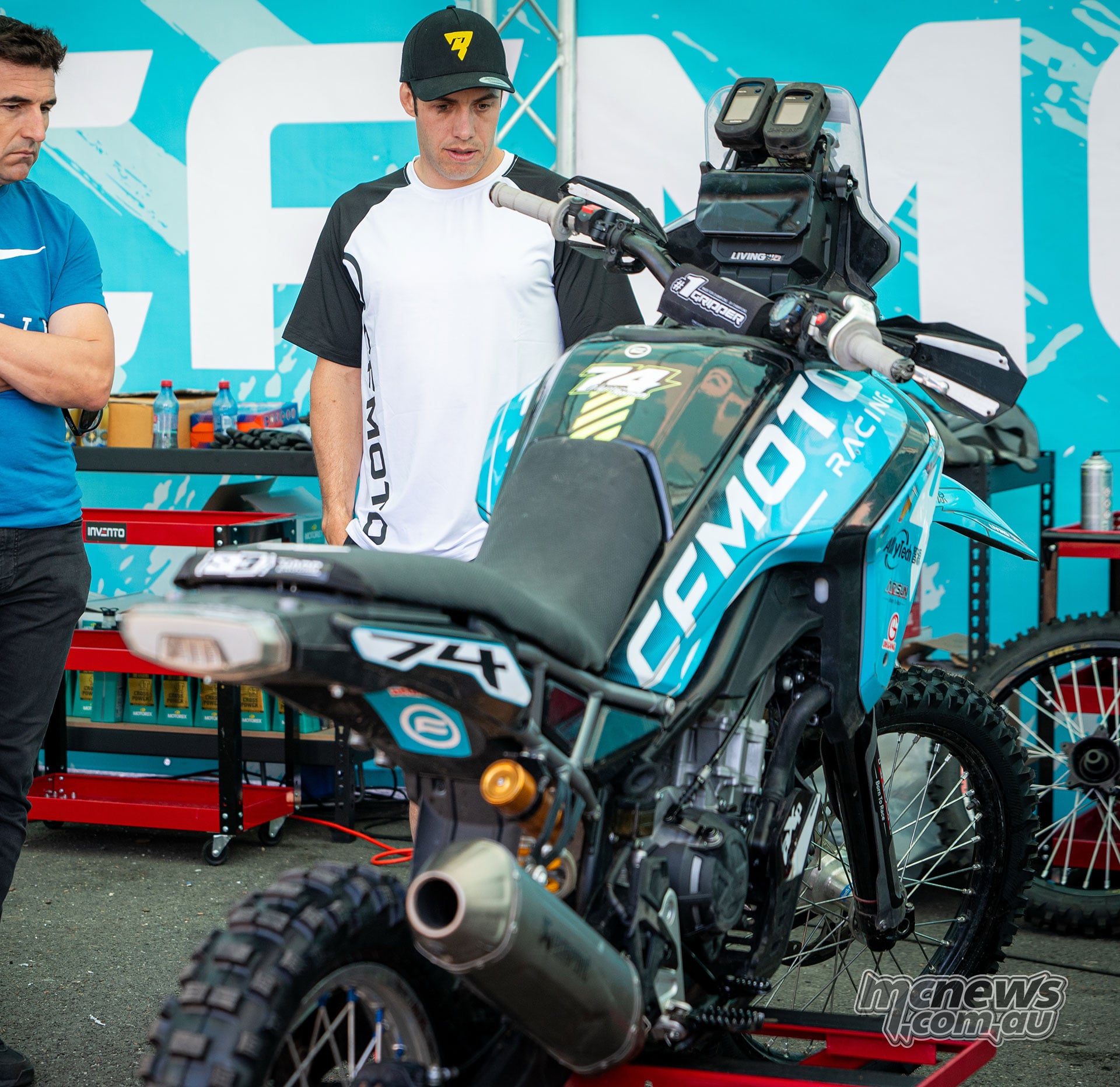
The most tangible example concerns the 450MT clutch. Román regards the standard unit as suitable for road riding and ordinary adventure use. But repeatedly slipping it while trying to coax a machine weighing almost 200 kg up technical climbs demands something quite different.
The clutch has been his biggest mechanical challenge this season, not because he considers it deficient for its intended purpose, but because he is using the motorcycle far beyond that purpose. He says Rekluse and STM have each been developing specialist alternatives, although neither solution was ready for Romaniacs.
Mario Román
“I raced Romaniacs with the standard clutch, even if people don’t think about that. The bike survived. I just changed the plates every day, just for safety. It’s the only thing I had to replace at all in the race.”
There is an important distinction in the specification of his winning motorcycle. The frame and engine internals remained standard. Román estimates that revised mapping added around five horsepower; he says the engine was not opened for internal modifications.
The more substantial changes were to the running gear: 48 mm enduro-derived front suspension components, an Öhlins rear shock, proper enduro tyres and mousse inserts.
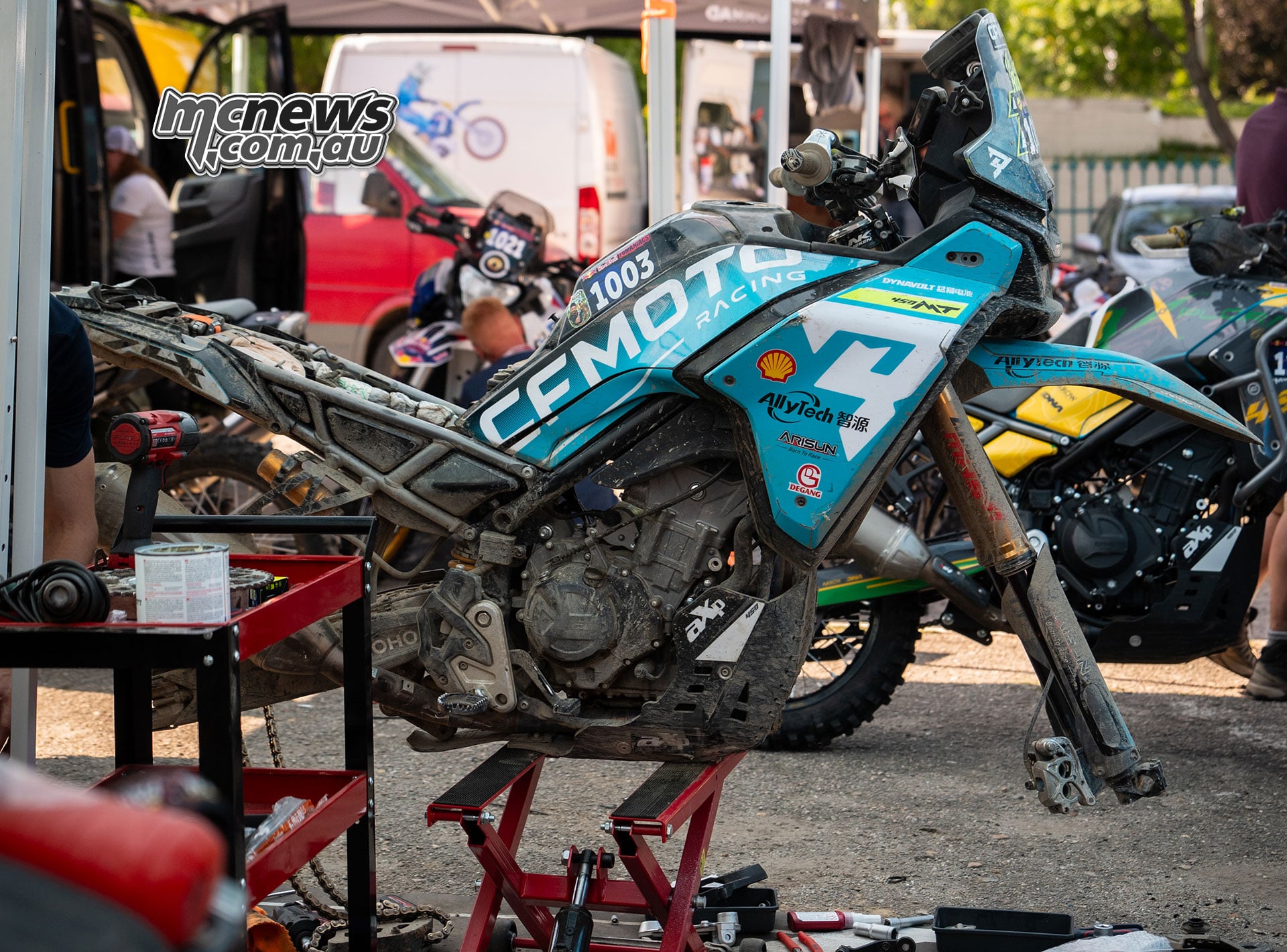
This wasn’t a showroom-standard 450MT, and its suspension and tyres were central to its performance. But the victory came with a production frame and engine internals, not a purpose-built competition powerplant hidden beneath adventure-bike bodywork.
How the 450MT defeated bigger adventure bikes
Román began riding the 450MT in January and initially wondered how he could possibly race such a heavy motorcycle quickly. He had spent his career on enduro and trials machinery weighing roughly half as much. After a couple of hours he began finding his feet, but the biggest early improvement came when he replaced the road-biased tyres with proper enduro rubber.
What surprised him was how readily the CFMOTO could be placed in a turn or threaded through singletrack. Compared with larger-engined adventure competitors, he found the smaller twin easy to handle in tight terrain. The downside was an obvious deficit when the trail opened out.
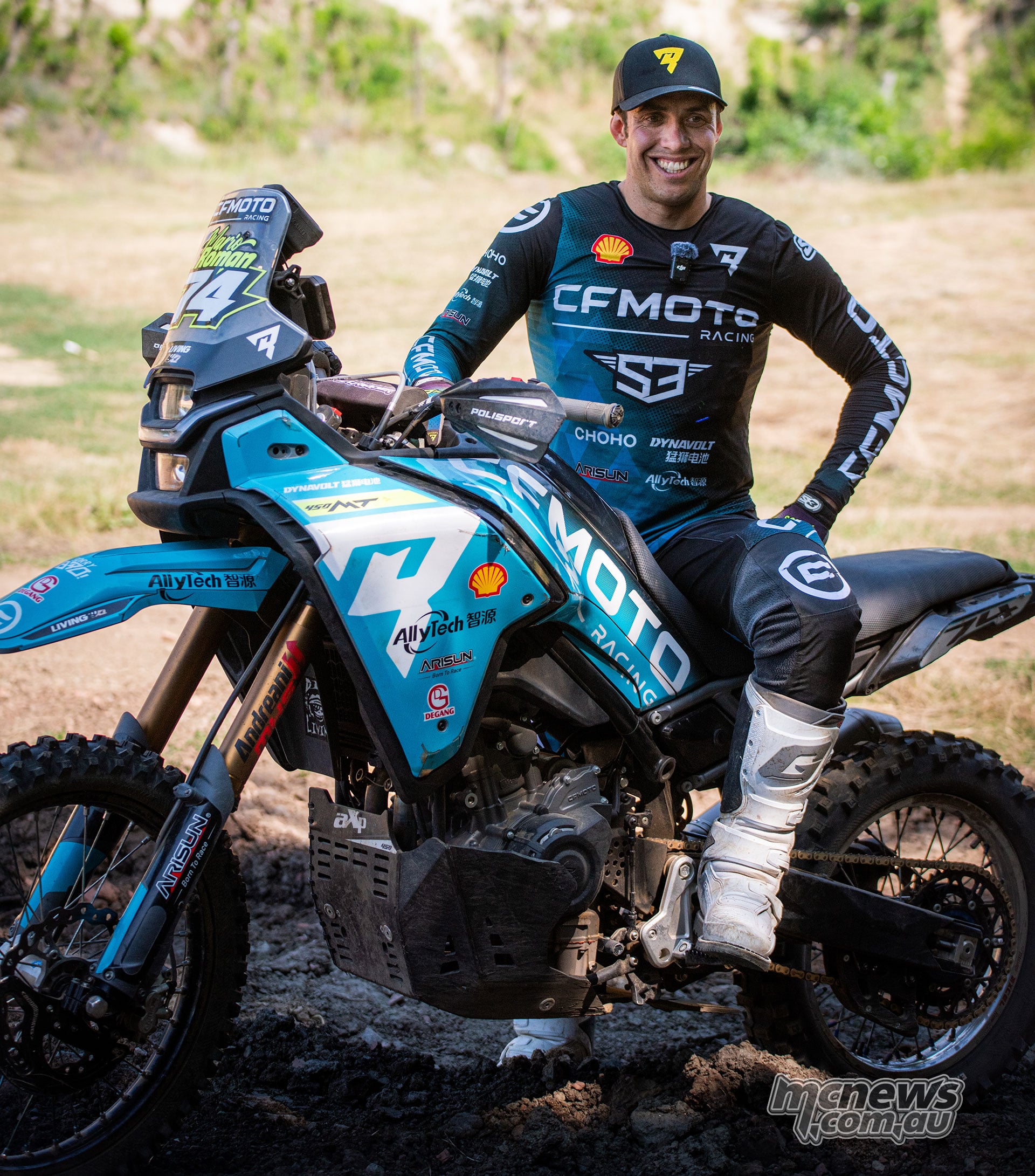
He describes the engine as smooth rather than exceptionally fast. To make progress, he needed to keep it revving and select gears carefully, comparing the required approach to riding a 125 cc two-stroke: you cannot expect it to drive strongly from a slow corner in fourth gear.
At Romaniacs, a podium seemed a reasonable ambition. Román won the Prologue after Tarrés was delayed by an incident involving a lapped rider, but knew the faster sections would favour the more powerful Yamaha and KTM. He then won the first off-road day on elapsed time, despite arriving third on the road.
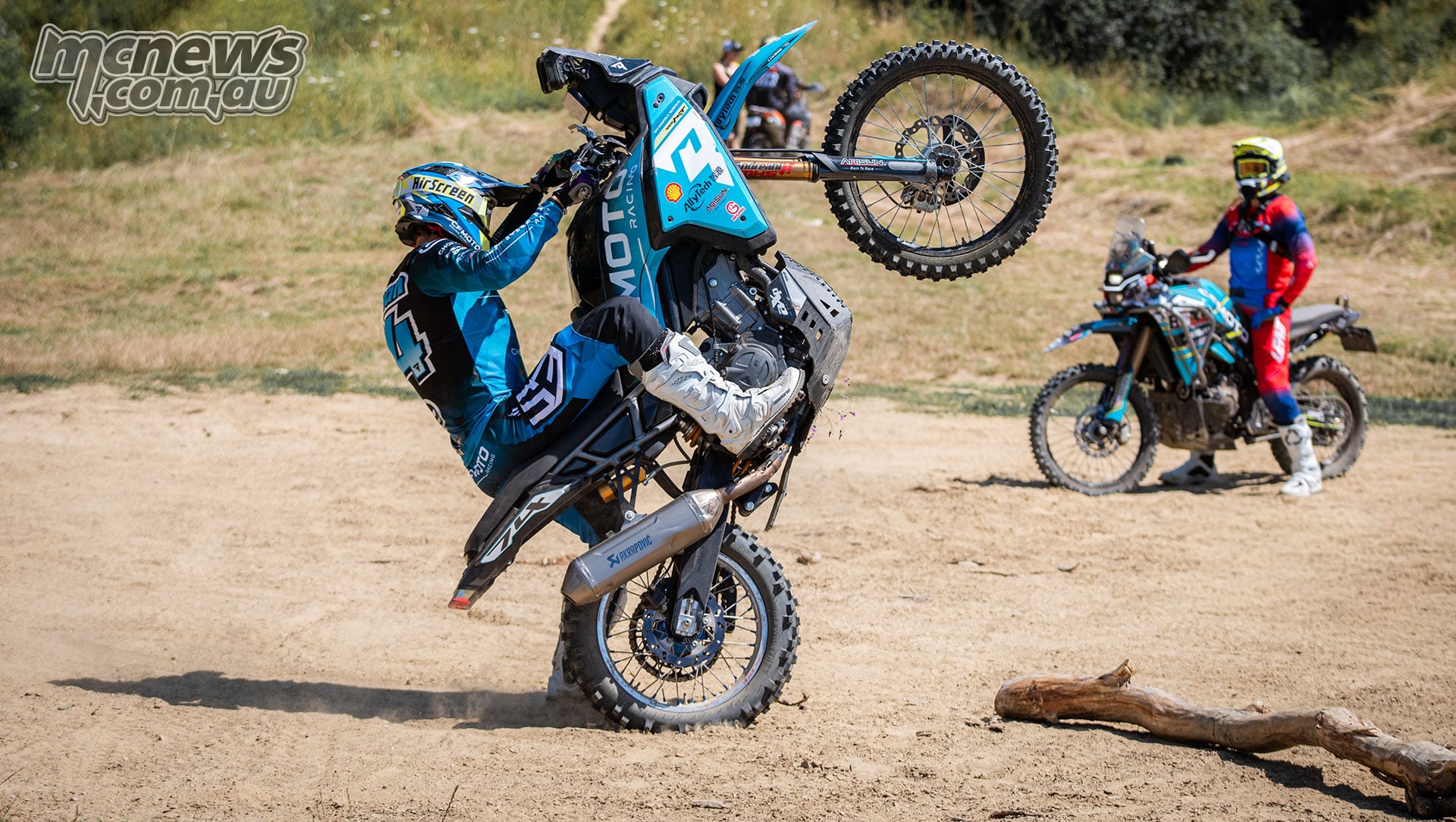
It was a useful reminder that Romaniacs is decided on elapsed time rather than the order in which motorcycles reach the finish. Román says he could scarcely keep the bigger bikes in sight on fast tracks, but the technical sections worked in his favour. By the midday service on the second off-road day he held roughly four minutes over Tarrés. He maintained his margin the next day and stretched it by approximately another ten minutes on the final day.
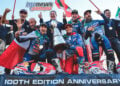
That ultimately produced the 14m40s winning margin. The 2026 Adventure Ultimate podium put three very different motorcycles side by side: the CFMOTO 450MT, Yamaha Ténéré 700 and KTM 890 Adventure.
Back at CFMOTO, he says, the result was celebrated enthusiastically. Román had won his first Romaniacs class and provided the company with a valuable racing result. But his technical insights into the 450MT may prove at least as useful to CFMOTO over the longer term.
Hard enduro should be ridden, not pushed
The racing result is impressive, but Román was at his most animated when our discussion moved from motorcycles to the future of hard enduro itself.
Tyres are unquestionably better, he says. Nevertheless, he sees rider development, particularly the trials background of so many leading competitors, as the bigger factor in how the sport has evolved.
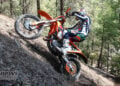
Organisers have responded by making courses increasingly challenging. Sometimes, he argues, they confuse a difficult but rideable section with one that simply demands hours of hauling a motorcycle up an obstacle.
Mario Román
“Sometimes organisers think that pushing the bike is the way to go. Hard enduro has to be hard, has to be difficult, has to be physically and mentally hard, like a challenge, but it doesn’t need to be pushing the bike for hours. It needs to be riding and flowing.”
He is not suggesting that the riders should be able to clean every obstacle. Failed attempts, difficult route choices and the fatigue of tackling demanding terrain are central to the sport. His argument is that the principal contest should still be riding, not the ability to drag a stationary motorcycle up a hillside.
Making racing easier to watch – but shorter
There is another tension in the current FIM Hard Enduro World Championship. Román understands why organisers and promoters want more spectator-friendly formats, and says the riders’ committee has been part of those discussions.
He makes a persuasive case for the change in course presentation. A 150-kilometre point-to-point event is difficult for spectators to watch and all but impossible for a camera crew to follow from beginning to end. Multi-lap races bring the action back in front of paying spectators, and make live coverage much more realistic. On those points, he says, the riders’ committee is largely in agreement.
It is not that change he objects to. His concern is how far the overall duration of championship racing has been compressed.
Mario Román
“Back in the days, hard enduro was like, the shortest race five hours to ten hours, and now the longest race is two and a half hours. So this I don’t agree. It becomes like a motocross race.”
Román is describing the direction he sees in the championship, not a formal FIM maximum. Individual rounds retain different formats, and his two-and-a-half-hour figure is best understood as his assessment of the trend towards shorter contests, rather than a rule governing every event.
His broader point is straightforward. The shorter the decisive race, the greater the reward for immediate sprint speed. The longer the event, the more room there is for pacing, efficiency, endurance and the ability to keep riding cleanly after many hours in punishing terrain.
Mario Román
“It needs to be spectacular for the people and everything, but it needs to be also long enough that we can prove who is stronger, who is faster, who is the better rider.”
A new generation benefits from the changes
Román is quite candid that the shorter races do not necessarily suit him. He says he often finds it difficult to match the opening intensity, only to grow stronger as the race progresses. But he also sees a benefit in the emergence of younger riders.
Román says that only a few years ago he would not have expected the juniors to match the established stars over a six- to ten-hour race. Across a shorter distance, their outright pace and conditioning give them a chance much sooner. He welcomes the influx of new blood, even if he is less enthusiastic about the format helping make it happen.
He points out that some weekends now mix SuperEnduro-style competition, a sprint and a main hard-enduro race. The modern championship rider must be more versatile and immediately aggressive, but there is less opportunity to demonstrate the particular skills that emerge after hours of fatigue.
There is no simple answer here. Better television and more accessible racing could help the sport commercially, and shorter events may open opportunities to a new generation. Román is simply arguing that the process should not throw away what made hard enduro distinctive.
A harder future for adventure-class racing?
There is a parallel question for the emerging adventure-bike categories in events such as Romaniacs. Román welcomes their growth and hopes more organisers around the world will create competition for the larger machines, but he is cautious about the direction the difficulty could take.
Román says organisers have sought feedback from leading Adventure Ultimate riders on how technical the emerging category should become. He wants climbs, descents, tight turns and genuinely demanding terrain, without turning every section into a battle to manhandle a 200 kg motorcycle.
Mario Román
“We don’t want to push a 200-kilo bike. It needs to be rideable, it needs to be technical, but not Dakar style, because it’s an adventure hard enduro event.”
The published 2027 Adventure class structure sets out four divisions. Lite and Core retain their existing levels, the new Wild class sits at roughly the difficulty of 2026 Ultimate, and Ultimate becomes a more demanding professional-level category. Román wants that progression to involve rideable technical challenges rather than endless pushing.
That development presents both opportunity and risk. Manufacturers and riders have shown what big adventure bikes can achieve in skilled hands, but the appeal of the category depends on finding a suitable balance between riding challenge and outright punishment.
Román is enthusiastic about remaining involved, both as a competitor and through his CFMOTO development role. And there is a consistent thread through his views on conventional hard enduro and the new adventure classes: the riding should be spectacular, difficult and demanding, but it still needs to be riding.
The question for hard enduro, and now for hard adventure, is how to keep stretching riders without losing the qualities that make the racing worth watching. Román is not asking for an easier contest. He is asking for a better one.