

ASBK 2027
Ben Henry Interview
Ben Henry is building a motorcycle while we talk. Josh Waters and Adrian Monti are coming to DesmoSport Ducati; decisions remain before the summer ASBK championship, and the team boss is getting on with the work he enjoys most.
“I just like racing. I like building my motorbikes. I like going to the race. I like going fast. But unfortunately, that’s not what pays the bills anymore.”
The arrival of a five-time Australian Superbike Champion and his established crew chief gives Henry a new opportunity on the track. Our conversation also explores what it takes to keep the team running: making decisions with limited testing time, working with another technical specialist, and giving sponsors something useful in return for their support.
Henry was candid about the confidence he retains in his motorcycles, the work ahead and the commercial side of racing.
The belief remained when the results were harder to find
Henry acknowledges that his bikes have not been as competitive over the preceding 12 months. He has also noticed how results affect the way people outside the team view the opportunities within it.
He described receiving approaches from families hoping to place young riders on his motorcycles, including calls he doubts he would have received when DesmoSport was enjoying stronger results.
His own assessment of the team’s potential remained firm.
“I really believe in my team and I believe in what we’ve got, and I know that we can be good enough to win given the right circumstances.”

Waters choosing to join gives Henry encouragement that the rider sees that potential too. He is pleased with the signing and grateful for the confidence both incoming members have placed in the operation.
“I couldn’t be happier and I couldn’t be more grateful for their trust in my programme.”
That determination to make DesmoSport a consistent winning team was also evident in our previous feature interview with Henry. The personnel have changed, while the ambition remains familiar.
Working with Monti while keeping his hands on the bikes
Waters and Monti have an established working relationship. Monti and Henry’s relationship is much newer.
Henry said he had not known Monti particularly well before discussing the move. They had worked in different Ducati camps, and bringing the pairing together meant talking through what each could contribute.
Asked how they would divide the workshop work, trackside decisions and development, Henry’s first answer was straightforward.
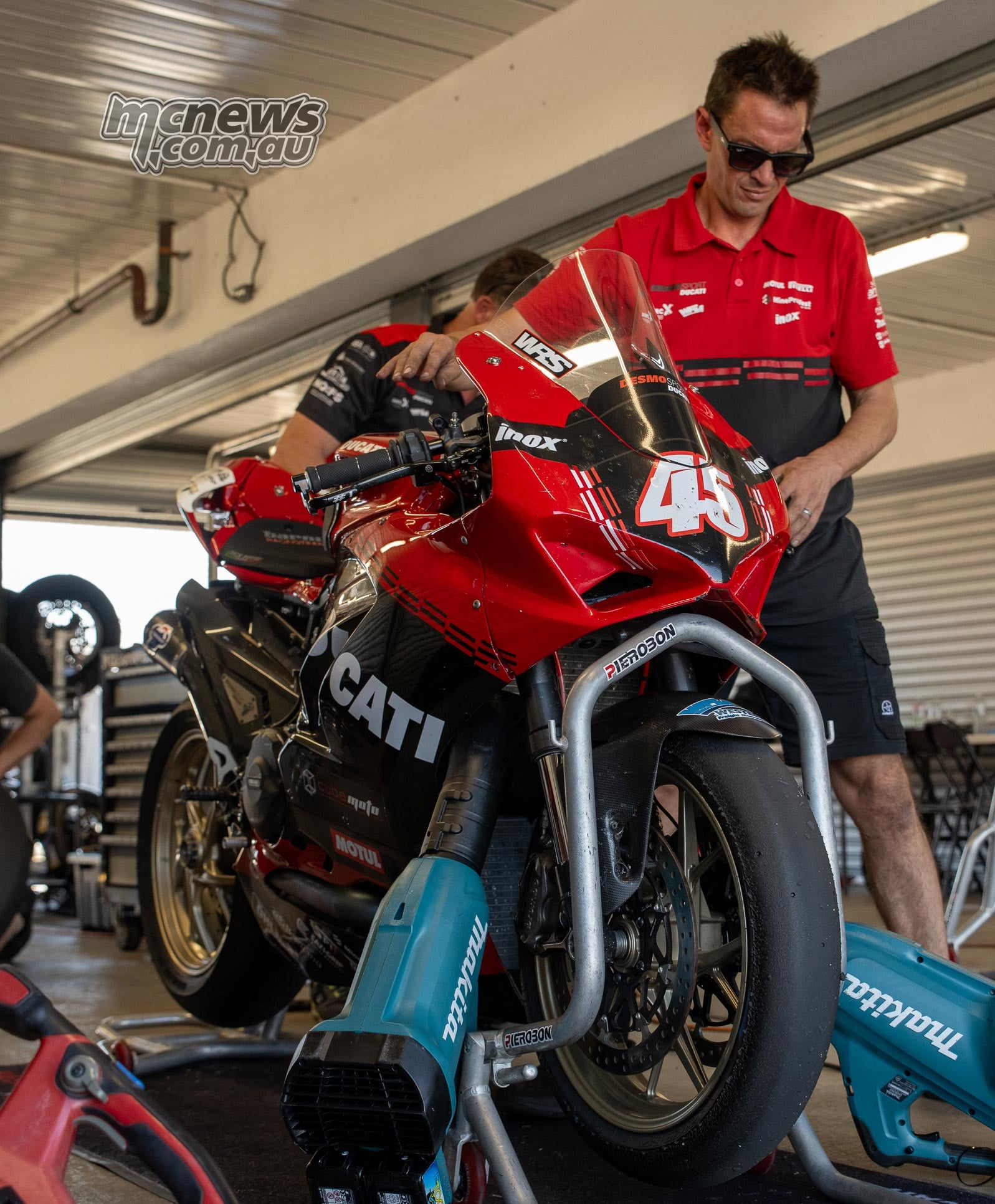
“I guess it’ll just be a conversation. I’m still building the bikes. I’m building a bike as I’m talking here.”
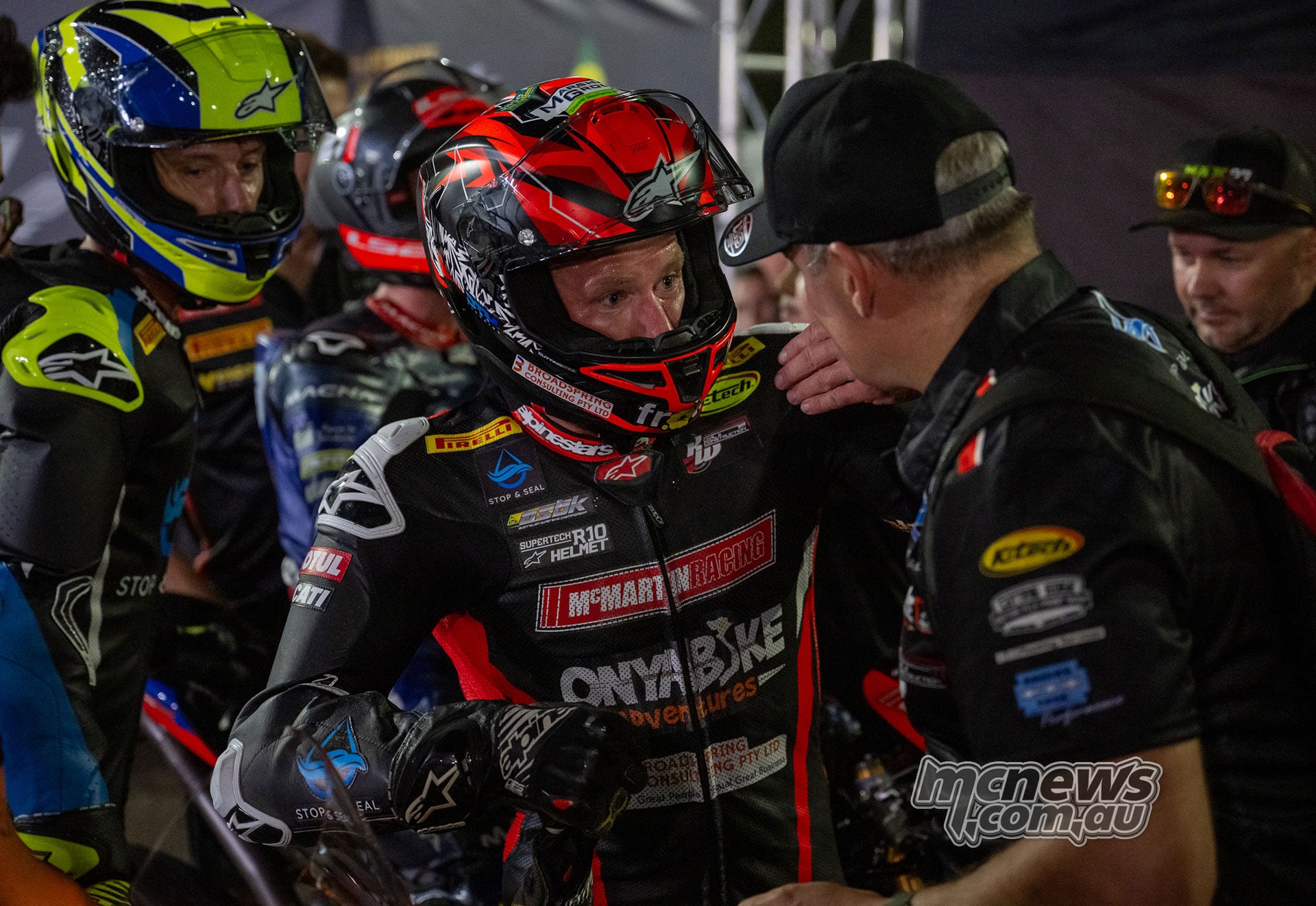
Henry will continue preparing the motorcycles on the Gold Coast, with Monti communicating the settings he wants taken to the circuit. For the team boss, the new arrangement still includes the practical work he has always enjoyed.
He also drew a distinction between the race operation and the workshop business that shares its premises.
“The workshop is a different business. It’s got different staff in it. It’s all fairly separate, although it’s underneath the same roof.”
Our earlier technical conversation with Monti explored the details of turning rider feedback into chassis and electronics changes. Henry and Monti now have to establish how their respective experience will work together around Waters.
A useful test starts with deciding what to test
Henry has four potential combinations of V4 R generation and electronics to consider. That gives the team choices, but it also requires decisions before the first laps are turned.
He is wary of trying to evaluate everything during a short test and leaving with more questions than useful answers.
“You couldn’t do a good job riding four different bikes in two days and try and pick the one that you think you’re going to win on.”
His description of that approach is typically direct.
“That’s just a surefire way of giving yourself more work than you need.”

The intention is to narrow the options through discussion, then take a clear plan to the circuit. Henry is keen to make the new V4 R work, while recognising the value of the earlier model’s familiarity to Waters and the team.
He is equally keen to avoid making the range of possible equipment sound like a problem.
“I feel like we’re lucky that we’re in that position that we have four things to choose from. It’s better than none or two.”
His immediate measure of success is consistent speed.
“That’s all we’ve got to worry about, is working out which bike we can go the fastest on consistently.”
His concern about Ducati’s further rev restriction follows a similar emphasis on assessing the complete package. Henry argues that the new motorcycle and its different electronics should first demonstrate their performance in competition.
“There’s a big difference between the ECU that’s been raced and what’s coming. It’s a whole new bike, it’s a whole new ECU package. The ECU’s much more in line with what everyone else has been running.”

That is Henry’s argument for giving the new combination an opportunity before restricting it further. The team’s preparation still has to work within the published rules.
A rider plan gives sponsors something to consider
The signing also allows Henry to move forward with conversations he had been putting off.
When asked about sponsorship for the summer championship, he explained that uncertainty over his rider plans had made it difficult to present the coming campaign to backers.
“I’ve been really, really quiet with my sponsors because I haven’t been able to go to them with a plan.”
A prospective supporter could ask who would be riding the motorcycle. Until the line-up was settled, Henry could not answer that.
He remained confident in his existing relationships and in his ability to firm up arrangements. Waters and Monti give him a concrete programme to discuss, with a clearer sporting ambition attached.
Having a recognisable rider is only part of that conversation. Henry says the next step is understanding what each sponsor actually wants from the association.
Every sponsor wants something different
Asked what involvement with DesmoSport could offer a potential backer, Henry resisted giving a single answer that would supposedly suit everyone.
“Some people are looking for an experience, and that’s what puts a smile on their face. Some people are looking for something more commercial, where you go into their business and promote something for them or do something for them. Some people are looking for something corporate at some of the events where we can supply it.”
Those expectations differ and require different kinds of work from the team. A guest experience at a circuit and a promotional visit to a business each need someone to organise them.
“The whole putting a sticker on a motorbike and going round and round, that doesn’t really do anything for anyone. There’s way more to it than that.”
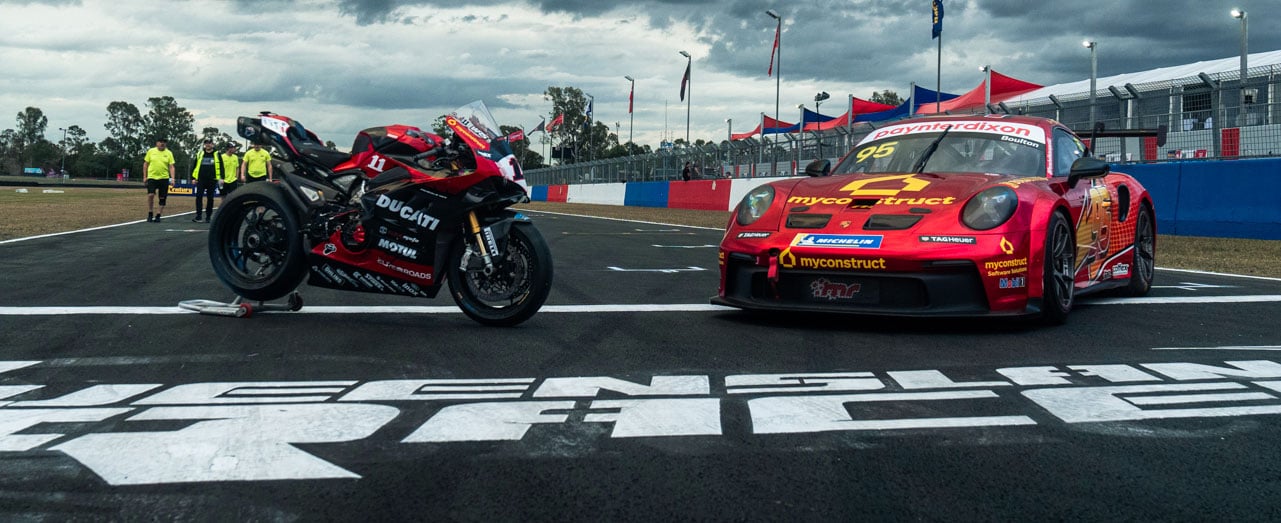
Henry’s answer is to give someone responsibility for those relationships. He identifies Dave Maddock as the person in his operation whose job is to look after sponsors and help them develop ideas for getting value from the team.
“He makes sure that everyone gets what they want, helps them come up with ideas to get the most out of us as a team.”
For Henry, that person is a substantial part of what DesmoSport offers alongside its motorcycles, transporter and race results.
“I have someone that wholly and solely is there to make sure that the sponsors are serviced properly.”
He describes it as continuing work, with something happening for one supporter or another every other day.
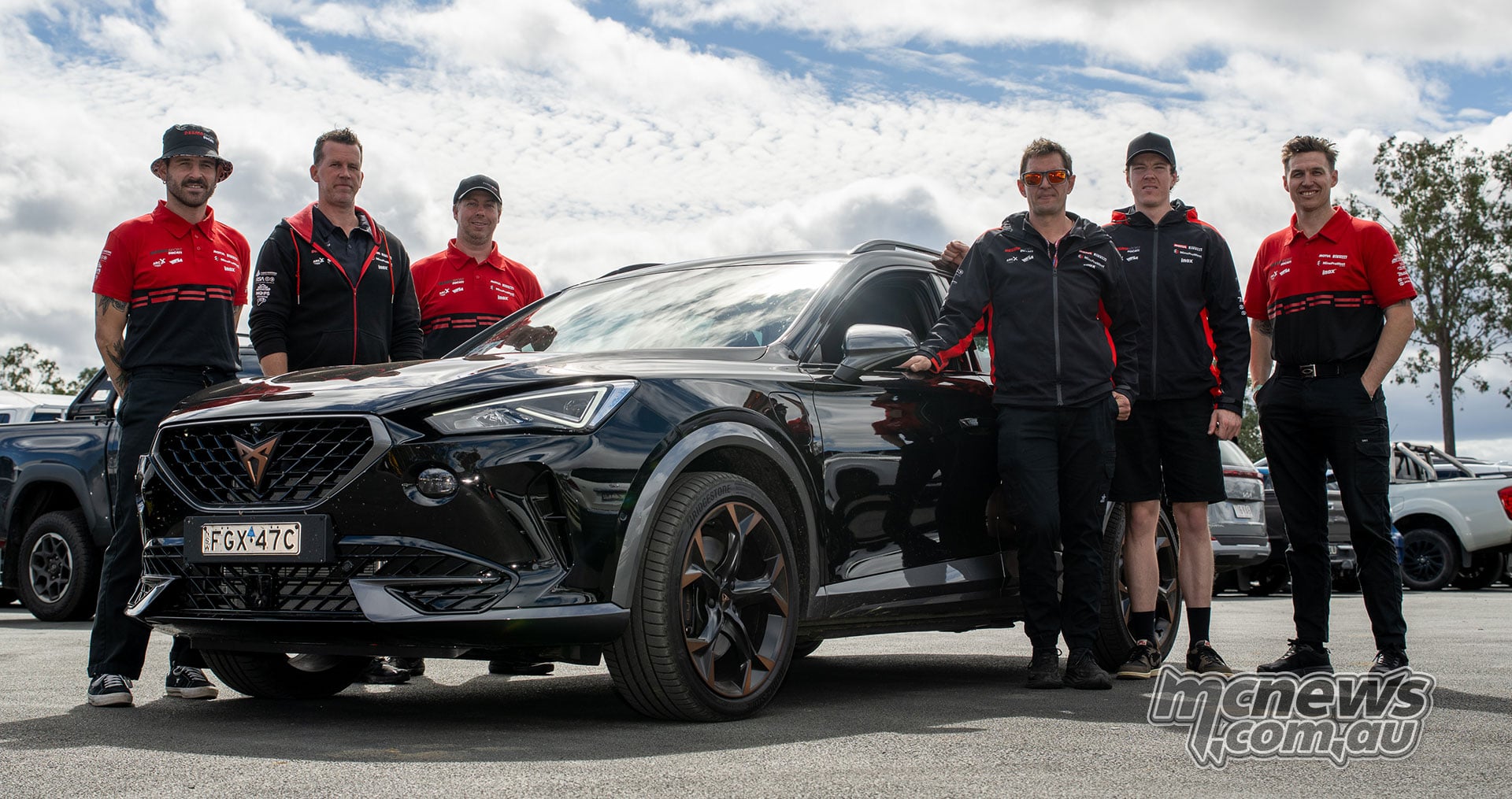
A race bike can go to work away from the circuit
Some of those activities take the team into settings far removed from a Superbike grid.
Henry talks about taking a motorcycle and transporter to a sponsor’s factory, perhaps putting on a barbecue while travelling to a race meeting. The race team becomes part of an event for that business, its staff or its guests.
“Your race team is just like a set of props for advertising.”
The motorcycle’s portability helps. Henry says sponsors involved in both car and motorcycle racing have noticed how much easier it can be to bring a bike into their own workplace.
“The bikes, you can bring them into the factory and do whatever.”
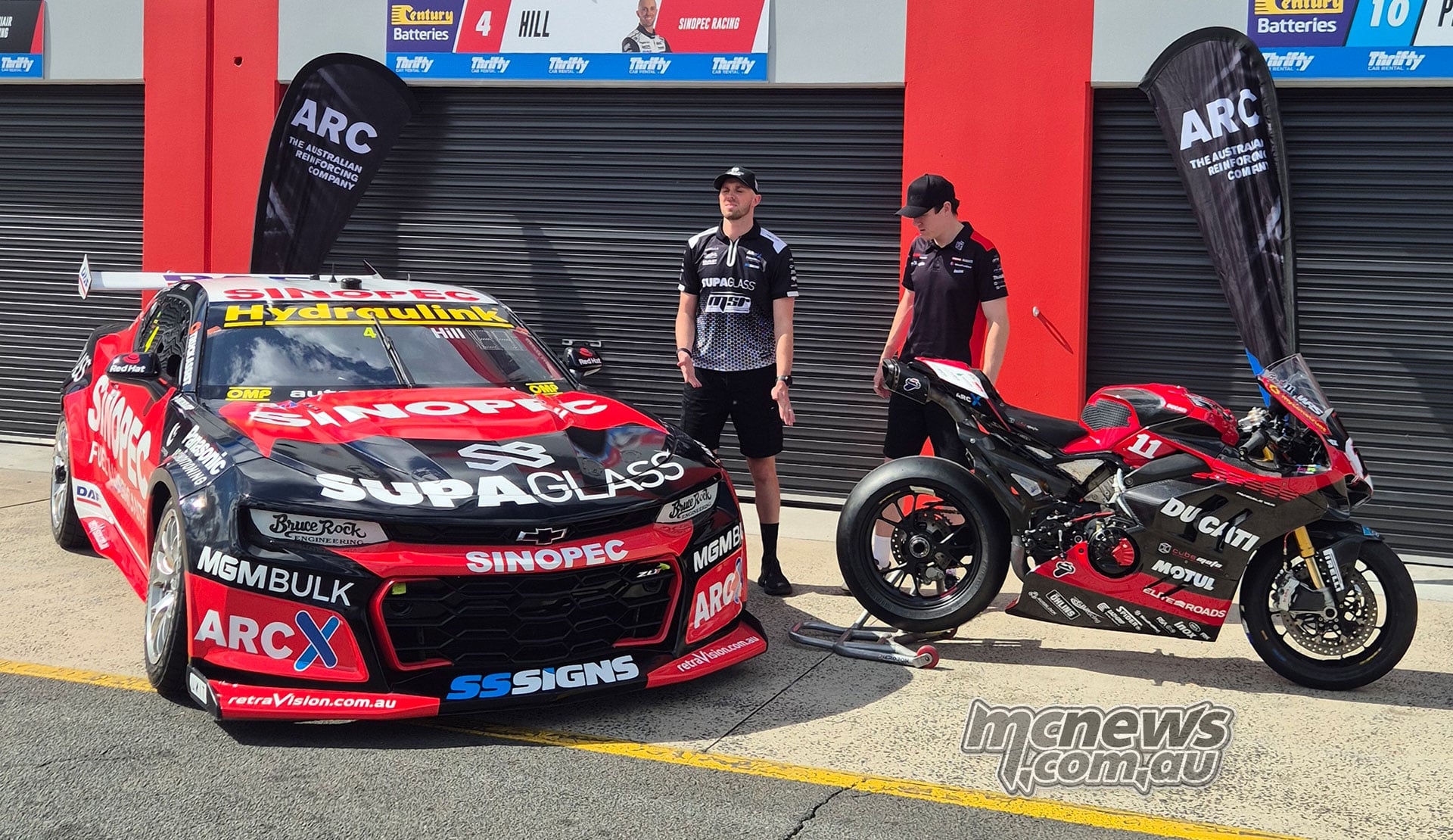
A supporter might value that access, a day at the circuit, a business promotion or something else entirely. Henry’s experience is that the team has to find out, then do the work to deliver it.
“There’s definitely not a secret recipe to securing sponsors. It’s definitely a case-by-case scenario.”
Building the motorcycles and trying to make them go faster remain the attraction. Looking after the people funding that effort makes the racing possible.
2026–2027 ASBK summer calendar
The current ASBK calendar lists six rounds for the 2027 championship, beginning on the Australian Motorcycle Grand Prix support program and concluding under lights at Sydney Motorsport Park.
| Rnd | Circuit | Date |
|---|---|---|
| 1 | Phillip Island | 23–25 Oct 2026 |
| 2 | The Bend | 13–15 Nov 2026 |
| 3 | One Raceway | 4–6 Dec 2026 |
| 4 | Queensland Raceway | 15–17 Jan 2027 |
| 5 | Phillip Island | 19–21 Feb 2027 |
| 6 | Sydney Motorsport Park | 19–20 Mar 2027 |