

Moto Guzzi at 105
The Eagle gets a new nest
For four days in early September, the small town of Mandello del Lario on the eastern shore of Italy’s staggeringly beautiful Lake Como became the undisputed centre of the Moto Guzzi universe. The occasion was Moto Guzzi World Days 2026, a celebration of 105 years of the Italian marque and the public opening of the Eagle brand’s radically transformed home.
Moto Guzzi reported that more than 60,000 people attended the September 3–6 event.
The scale was remarkable. The newly transformed factory site drew 40,000 visitors, and the new museum alone welcomed almost 30,000.
For a company that has spent 105 years cultivating an identity built around individuality, engineering eccentricity and an almost inseparable connection between its motorcycles and the town in which they are made, GMG 2026 felt less like a conventional motorcycle event and more like a homecoming. And for many of the people who attended, Mandello was precisely that.
The Eagle gets a new nest
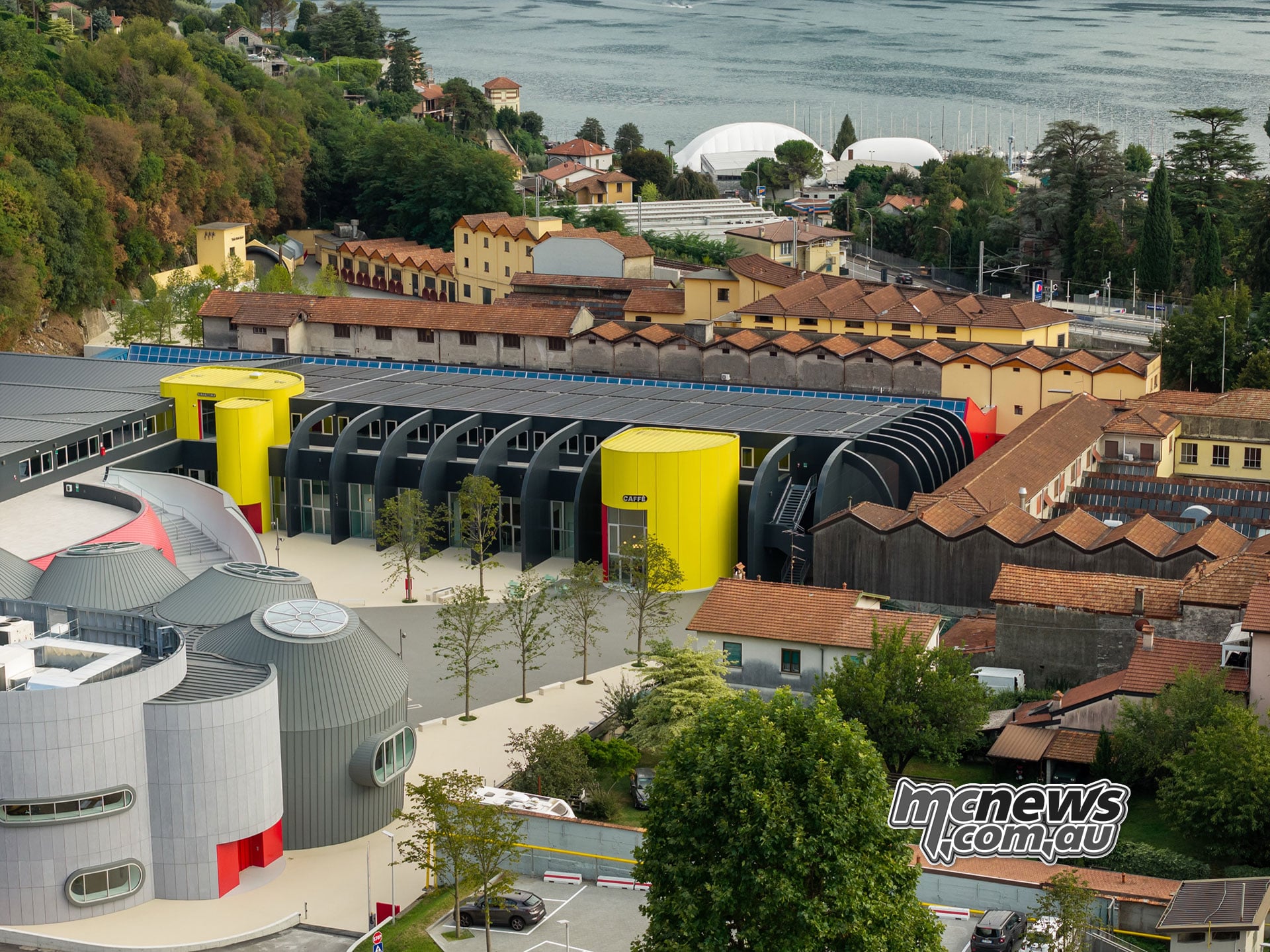
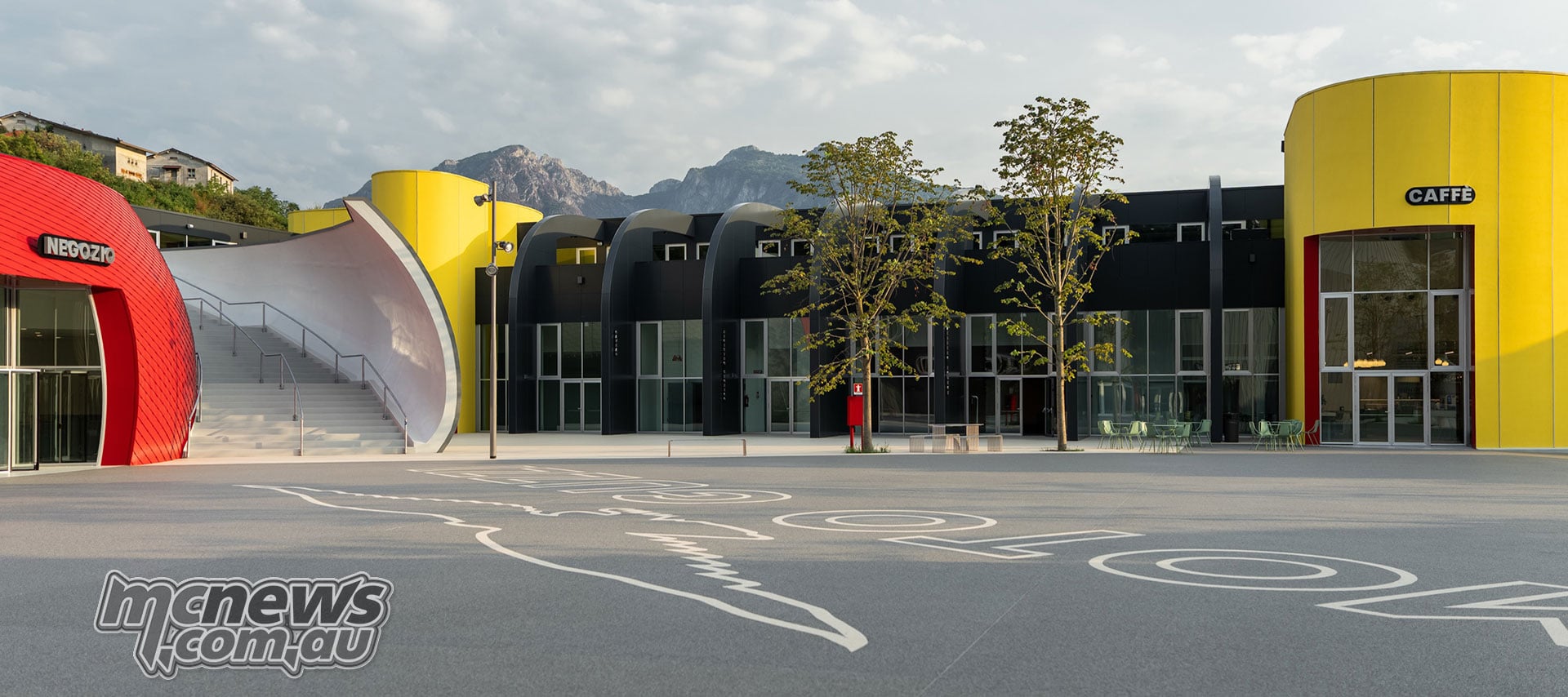
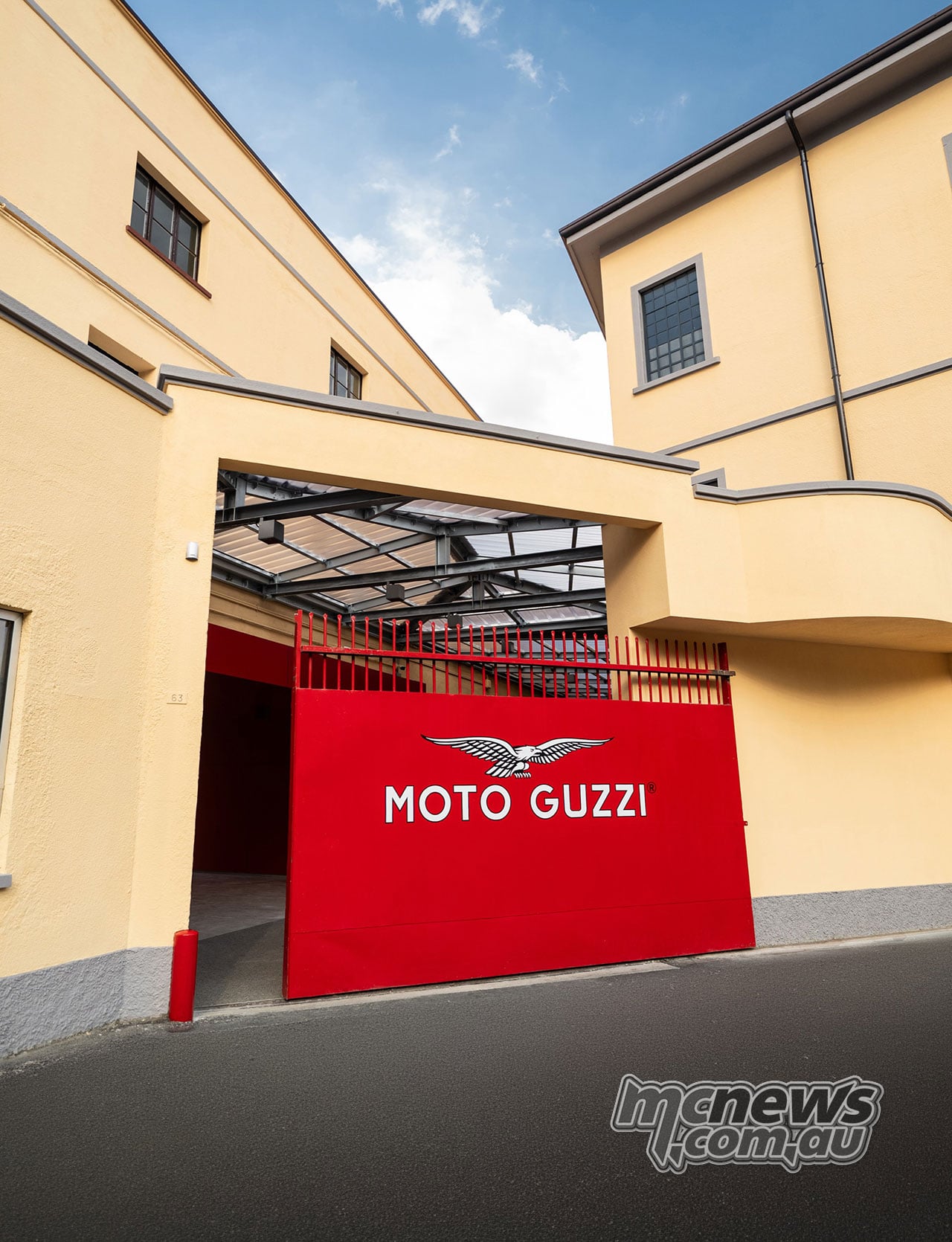
The centrepiece of the celebrations was the unveiling of Moto Guzzi’s extensively redeveloped factory and museum complex. Almost five years of work and an investment exceeding €50 million have transformed the historic site without severing its connection to its past.
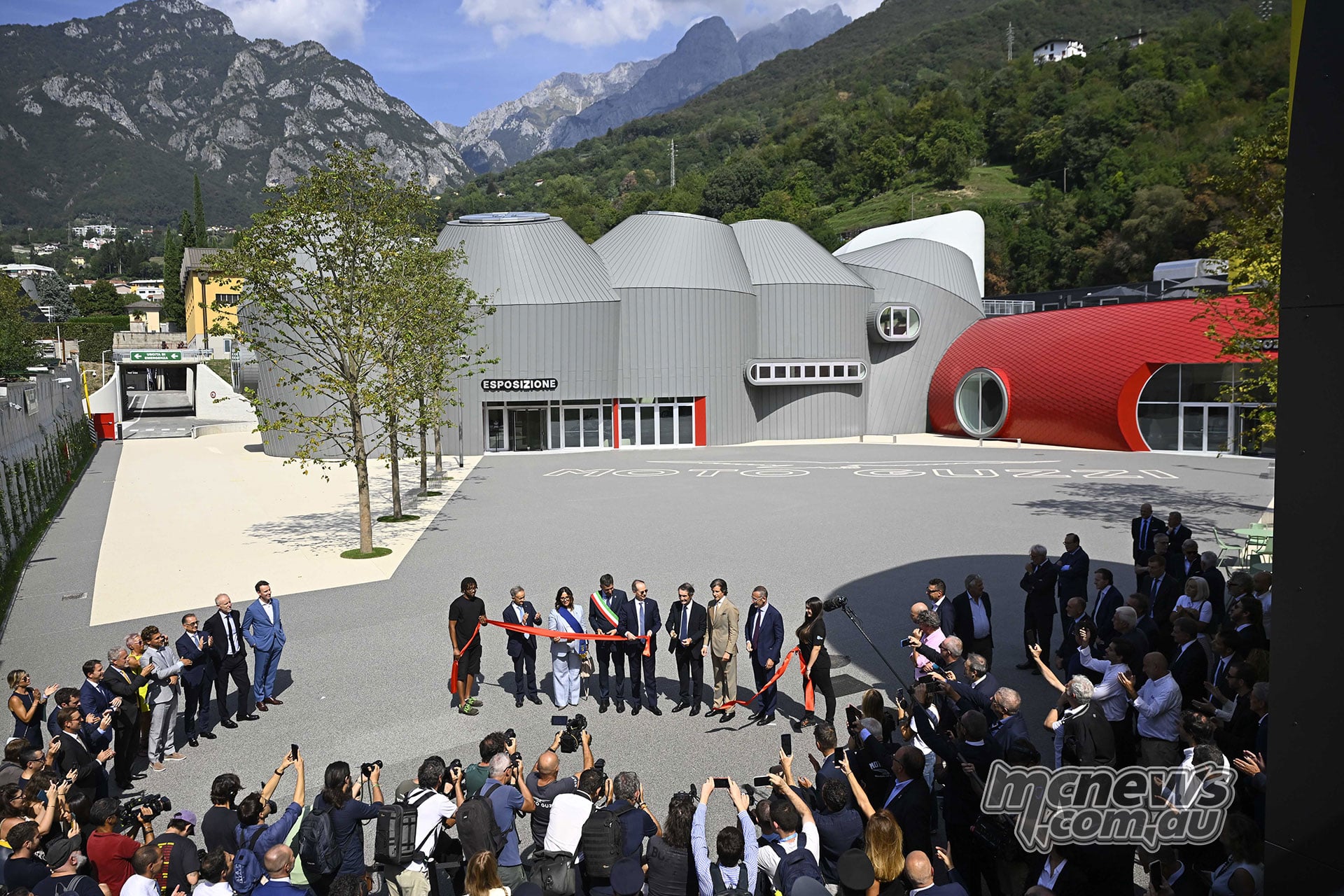
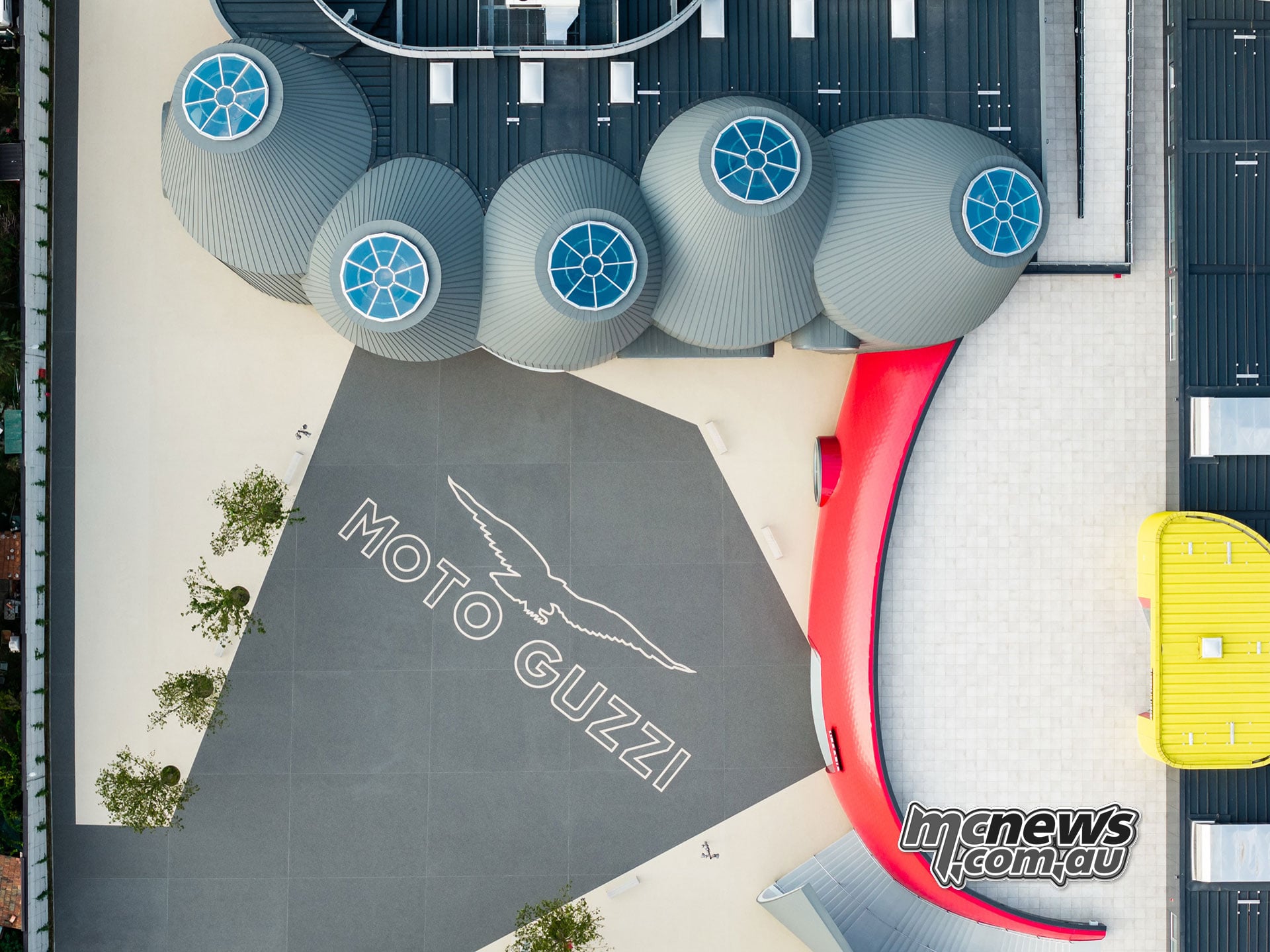
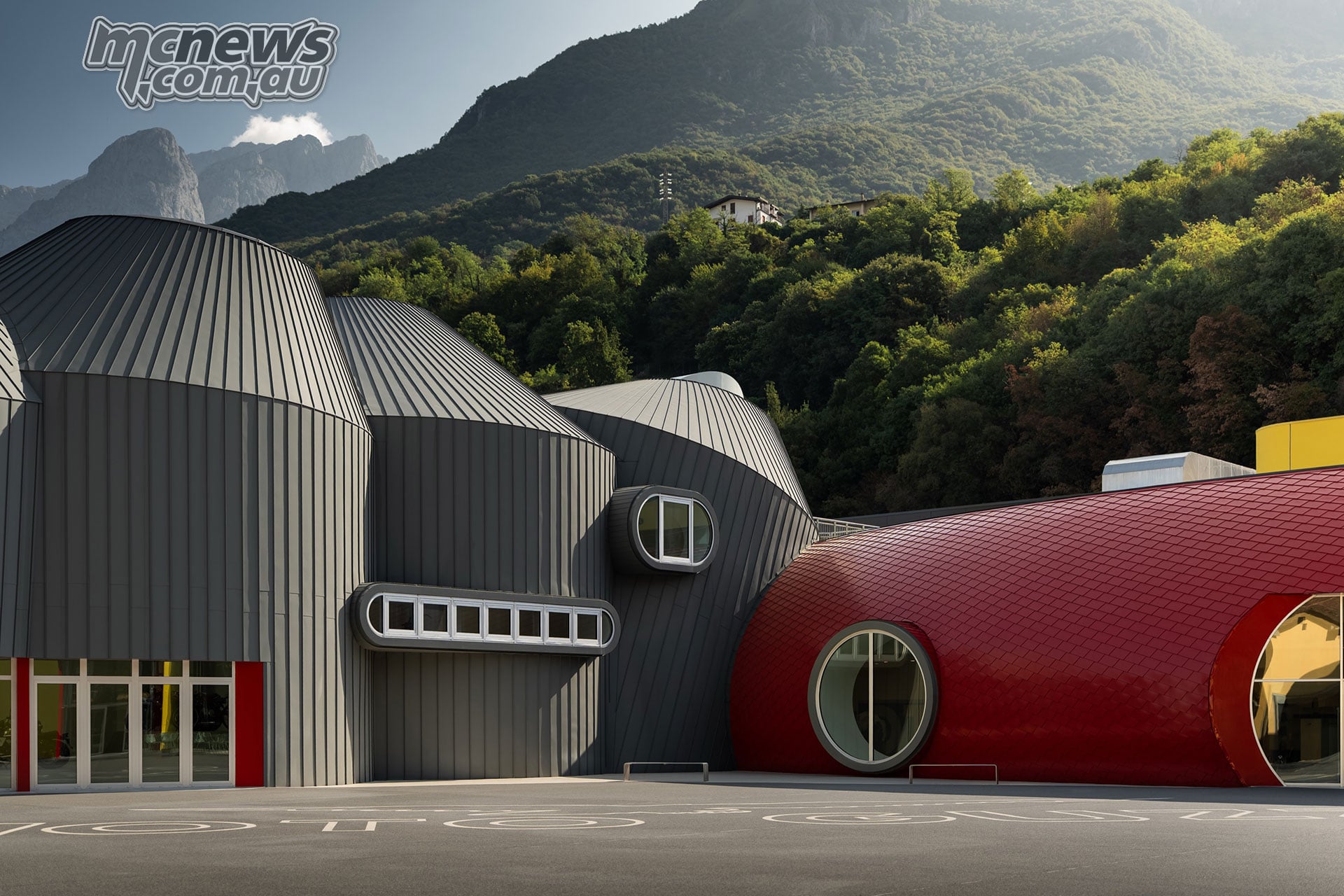
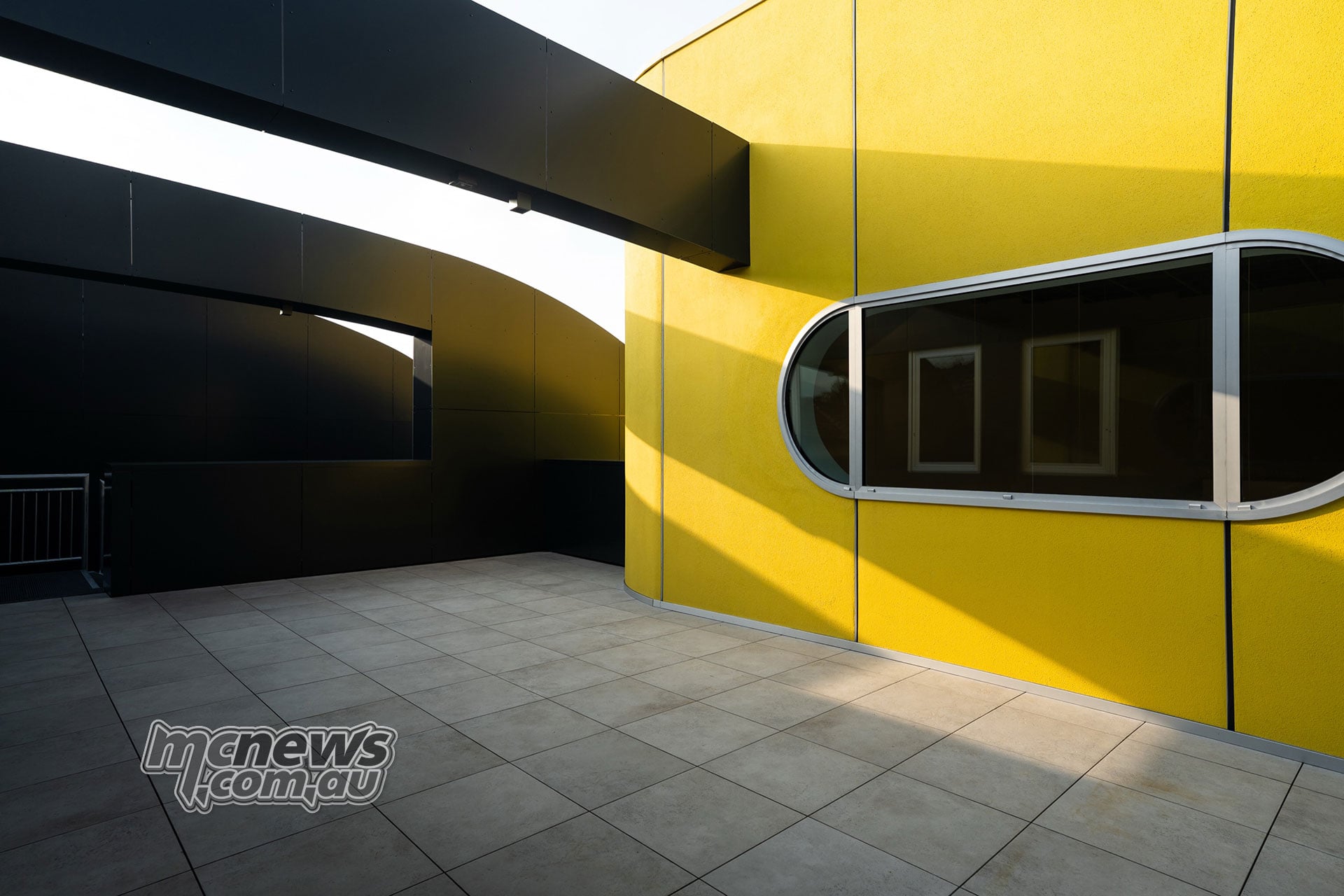
American architect Greg Lynn conceived the project, aiming to combine Moto Guzzi’s industrial heritage with a distinctly contemporary architectural language. Rather than simply refurbishing the existing factory, the project adds new spaces, new visitor facilities and a substantially expanded production area while retaining the historic buildings and the famous wind tunnel.
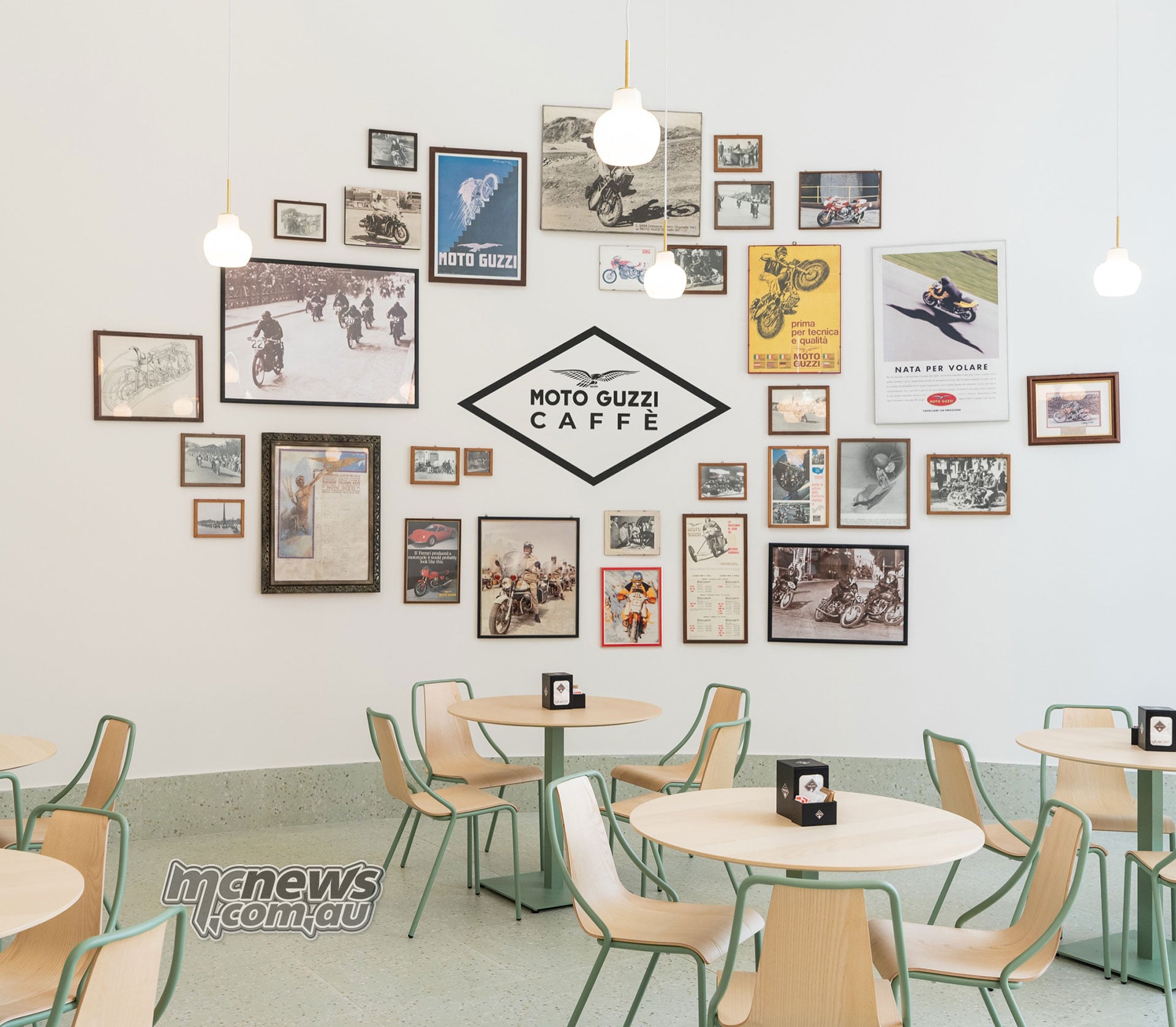
The factory area has grown to 38,000 square metres, including 5500 square metres of new industrial buildings. The visitor experience includes a Motoplex store, café, auditorium, event areas, tree-lined squares and outdoor spaces, as well as the restored Galleria del Vento.
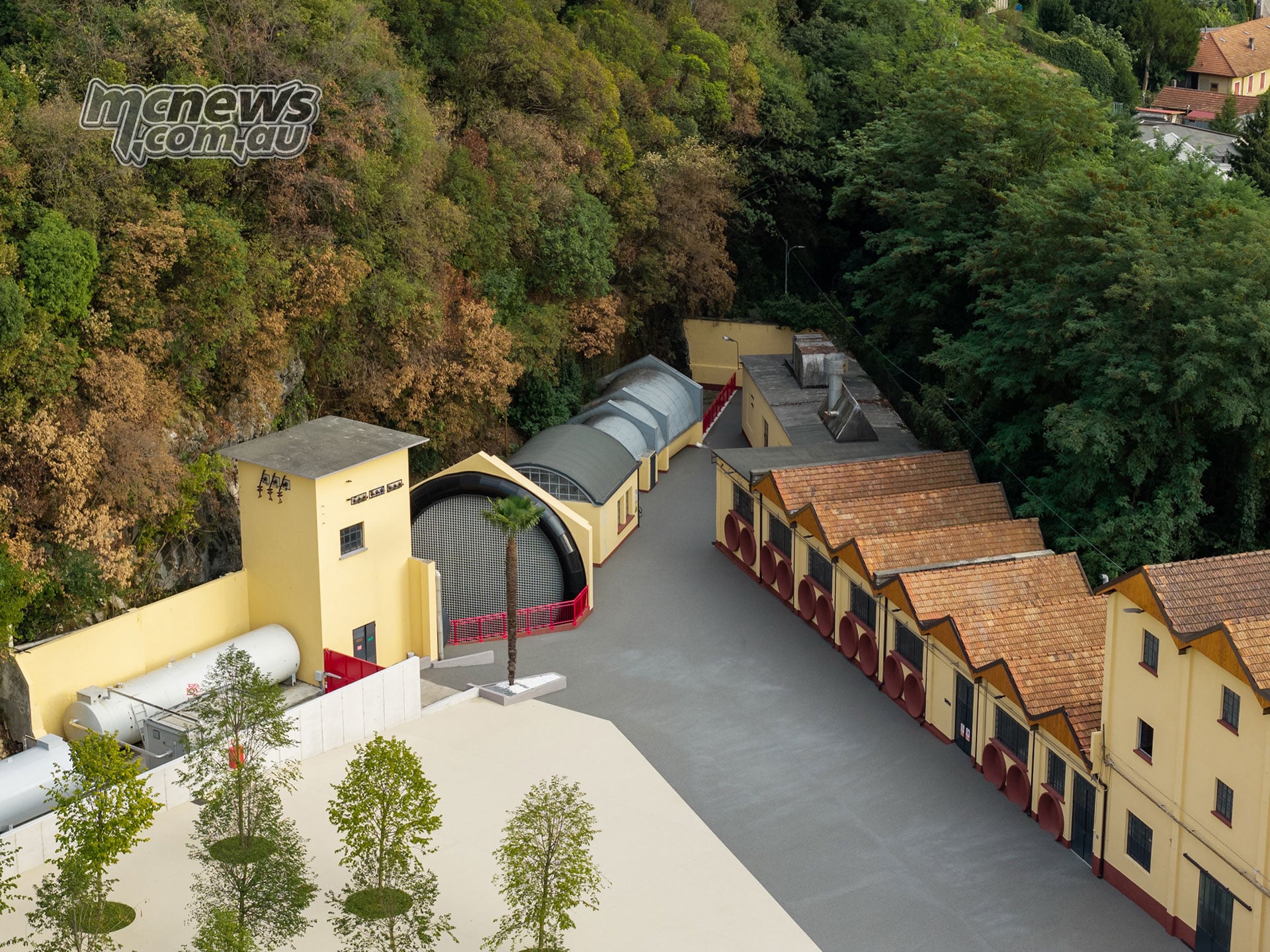
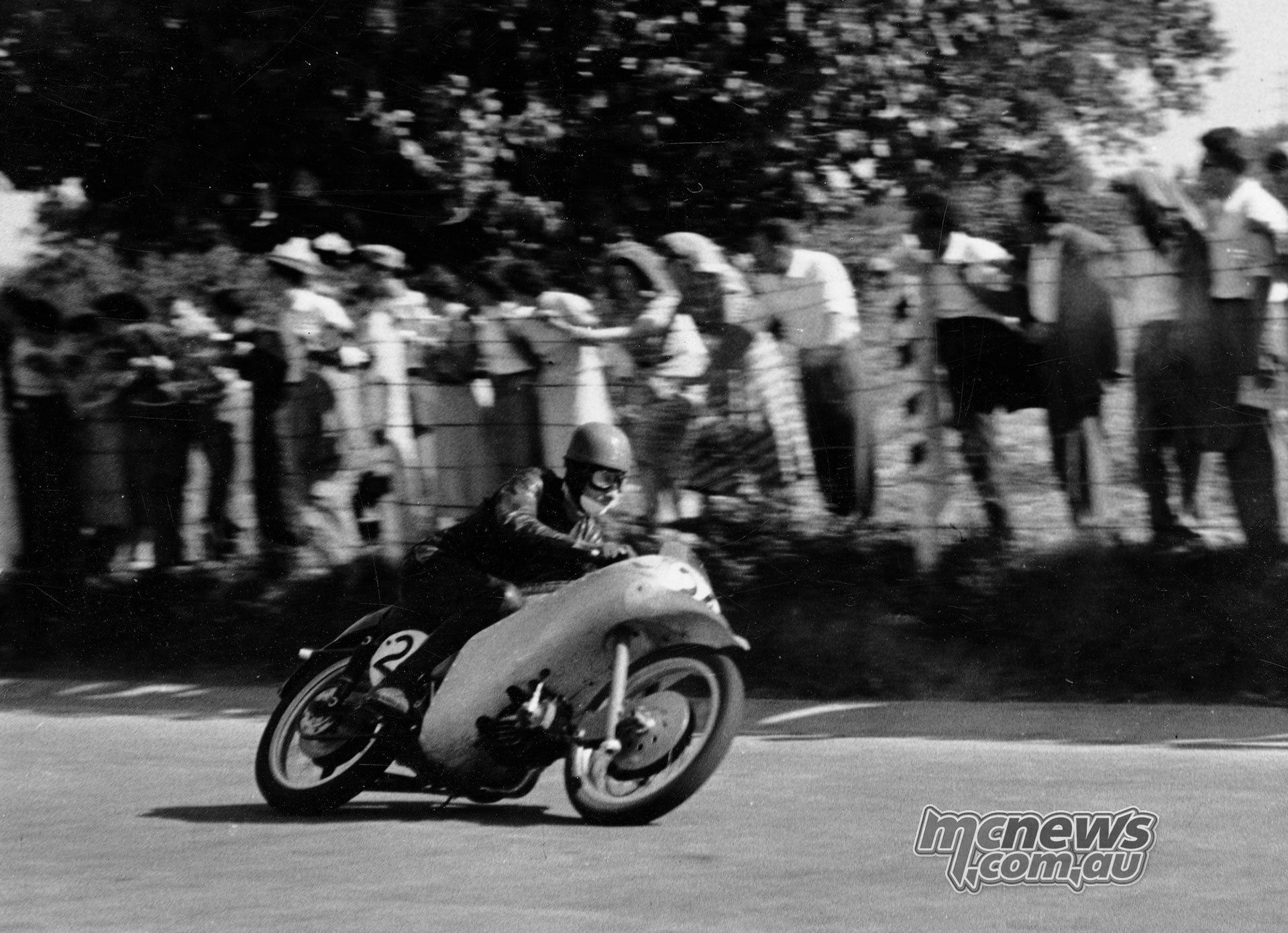
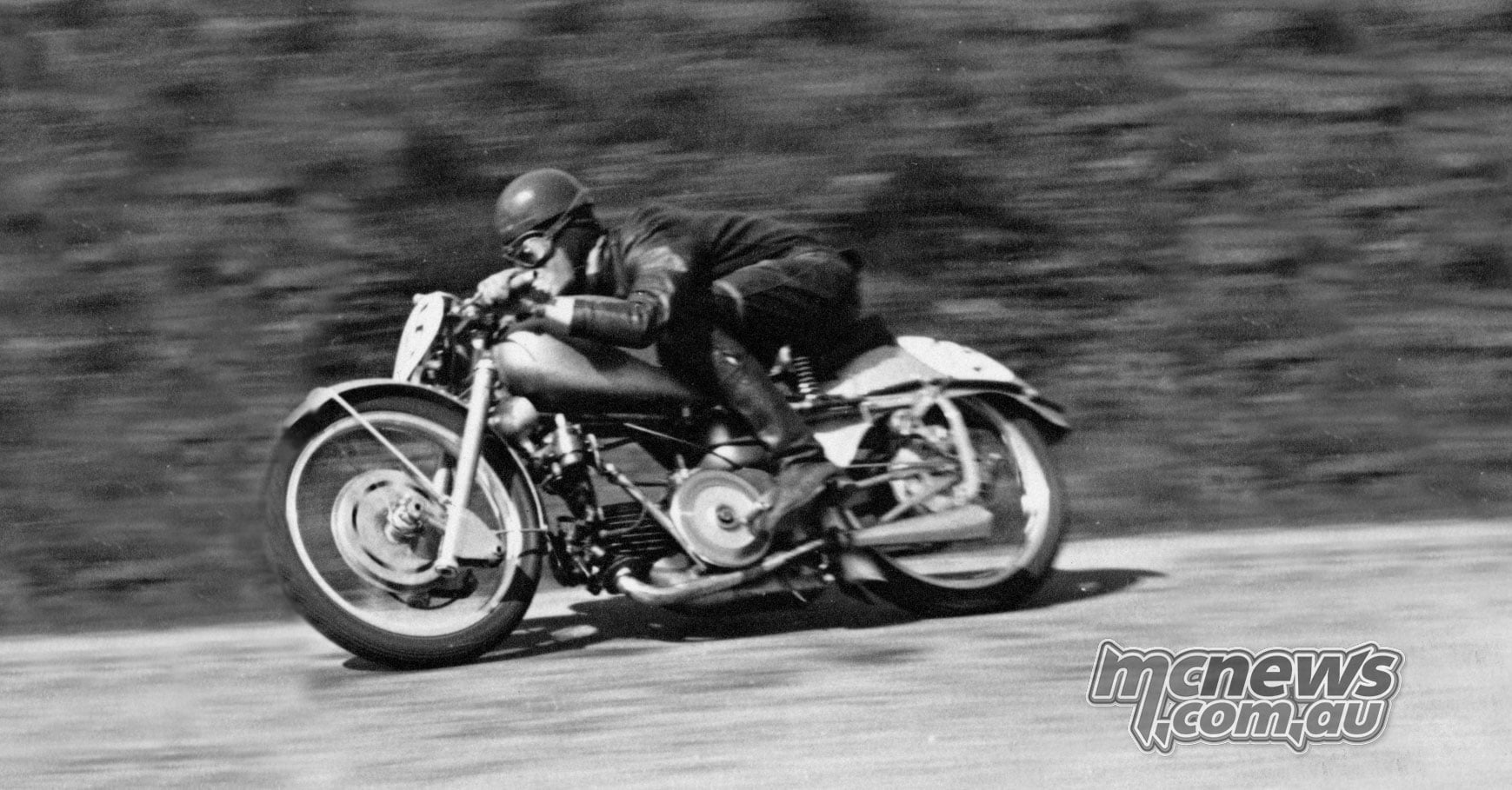
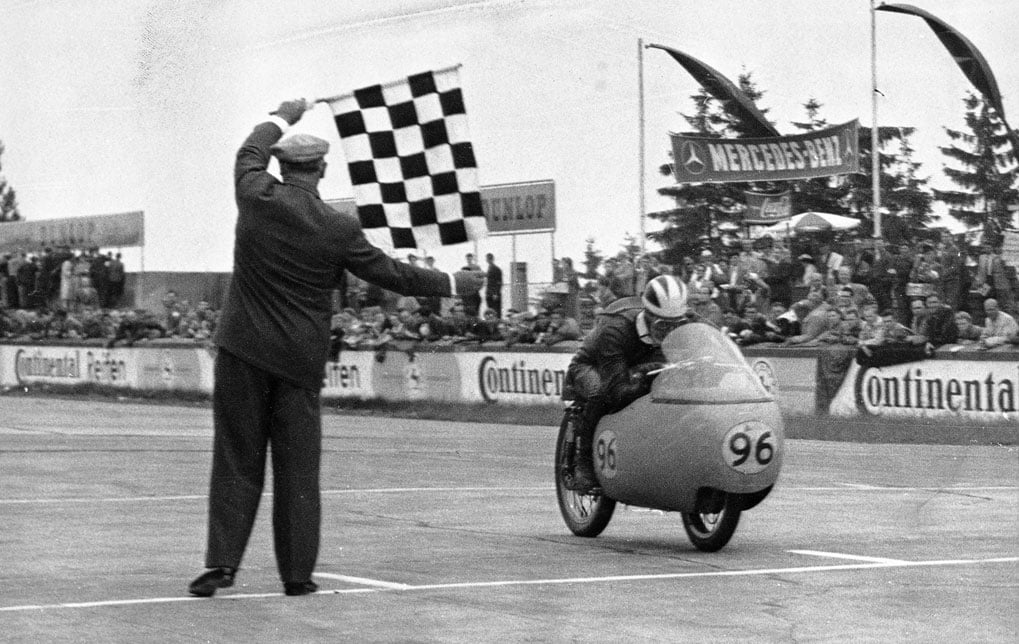
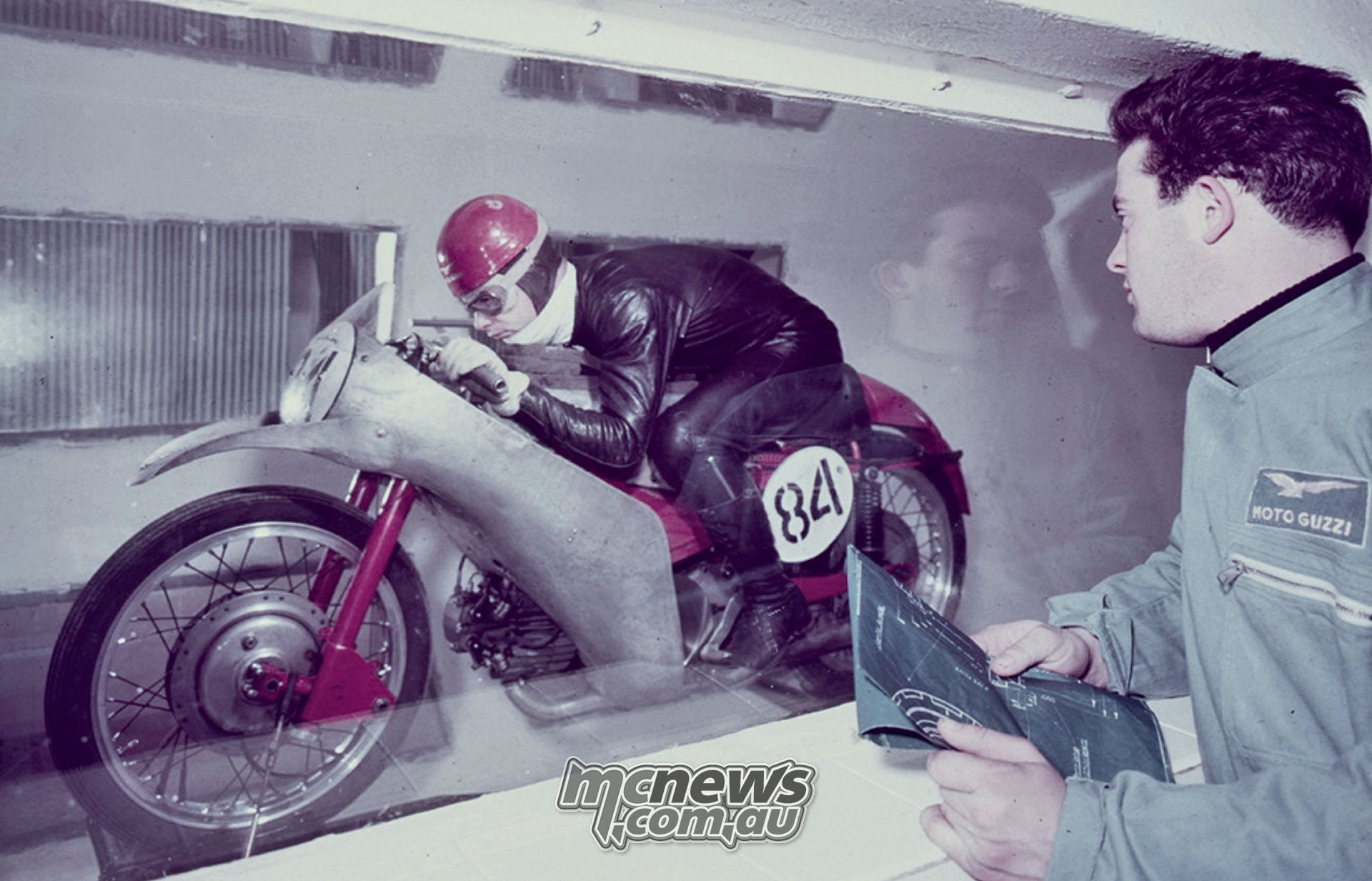
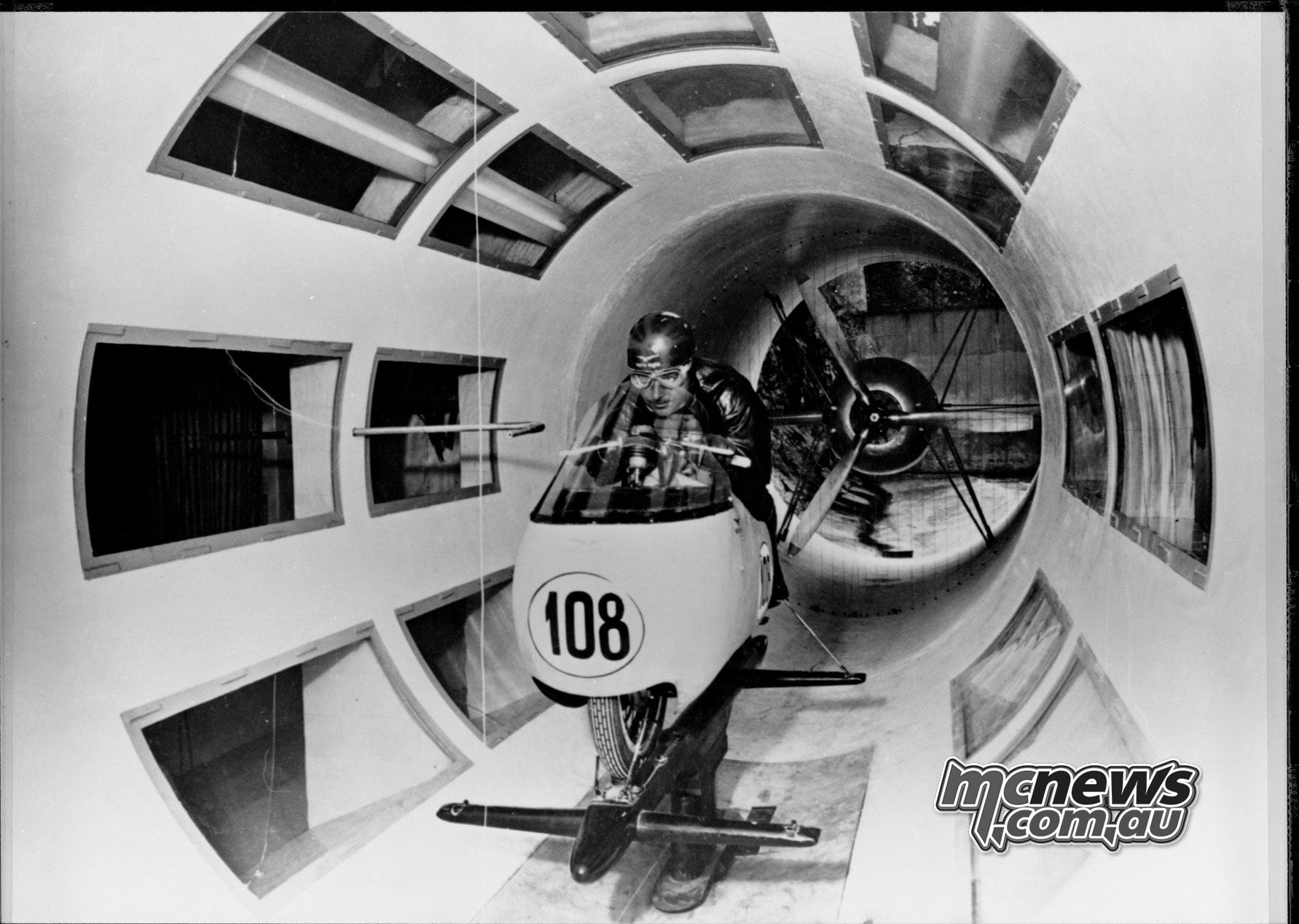
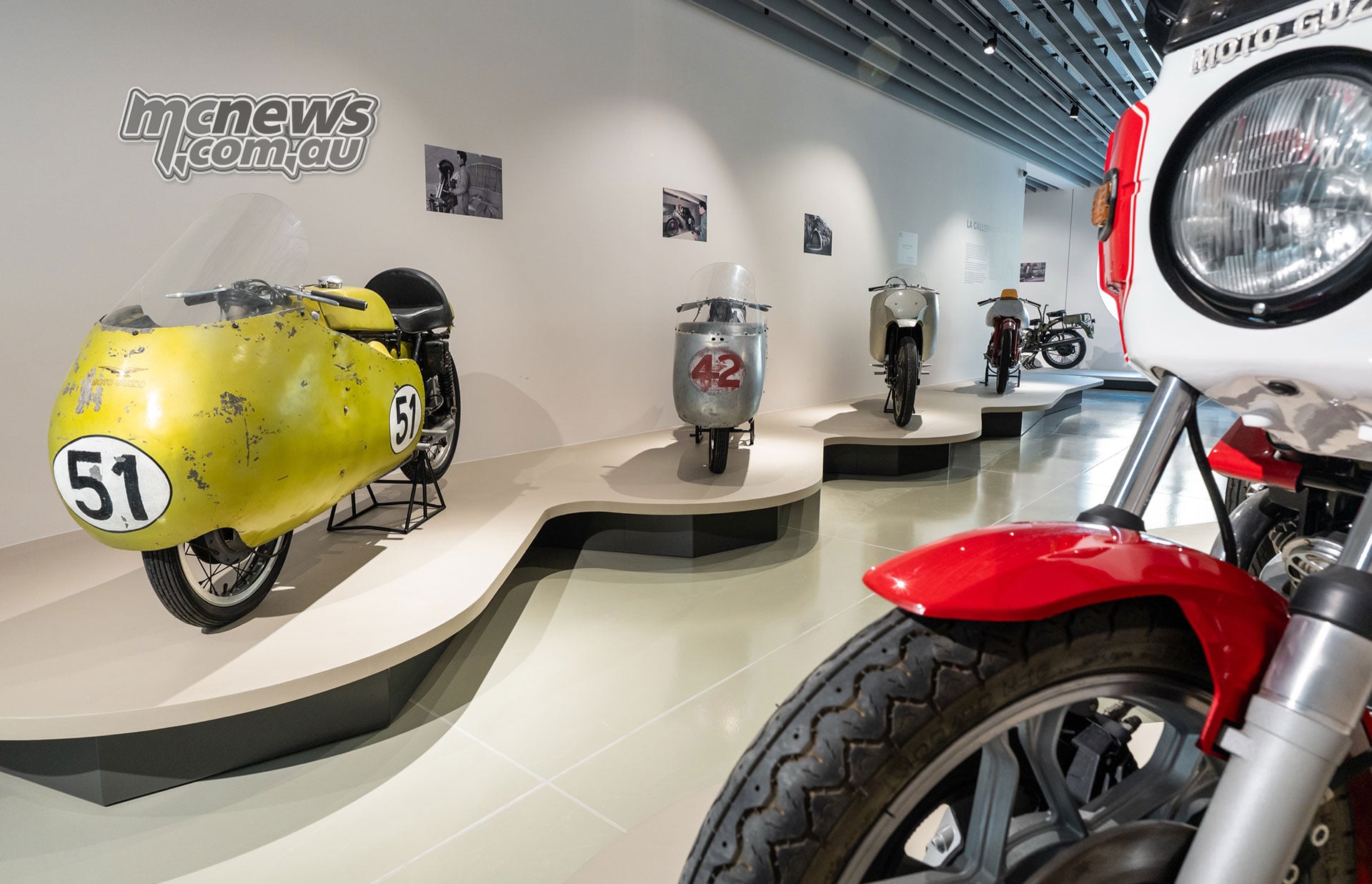
That wind tunnel is more than an architectural keepsake. Built in 1950, it let Guzzi study a motorcycle and its rider in controlled airflow, helping shape the slippery Grand Prix machines of the following decade. Its preservation gives the new complex a direct link to one of the company’s most inventive periods.
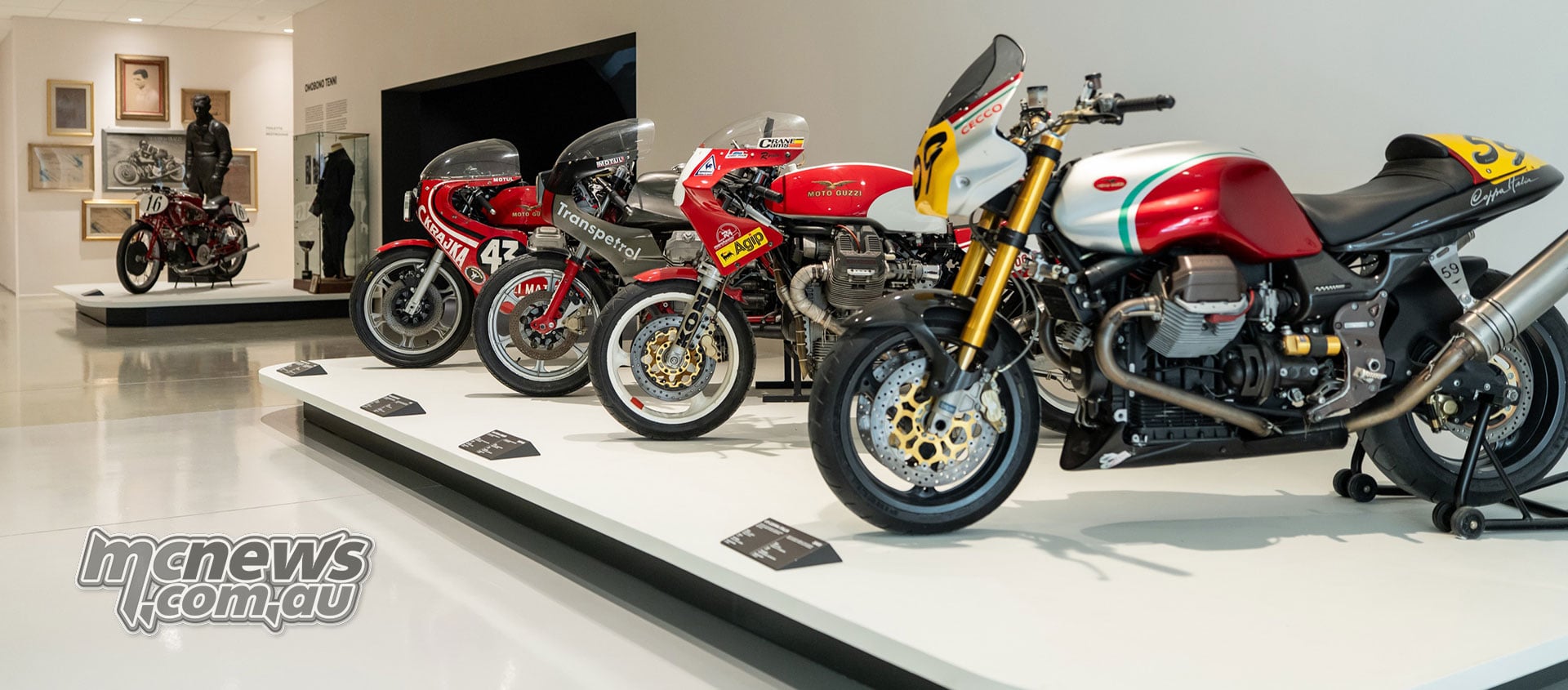
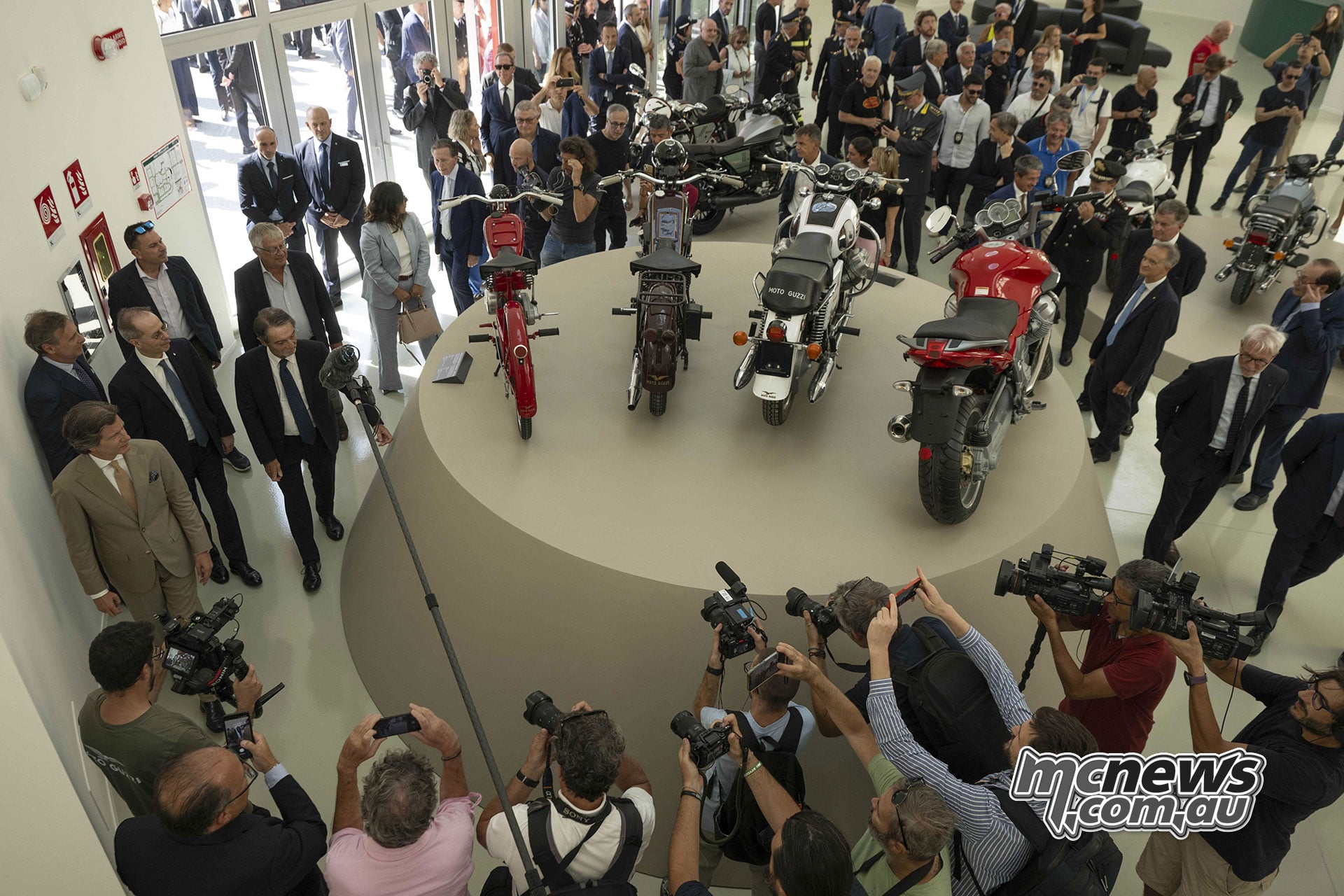
The new museum itself is without doubt the most spectacular element of the redevelopment. At 3000 square metres, the building provides a dramatically different setting for Moto Guzzi’s collection. Its angular, metallic architecture was deliberately conceived to echo the technical character of the motorcycles, while its form creates an intriguing contrast with the mountains rising behind Mandello and the traditional architecture of the town.
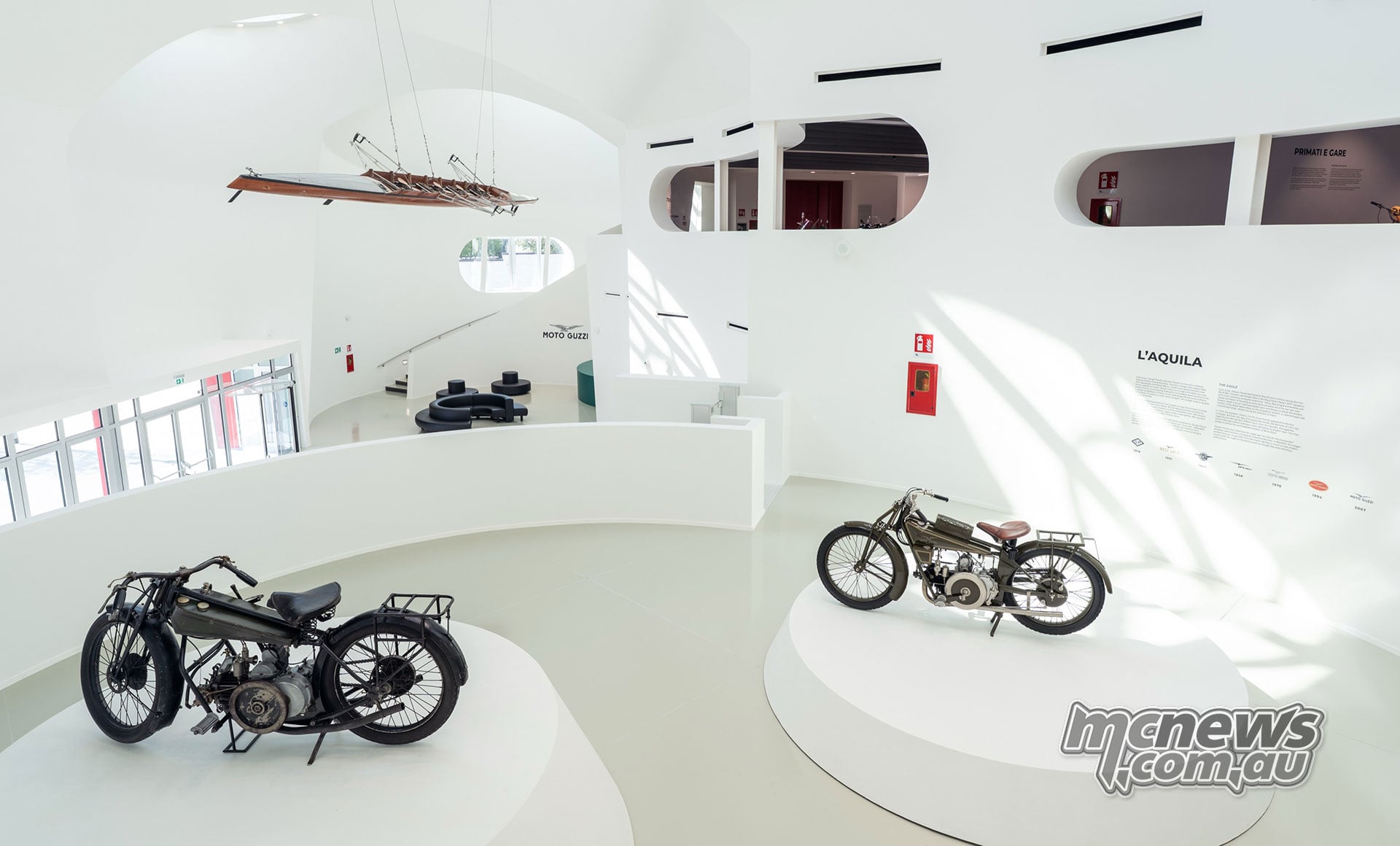
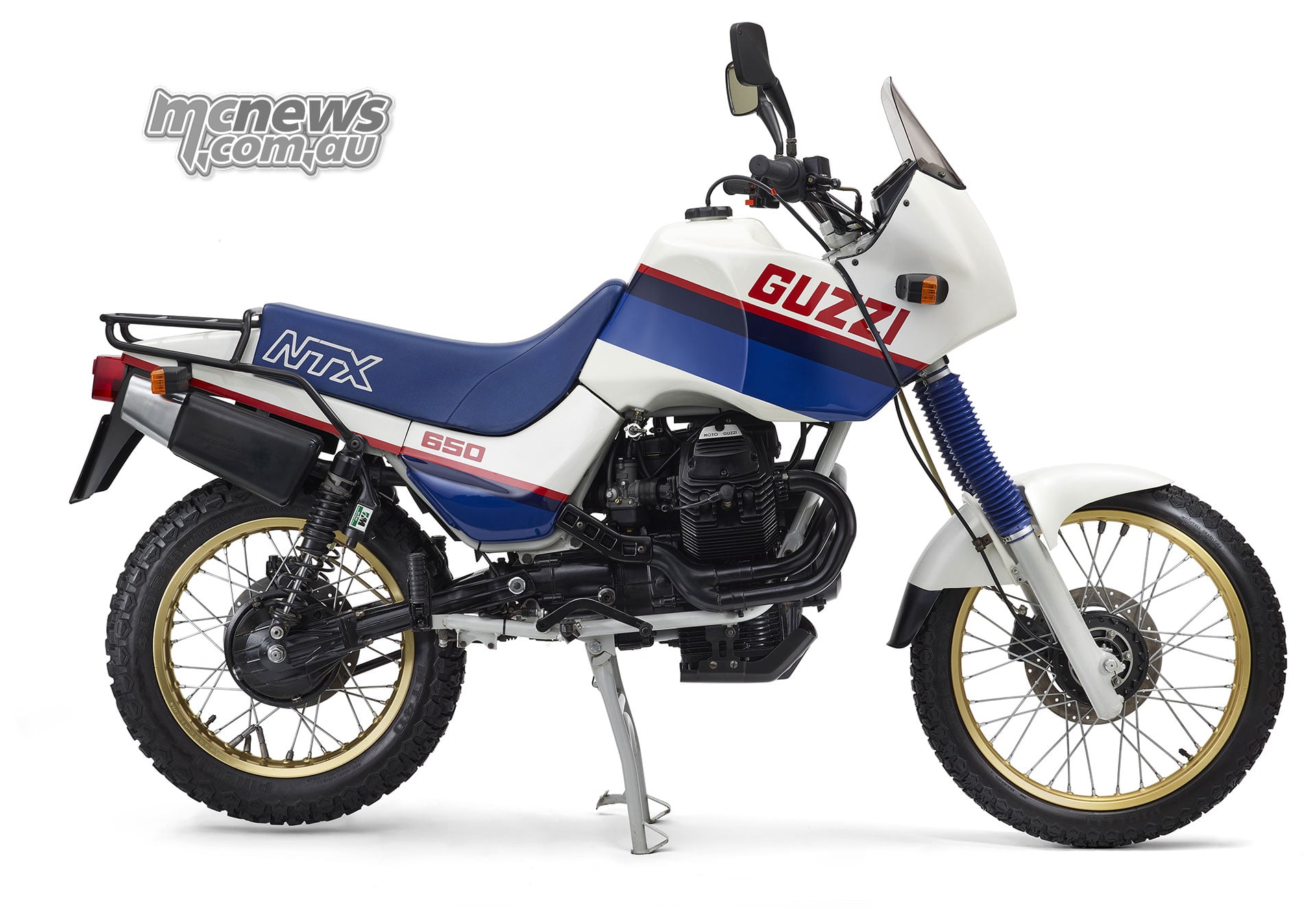
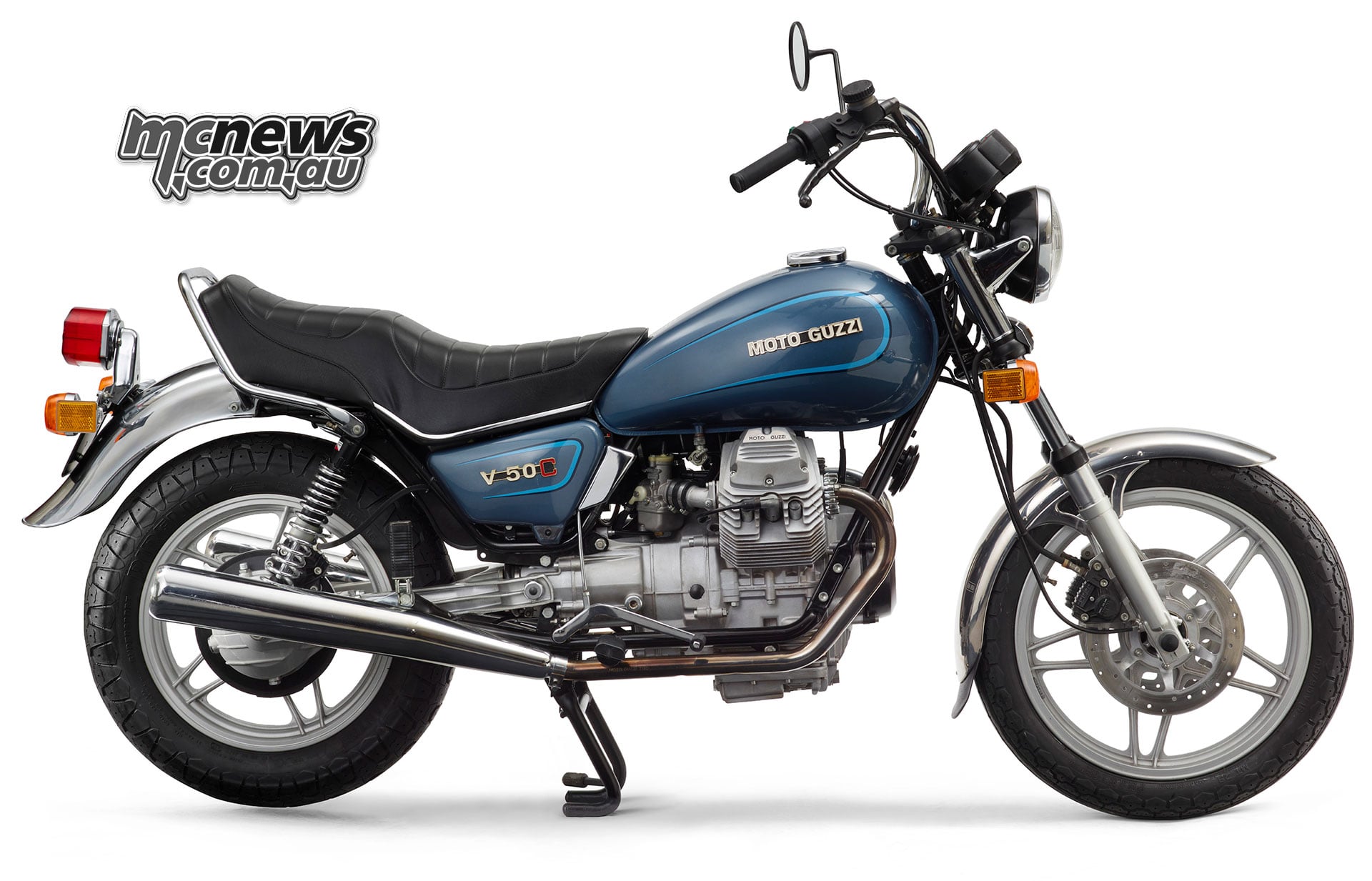
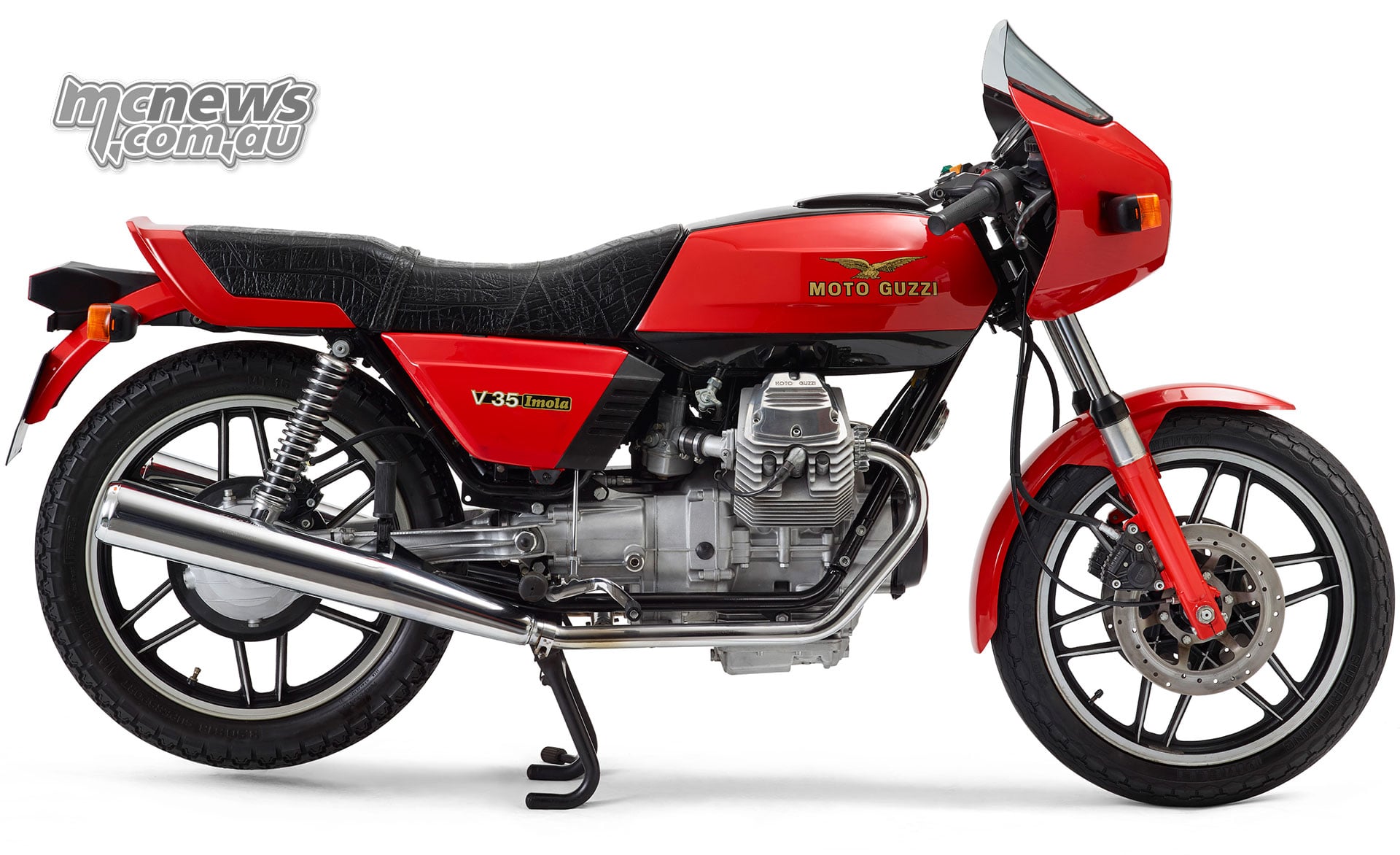
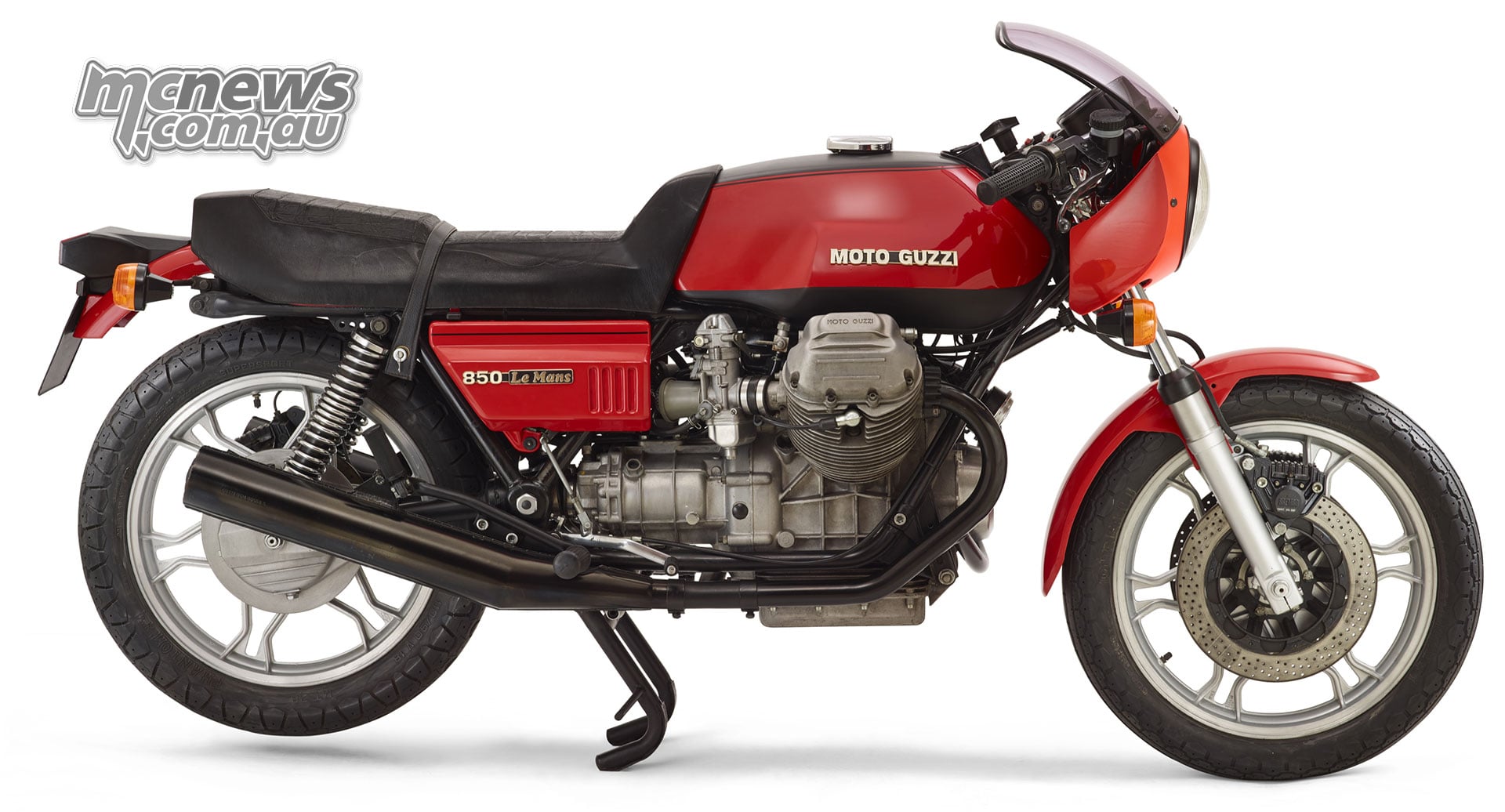
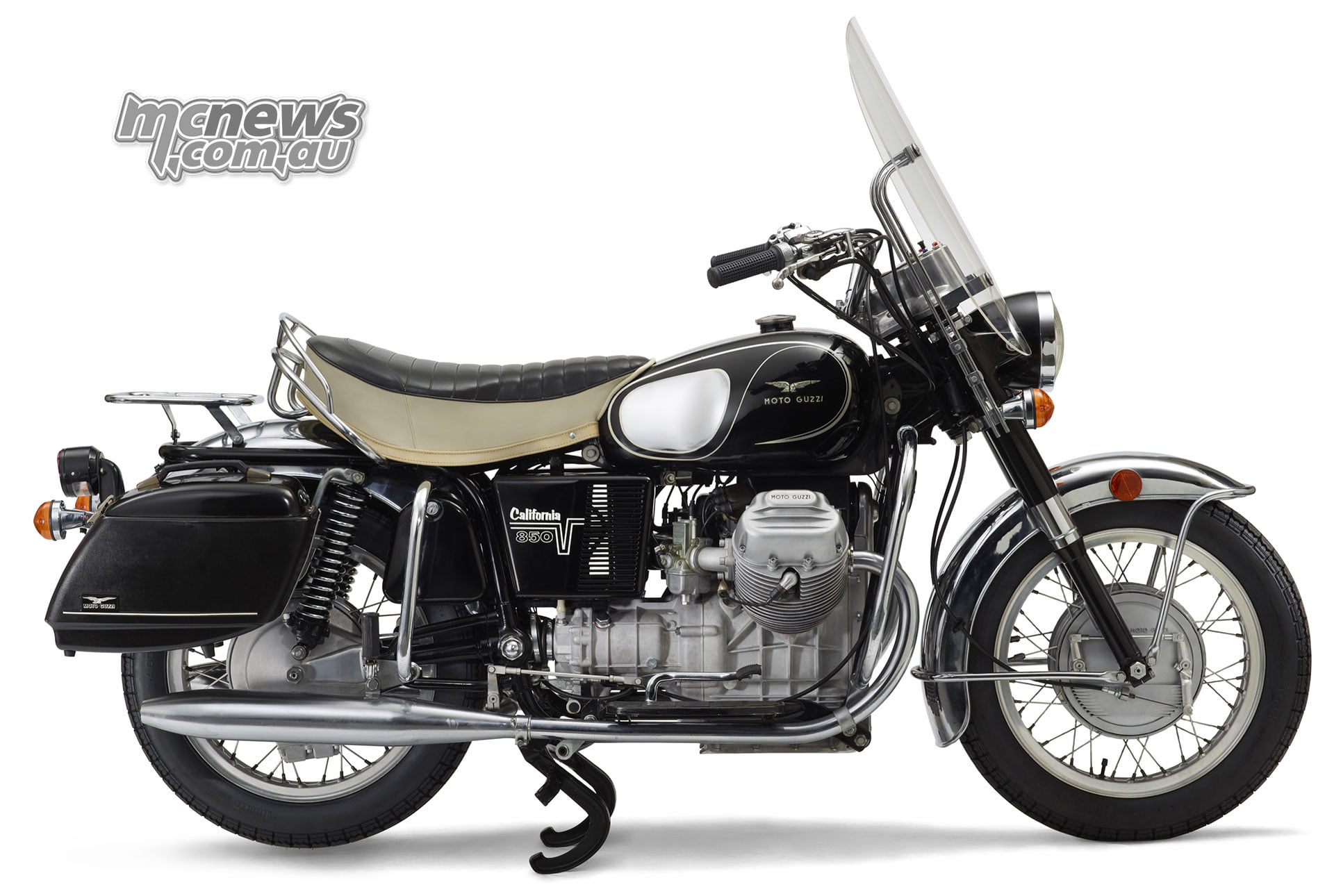
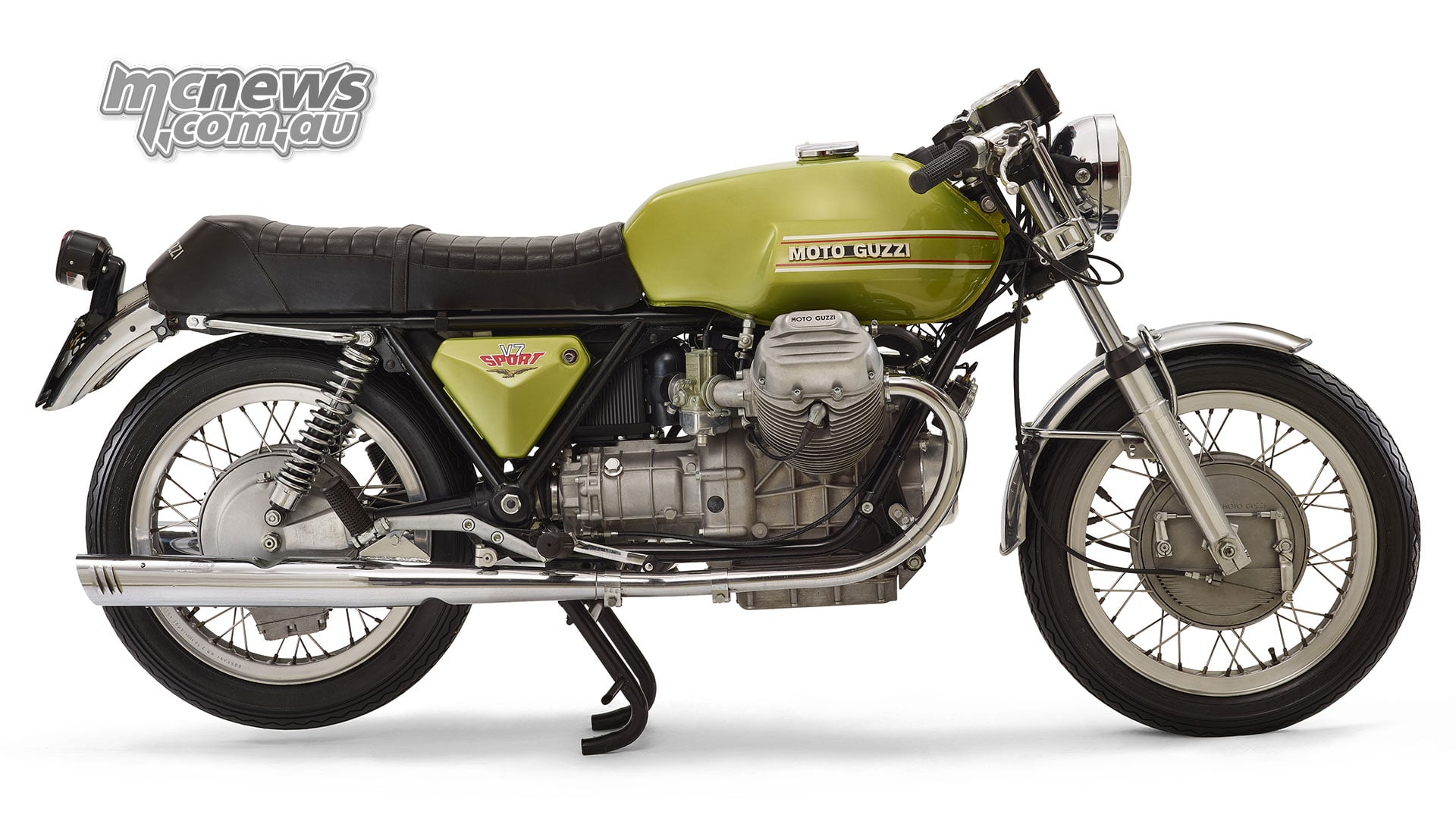
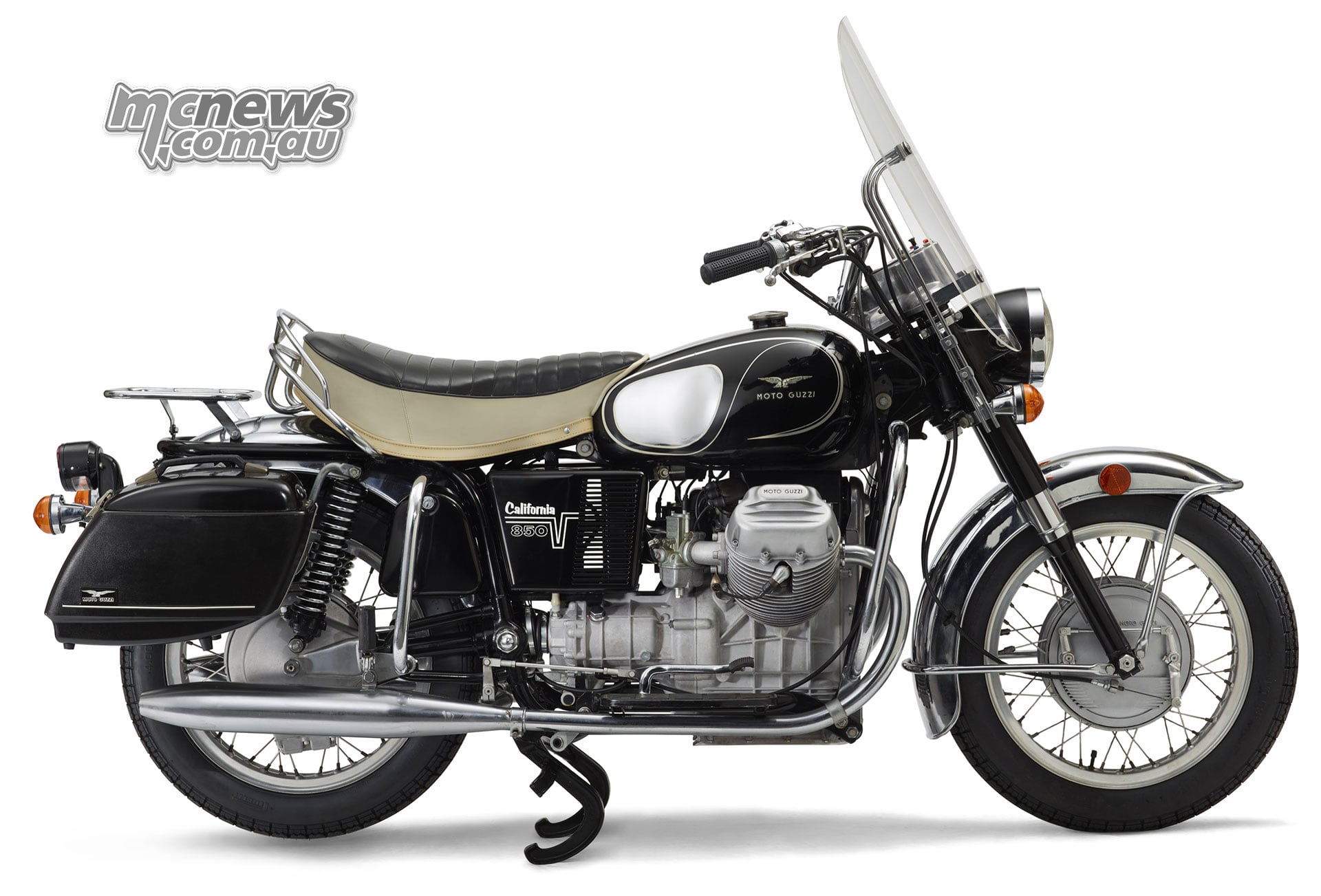
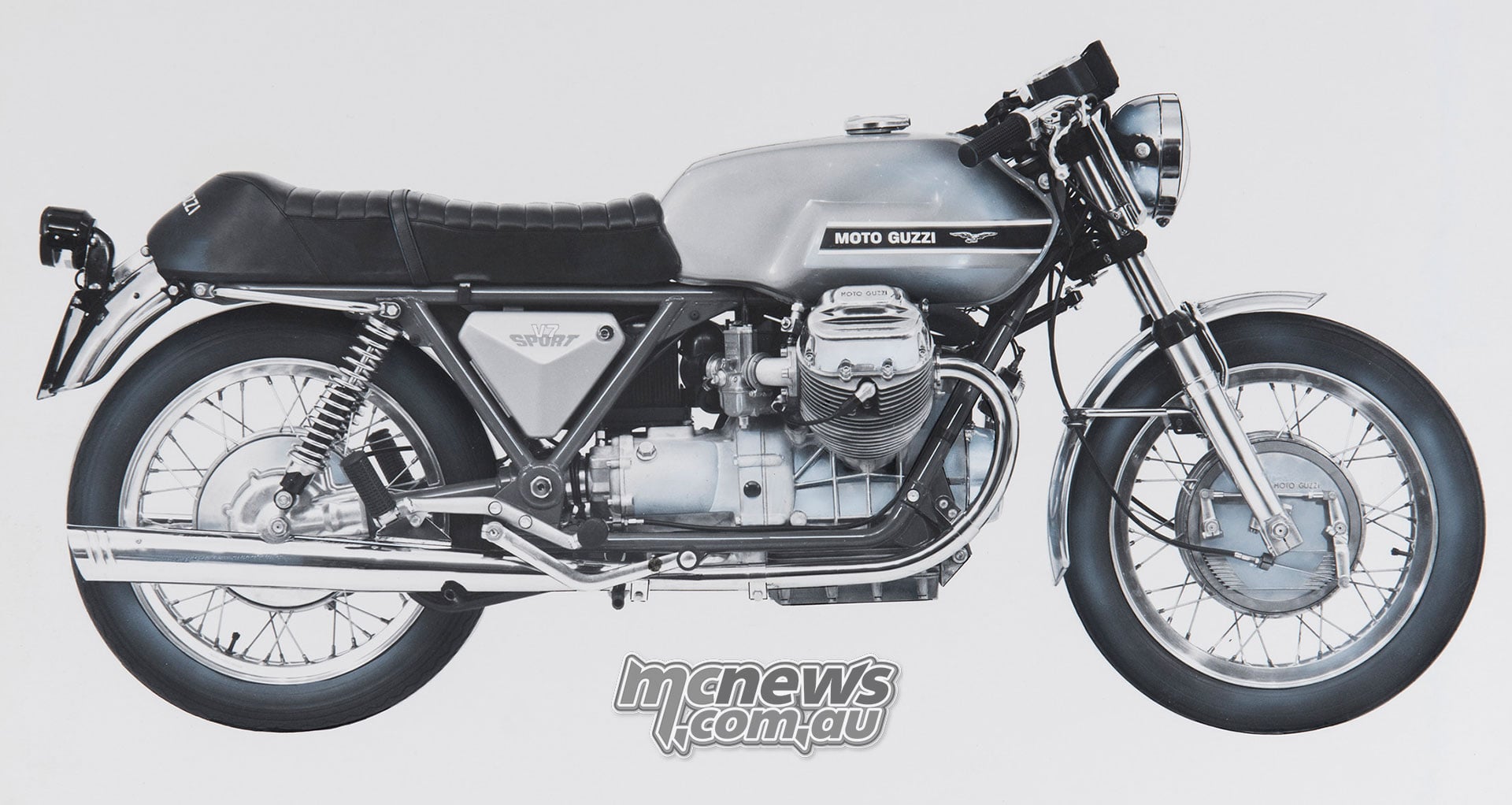
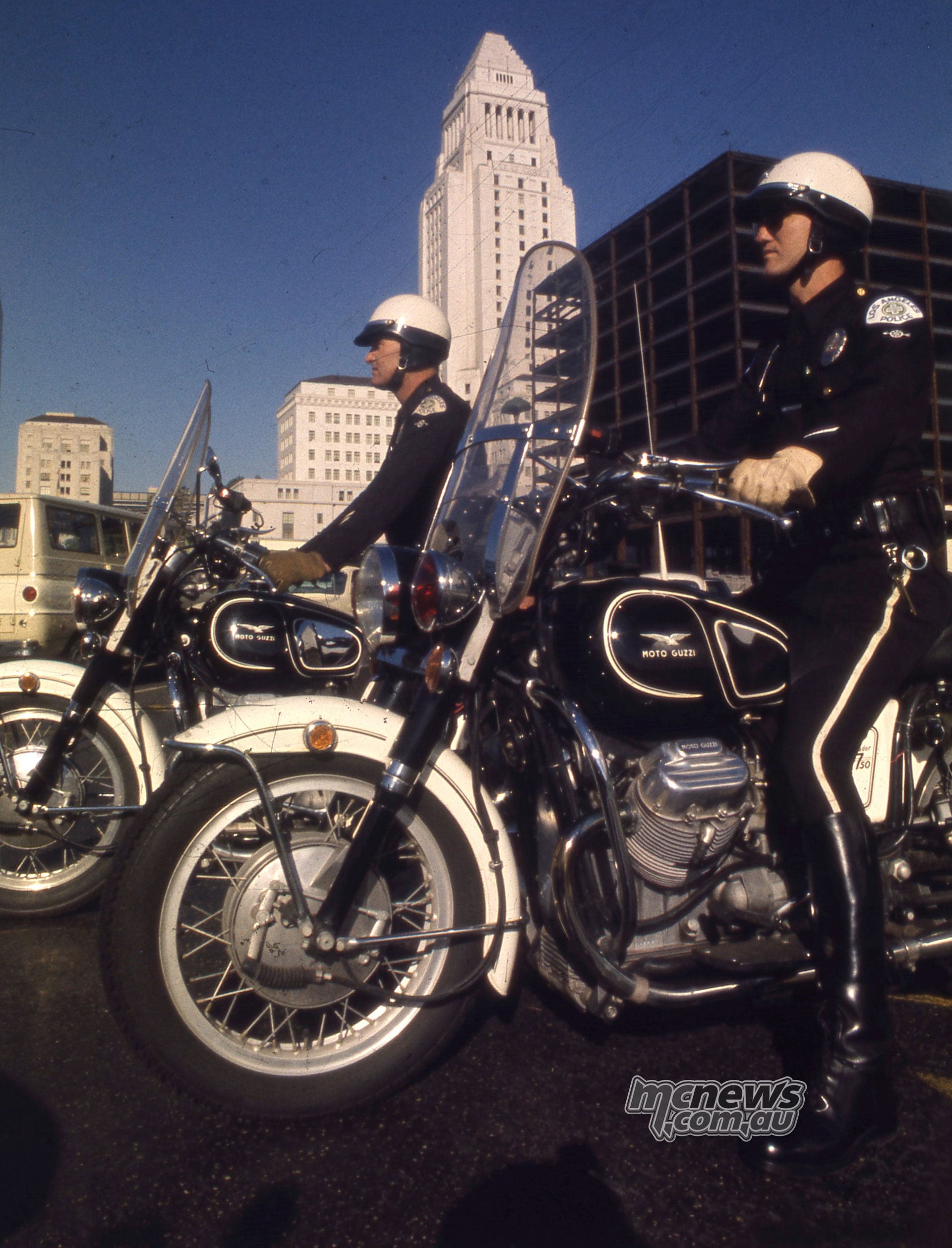
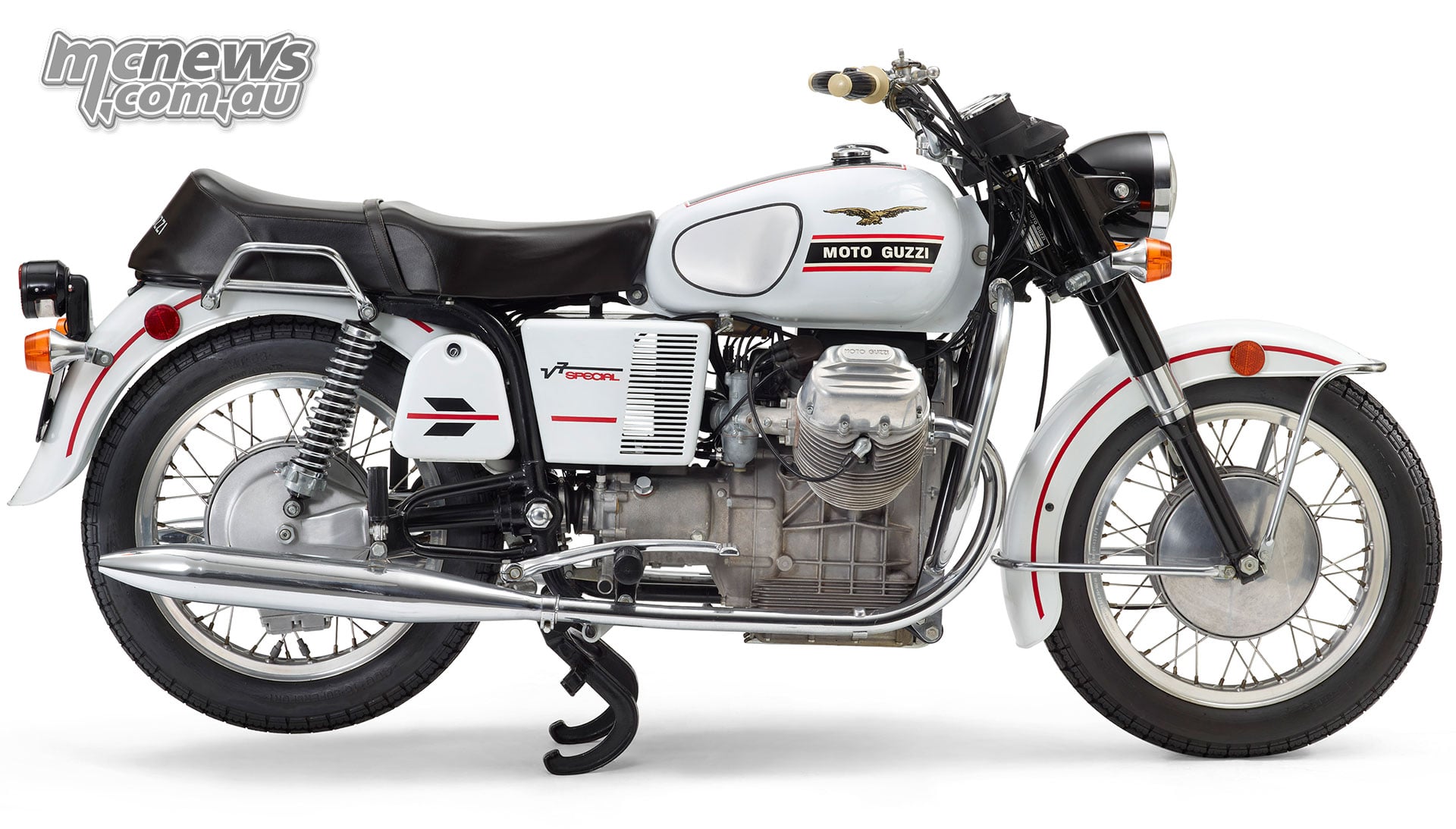
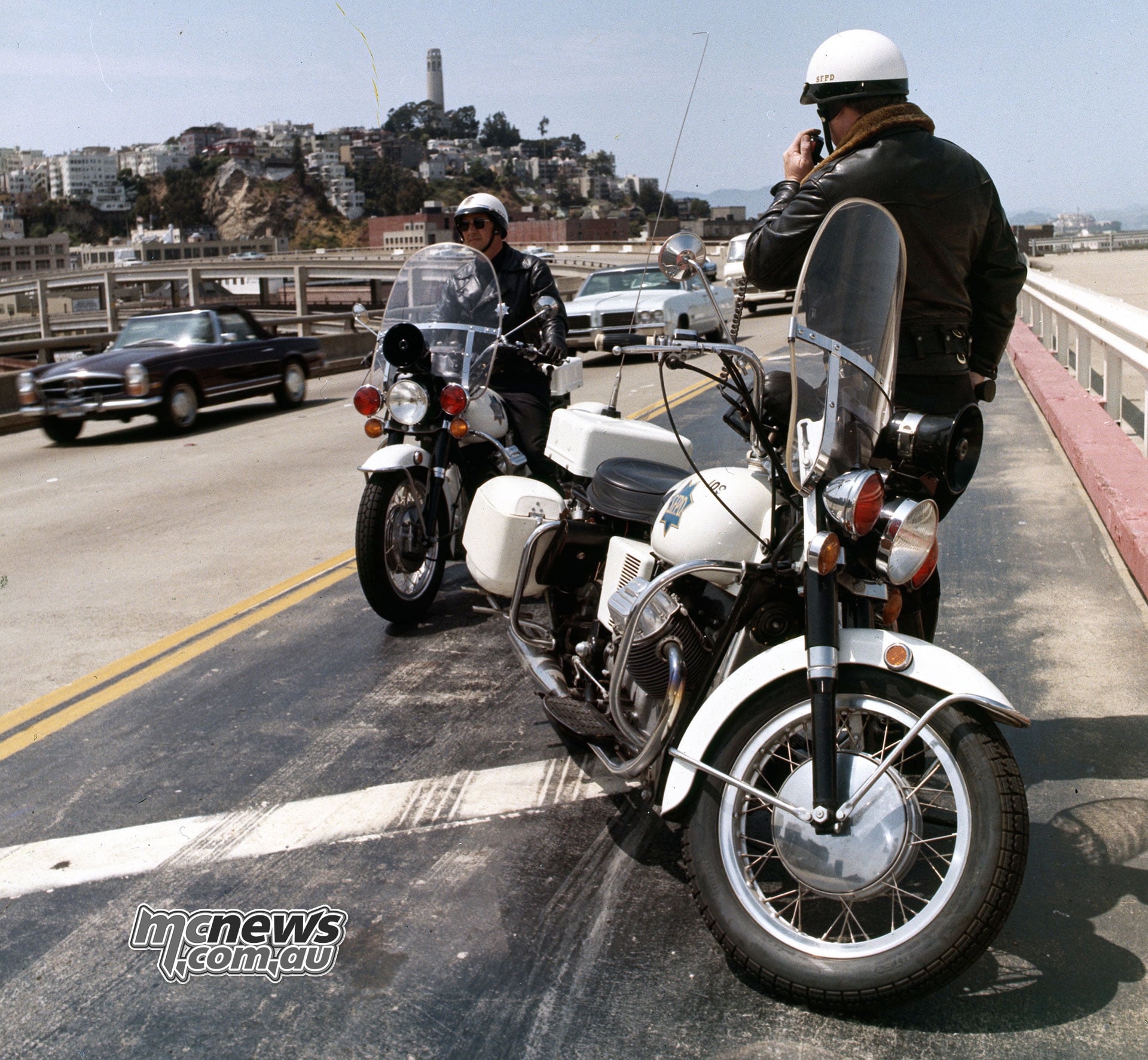
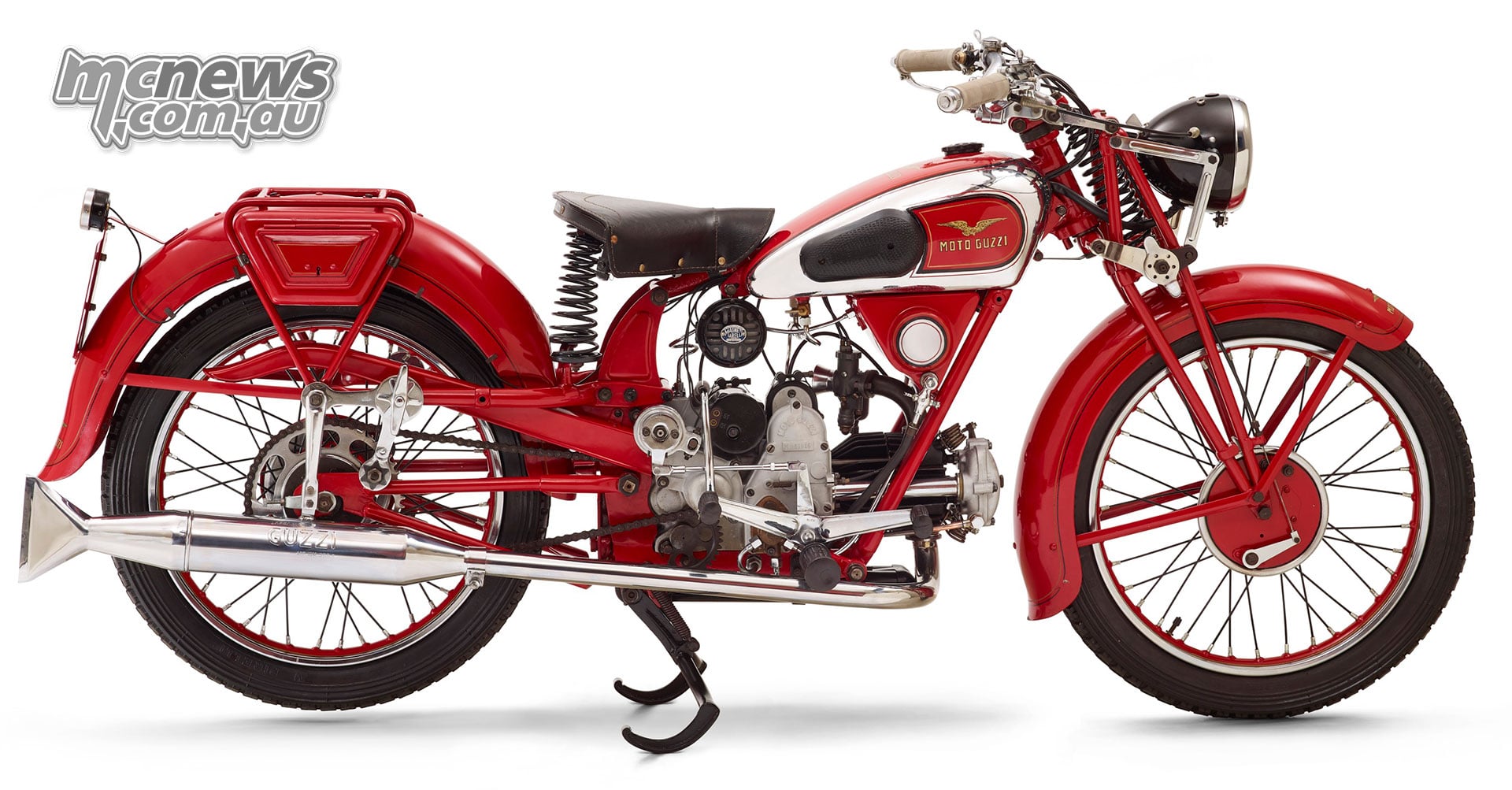
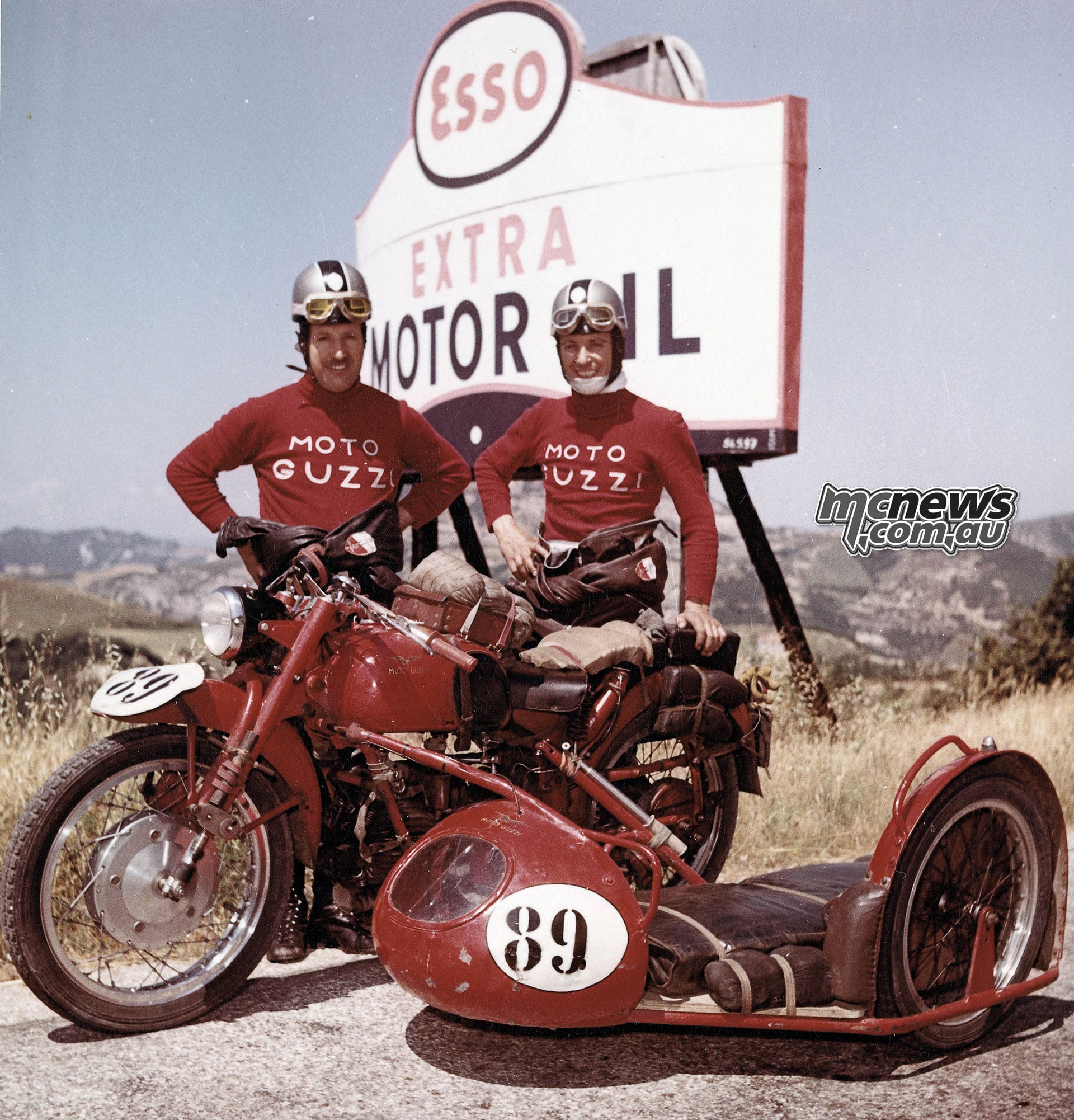
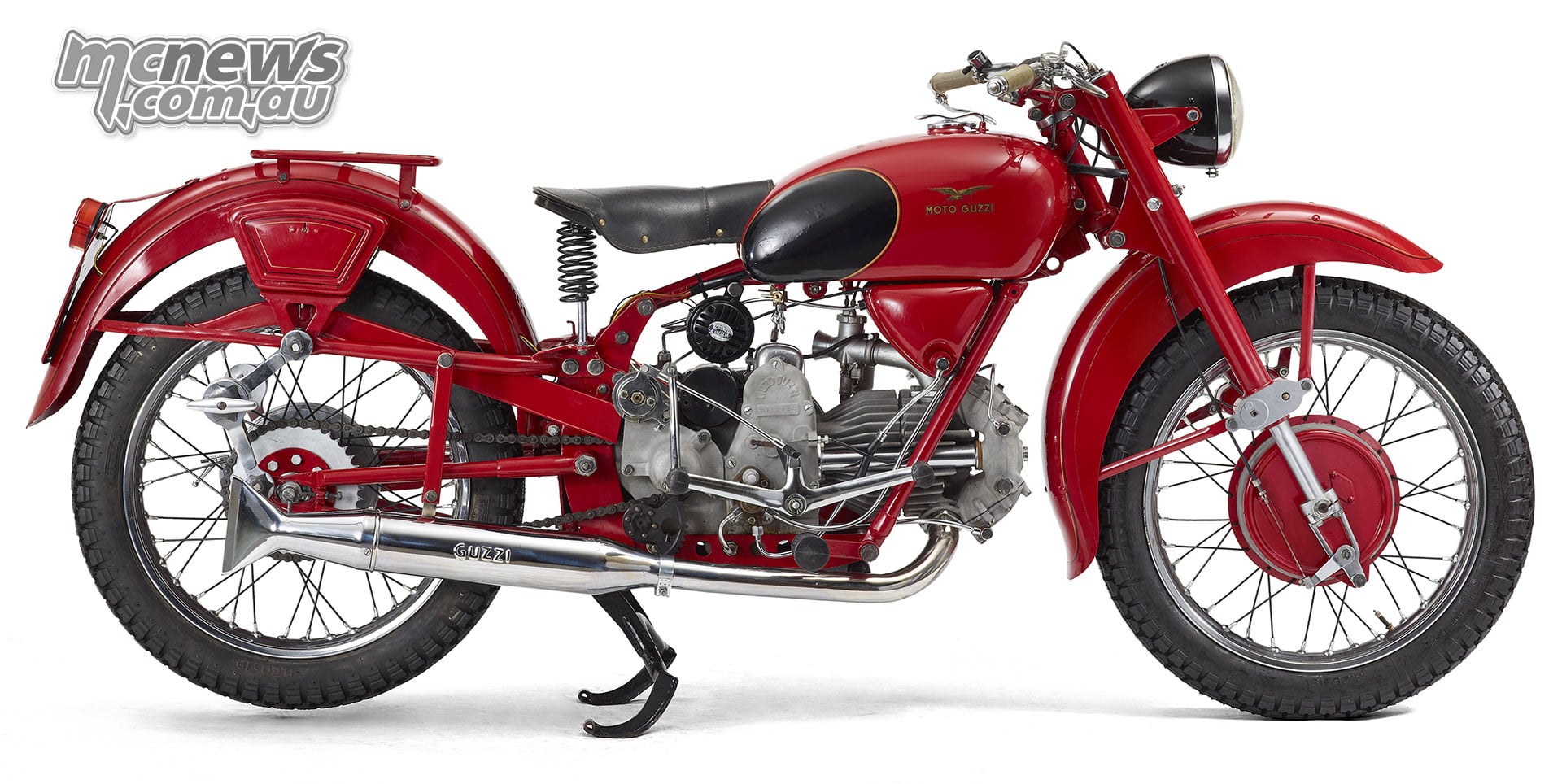
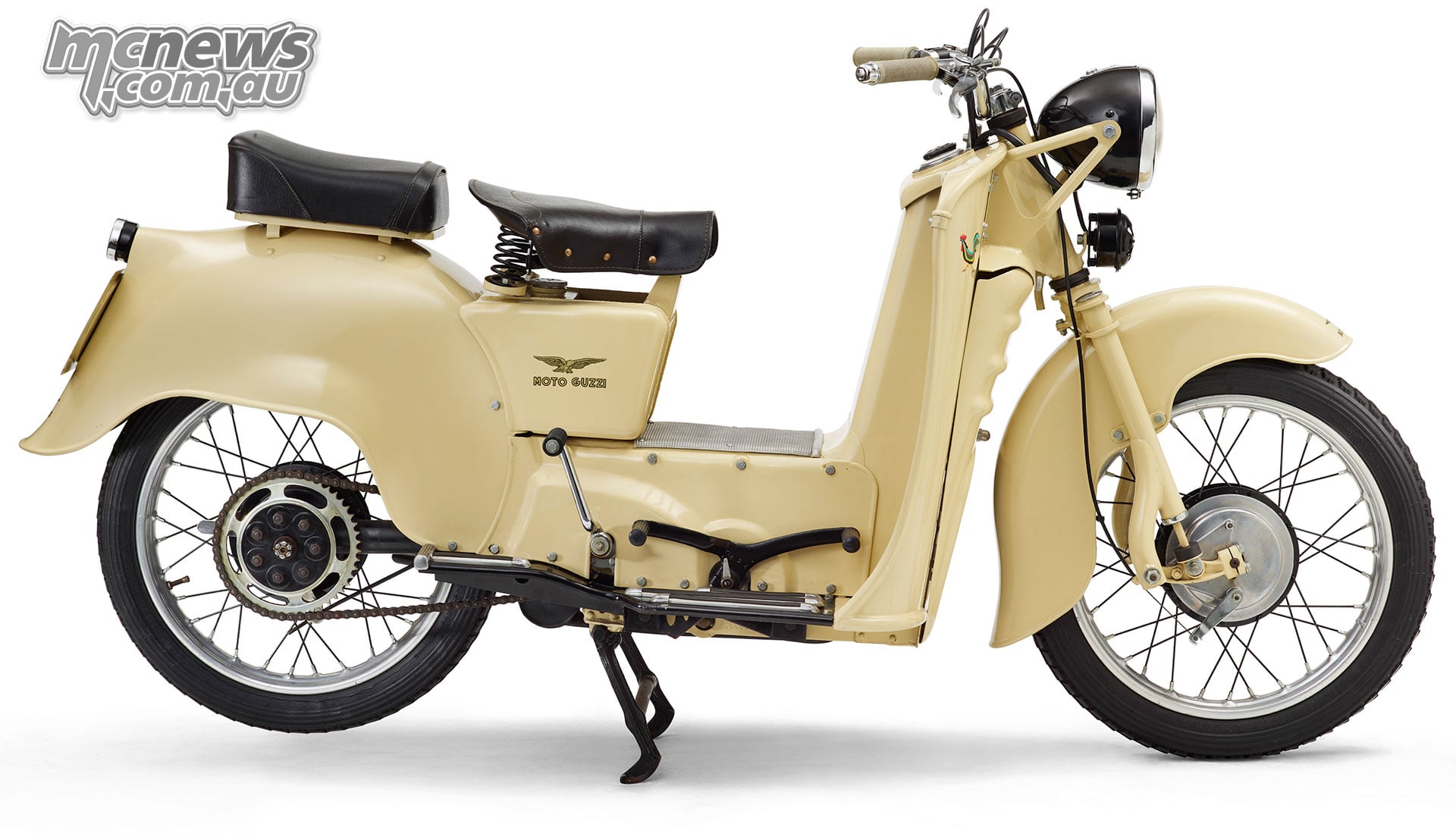
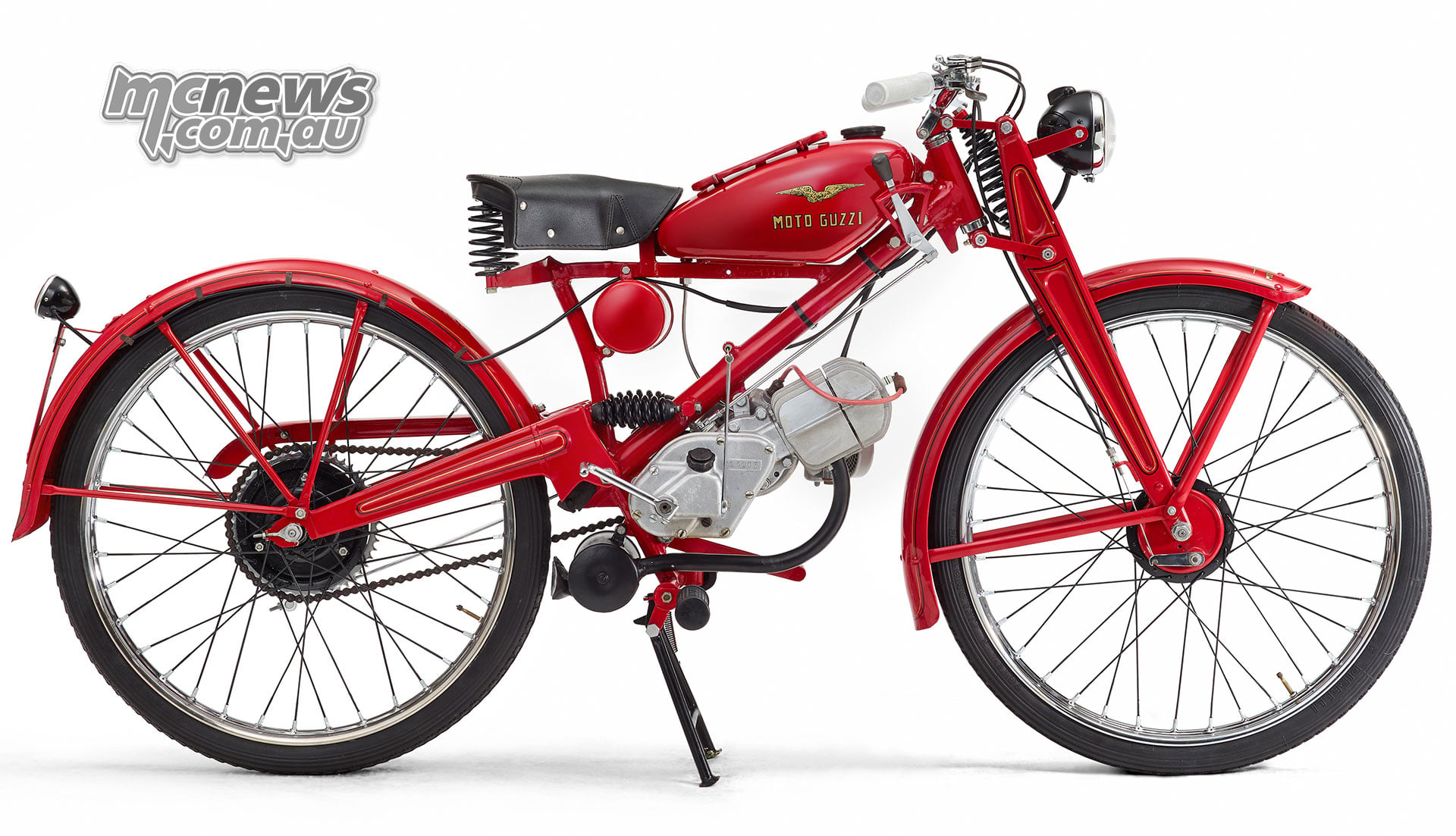
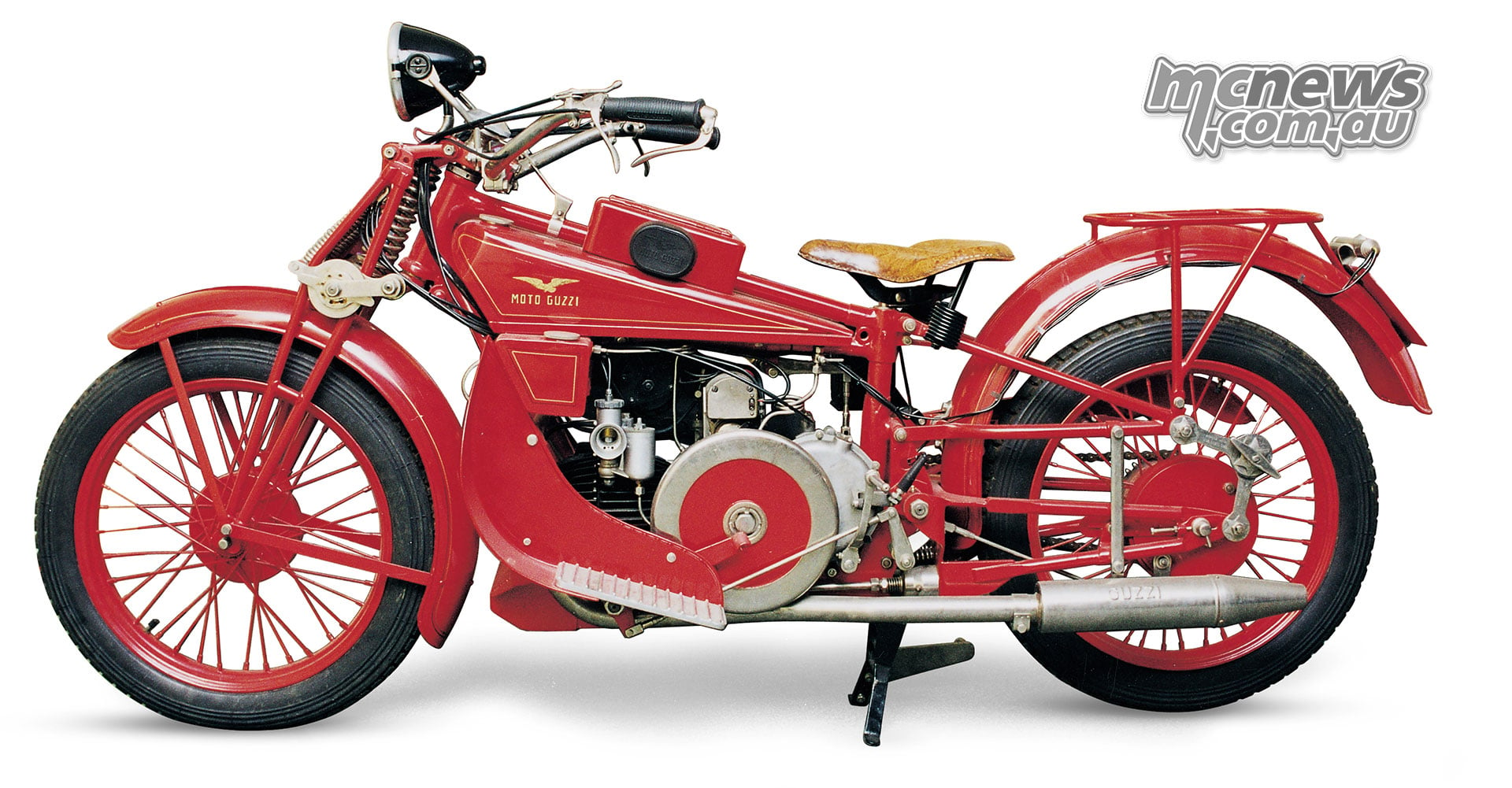
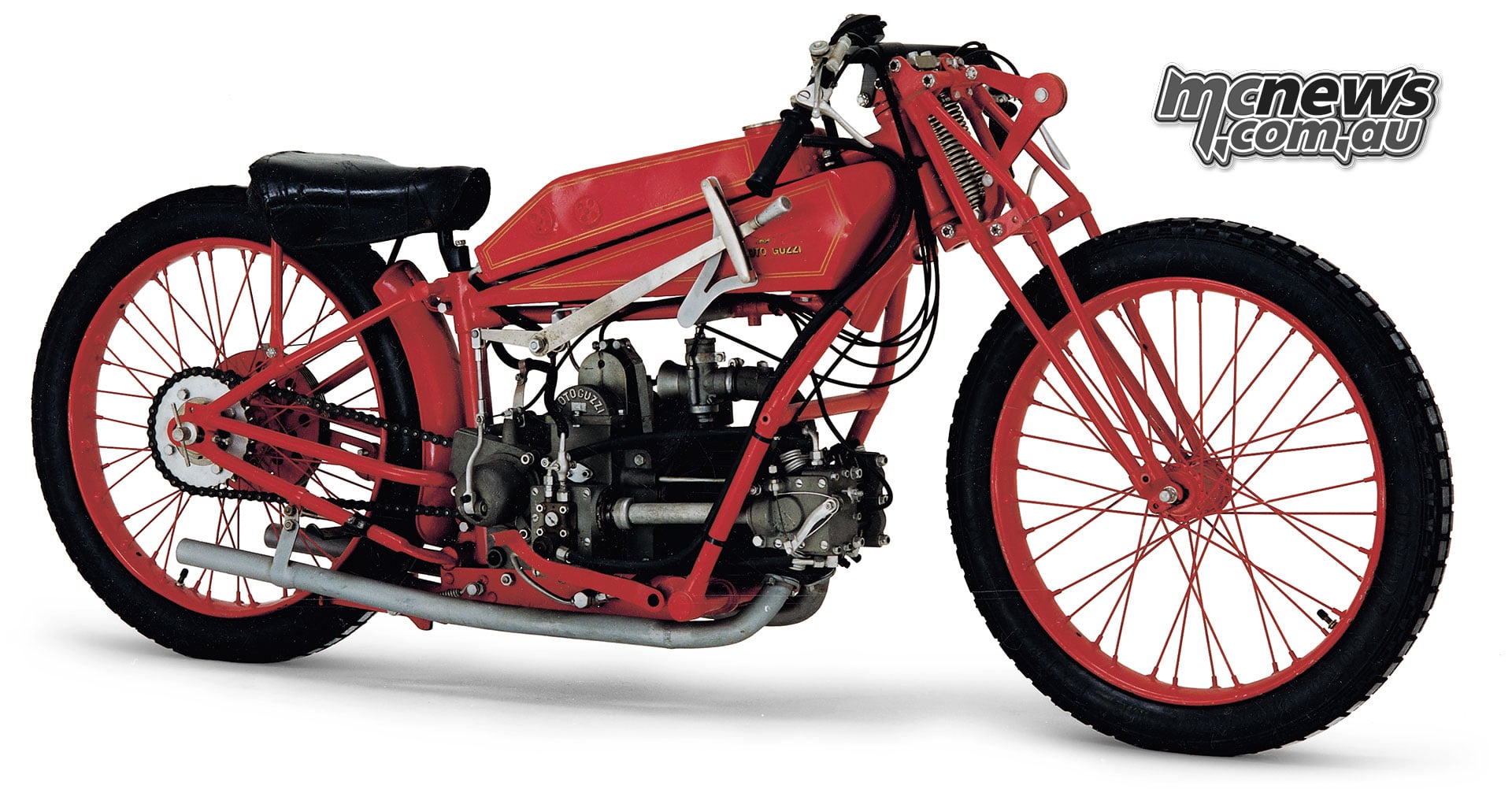
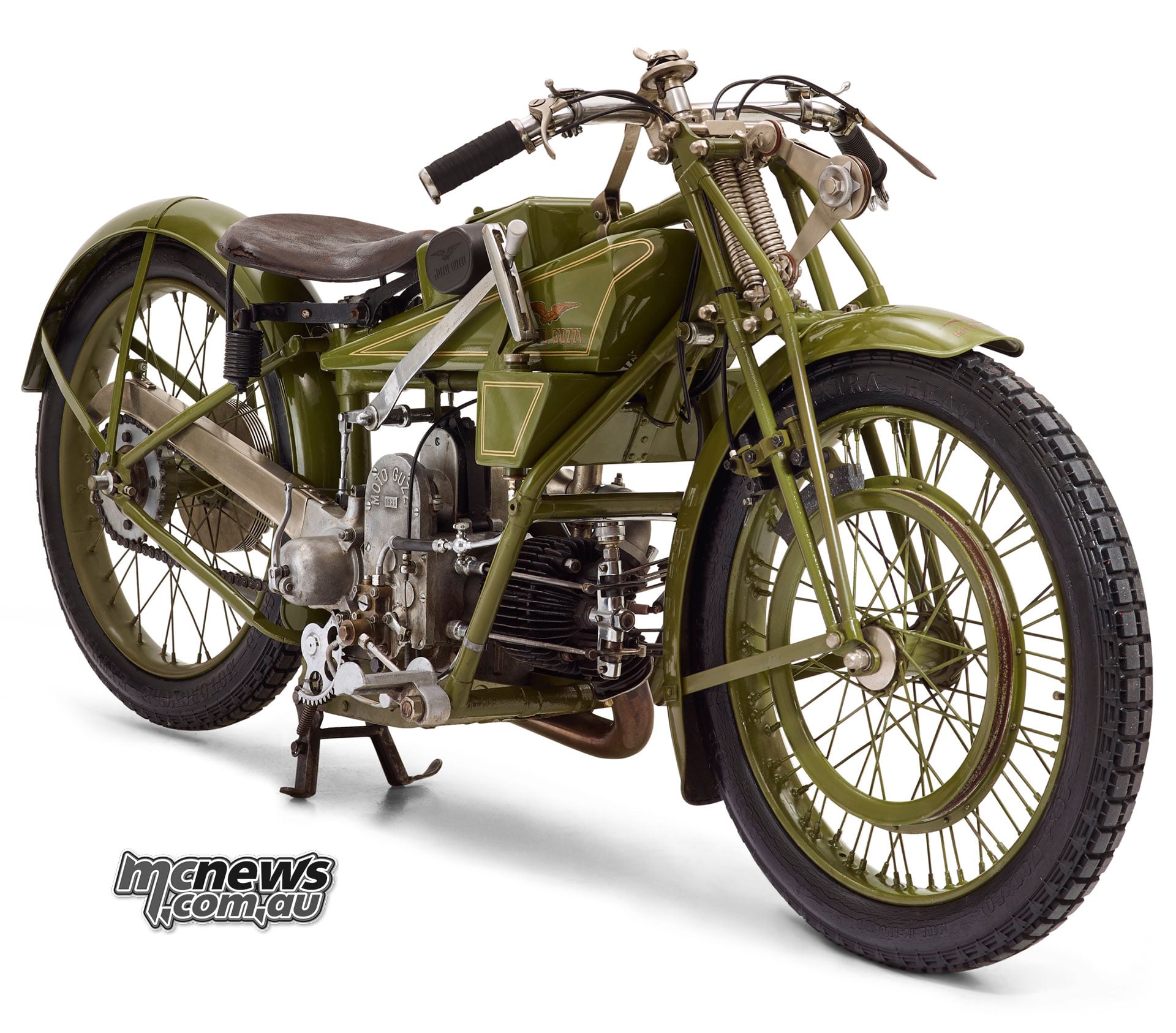
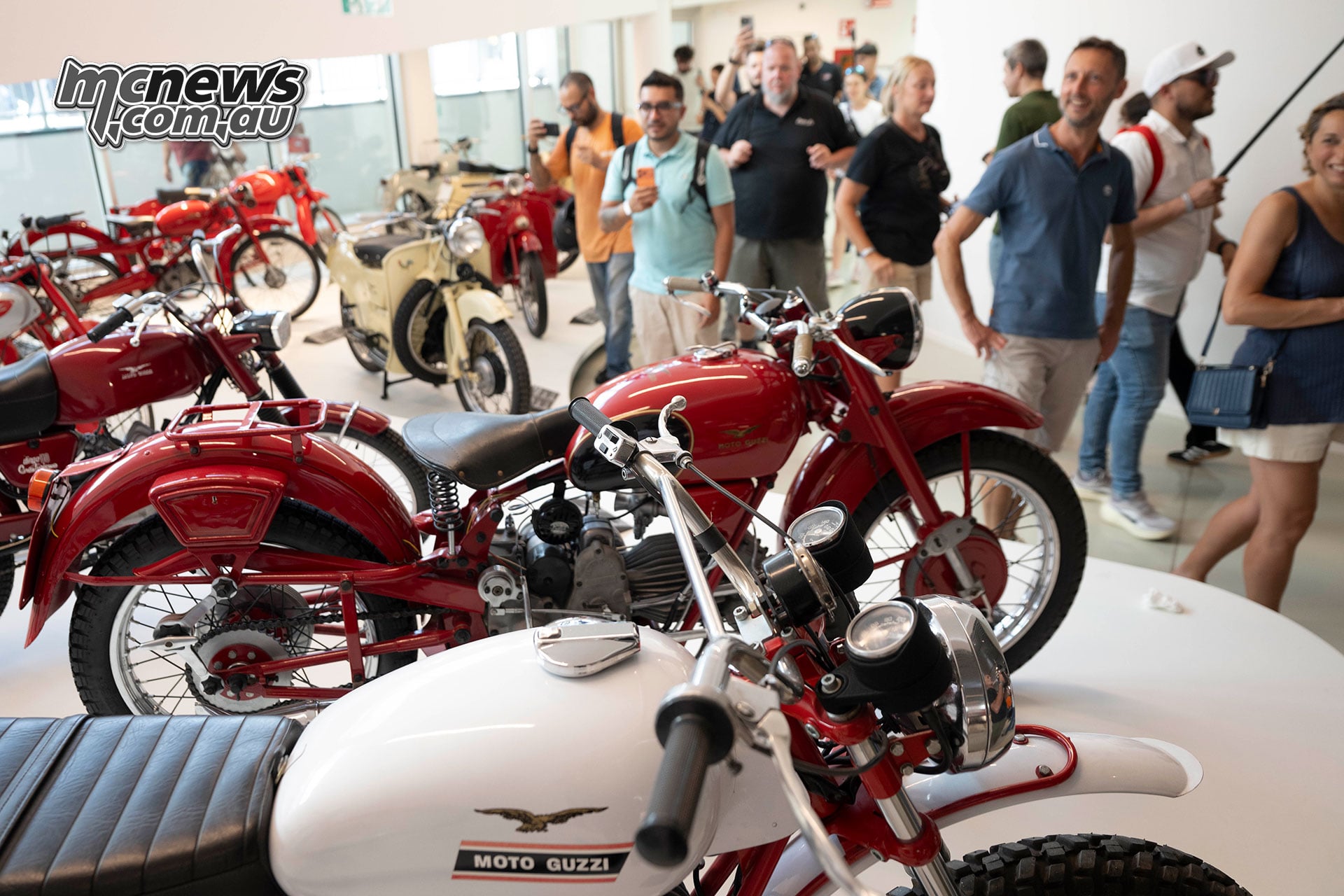
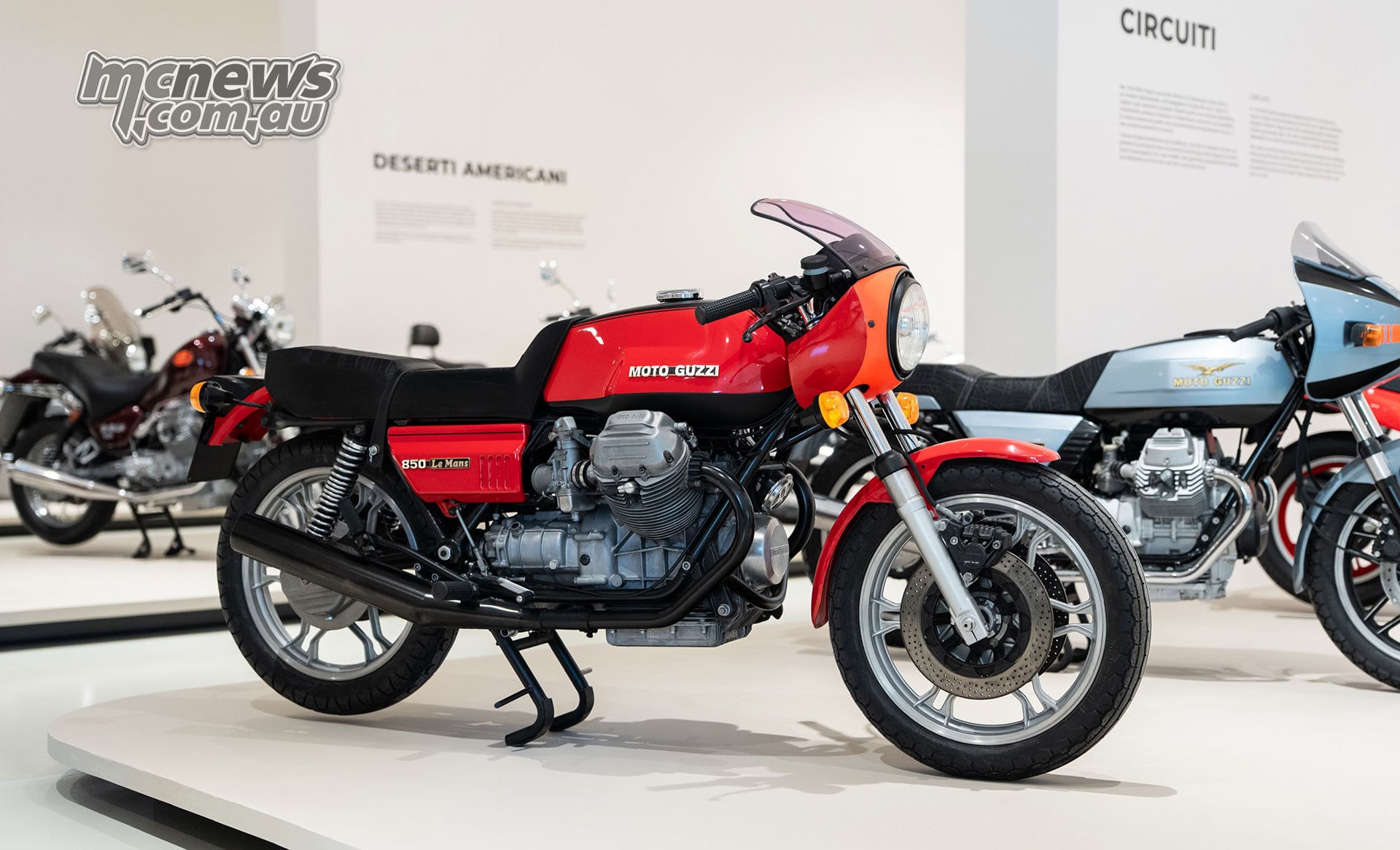
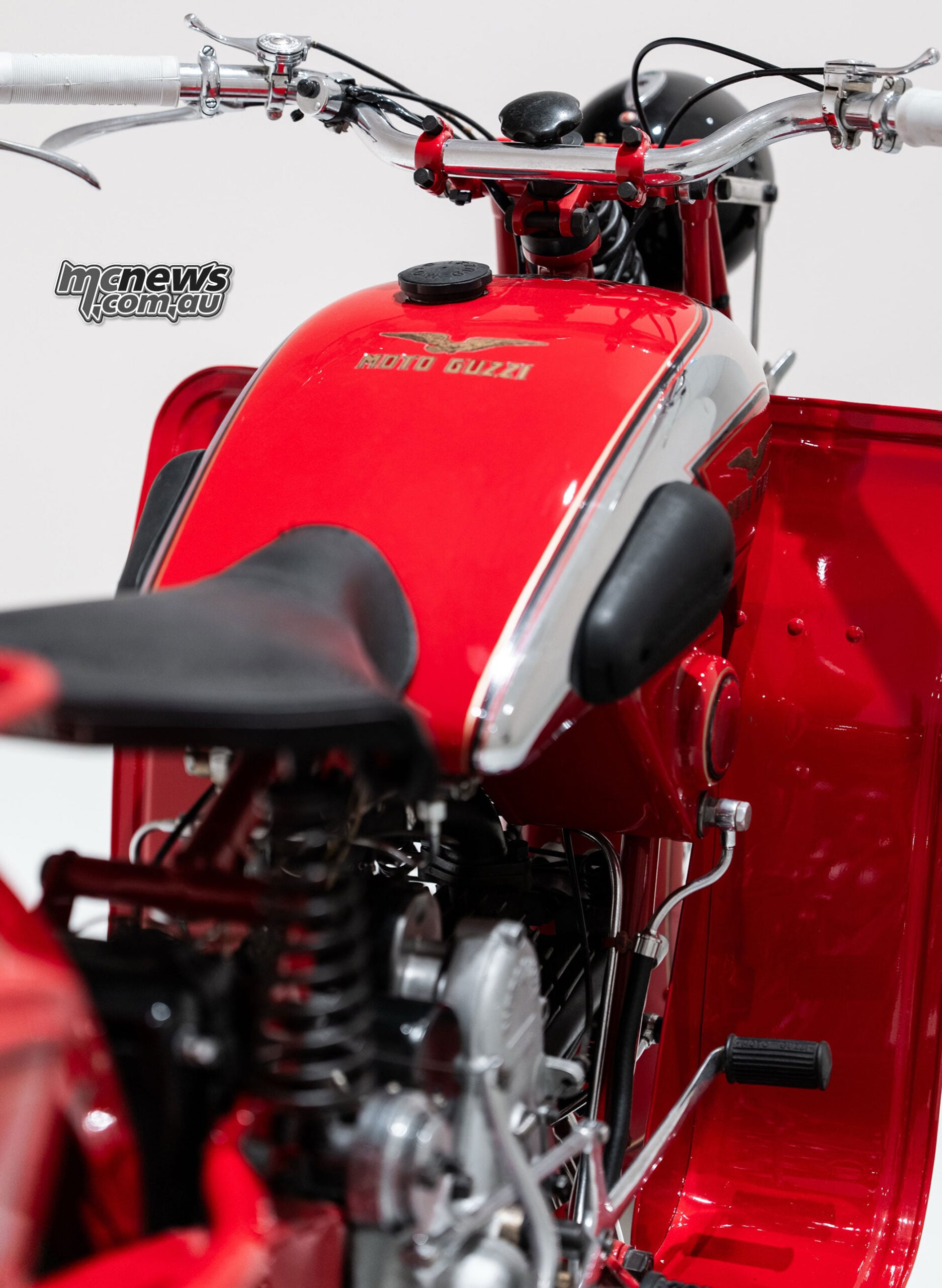
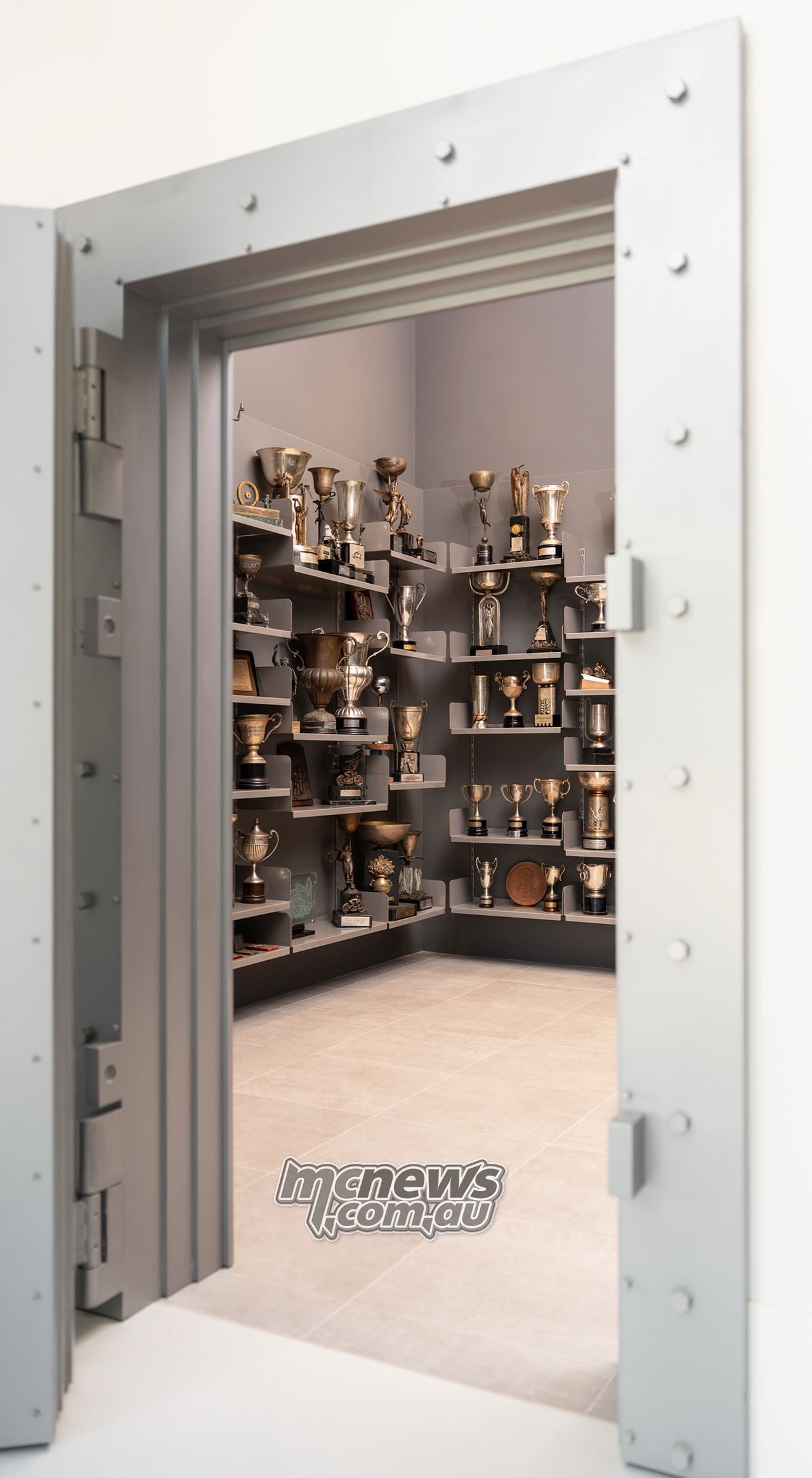
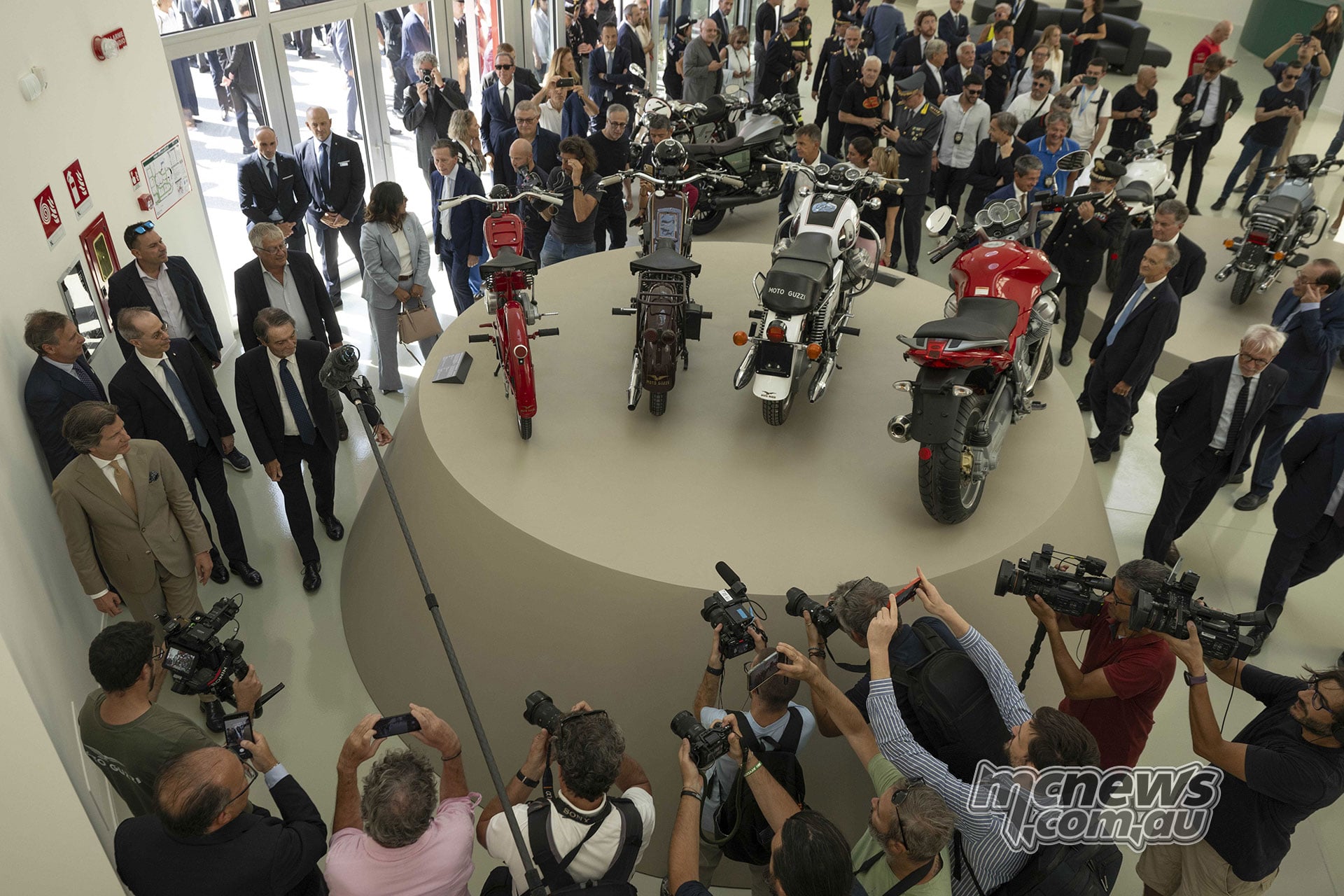
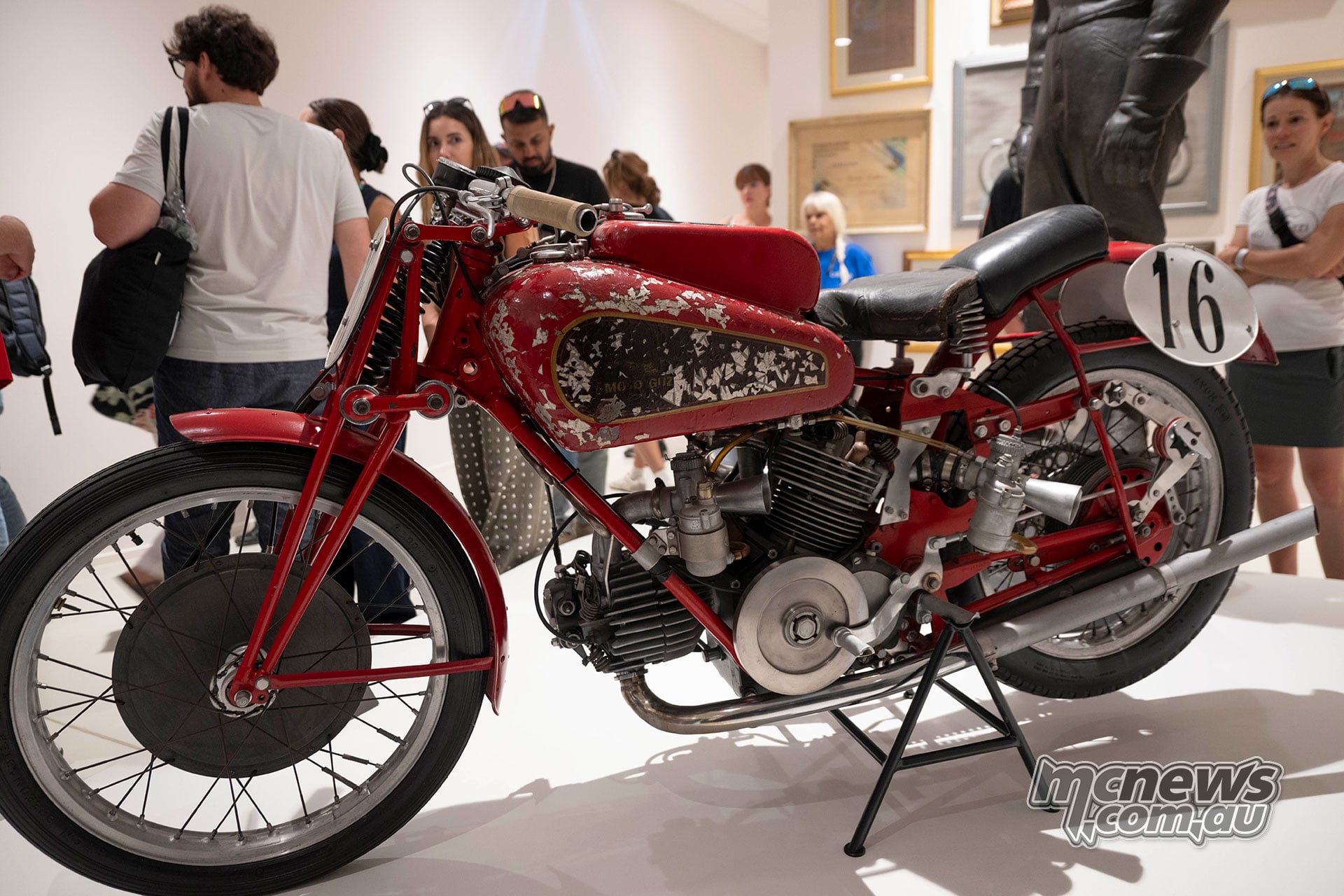
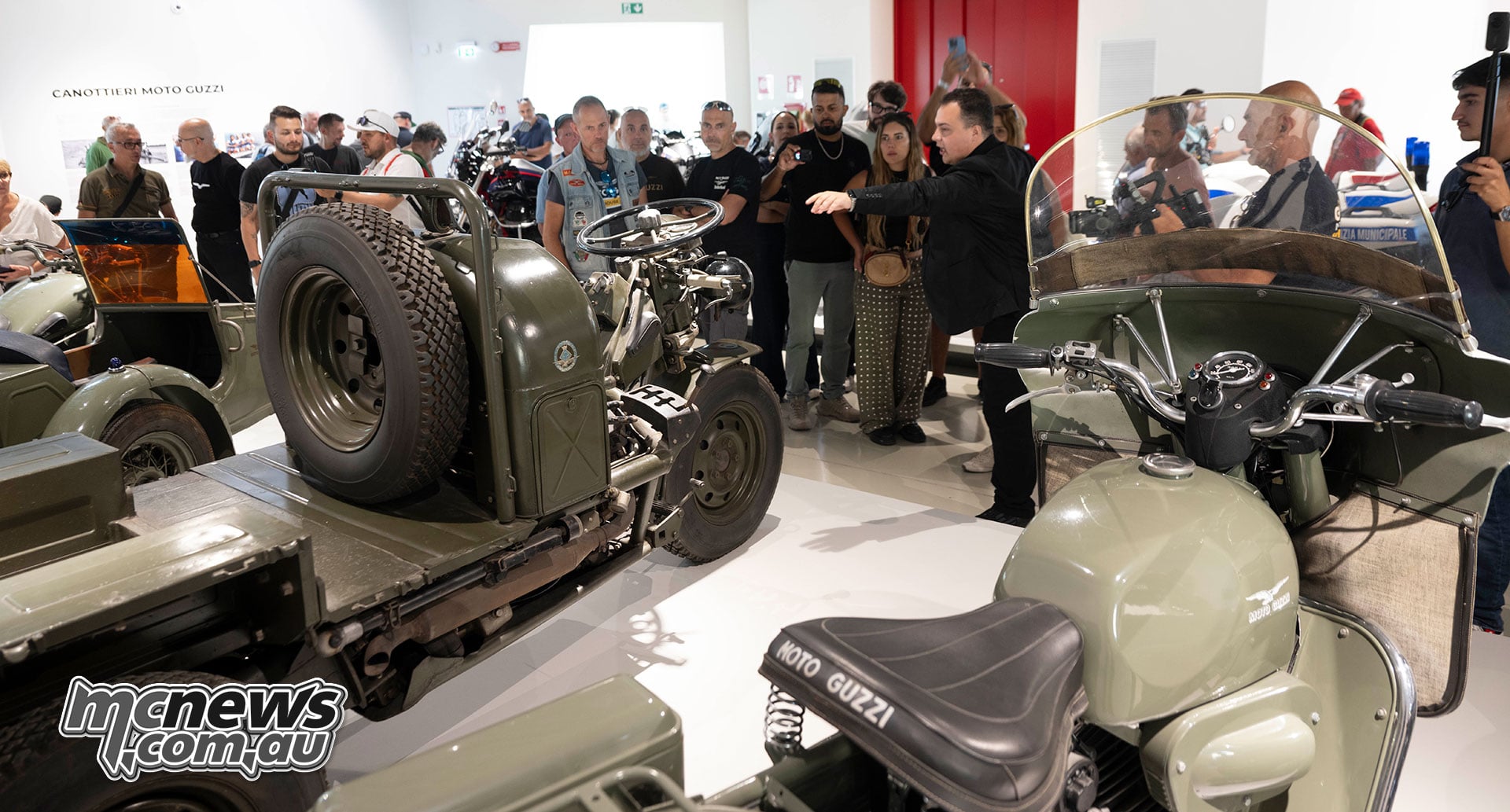
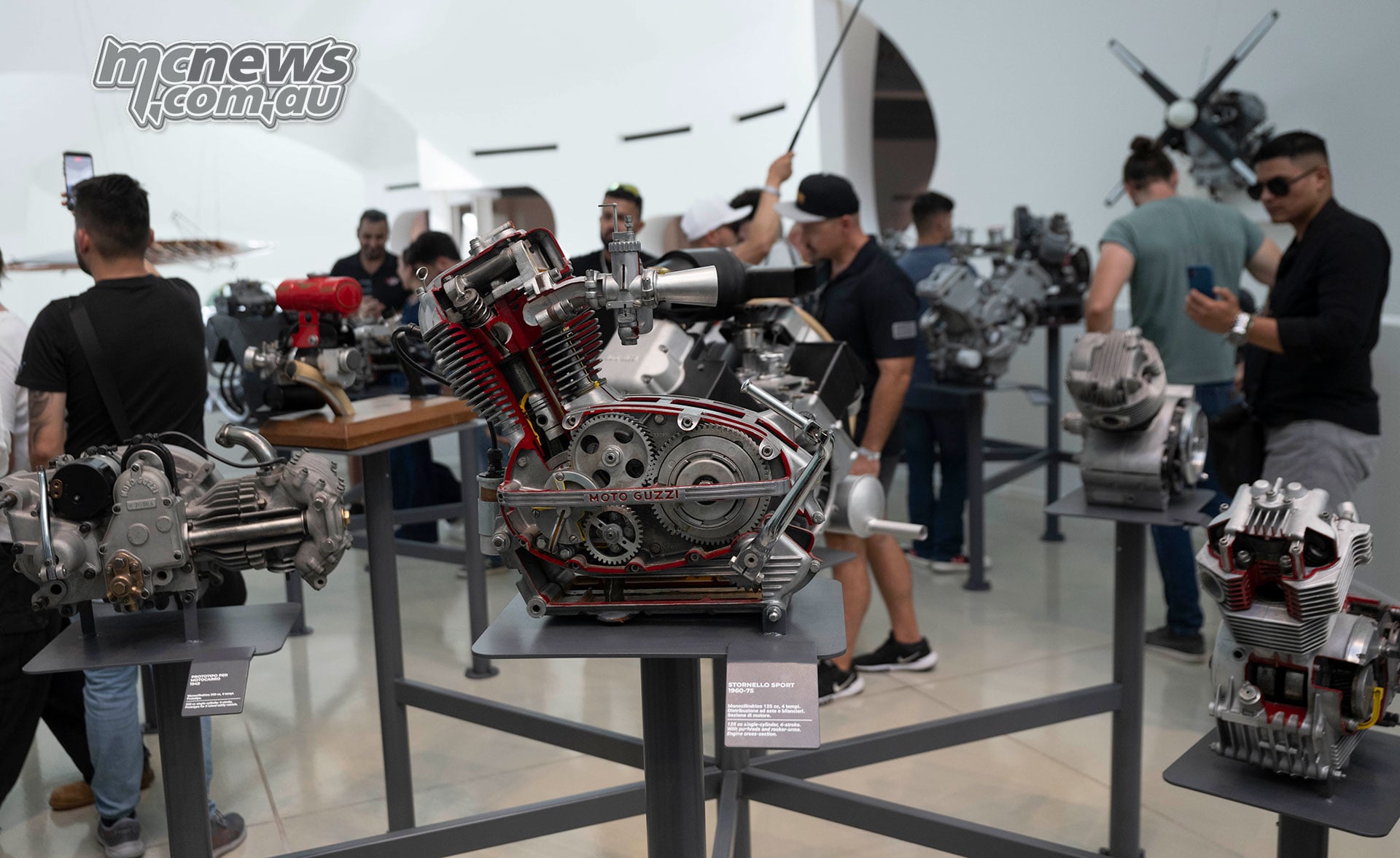
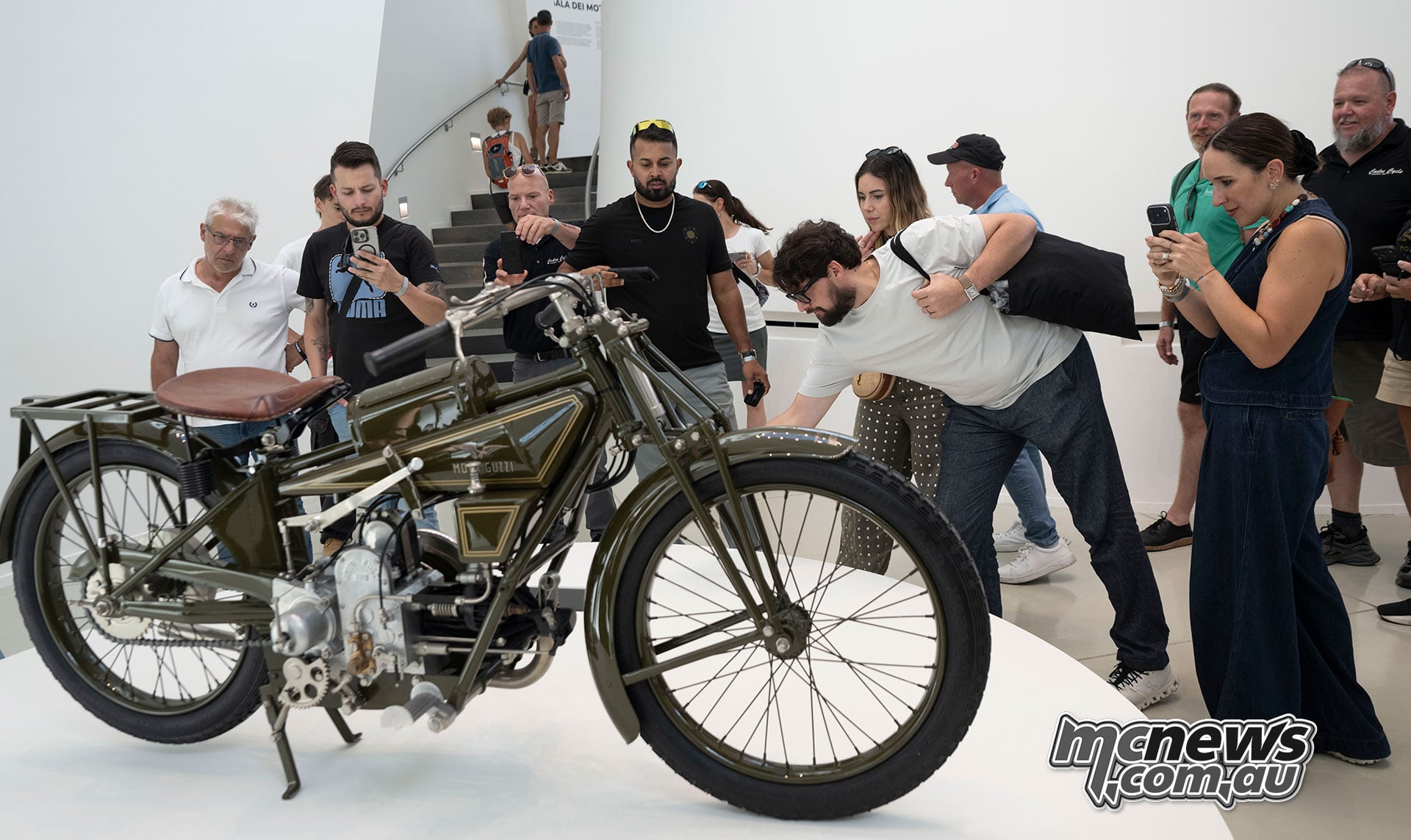
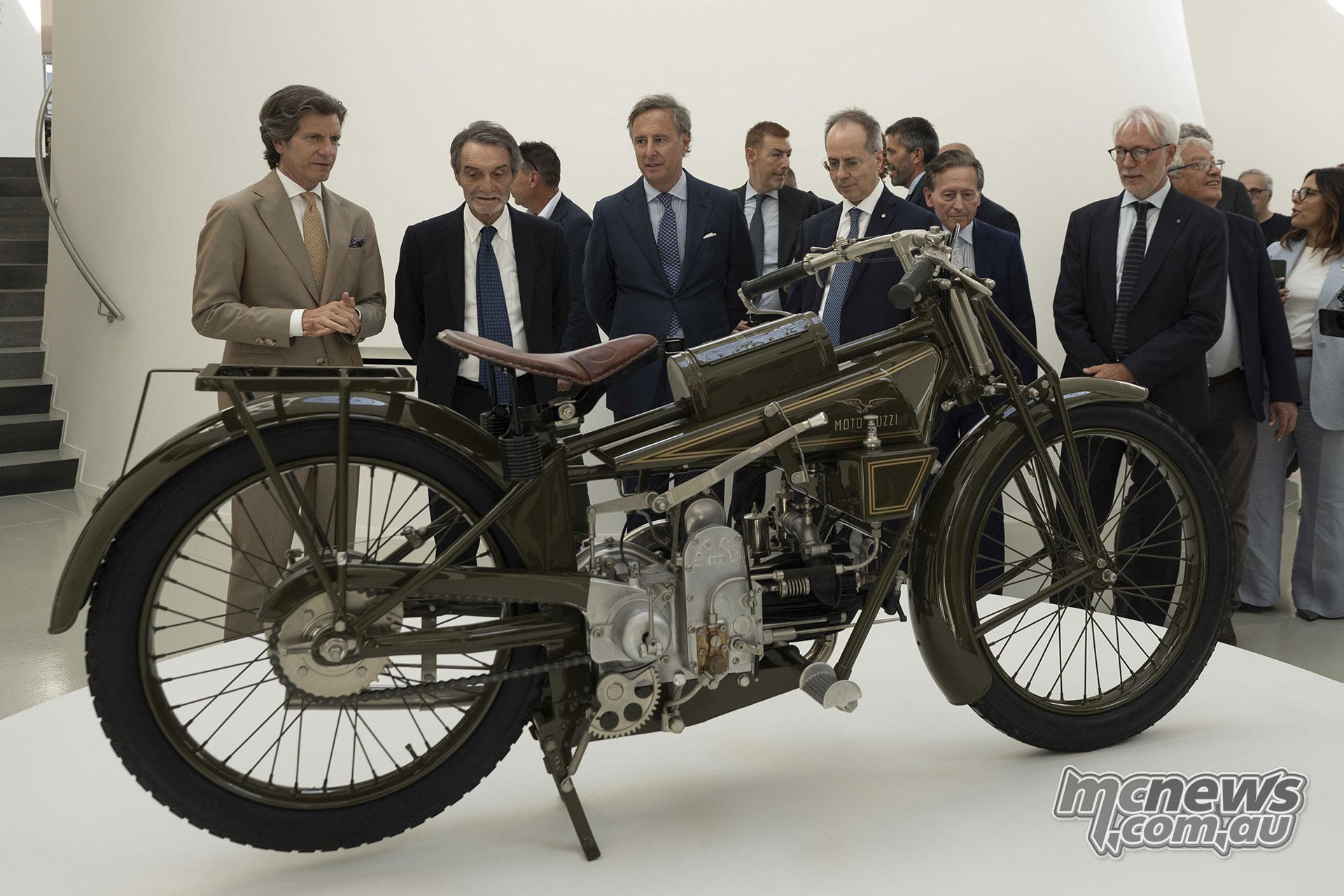
Inside, more than 160 motorcycles cover the entire 105-year history of Moto Guzzi. The collection includes production motorcycles, prototypes, racing machines, military and police motorcycles, machines associated with cinema and travel, and examples illustrating the evolution of Moto Guzzi design and technology.
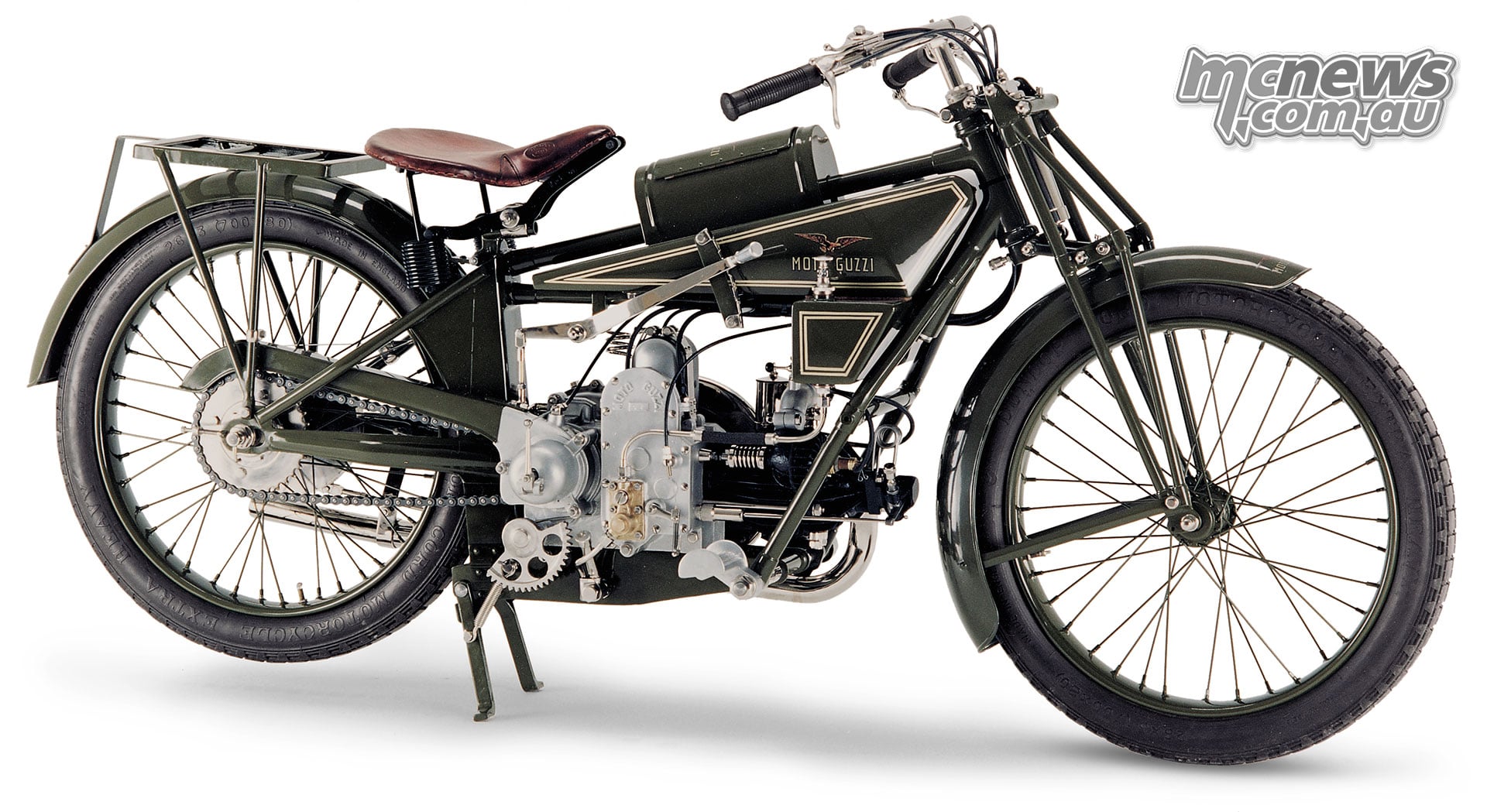
The collection reaches back to the G.P., the prototype that preceded the first production Moto Guzzi. Those initials stood for Guzzi-Parodi. The eagle that followed commemorated their friend and fellow serviceman Giovanni Ravelli, who died in a flying accident in 1919 before their shared dream of a motorcycle company could be realised.
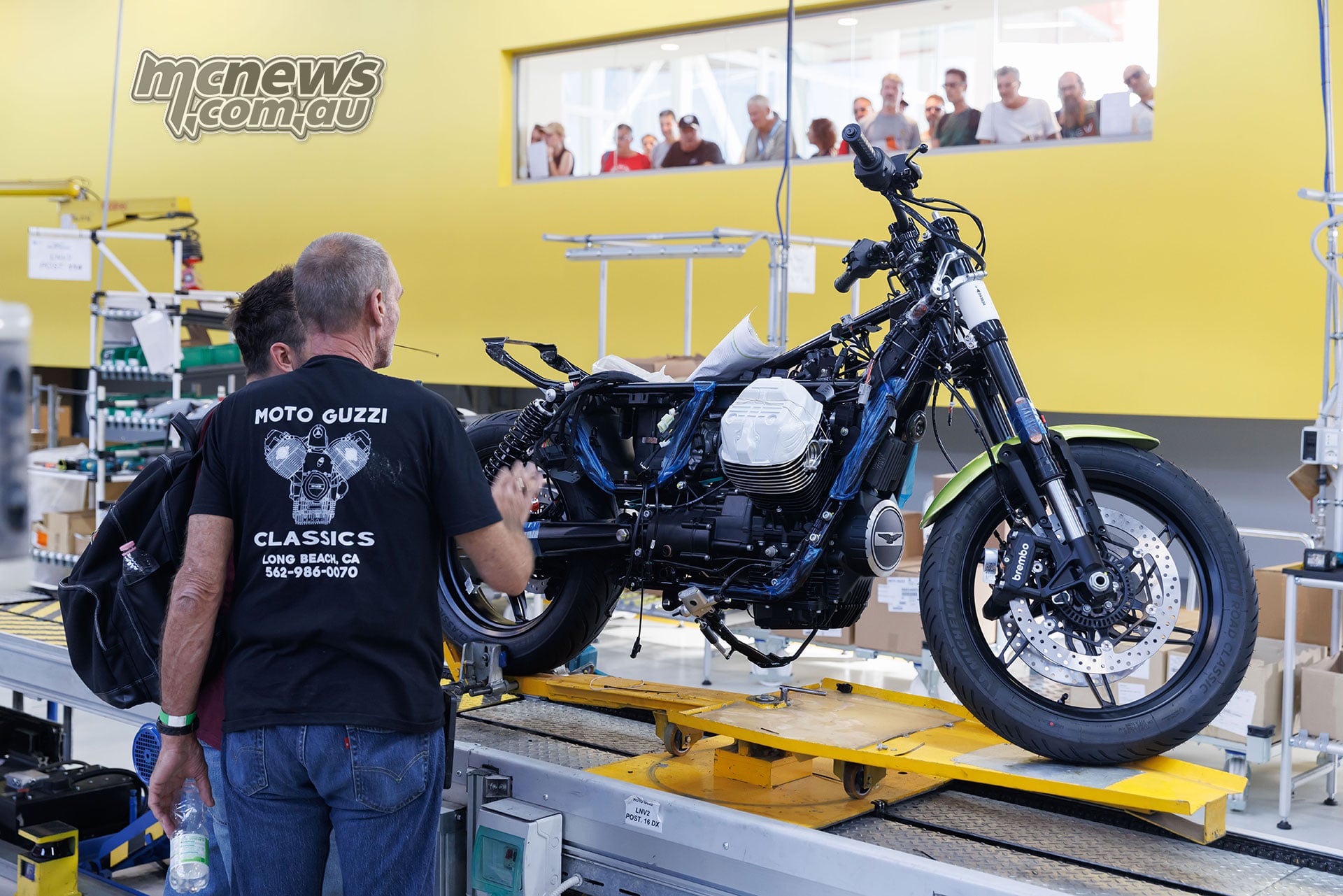
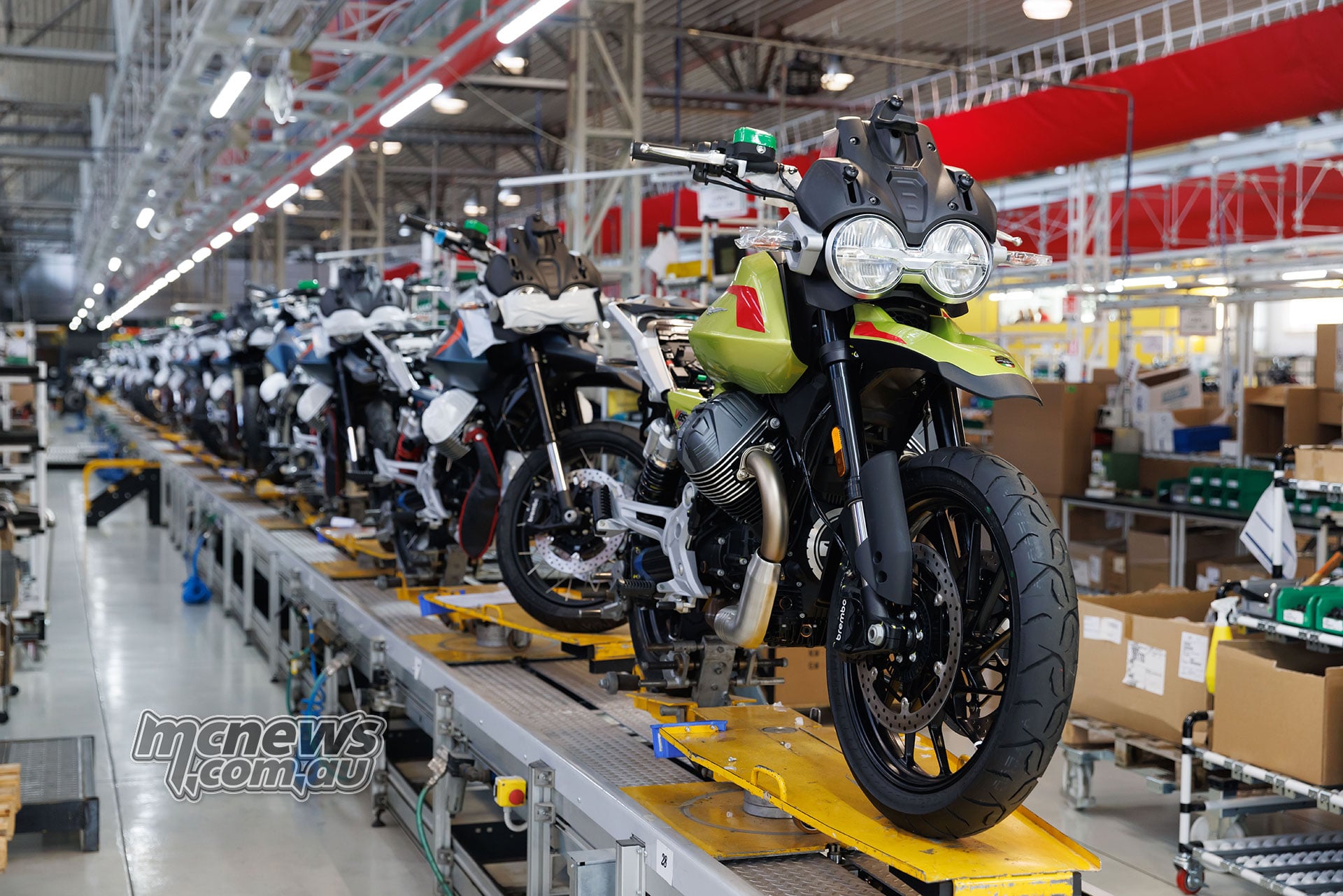
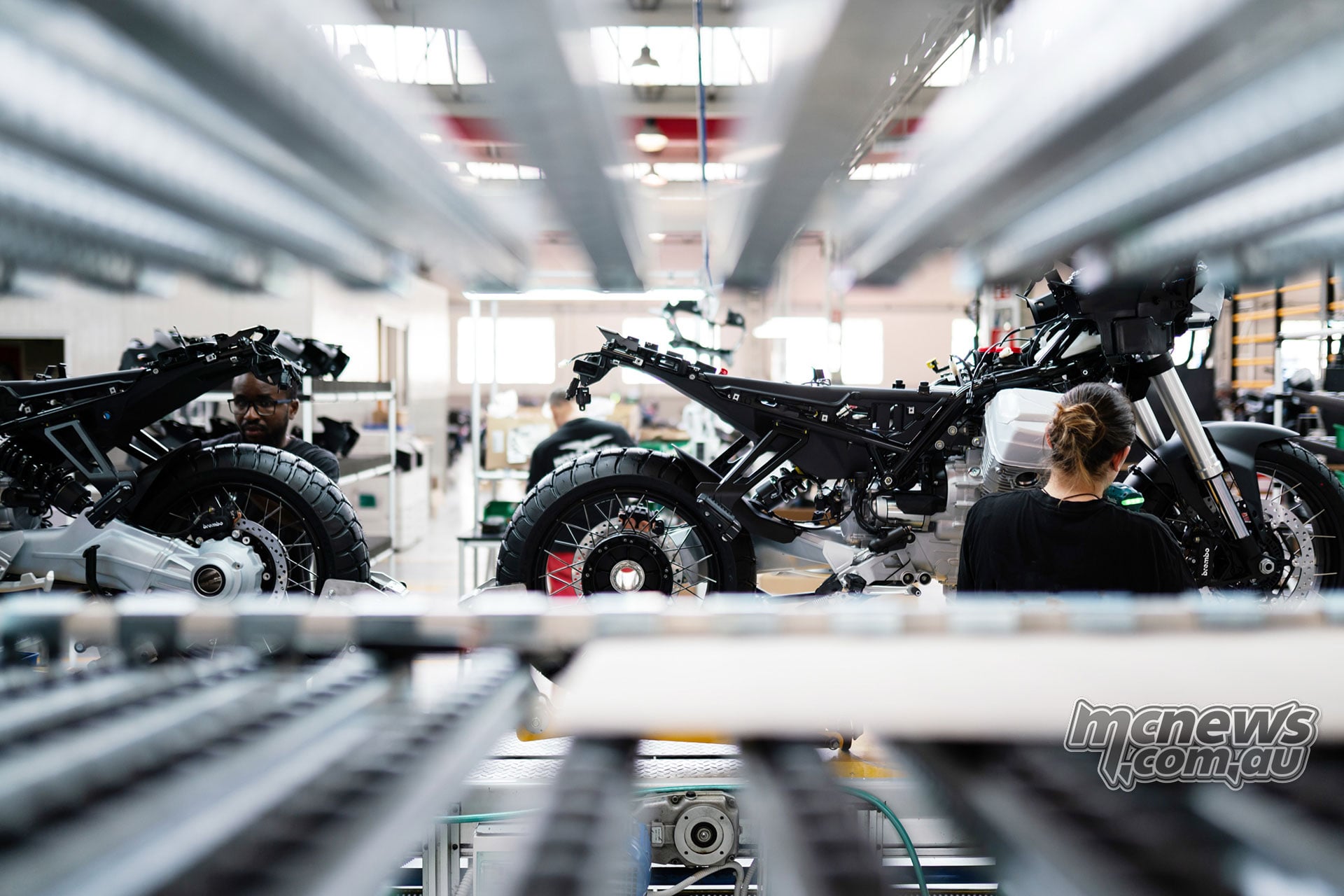
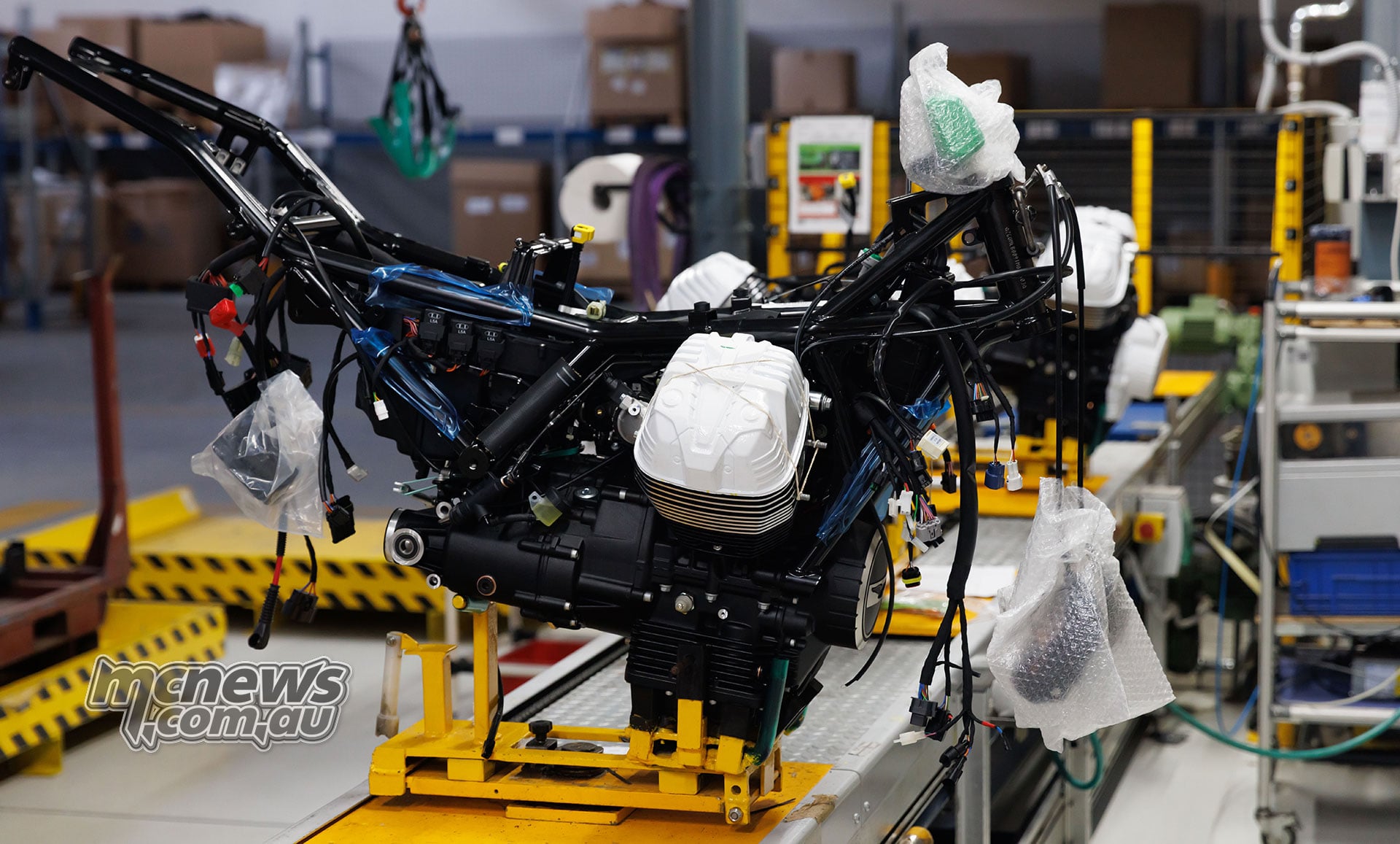
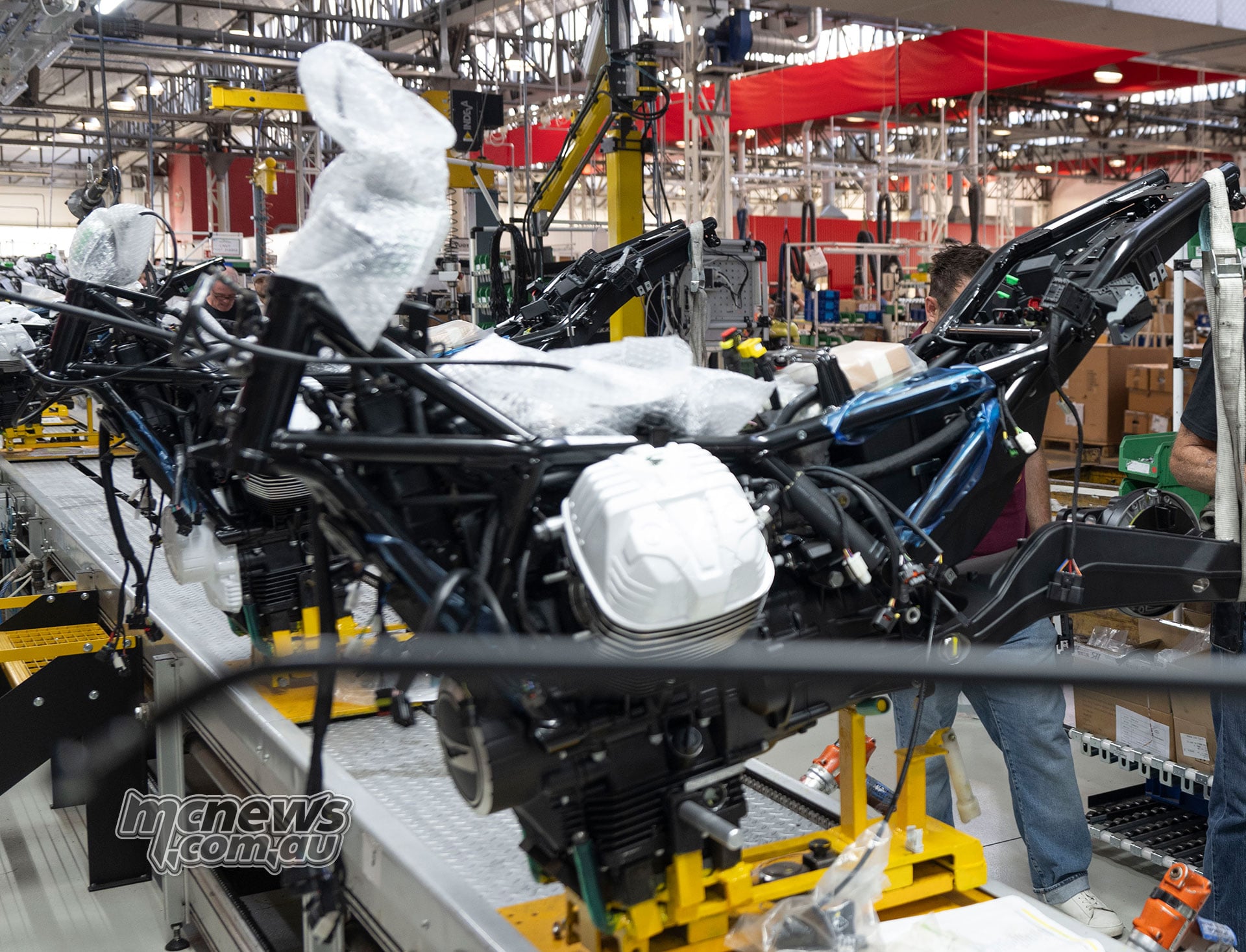
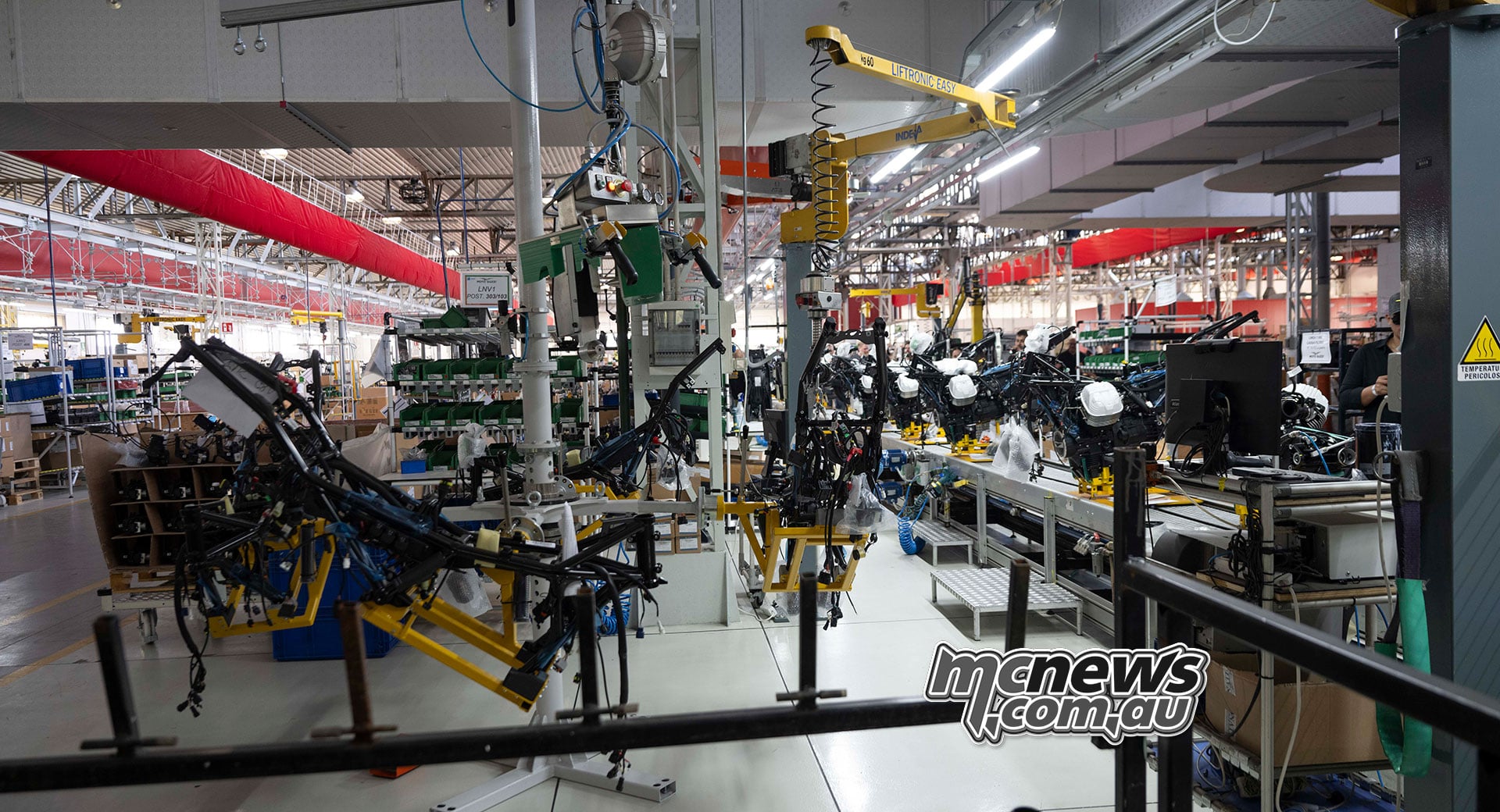
But the museum does something particularly clever that makes it more than a static collection of old motorcycles. From the exhibition areas, visitors can look directly into the modern production facility and watch new Moto Guzzis being assembled.
That juxtaposition with old motorcycles on one side of the glass and brand-new motorcycles being built on the other is probably the best representation of where Moto Guzzi finds itself after 105 years.
Behold the V8
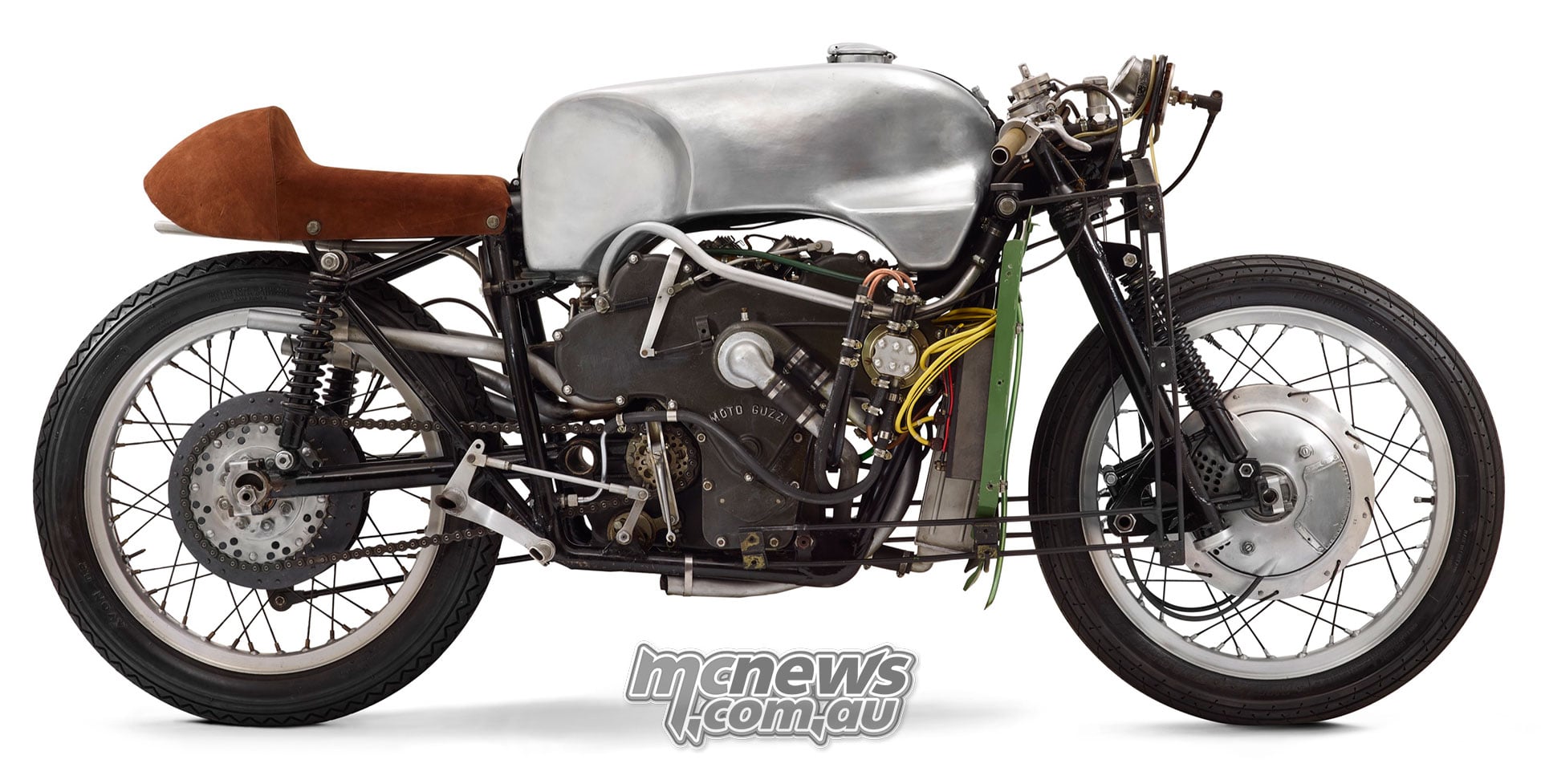
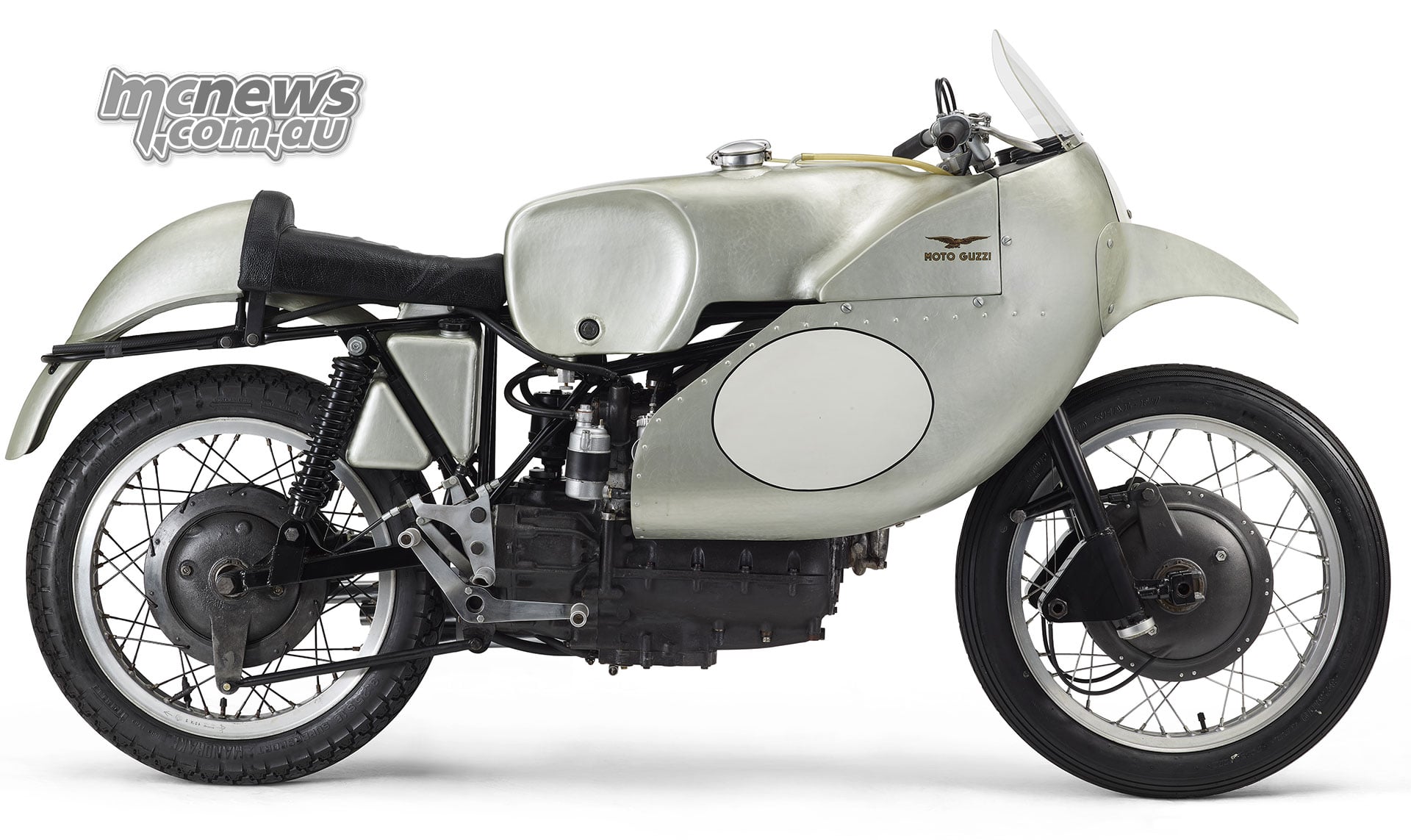
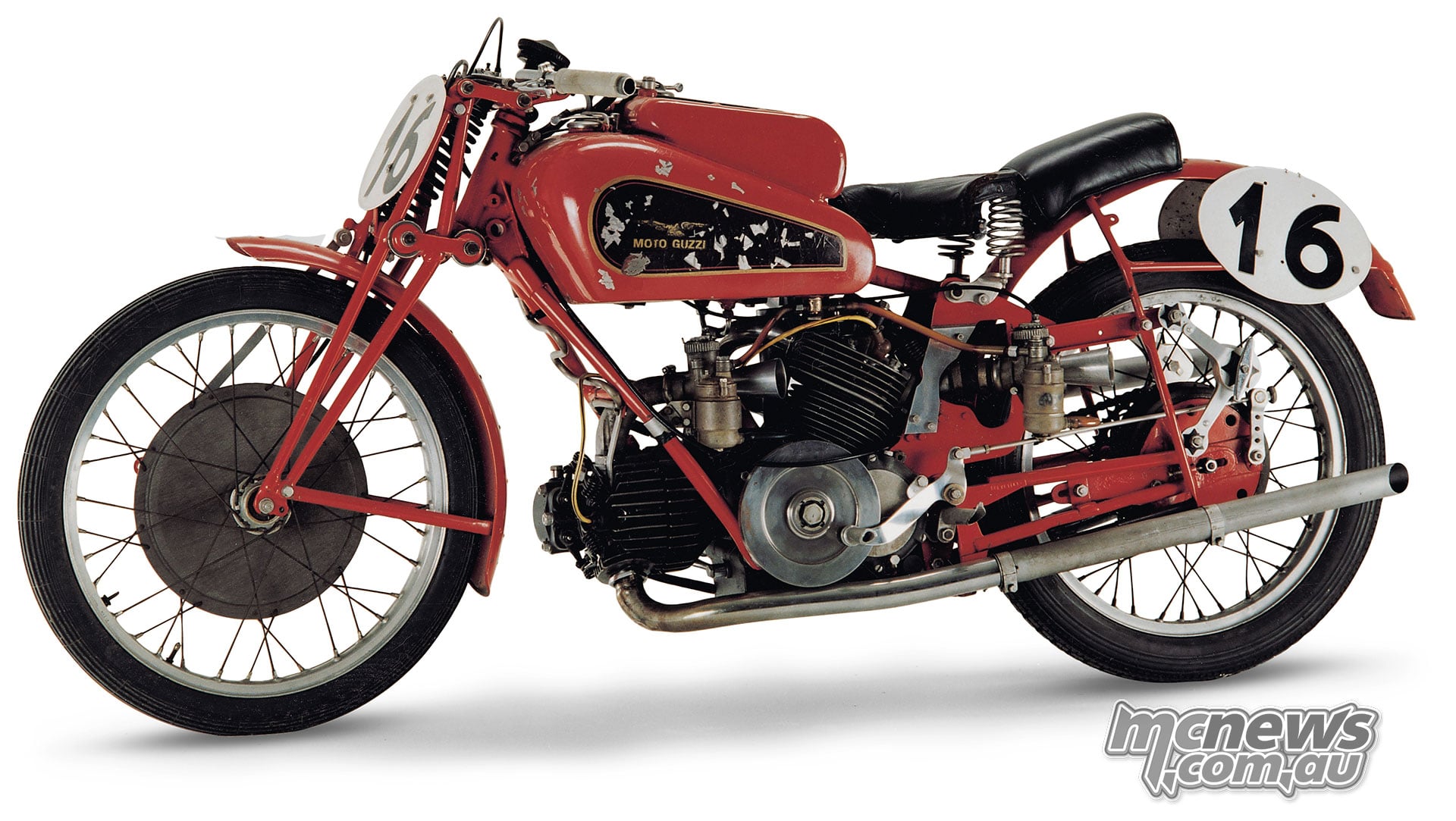
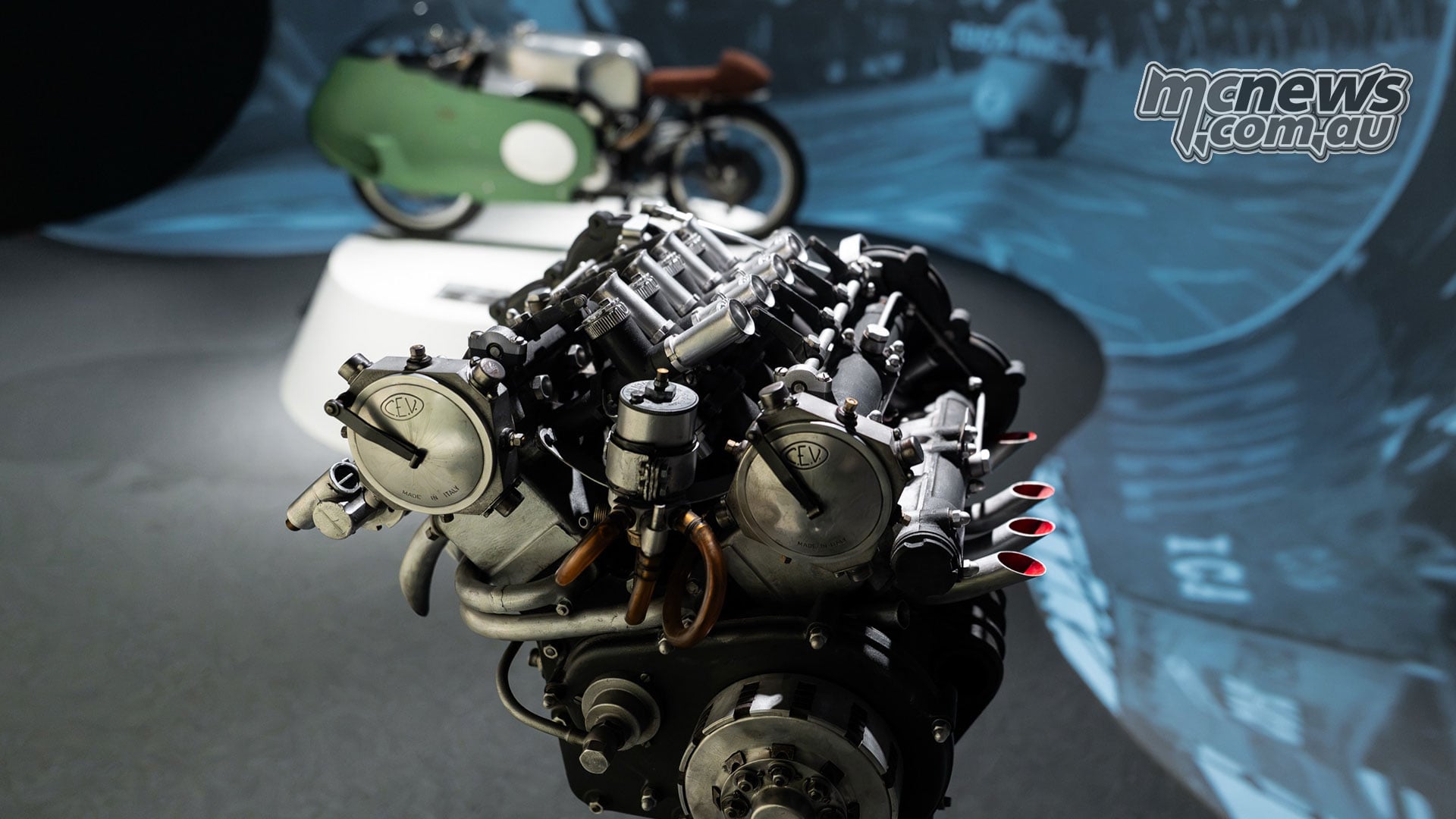
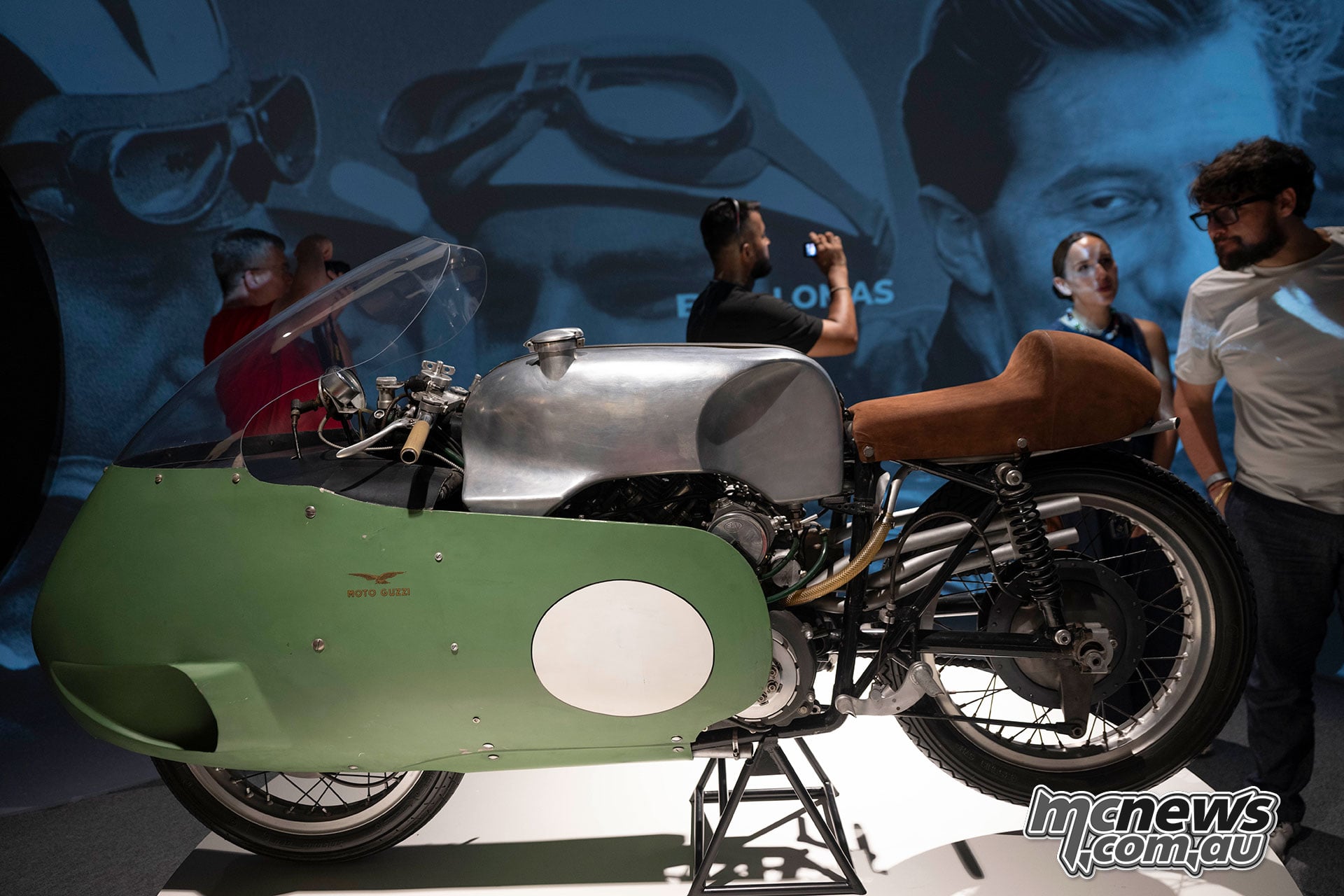
Among the many treasures in the museum, one machine inevitably attracts a disproportionate amount of attention: the extraordinary 500cc Moto Guzzi V8 Grand Prix motorcycle.
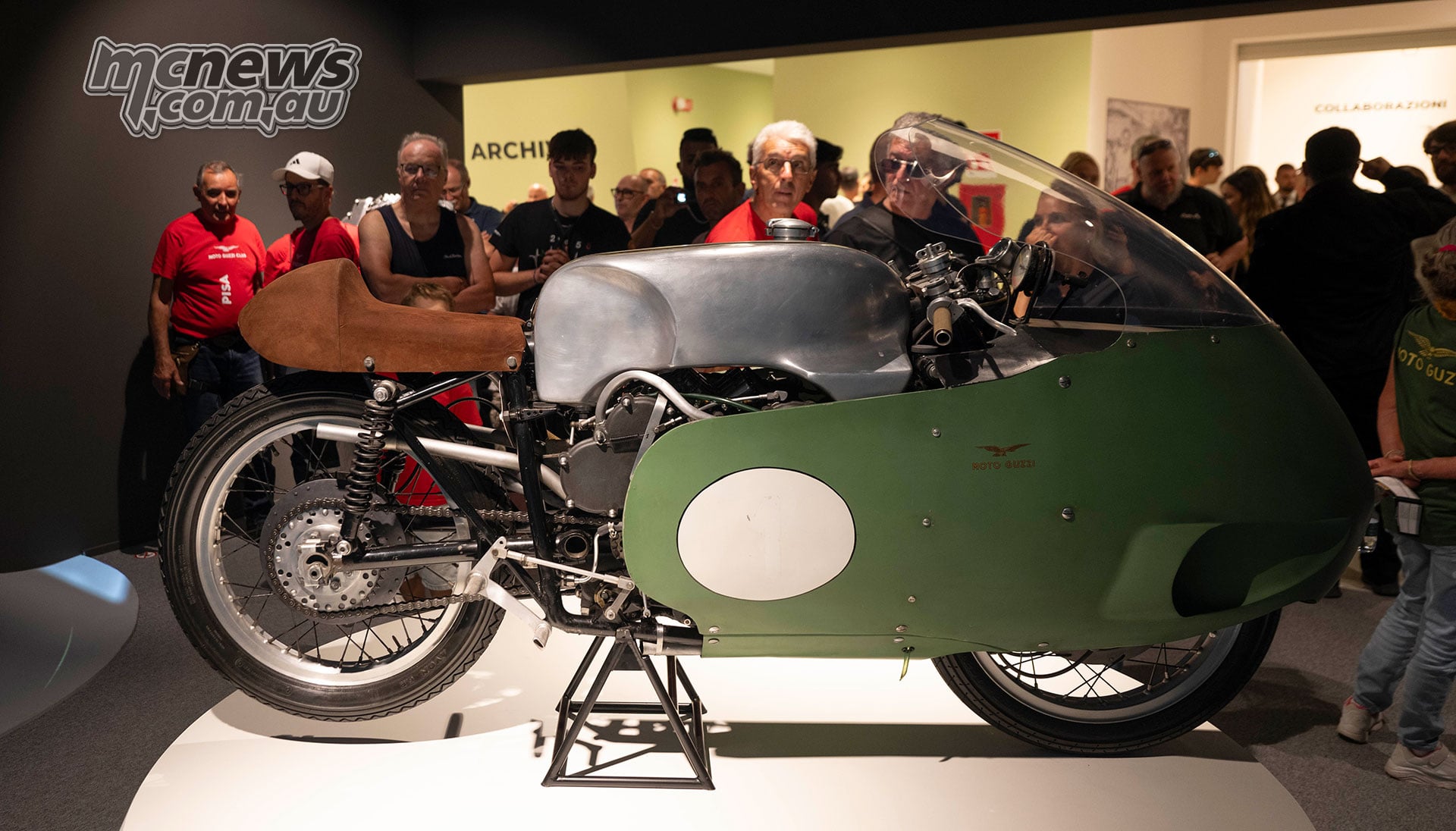
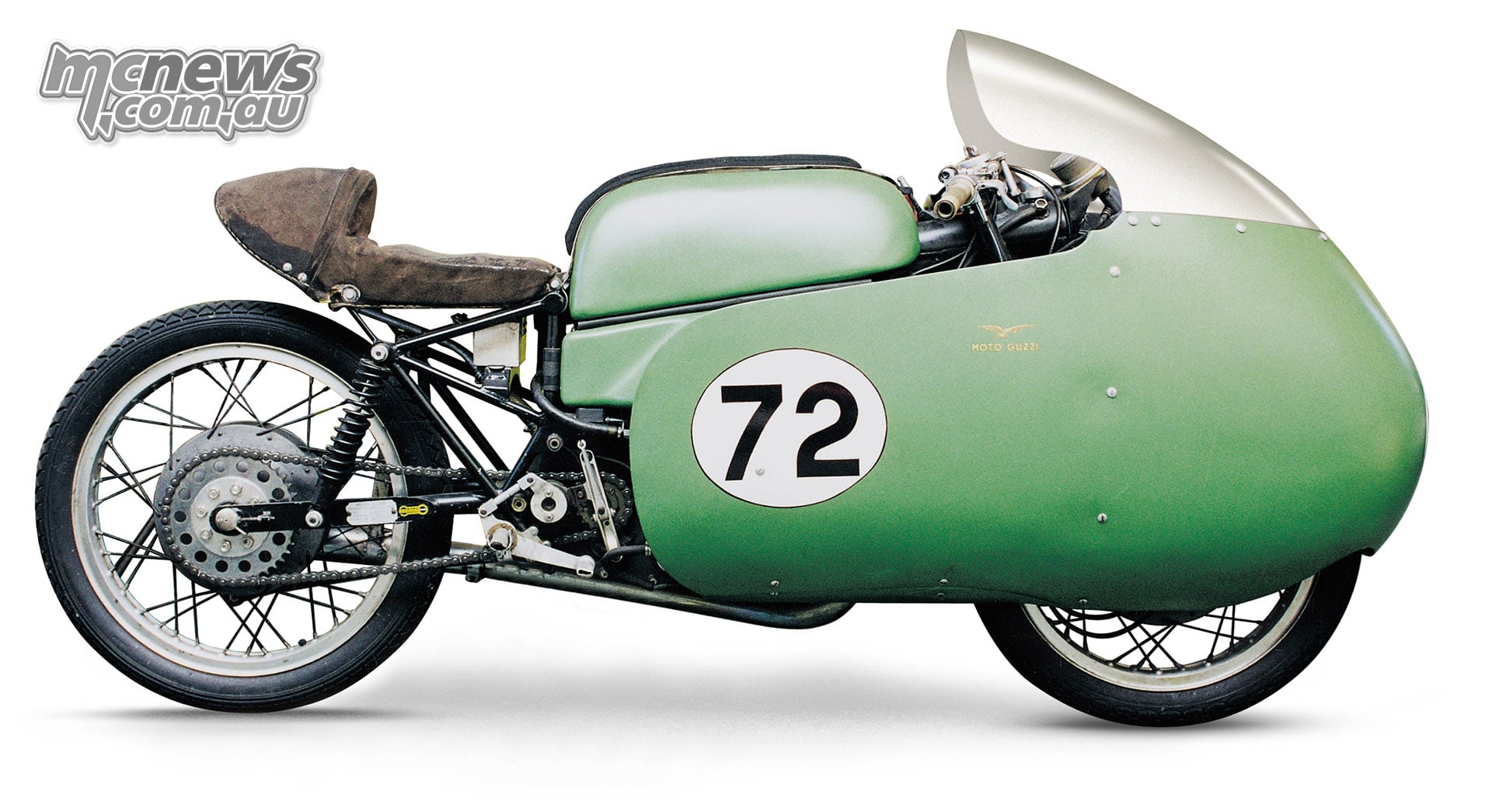
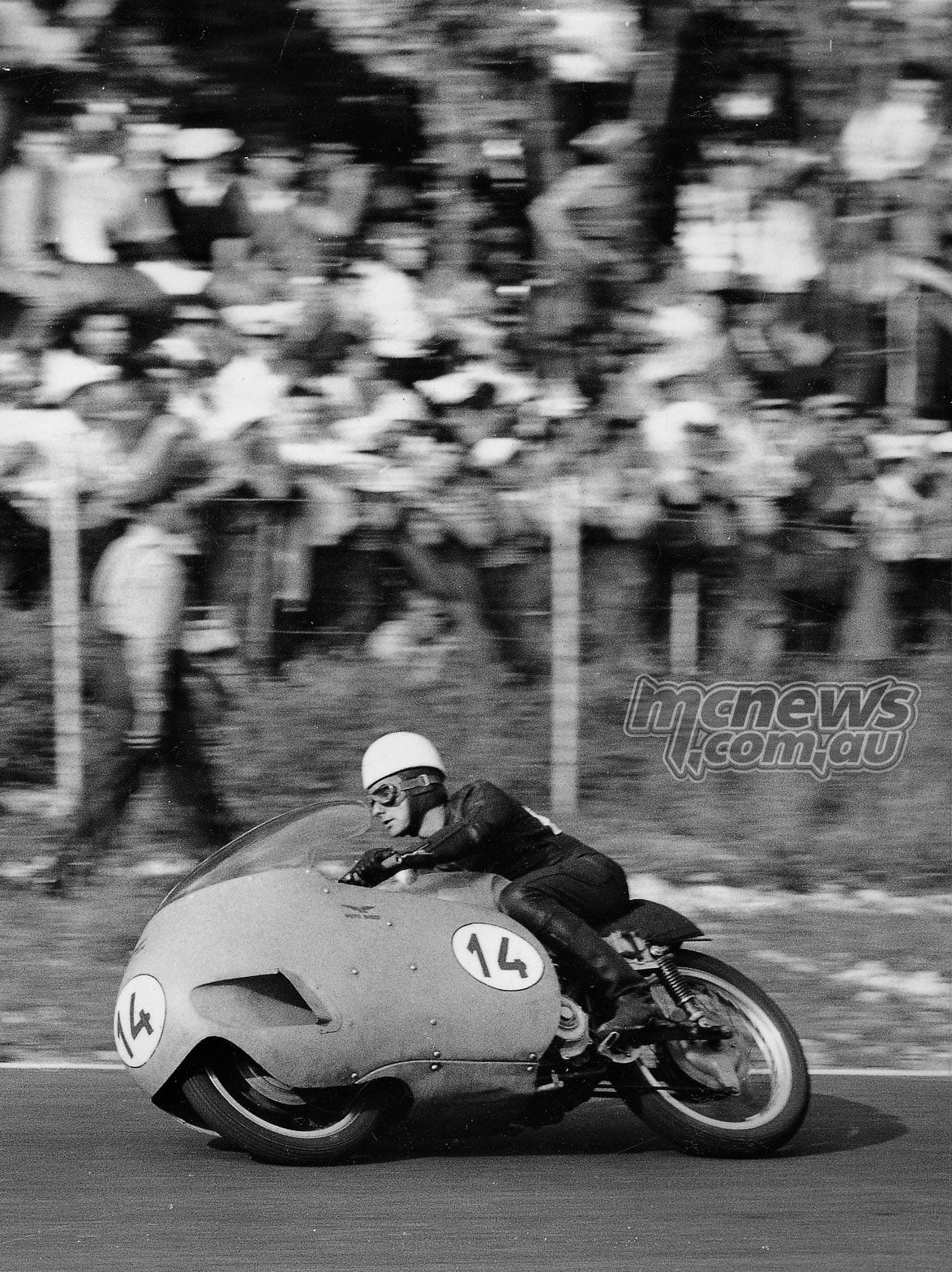
Known as the Otto Cilindri, the V8 was one of the most audacious racing motorcycles ever conceived. Introduced in 1955, it used a water-cooled 500cc V8 with double overhead camshafts, eight carburettors and a remarkably compact design. Output approached 80 horsepower, and Moto Guzzi quotes a top speed of 285 km/h. Australian Ken Kavanagh was among the select group who raced it.
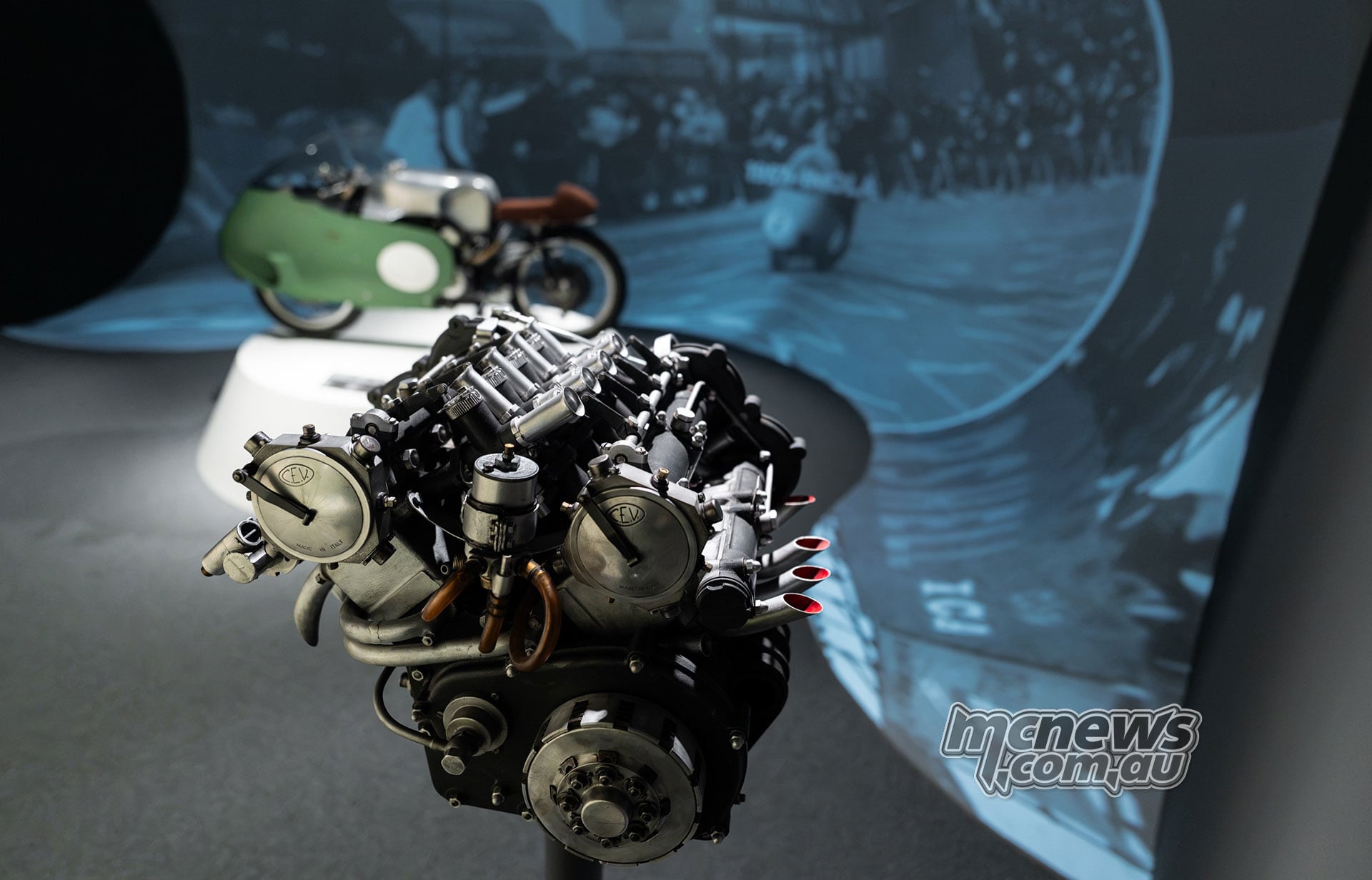
The V8 was the product of Giulio Carcano and Moto Guzzi’s extraordinarily inventive racing department. It was technologically magnificent and notoriously complicated. Development and reliability problems ultimately prevented it from becoming the dominant Grand Prix weapon its performance suggested it could be. The machine was withdrawn from competition as Moto Guzzi departed Grand Prix racing at the end of 1957, along with Gilera and FB Mondial, leaving MV Agusta as Italy’s remaining factory force in the 500cc class.
Among the historic machines in the new museum, the 500’s importance is immediately obvious. It represents an era when Moto Guzzi pursued technical solutions simply because they were possible, with a freedom today’s overly restrictive regulations no longer allow. Yet while Moto Guzzi has long been absent from Grand Prix racing, the wider Piaggio Group remains firmly in the thick of it. Sister brand Aprilia is fighting for the MotoGP World Championship, with its RS-GP widely regarded as the best bike on the current grid.
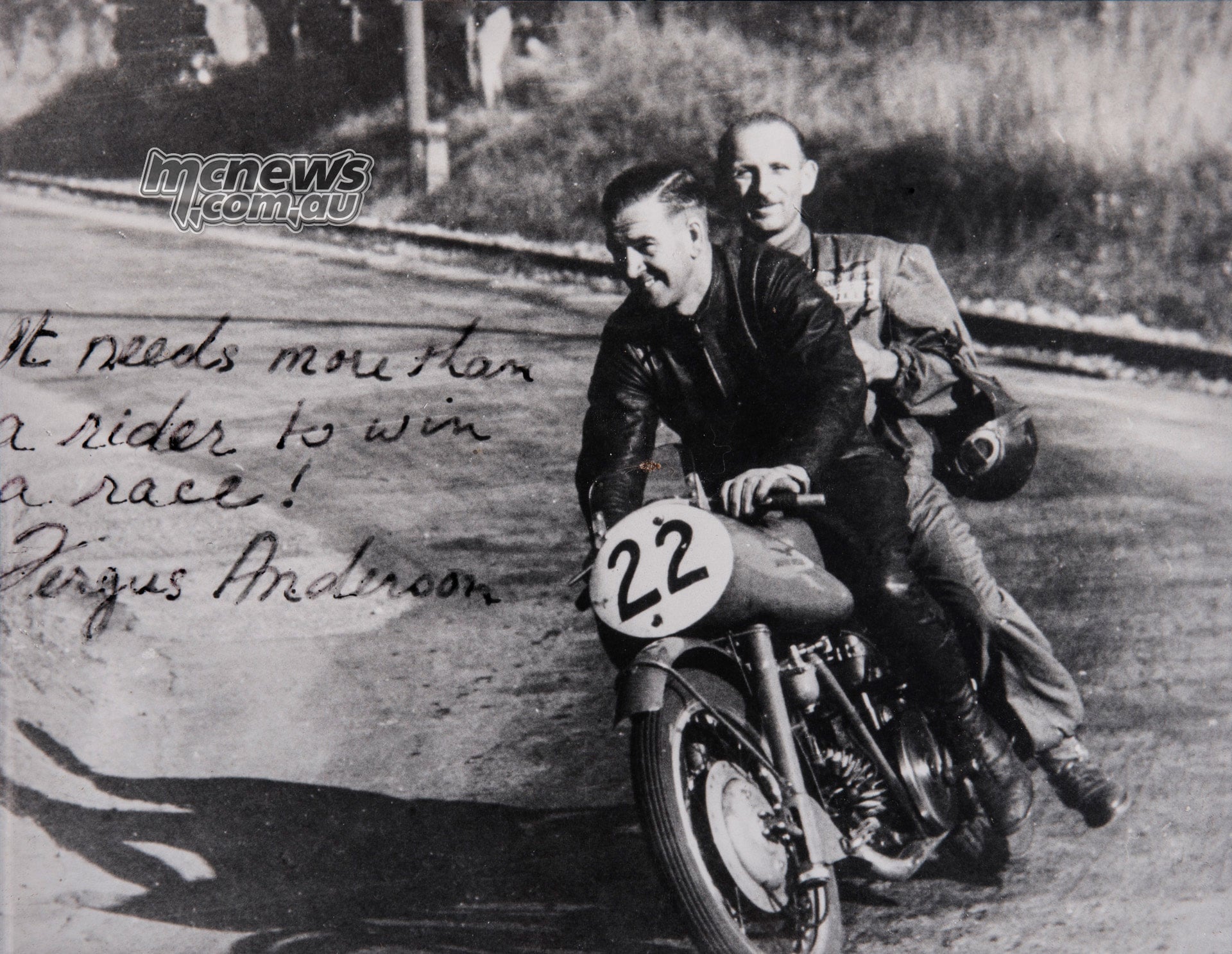
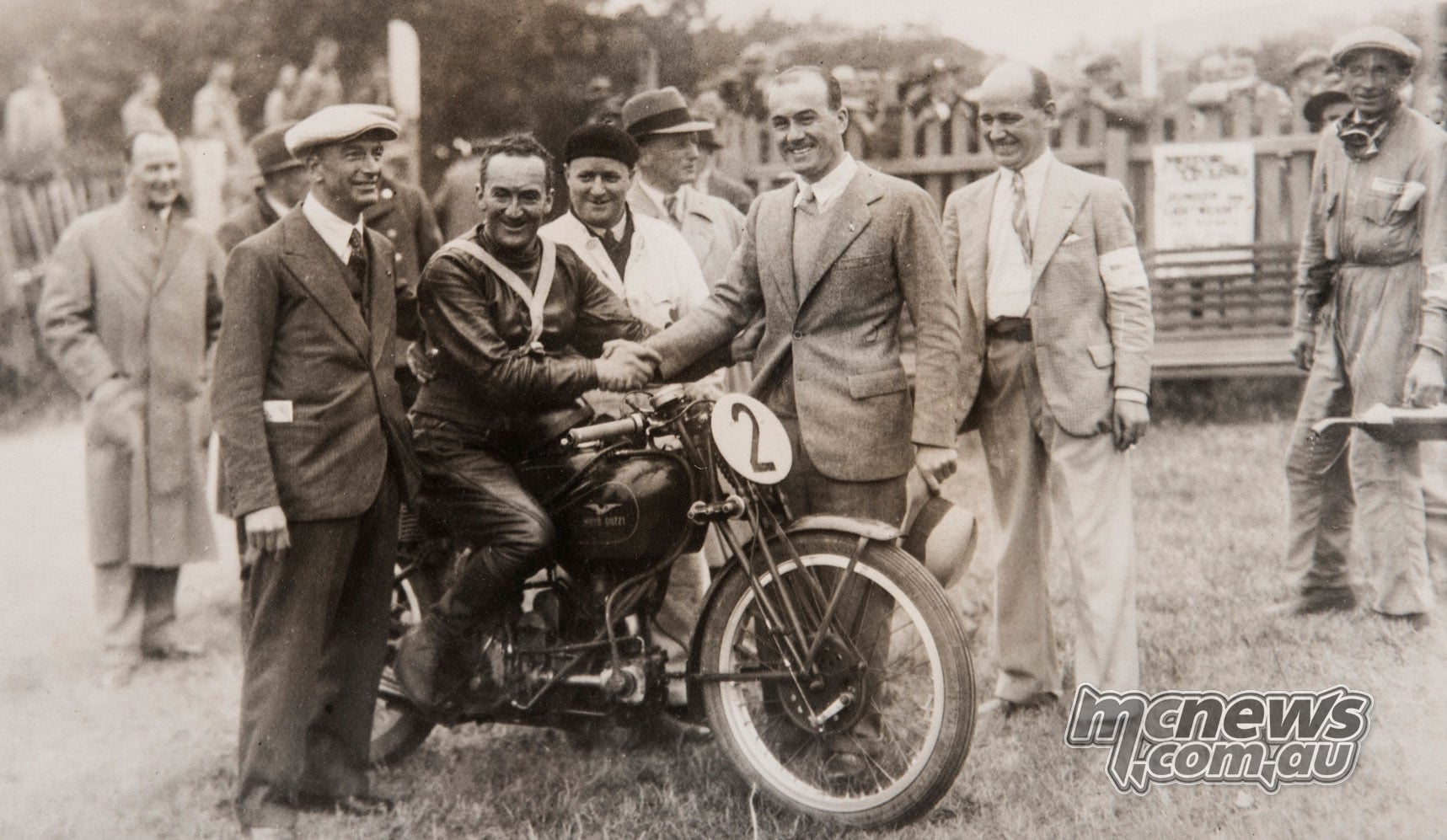
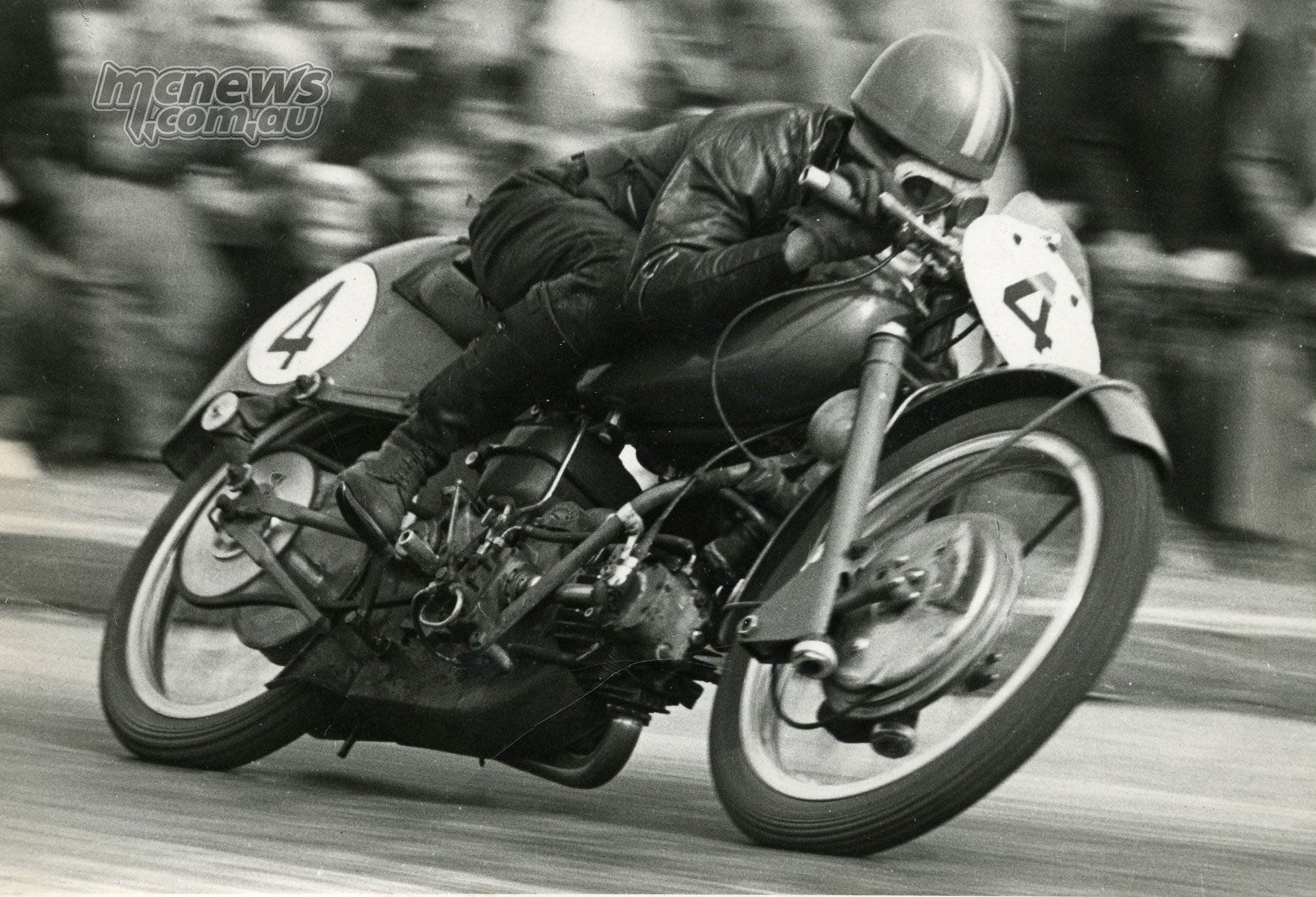
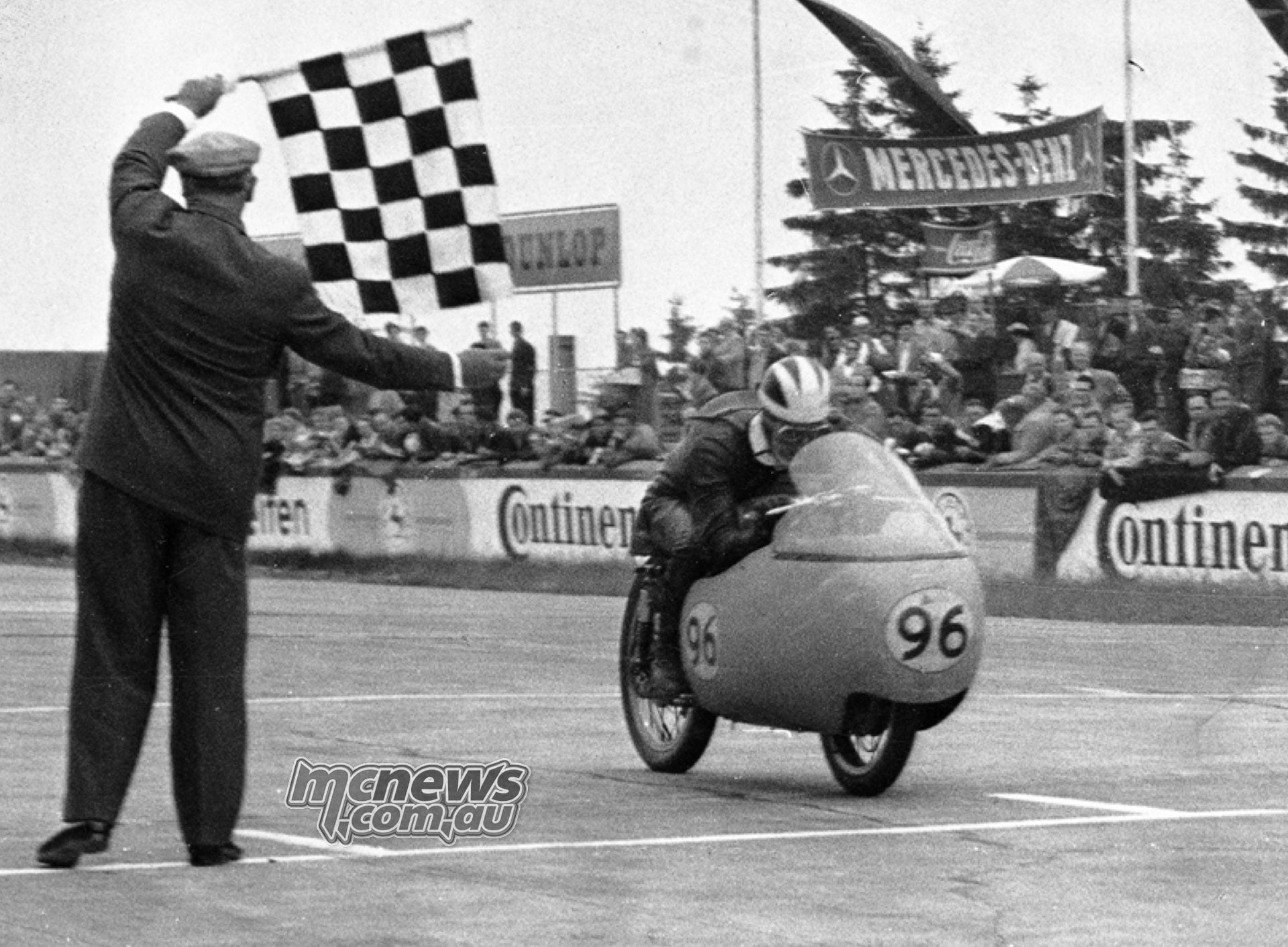
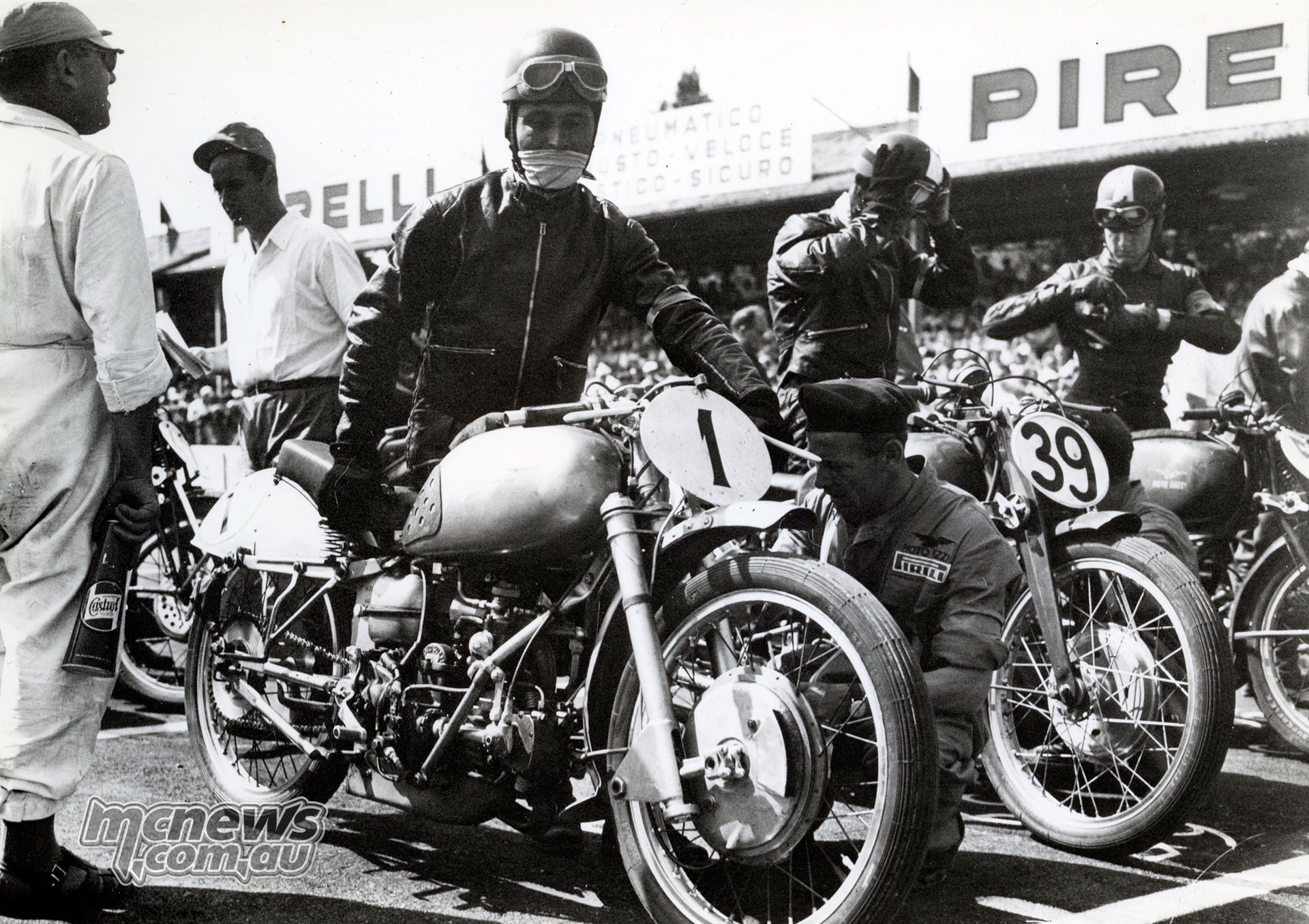
Australian racing history also has a strong thread woven into Moto Guzzi’s history. Kavanagh won the 1956 Junior TT on a Moto Guzzi 350, becoming the first Australian to win a TT. A year later, Keith Campbell took the 350cc World Championship for Guzzi, becoming Australia’s first Grand Prix World Champion. His title completed five consecutive 350cc riders’ crowns for the marque, following those of Fergus Anderson and Bill Lomas.
The Guzzisti take over
For the duration of GMG, Mandello del Lario was Moto Guzzi.
Guzzis filled the streets, cafés and parking areas, while the factory grounds became a vast gathering place for riders from around the world. The event offered factory tours, museum access, test rides, displays, food, music, entertainment and numerous club activities.
The atmosphere was notably more celebratory than corporate. Moto Guzzi has something many motorcycle manufacturers would dearly love to possess: a community that feels genuinely attached to the place as much as to the product.
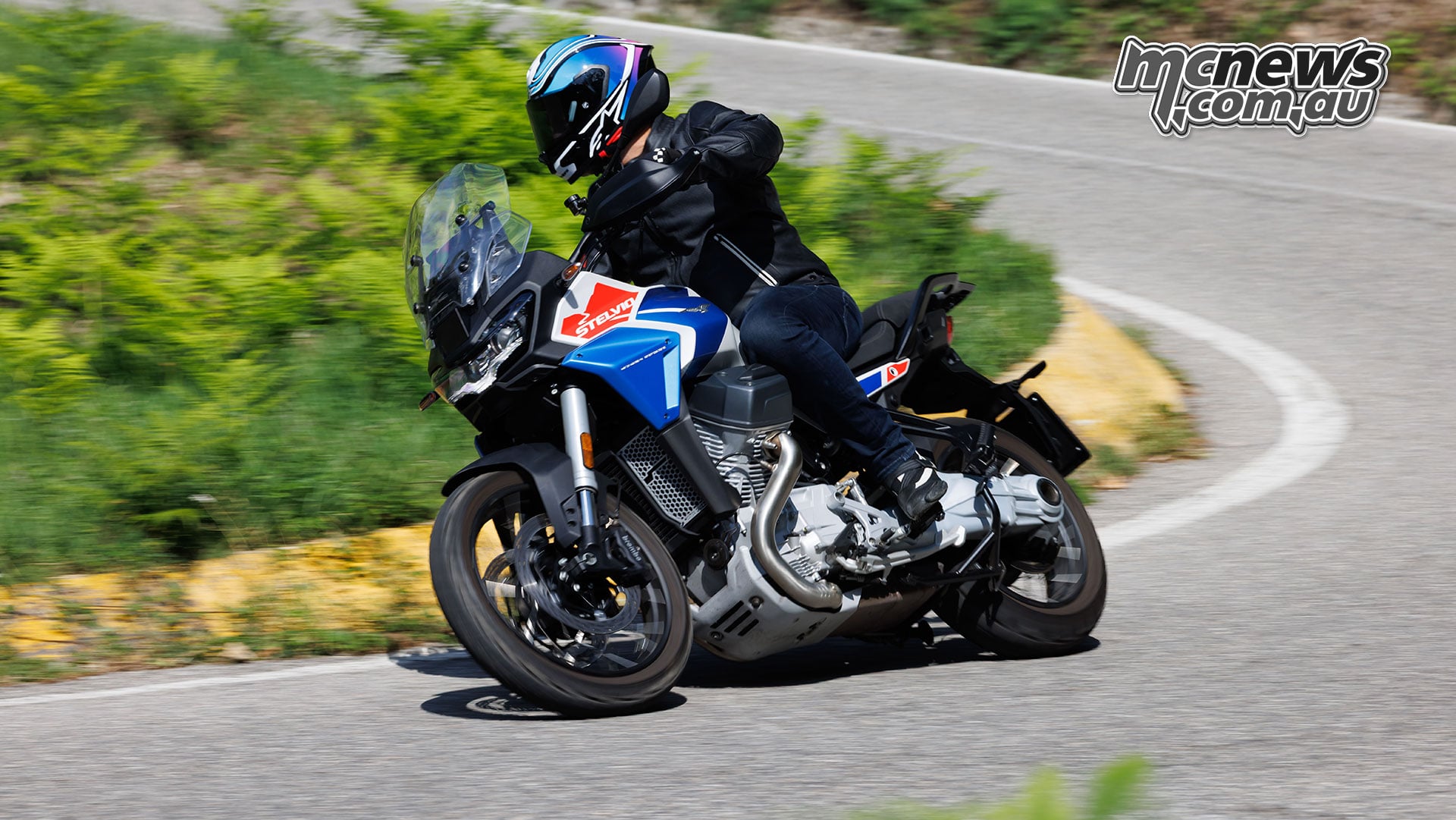
There was also plenty of opportunity to ride. Around 600 visitors sampled the current range, including the Stelvio, V100 Mandello, V85 and V7, while the new visitor areas provided space to mingle and admire everything from immaculate historic machines to heavily travelled modern Guzzis.
Perhaps most tellingly, the celebrations weren’t restricted to motorcycles. Six couples renewed their wedding vows in the factory grounds on Sunday; an appropriately Italian demonstration of just how deeply the brand has become intertwined with people’s lives.
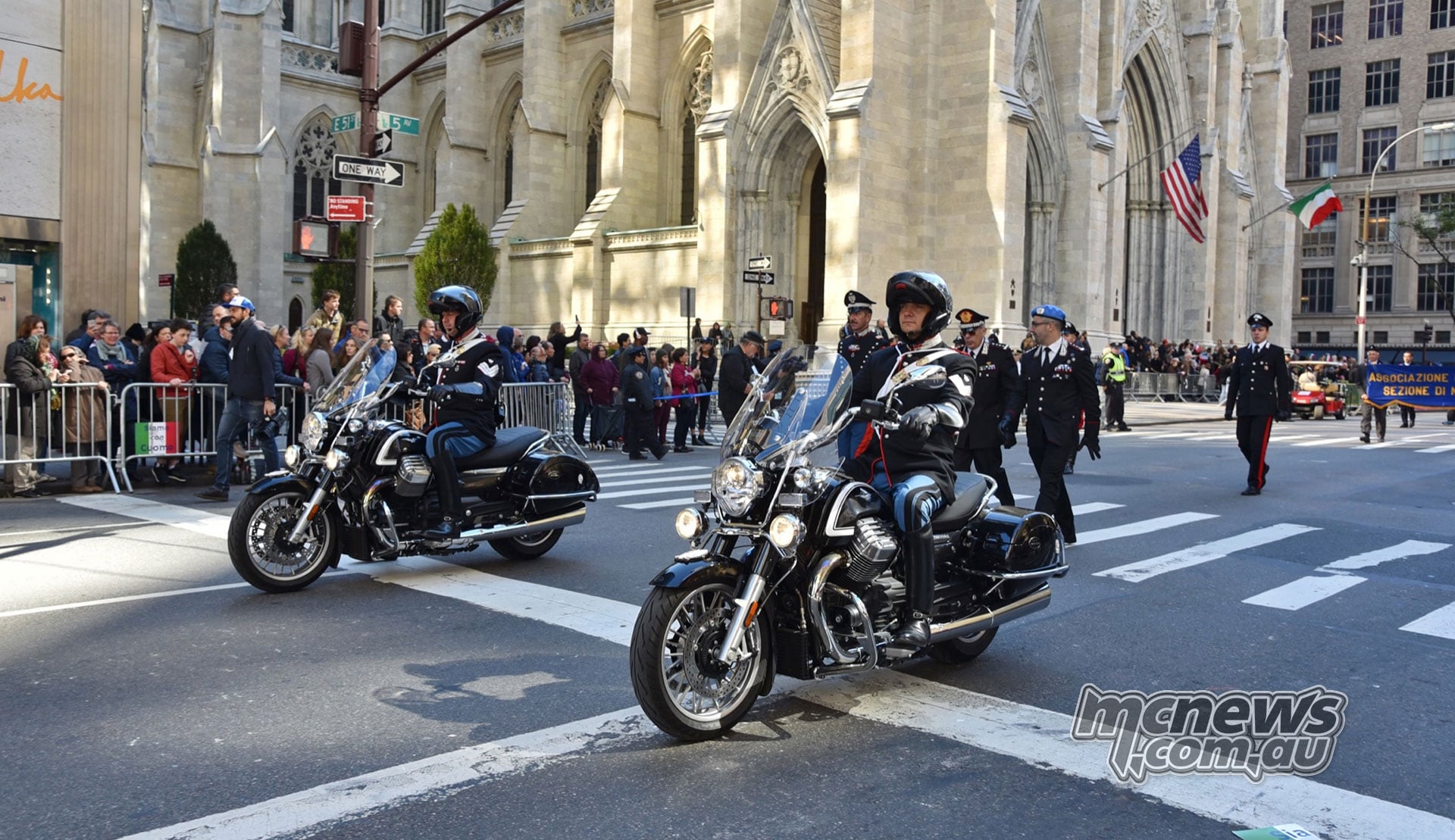
The Saturday parade was led by the Corazzieri, the ceremonial honour guard of the President of the Italian Republic, aboard their official Moto Guzzi California 1400 cruisers. Behind them came Marco Bezzecchi and Aprilia MotoGP test rider Lorenzo Savadori, together with former World Superbike and 250cc World Champion Max Biaggi.
The Aprilia Racing MotoGP operation also became part of the festivities, with racing boss Massimo Rivola and Jorge Martin joining the celebrations on stage. Aprilia and Moto Guzzi have been stablemates in the Piaggio Group since 2004.
While some manufacturers use celebrity appearances primarily as promotional tools, at Mandello they seemed to fit naturally into the occasion. The stars were surrounded by ordinary Guzzi owners, club members and lifelong enthusiasts rather than separated from them.
The great parade
The emotional high point came Saturday morning when 1500 Moto Guzzis assembled for the parade from nearby Lecco back to Mandello.
The procession included motorcycles from virtually every era of the company, creating a moving history lesson that would be hard to replicate anywhere else.
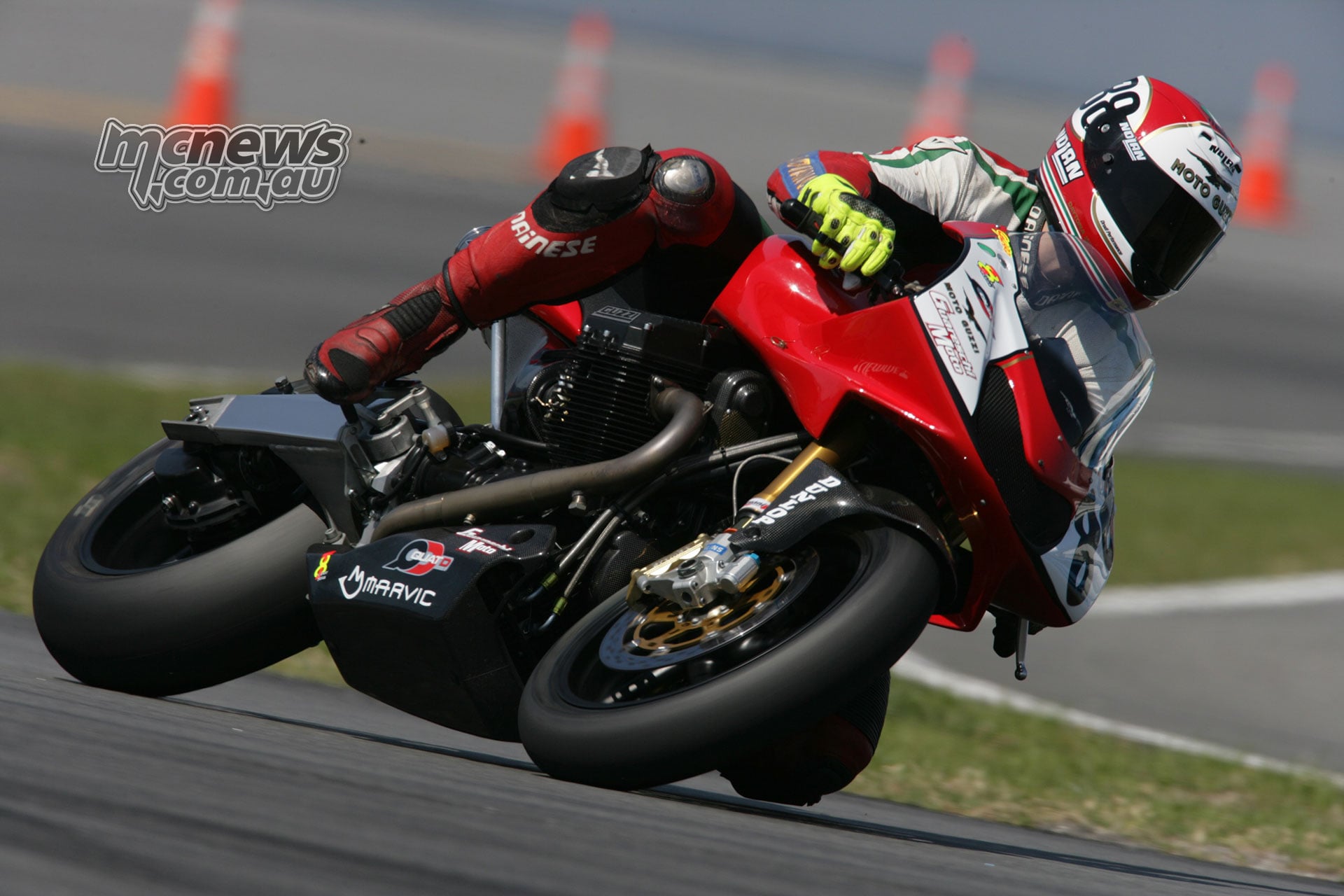
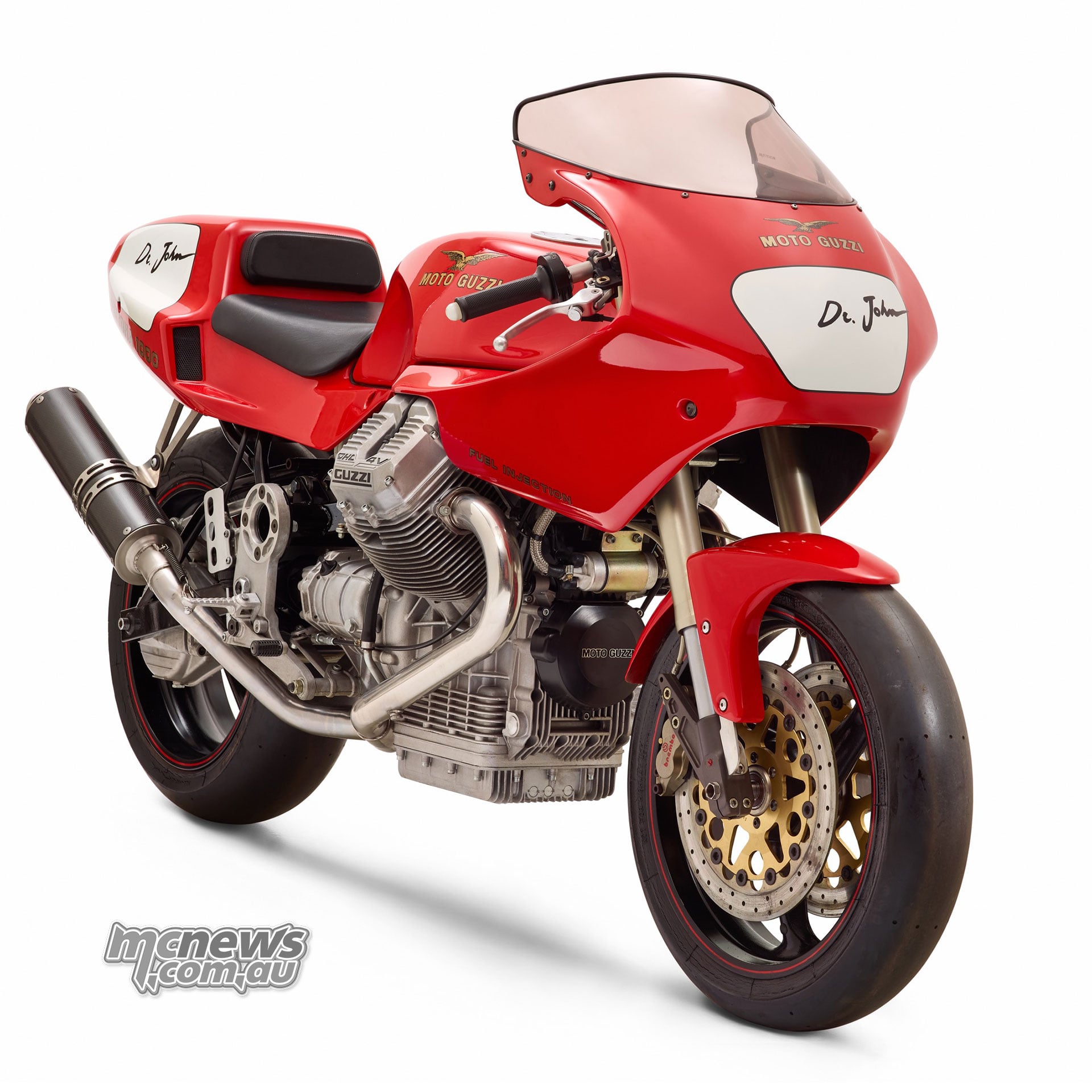
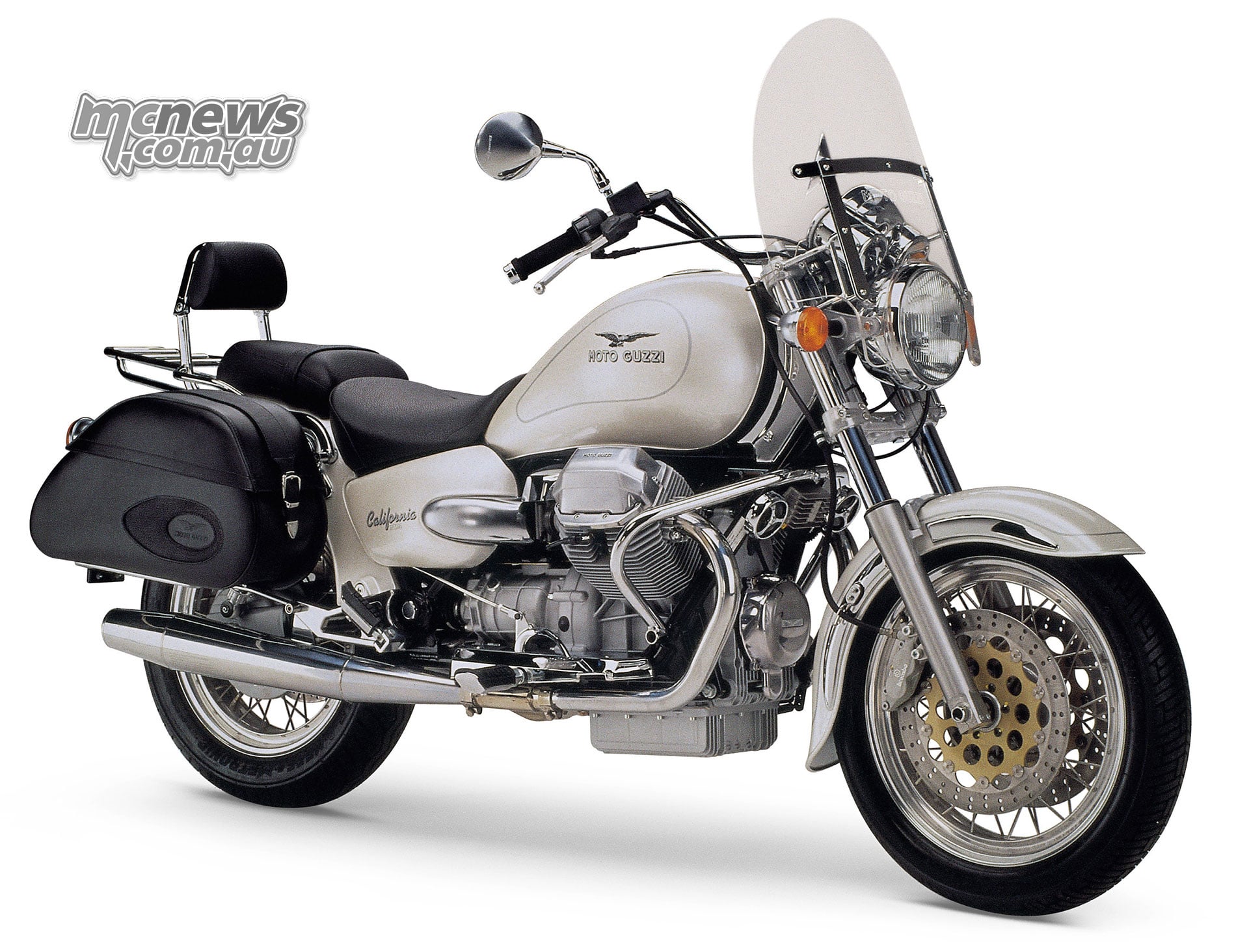
Behind the Corazzieri and the racing stars came the enormous variety of Guzzis that makes the company’s gatherings so interesting: old V7s, Le Mans models, Californias, Stelvios, modern V100s and V85s, alongside countless machines that have been kept alive by their owners for decades.
As the procession entered Mandello, crowds lined the route.
The scene encapsulated what Moto Guzzi has become. The motorcycles aren’t simply transportation or lifestyle accessories. For the people lining the streets, they are pieces of family history, national history and personal history.
The parade eventually arrived at the factory, where thousands of spectators and the Aprilia Racing contingent greeted the riders. Virgin Radio provided the soundtrack, while the factory grounds turned into a giant motorcycle festival.
105 years—and still in Mandello
Perhaps the most significant aspect of GMG 2026 was that Moto Guzzi wasn’t celebrating its 105th anniversary simply by looking back. The company’s history was everywhere, but redeveloping its Mandello home is fundamentally an investment in the future.
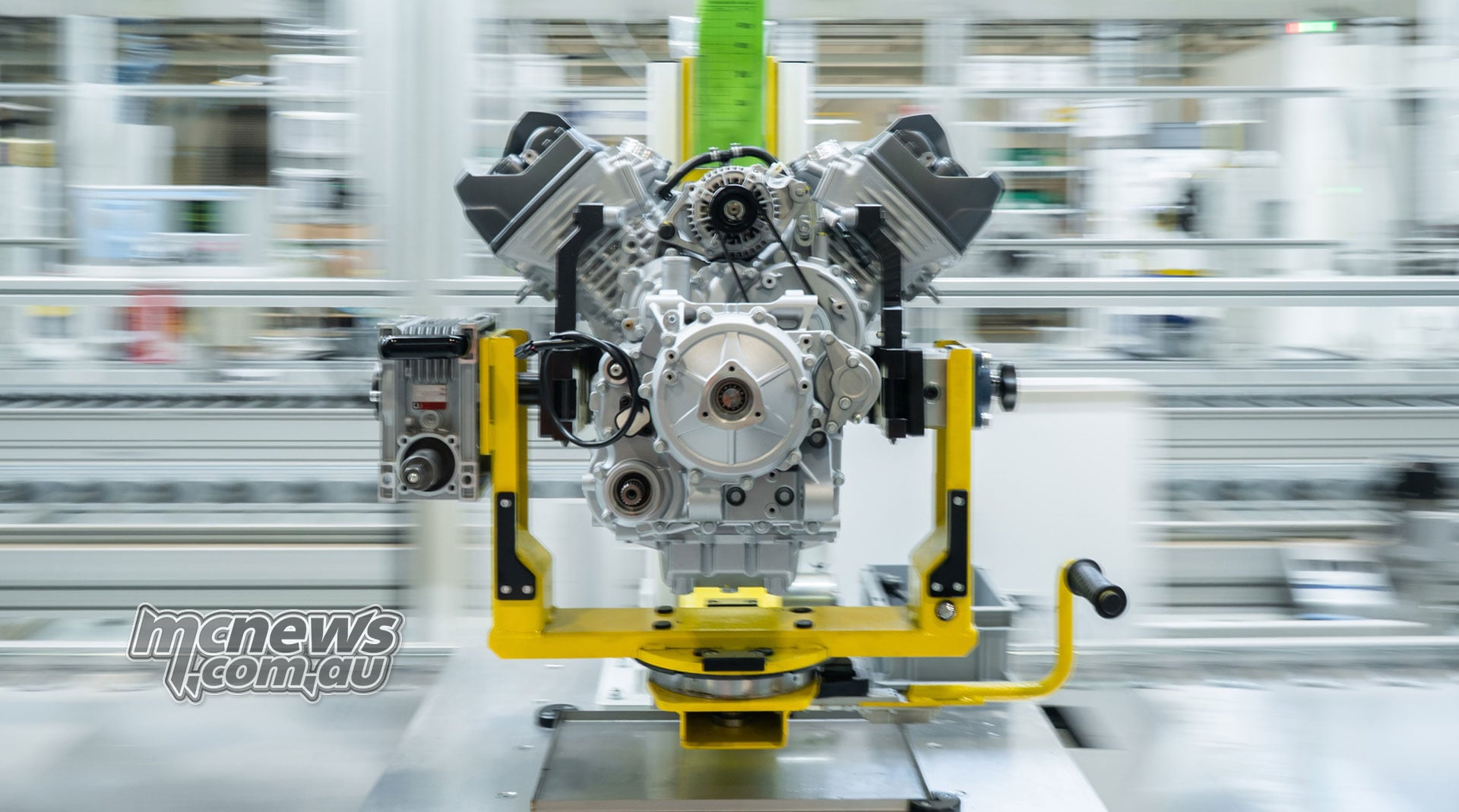
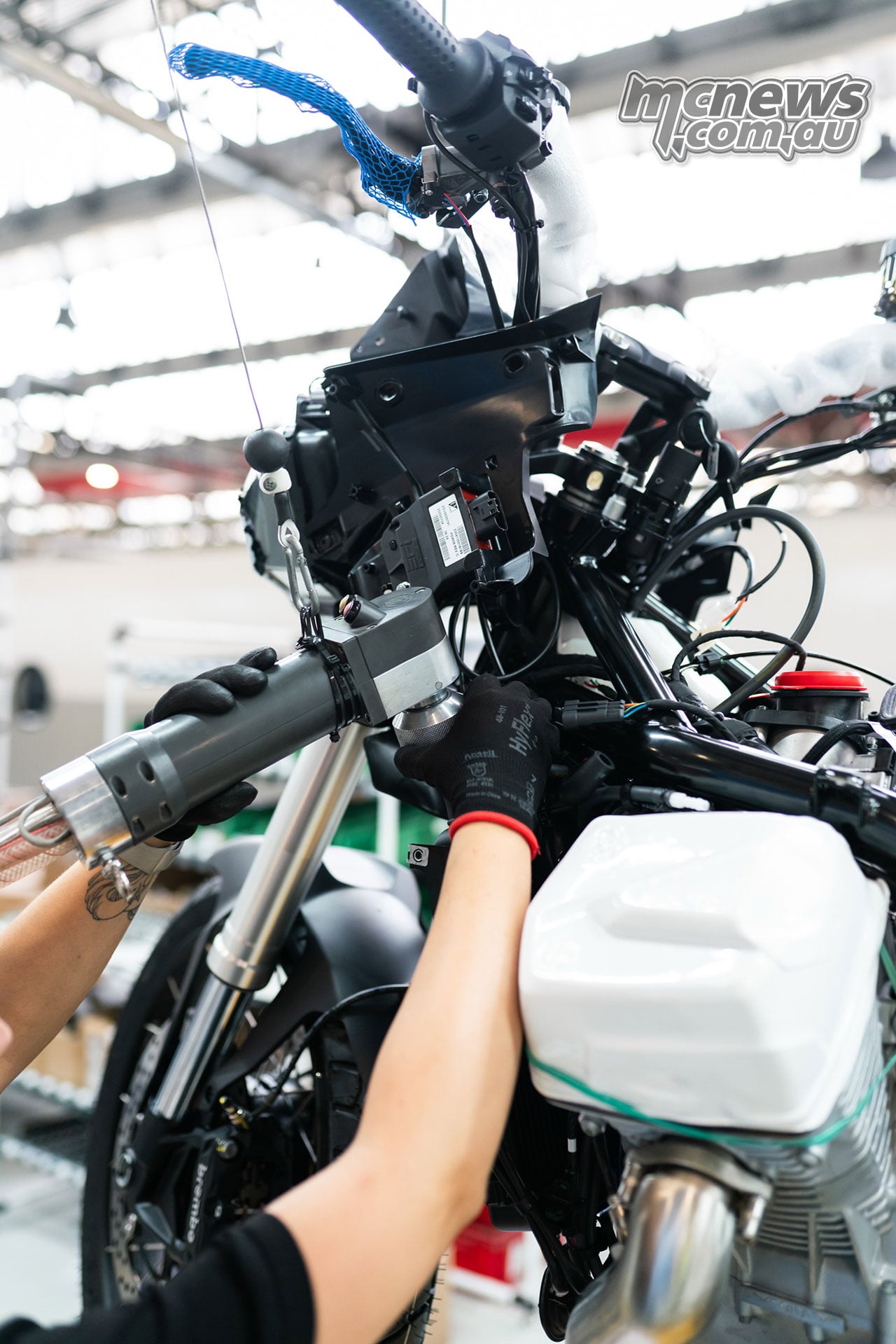
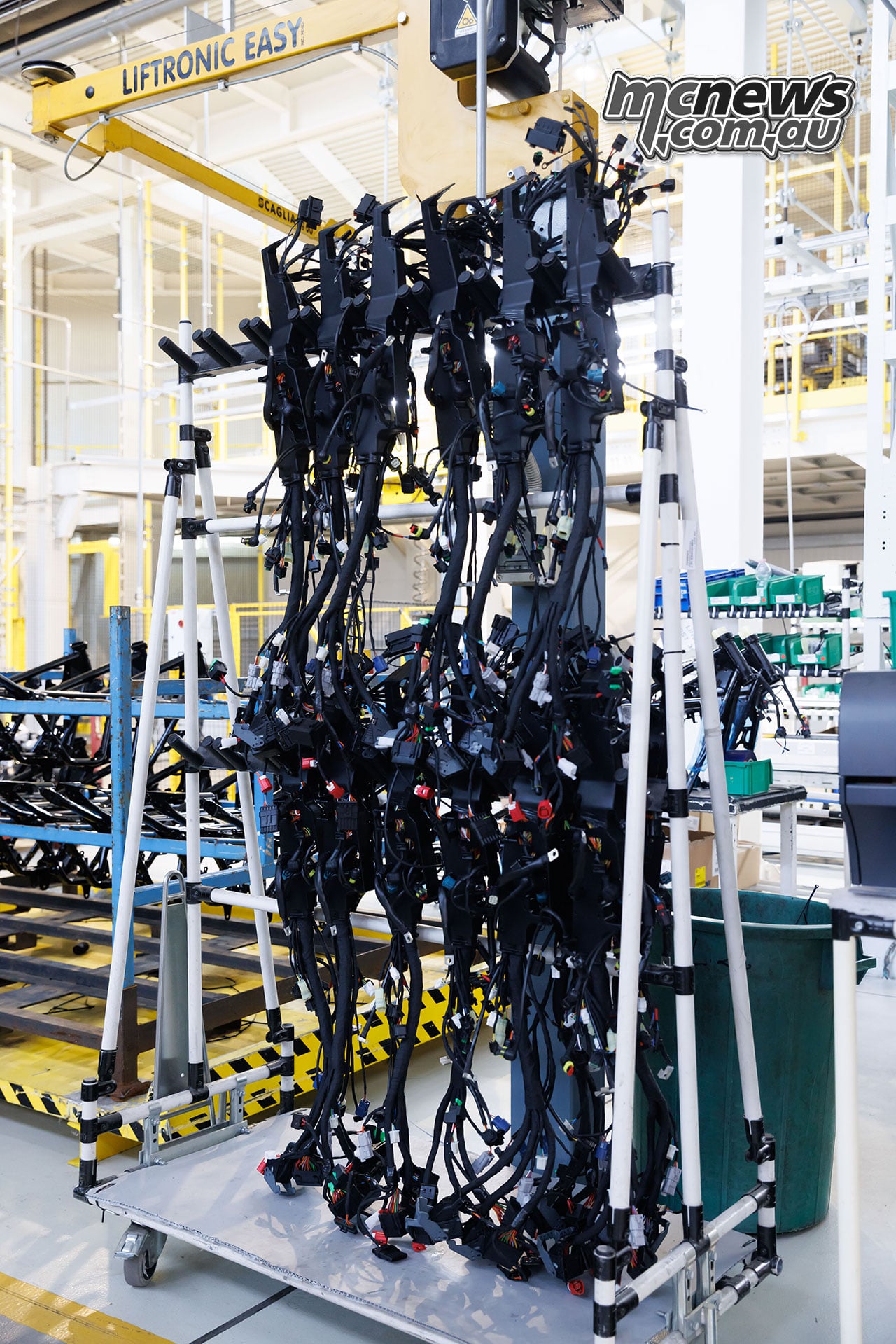
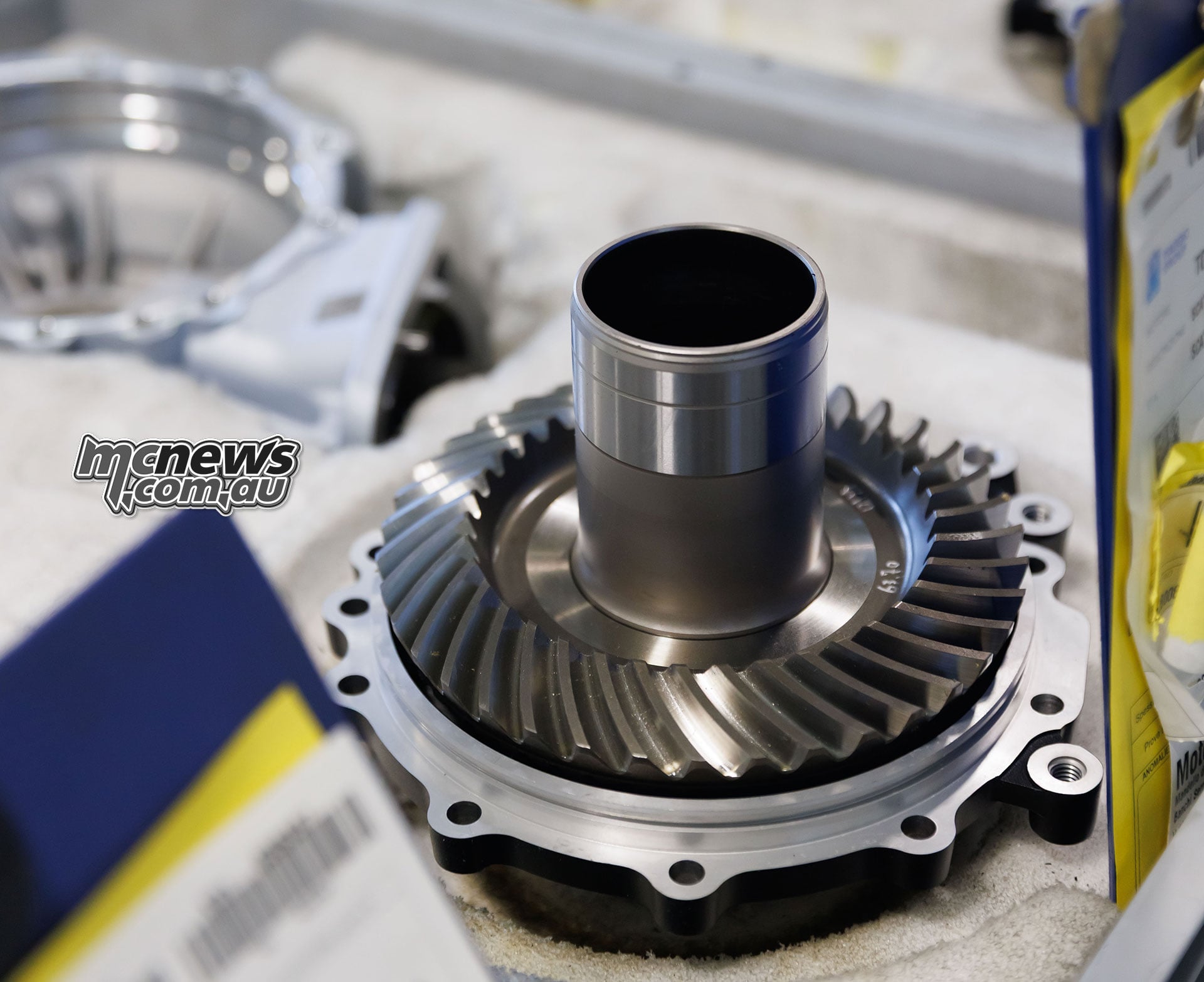
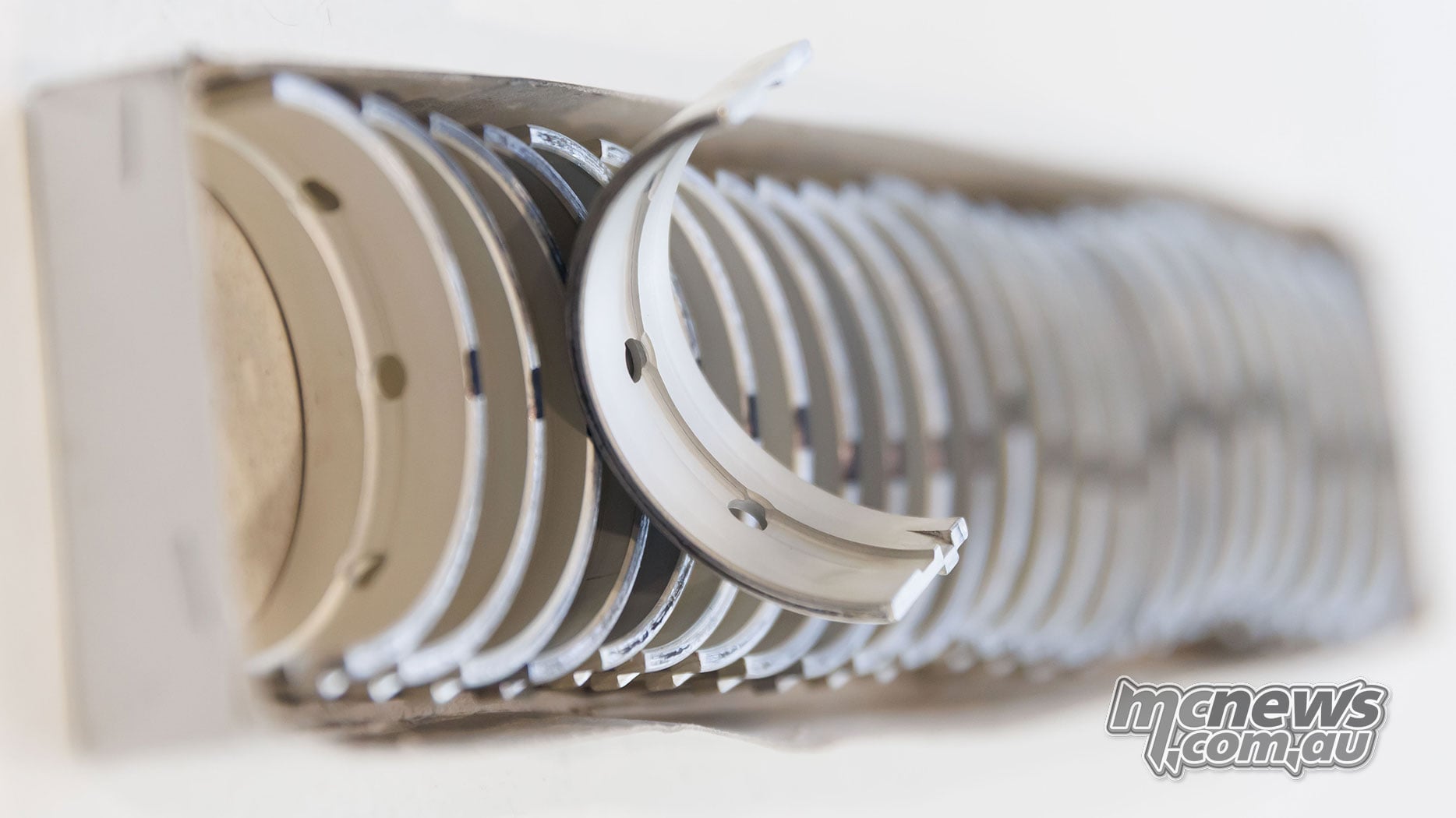
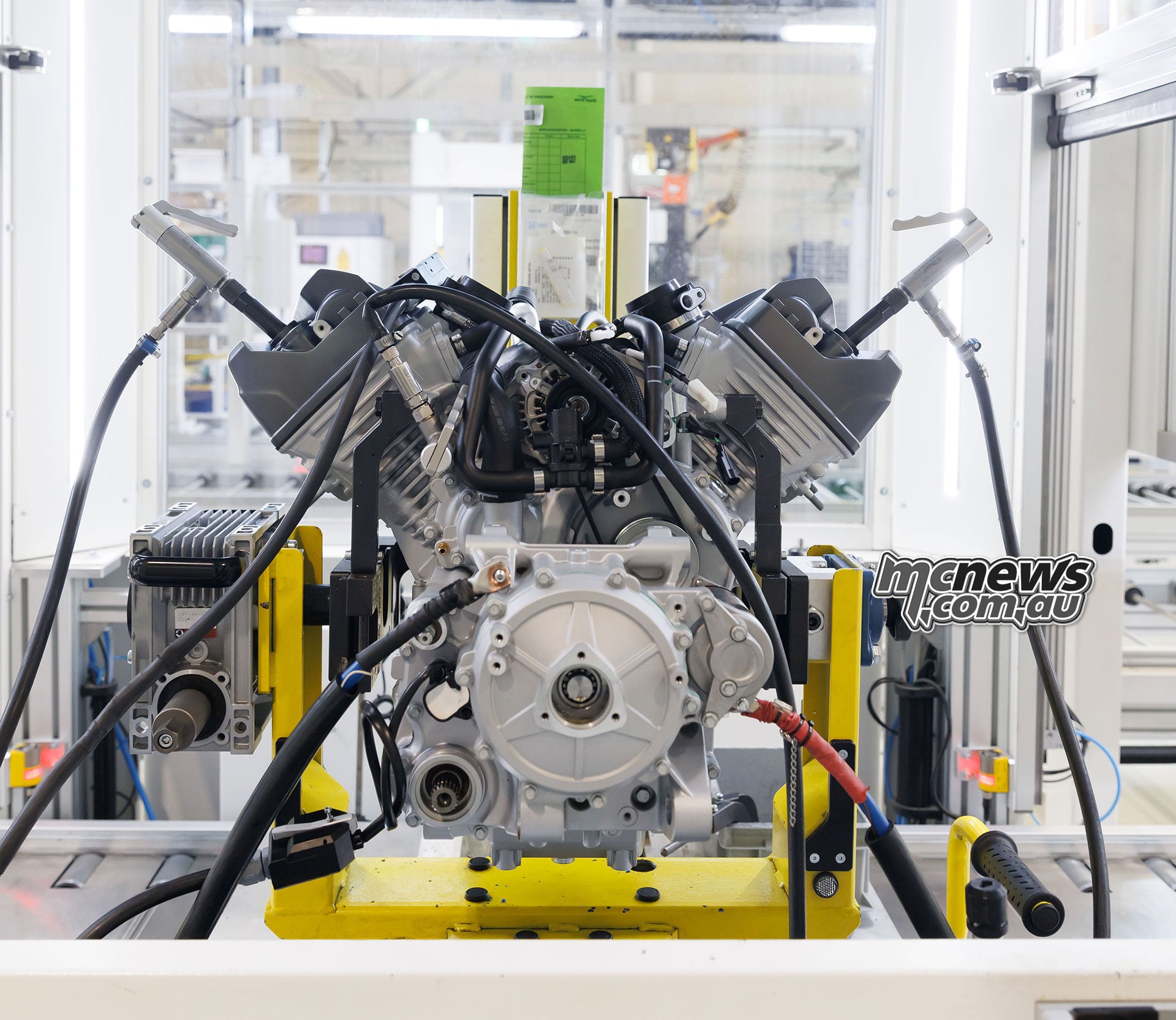
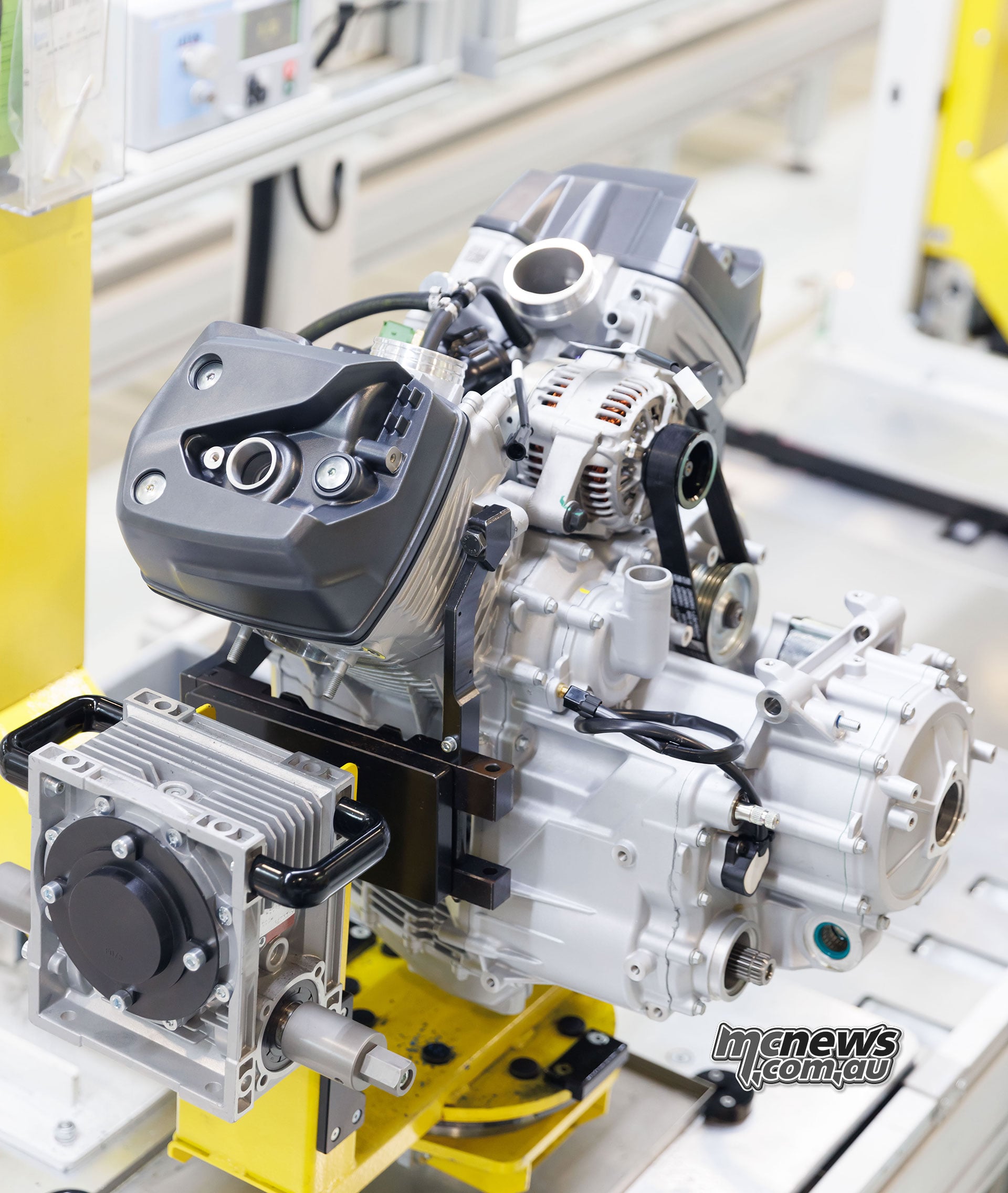
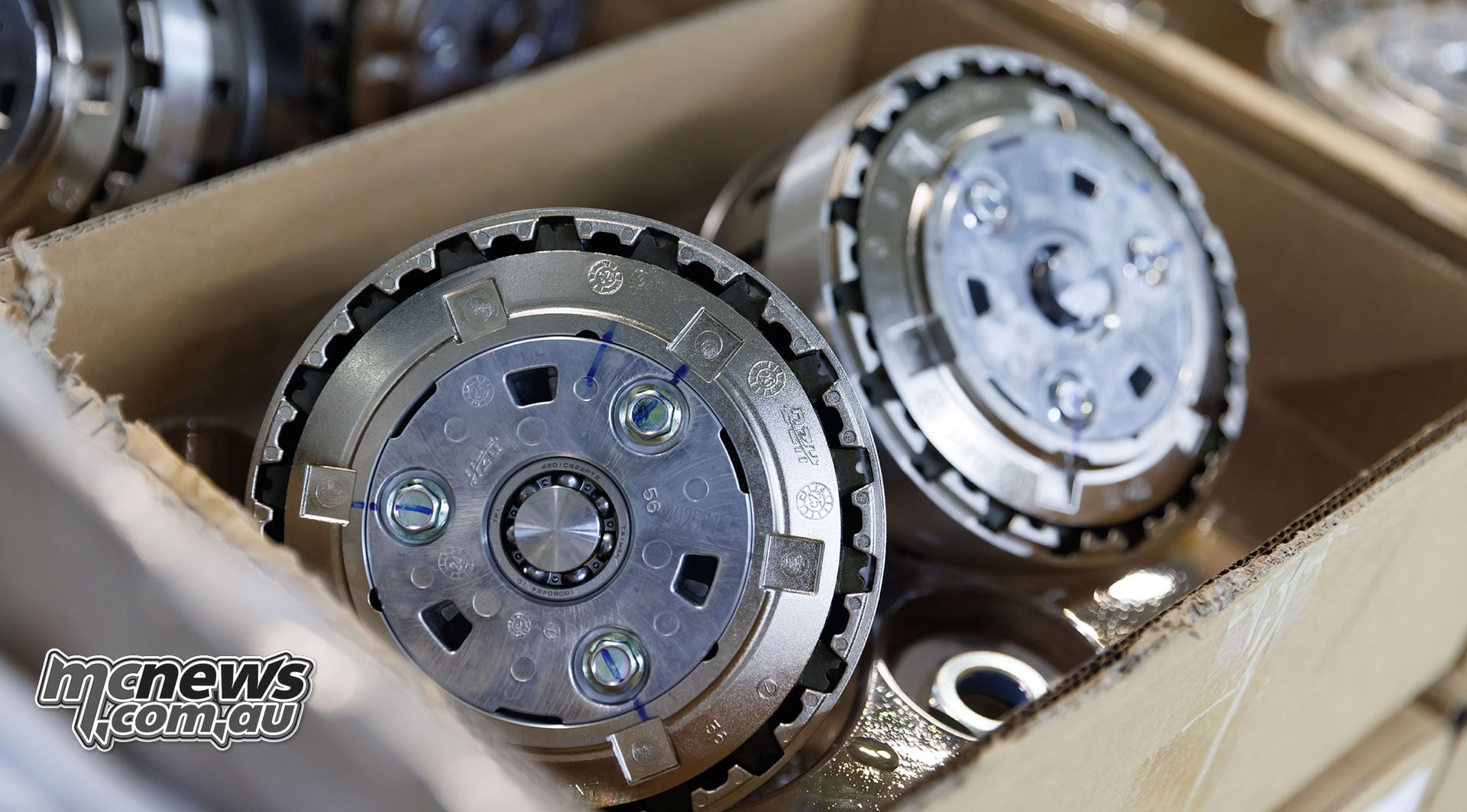
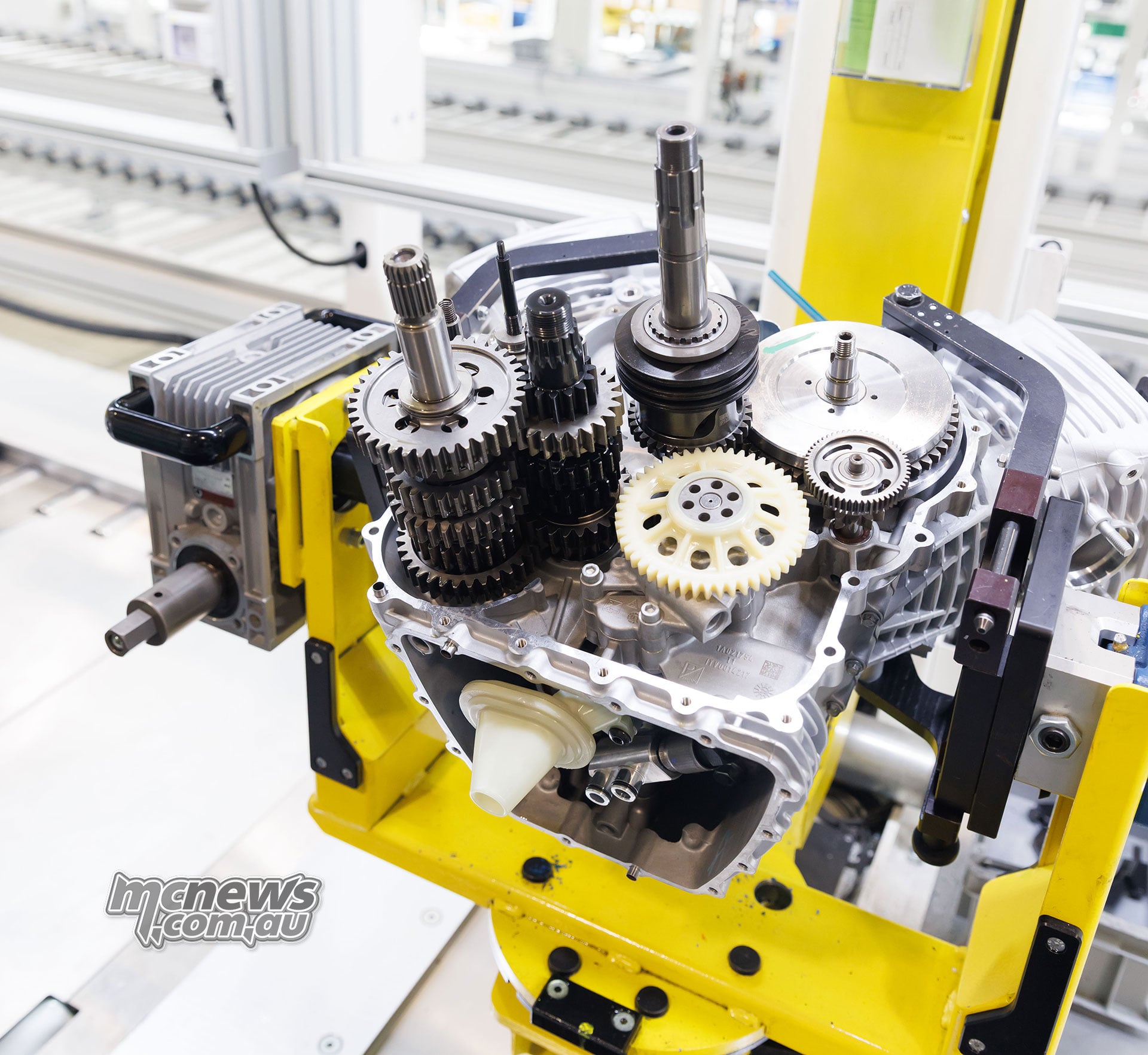
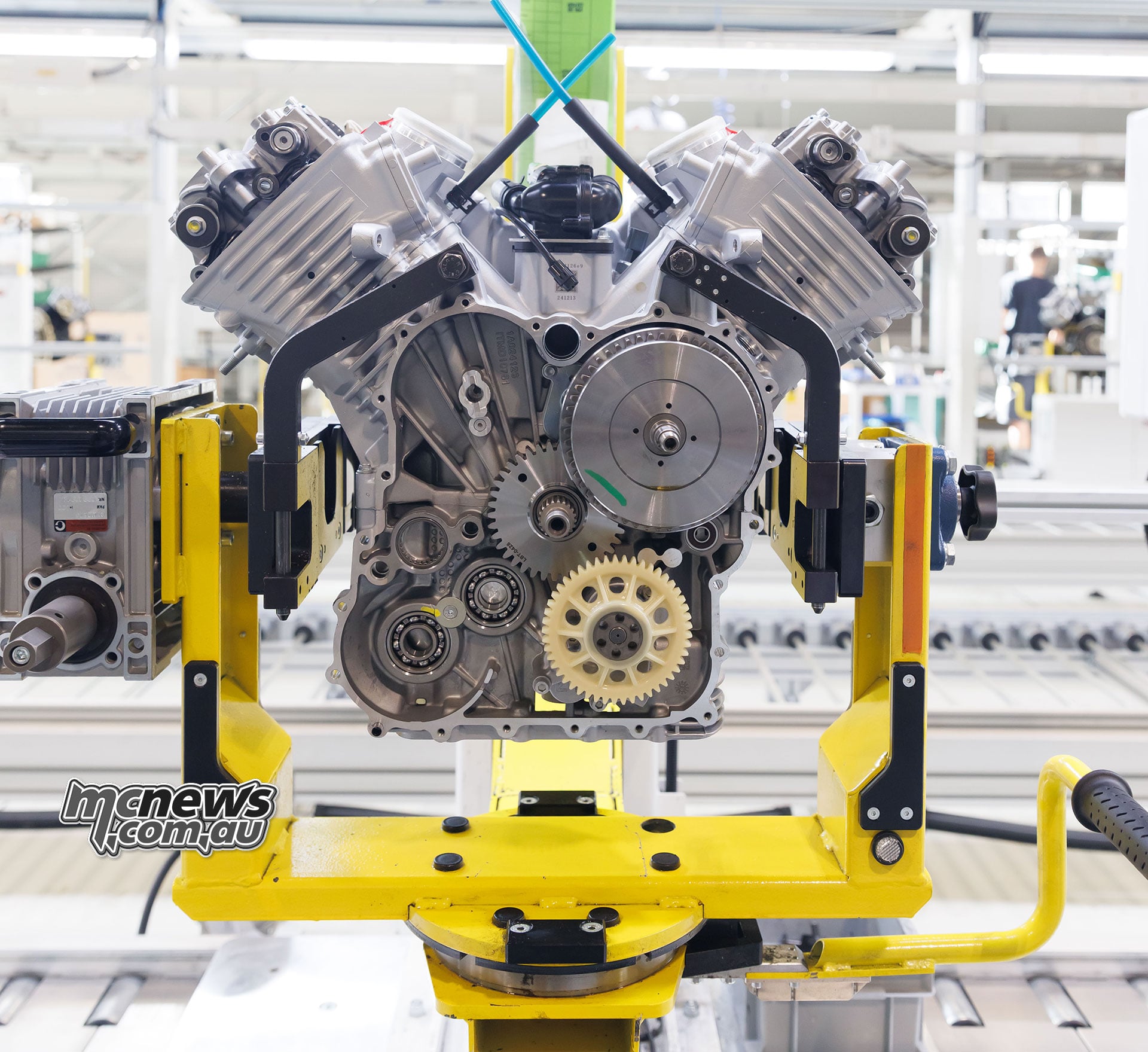
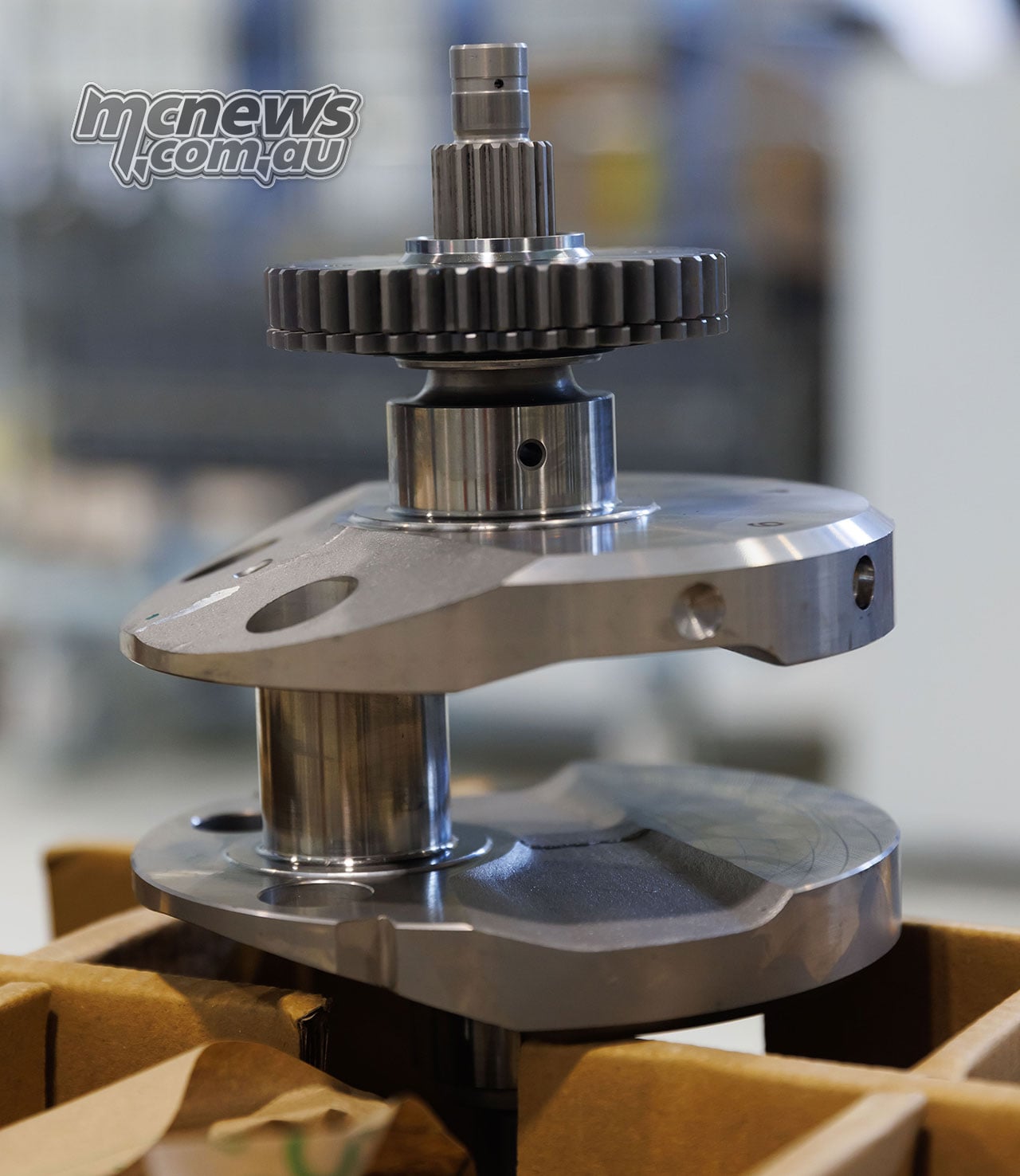
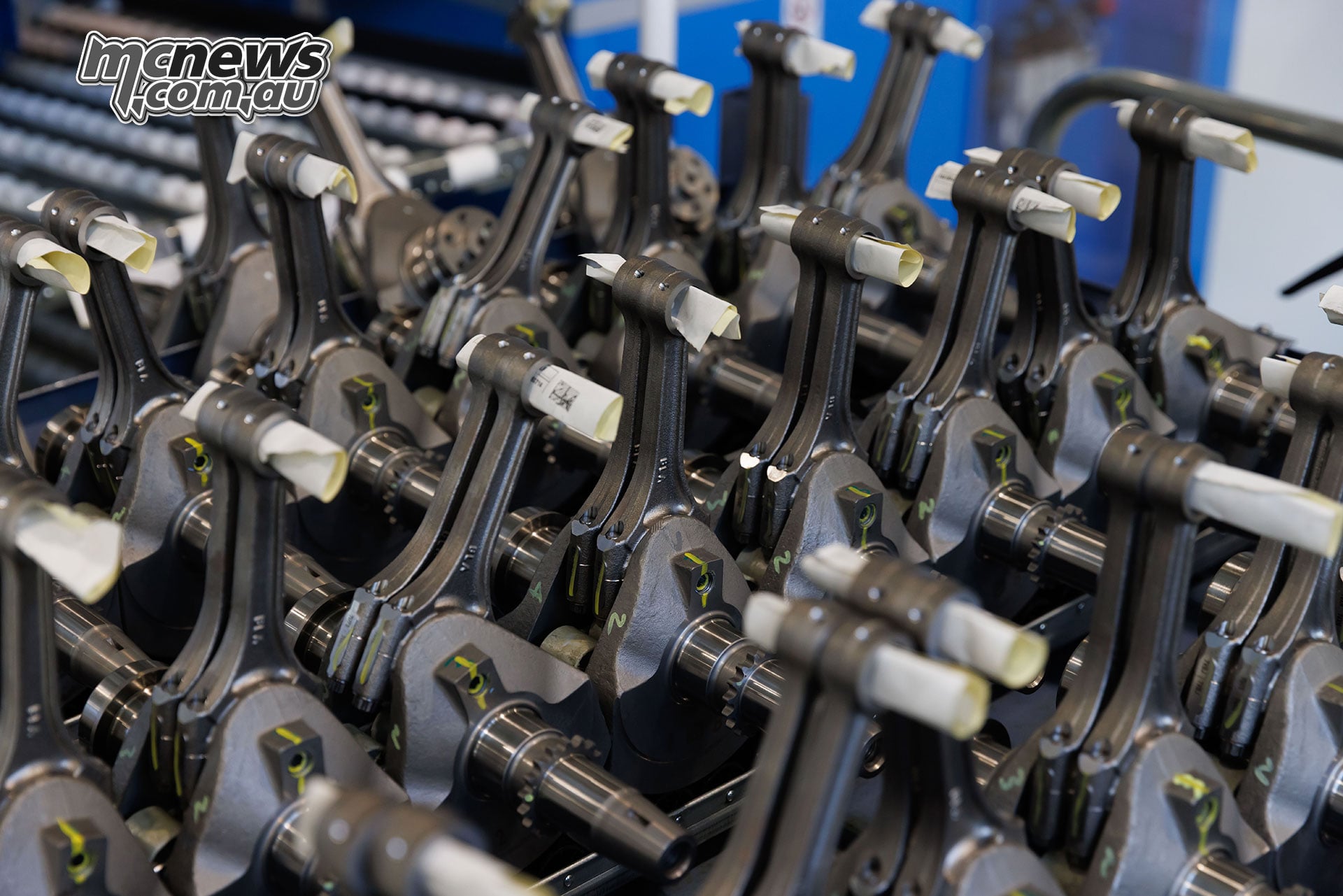
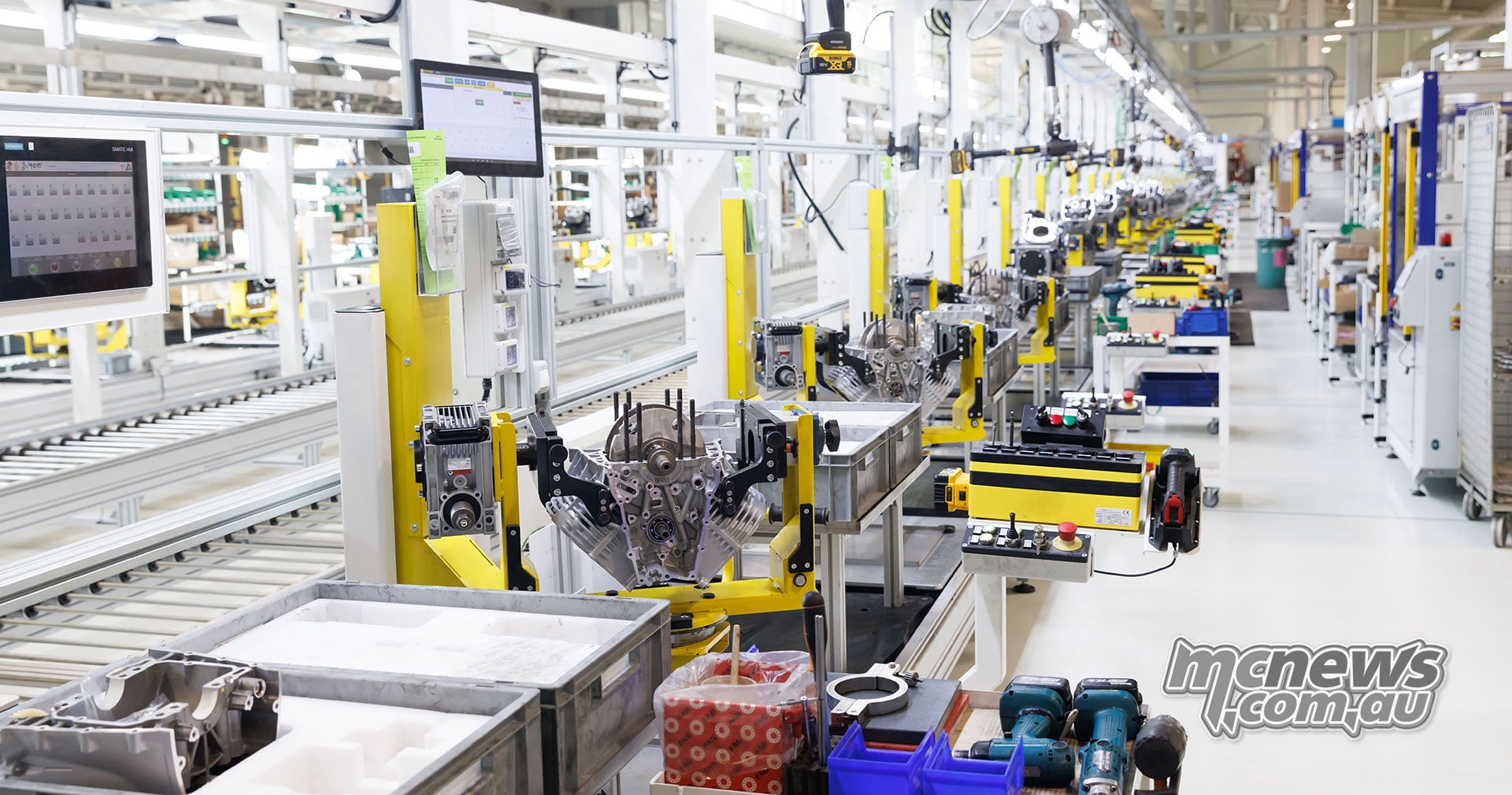
The factory now incorporates modern production technology and robotics, with Piaggio quoting production capacity of more than 30,000 motorcycles annually. The new automated engine assembly lines connect to final motorcycle assembly via a robotised conveyor system.
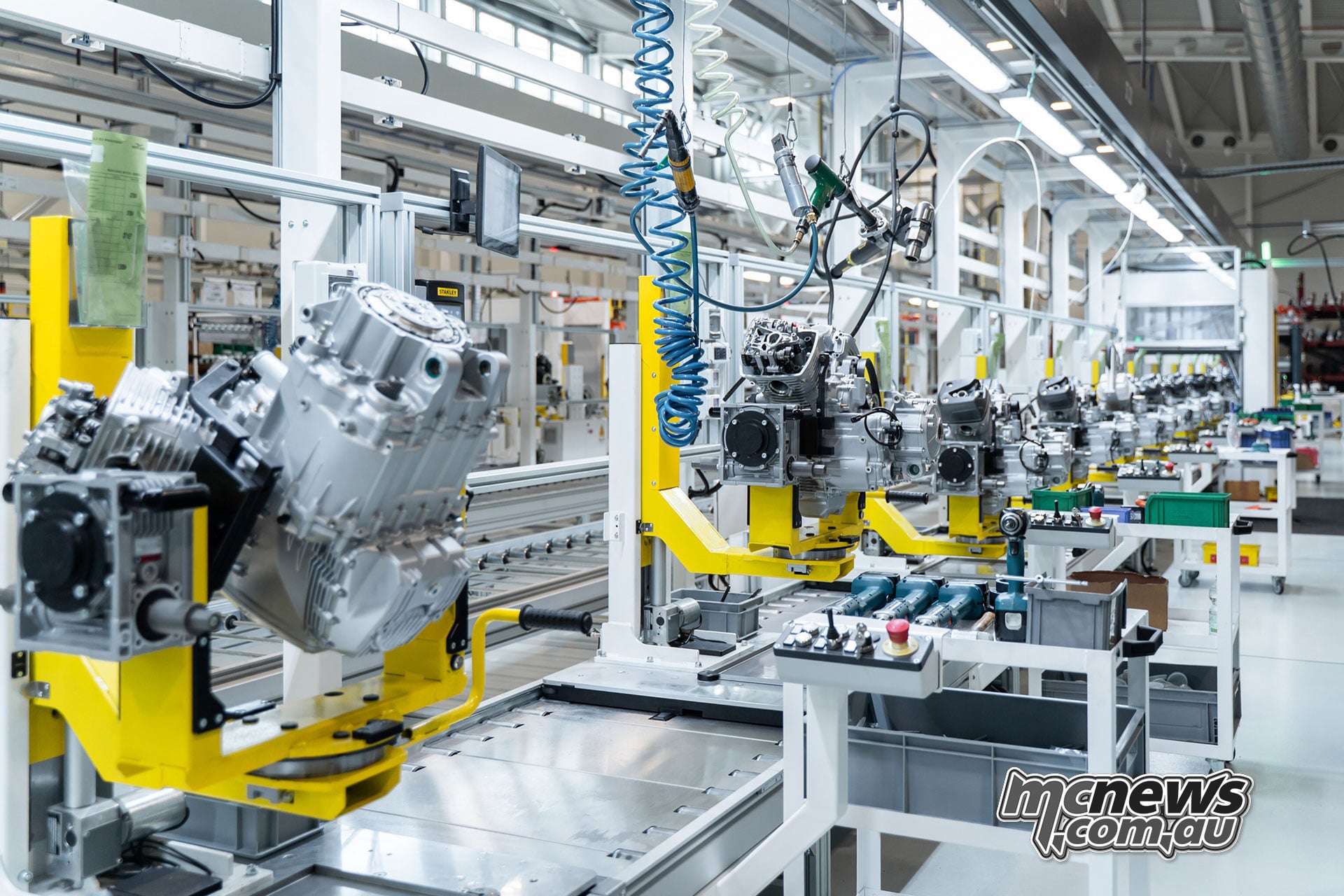
At the end of the line, kilo ground robots developed by Piaggio Fast Forward collect the motorcycles and take them to final testing, reducing the physical demands on workers. Visitors can see the production process directly from the new museum, creating a remarkable connection between the company’s past and future. It is quite a leap from the V8’s tiny mechanical intricacies to a robot carrying a completed motorcycle away for testing.
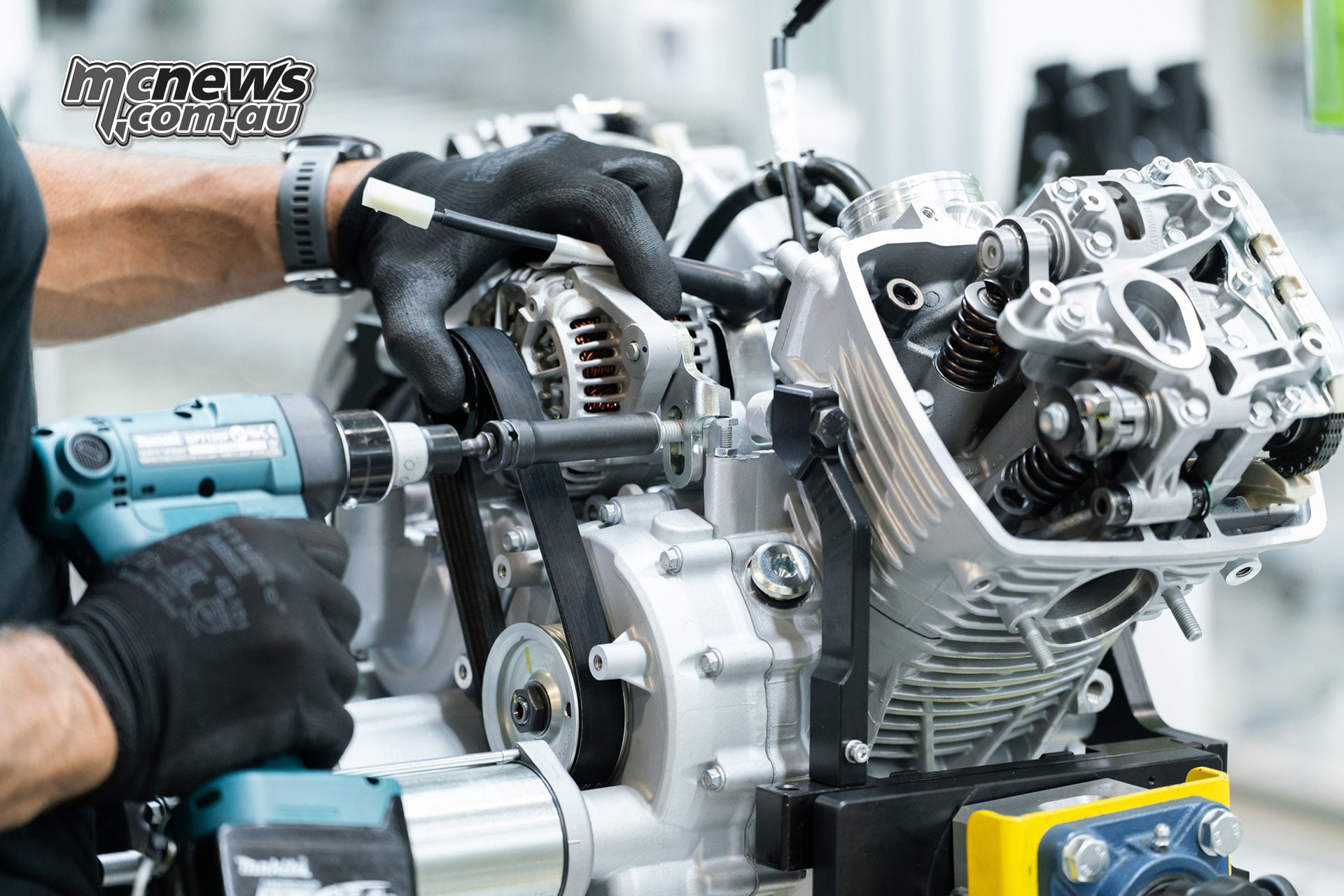
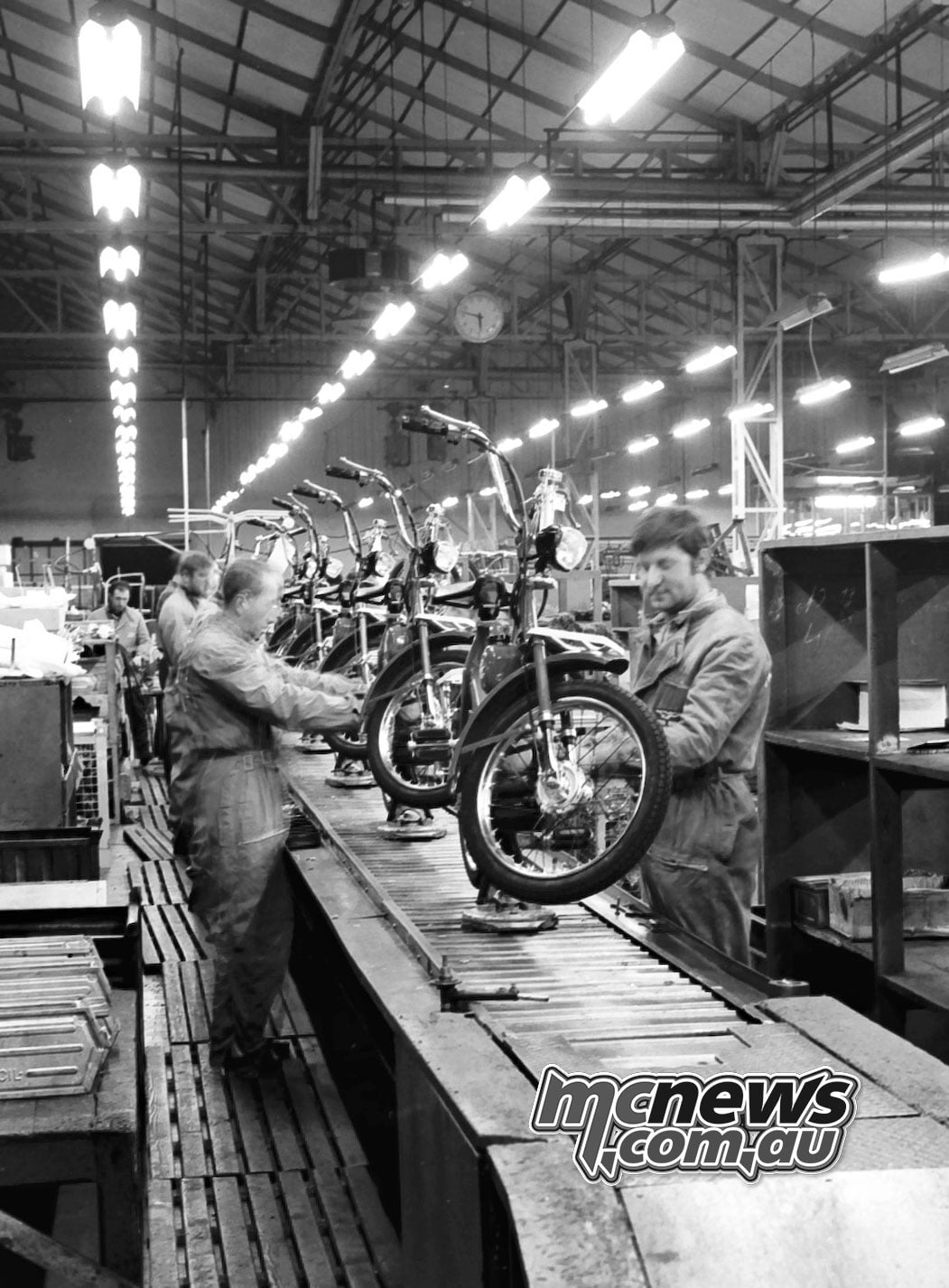
The factory remains in the town where Moto Guzzi began producing motorcycles in 1921. Despite changes in ownership and enormous shifts in the motorcycle industry, Mandello has remained the brand’s spiritual home. The redevelopment reinforces that connection and puts the town at the centre of Moto Guzzi’s future.
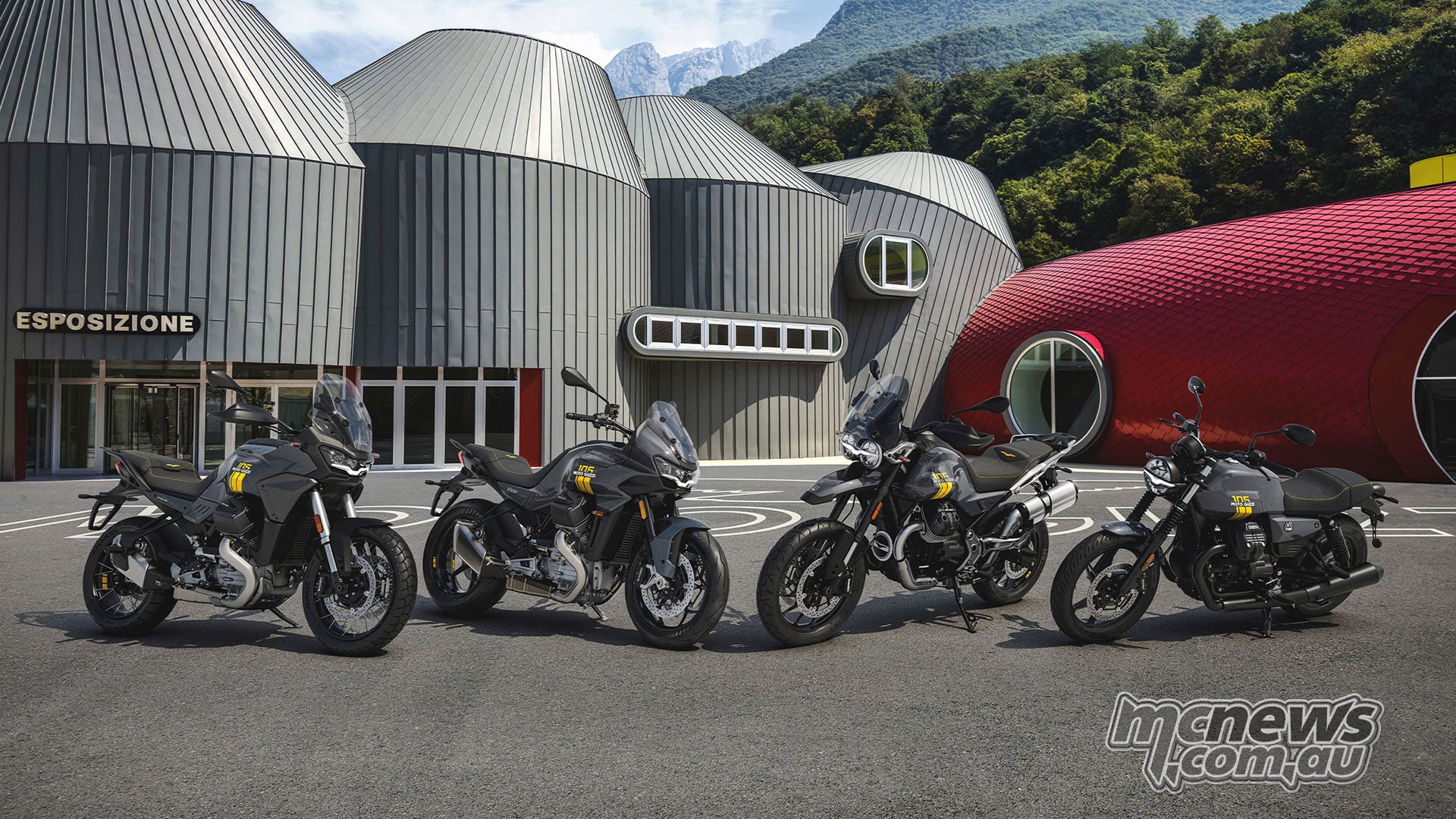
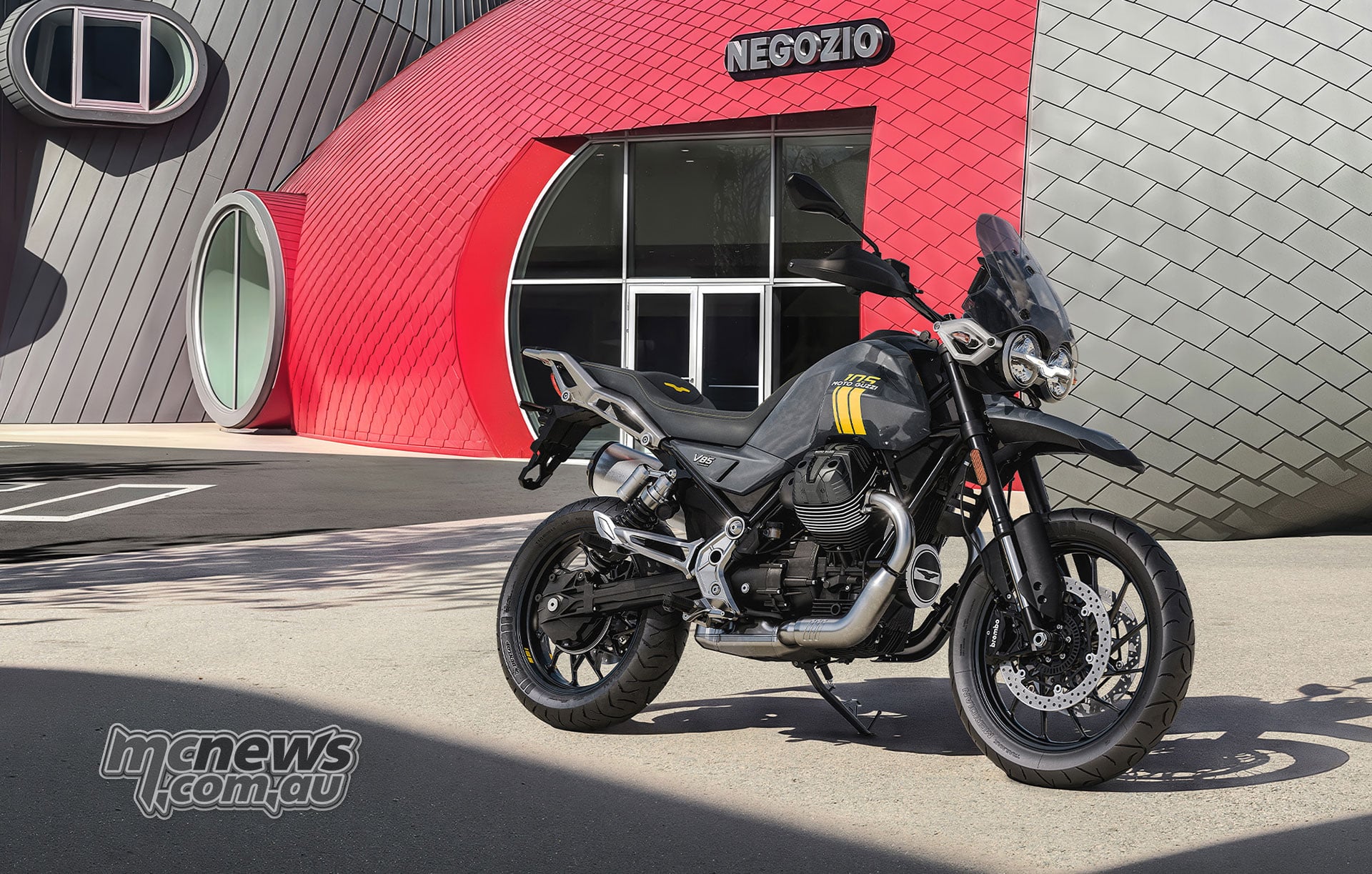
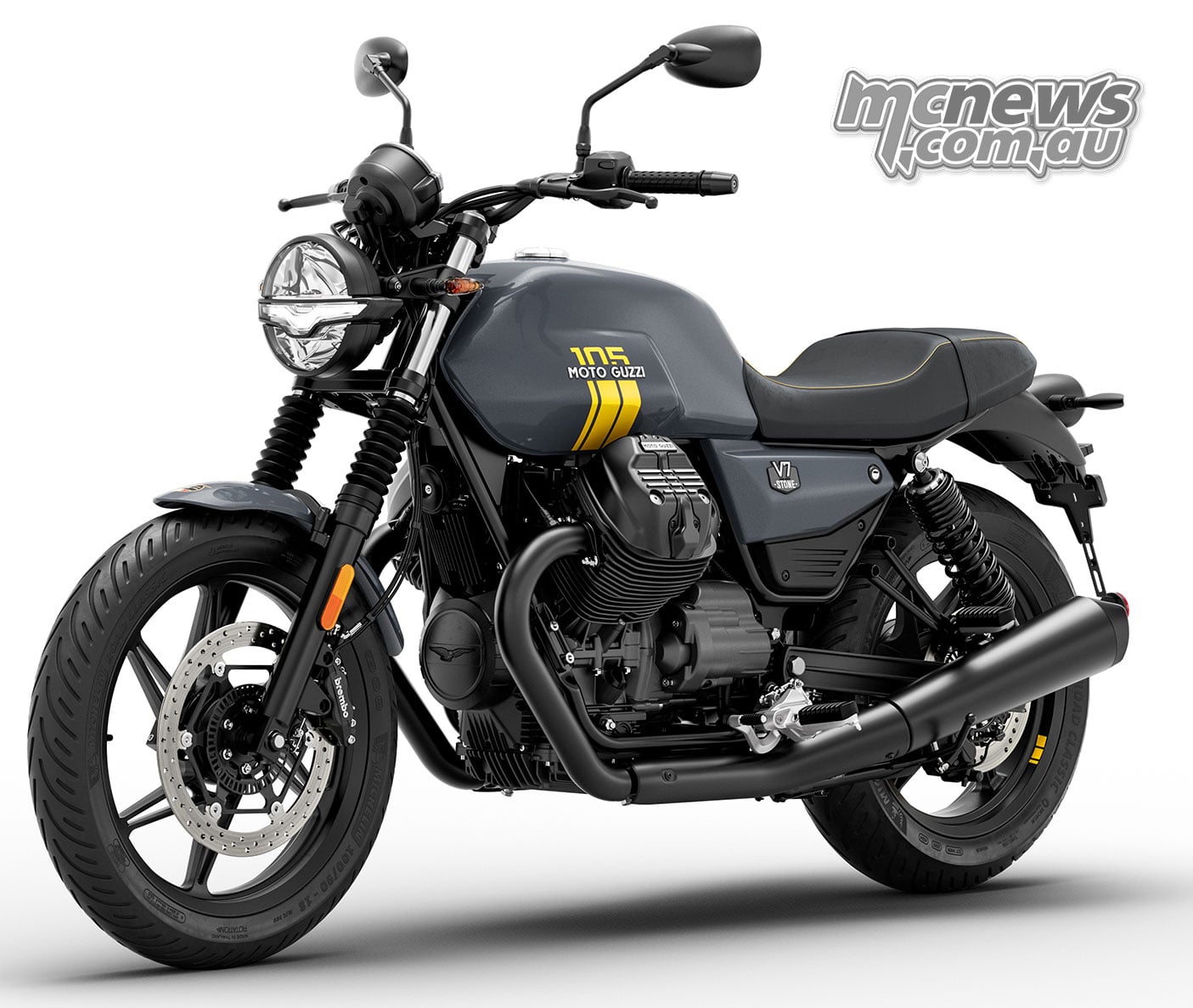
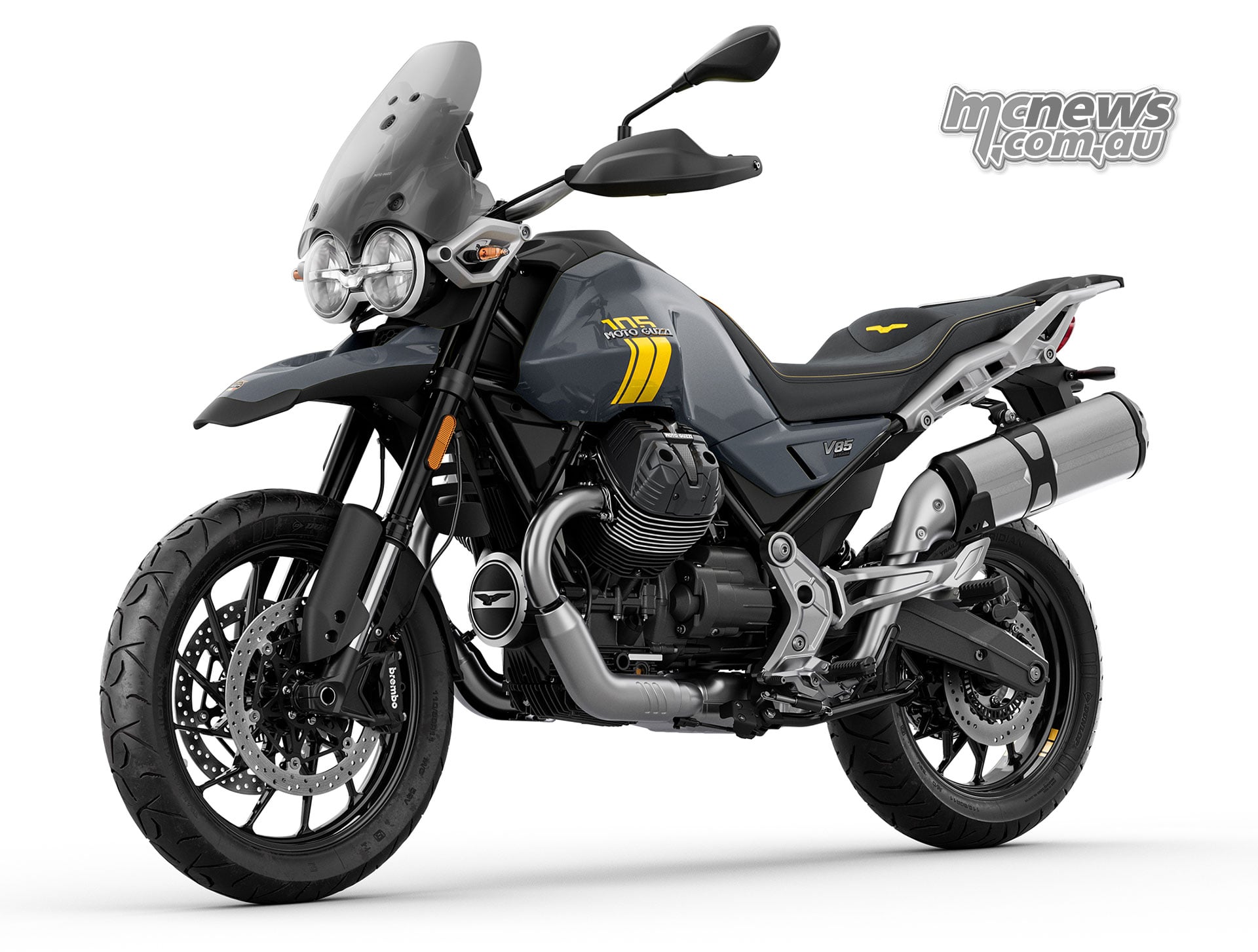
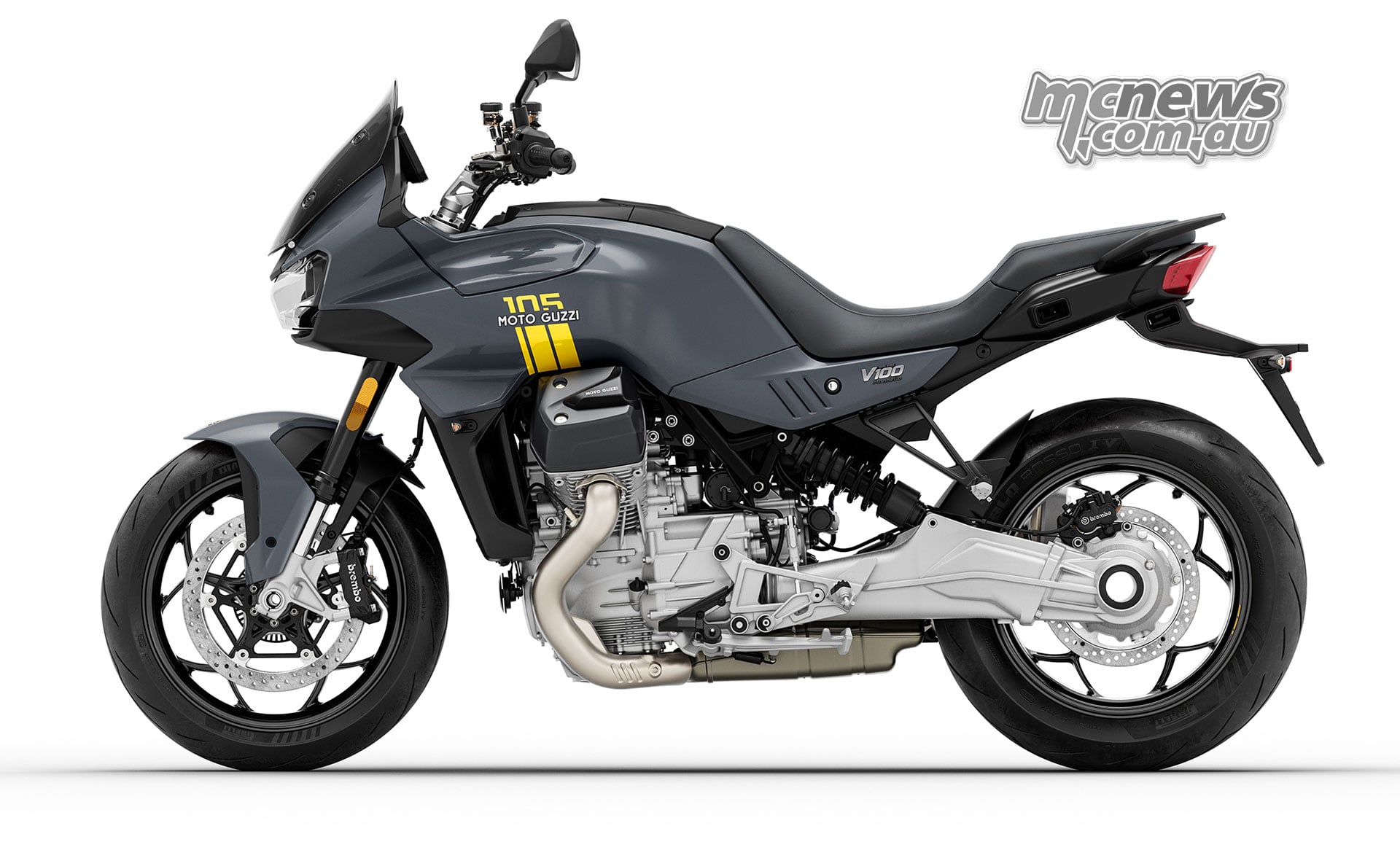
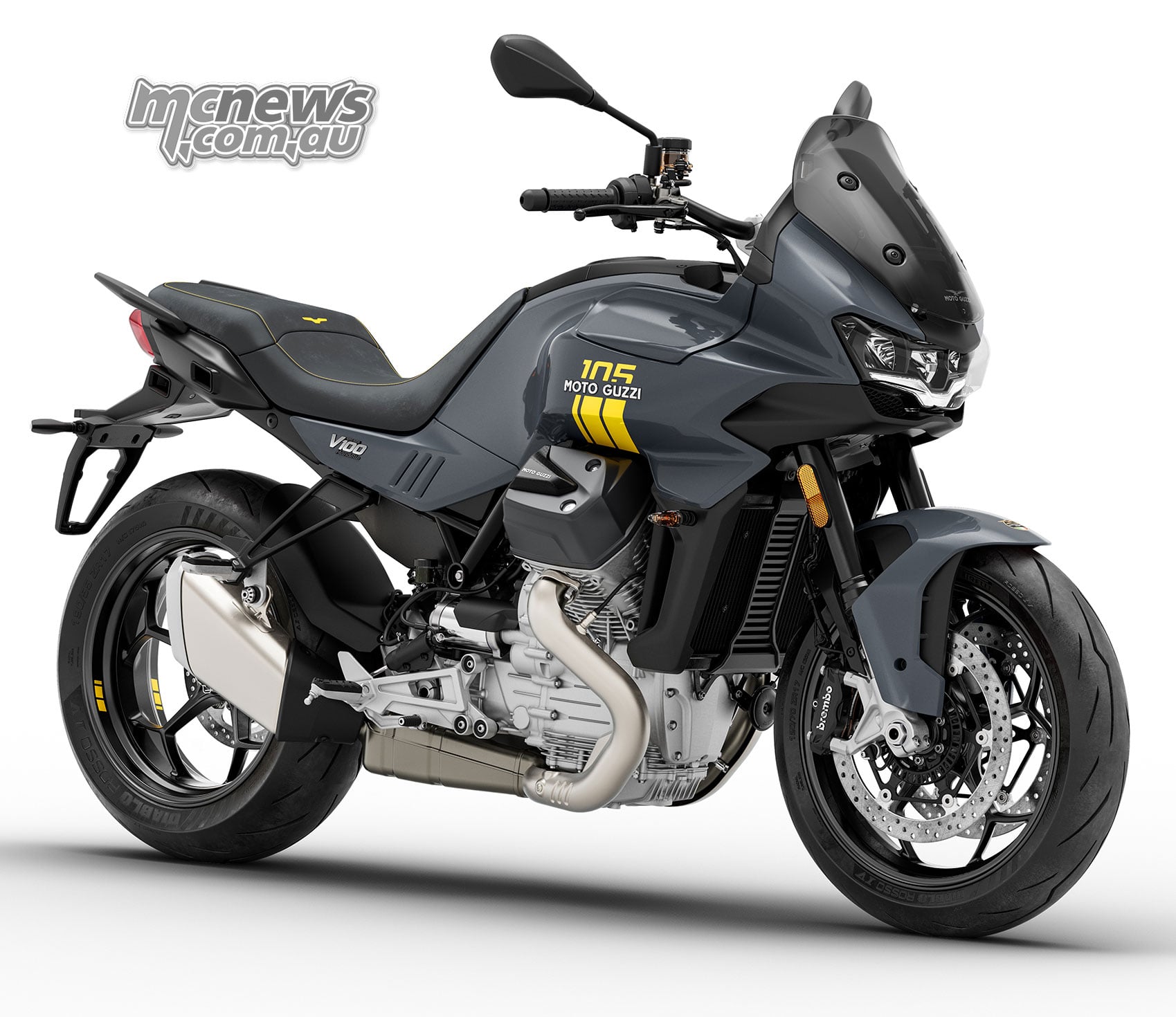
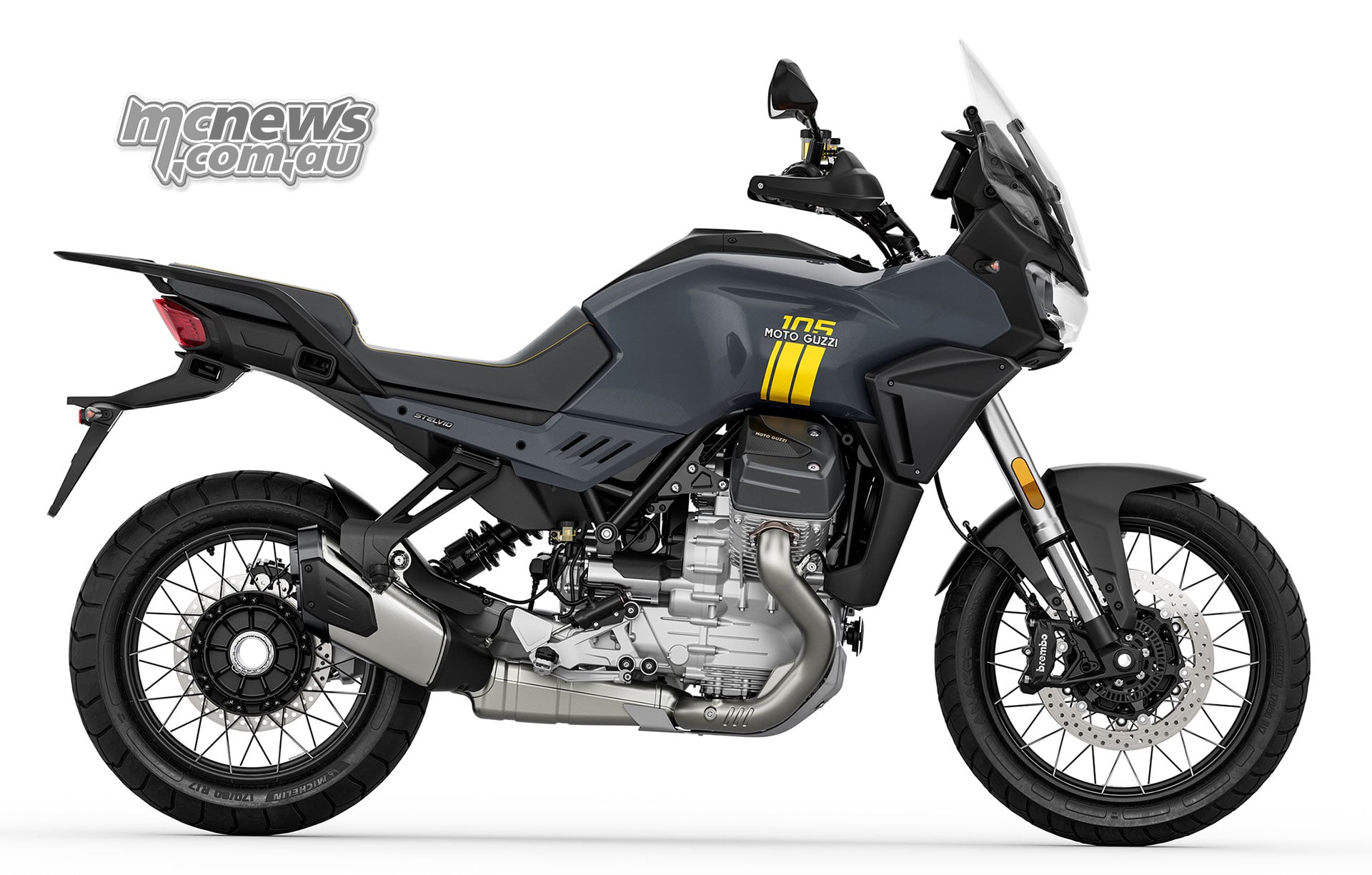
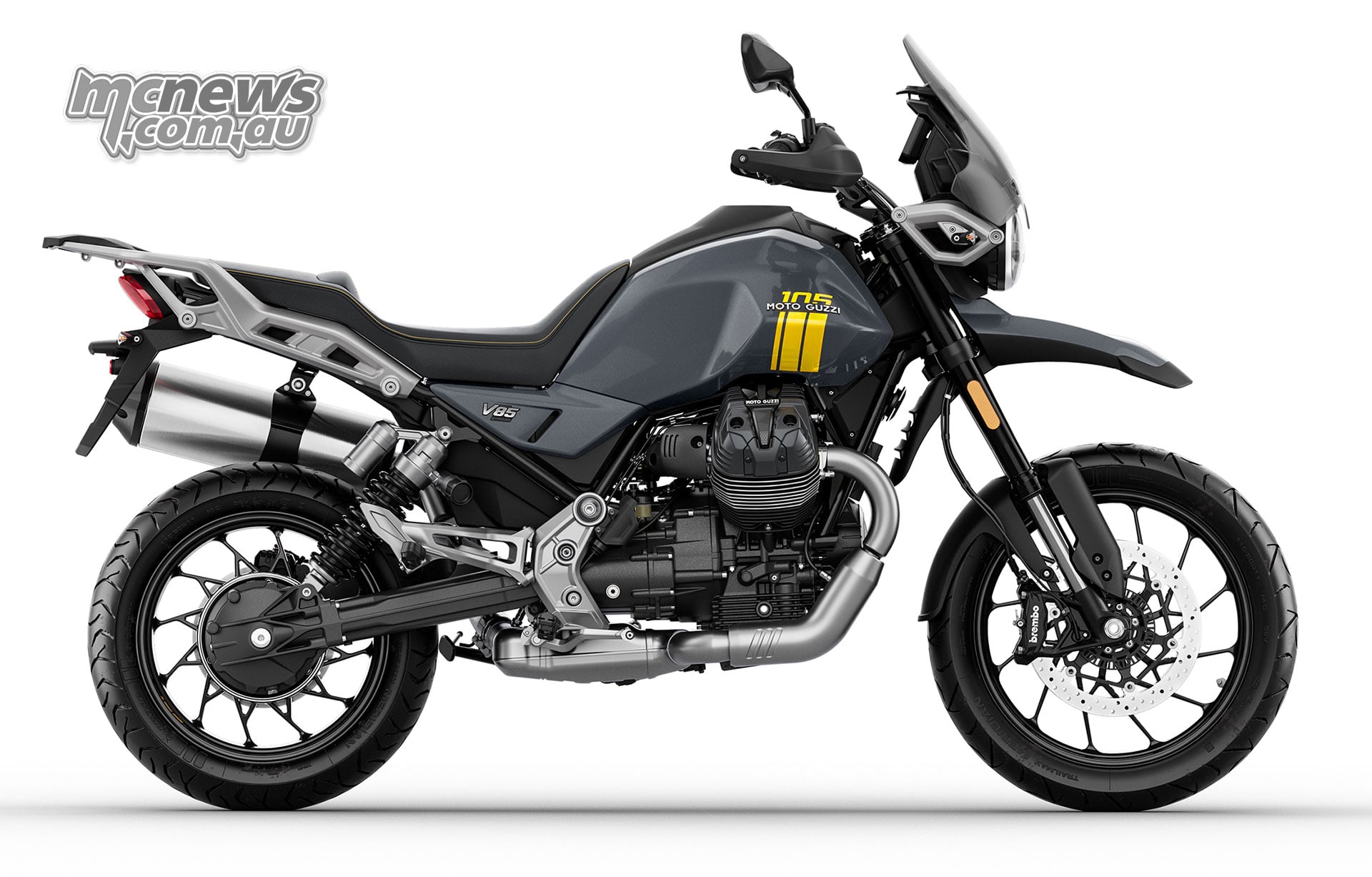
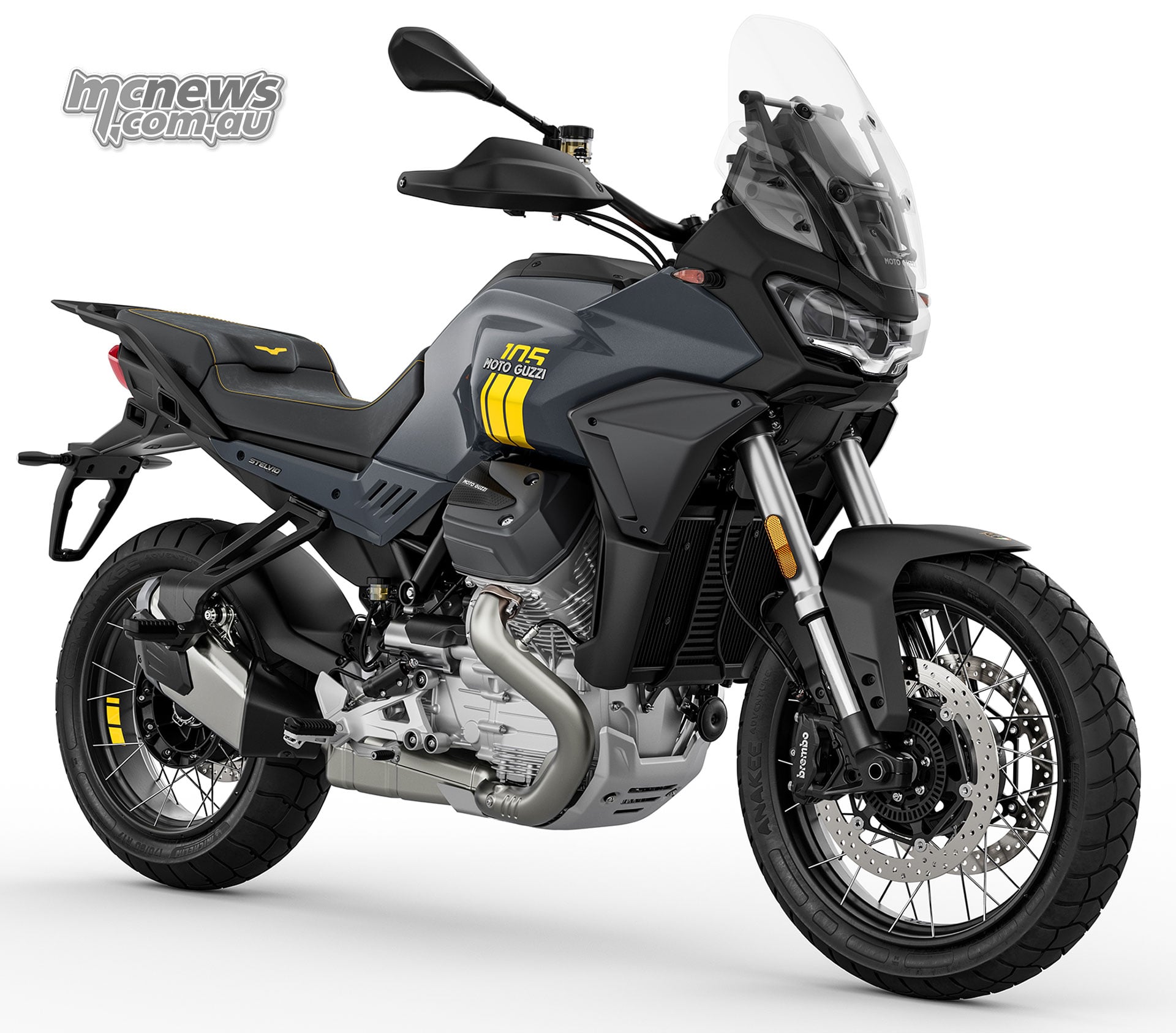
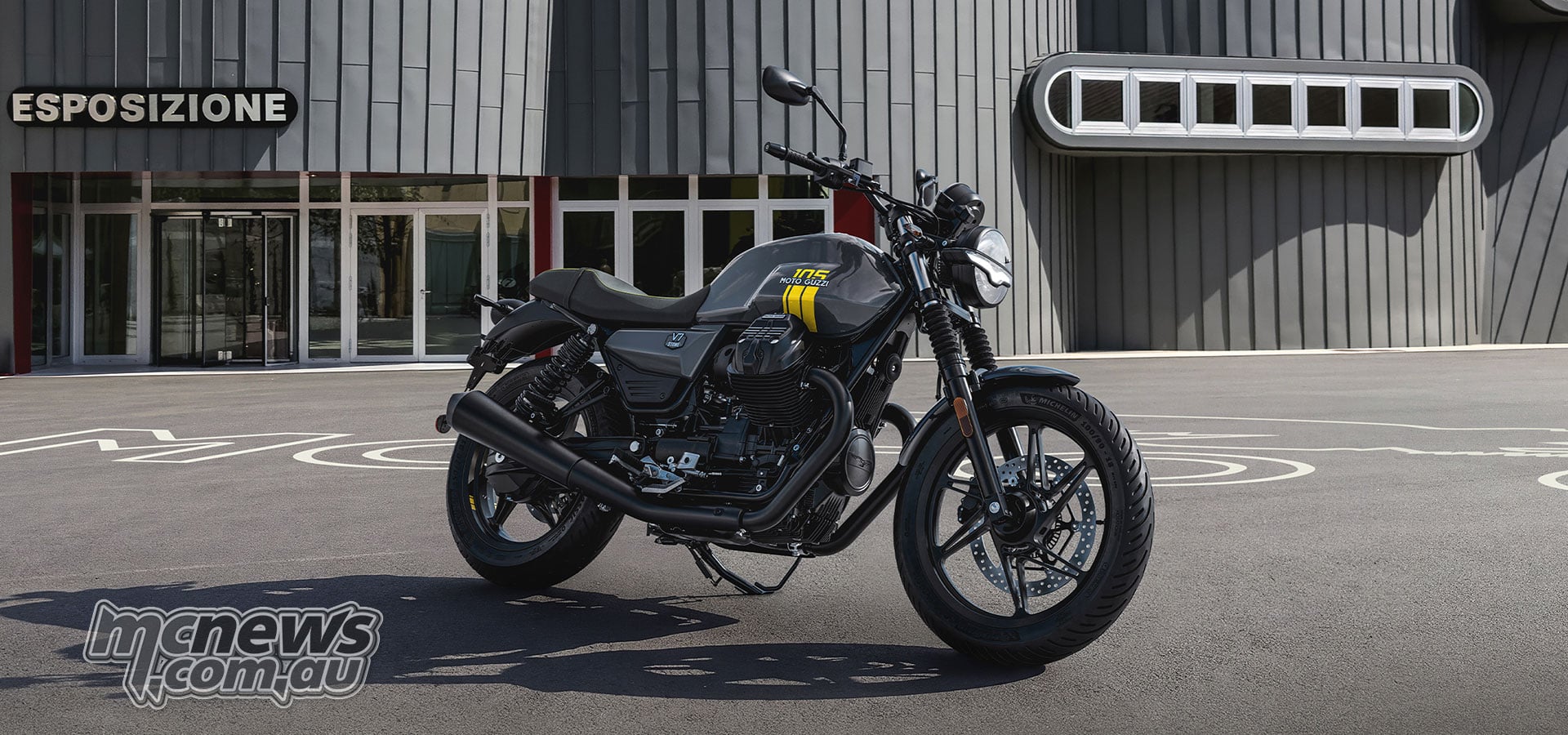
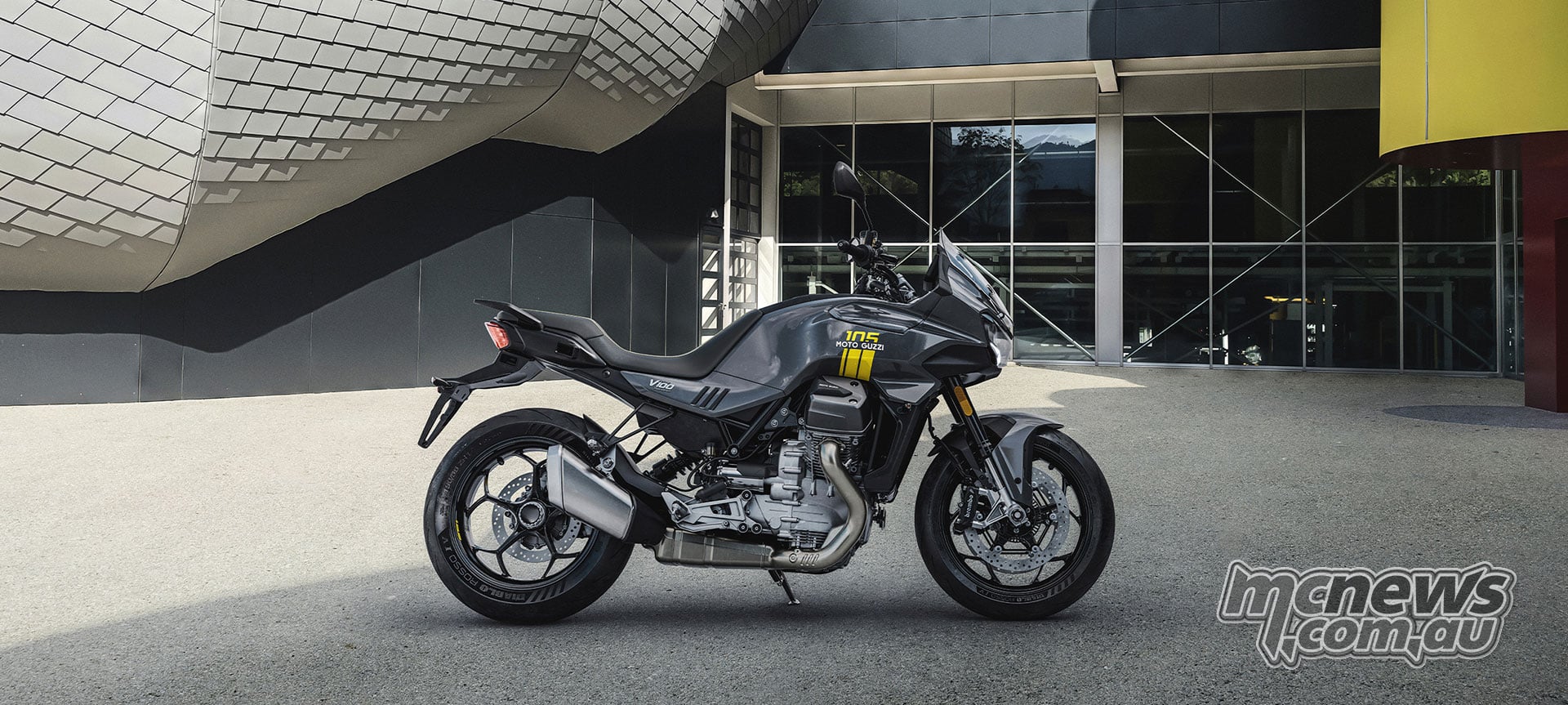
The 105th anniversary also brought special-edition Stelvio, V100 Mandello, V85 Strada and V7 Stone models featuring distinctive anniversary liveries inspired by the new Mandello complex. The Stelvio PFF Rider Assistance Solution version is included, too.
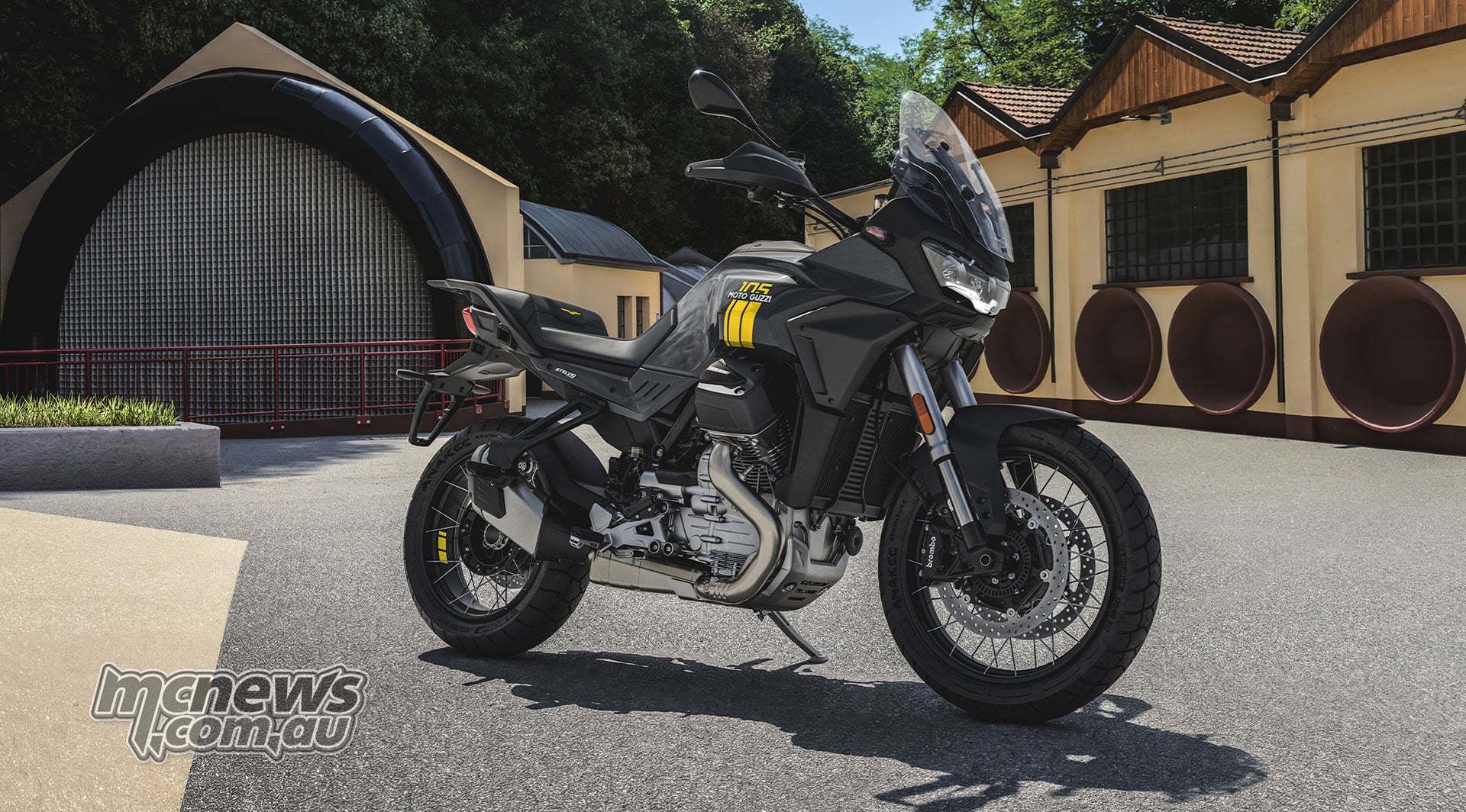
The glossy pearlescent grey paint picks up the industrial finishes of the new buildings, with contrasting yellow details, vertical anniversary graphics on the tank and a 105 motif where the eagle would usually sit. The seats receive an eagle design and yellow stitching. It is a small piece of the new home that owners can take away with them.
But the motorcycles were almost secondary to the larger celebration. GMG 2026 demonstrated how comfortably Moto Guzzi’s past and future now sit alongside one another. The new museum celebrates the brand’s eccentricities, housing its racing machines, military motorcycles, touring bikes, prototypes and production models alongside the modern factory.
More than 60,000 people descended on this small lakeside town, an extraordinary demonstration of the strength of the Moto Guzzi community. For four days, Mandello belonged to the Guzzisti, with motorcycles filling the streets and visitors arriving from around the world. Factory workers, engineers, racers, collectors, families, and lifelong owners shared the same space, while music, food, test rides, and the spectacular parade of 1500 Guzzis created a constant sense of celebration.
After 105 years, the Eagle still flies from the same place where it first took flight. The new museum preserves an extraordinary history, while the transformed factory provides the foundation for the next chapter. GMG 2026 wasn’t merely a birthday party; it was a demonstration that the affection for Moto Guzzi remains as strong as ever and that its future is still being built in Mandello.
Moto Guzzi Museum Images
Moto Guzzi Factory Images
Moto Guzzi Classic Model and Racer Images