

BMW doubles down on WorldSBK with Binder and Oliveira for 2027
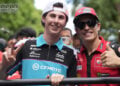
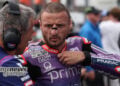
Binder will make his WorldSBK debut after seven seasons in MotoGP, while Oliveira has extended his BMW agreement for 2027 and beyond after joining the German manufacturer this season.
The pairing reunites two riders who know each other extremely well. Binder and Oliveira have previously been team-mates in 125 Grand Prix competition, Moto2 and MotoGP, and between them account for all seven of KTM’s MotoGP race victories.
Their arrival together at BMW also adds further weight to what is shaping up as a significant influx of established MotoGP talent into WorldSBK for 2027.
Binder takes on a new challenge
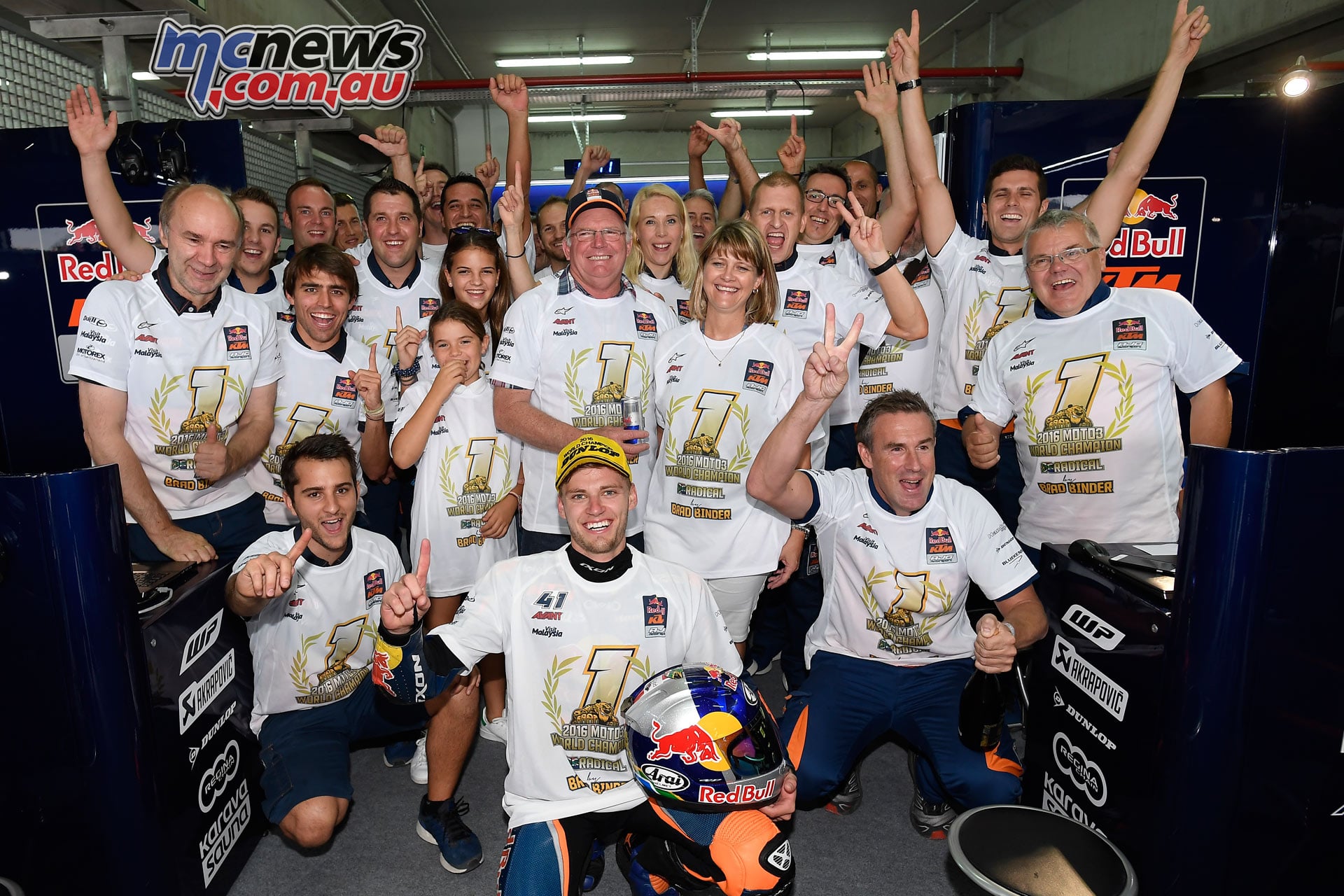
Binder’s move ends a remarkably long association with KTM. The South African became Moto3 World Champion in 2016 before moving into Moto2, where he finished third in the 2018 World Championship and runner-up in 2019.
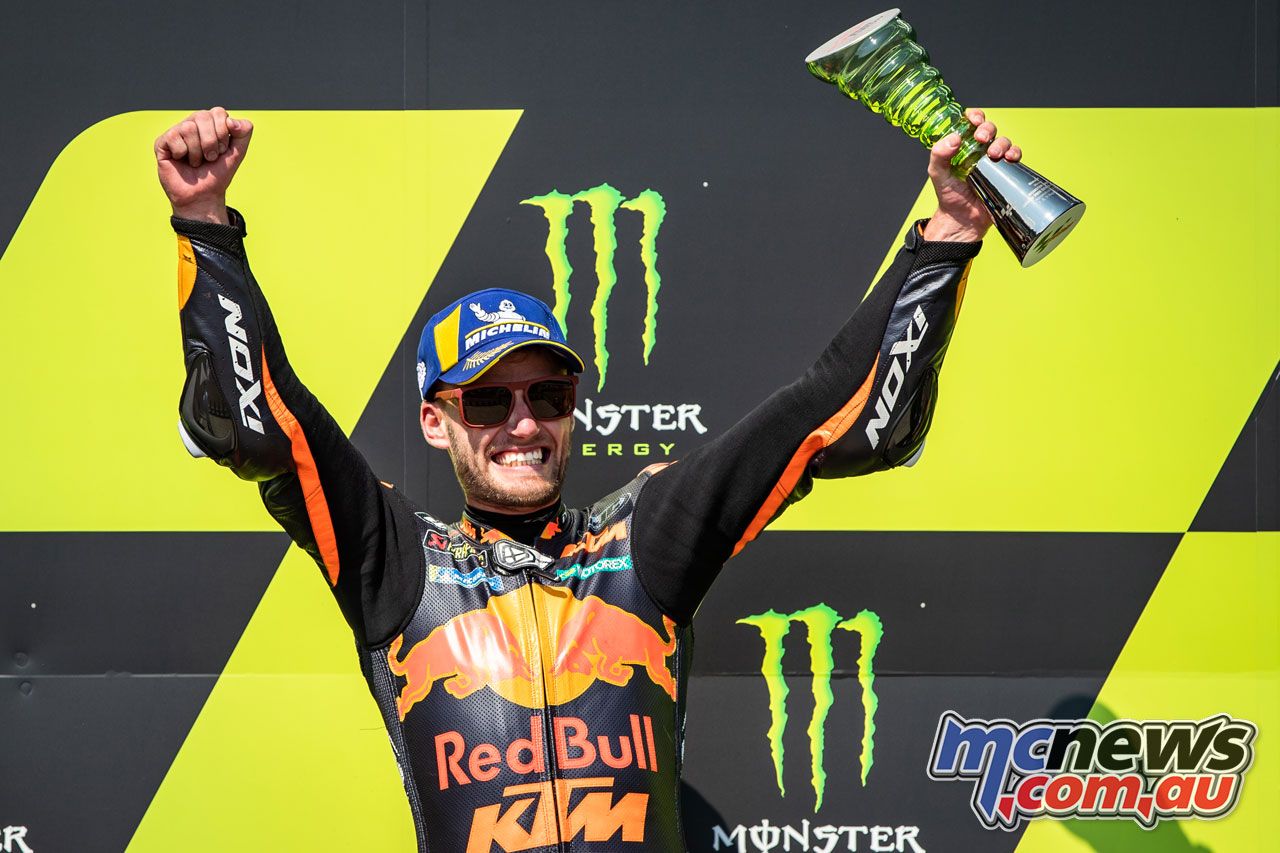
He graduated to MotoGP with KTM in 2020 and sensationally won at Brno in only his third MotoGP race. His second premier-class victory came at the 2021 Austrian Grand Prix, where Binder famously stayed out on slick tyres as rain fell in the closing laps.
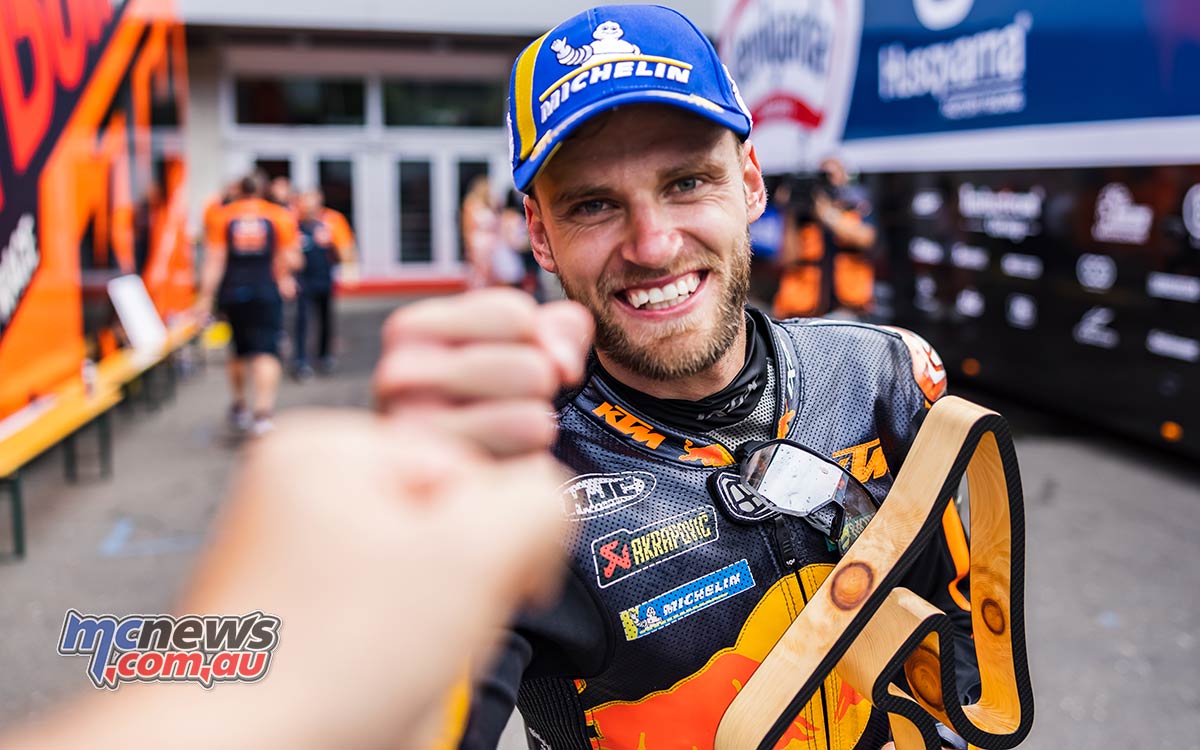
Now 31, Binder will leave the Grand Prix paddock with two MotoGP victories and nine further premier-class podiums to his name.
BMW Motorrad Motorsport boss Sven Blusch says Binder isn’t coming to WorldSBK simply to extend his racing career.
“His goal is clear: he wants to fight for the World Championship title,” said Blusch. First of all, he will need to get accustomed to the BMW M 1000 RR and to a new World Championship, and we are confident that he will do so quickly. With Brad and Miguel, two former teammates are reunited who complement each other perfectly, both in terms of their personalities and their riding styles. This combination has great potential.”
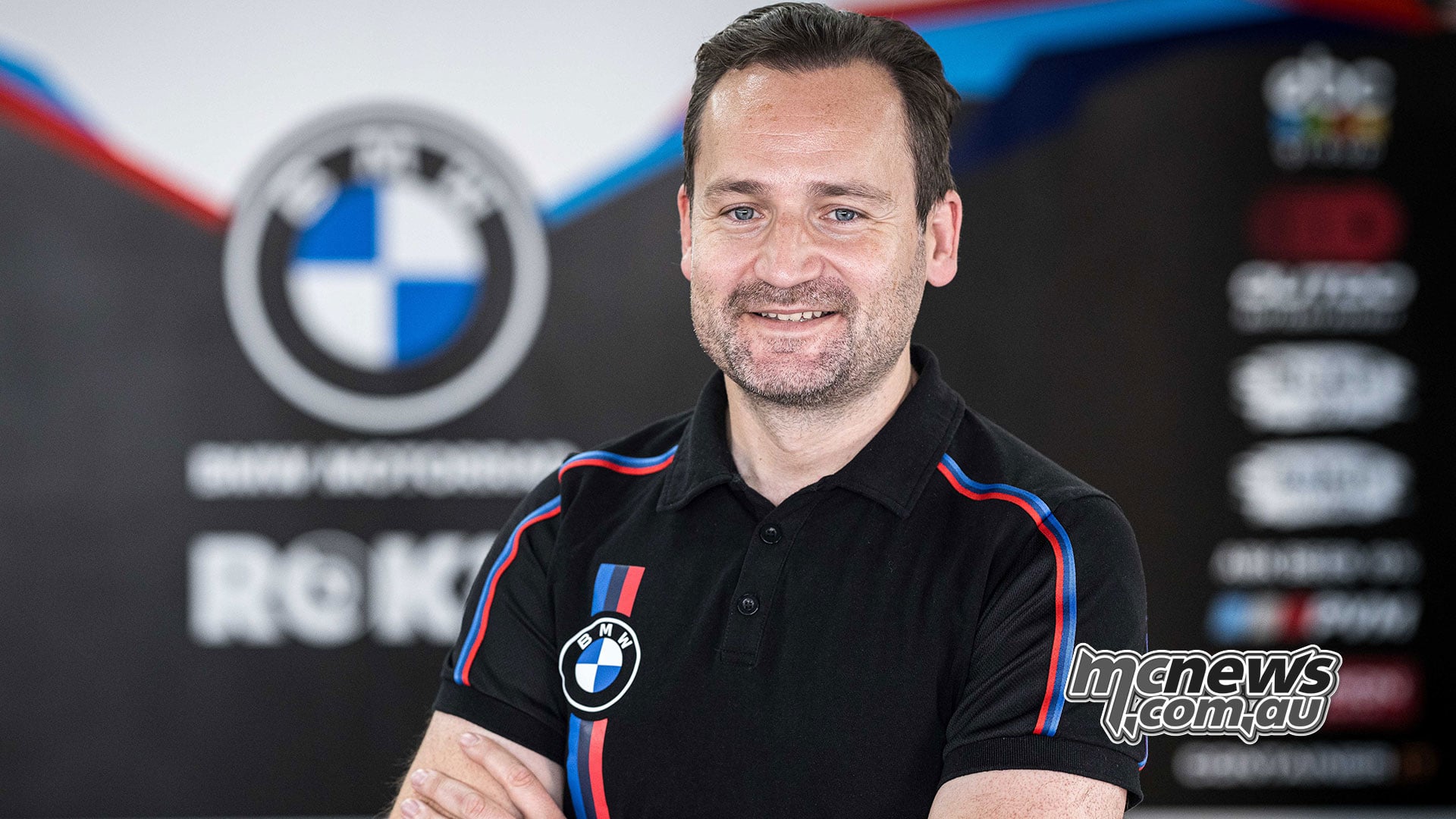
Binder replaces Danilo Petrucci, whose WorldSBK relationship with BMW will conclude at the end of this season, although BMW says the parties are exploring the possibility of working together on other projects.
Oliveira staying with BMW
Confirmation of Binder’s signing follows BMW’s announcement that Miguel Oliveira will remain with the manufacturer for 2027 and beyond.
Oliveira’s rookie WorldSBK campaign demonstrated considerable promise early on, most notably at Portimao, where he scored podium finishes in all three races during only his second WorldSBK weekend.
Unfortunately, Oliveira’s momentum was interrupted by a heavy crash at Balaton Park that left him with a concussion and a fractured scapula. He subsequently missed two rounds and has struggled to regain the form demonstrated earlier in the season.
BMW clearly believes there is considerably more to come.
“We’ve laid the foundations this season, but I believe the best is still ahead of us,” Oliveira said when his new agreement was announced.
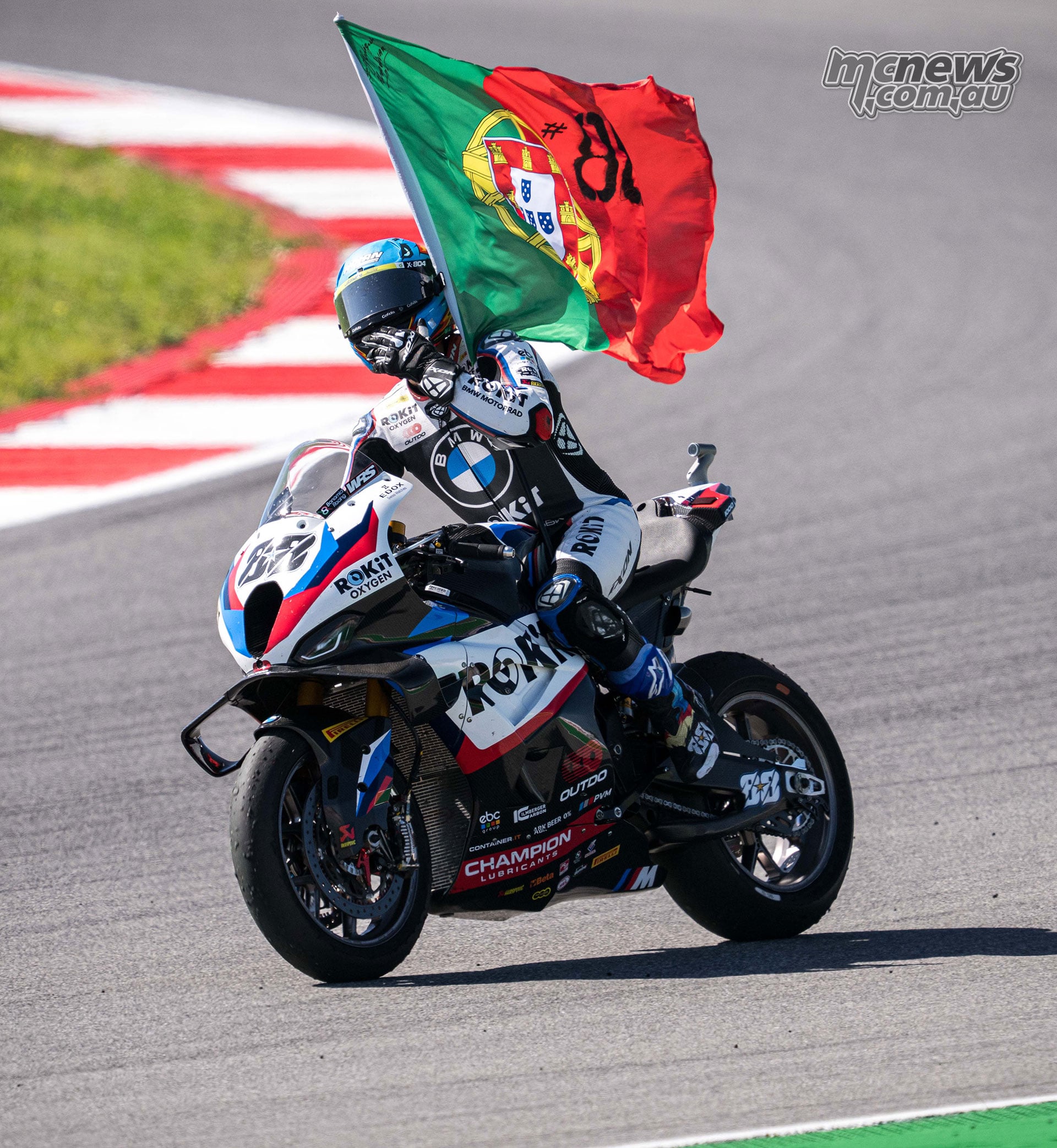
For 2027, BMW will therefore have two proven MotoGP winners aboard its M 1000 RR, with Binder and Oliveira bringing seven MotoGP victories between them.
Another major boost for WorldSBK
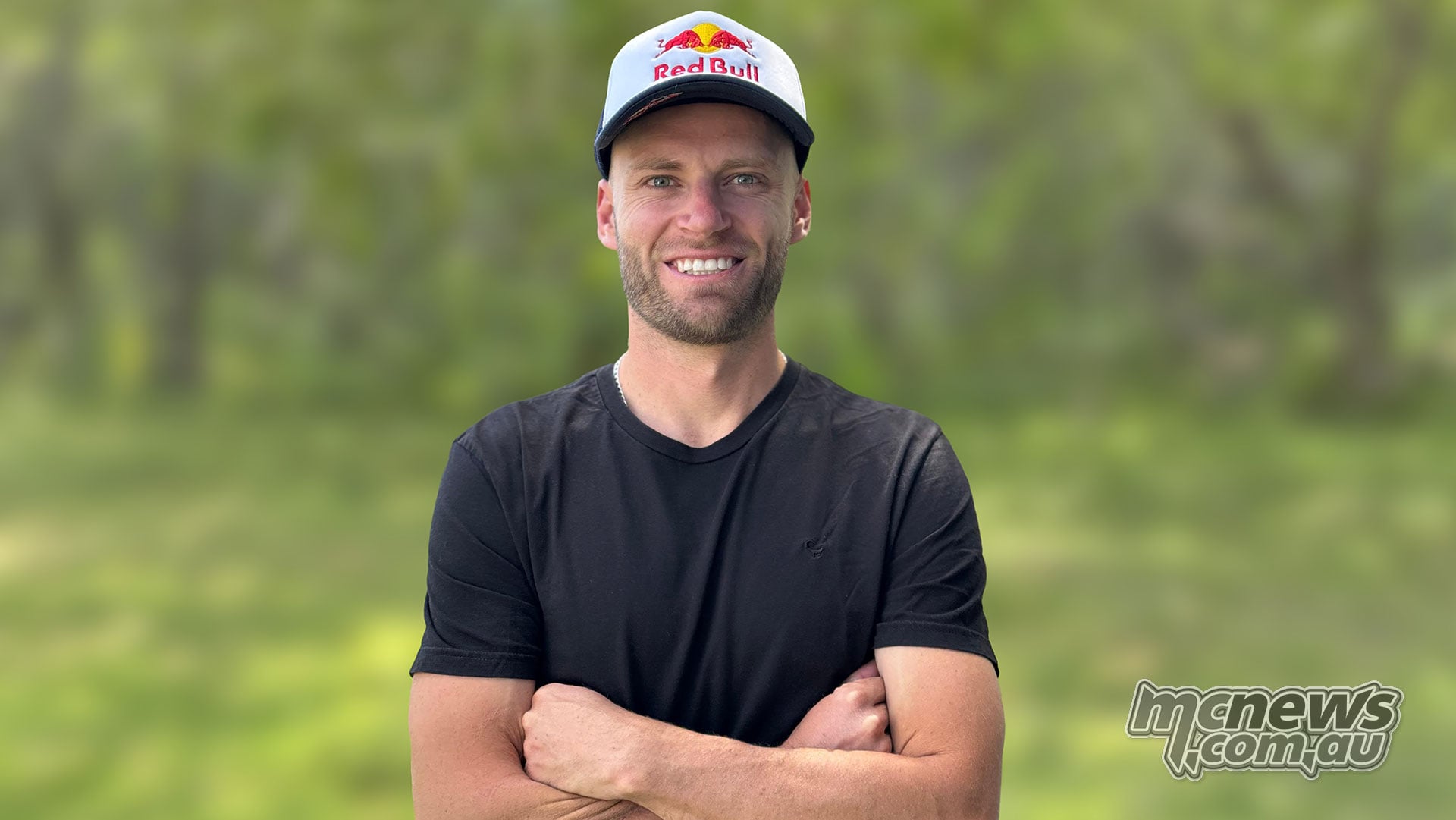
Binder’s move comes hot on the heels of Jack Miller being confirmed with Yamaha for the 2027 and 2028 WorldSBK seasons. As we noted when discussing Miller’s move, these signings are important beyond simply strengthening individual factory teams.
WorldSBK could certainly use an injection of high-profile personalities and riders familiar to the much larger MotoGP audience, and 2027 is increasingly delivering exactly that.
Miller, Binder and Oliveira have spent much of their careers in the MotoGP spotlight, and all are Grand Prix winners.
Binder in particular brings a reputation as one of the hardest racers in MotoGP, while Miller’s popularity and personality should bring another dimension to the WorldSBK paddock.
It is an intriguing reversal of the traditional relationship between the championships. Rather than WorldSBK primarily providing a route towards MotoGP, several established Grand Prix riders are now looking towards Superbikes for the next major chapter of their careers.
BMW has plenty to prove
BMW’s rider investment also underlines its continuing commitment to WorldSBK and the development of its RR sportsbike platform.
Toprak Razgatlioglu transformed BMW’s fortunes after joining the manufacturer, taking the M 1000 RR to consecutive WorldSBK titles in 2024 and 2025. Replicating that success without the extraordinary Turk has proved considerably more difficult.
Ducati has been the class of the field in 2026, while BMW’s challenge has fallen well short of the level established with Razgatlioglu aboard the bike.
However, several key technical factors explain BMW’s shift in competitiveness. The M 1000 RR that took BMW to its breakthrough 2024 championship benefited from the WorldSBK concession system, including the opportunity to develop a chassis with stiffness characteristics tailored through BMW’s racing programme.
BMW subsequently lost those concessions following its success and had to return to a chassis much closer to the homologated production specification. Its competitiveness has suffered since.
The knowledge gained hasn’t disappeared, however, and the chassis developed through that programme is feeding into BMW’s next homologated specification for 2027.
That should give Binder and Oliveira a considerably stronger foundation from which to start BMW’s next title push.
BMW continues to do electronics differently
BMW remains unique on the WorldSBK grid in developing its own racing electronics package rather than adopting the Marelli system used by the rest of the field. The M 1000 RR uses BMW’s Bosch-based BMS-MS2 electronics platform, developed in conjunction with Bosch and continuously refined by BMW’s engineers.
For all of MotoGP’s status as the technological pinnacle of motorcycle racing, electronic development is one area where the regulations deliberately restrict the manufacturers. MotoGP has operated with a control Magneti Marelli ECU since 2016 and, since 2017, common software across the grid.
WorldSBK regulations leave manufacturers considerably greater freedom to develop their own electronic strategies. That means that, in some respects, the electronic strategies employed in WorldSBK can actually be more sophisticated than those available in MotoGP.
Marc Márquez made a related point when MCNews spoke with him at World Ducati Week earlier this year. Márquez recalled the proprietary electronics on his dominant 2014 Honda RC213V and suggested the electronic intervention available to him then was more sophisticated than what MotoGP riders have had available for much of the control-electronics era.
WorldSBK’s regulations provide manufacturers with opportunities to develop electronic strategies that MotoGP’s controlled environment deliberately restricts. BMW takes that freedom a step further than its WorldSBK rivals. While the remainder of the field works with Marelli electronics, BMW has persisted with its own Bosch-based architecture.
A major 2027 reset
Another significant variable awaits Binder, Oliveira, Miller, and everybody else in WorldSBK next season. Michelin replaces Pirelli as the championship’s control tyre supplier in 2027, ending a relationship between Pirelli and WorldSBK that dates back to 2004. That represents an enormous technical reset.
As we discussed when looking at Miller’s move to Yamaha, riders arriving directly from MotoGP bring considerable recent experience working with Michelin.
The WorldSBK tyre will obviously be very different from a MotoGP tyre, but Binder and Oliveira understand Michelin’s racing philosophy and have accumulated thousands of kilometres working with the French manufacturer.
BMW loading up for another title attack
There are no guarantees that putting two MotoGP winners on the M 1000 RR will suddenly return BMW to the front. Indeed, 2026 has provided ample evidence of just how difficult it is to consistently challenge Ducati. But BMW’s response to losing Razgatlioglu has not been to wind back its WorldSBK programme. Quite the opposite.
It recruited five-time MotoGP winner Oliveira for 2026, has now committed to him for 2027 and beyond, and has added another proven MotoGP winner in Binder.
BMW also continues to invest heavily in developing the M 1000 RR, including a chassis direction informed by lessons from its concession-era development programme, while continuing down its unique Bosch electronics path.
Whether anyone can bridge the current gulf to Ducati is another question entirely.
But BMW certainly isn’t walking away from the fight.