

Classic TT 2026
Dunlop’s treble, McGuinness’s milestone and a race against the weather
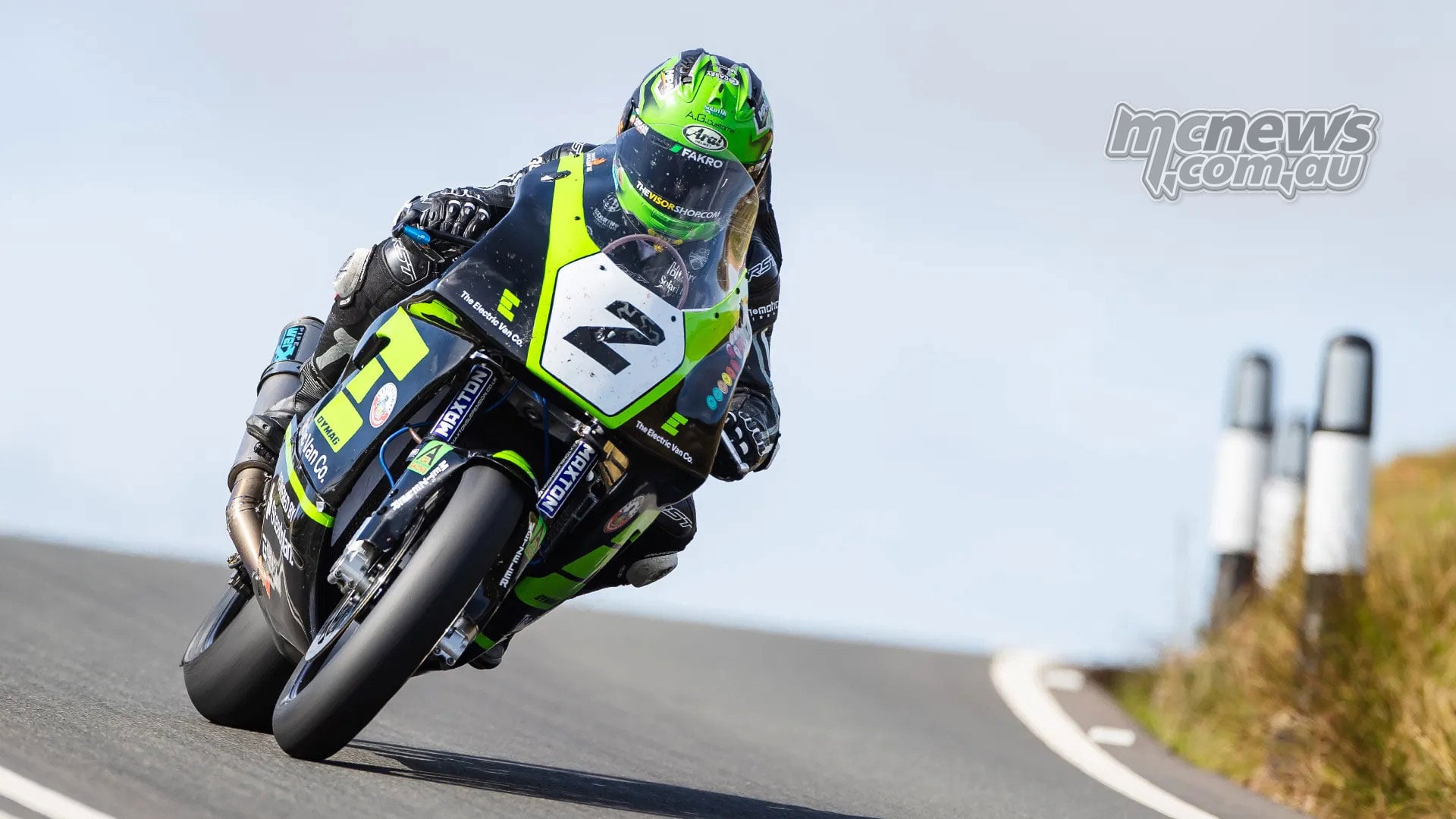
The 2026 Classic TT began beneath clouds that refused to shift. Rain frustrated preparations, qualifying opportunities were lost, and the meeting struggled to find its rhythm. When action finally gathered momentum, the deaths of two competitors in the accompanying Manx Grand Prix cast a much deeper shadow over proceedings.
What followed was an event of contrasting emotions. Michael Dunlop won three races and pushed the Formula One lap record beyond 129 mph. John McGuinness marked 30 years since his TT debut with another victory. New classes delivered fresh winners, while machinery spanning several generations demonstrated why this meeting continues to hold such a distinctive place in road racing.
Getting that programme completed required a substantial rethink. With another weather front approaching, organisers moved races forward by as much as four days, turning the available dry weather into a concentrated run of competition. The result was a completed Classic TT race programme, albeit one whose sporting achievements must sit alongside the losses and injuries sustained during the meeting.
A difficult opening
Weather is always part of the equation on the Mountain Course, but the opening stages of this year’s meeting demanded more patience than most. Rain and unsuitable conditions repeatedly interrupted preparations, leaving riders and teams to make the most of a restricted supply of qualifying laps.
The consequences went beyond the timing sheets. Riders needed mileage to reacquaint themselves with the course, teams needed opportunities to assess machinery, and newcomers faced the additional challenge of learning the Mountain Course within an already demanding programme.
Then came two fatal accidents during Manx Grand Prix qualifying. Swiss newcomer Mauro Poncini, 29, from Caslano, died following an incident at Cruickshanks on Tuesday, August 18. Sam Naughton, 37, from Castletown, died following an incident at Doran’s Bend on Wednesday, August 19. Naughton had made his Manx Grand Prix debut in 2025.
Both deaths occurred in the Manx Grand Prix element of the shared meeting. Their loss was felt across the paddock and forms an inseparable part of any account of the fortnight.
The decision that reshaped the meeting
As qualifying progressed, attention increasingly turned to the forecast for the following week. Wet and windy conditions were expected between August 26 and 28, threatening several of the major races.
The revised programme announced on Friday, August 21, brought the Classic TT races into the earlier weather window. This involved more than moving a start time or using a reserve session. Entire race days were brought forward, with the Historic Senior shifted from Friday to Monday and the Senior moved from Friday to Tuesday.
The Historic Junior and inaugural Junior 600 races were reduced from three laps to two, while the other Classic TT contests retained their scheduled distances. Lightweight and Ultra Lightweight ran concurrently, providing two class results from the same race.
| Race | Original date | Revised date | Laps |
|---|---|---|---|
| Historic Junior | Mon 24 Aug | Sat 22 Aug | 2 |
| Formula One | Wed 26 Aug | Sun 23 Aug | 3 |
| Lightweight / Ultra Lightweight | Wed 26 Aug | Sun 23 Aug | 3 |
| Historic Senior | Fri 28 Aug | Mon 24 Aug | 3 |
| Junior 600 | Wed 26 Aug | Mon 24 Aug | 2 |
| Senior | Fri 28 Aug | Tue 25 Aug | 4 |
It was an unusually compressed conclusion, but the decision achieved its central purpose: every Classic TT race was completed before the forecast deterioration. The meeting’s defining organisational achievement was recognising that the best chance of delivering the programme lay in using the weather available, even when that meant rewriting much of the timetable.
History that keeps moving
The appeal of the Classic TT has always extended beyond the age of the motorcycles. These machines are tied to different chapters of the Mountain Course’s history, raced hard by riders whose careers often bridge several of those chapters.
As explored in our brief history of the Classic TT, the meeting brings together sporting heritage, engineering enthusiasm and contemporary competition. That combination was particularly evident this year, with historic singles and twins sharing the programme with two-strokes, 750 cc superbikes and the new Junior 600 category.
The addition of Junior 600 and Ultra Lightweight competition widened that range further. For many spectators, the machines now entering classic competition are the same bikes they watched, rode or aspired to own when they were new.
Dunlop takes the Classic TT beyond 129 mph
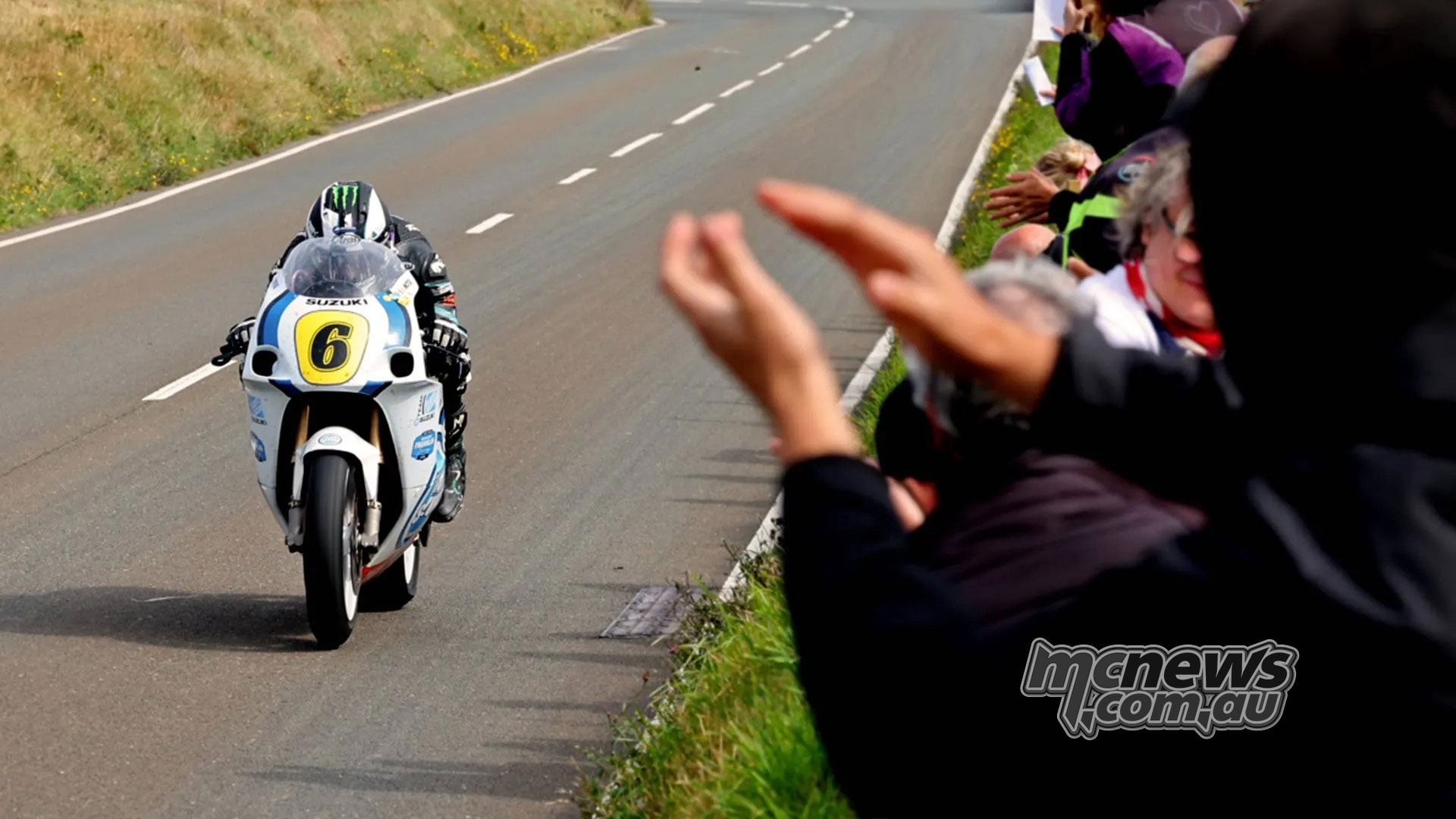
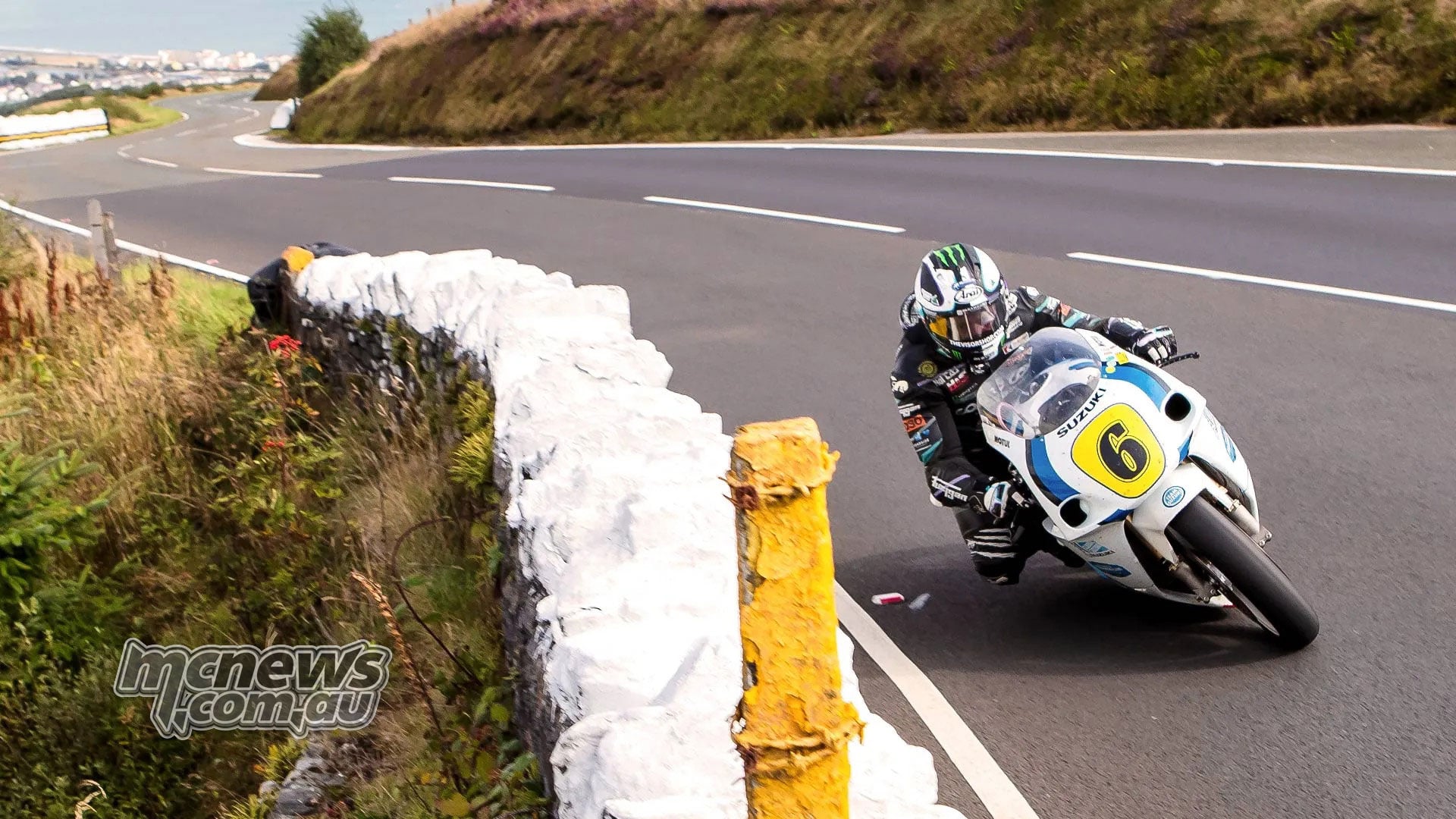
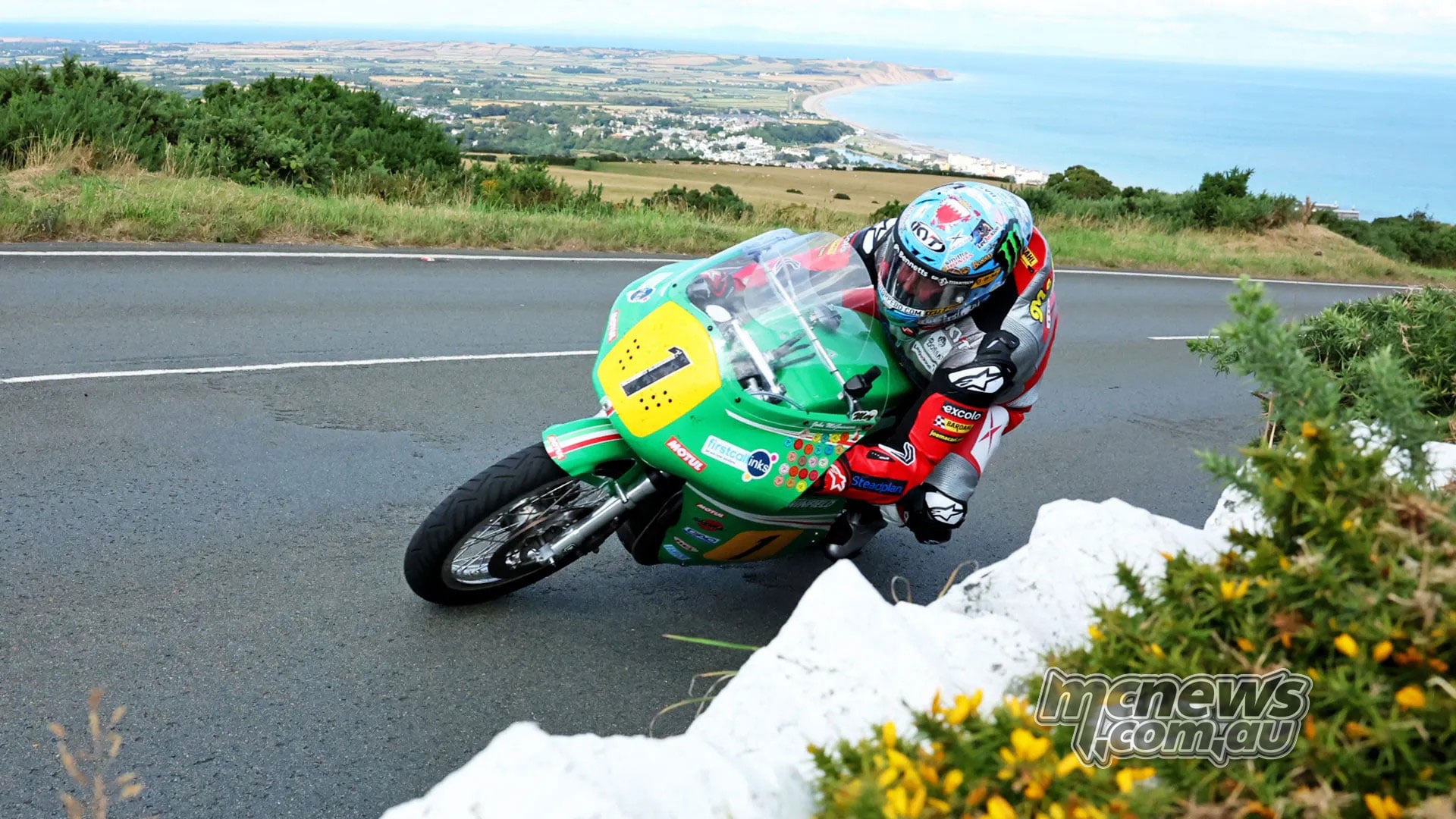
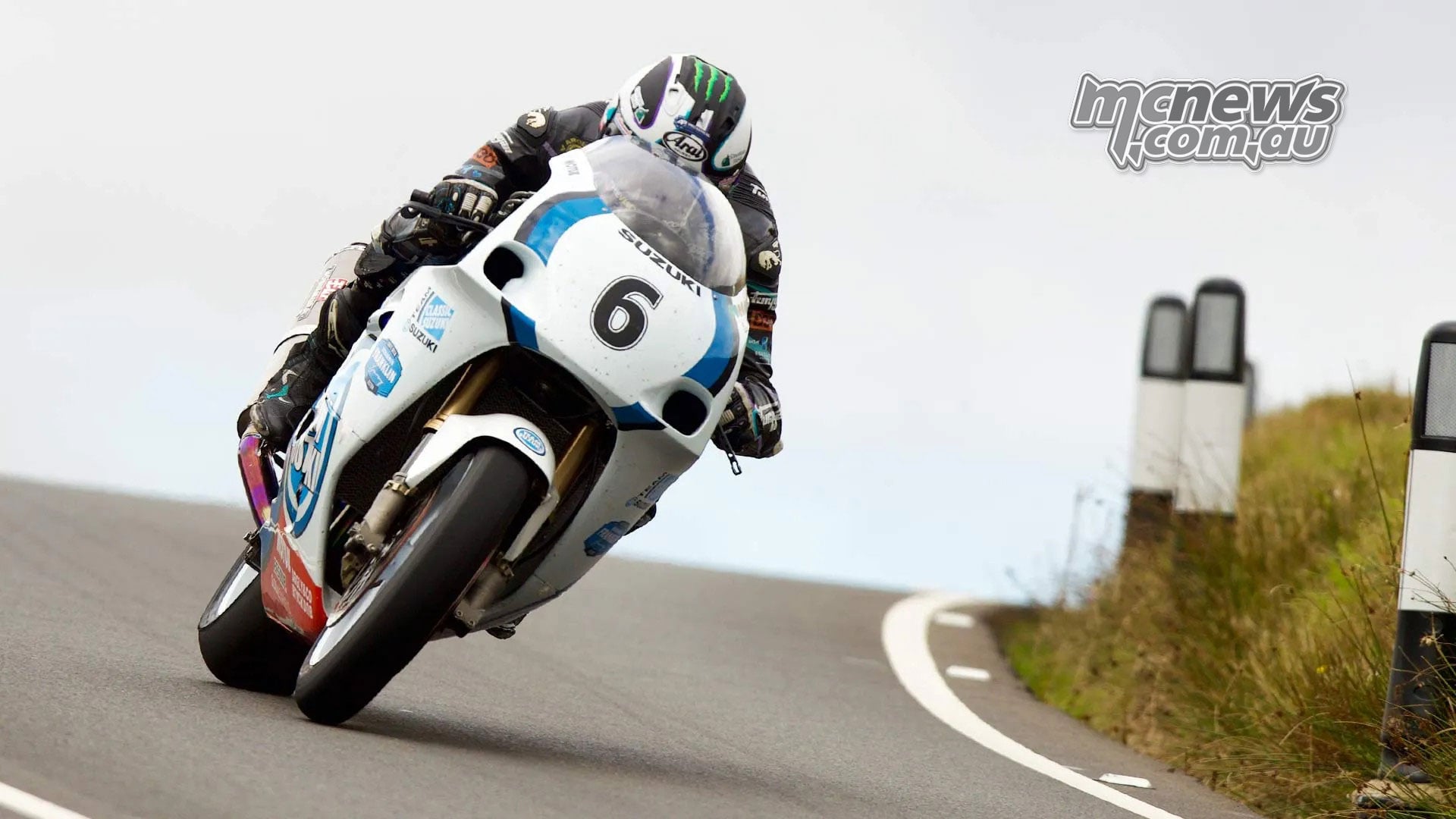
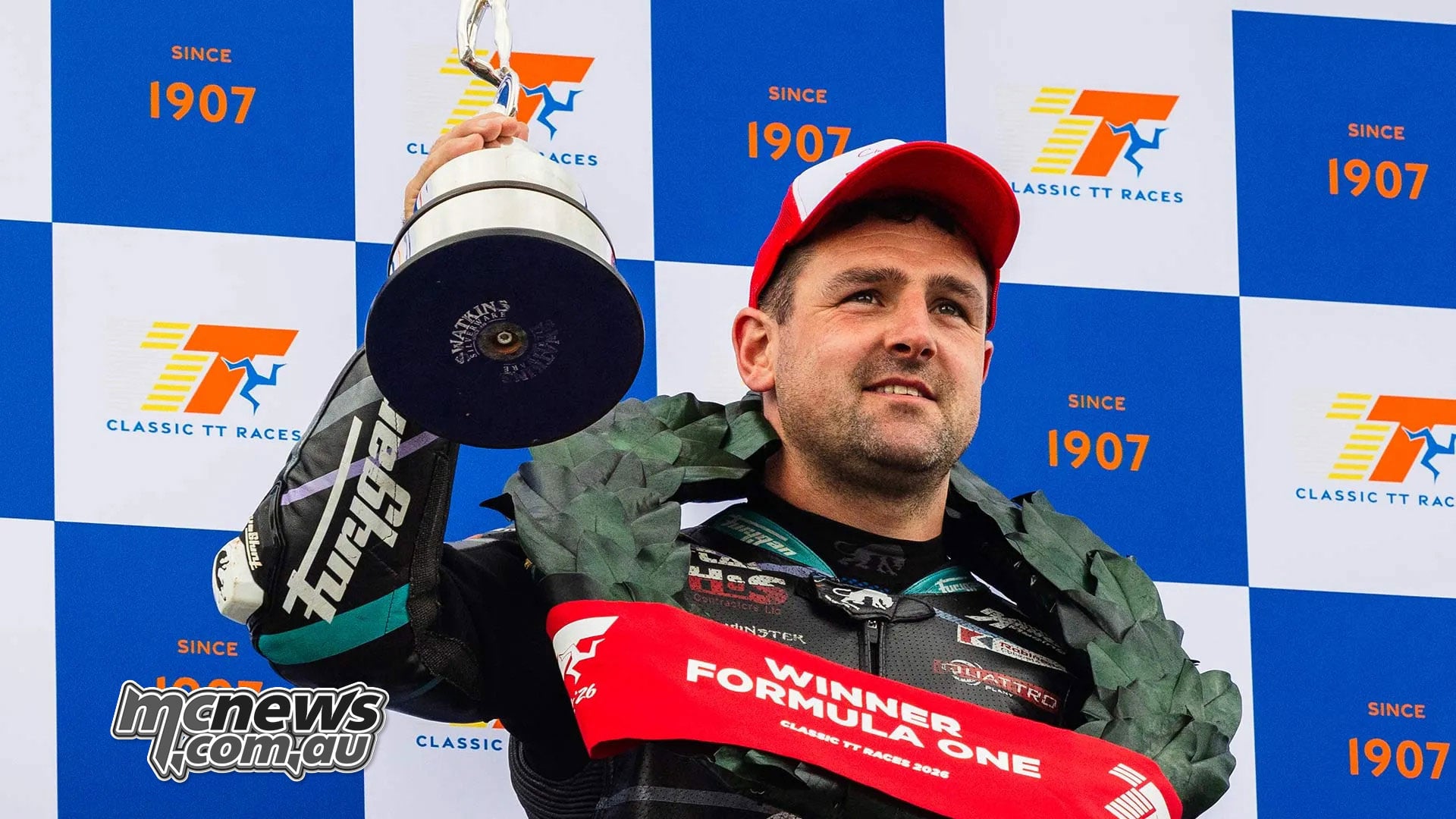
Michael Dunlop’s Formula One victory provided the meeting’s outstanding outright speed statistic. His 17m32.294s lap on the Suzuki averaged 129.078 mph, taking the class into territory that would have seemed extraordinary for this machinery when it was new.
The previous benchmark was Bruce Anstey’s 127.496 mph lap on the YZR500 in 2017. Dunlop lowered that lap time by approximately 13 seconds, a sizeable improvement over 37.73 miles of public road.
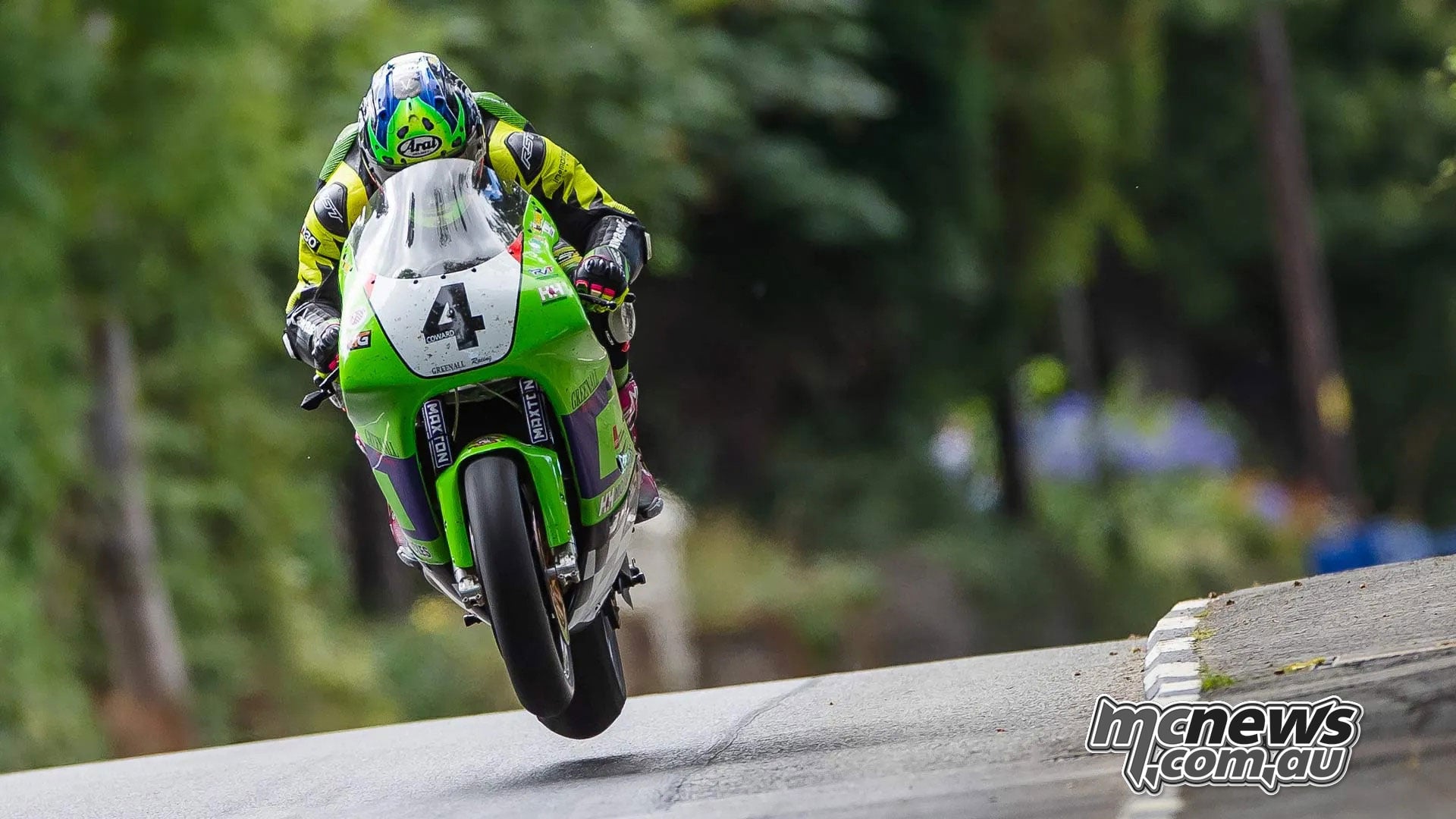
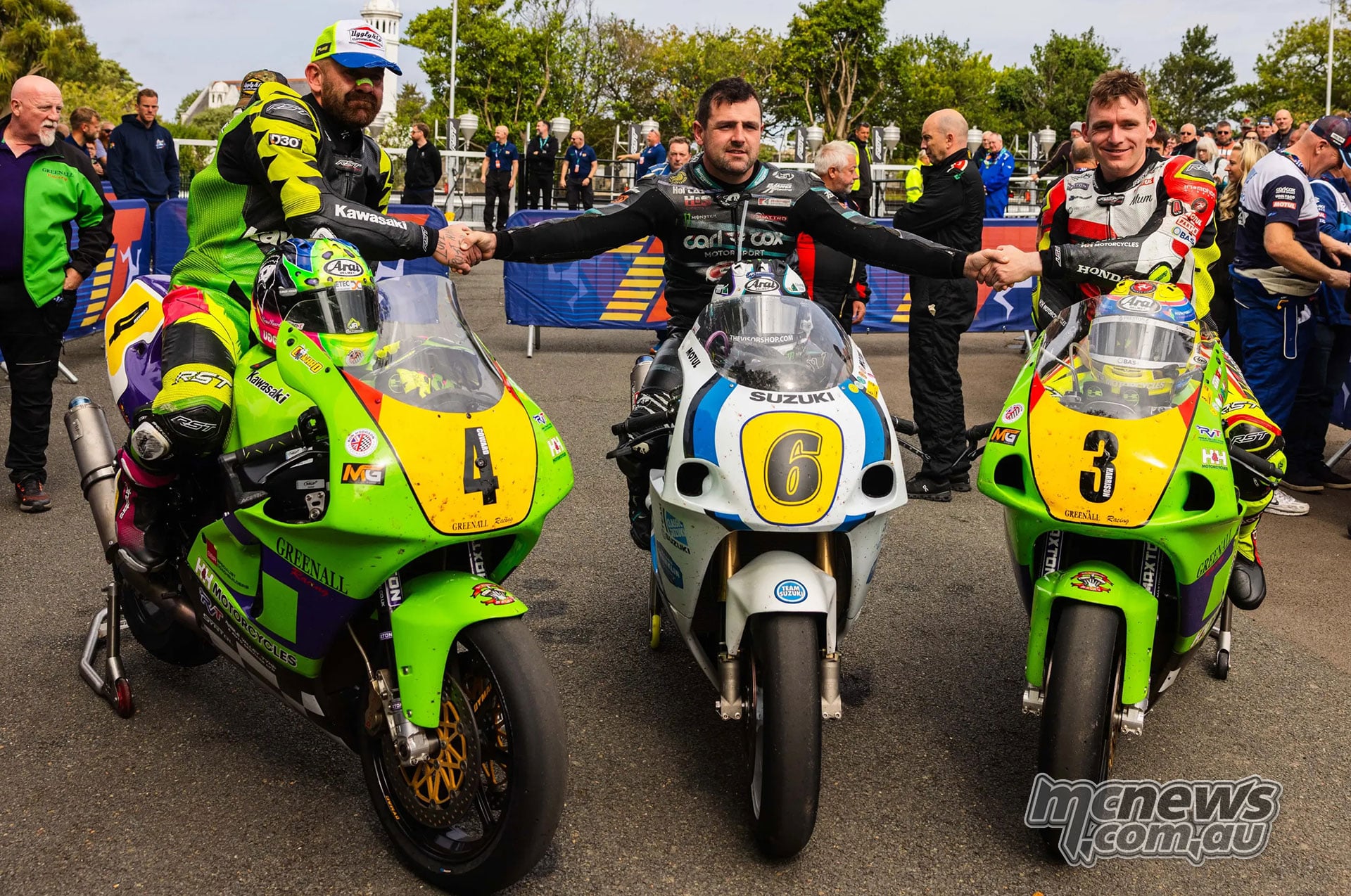
Jamie Coward led the pursuit on Kawasaki machinery, finishing the three-lap race 20.579 seconds behind Dunlop. Mike Browne completed the podium, with Nathan Harrison fourth and David Johnson fifth.
Those names underline the standard at the front. Whatever nostalgia surrounds the motorcycles, winning here still demands commitment, preparation and an exceptional understanding of the Mountain Course.
Another Lightweight success for Dunlop and Padgett’s
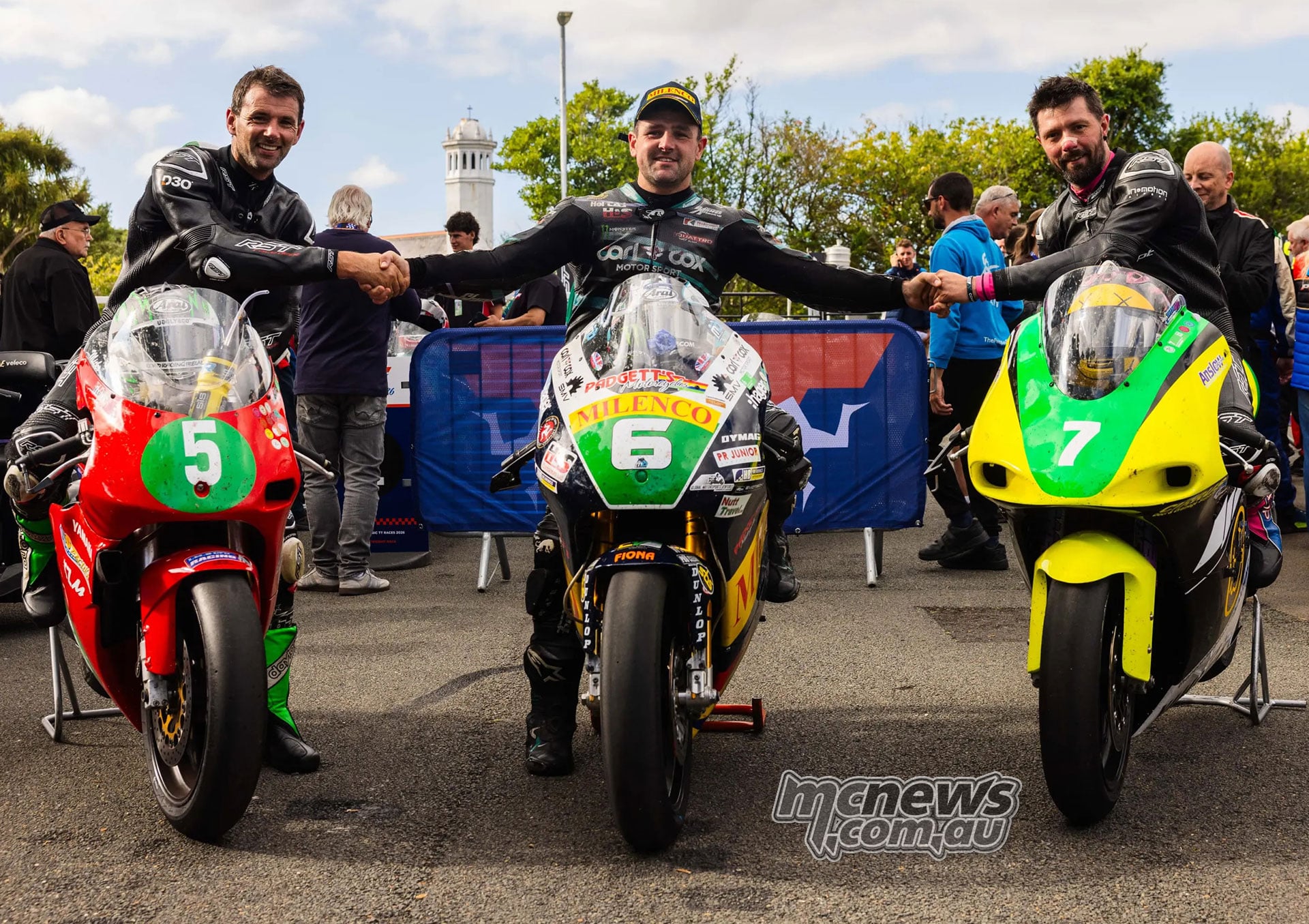
Dunlop’s second victory came in the Lightweight race aboard the Padgett’s Honda. His winning margin was considerably larger this time, with Michael Sweeney finishing 3m03.560s behind after three laps.
Rhys Hardisty took third, followed by Mark Grigson and Wally Loder. Only seven riders completed the Lightweight race, a reminder that getting older racing machinery through three Mountain Course laps is an achievement in itself.
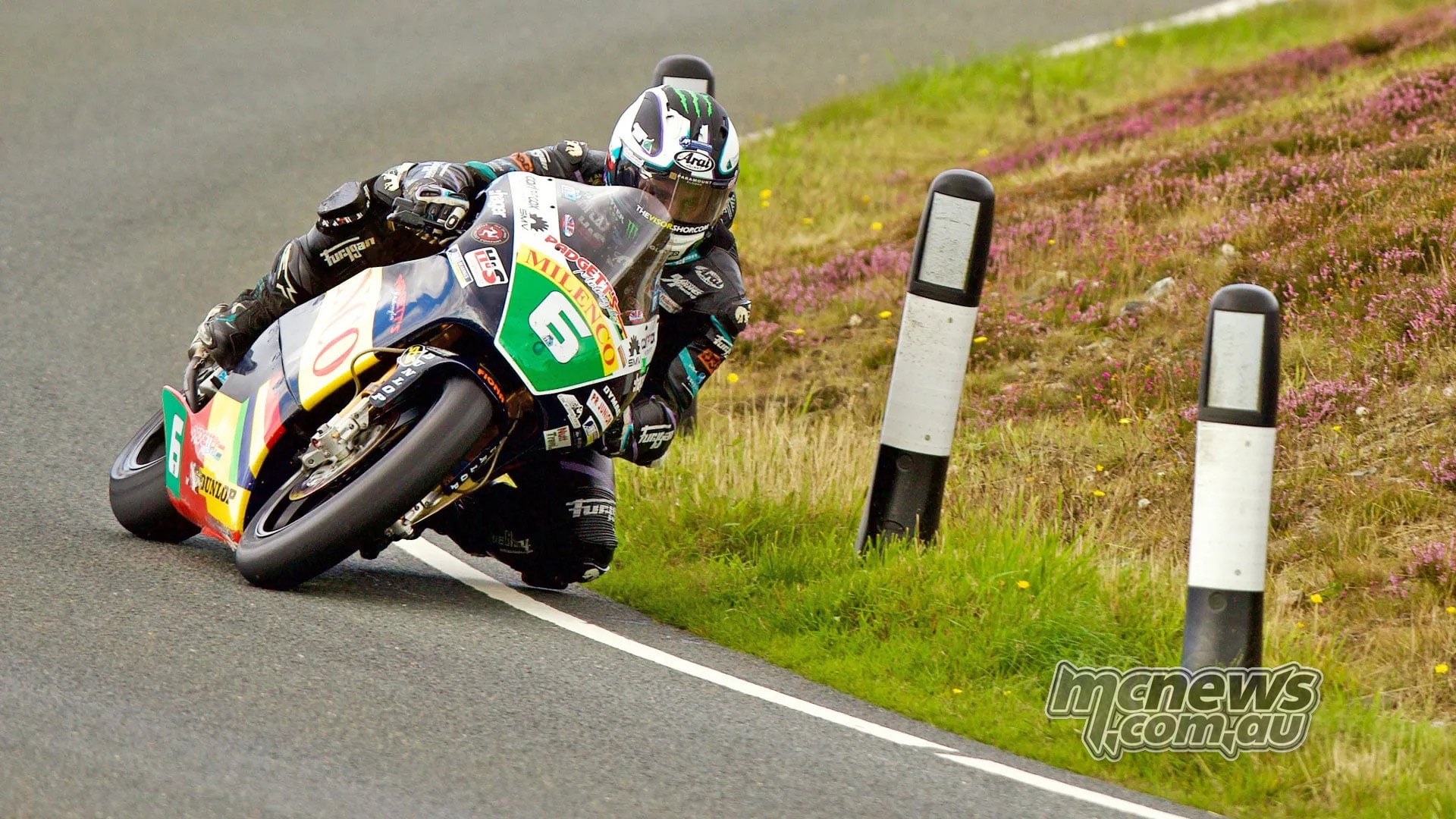
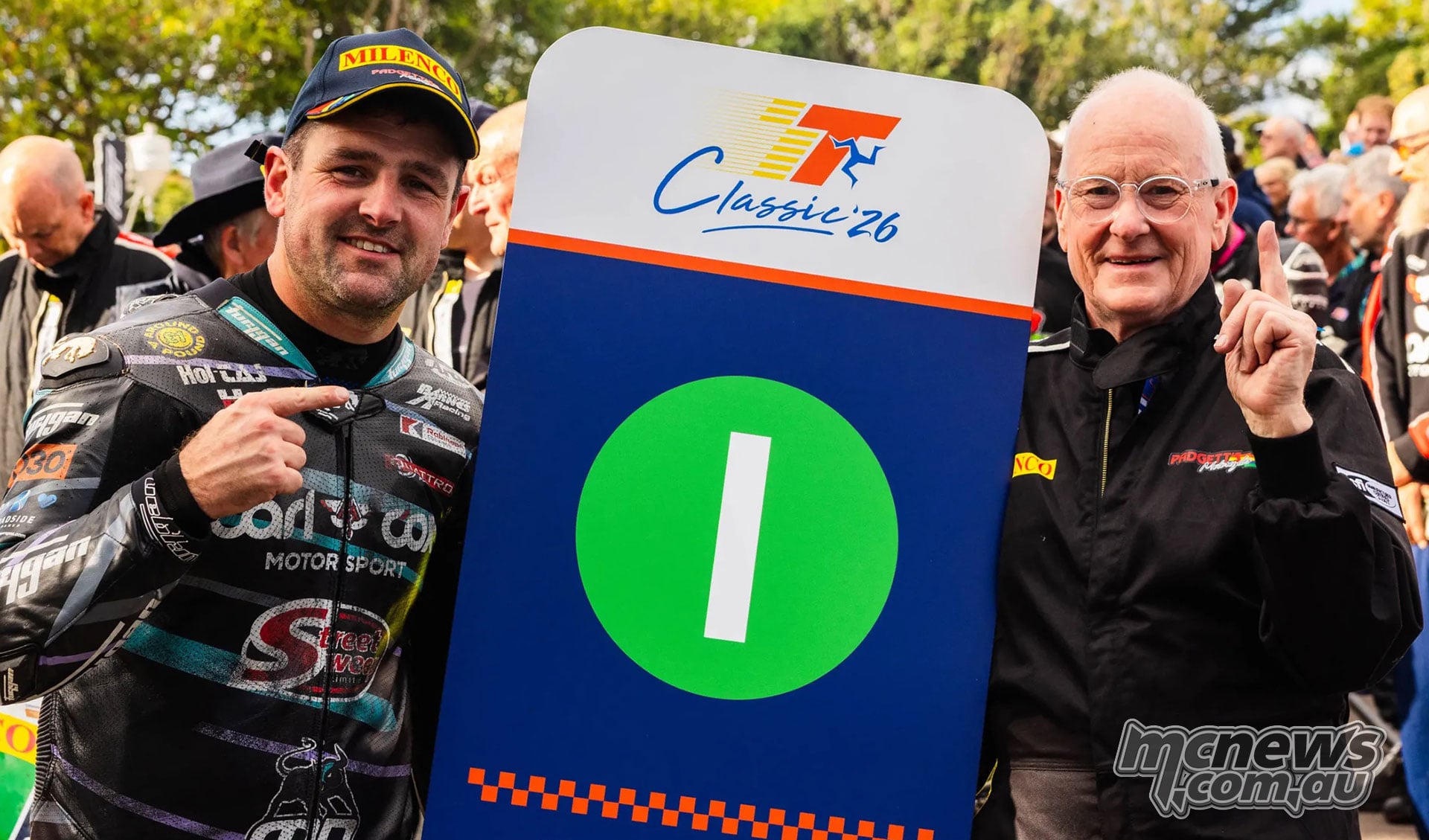
Dunlop’s fastest lap averaged 119.081 mph. The photographs of him celebrating alongside Clive Padgett captured another chapter in a partnership closely associated with two-stroke racing on the Island.
Coward pushes Dunlop in the Senior
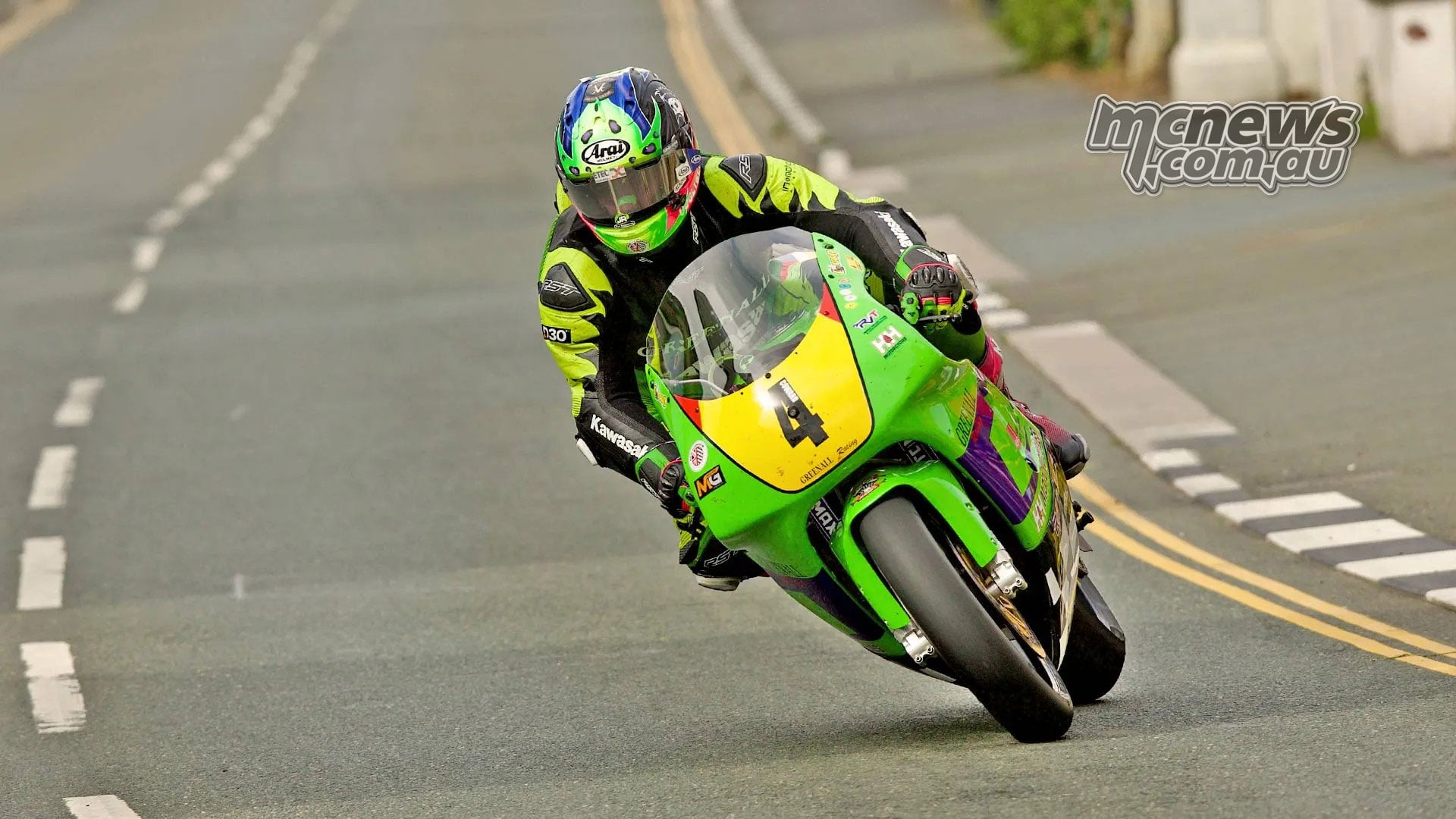
The four-lap Senior brought a closer contest. Coward again emerged as Dunlop’s principal challenger, and the difference at the finish was 11.681 seconds after more than 150 miles of racing.
Dunlop’s fastest lap averaged 128.596 mph, just below his Formula One record, as he completed the treble. Coward’s second runner-up finish confirmed the strength of his meeting, while Nathan Harrison secured third.
Shaun Anderson finished fourth and James Yeardsley fifth. Twenty-one riders were classified as finishers in the race that completed the Classic TT programme on Tuesday, August 25.
For Dunlop, three wins across two very different types of motorcycle made him the meeting’s most successful rider. For Coward, the margins showed how much pressure he had applied, particularly in the final race.
McGuinness celebrates with a win
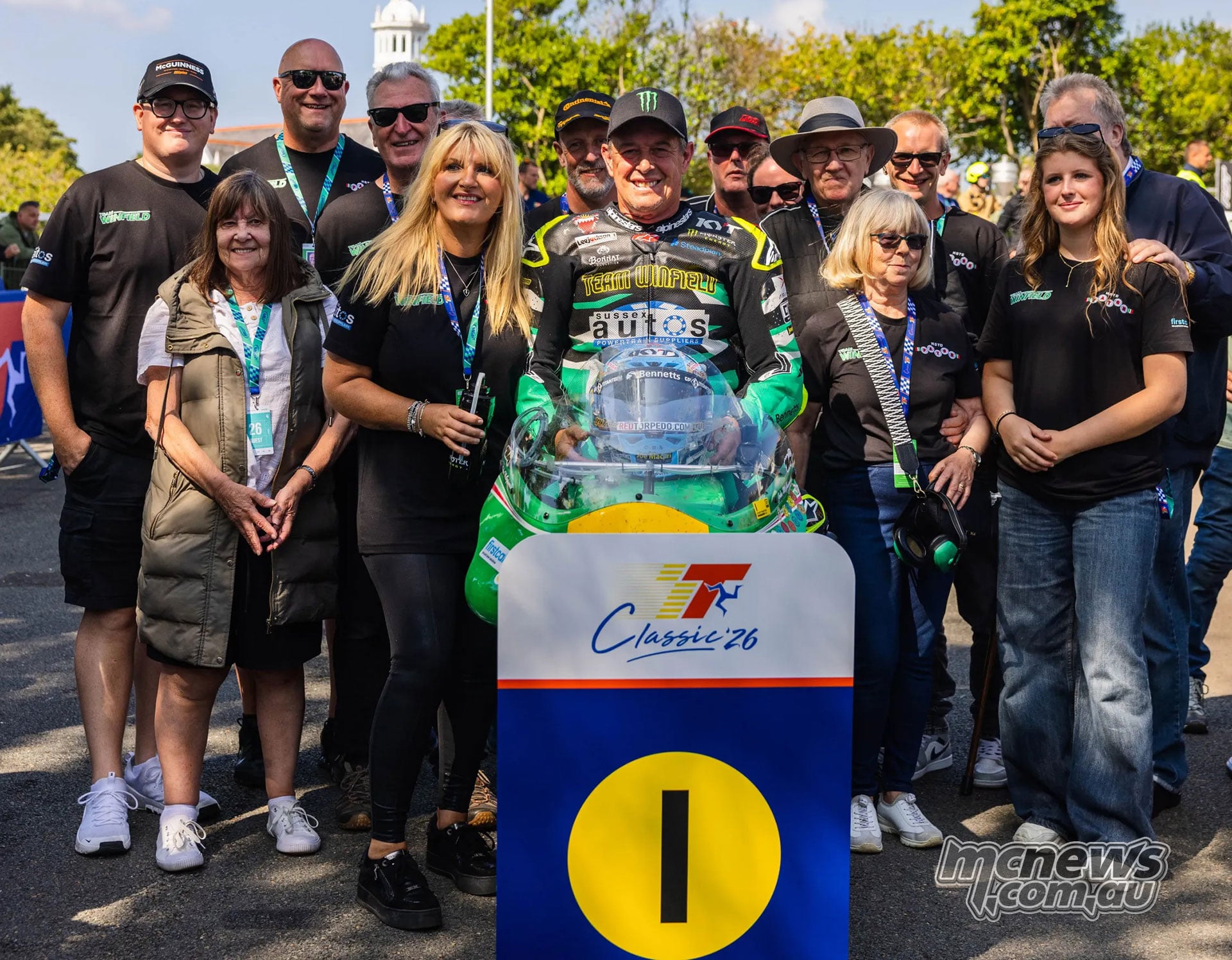
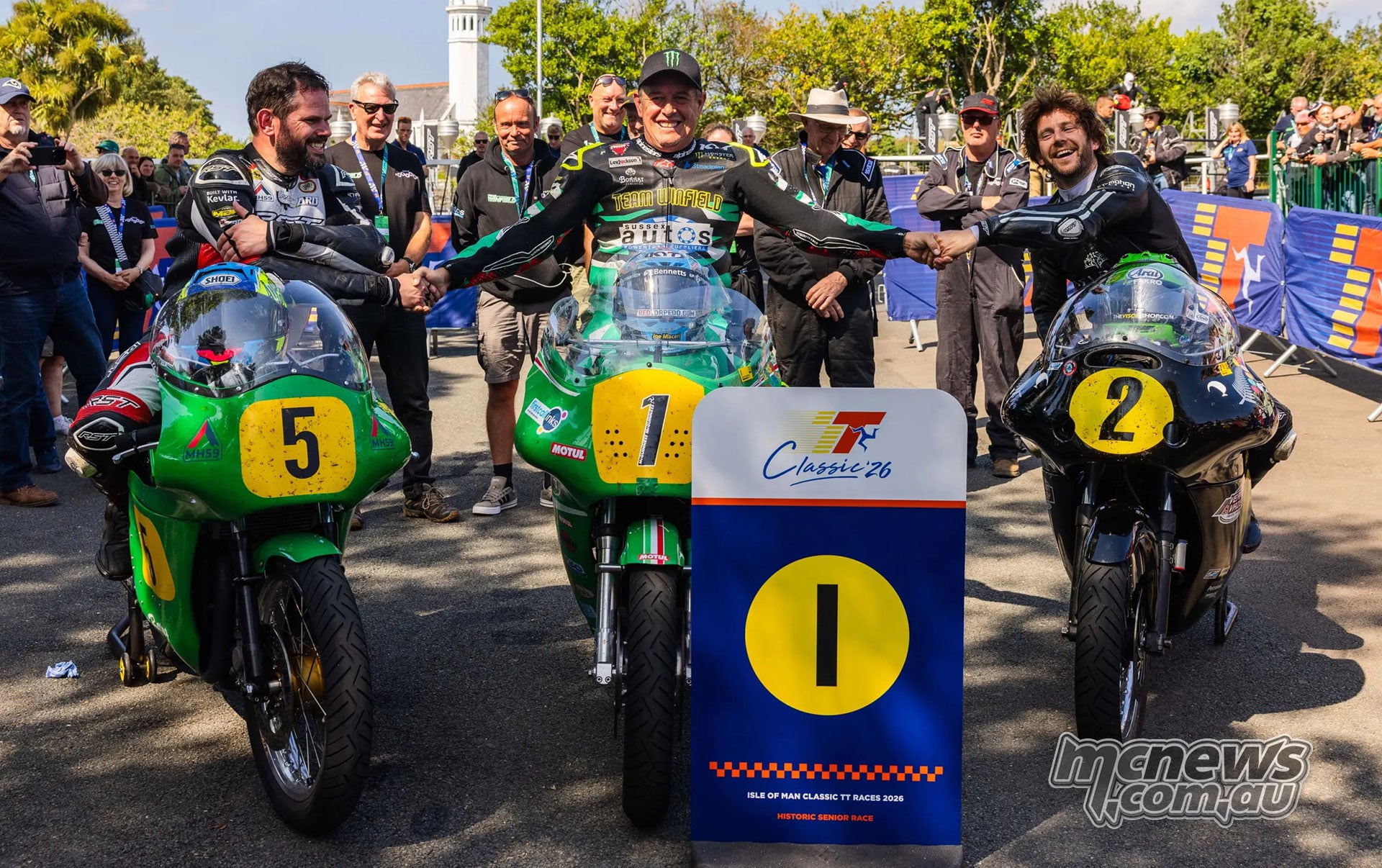
John McGuinness’s 30th anniversary celebrations acquired an especially appropriate centrepiece when he won the Historic Senior on the Paton.
Three decades after his 1996 TT debut, McGuinness remained a race winner on the Mountain Course. This was his fourth Historic Senior victory and his first Classic TT win since 2019.
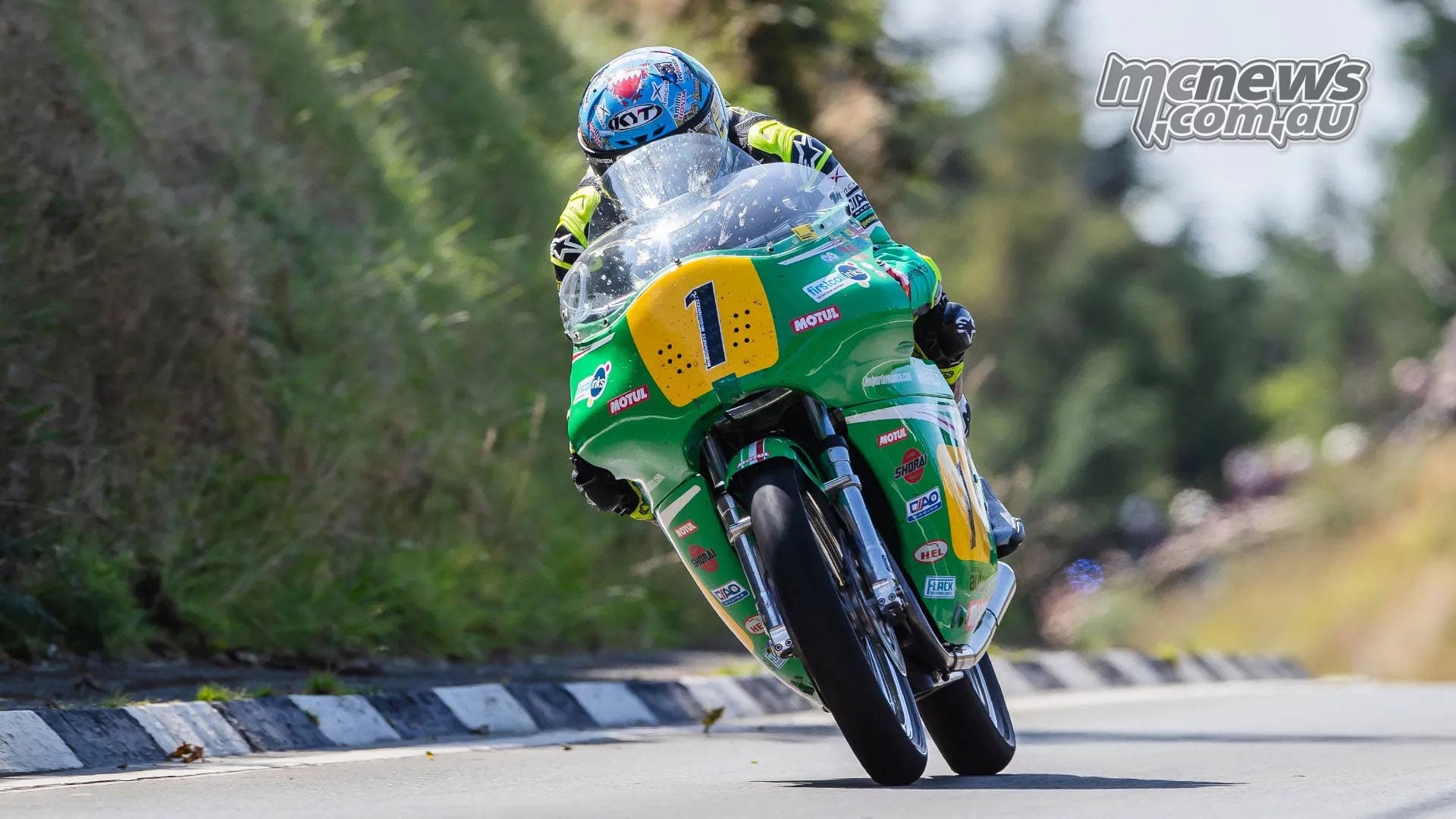
McGuinness completed the three laps in 1h00m16.380s, beating fellow Paton rider Shaun Anderson by 26.873 seconds. Mike Browne finished third on the Norton, with Barry Furber fourth and Wally Loder fifth.
The fastest lap also belonged to McGuinness, at 113.028 mph. Ben Birchall, making his solo debut at the meeting, finished seventh on a 350 cc Honda after also taking 11th in the Historic Junior.
Davo Johnson reveals extent of injuries
David Johnson’s meeting ended very differently. After finishing fifth in Formula One on the Steadplan Kawasaki ZXR, the Australian crashed at Glen Helen during the Historic Senior while riding a Manx Norton.
In an update shared around a month after the accident, Johnson said he remained in hospital in Liverpool following two successful operations. A rod had been inserted into his right femur, while surgery on his left lower leg addressed complicated fractures. He also described his left heel as having been badly shattered.
Johnson said the surgeons were pleased with the outcome of the operations. He attributed the accident to the rear inner tube bursting and described it as a freak occurrence.
David Johnson
“The crash was on the Manx Norton in the Classic Senior race caused by the rear inner tube bursting. It was an extremely hard pill to swallow, as it was a freak occurrence. No one to blame, not myself, nor the team. But on the bright side of things, it could have been worse.”
Despite the extent of his injuries, Johnson remains determined to return for the 2027 season. He thanked those who had sent messages of support and paid particular tribute to his wife, Ell Zee, for being by his side.
David Johnson
“I’ve got a long road to recovery ahead of me, but I’ll recover and will arrive formidably ready for the 2027 race season.”
Jordan survives Historic Junior attrition
Paul Jordan claimed a second successive Historic Junior victory in the two-lap race that opened the revised Classic TT programme.
Mike Browne had supplied the fastest lap, averaging 105.322 mph, but a puncture while leading on the second lap ended his victory challenge. Jordan brought his Honda home in 43m31.396s to win by 1m37.308s.
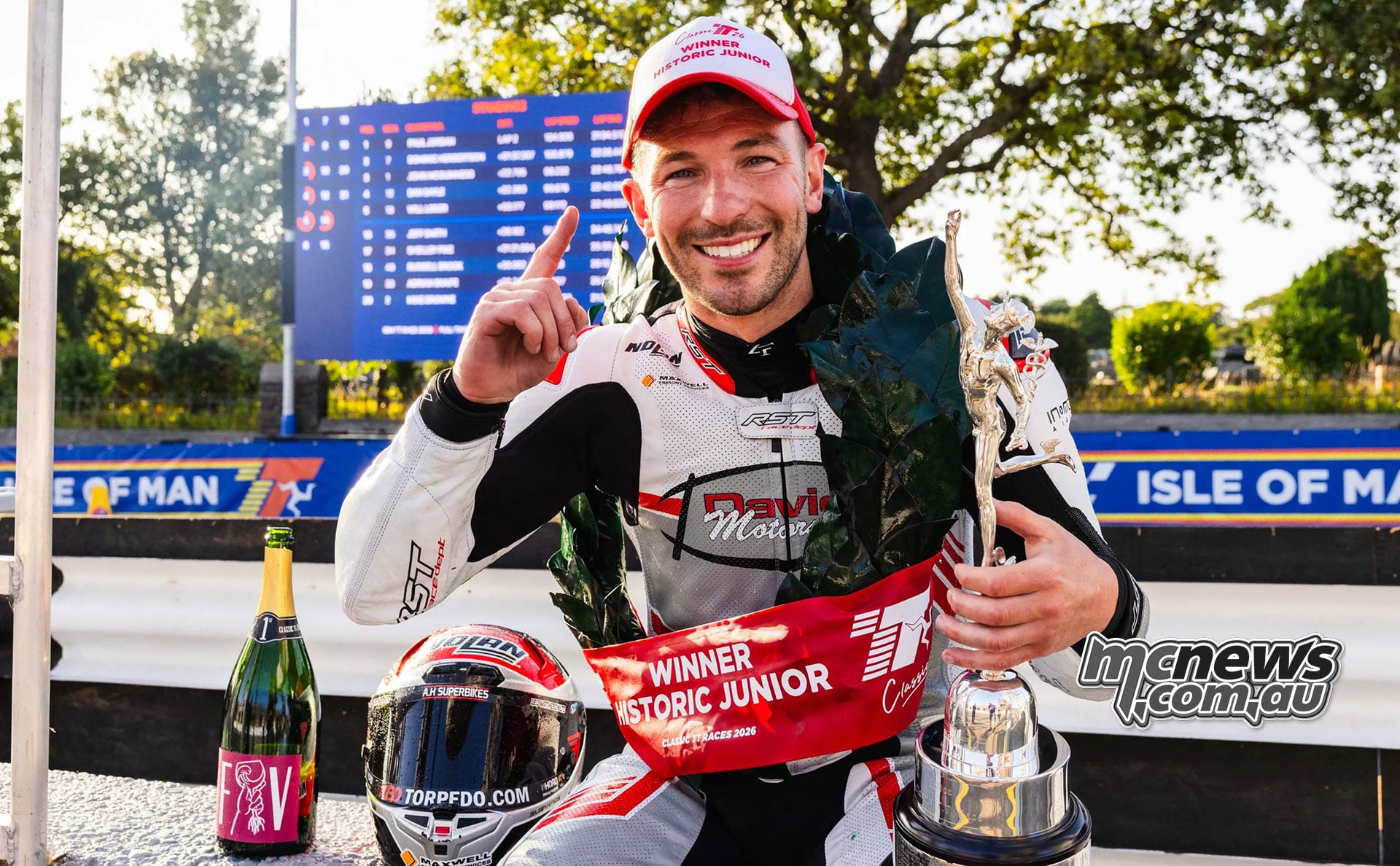
Dominic Herbertson finished second, with McGuinness third ahead of Dan Sayle and Wally Loder. The result rewarded Jordan’s pace and ability to bring the machinery home, while giving McGuinness a podium before his Historic Senior success.
A borrowed engine wins the first Junior 600
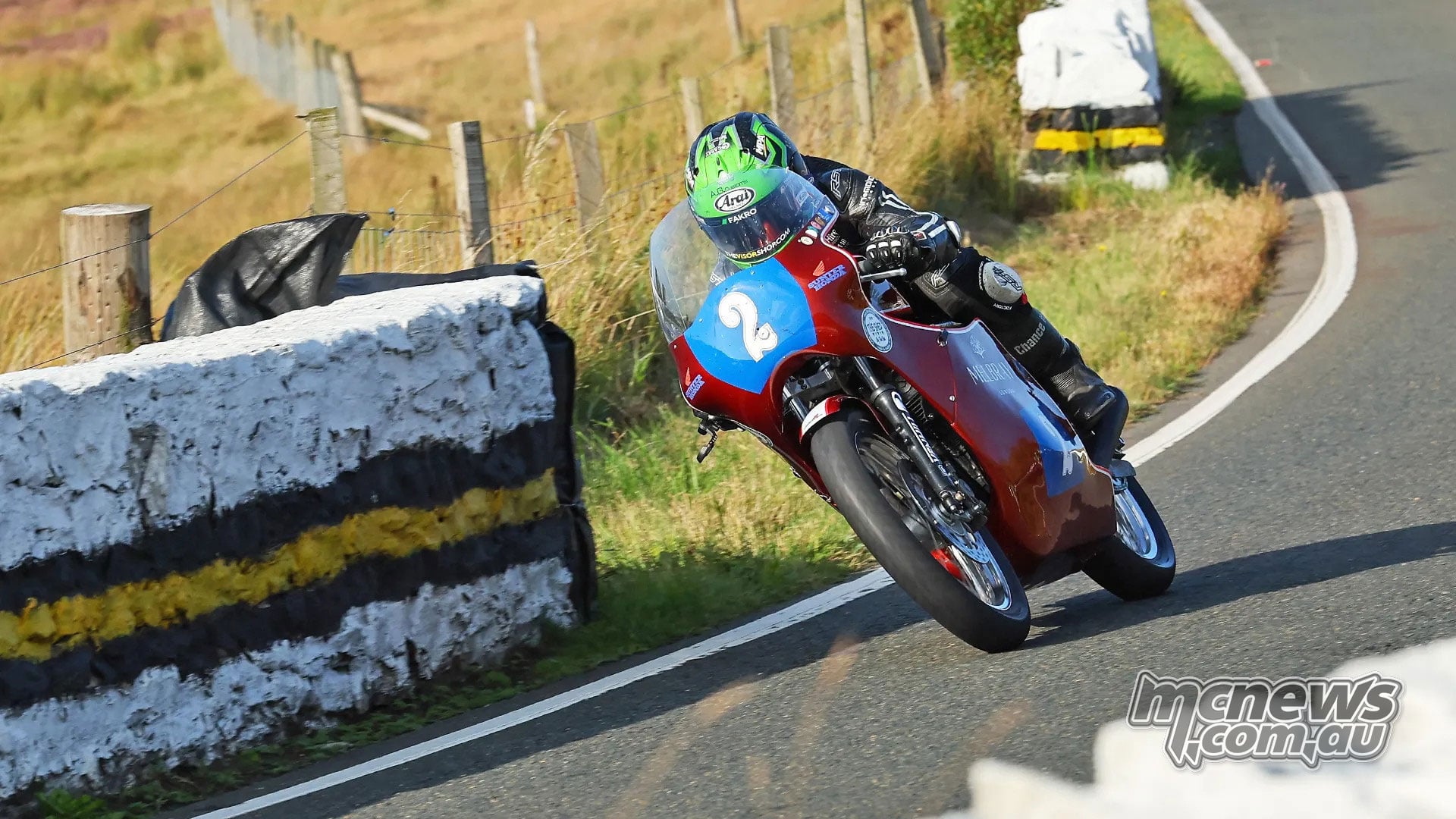
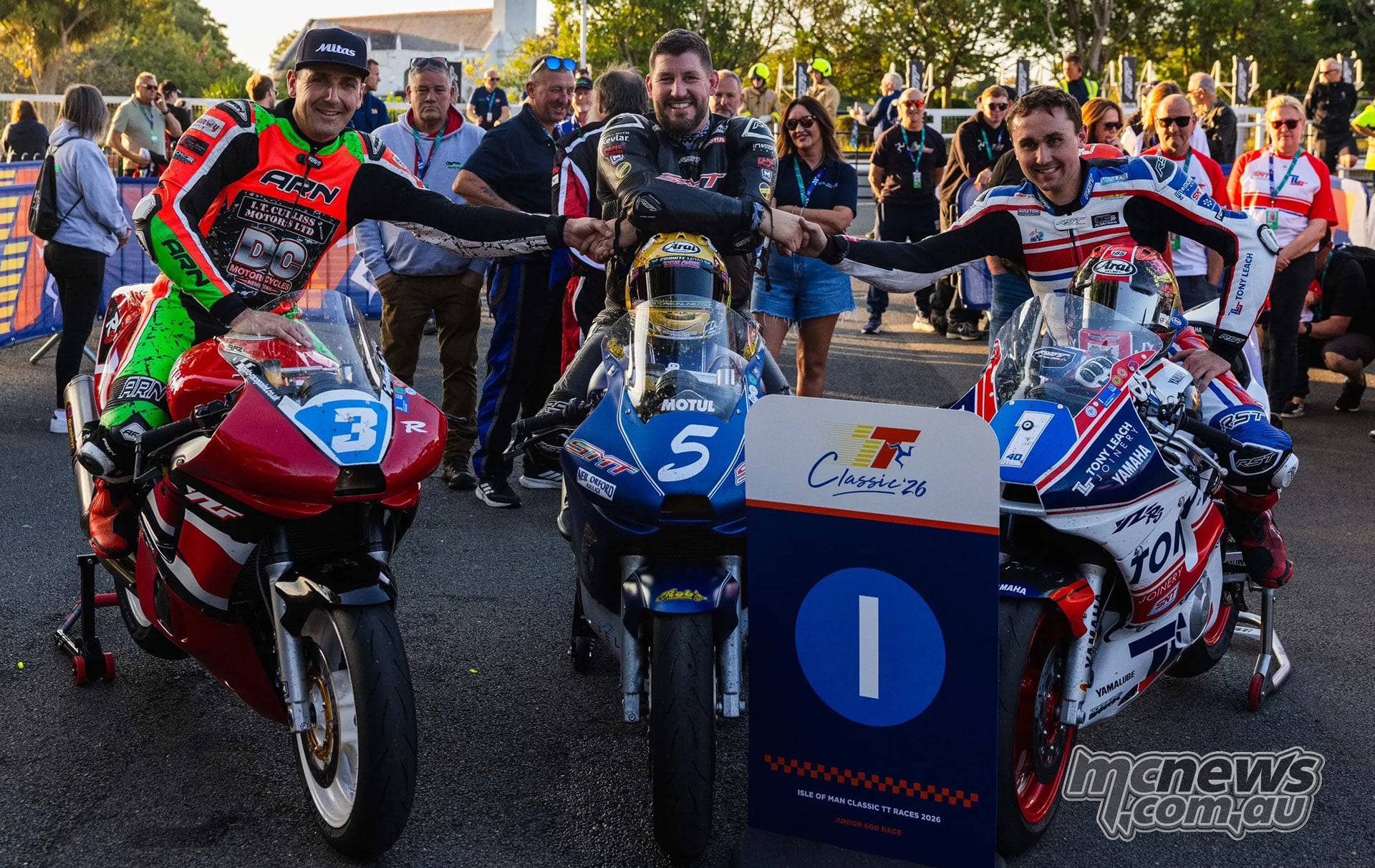
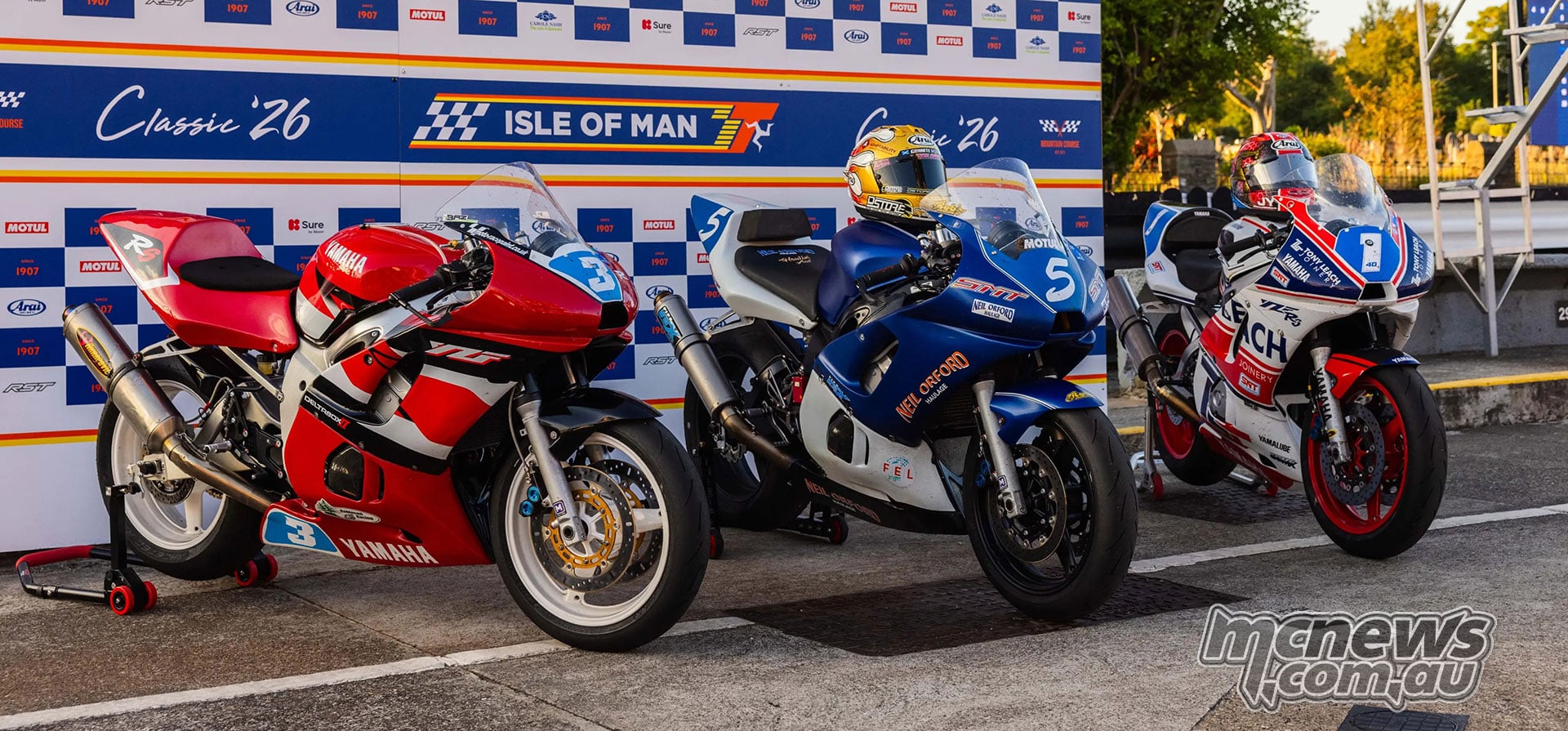
The inaugural Junior 600 race delivered one of the meeting’s best paddock stories. Rob Hodson won on a Yamaha fitted with an engine loaned through Barry Furber and Martin Robinson, then shared the podium with Furber.
Hodson completed the two laps in 37m45.087s, with a fastest lap of 120.276 mph. His winning margin was 24.321 seconds.
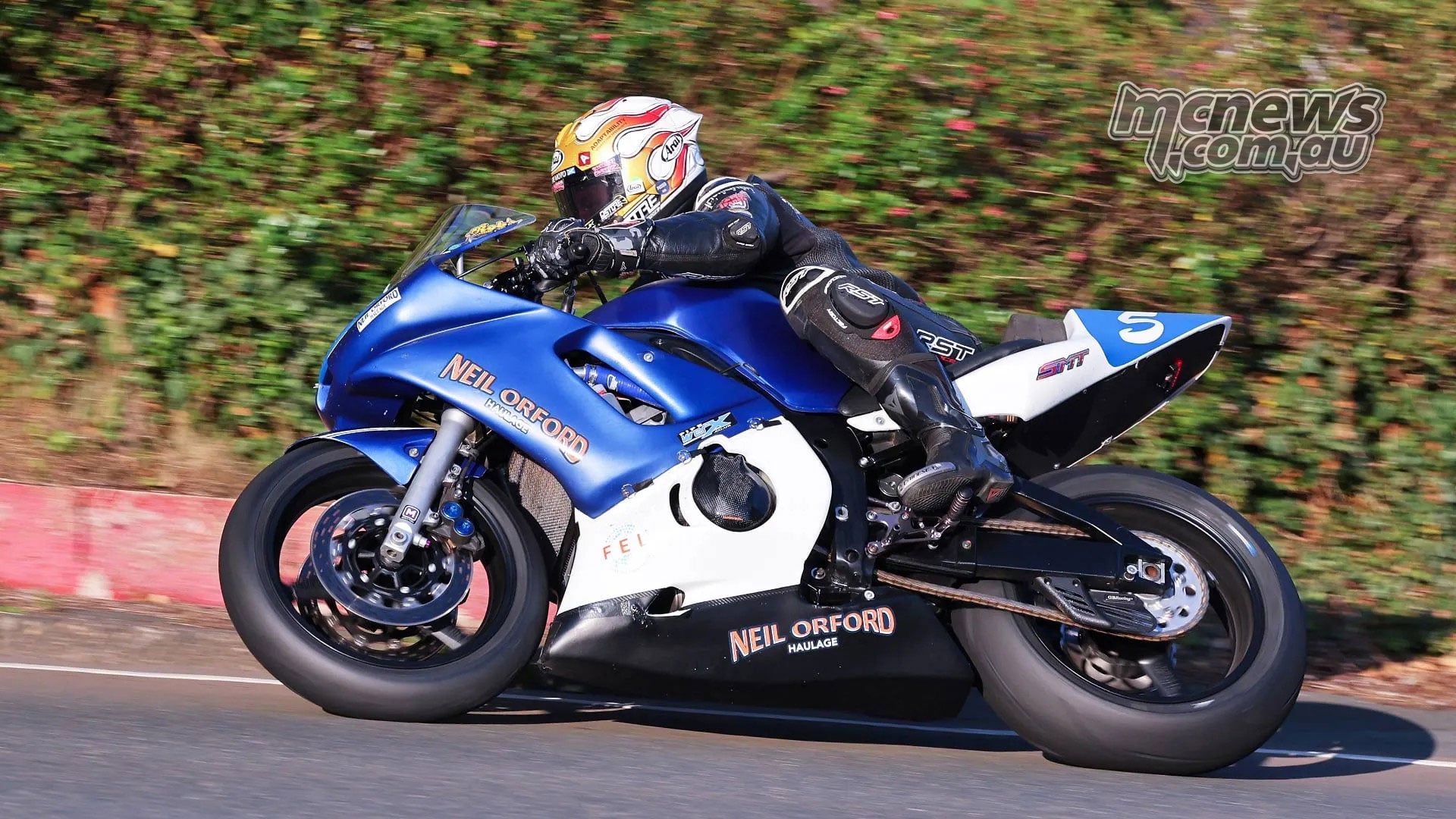
The contest for second was much tighter. Furber encountered fuel starvation but held on to beat James Yeardsley by just 0.409 seconds. Yeardsley’s final lap averaged 120.091 mph.
Michael Russell and Richard Whitehall completed an all-Yamaha top five. The new class immediately produced competitive racing and a winning story built on rivals’ willingness to help one another reach the start line.
Loughlin breaks a 33-year benchmark
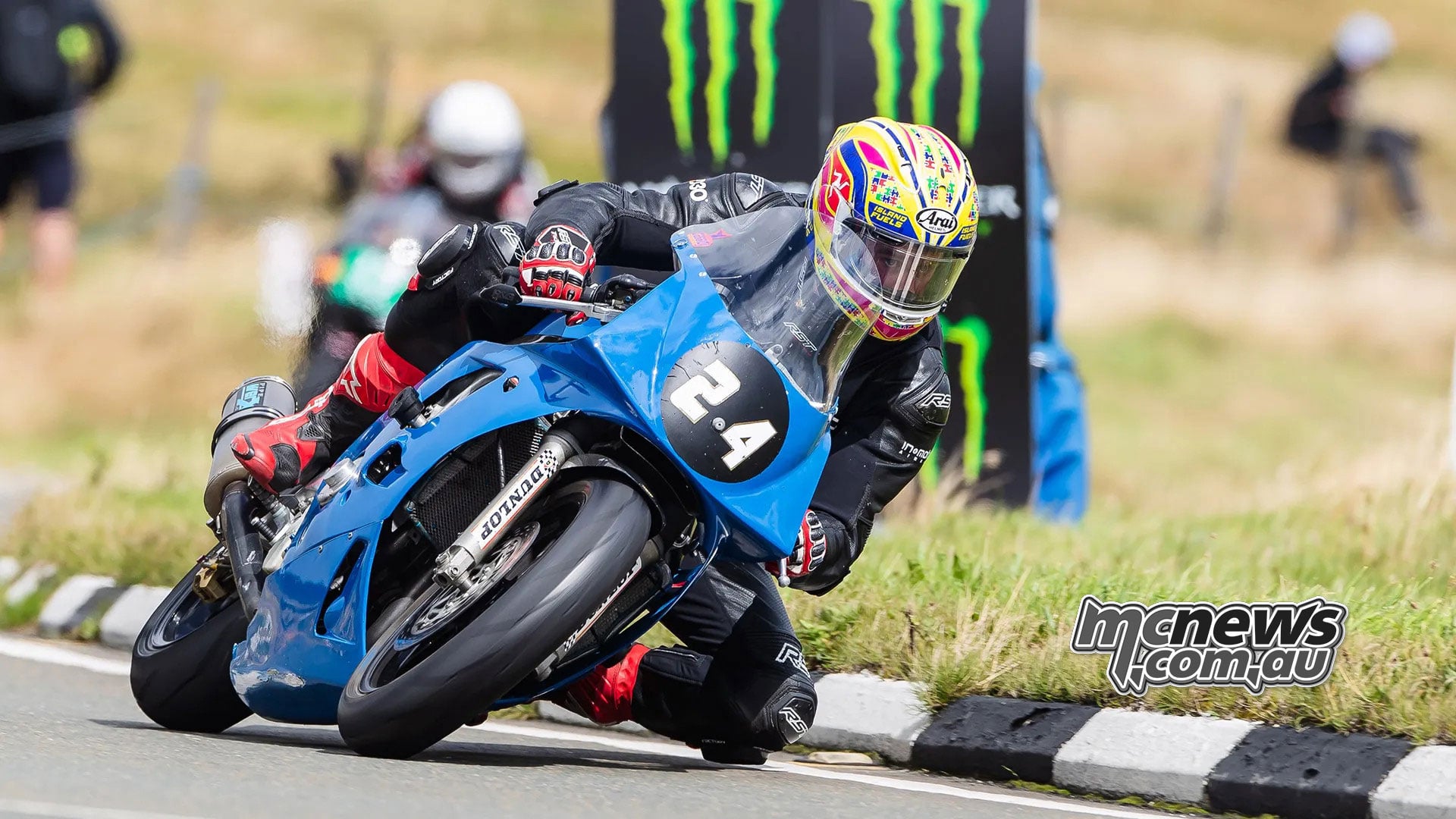
Joe Loughlin supplied another significant lap record in Ultra Lightweight, taking the 400 cc Mountain Course benchmark to 113.524 mph.
That surpassed Jim Moodie’s 112.40 mph record from 1993, linking the new category directly with an earlier era of TT competition.
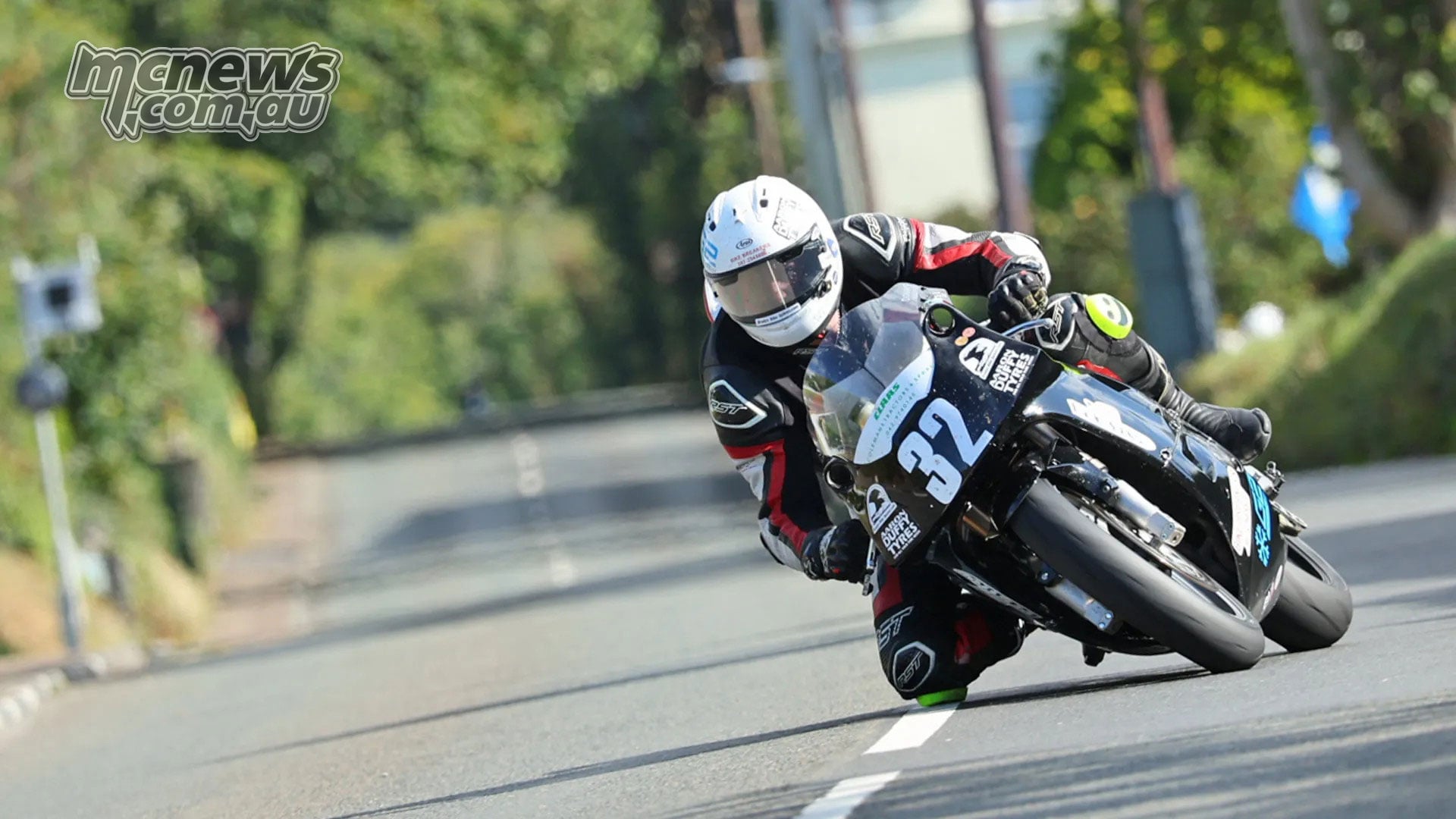
Loughlin won the three-lap race by 22.370 seconds from Oisin Monaghan, with Paul Cassidy third. Stephen Price finished fourth, while Tom Snow was fifth overall and the leading 125 cc finisher.
Run alongside the Lightweight race, Ultra Lightweight added another distinct sound and style of motorcycle to the meeting, while providing a platform for a record that had stood for more than three decades to finally fall.
An anniversary lap to close the meeting
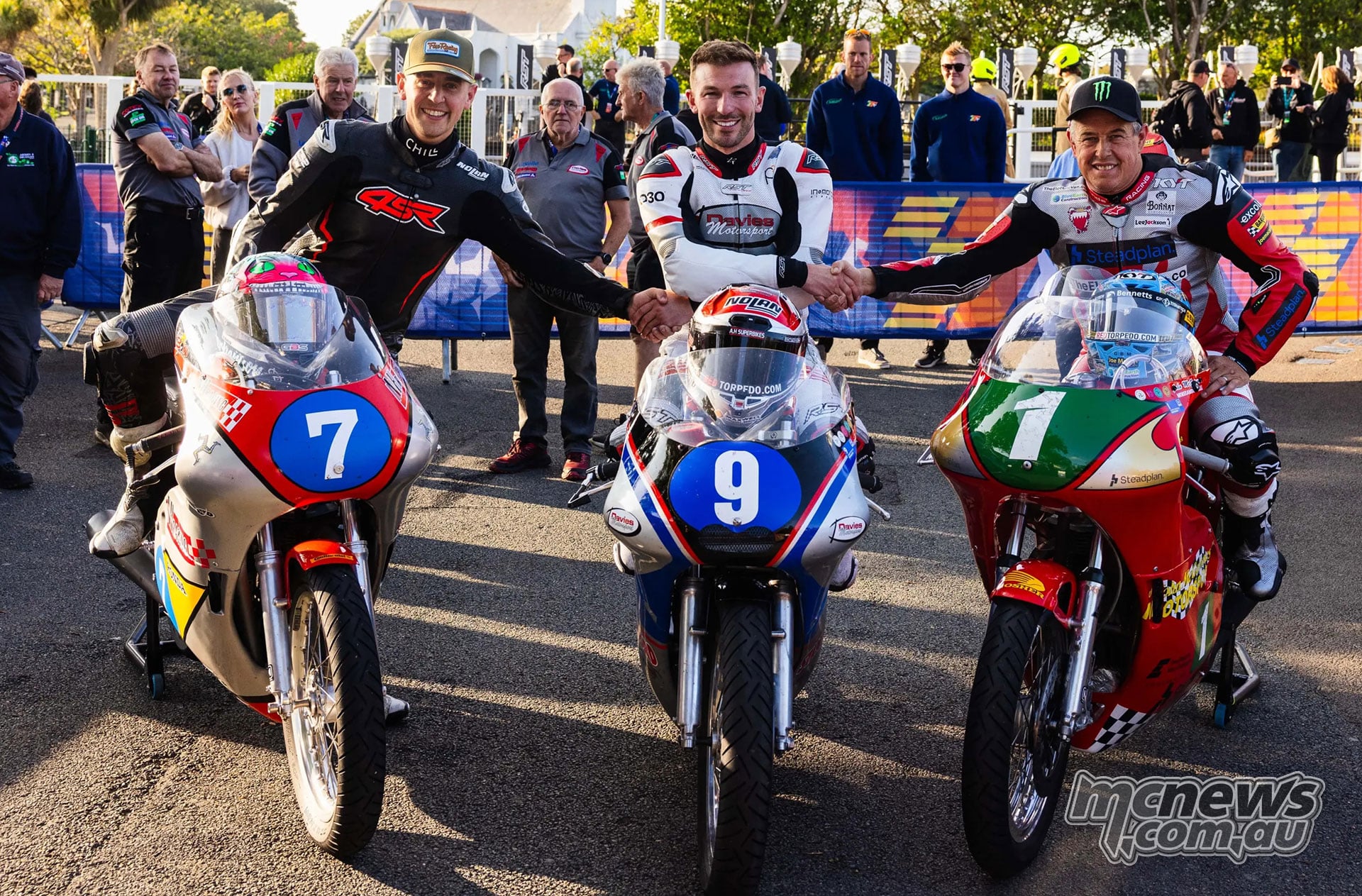
McGuinness’s anniversary was also recognised with a special parade featuring riders and motorcycles associated with his career and the history of the TT. It provided an opportunity to appreciate the machinery and personalities without the stopwatch determining the result.
Alongside his Historic Senior victory, it gave the anniversary substance both on and off the podium. Thirty years after his first TT appearance, McGuinness remained part of the event’s competitive present as well as its history.
The completed programme offered plenty to celebrate: Dunlop’s treble, McGuinness’s milestone, new winners, lap records and the successful introduction of another generation of machinery. The early decision to move races forward made much of that possible.
Yet completion was only one measure of the meeting. The deaths of Mauro Poncini and Sam Naughton, and the injuries sustained by competitors including Johnson, remain part of its legacy. The 2026 Classic TT delivered exceptional racing over a fortnight, but also brought profound loss.
100th Senior TT anchors revised 2027 programme
Looking ahead to the main Isle of Man TT in 2027, organisers have announced a revised nine-race programme centred on the 100th running of the Senior TT. These dates apply to the main TT, not the Classic TT.
Qualifying will run from Monday, May 31 to Friday, June 4, retaining the session structure used in 2026. Racing begins on Saturday, June 5 and concludes on Saturday, June 12.
The six-lap Superbike TT returns to the opening Saturday, followed by the first four-lap Supersport race on Sunday. Organisers say Sunday’s shorter road-closure window is better suited to a four-lap contest, while the arrangement also provides flexibility if Saturday’s programme is disrupted.
Monday and Thursday are designated contingency days. The 100th Senior TT is scheduled for Friday, June 11, over six laps, leaving Saturday as a further opportunity to run it if weather or other delays intervene.
The reduction from ten races to nine comes through Superstock moving from two three-lap races to one four-lap contest. Both Sportbike races increase from three to four laps. Supersport retains two four-lap races, while Superbike and Senior remain six-lap events.
Sidecars are scheduled for two two-lap races in a transitional format. Their return remains subject to the successful completion of the ongoing technical, operational and governance work surrounding the class.
Paul Phillips – Head of Motorsport, Isle of Man TT Races
“For 2027, we believe the right balance is nine substantial and clearly defined races. Moving from two Superstock races to one allows us to give the remaining Superstock race and both Sportbike races greater substance, create more recovery time within the programme and provide better protection around the Superbike and Senior TTs.
“This is an evolution rather than a return to the programme that existed before 2023. It retains the stronger two-weekend structure while giving each race day a clear purpose. Superbike provides an immediate headline race on the opening Saturday, while placing the 100th Senior on Friday allows us to build the day around that historic occasion and retain Saturday as a genuine contingency opportunity.”
The anniversary will also be marked by a curated exhibition, archive films, new features and interviews with former winners. The programme will trace the Senior TT through its early years, the Hailwood, Dunlop and Hislop eras, and the modern age of 130 mph-plus laps.
2027 Isle of Man TT race schedule
| Date | Race / Session | Laps |
|---|---|---|
| 31 May–4 June | Qualifying | — |
| Sat 5 June | RST Superbike TT | 6 |
| Sun 6 June | Monster Energy Supersport TT 1 | 4 |
| Mon 7 June | Contingency day | — |
| Tue 8 June | RL360 Superstock TT | 4 |
| Tue 8 June | Motul Sidecar TT 1 | 2 |
| Wed 9 June | Monster Energy Supersport TT 2 | 4 |
| Wed 9 June | Carole Nash Sportbike TT 1 | 4 |
| Thu 10 June | Contingency day | — |
| Fri 11 June | Milwaukee Senior TT – 100th running | 6 |
| Sat 12 June | Motul Sidecar TT 2 | 2 |
| Sat 12 June | Carole Nash Sportbike TT 2 | 4 |
Saturday, June 12 also provides a contingency opportunity for the Senior TT. The Sidecar programme remains conditional on completion of the work outlined above.
2026 Classic TT results
Top five finishers in each class are listed below. The winner’s total race time is shown, followed by each rider’s gap to the winner.
Historic Junior – 2 laps
| Pos | Rider / Bike | Time/Gap |
|---|---|---|
| 1 | Paul Jordan – Honda 350 | 43m31.396 |
| 2 | Dominic Herbertson – Honda 350 | +1m37.308 |
| 3 | John McGuinness – Honda 350 | +2m00.103 |
| 4 | Dan Sayle – Honda 350 | +2m22.486 |
| 5 | Wally Loder – Greeves 350 | +2m25.663 |
Fastest lap: Mike Browne – 21:29.640 / 105.322 mph.
Formula One – 3 laps
| Pos | Rider / Bike | Time/Gap |
|---|---|---|
| 1 | Michael Dunlop Suzuki 750 | 53m32.950 |
| 2 | Jamie Coward – Kawasaki 750 | +20.579 |
| 3 | Mike Browne – Kawasaki 750 | +27.525 |
| 4 | Nathan Harrison -Kawasaki 750 | +36.414 |
| 5 | David Johnson -Kawasaki 750 | +1m06.434 |
Fastest lap: Michael Dunlop – 17:32.294 / 129.078 mph.
Lightweight – 3 laps
| Pos | Rider / Bike | Time/Gap |
| 1 | Michael Dunlop – Honda 250 | 57m44.4 |
| 2 | Michael Sweeney -Yamaha 250 | +3m03.560 |
| 3 | Rhys Hardisty – Yamaha 250 | +3m46.488 |
| 4 | Mark Grigson – Yamaha 250 | +6m09.884 |
| 5 | Wally Loder – Yamaha 250 | +9m31.350 |
Fastest lap: Michael Dunlop – 19:00.638 / 119.081 mph.
Ultra Lightweight – 3 laps
| Pos | Rider / Bike | Time/Gap |
| 1 | Joe Loughlin Kawasaki 400 | 1m01:27.415 |
| 2 | Oisin Monaghan Kawasaki 400 | +22.370 |
| 3 | Paul Cassidy Yamaha 400 | +1m11.805 |
| 4 | Stephen Price Kawasaki 400 | +5m01.707 |
| 5 | Tom Snow Honda 125 | +5m48.788 |
Fastest lap: Joe Loughlin – 19:56.475 / 113.524 mph.
Historic Senior – 3 laps
| Pos | Rider / Bike | Time/Gap |
|---|---|---|
| 1 | John McGuinness Paton 500 | 1m00:16.380 |
| 2 | Shaun Anderson Paton 500 | +26.873 |
| 3 | Mike Browne Norton 500 | +54.237 |
| 4 | Barry Furber – Honda 500 | +4m05.932 |
| 5 | Wally Loder – Seeley 500 | +6m05.115 |
Fastest lap: John McGuinness – 20:01.725 / 113.028 mph.
Junior 600 – 2 laps
| Pos | Rider / Bike | Time/Gap |
|---|---|---|
| 1 | Rob Hodson – Yamaha 600 | 37m45.087 |
| 2 | Barry Furber – Yamaha 600 | +24.321 |
| 3 | James Yeardsley – Yamaha 600 | +24.730 |
| 4 | Michael Russell – Yamaha 600 | +36.249 |
| 5 | Richard Whitehall – Yamaha 600 | +44.909 |
Fastest lap: Rob Hodson – 18:49.299 / 120.276 mph.
Senior – 4 laps
| Pos | Rider / Bike | Time/Gap |
|---|---|---|
| 1 | Michael Dunlop – Suzuki 750 | 1m11:47.331 |
| 2 | Jamie Coward – Kawasaki 750 | +11.681 |
| 3 | Nathan Harrison – Kawaski 750 | +45.637 |
| 4 | Shaun Anderson – Suzuki 750 | +1m25.196 |
| 5 | James Yeardsley – Kawasaki 750 | +2m33.539 |
Fastest lap: Michael Dunlop – 17:36.238 / 128.596 mph.