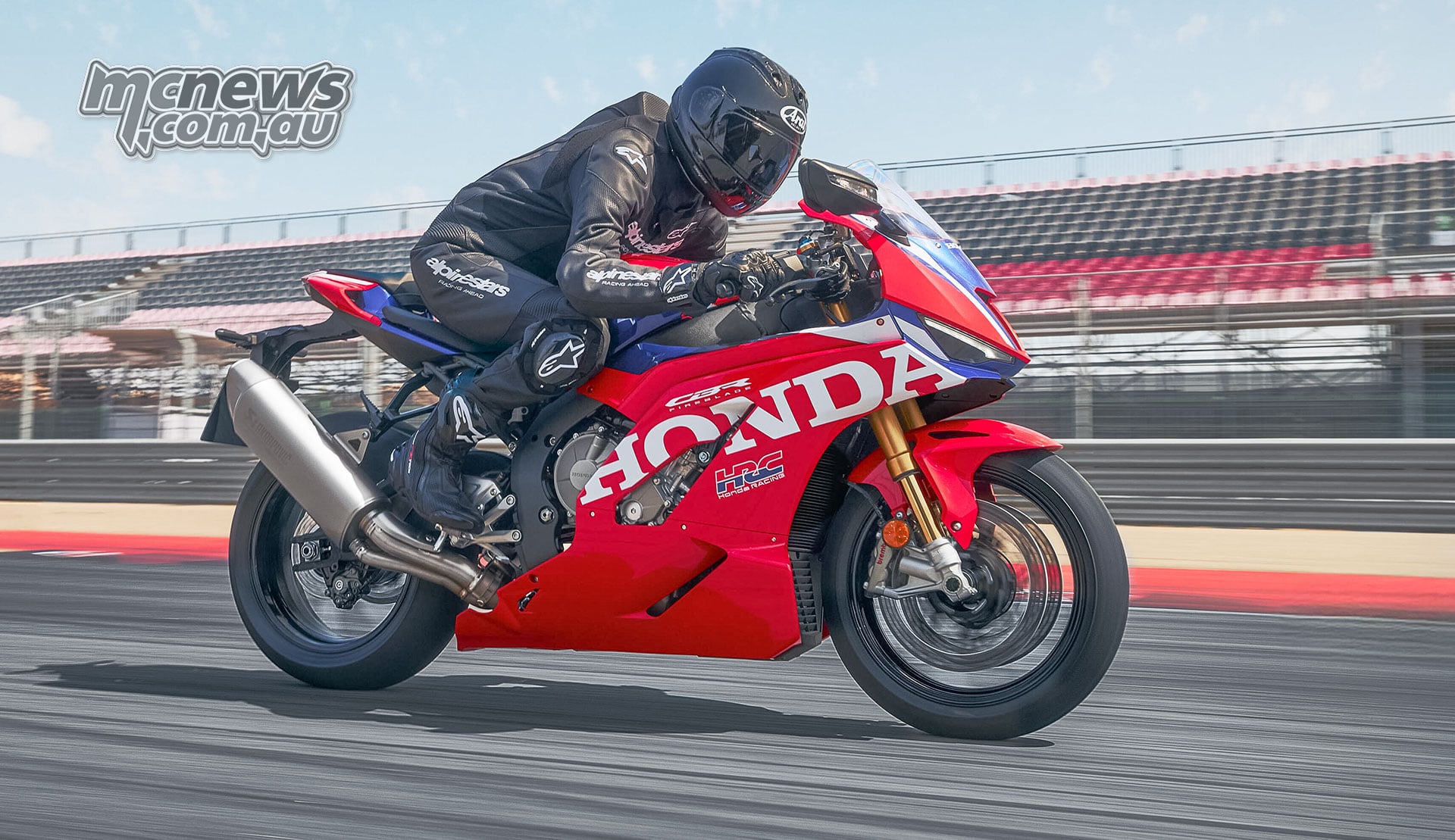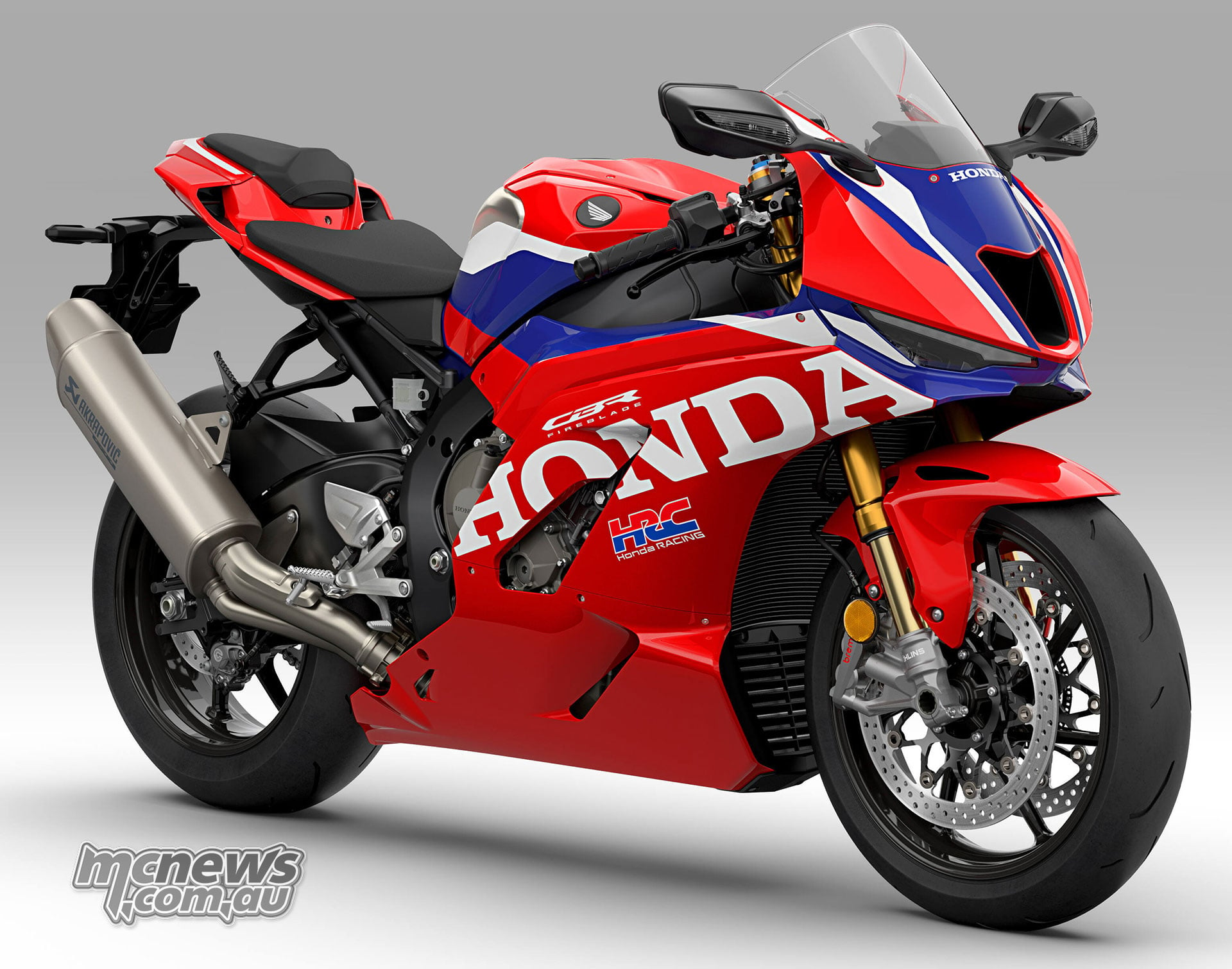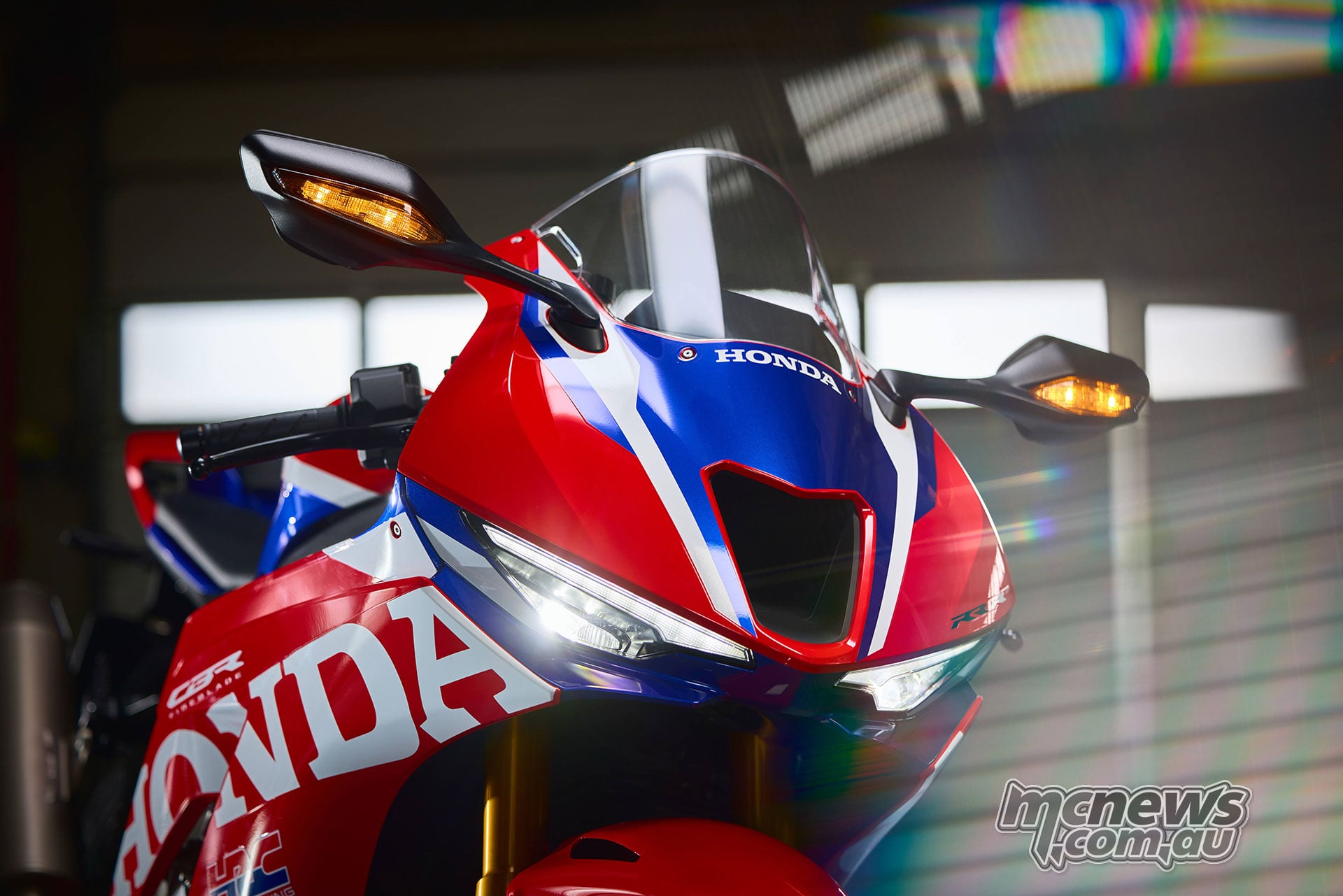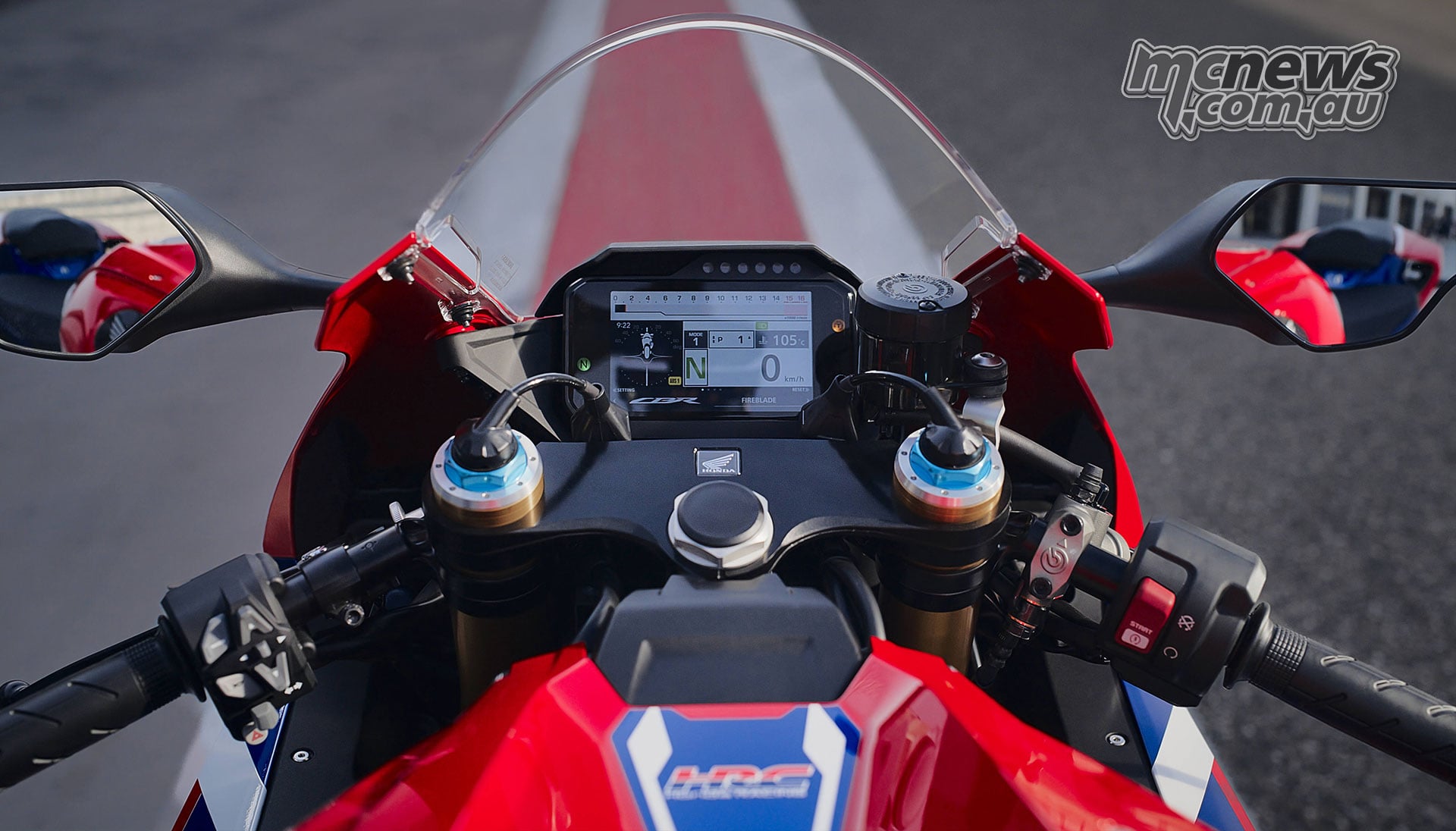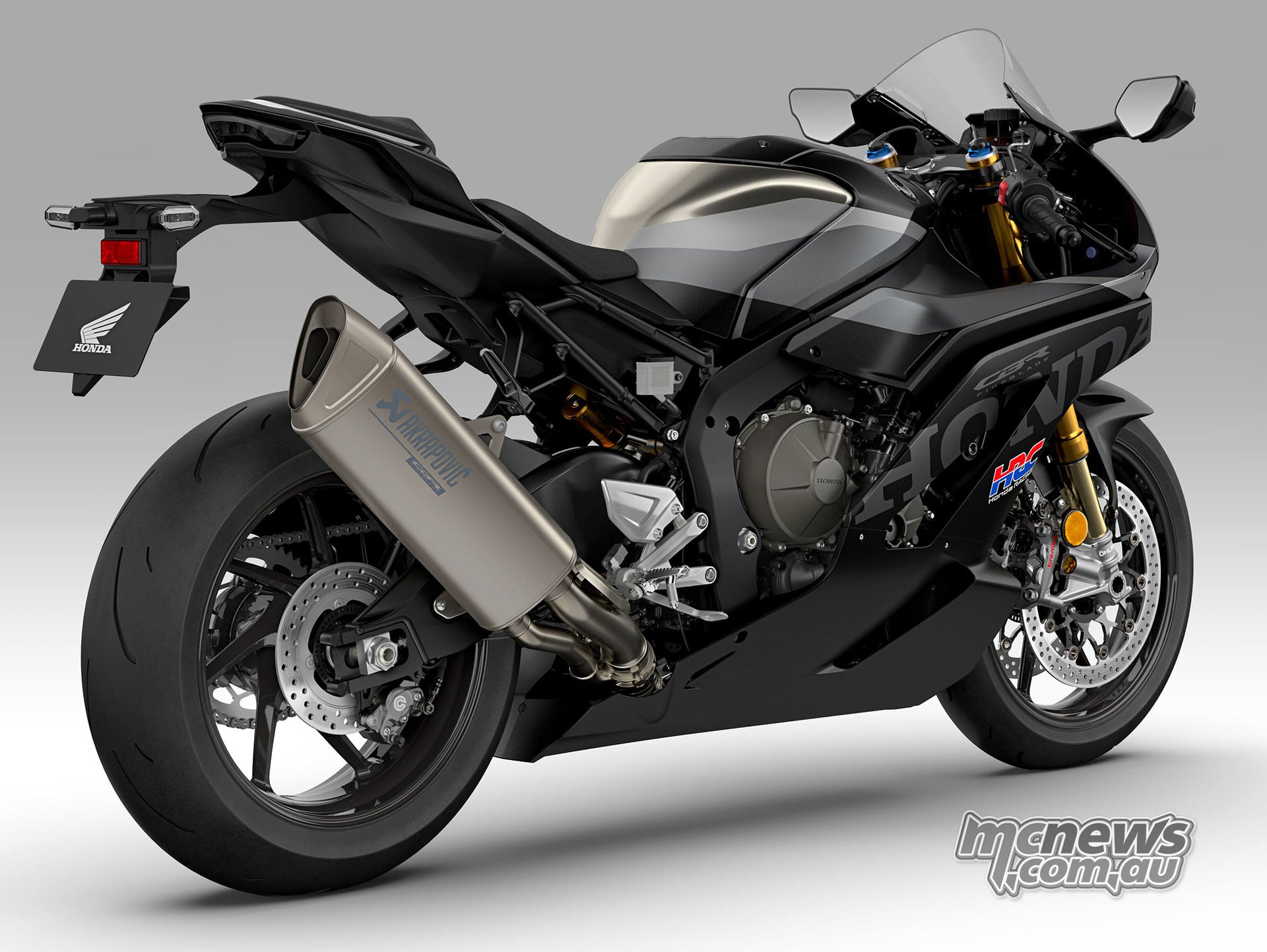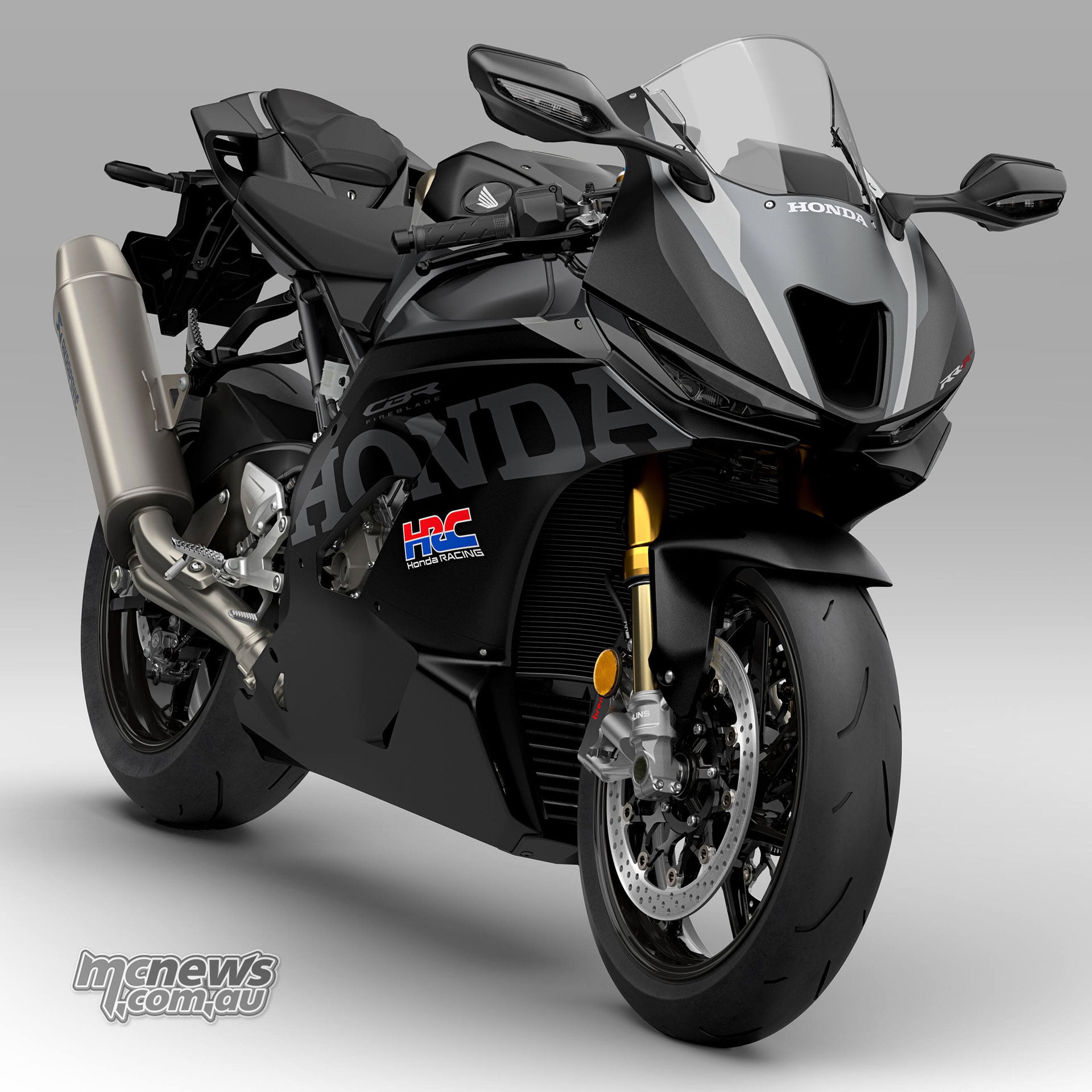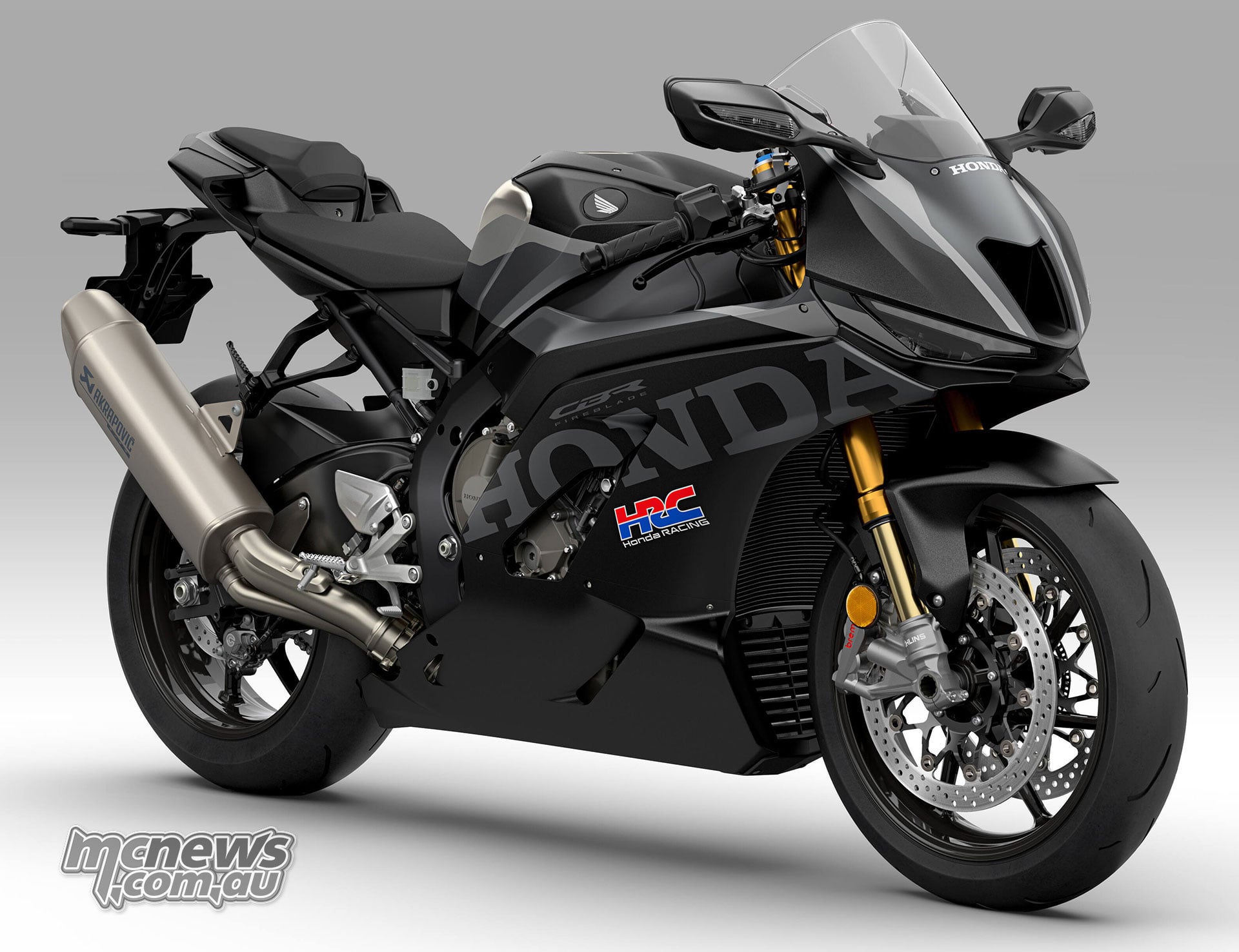


2027 Honda Fireblade
WorldSBK focus and HRC Works Edition
Power has not been in short supply on Honda’s recent Fireblades. The production bike has often been a front-runner in sportsbike comparisons, yet its World Superbike results have seldom reflected that promise.
For 2027, Honda says it has changed the order of business. Its development engineers worked with HRC’s WorldSBK team to establish what the race bike needed first. Development of the motorcycle destined for the showroom followed.
The result is a substantially revised CBR1000RR-R Fireblade, a new SP and an additional HRC Works Edition. Peak power remains 160 kW, or around 215 hp. The big changes concern what happens before, through and after a corner.
WorldSBK sets the brief
The Fireblade’s racing record needs some perspective. Honda has enjoyed considerable success in Japan and World Endurance, while Ryan Vickers took five British Superbike victories on the Fireblade in 2026. F.C.C. TSR Honda France won at Spa in 2025, and there have been TT victories and Superstock titles too.
WorldSBK has been the conspicuous disappointment. The reasons for that cannot be reduced to the specifications of the road bike. Team structures, development decisions, electronics, tyres and the riders themselves all contribute to the performance of the racing package.
Honda’s response for 2027 includes substantial changes to the motorcycle itself, with corner entry, mid-corner speed and acceleration off the turn driving the development work.
More feel, less stiffness
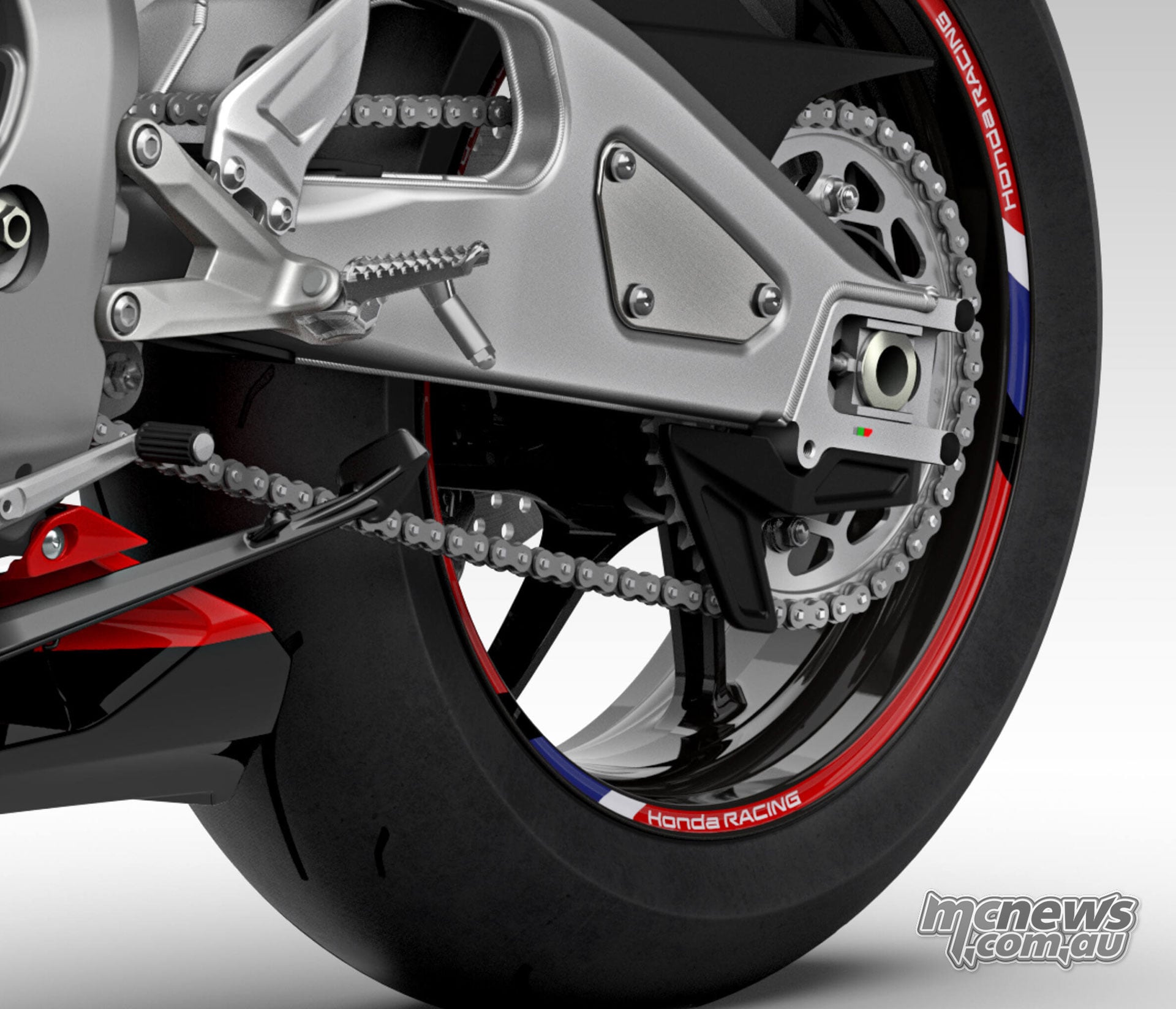
The new aluminium frame has 20 per cent less lateral stiffness, while the redesigned swingarm loses 12 per cent of its lateral rigidity without sacrificing torsional rigidity. Honda is looking for better grip feel and cornering performance from that additional flexibility.
This continues a direction already evident in the 2024 Fireblade update, which also sought a more compliant chassis. The 2027 changes extend to the engine mounts and rear suspension mounting arrangement.
Weight distribution moves forward, from 52.8 to 53.3 per cent over the front wheel, while the crankshaft centreline rises 5.2 mm. The rider sits higher too, with an 843 mm seat on the standard model and SP, increasing to 847 mm on the Works Edition.
New seven-spoke wheels save a combined 780 grams, the swingarm is 200 grams lighter and a switch from a 525 to a 520 chain removes another 270 grams. These are small savings individually, but they target components that matter to suspension response and the effort required to change direction.
The engine stays at 160 kW
Honda has retained the engine’s 160 kW peak at 14,000 rpm, with maximum torque now quoted at 114 Nm at 10,500 rpm. The development emphasis is on stronger mid-range delivery and a lighter engine.
New two-stage variable intake funnels use a longer configuration below 11,750 rpm, then shorten above that point to preserve top-end performance. Compression rises from 13.6:1 to 13.8:1, accompanied by revised cam timing, valve-train changes and more precisely machined piston crowns and combustion chambers.
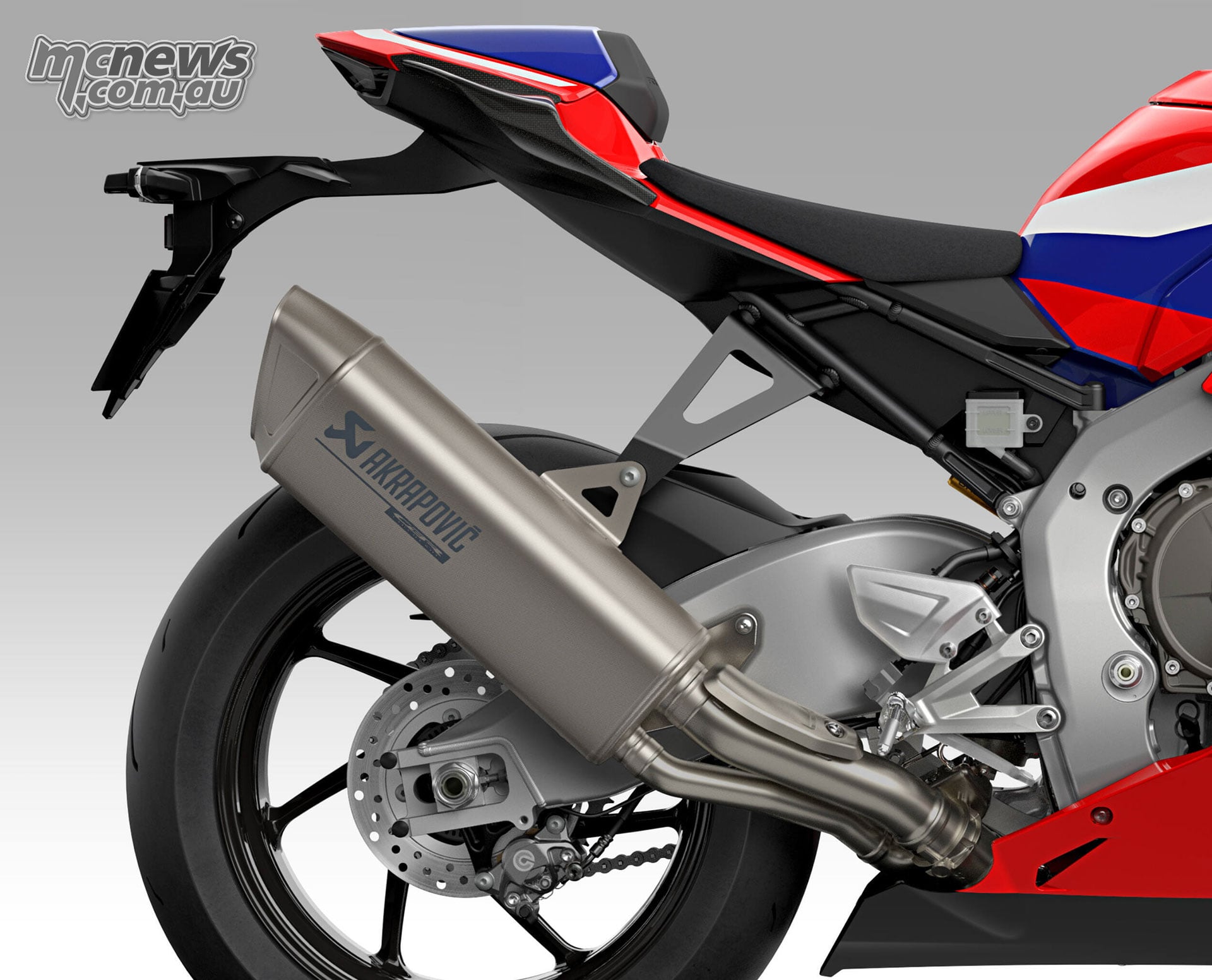
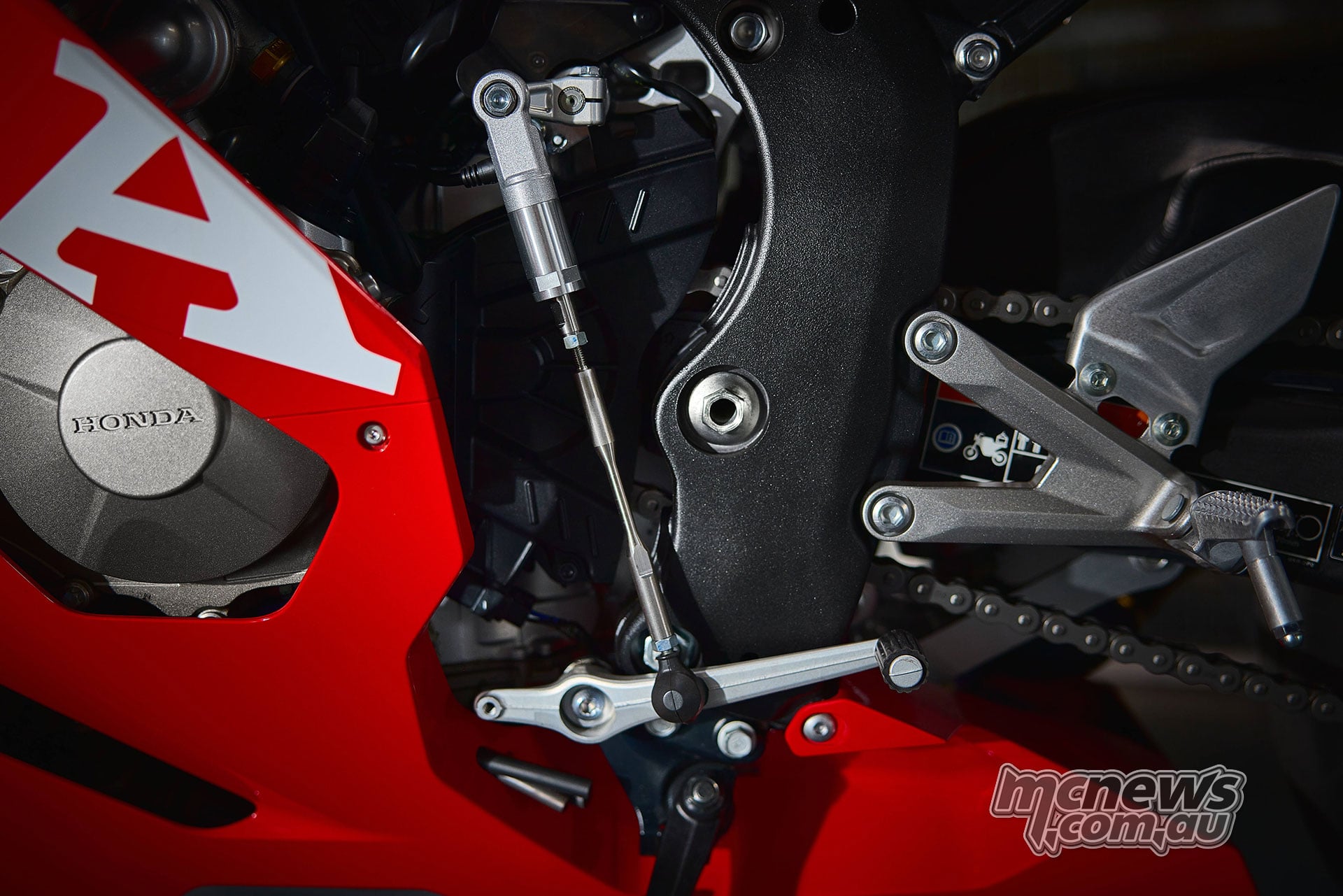
The existing two-motor throttle system remains, with revised electronic settings to suit the engine and chassis. Magnesium covers, lighter crankcases and aluminium fasteners trim weight, while changes to gearbox shaft spacing give race teams more scope to alter ratios. First gear is five per cent taller.
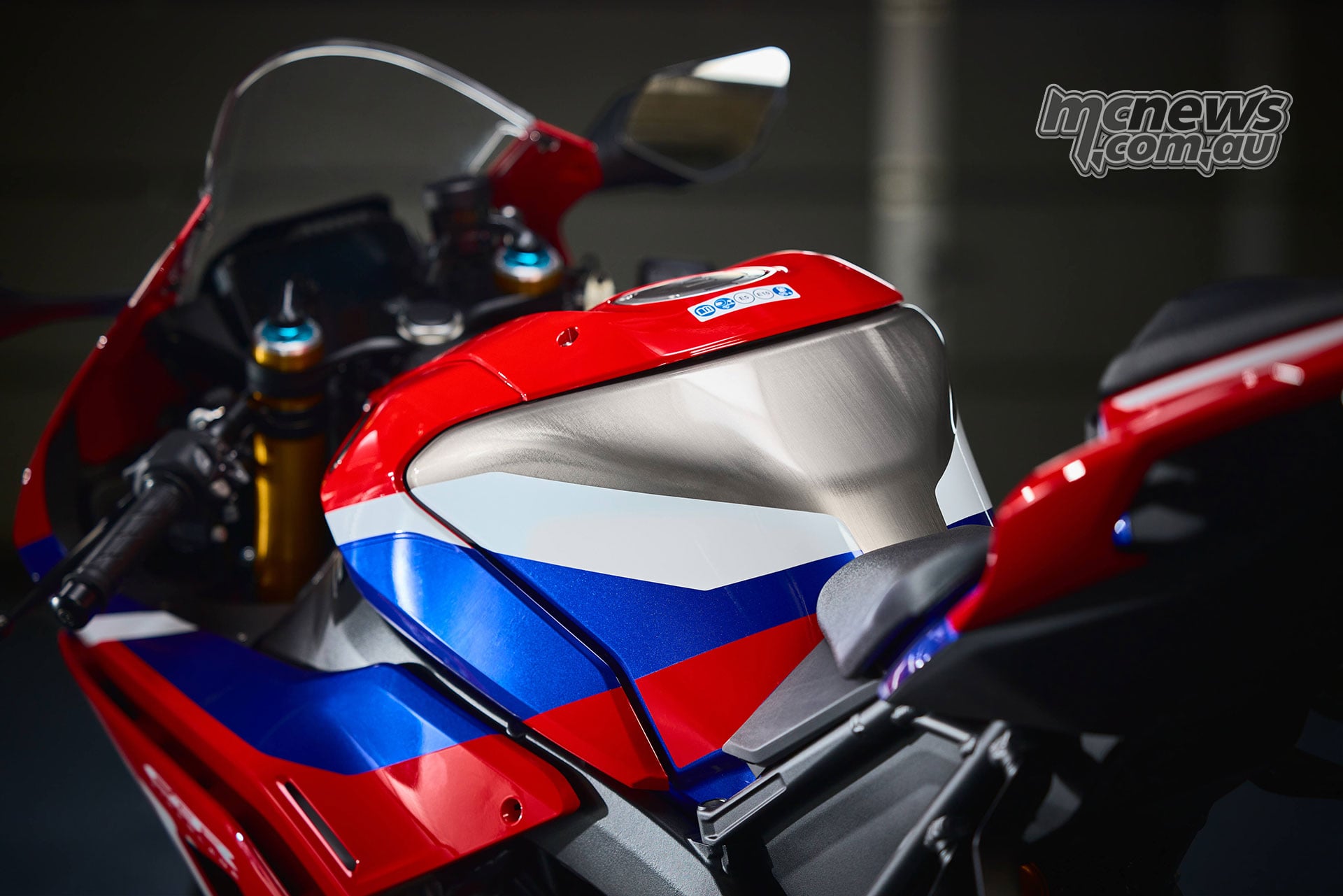
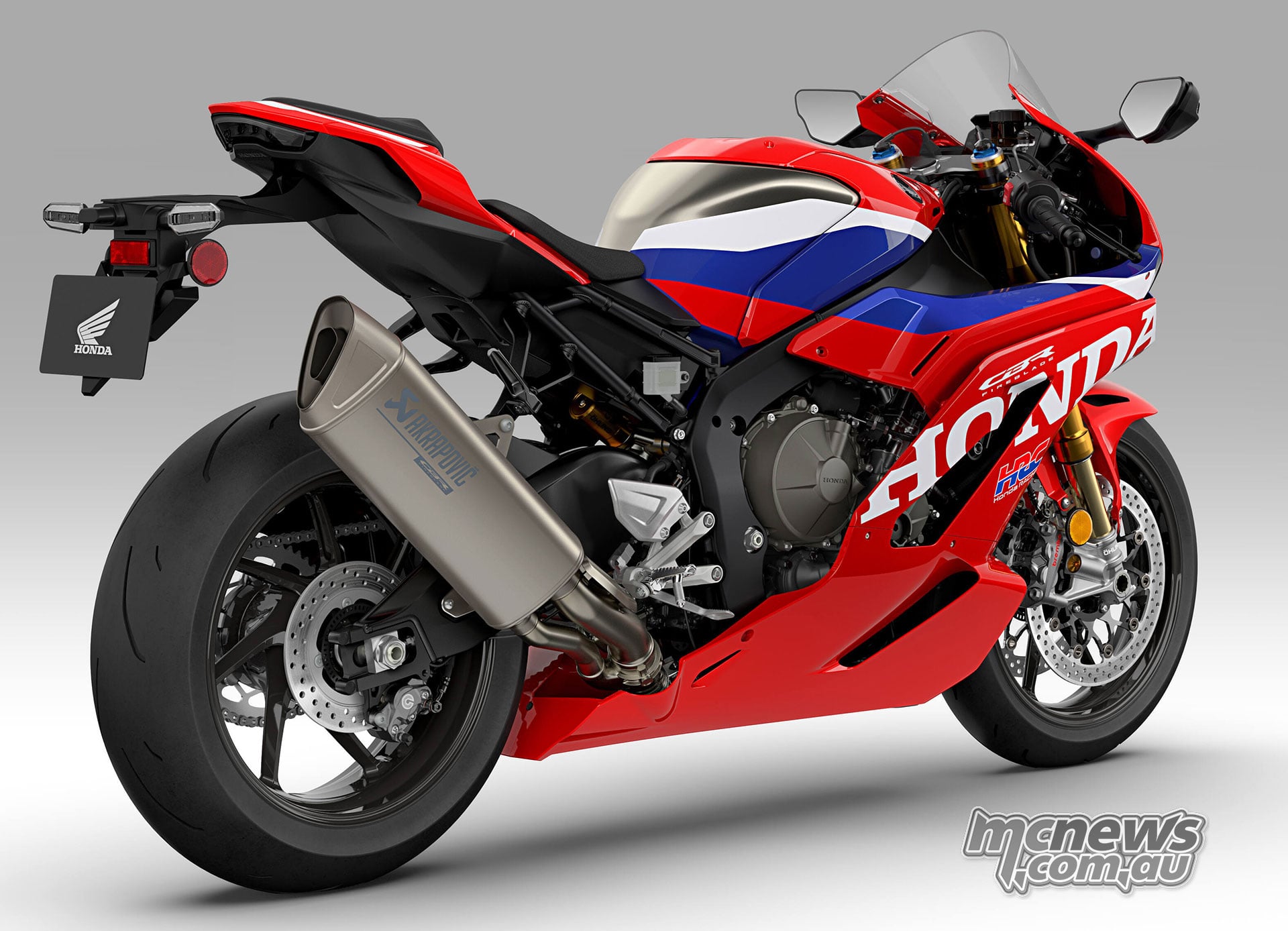
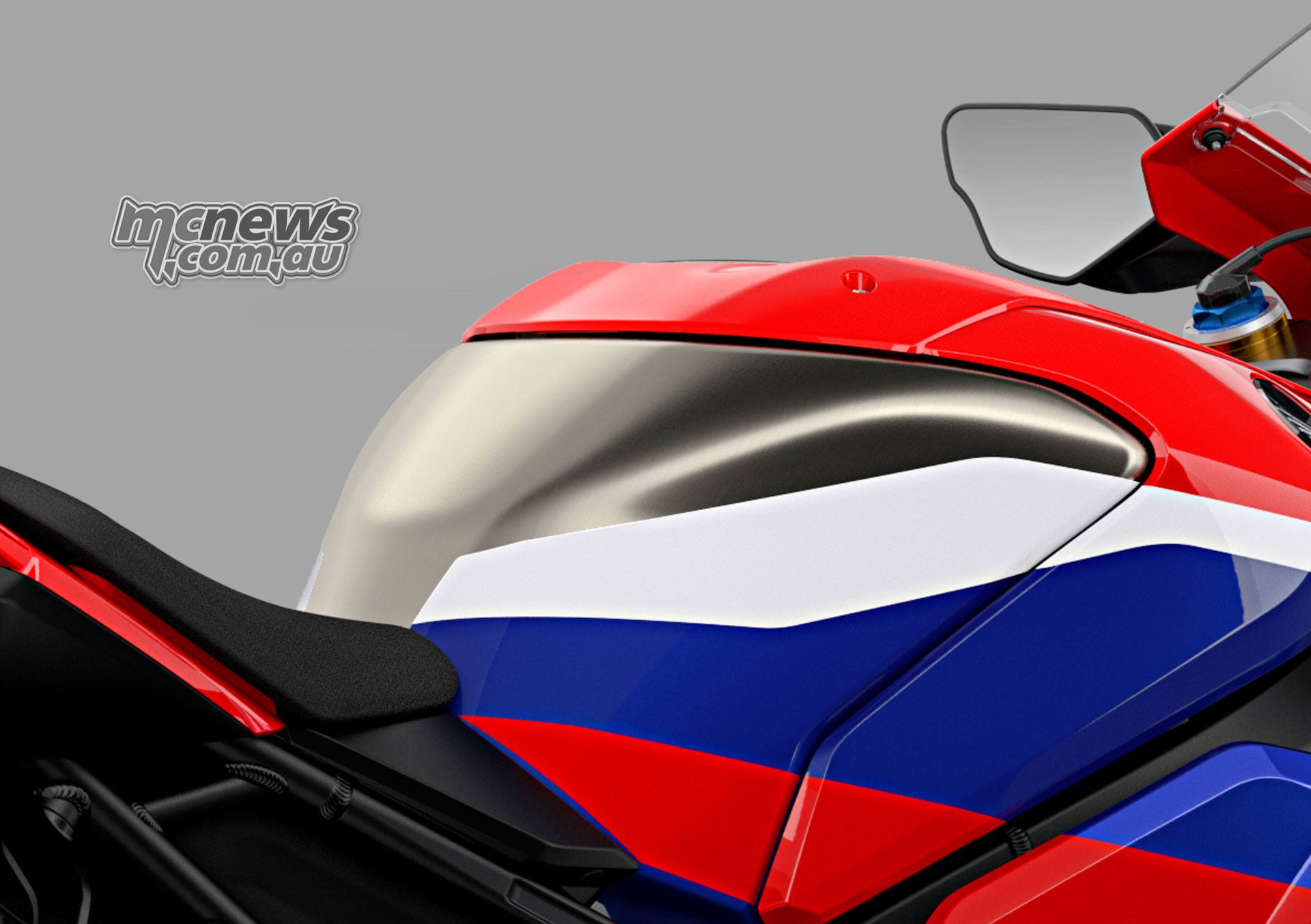
The titanium fuel tank also loses its external plastic cover. On the SP, clear coat leaves the brushed metal visible. Honda claims a 1.4 kg saving from the revised tank arrangement, with capacity remaining 16.6 litres.
Two approaches to aerodynamics
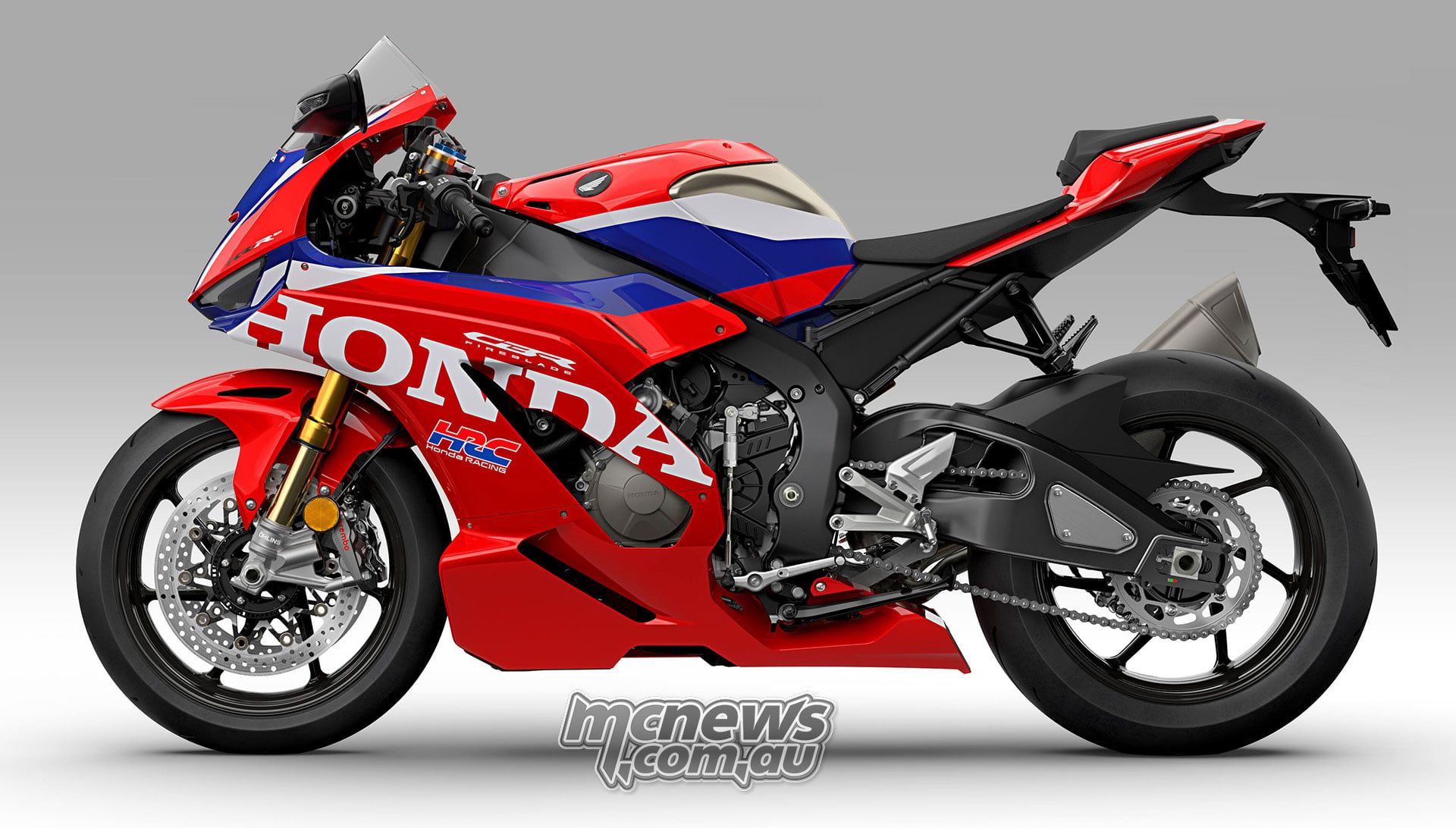
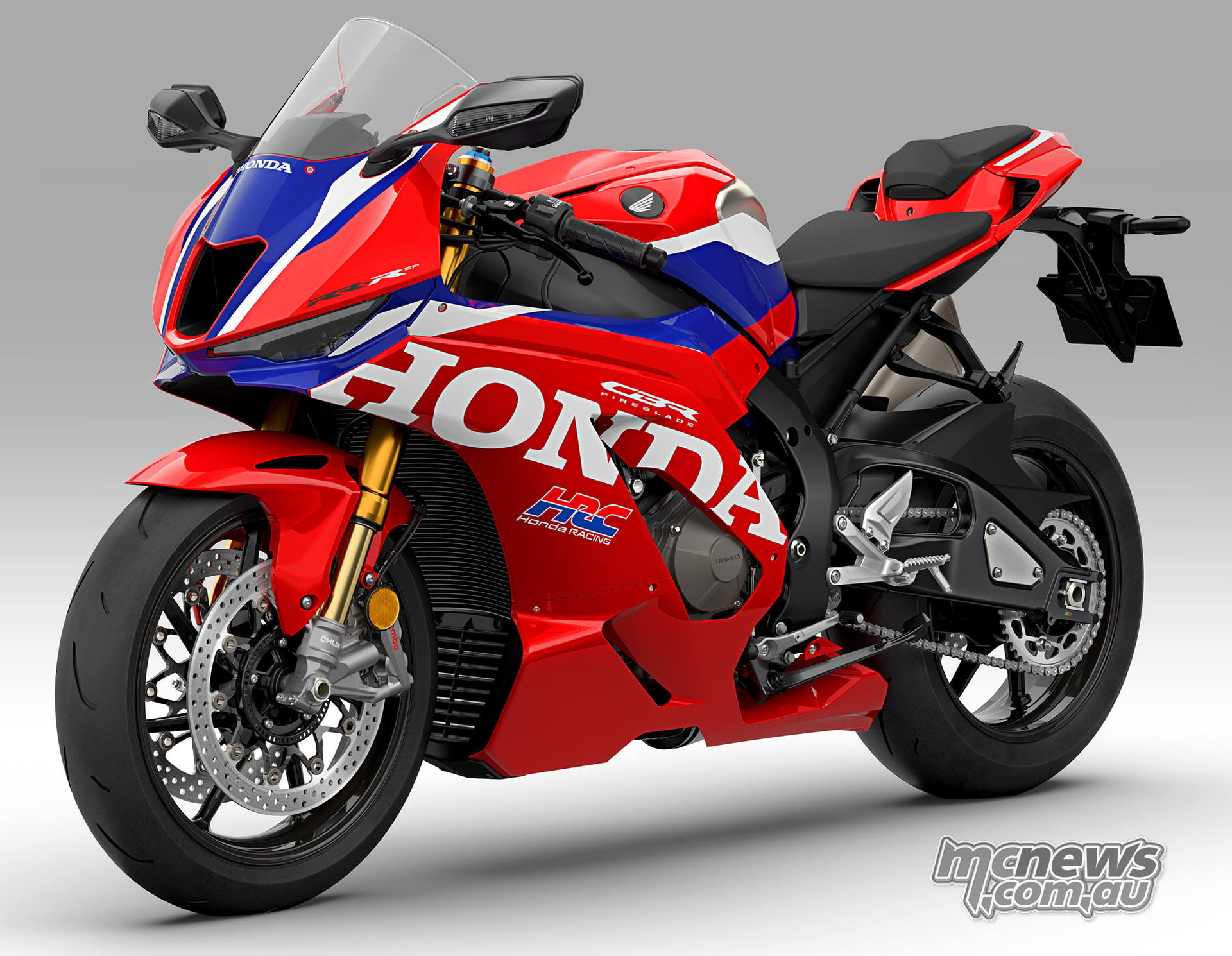
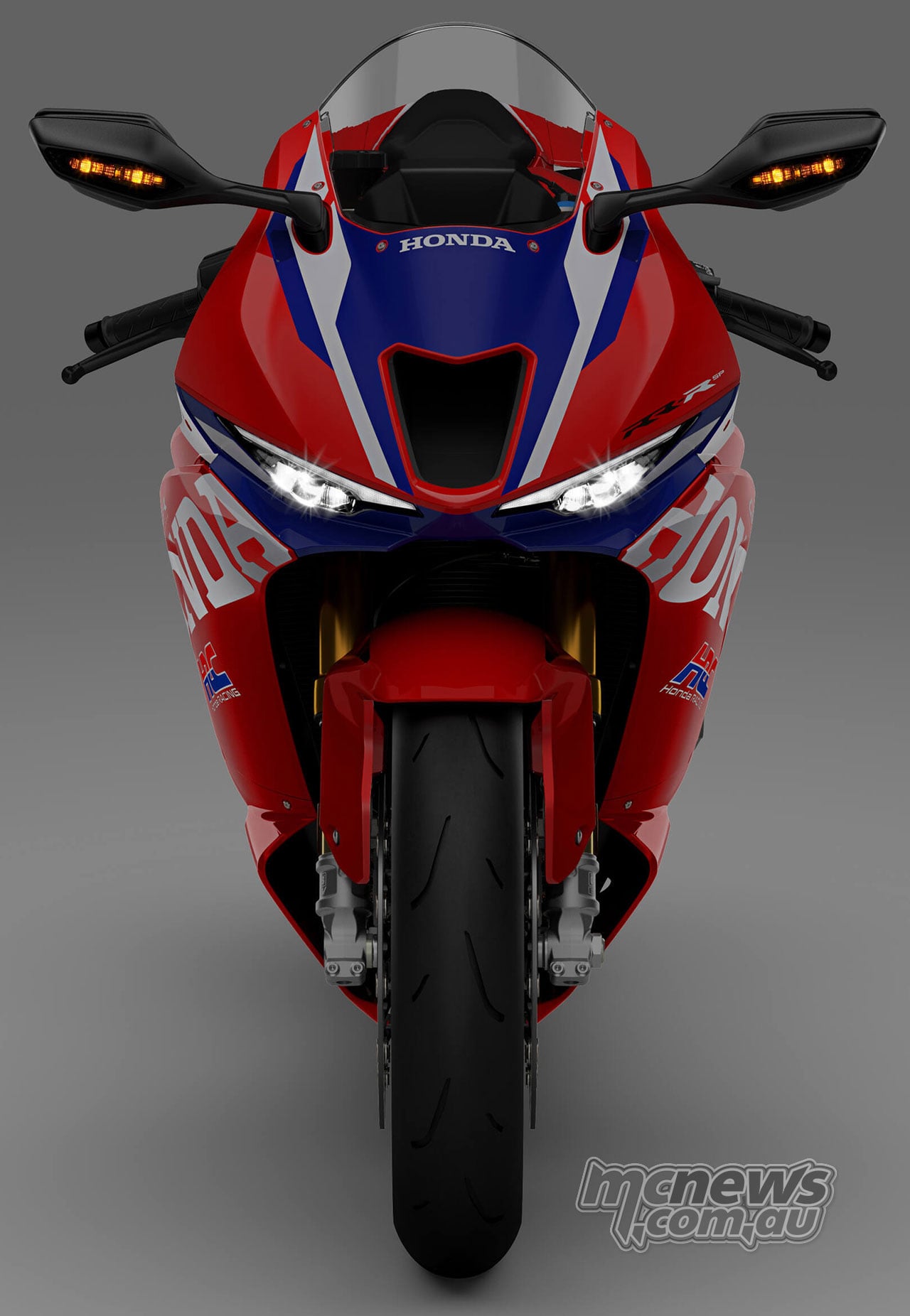
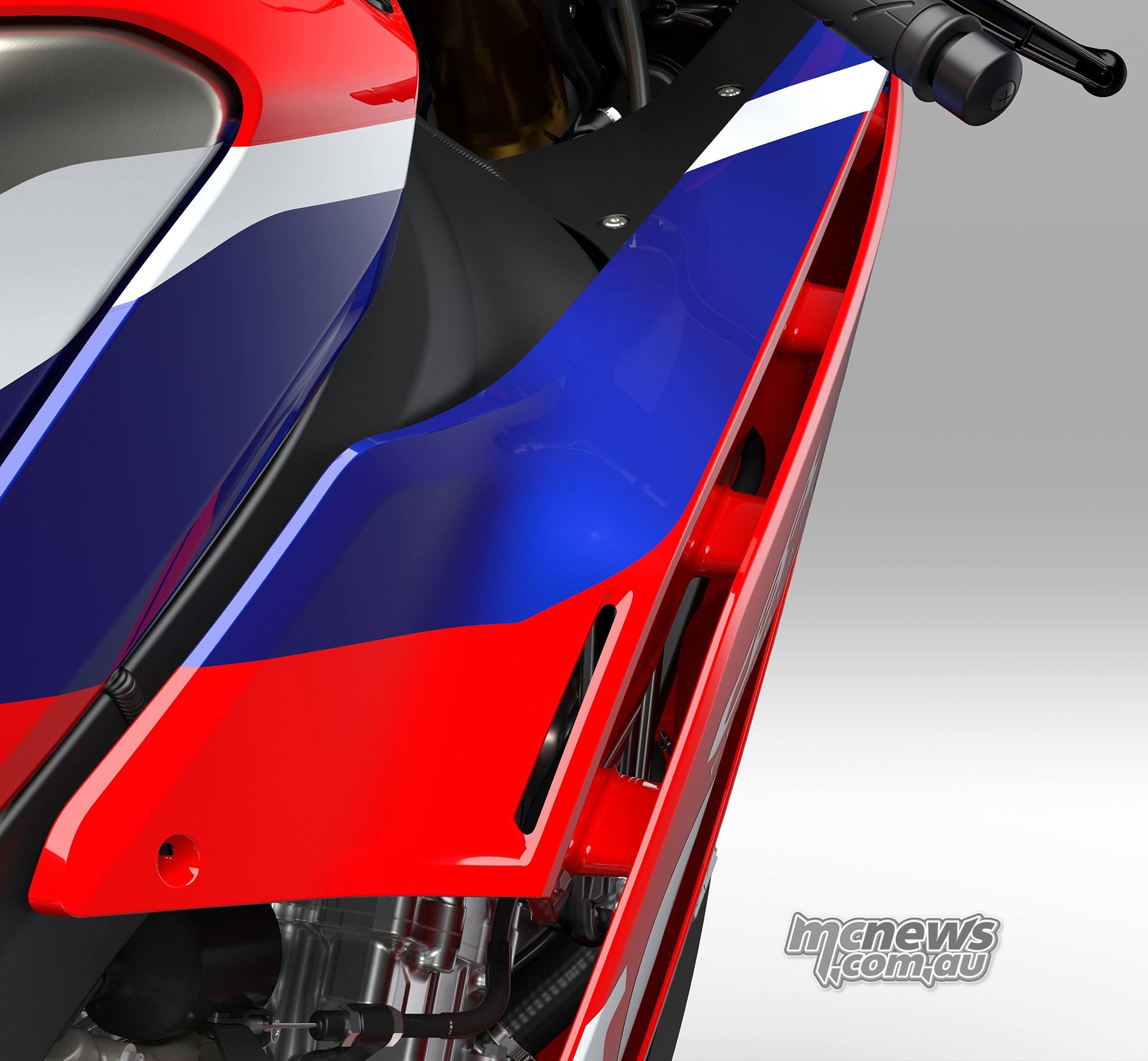
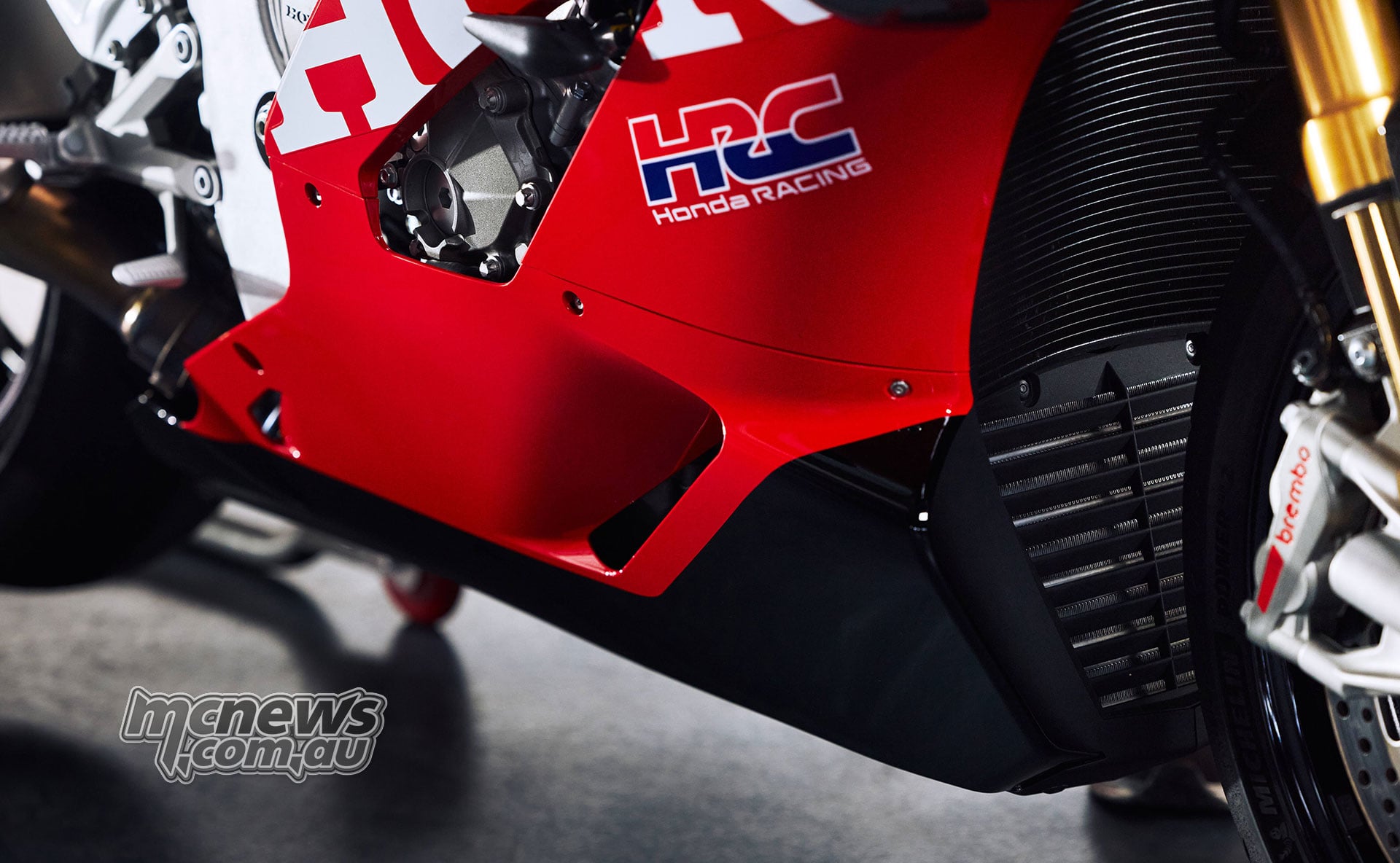
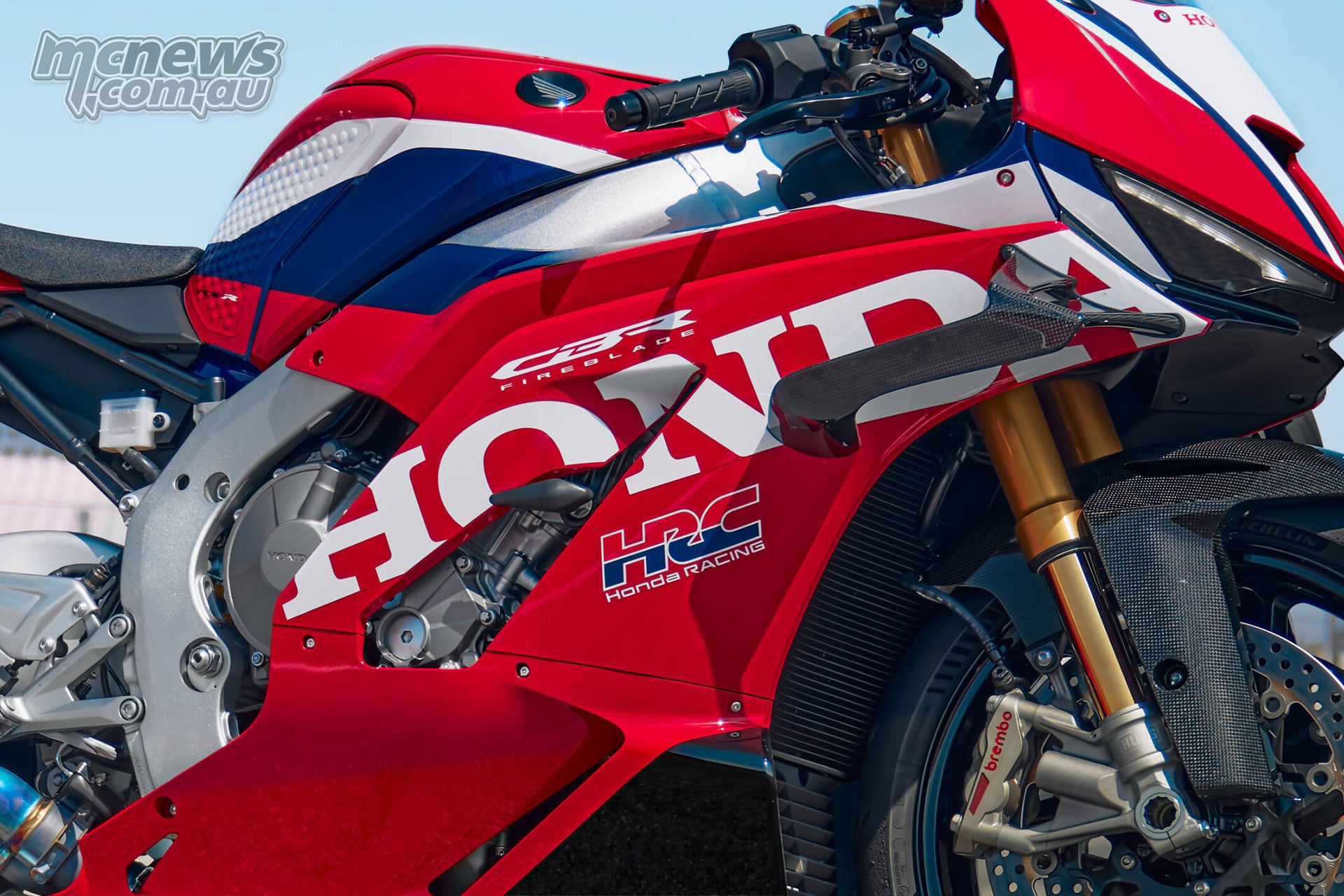
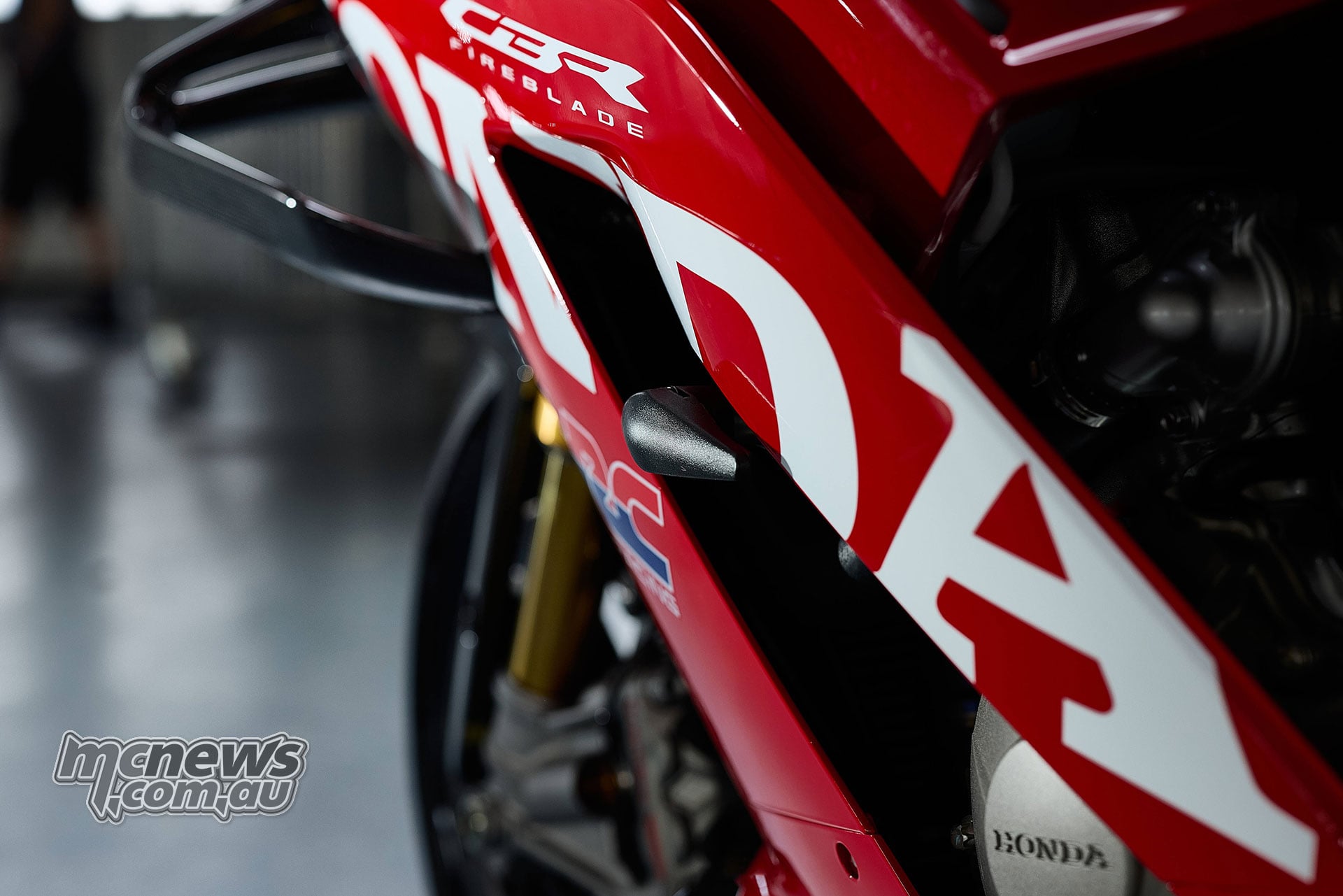
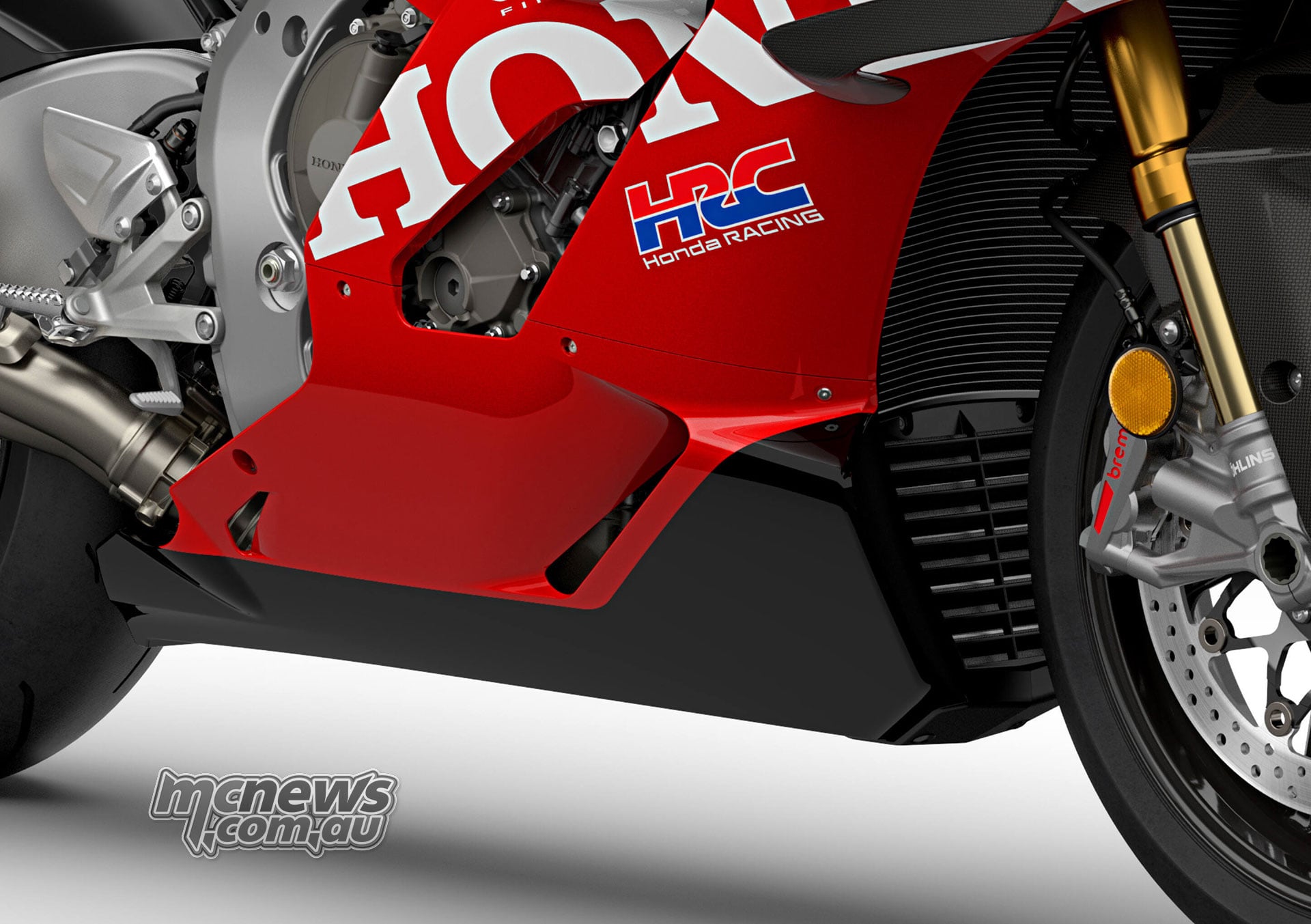
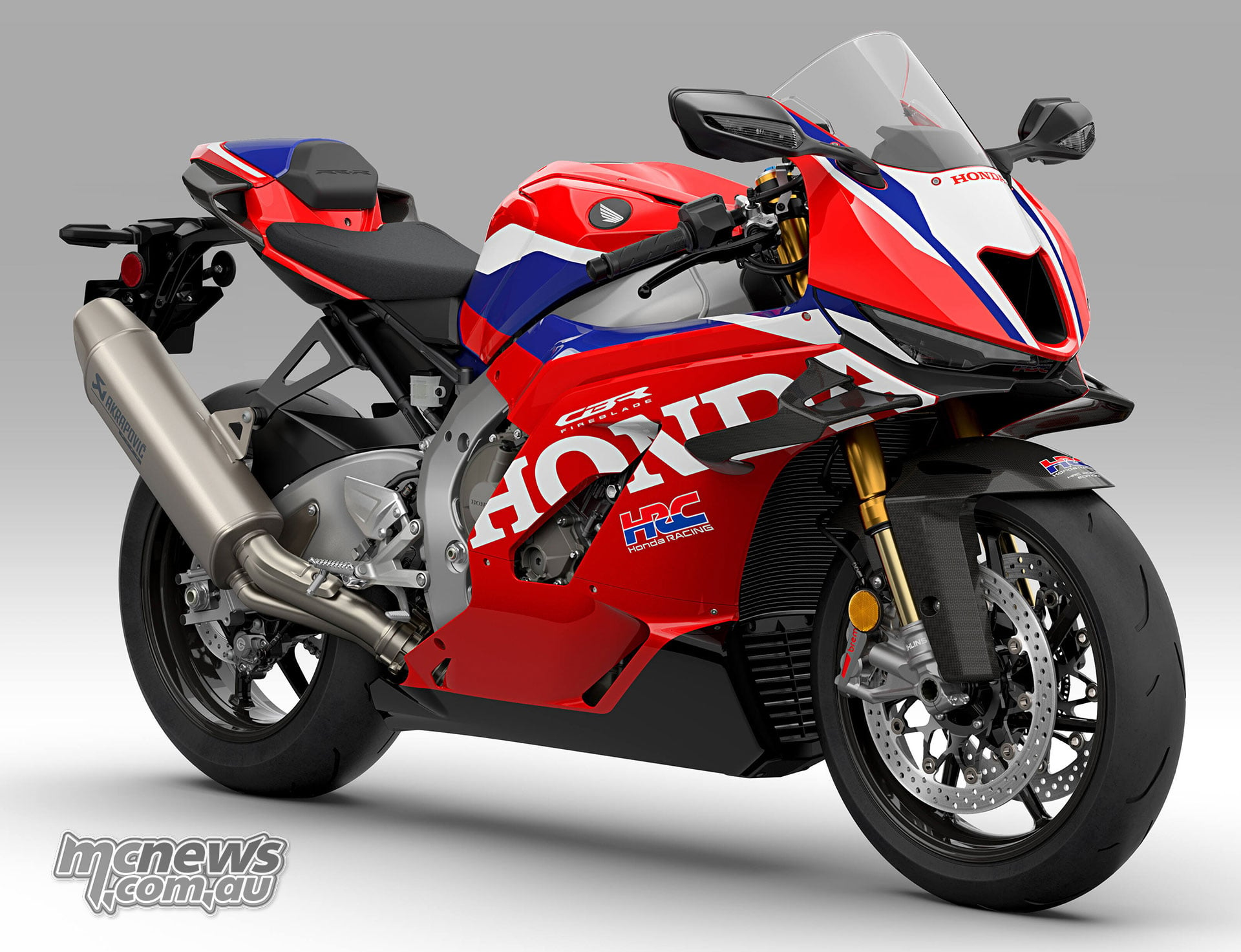
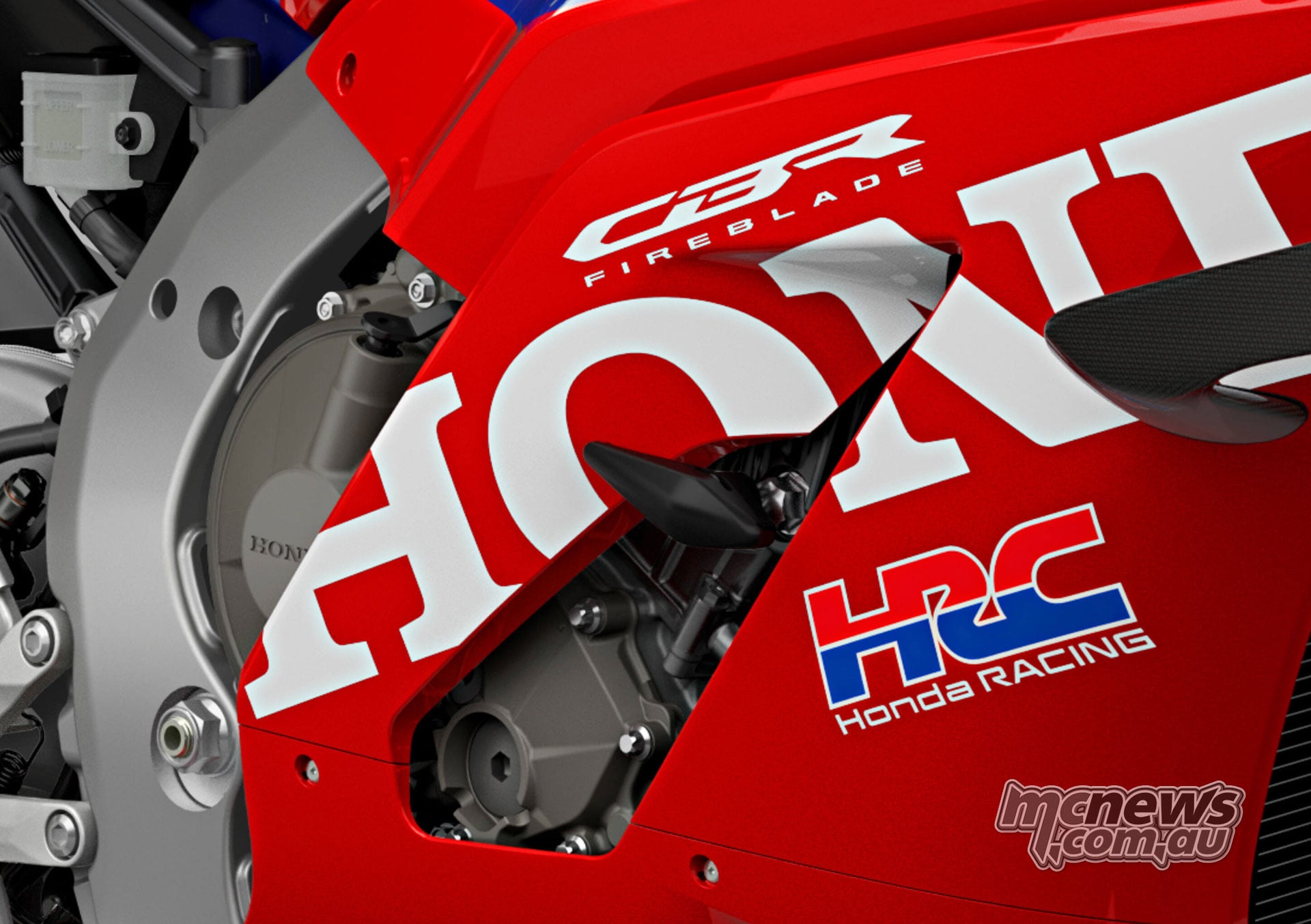
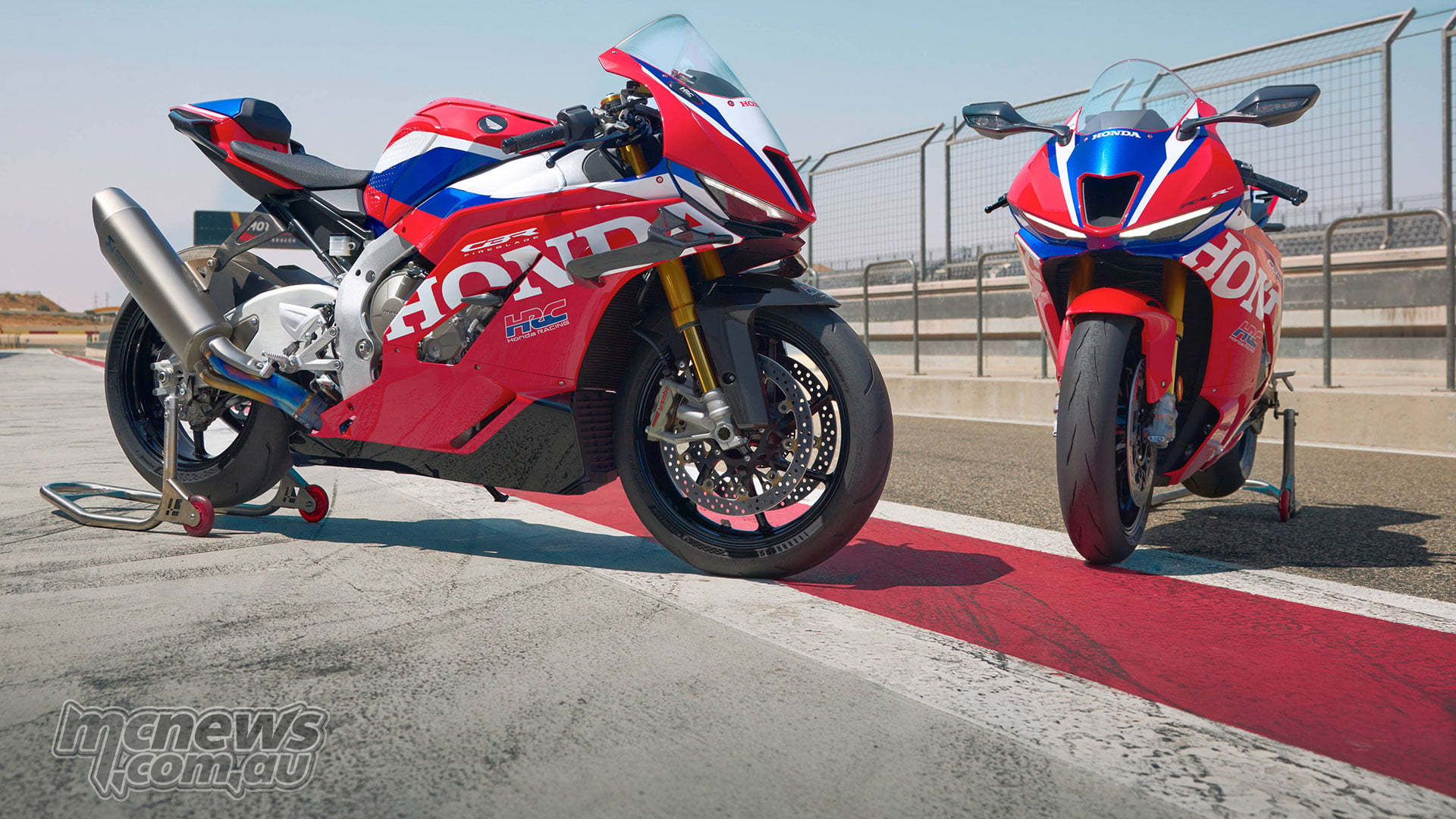
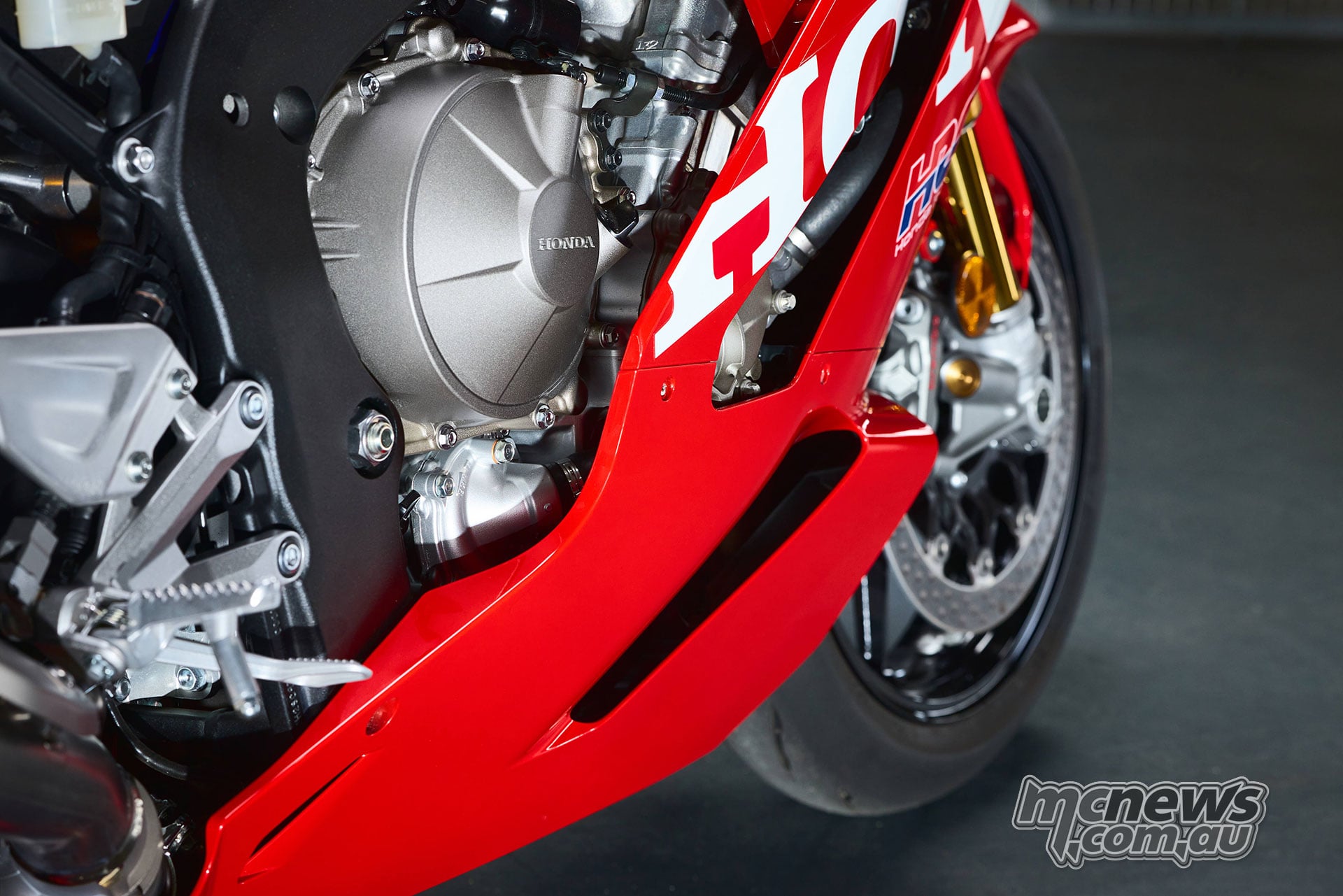
The standard Fireblade and SP dispense with conventional wing elements. Honda says their reshaped fairings generate the previous model’s downforce with less drag, while new lower-cowl sidepods are intended to improve cornering performance at lean.
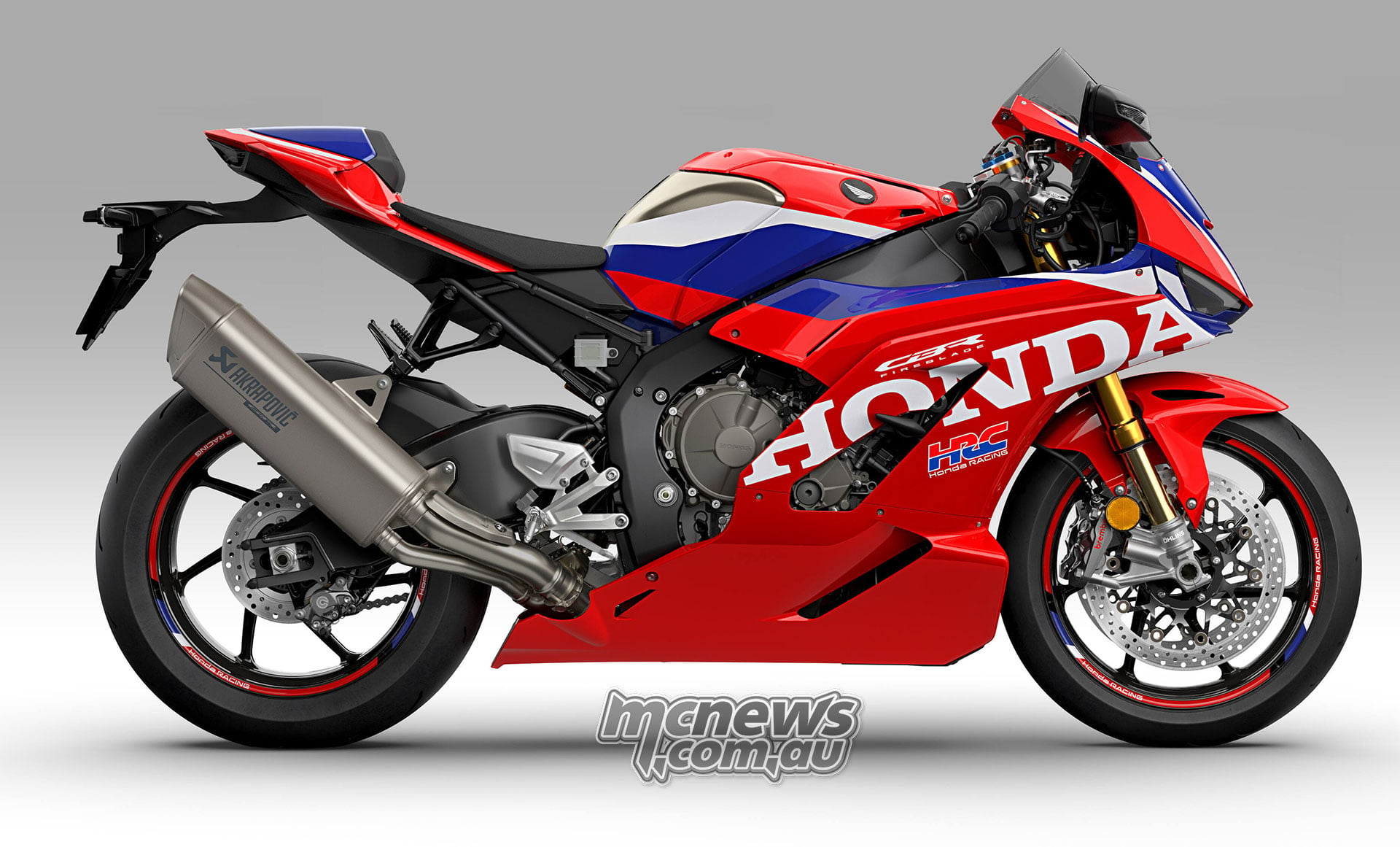
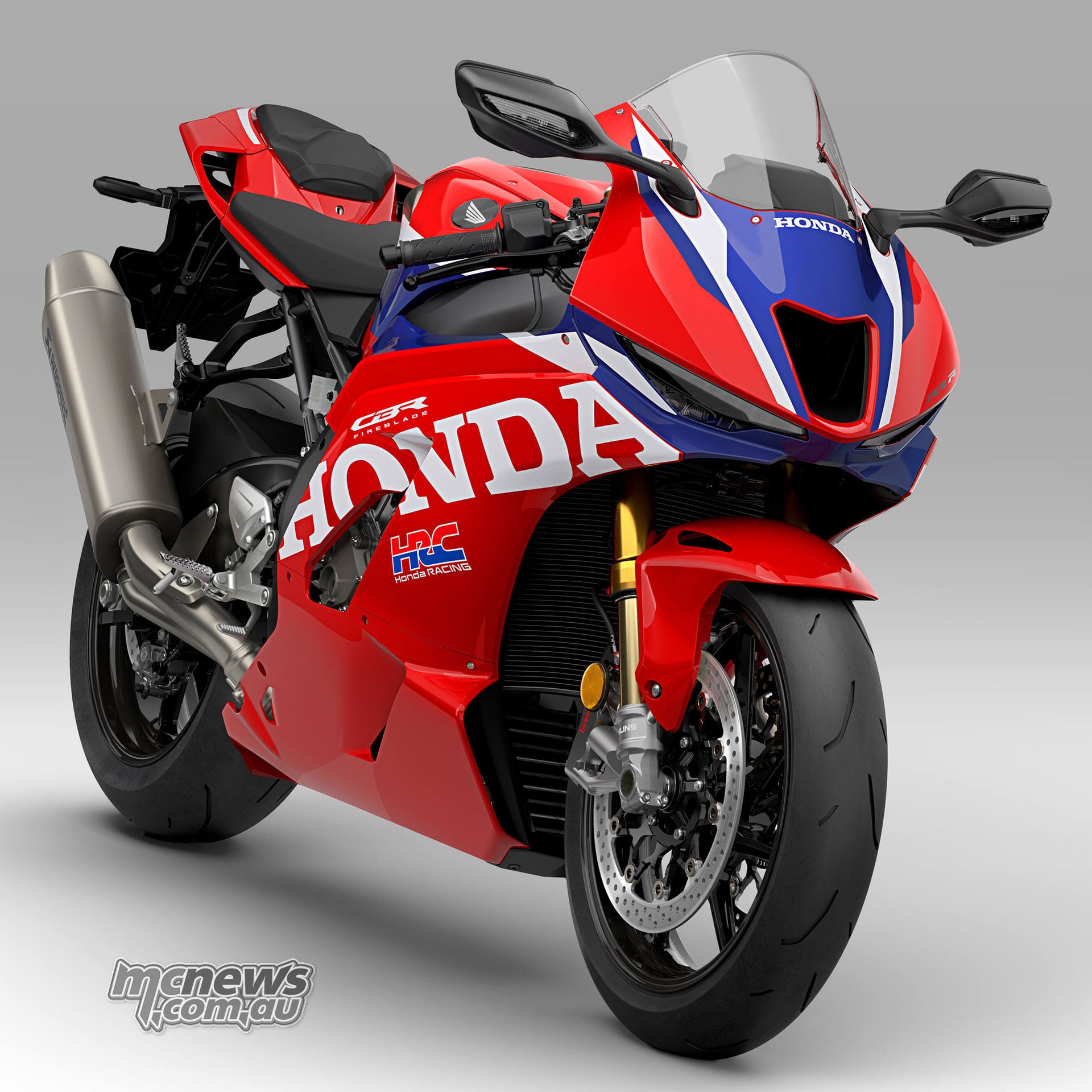
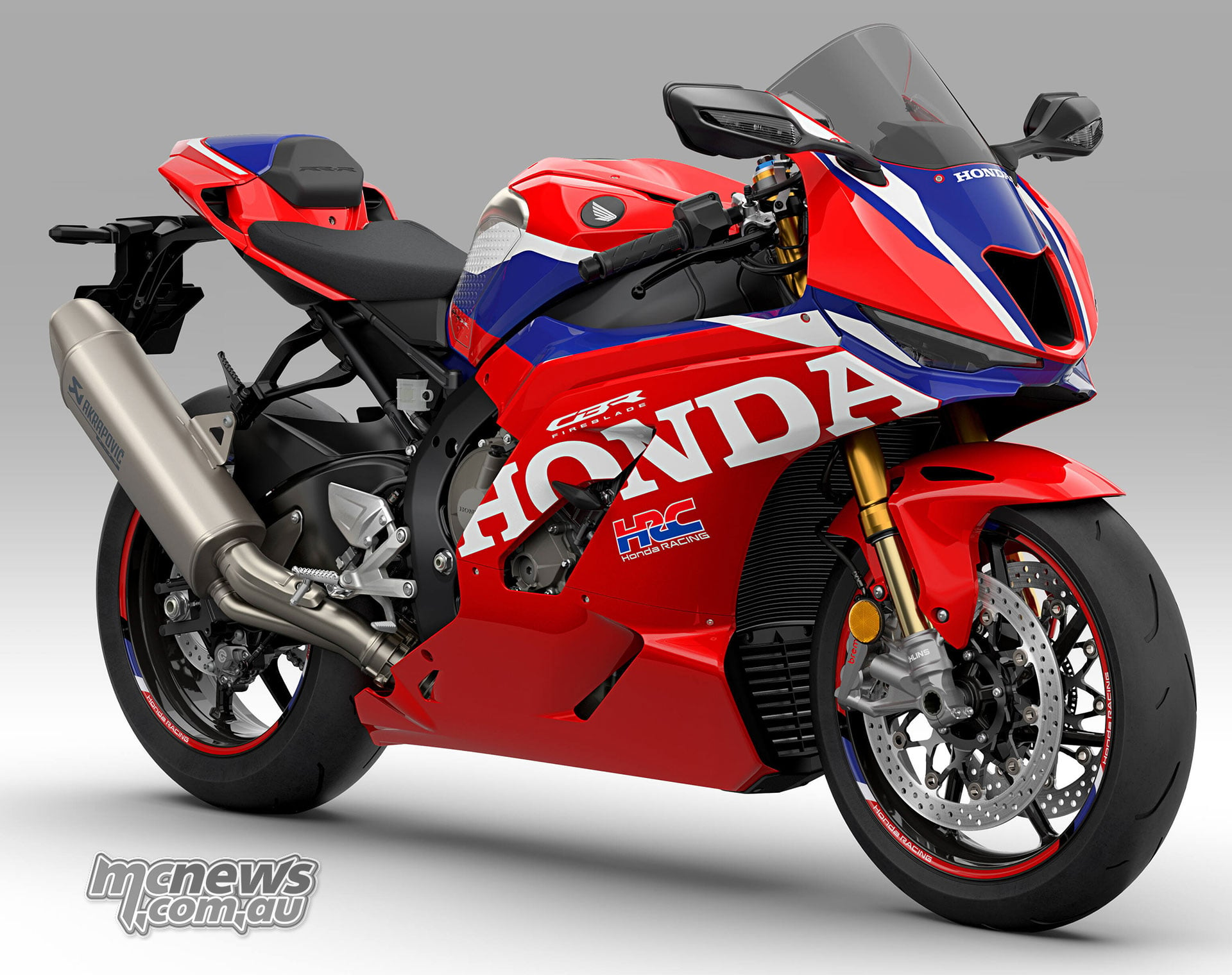
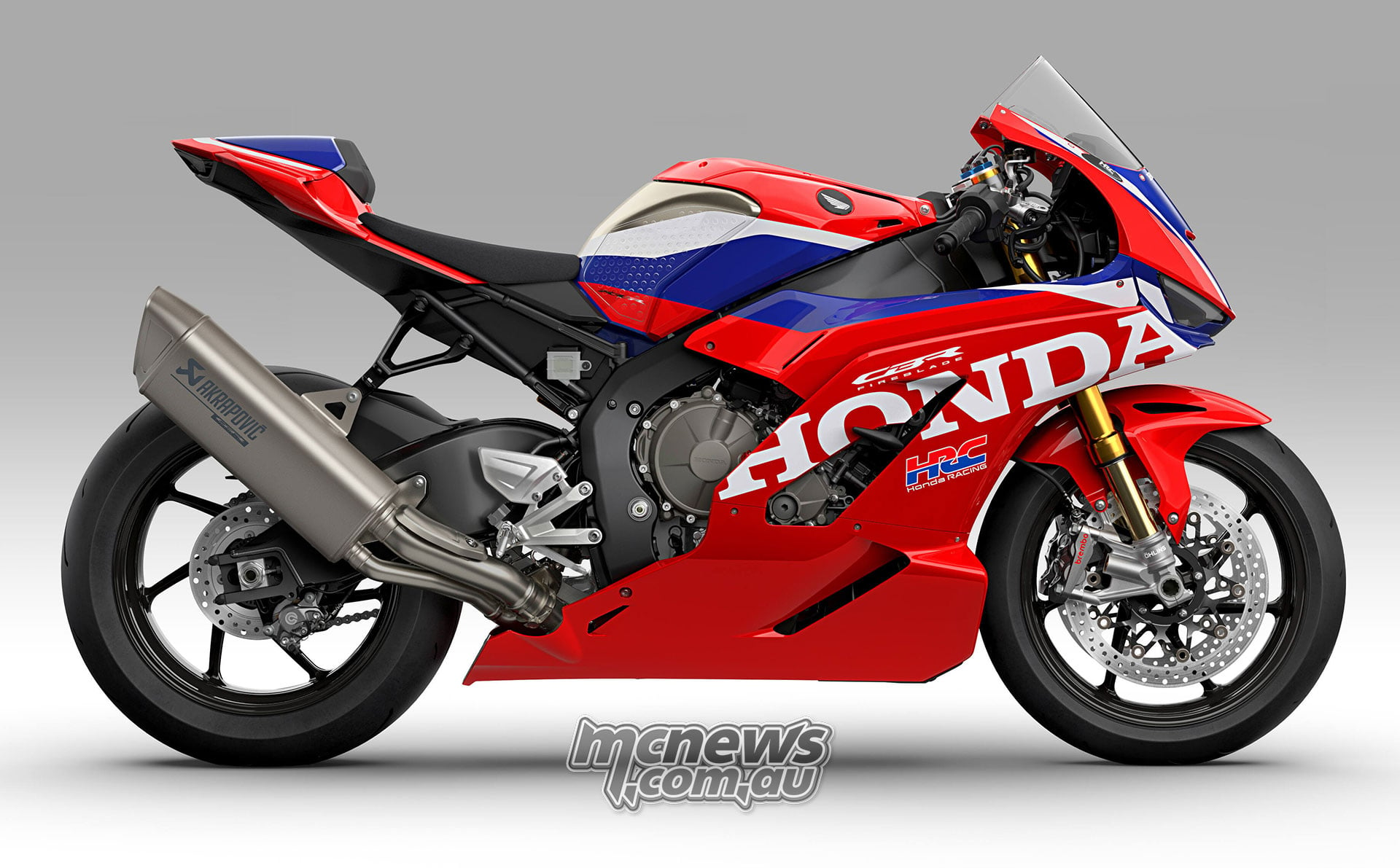
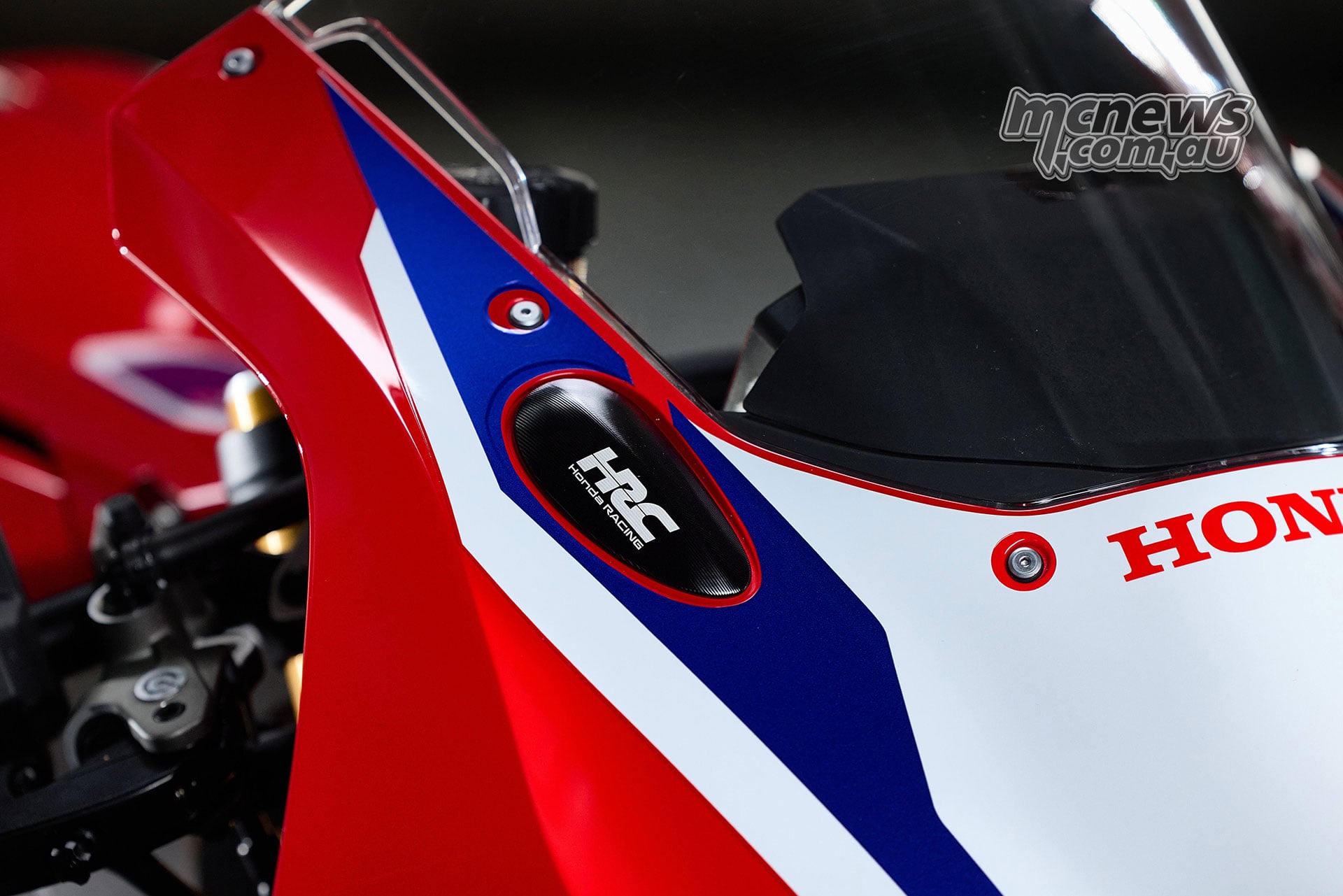
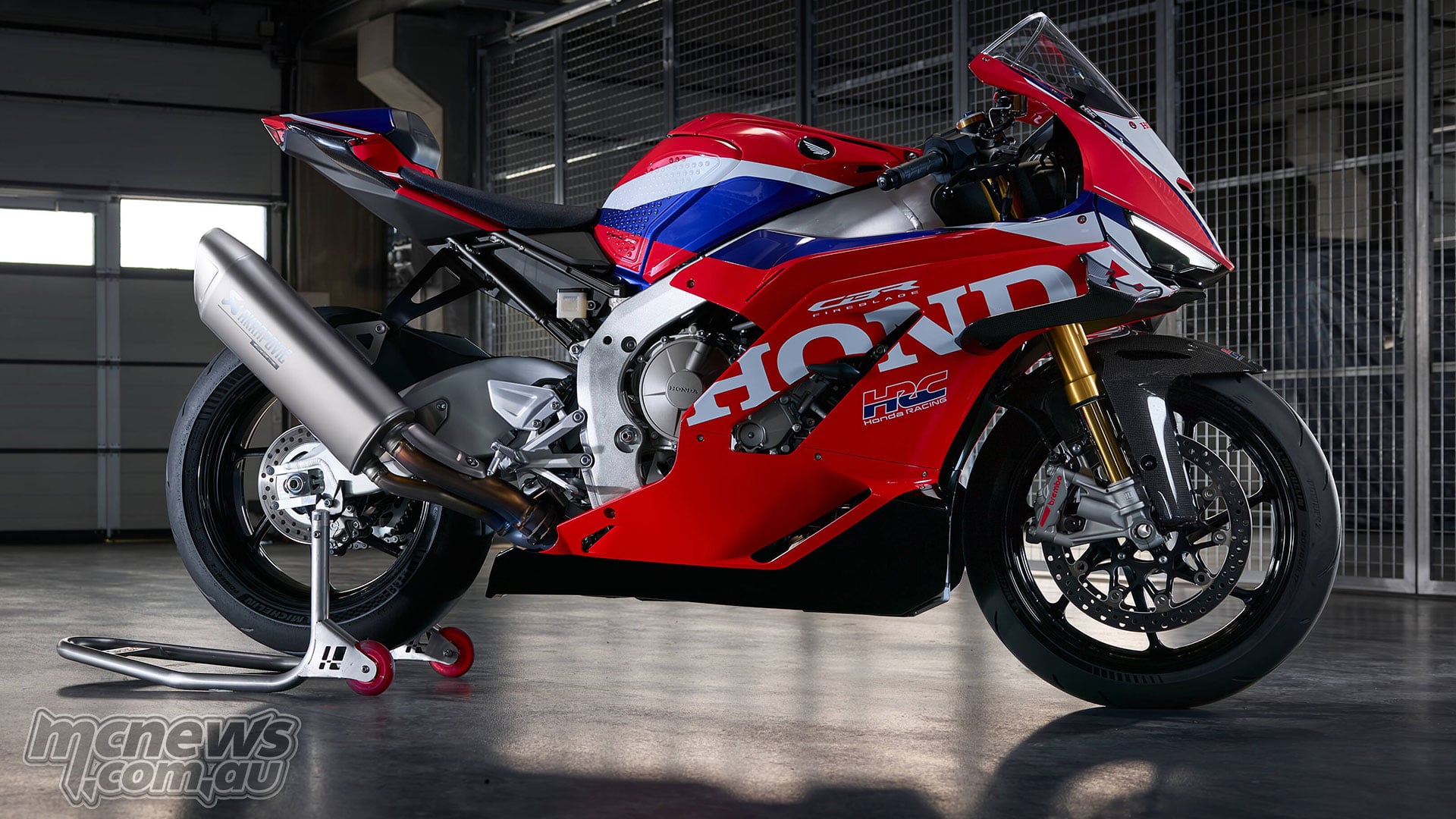
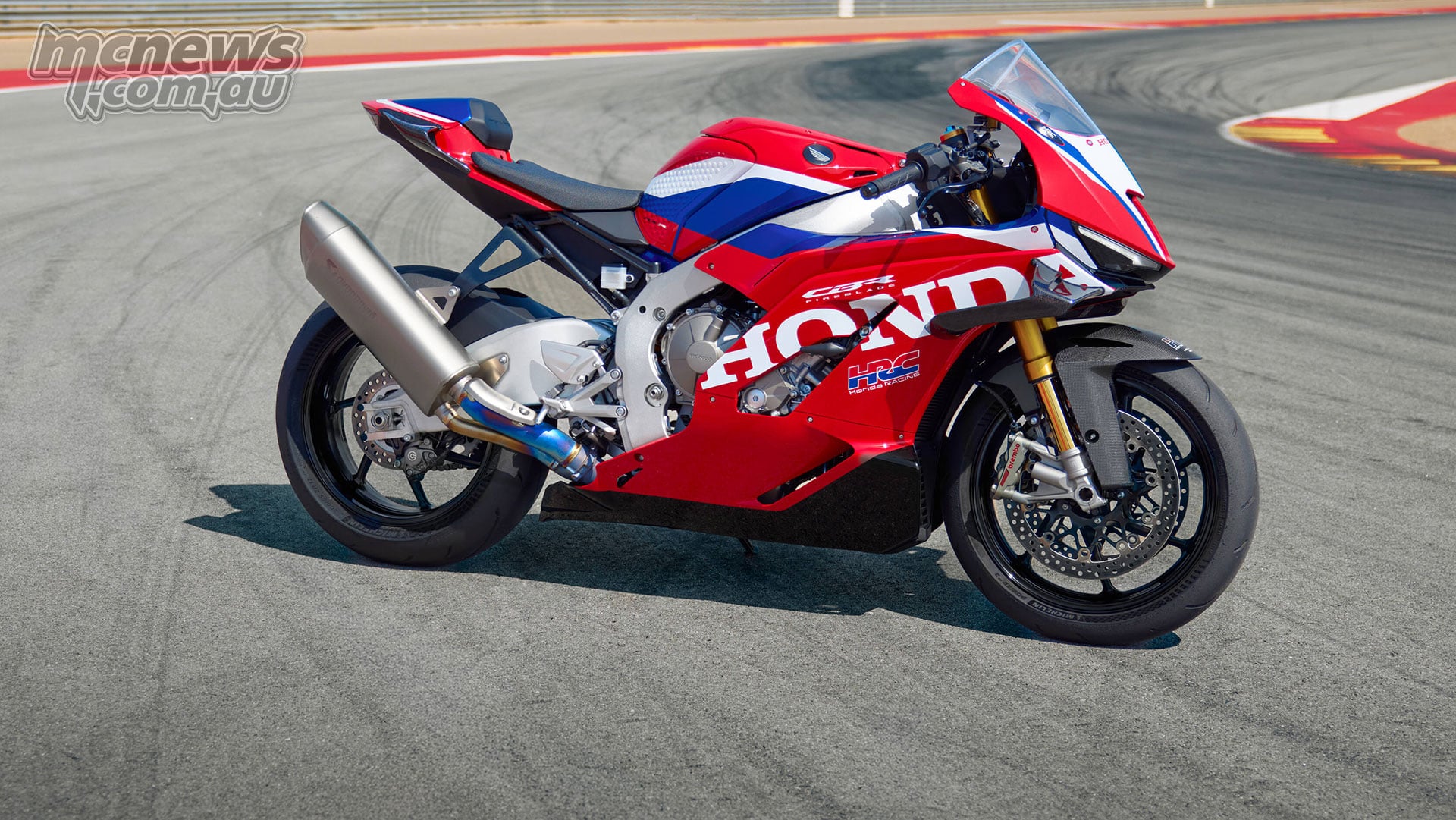
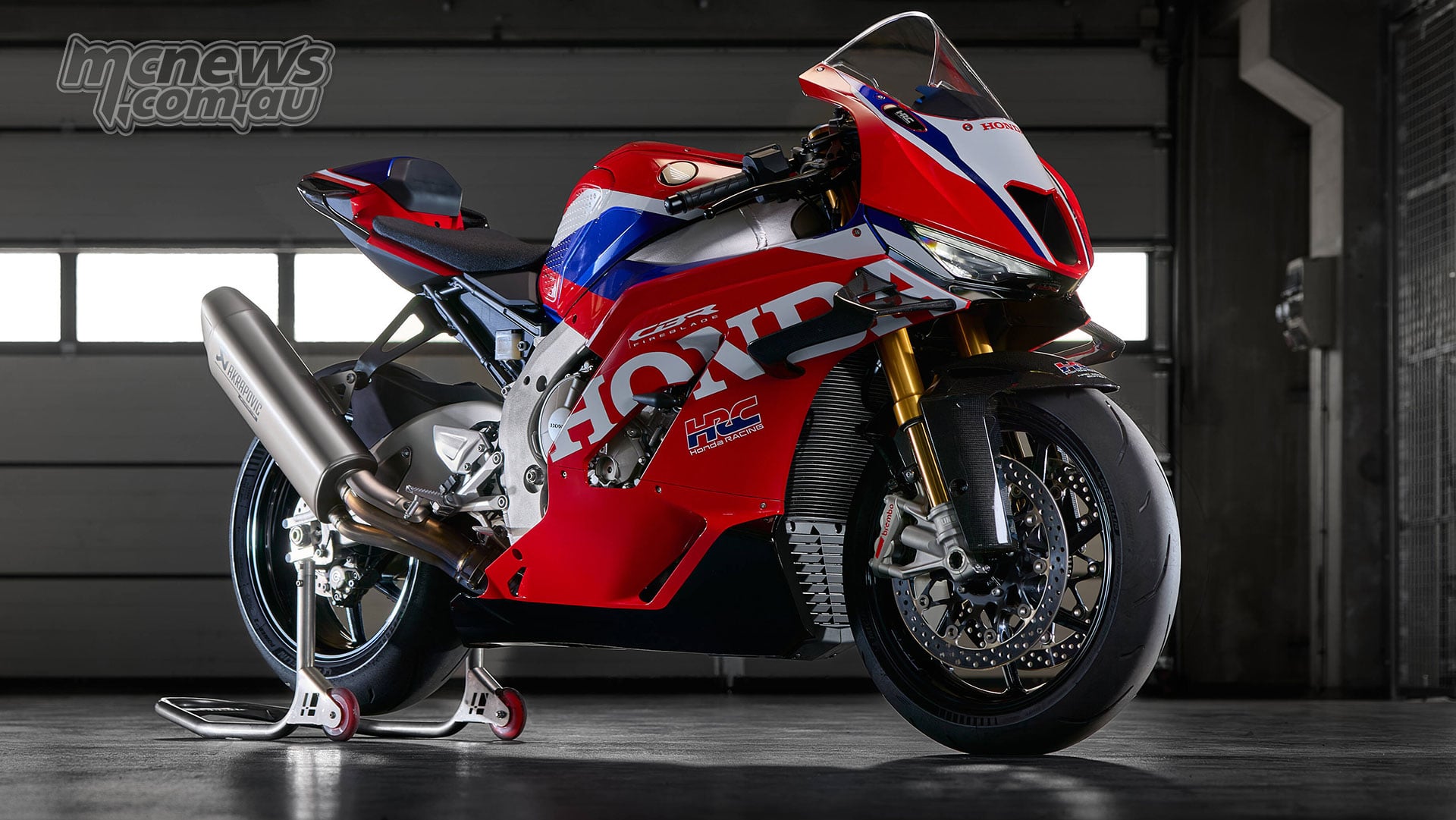
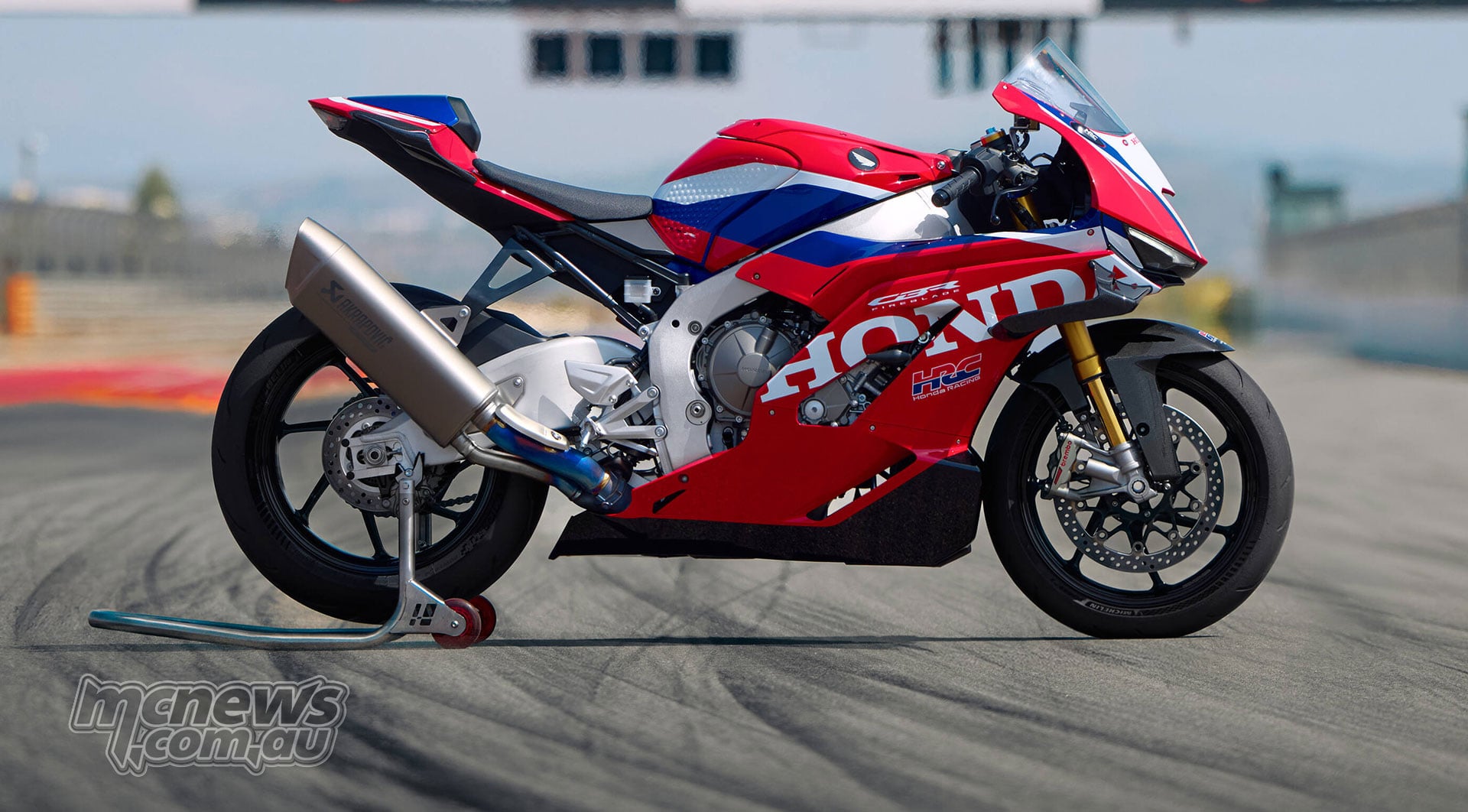
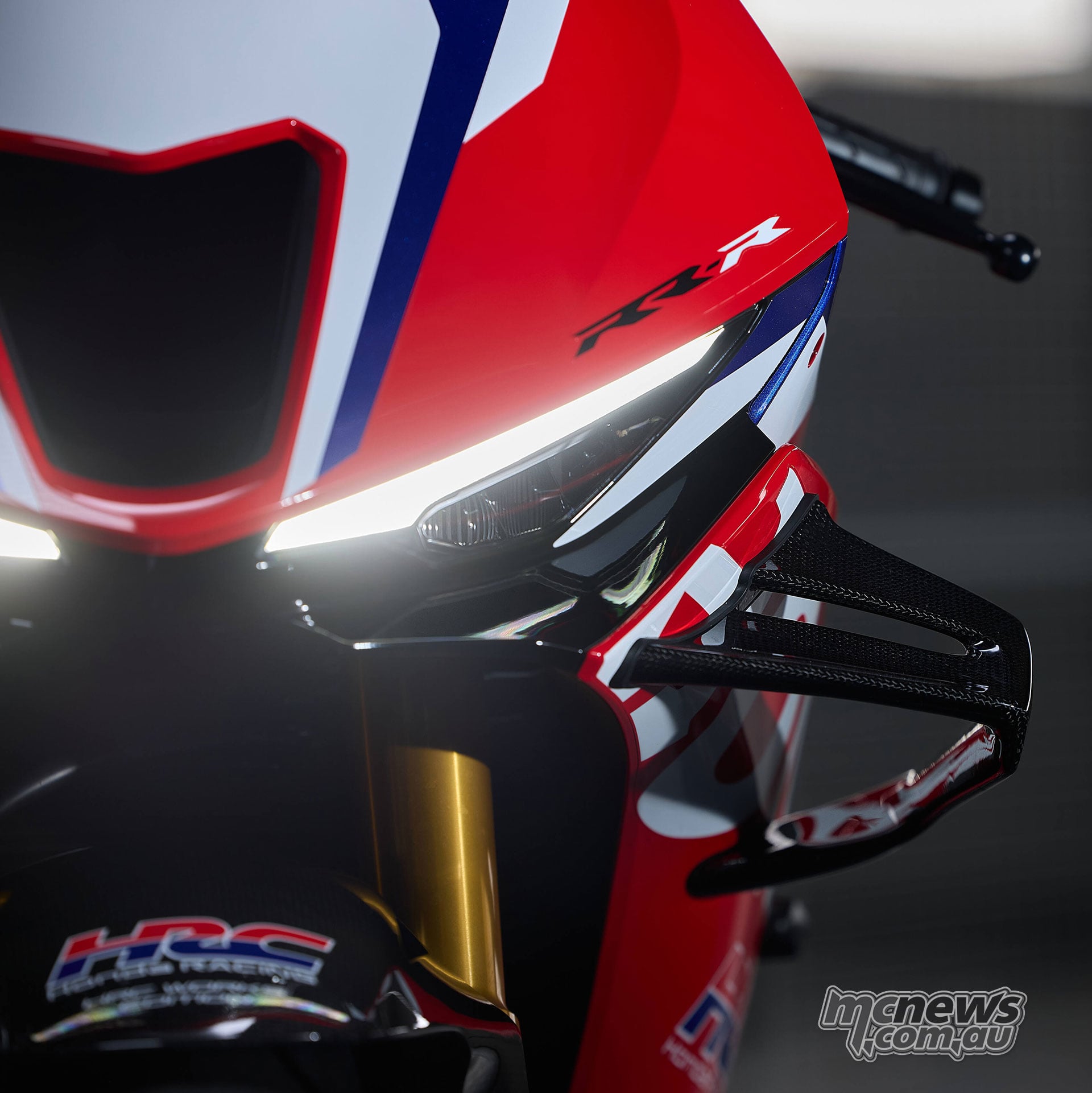
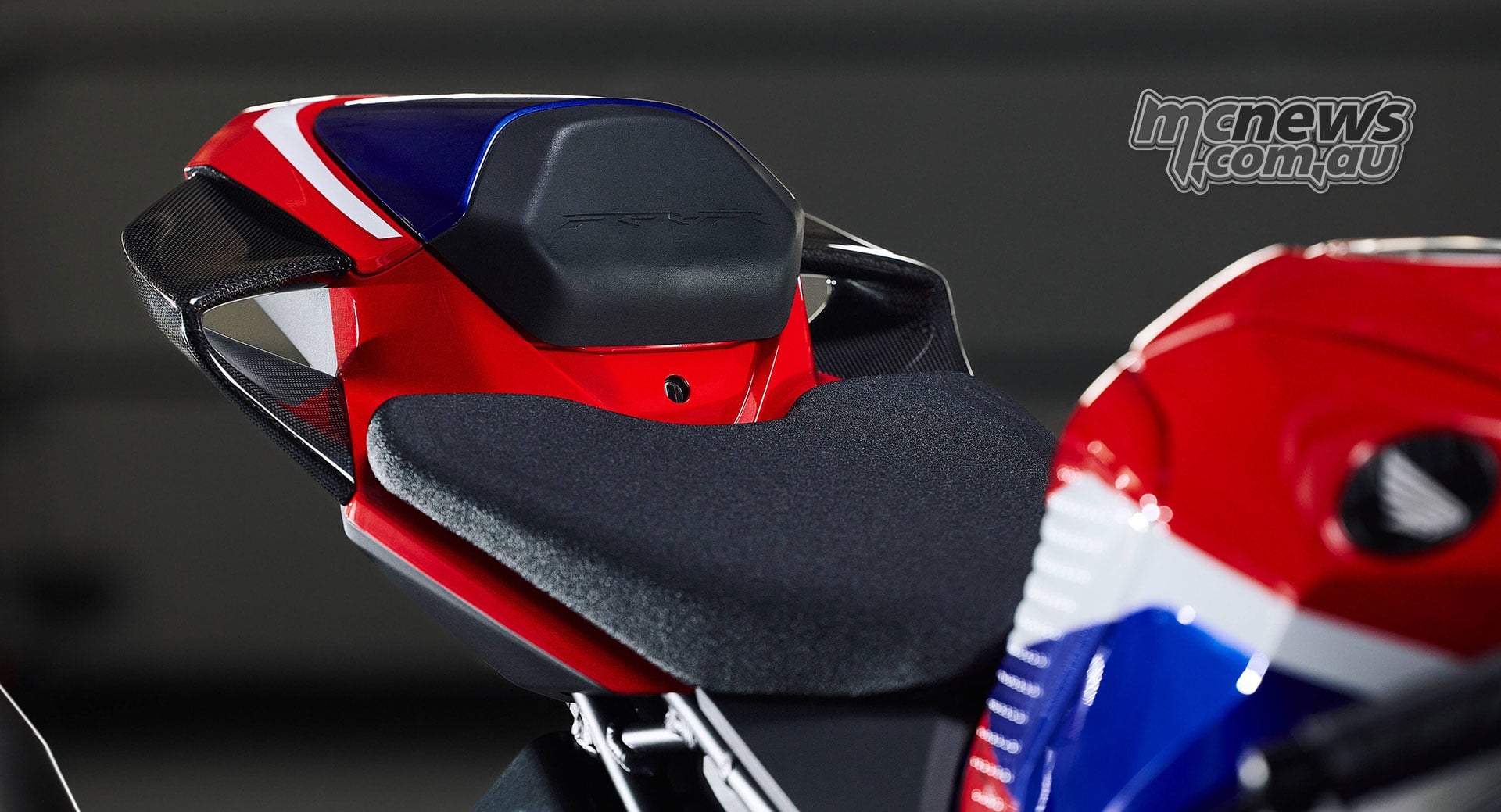
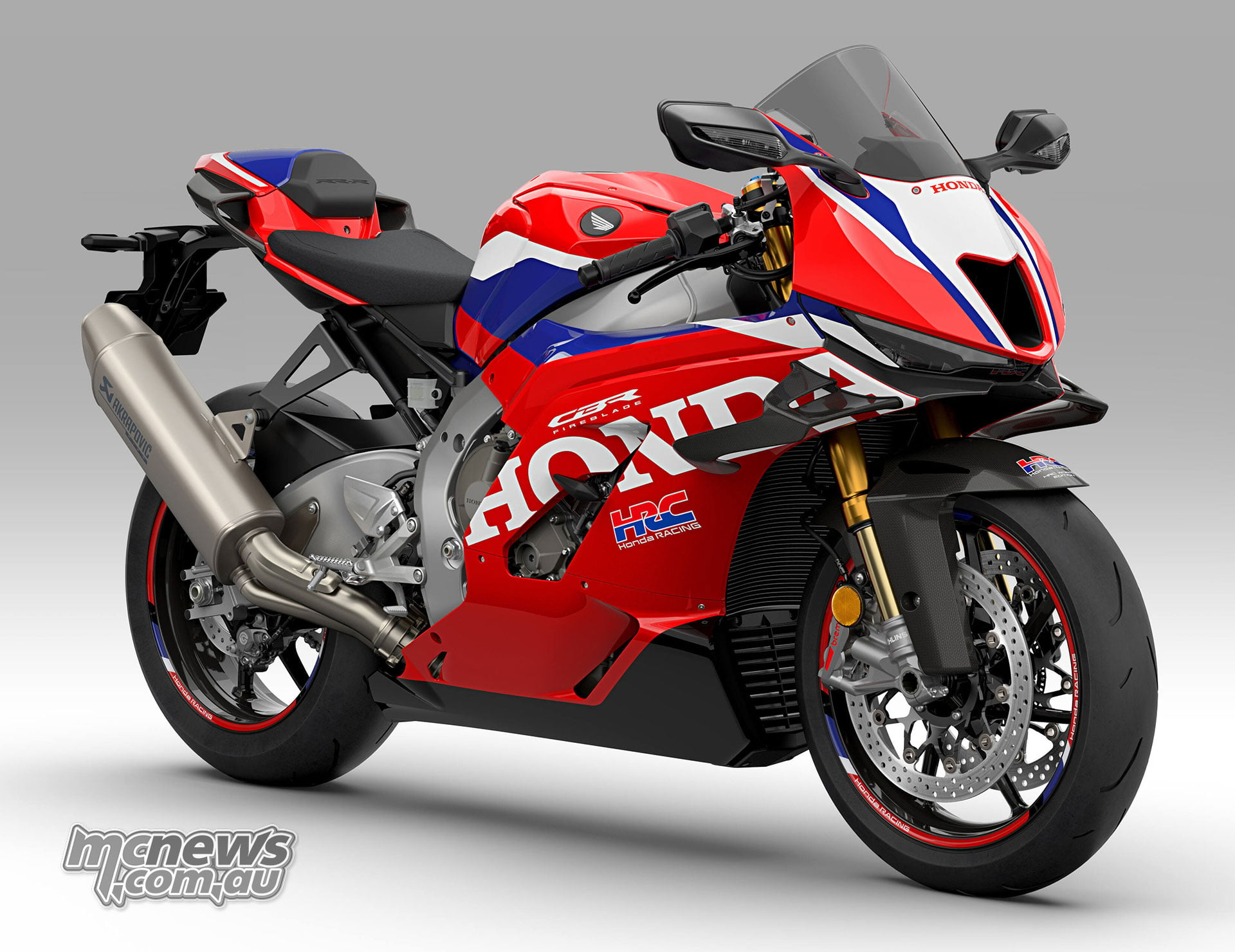
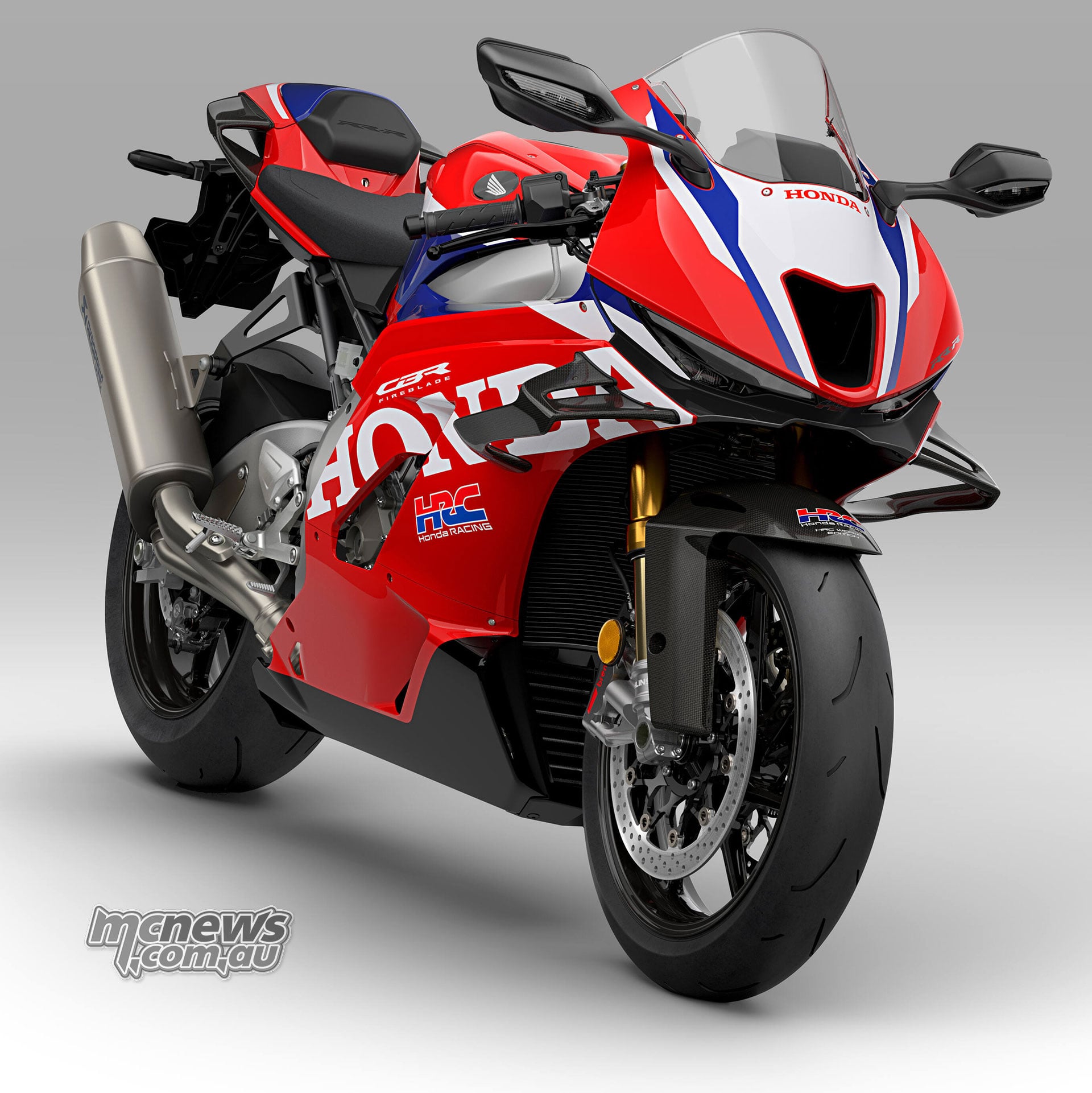
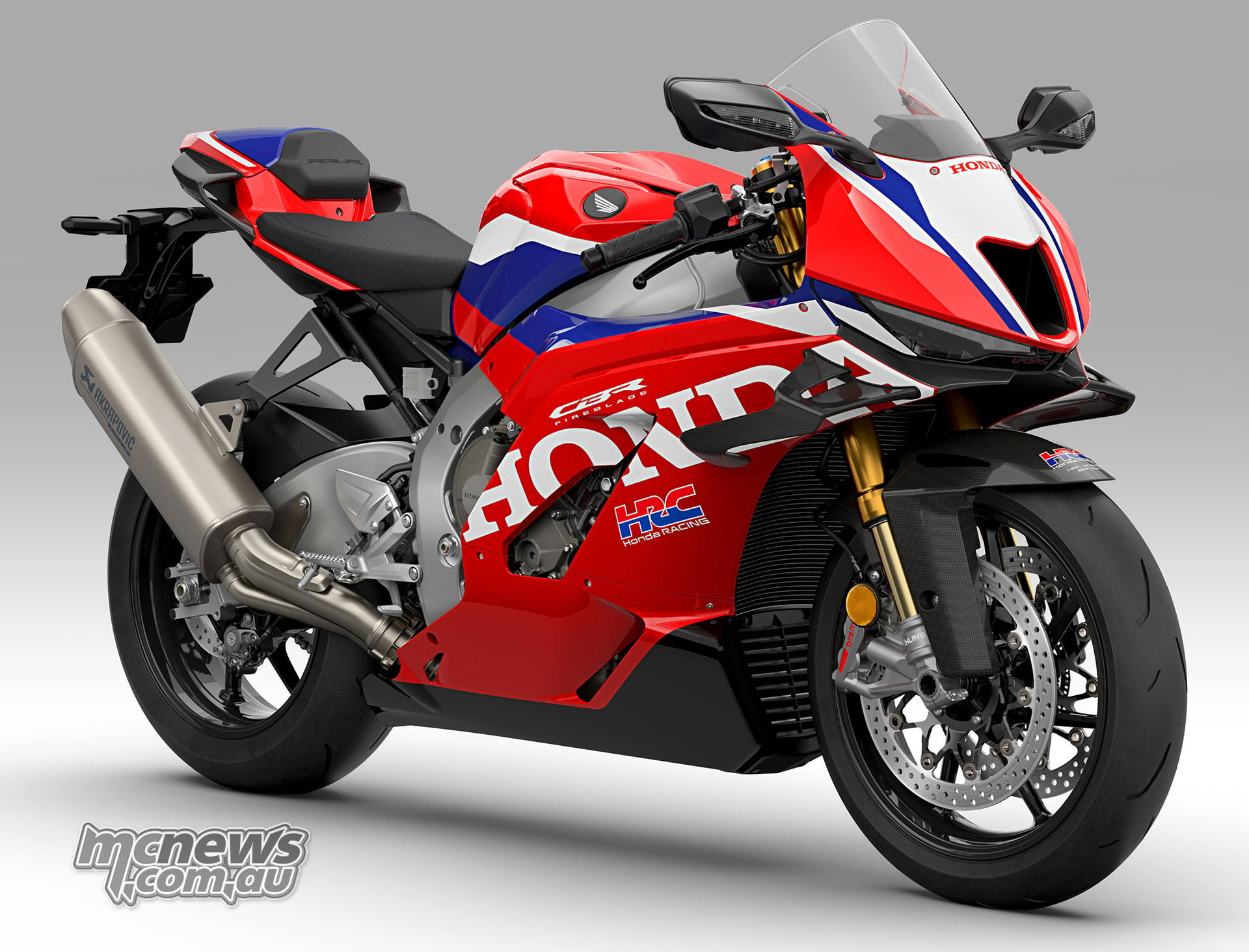
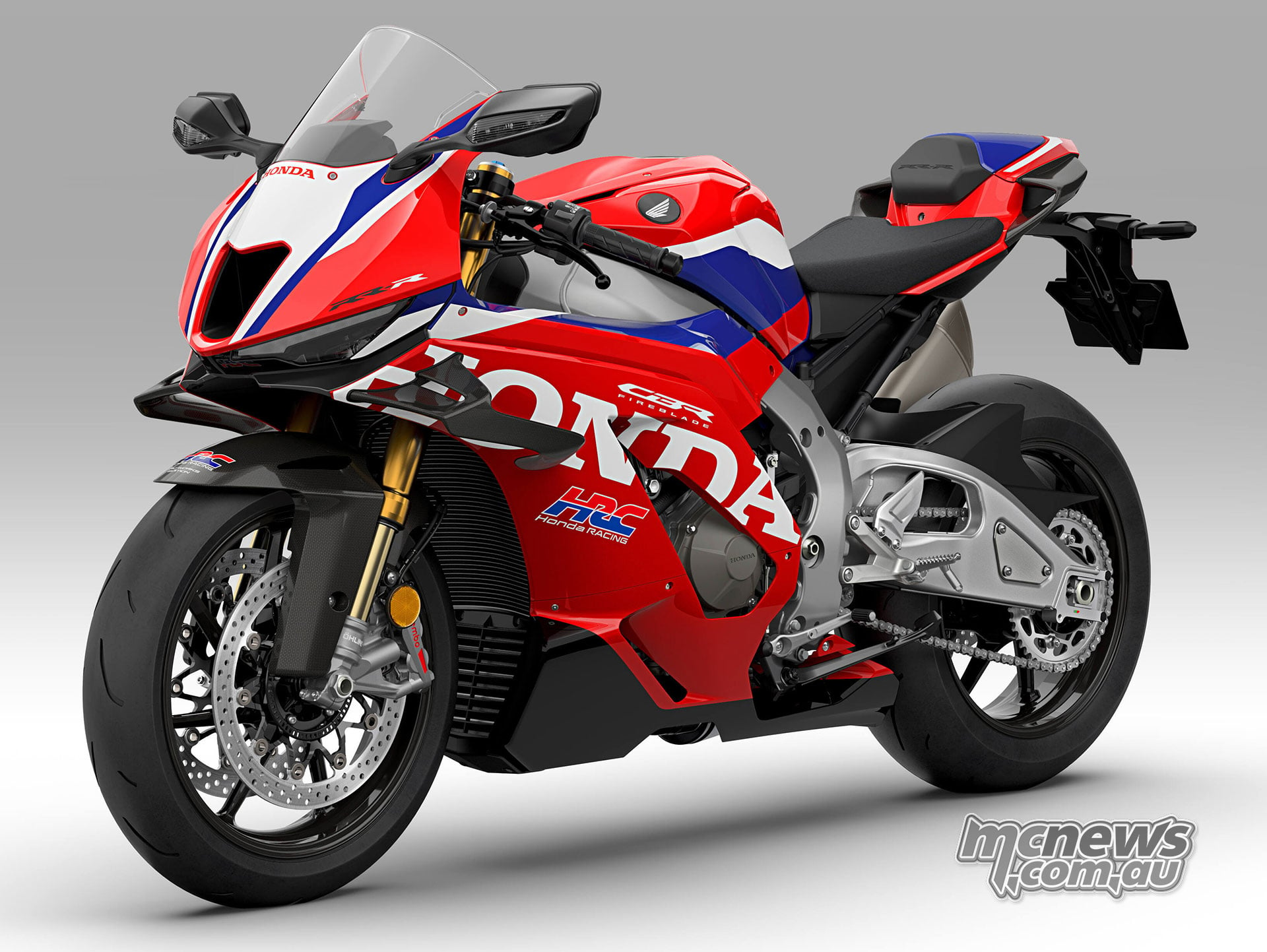
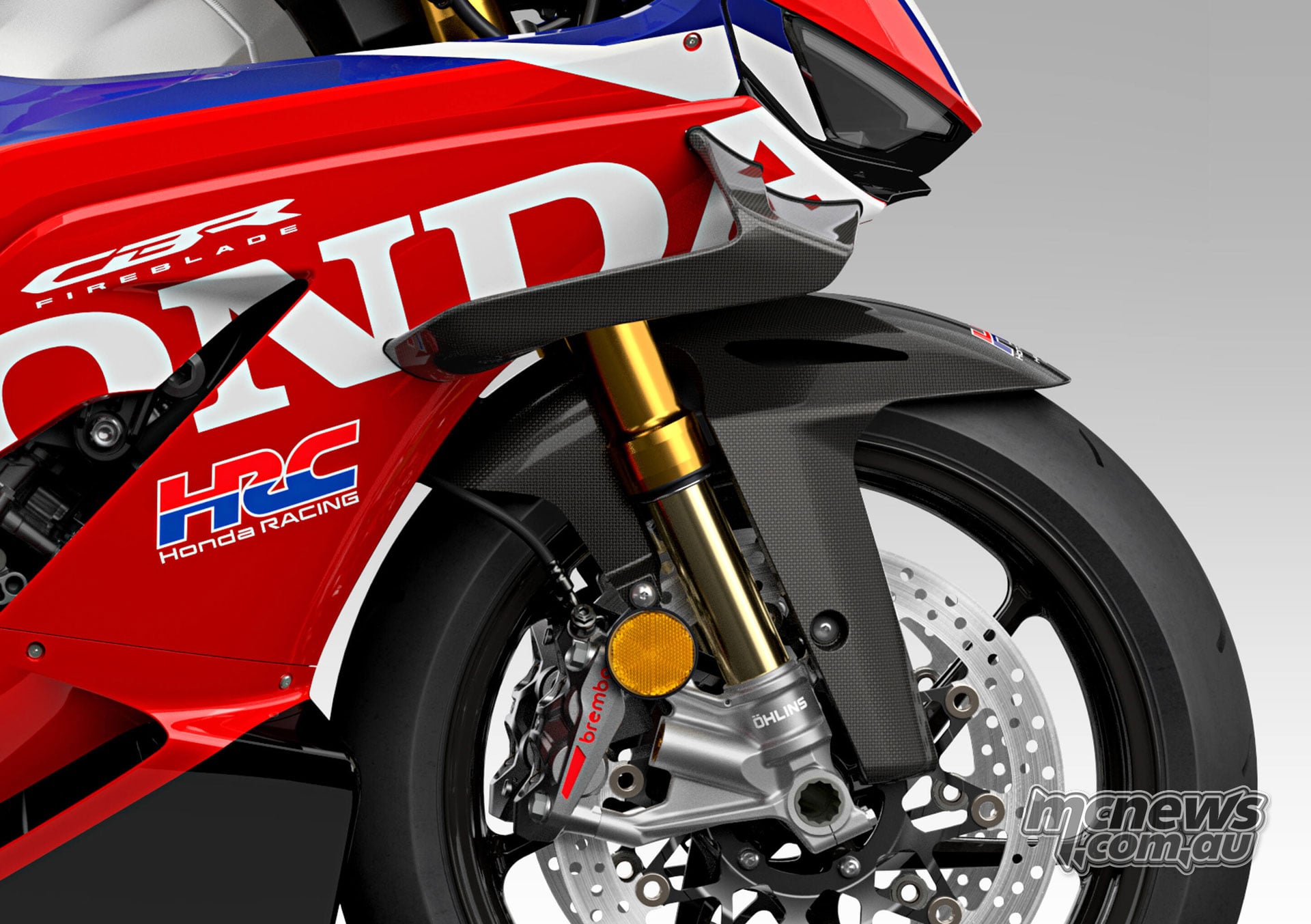
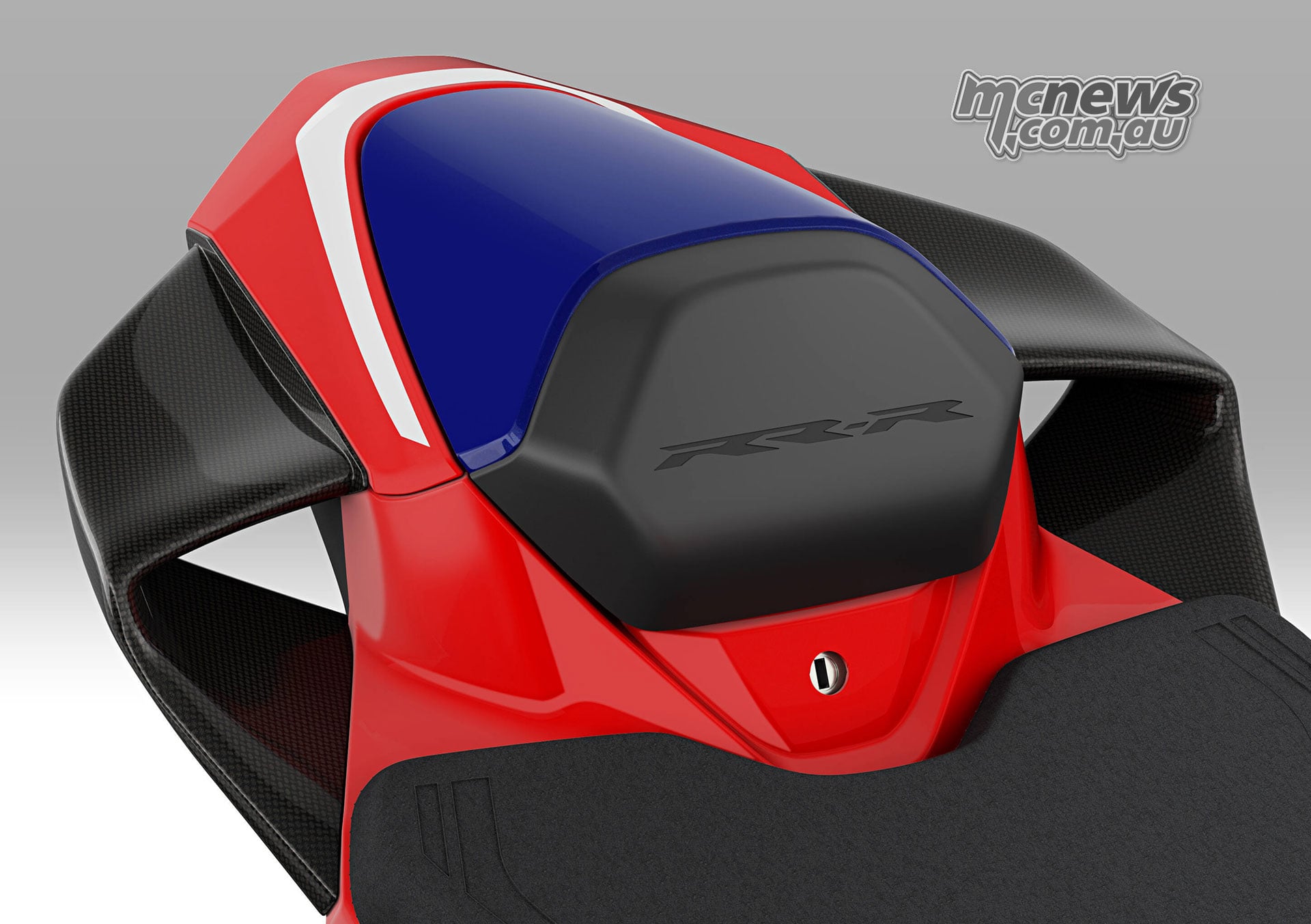
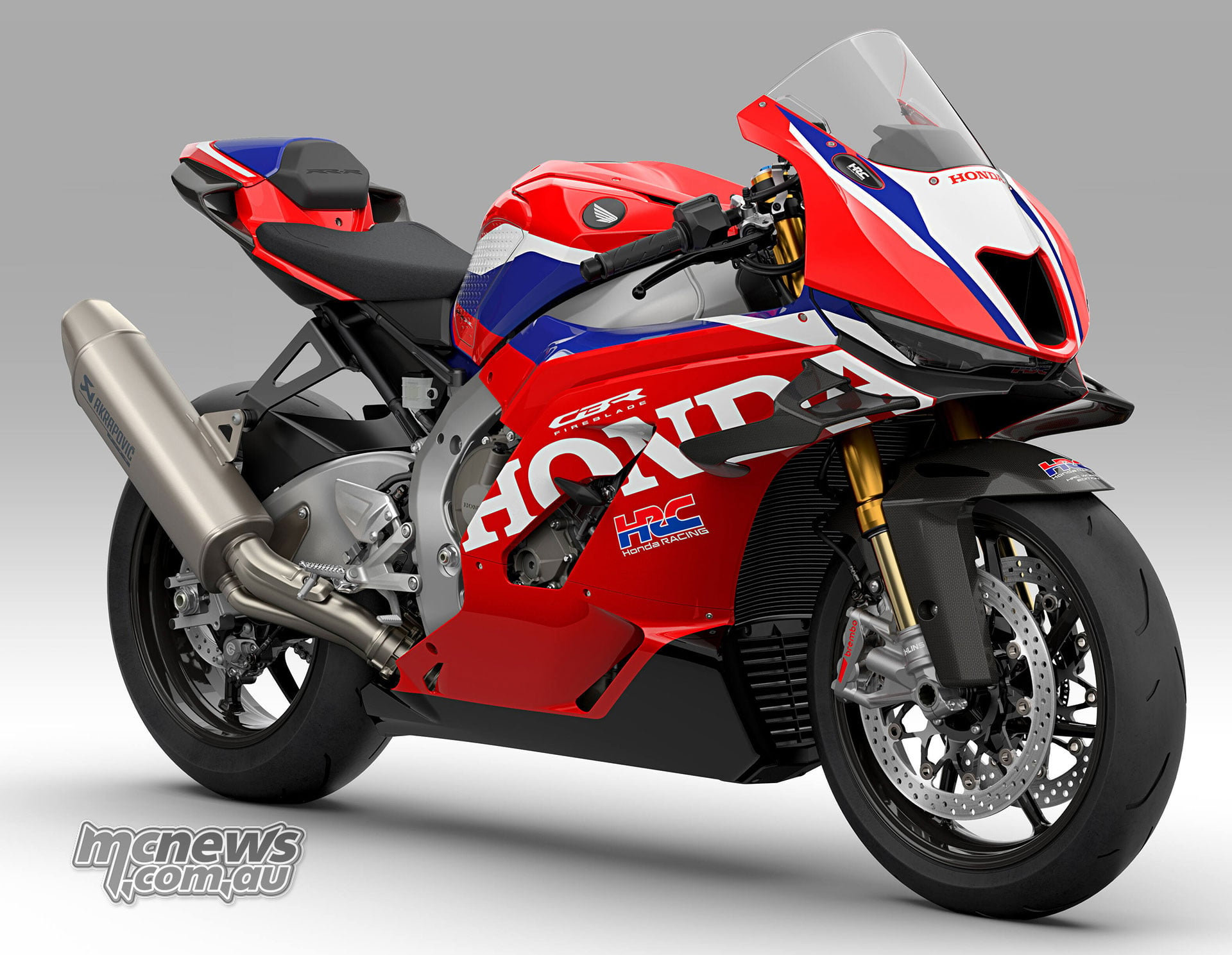
The Works Edition goes considerably further. Its carbon-fibre dual-element winglets are claimed to generate 3.5 times the standard 2027 Fireblade’s downforce at 299 km/h. Carbon-fibre rear ducts and a dedicated front mudguard complete its more elaborate aerodynamic package.
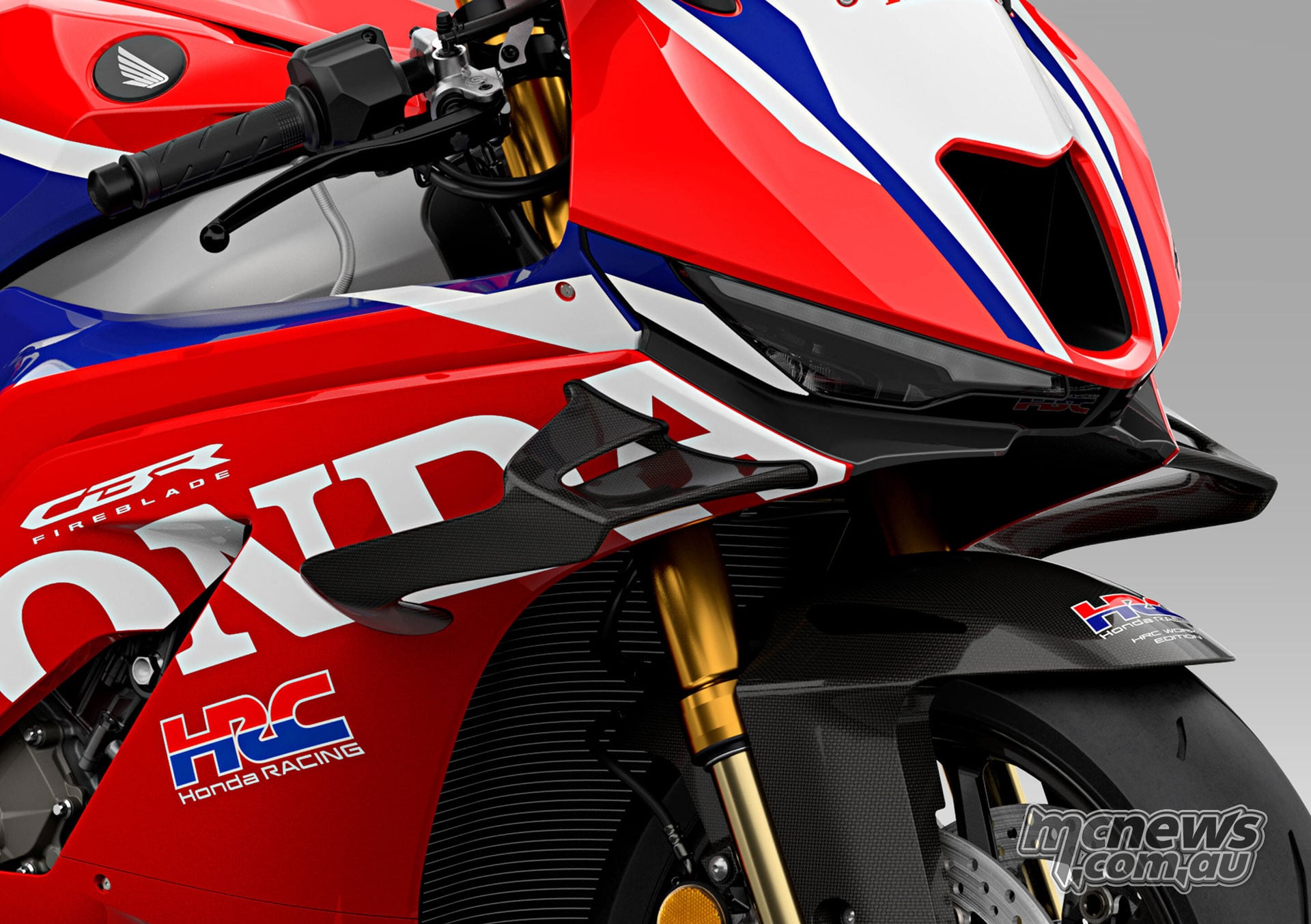
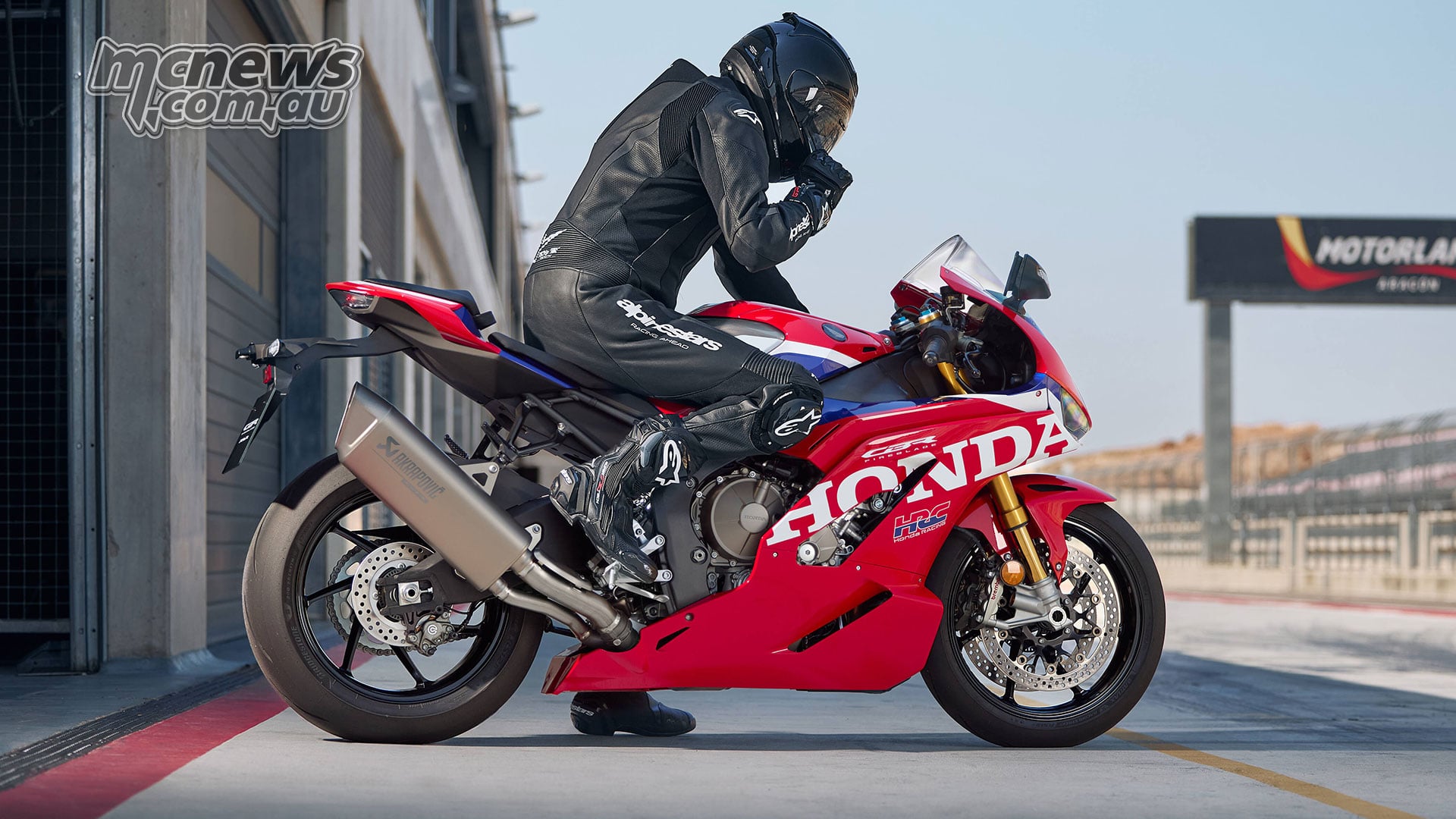
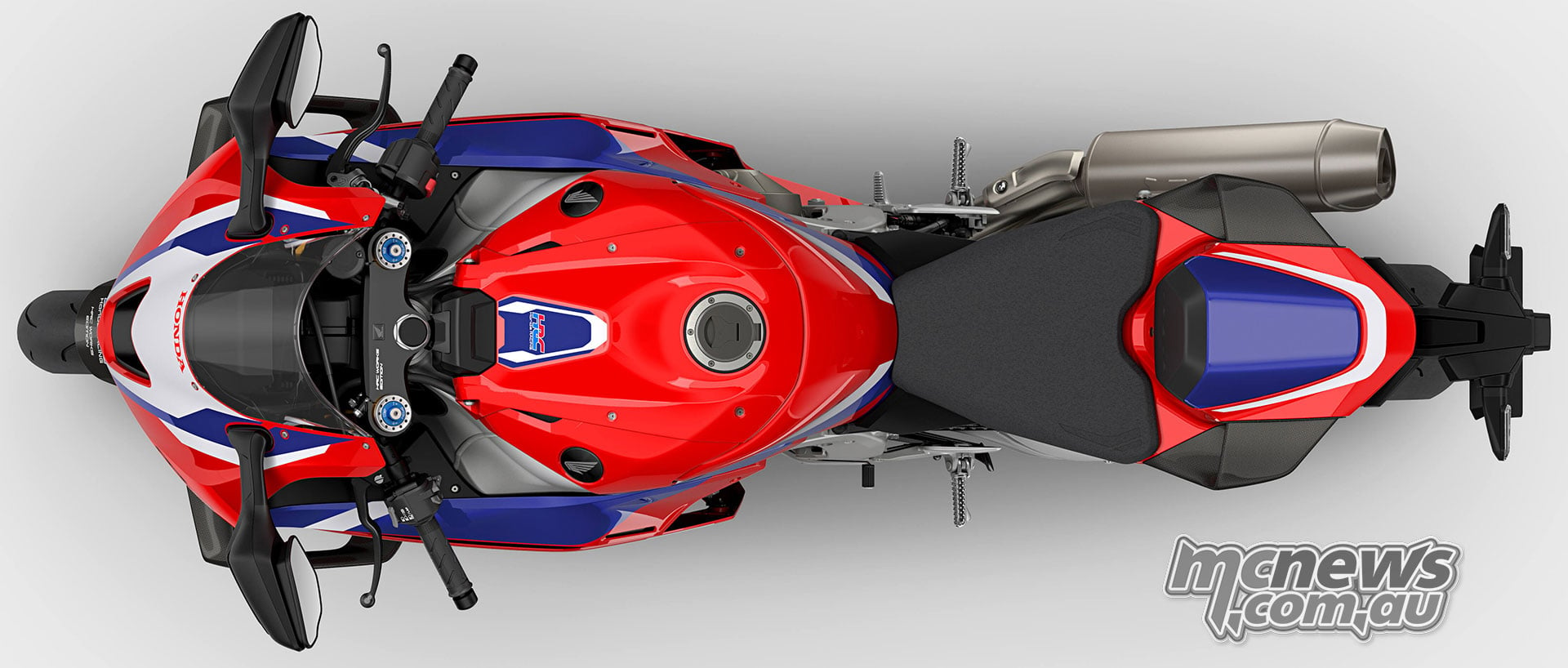
Those winglets make the Works Edition the easiest of the three versions to pick out.
SP or HRC Works Edition
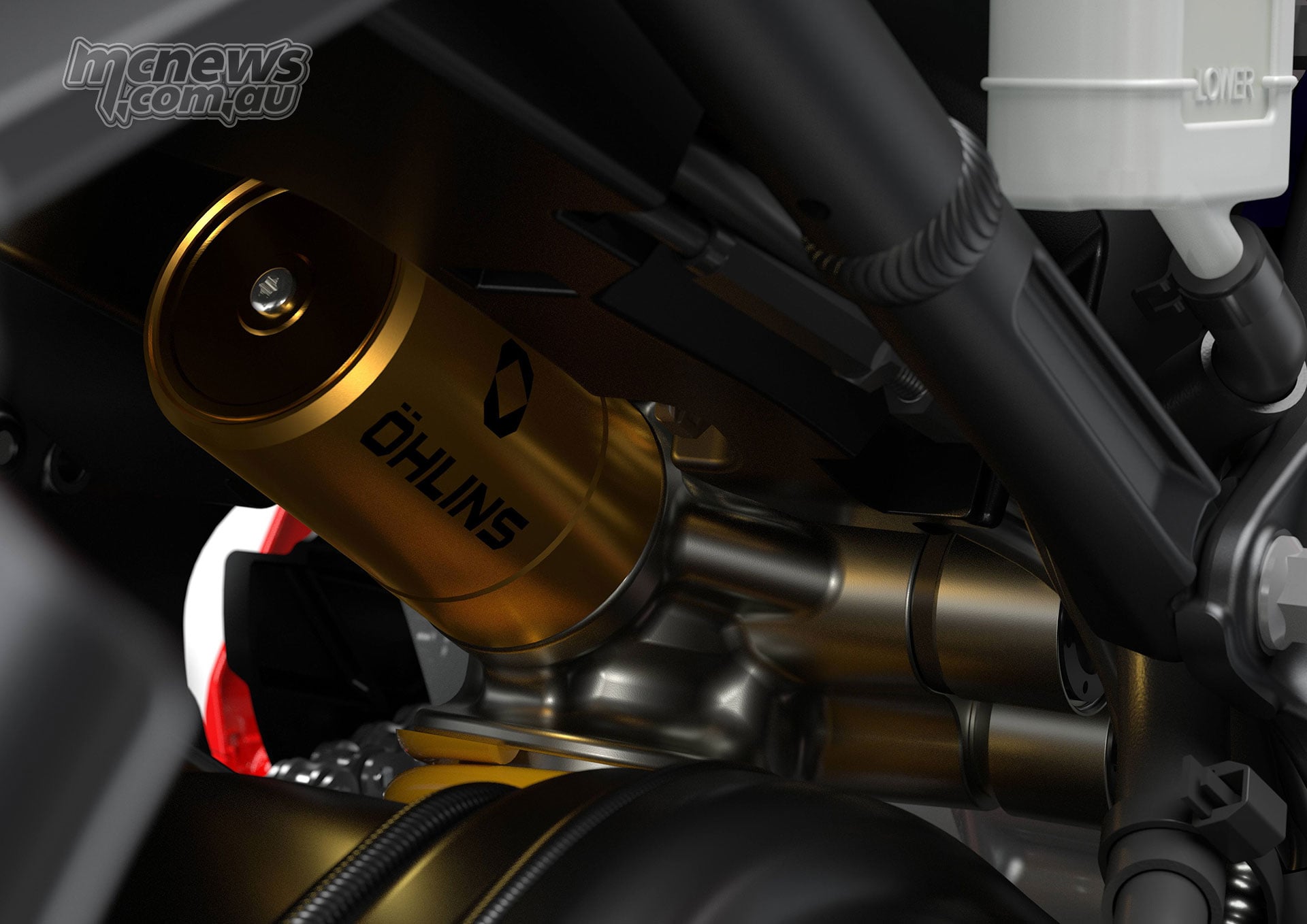
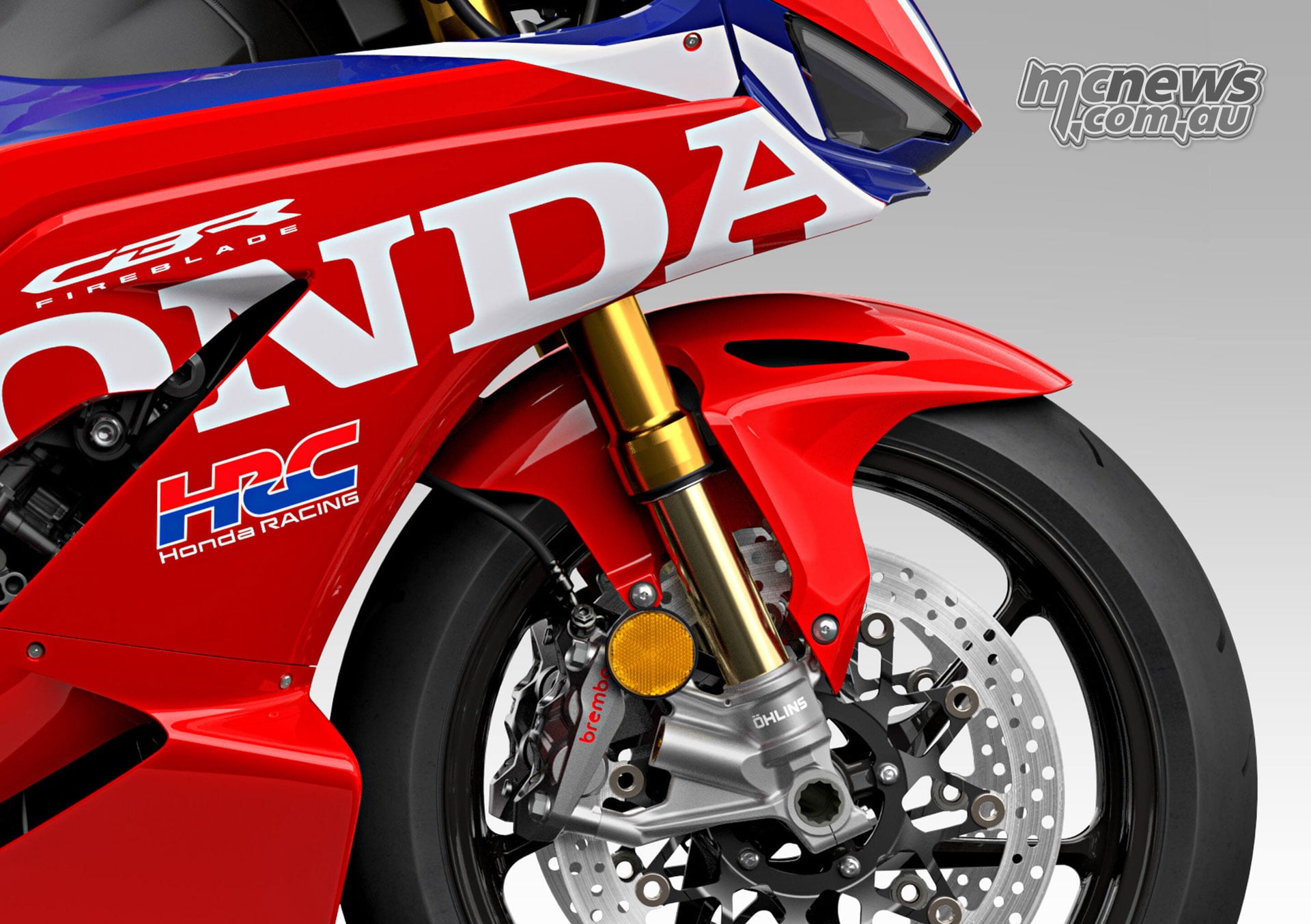
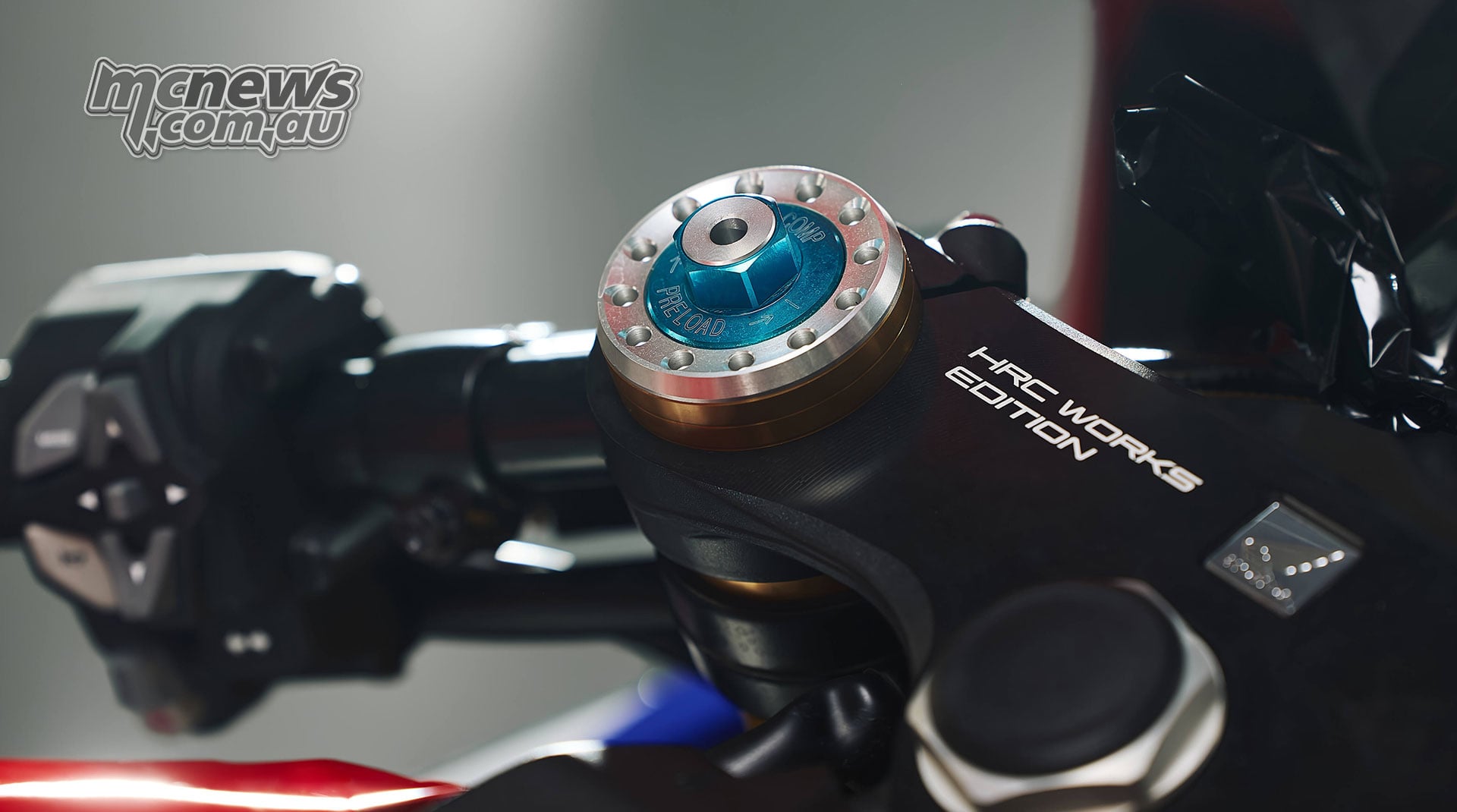
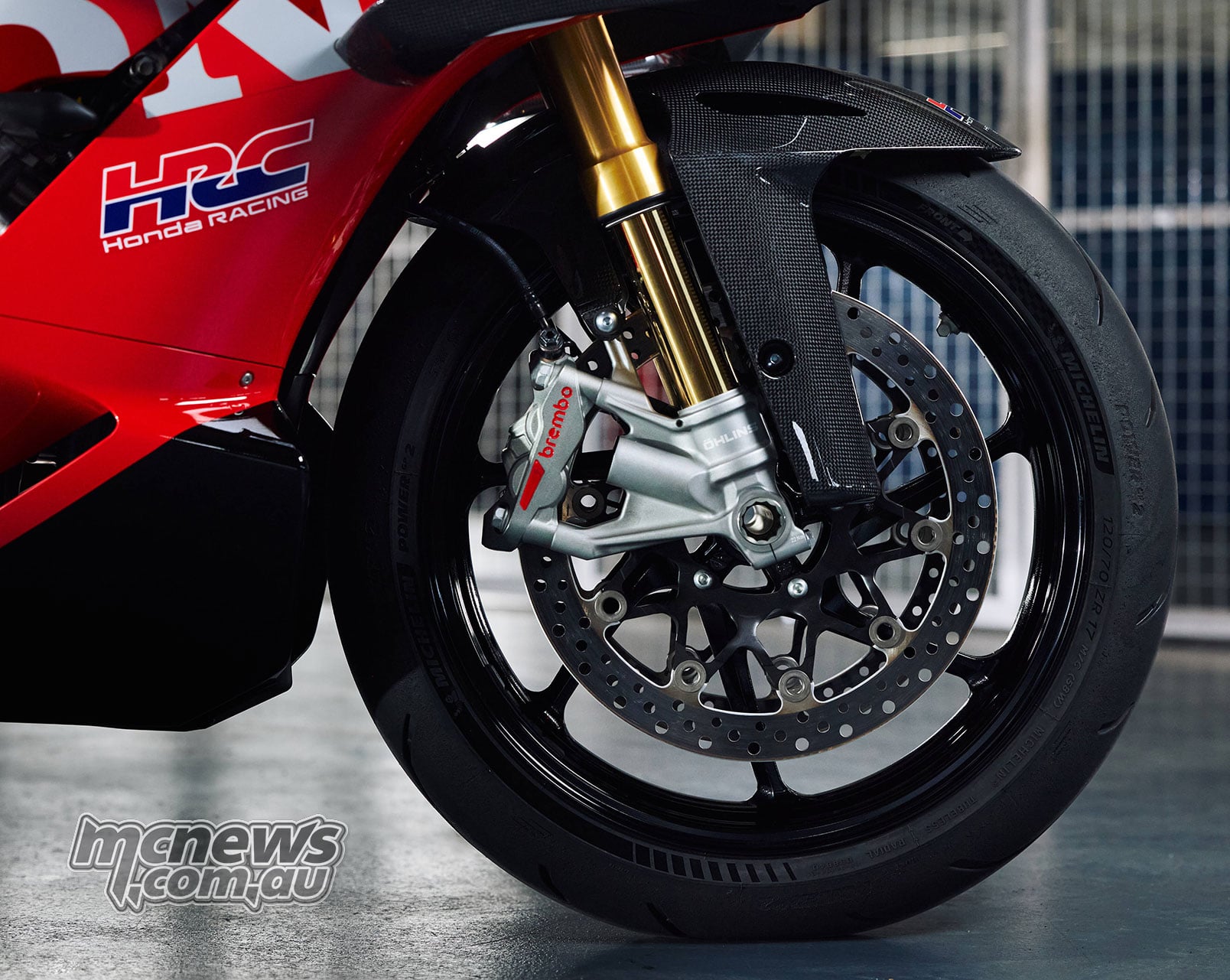
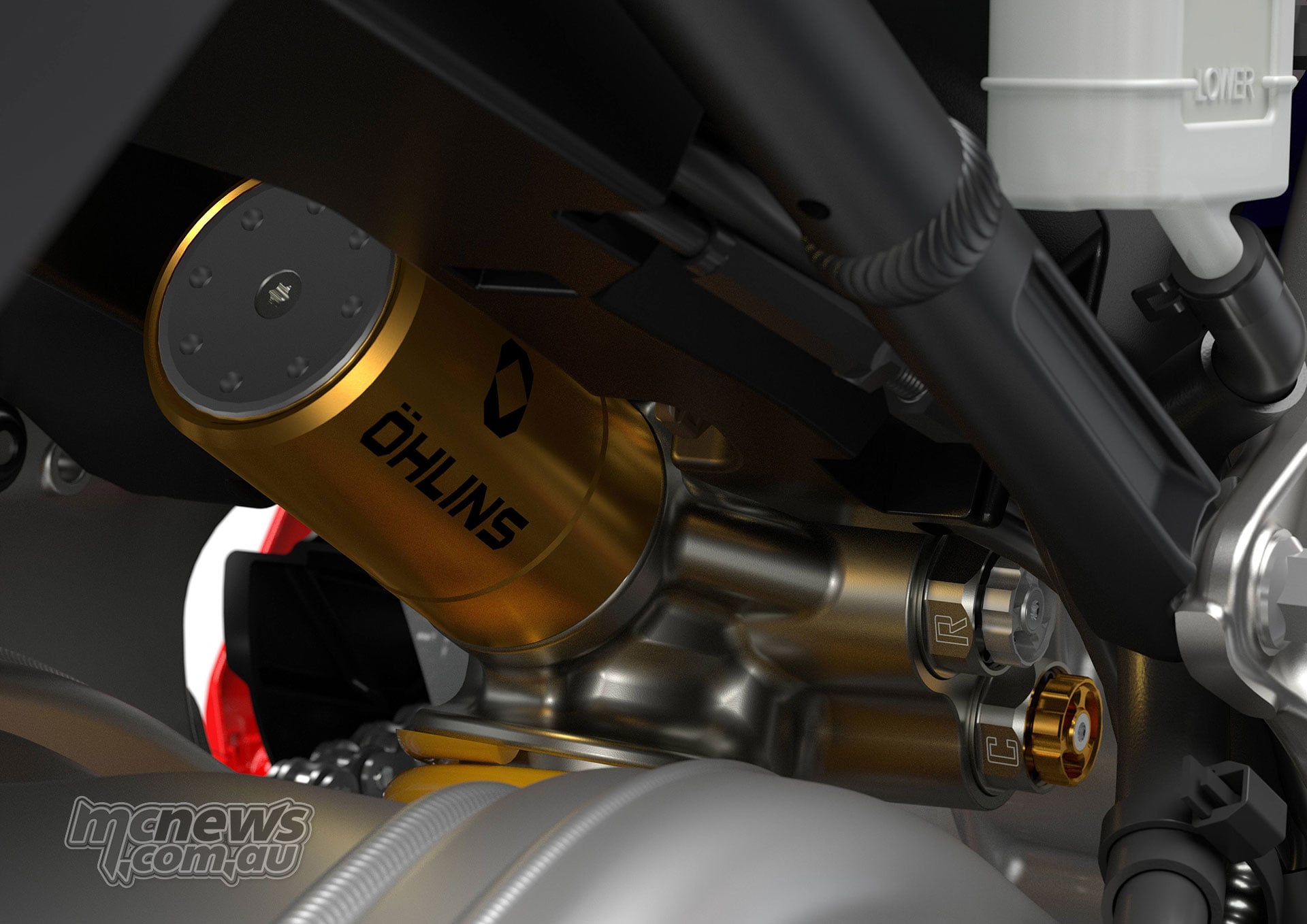
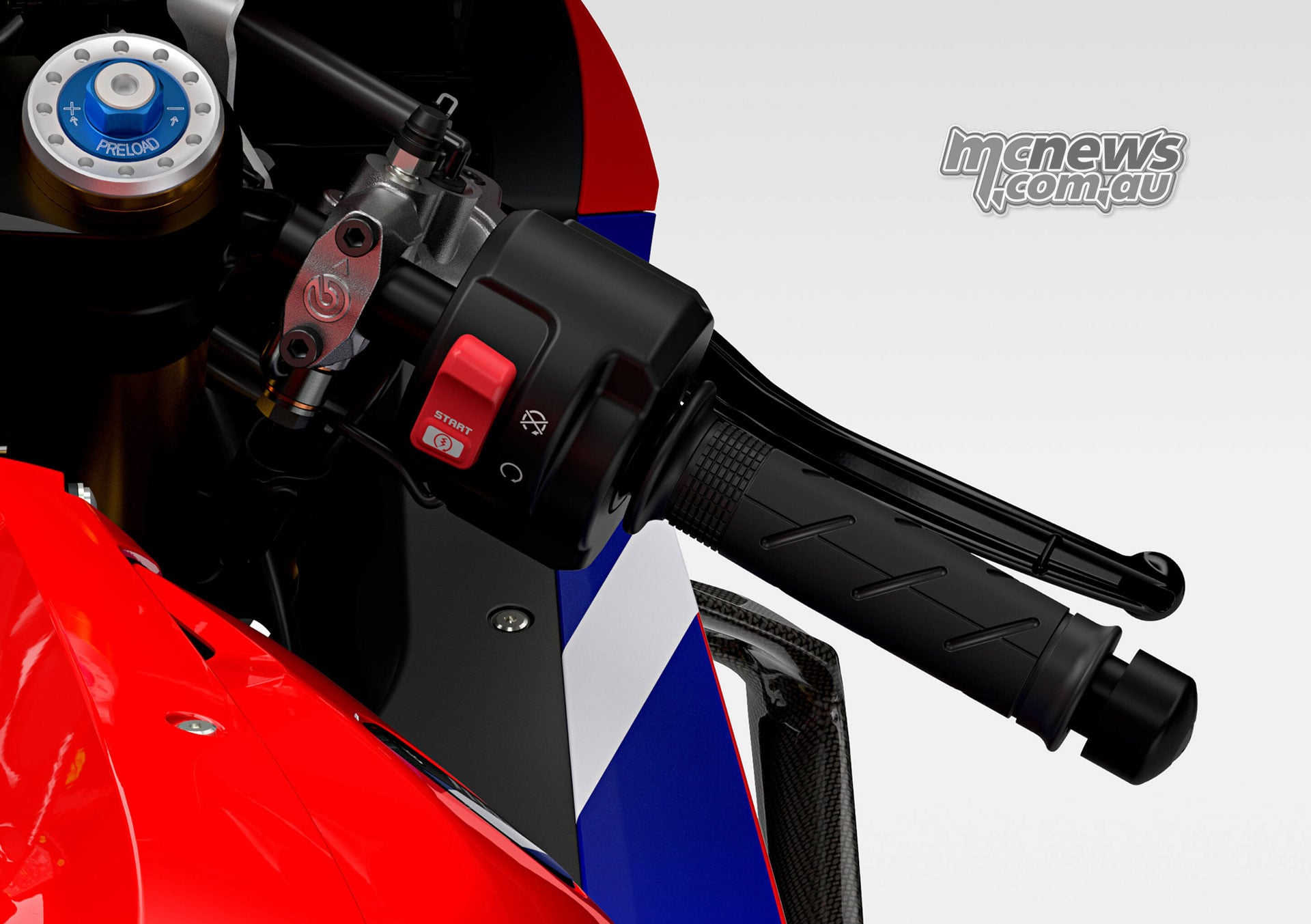
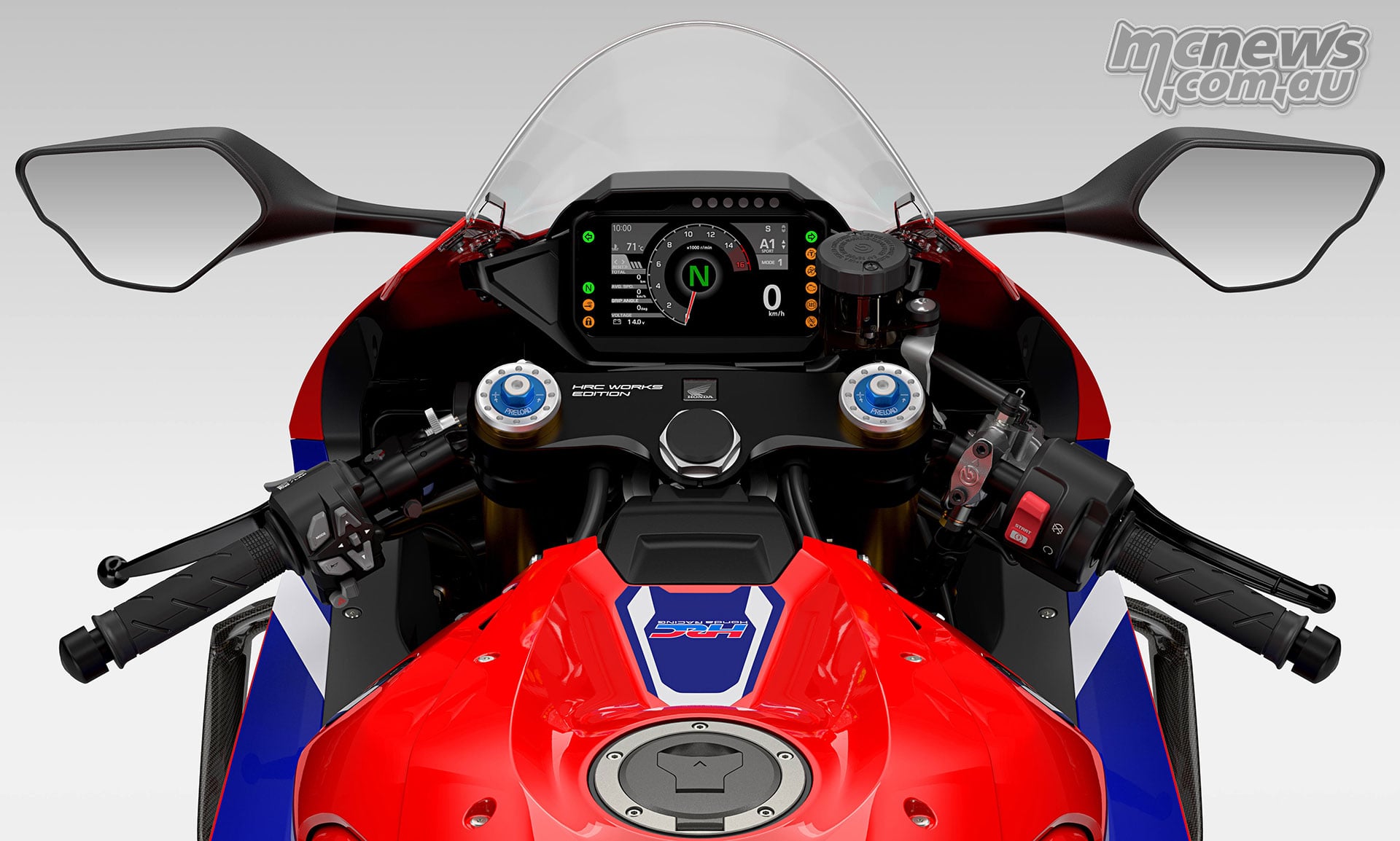
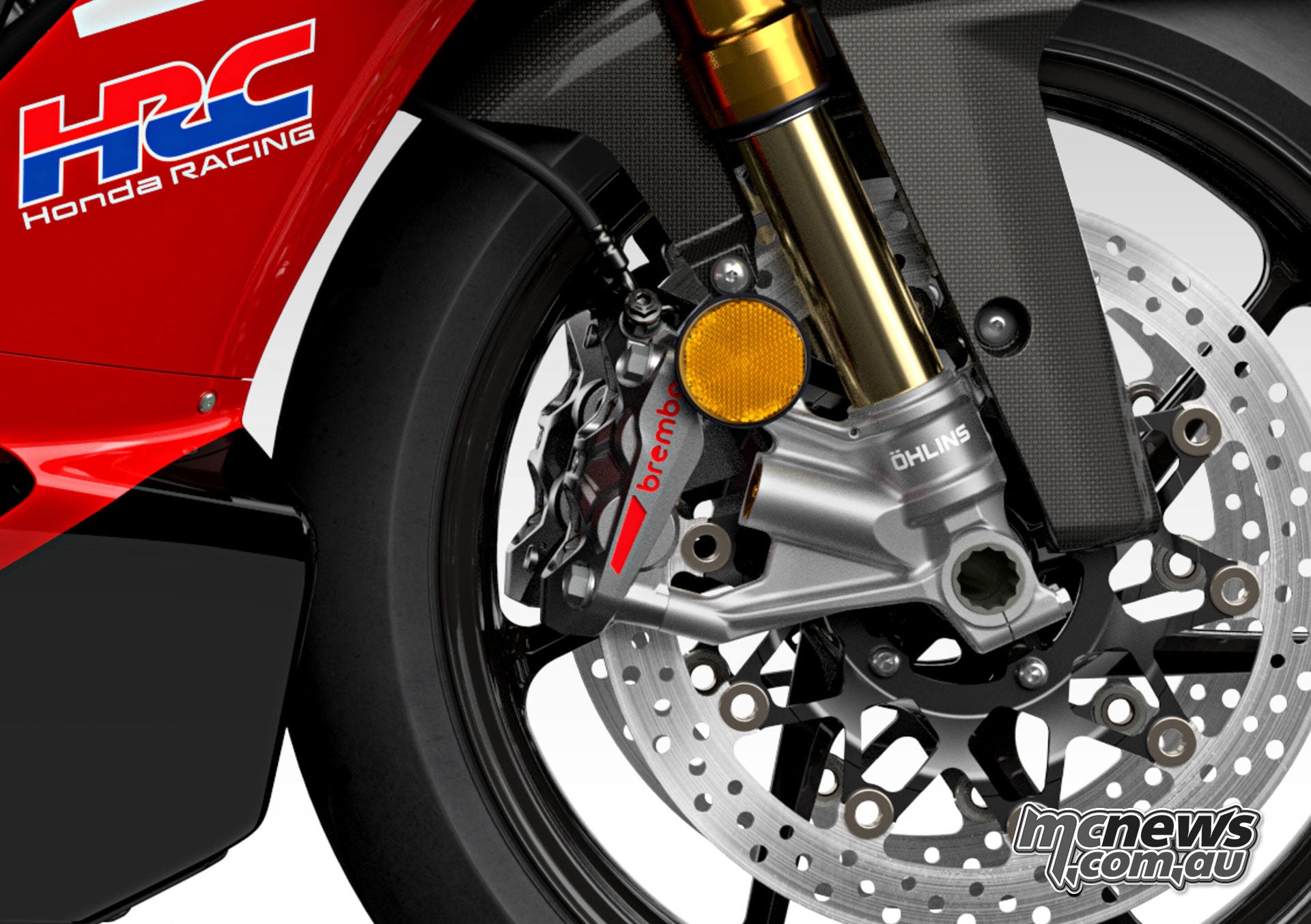
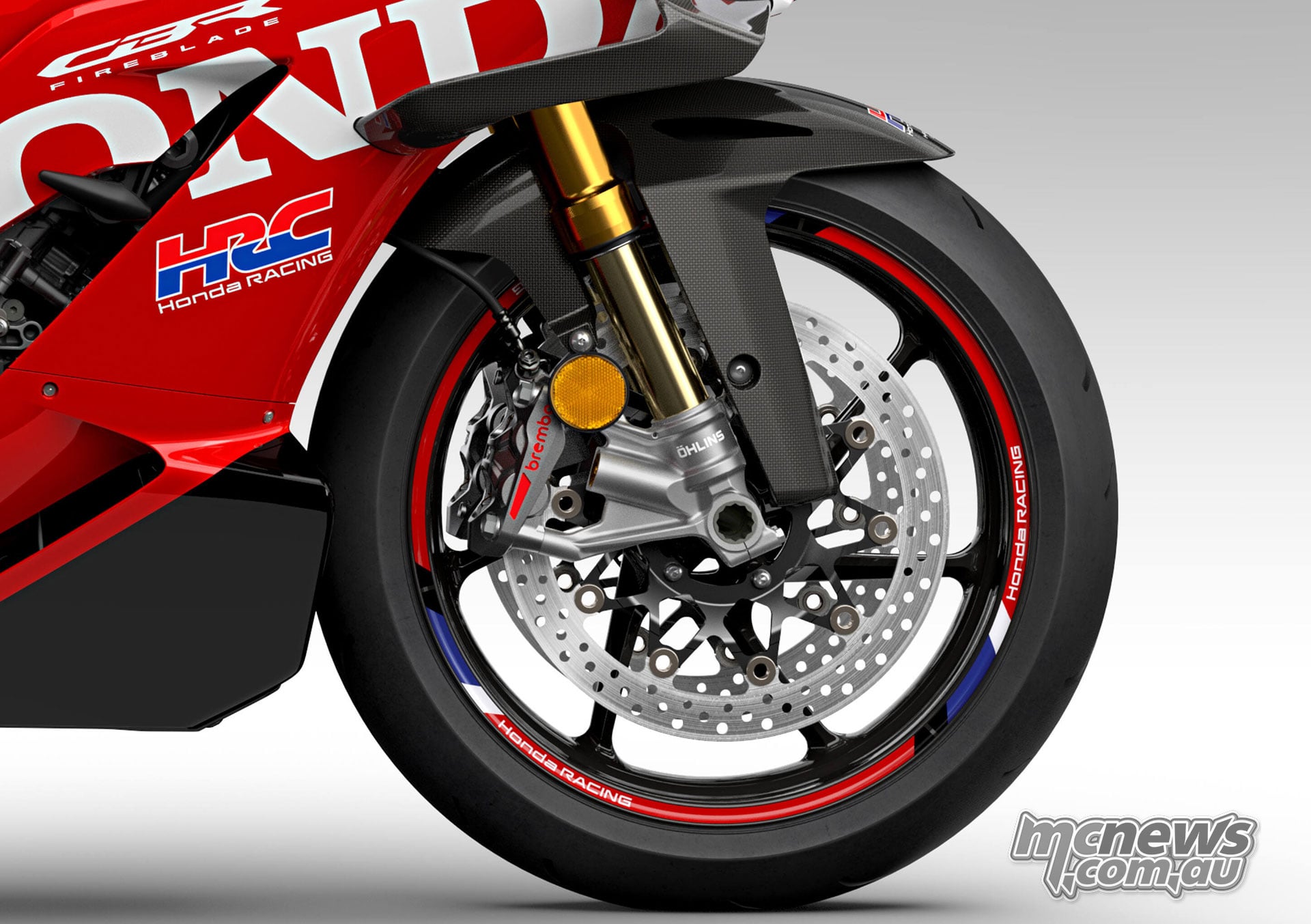
The standard Fireblade uses fully adjustable Showa suspension and Nissin front calipers. The SP adds electronically controlled Öhlins suspension, including spool-valve NPX forks and a TTX36 rear shock, along with Brembo Hypure front calipers.
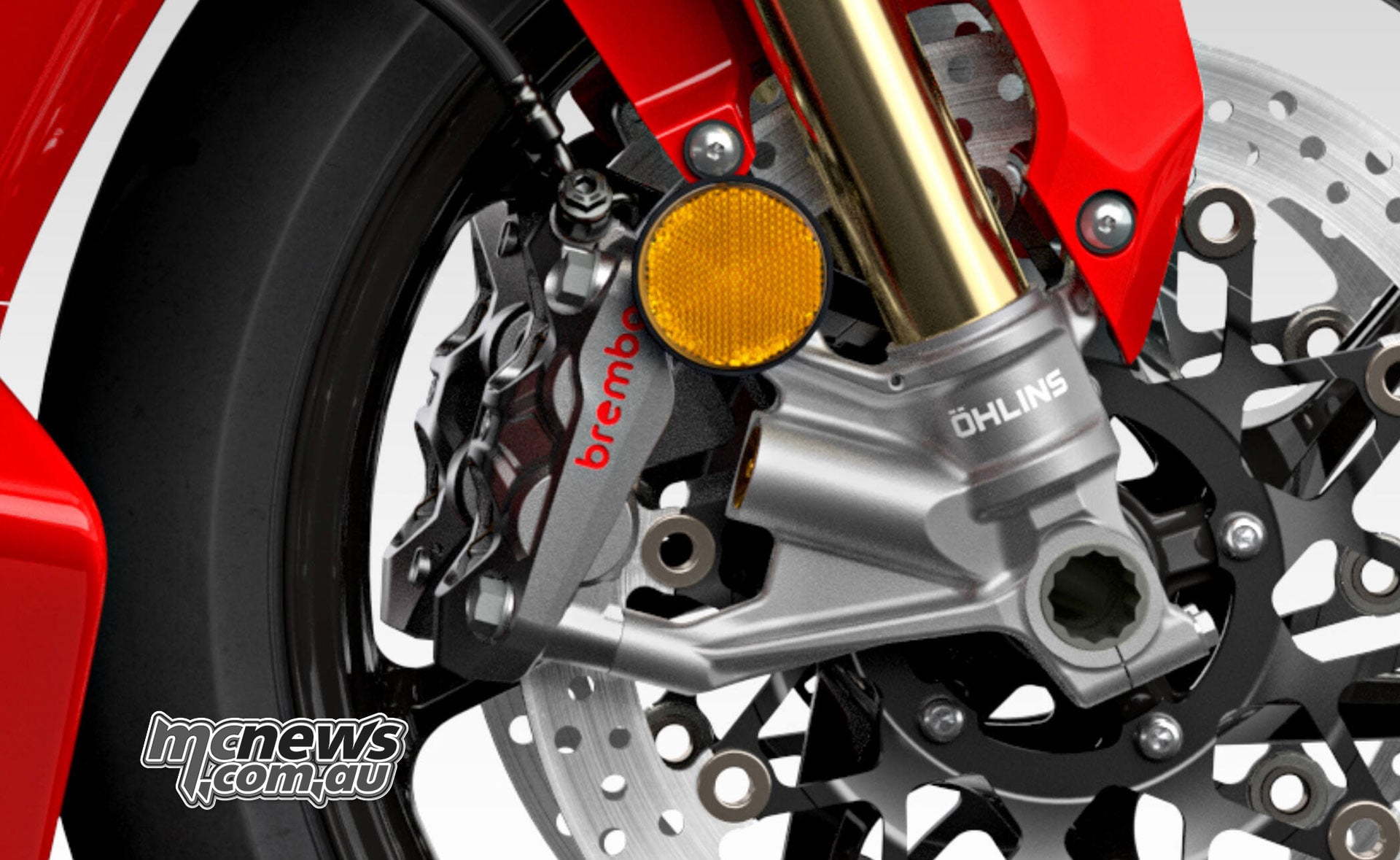
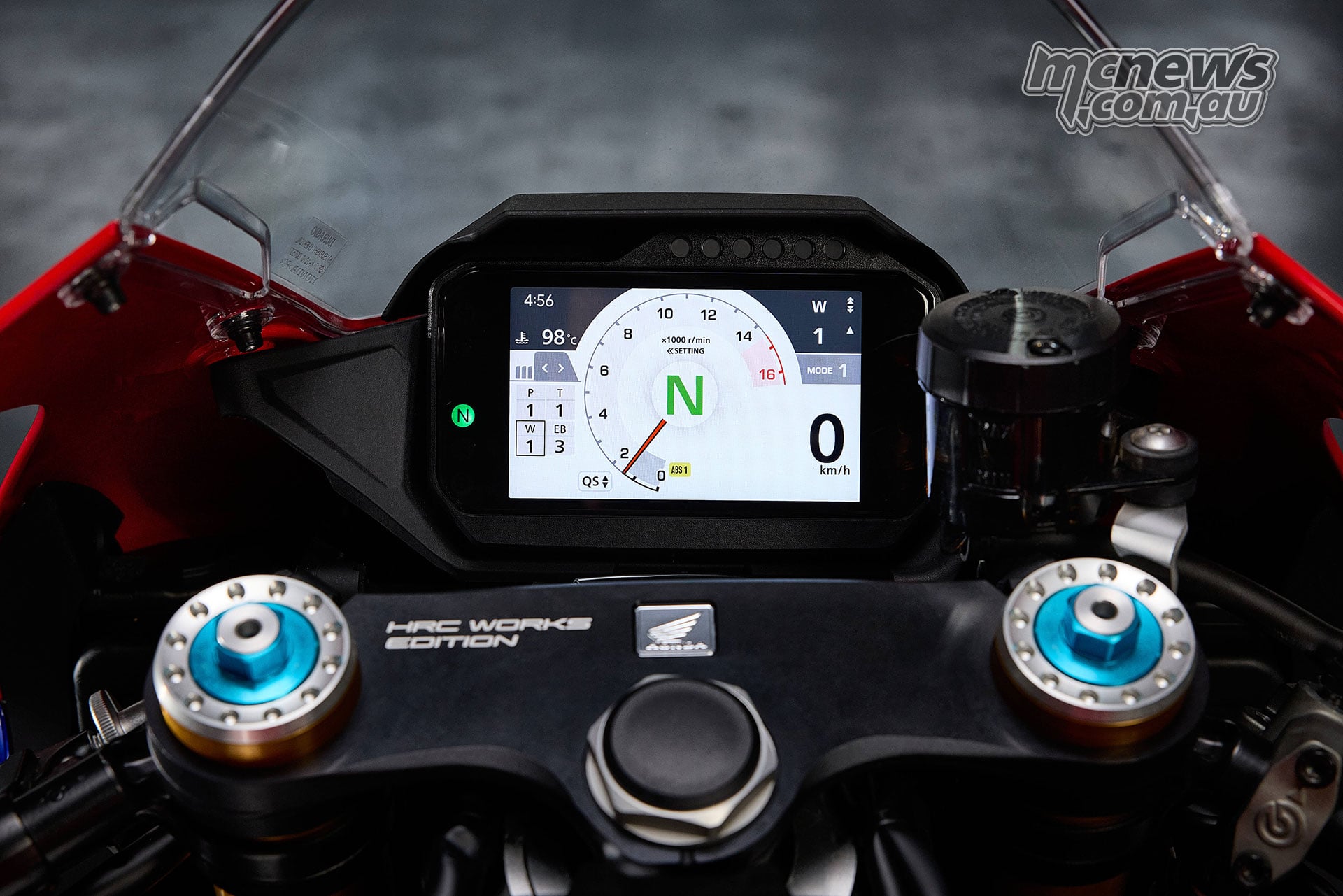
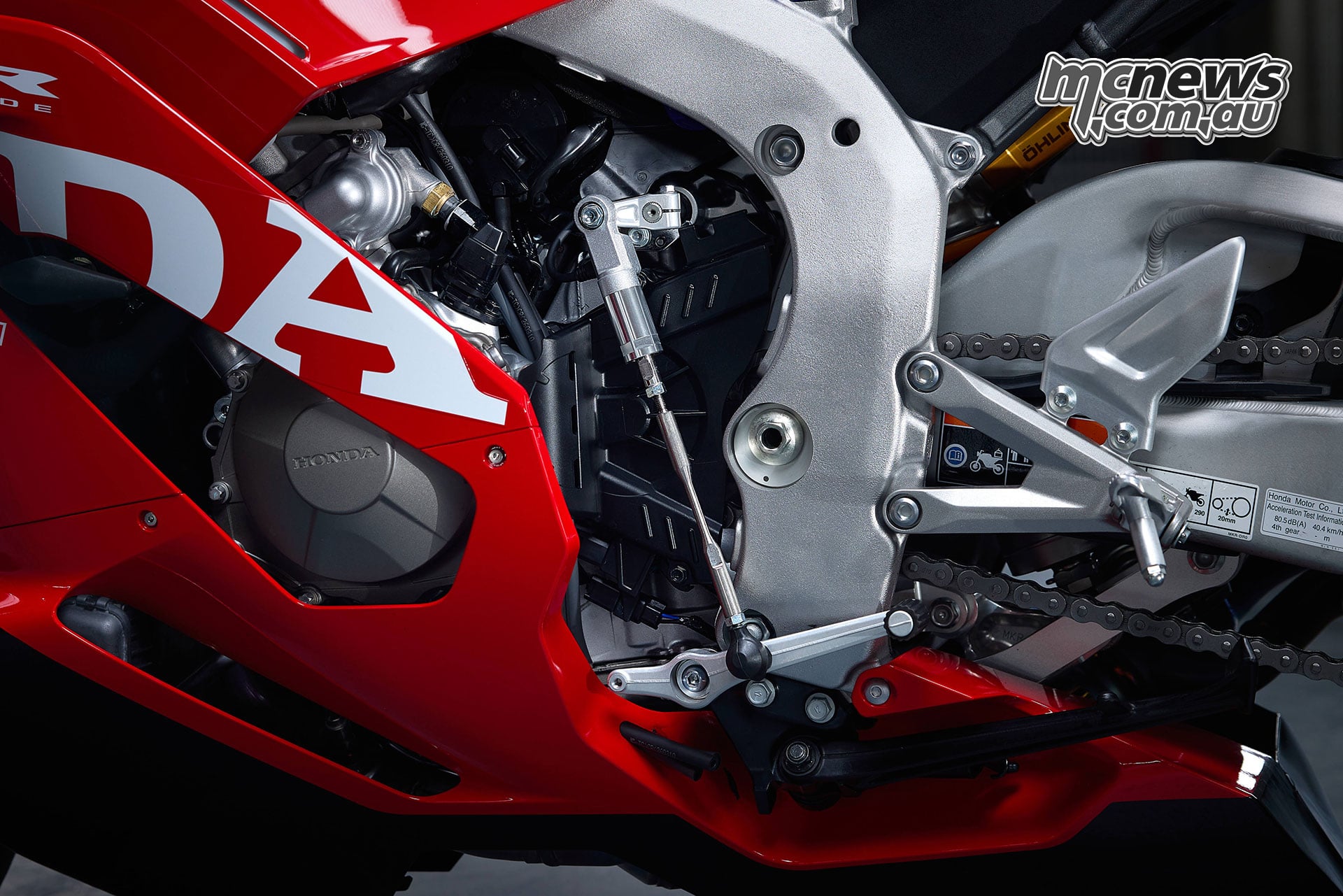
The Works Edition takes a more specialised route, with mechanical Öhlins suspension, Brembo Hypure Sports calipers and adjustable steering-head and swingarm-pivot positions. Those geometry changes give race teams additional ways to tailor the motorcycle to the circuit, tyres and rider.
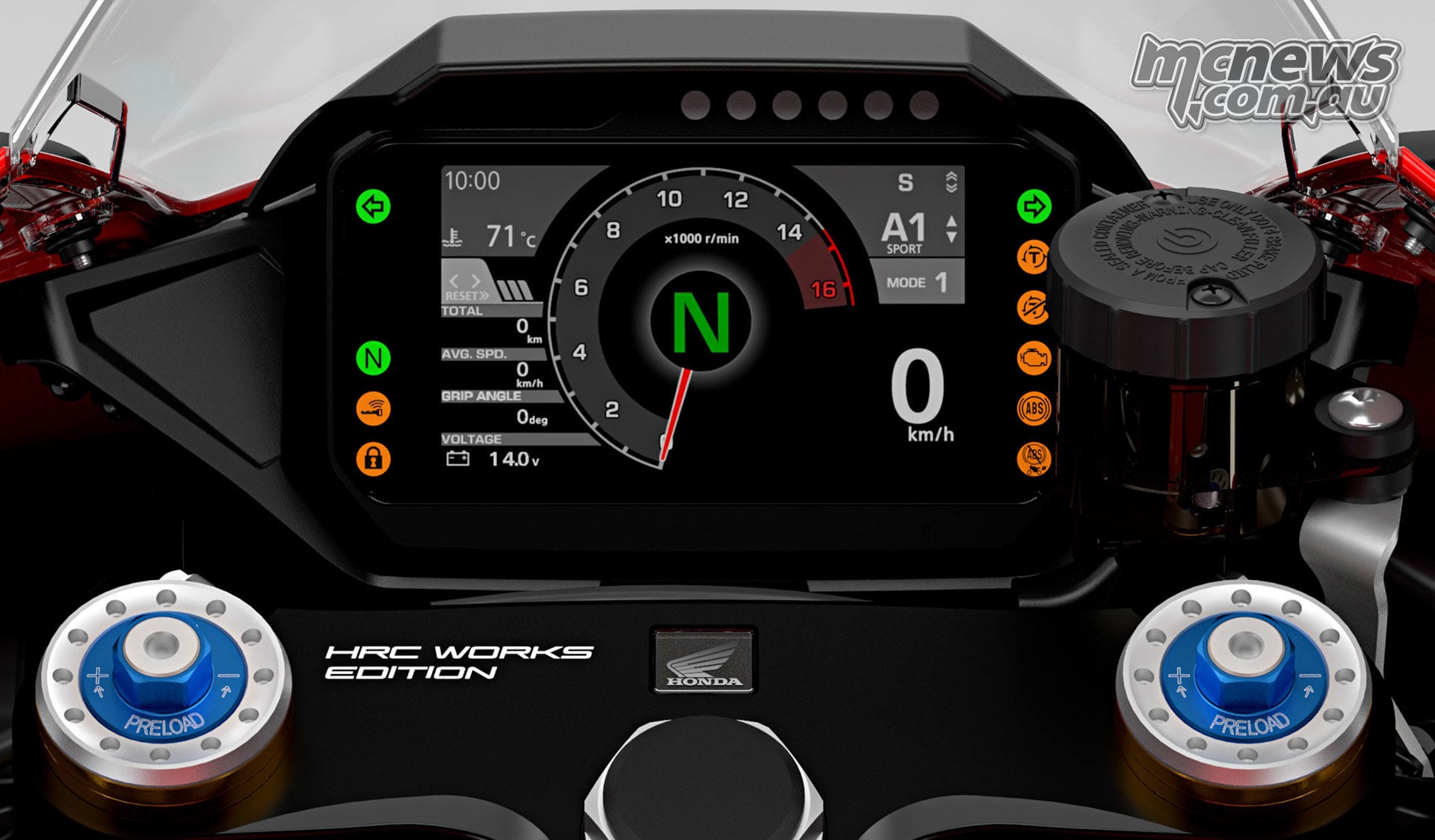
Honda specifies those geometry, gearing and cam-timing adjustments for competition use.
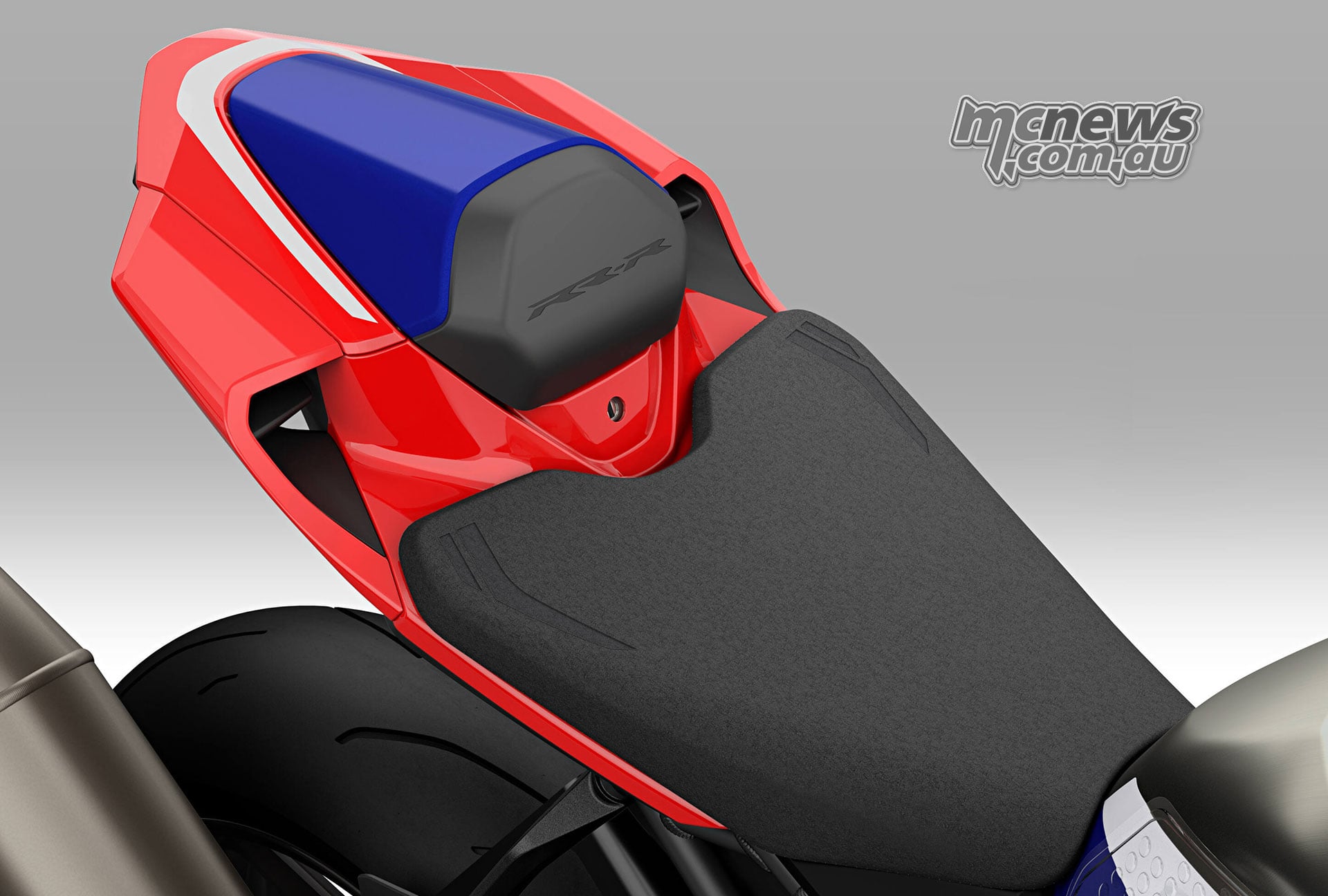
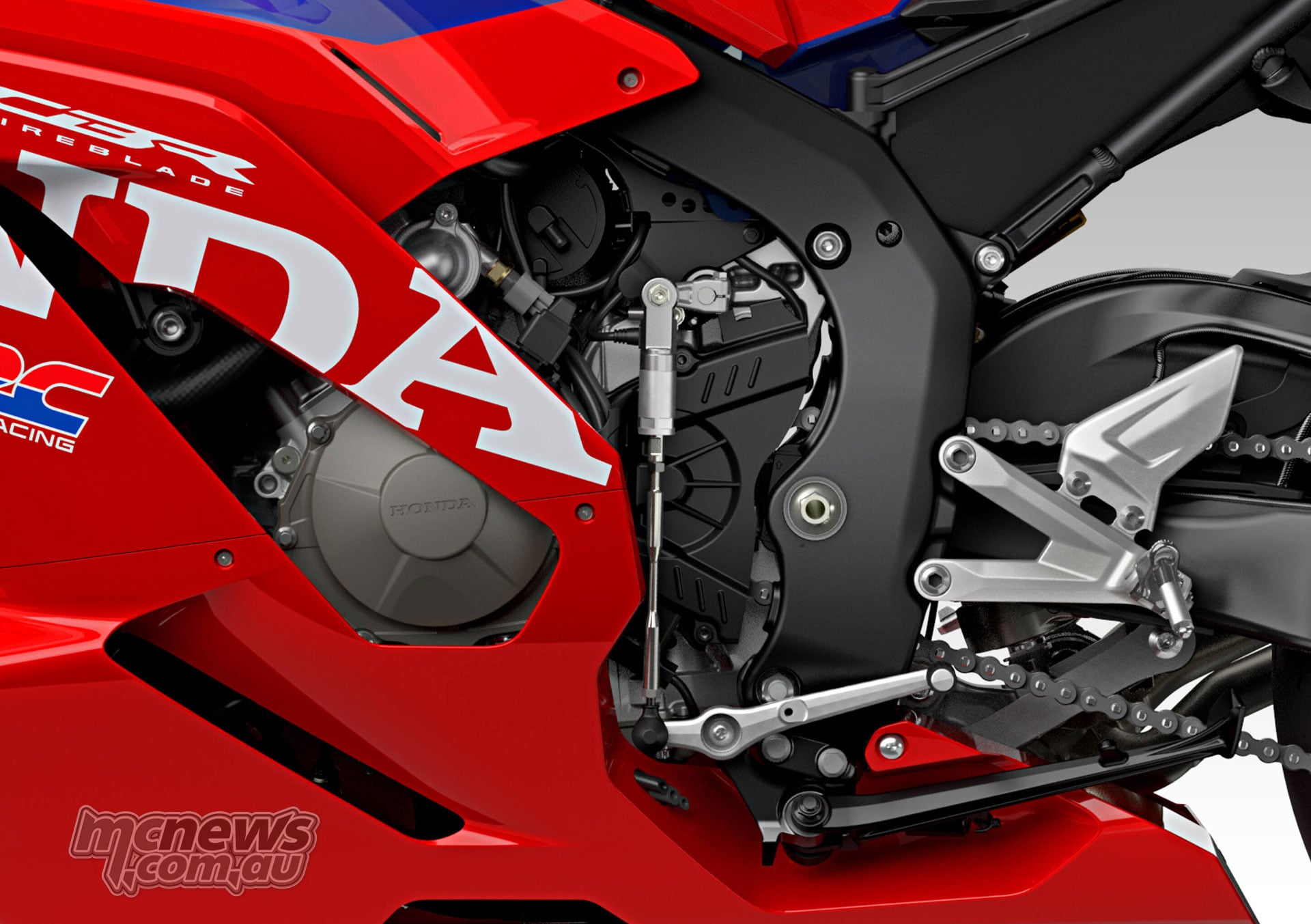
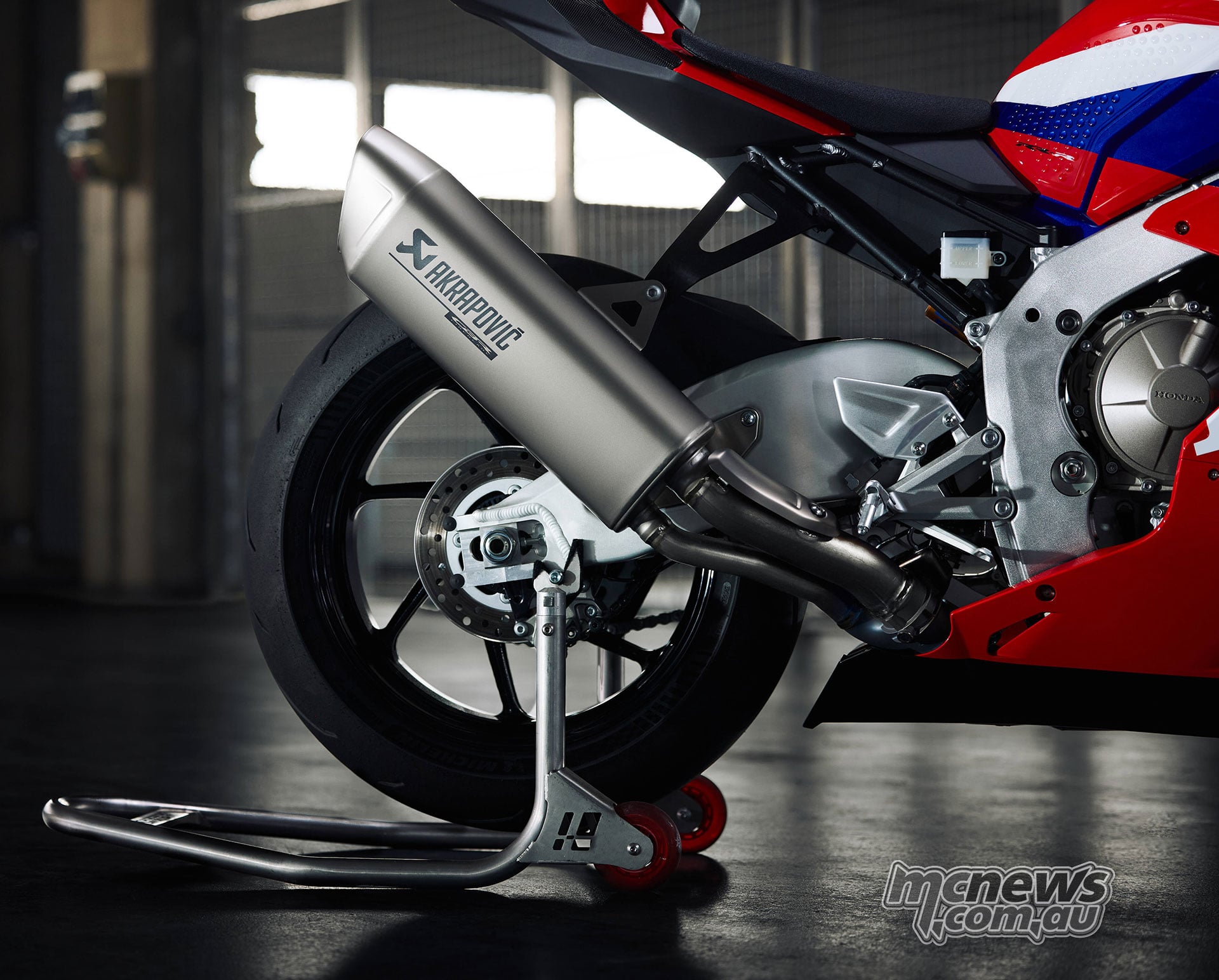
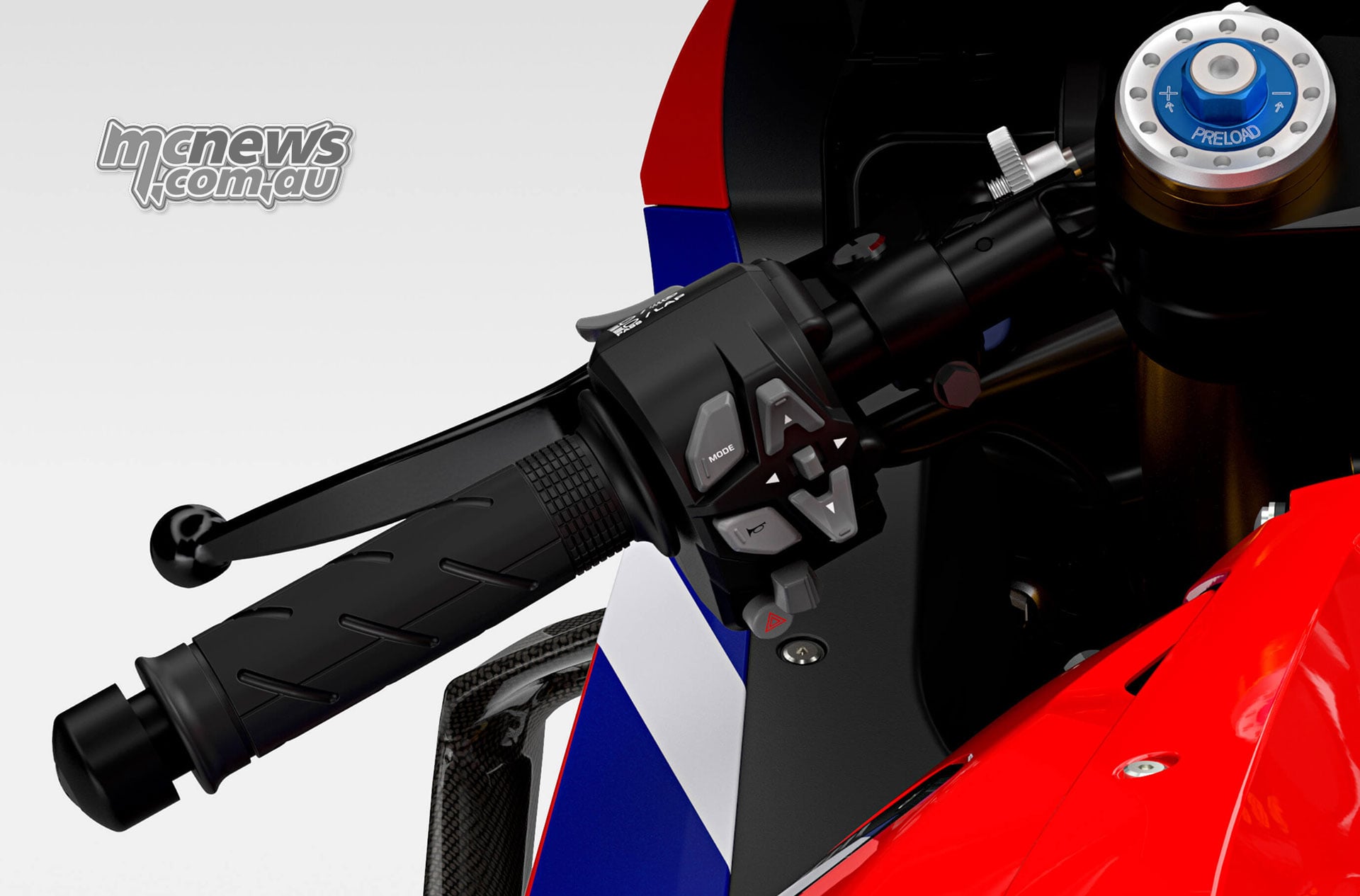
An optional HRC kit also provides a bottom-neutral shift arrangement, removing neutral from between first and second and requiring an inhibitor to be released before neutral can be selected. The Works Edition is a single-seater, with the pillion equipment removed.
Claimed kerb weights are 199 kg for the standard Fireblade, 201 kg for the SP and 200 kg for the HRC Works Edition.
New Fireblade, new British racing line-up
Honda Racing UK has also signed newly crowned three-time British Superbike champion Kyle Ryde for 2027, joining Vickers and Dean Harrison on the new Fireblade. That gives the revised motorcycle an experienced British line-up, with Vickers already a multiple winner on its predecessor.
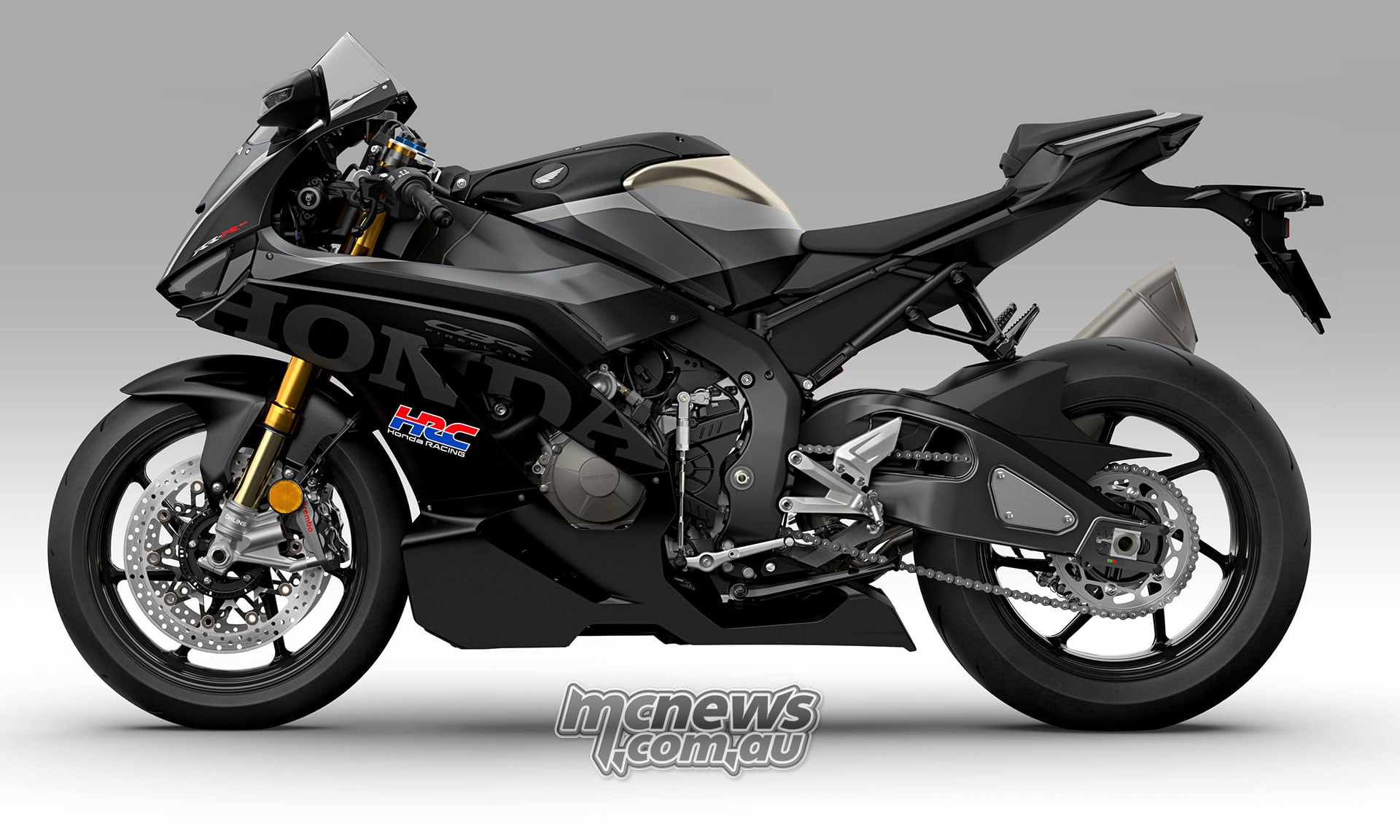
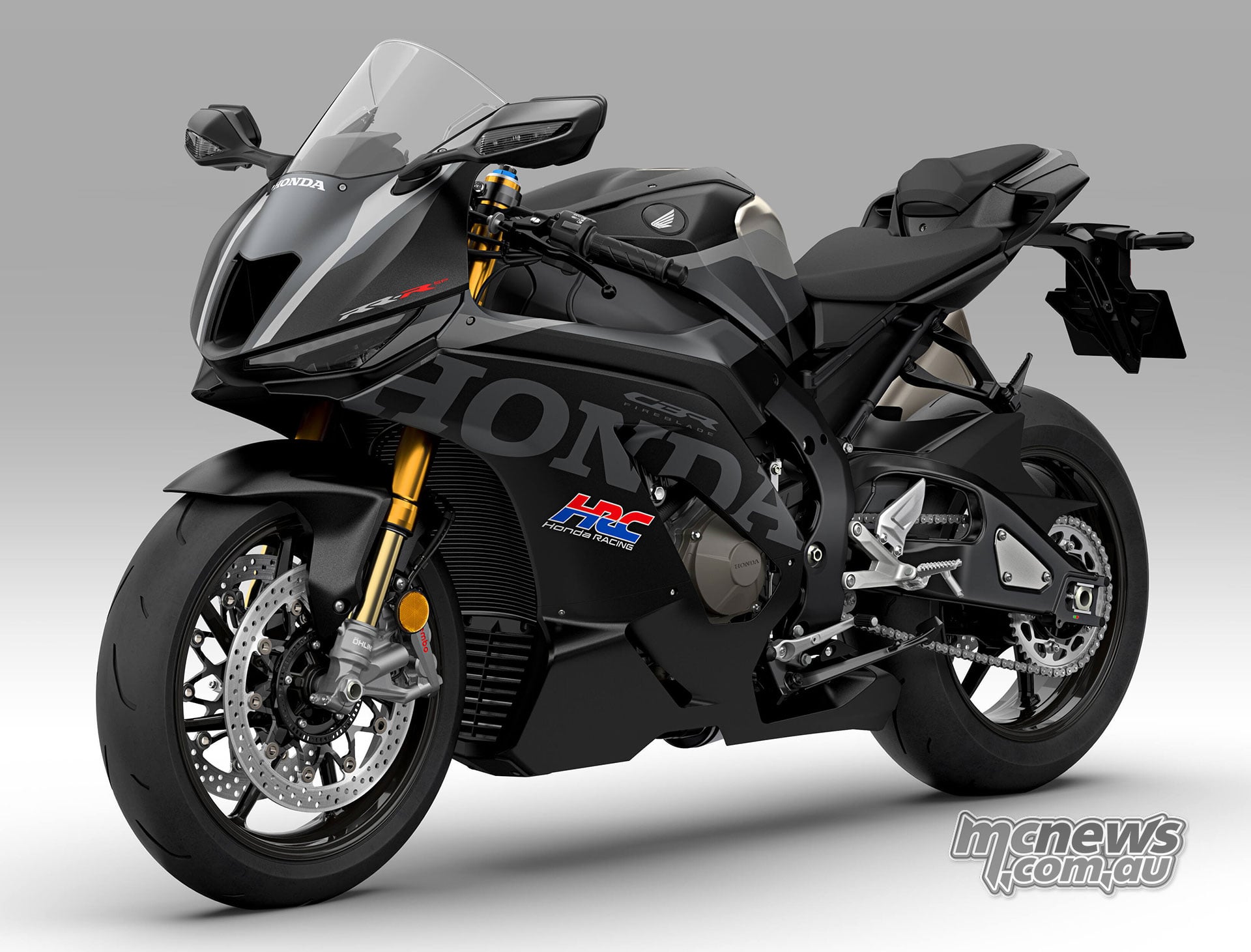
The European range announcement lists Pearl Deep Mud Gray for the standard Fireblade, Ignition Red or Mat Ballistic Black Metallic for the SP, and Ignition Red for the HRC Works Edition.
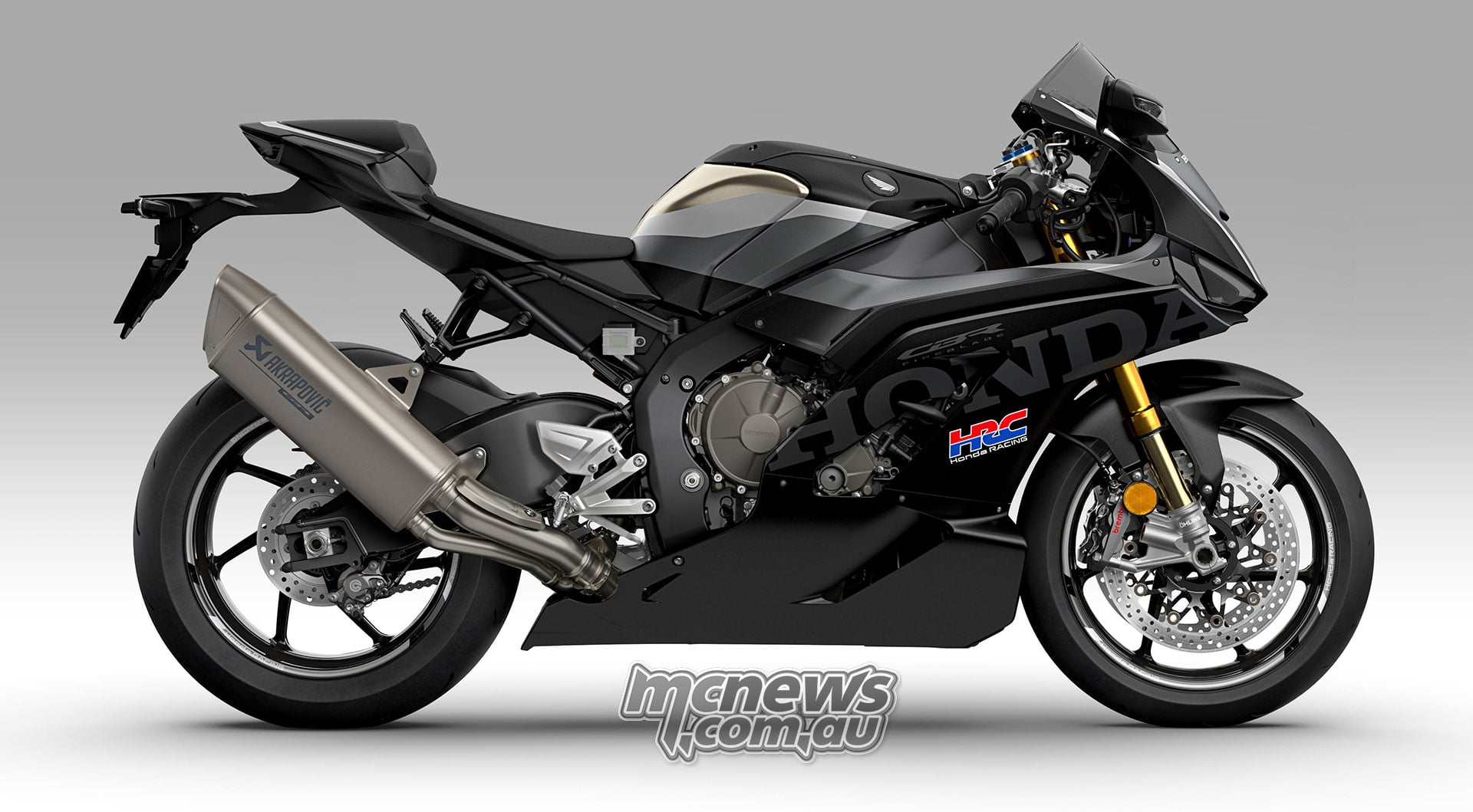
Australian pricing, arrival dates and the local model line-up are not available as yet.
2027 Honda Fireblade Images