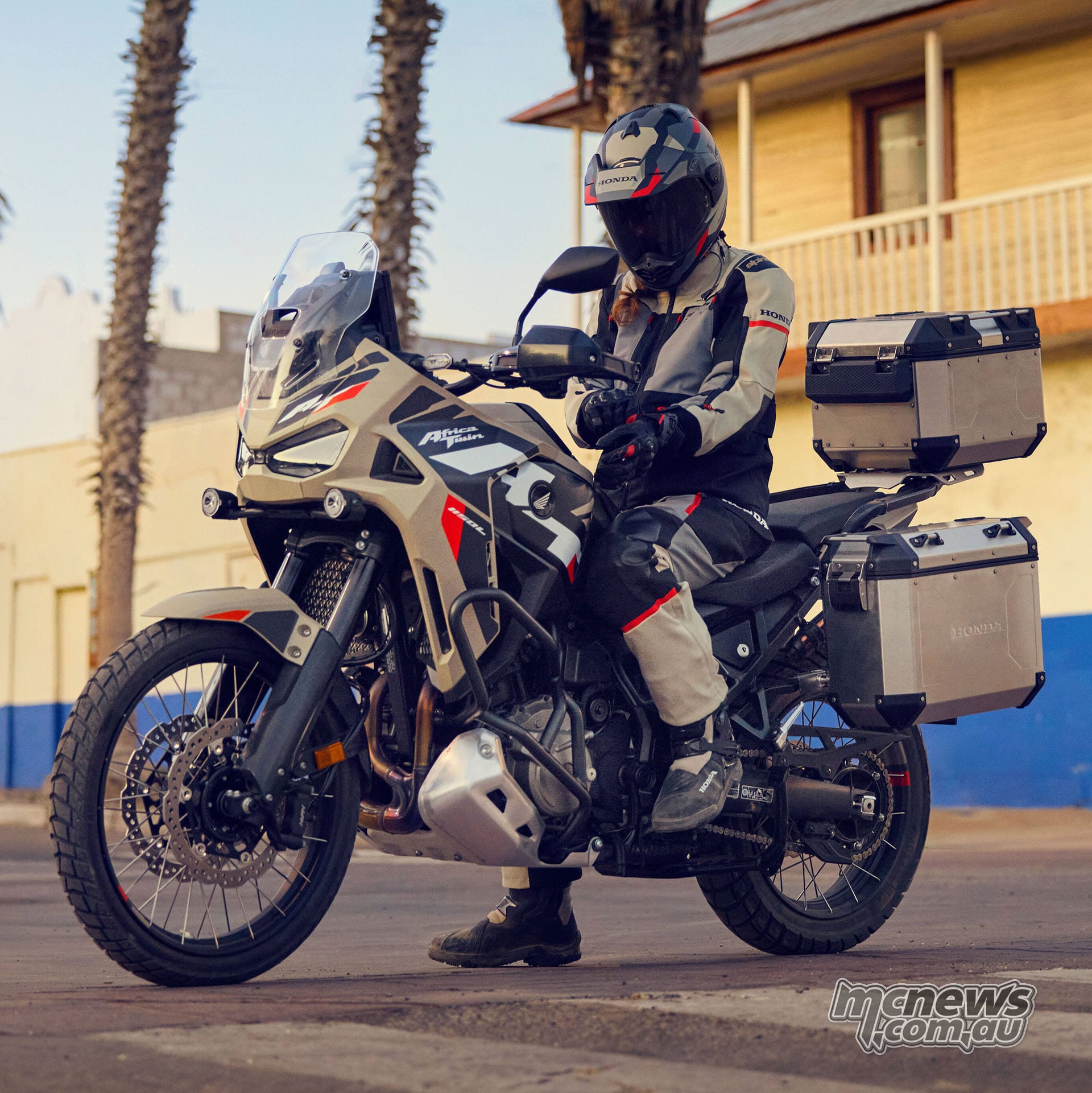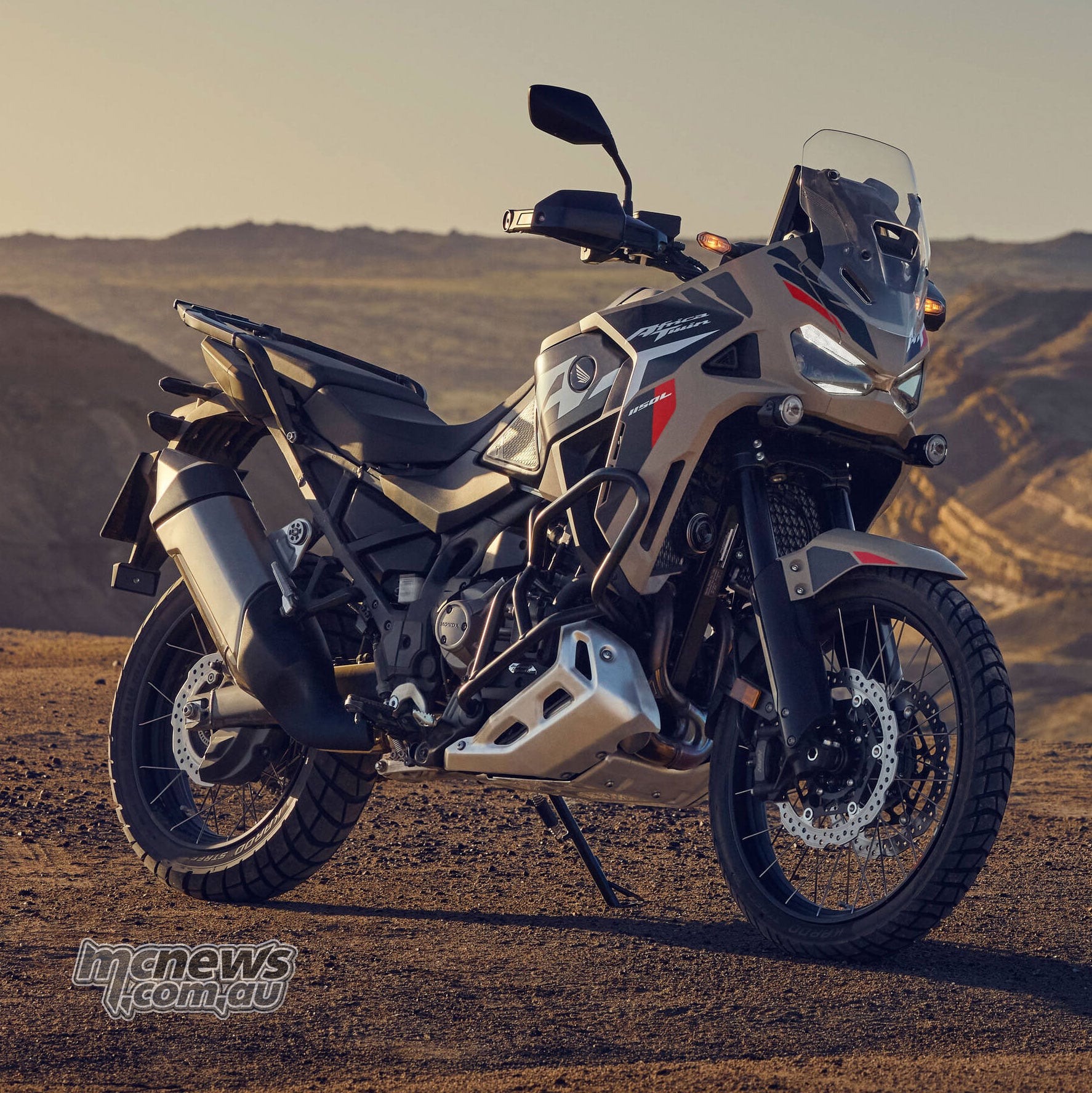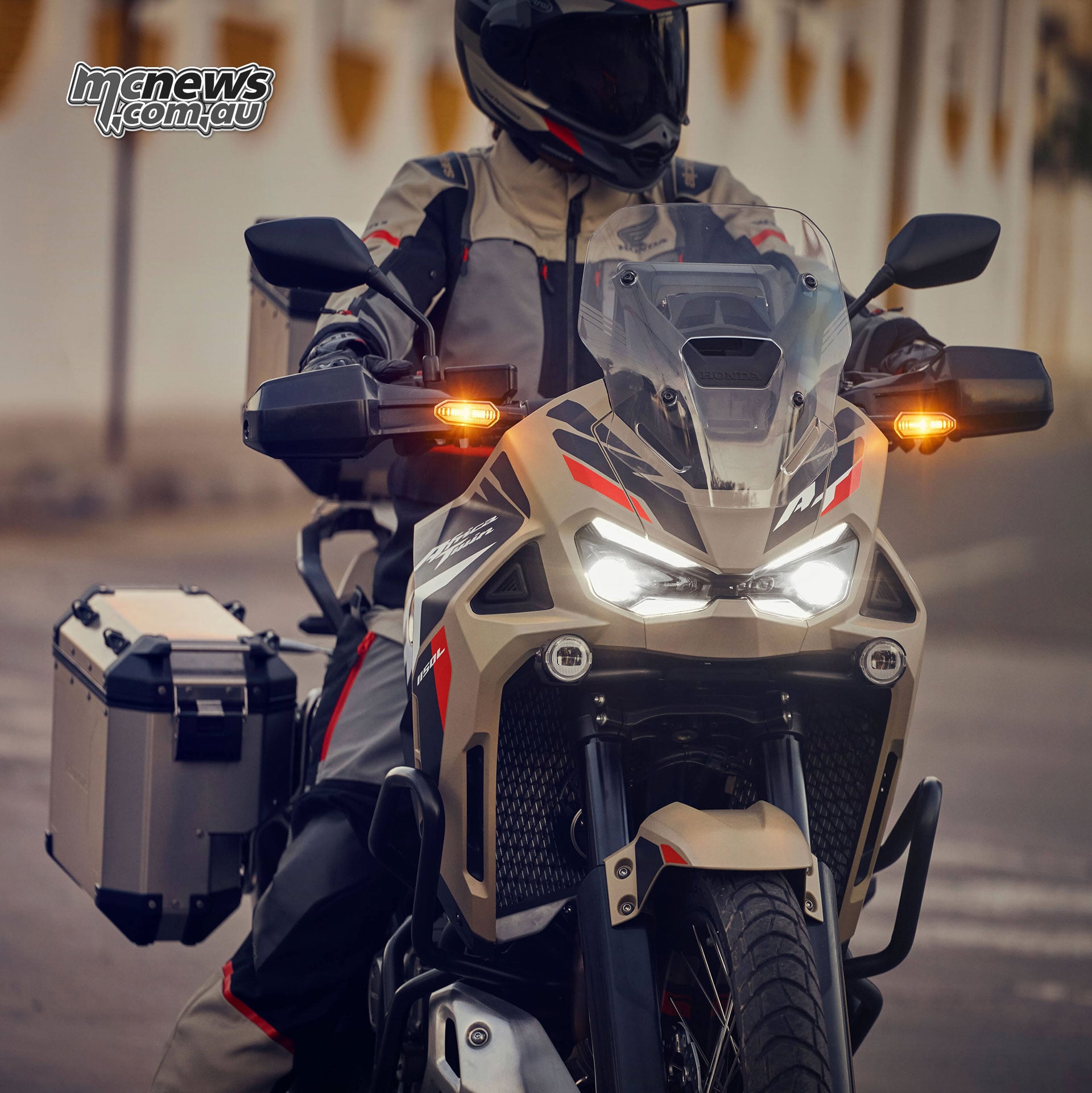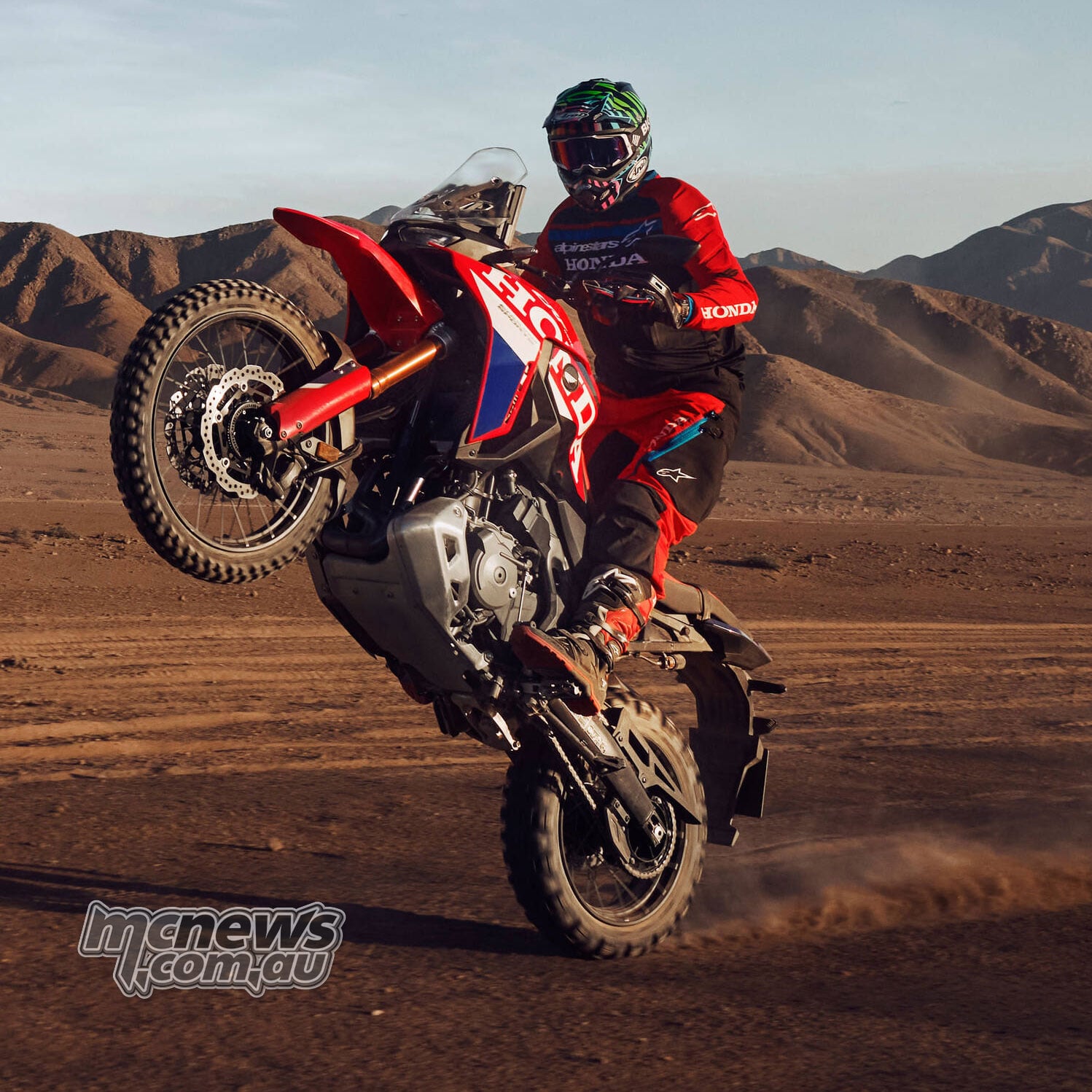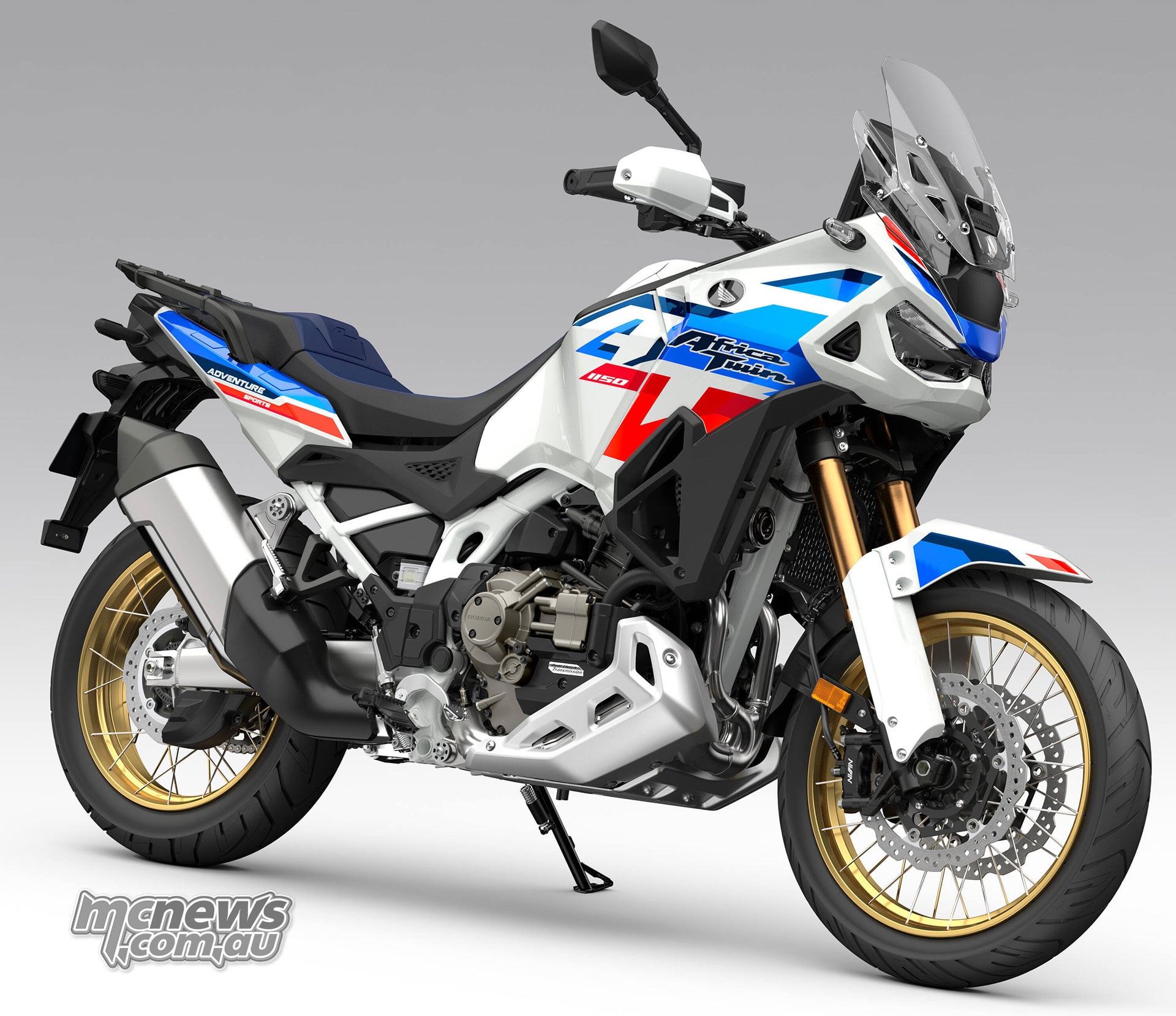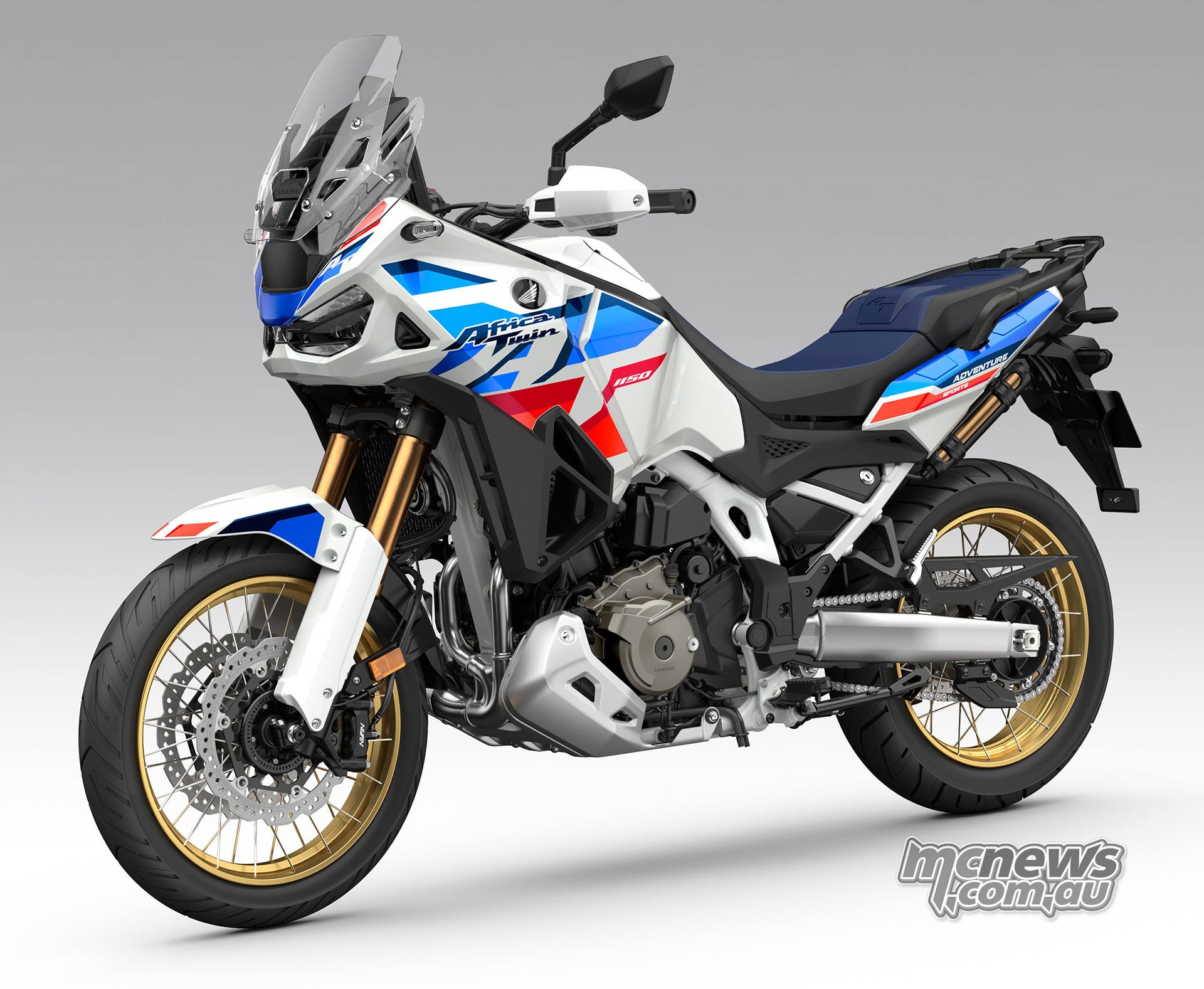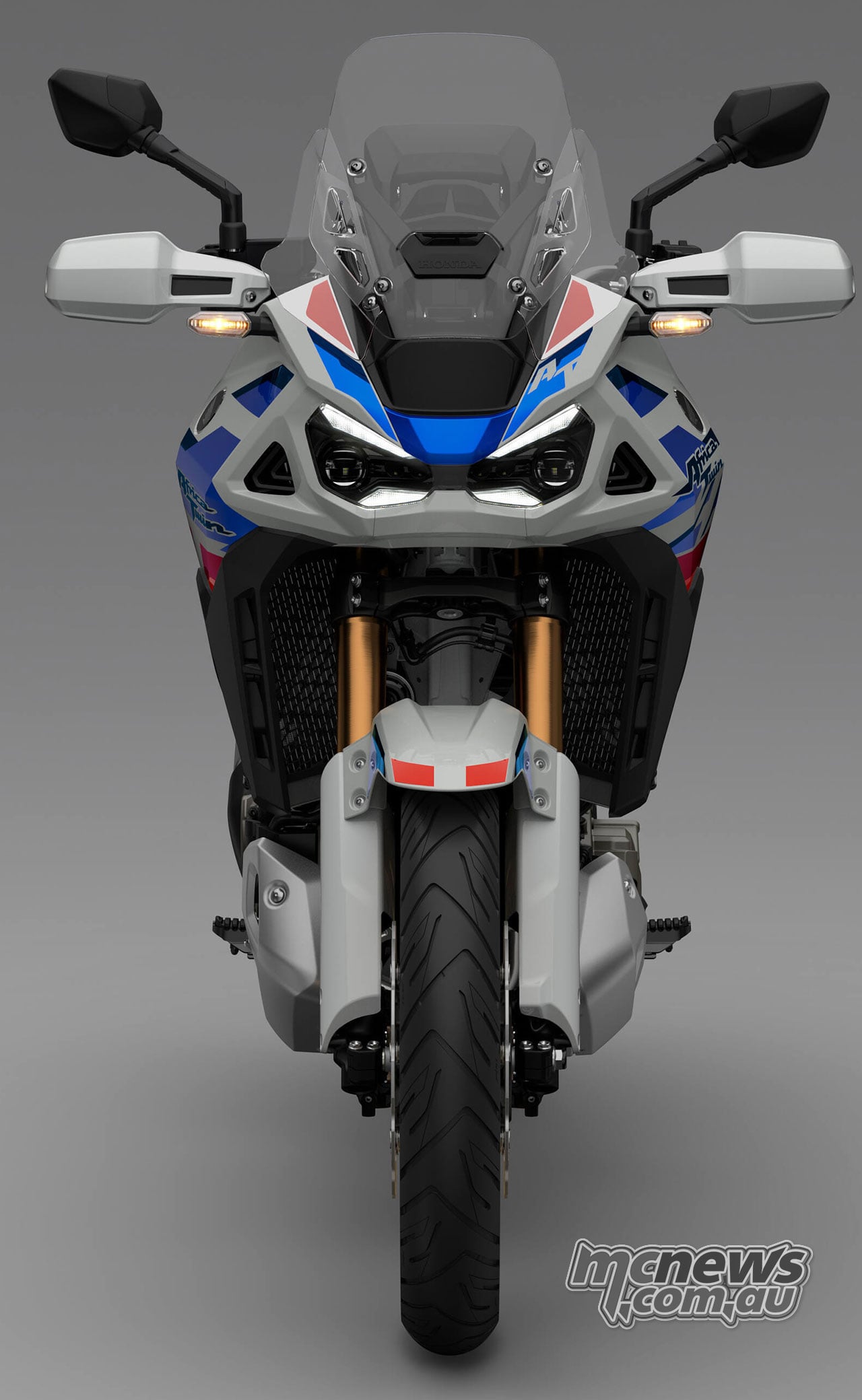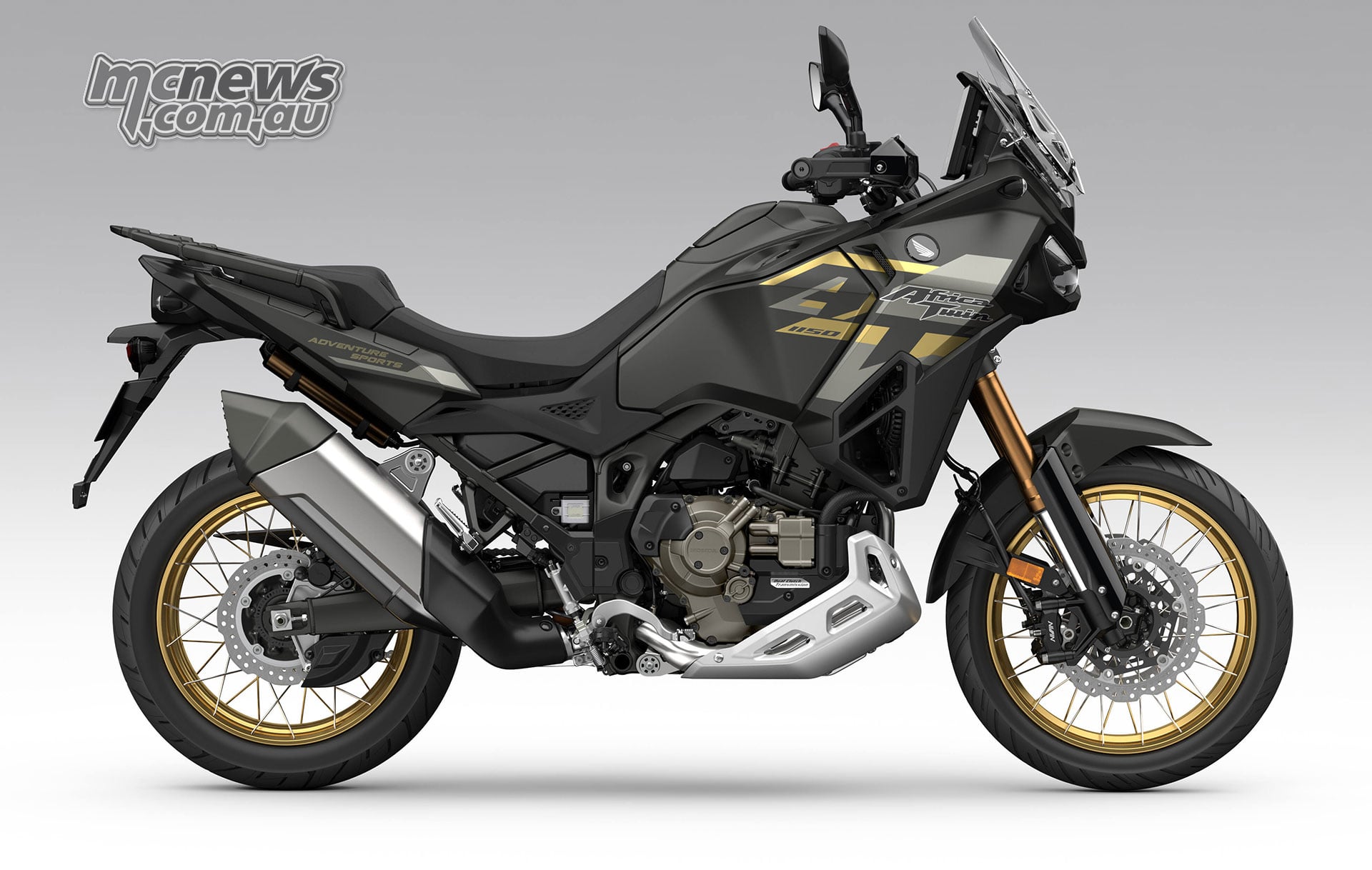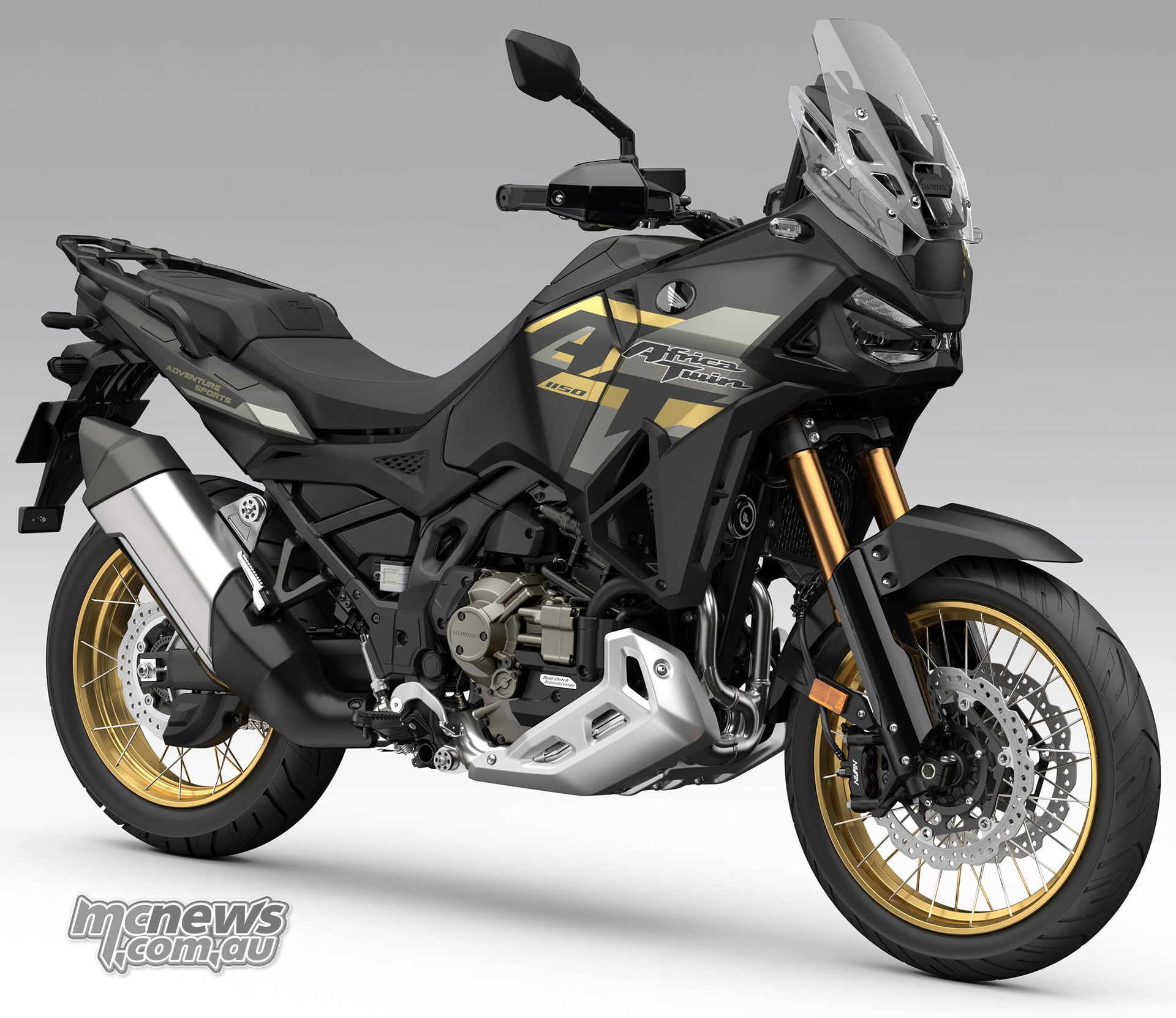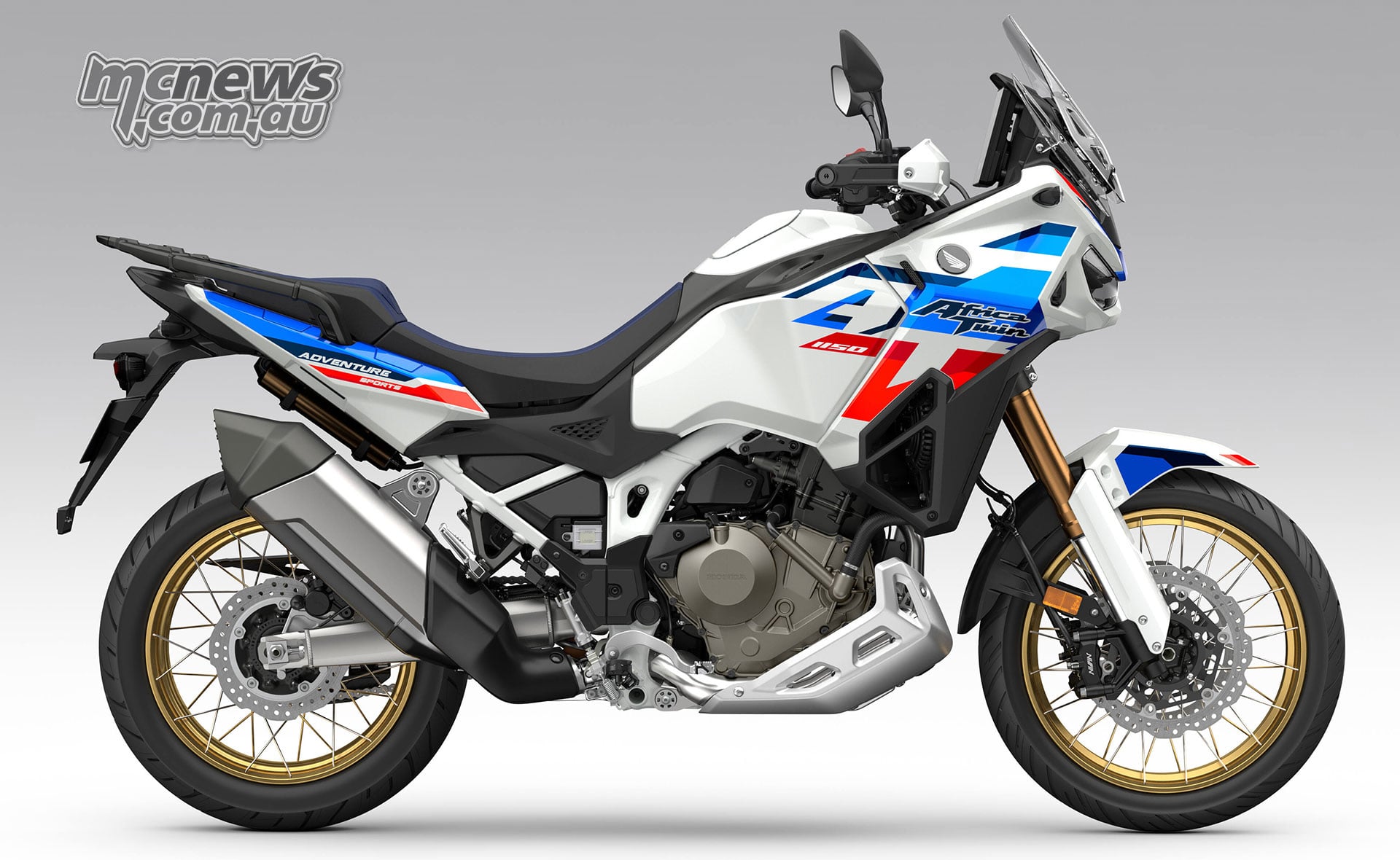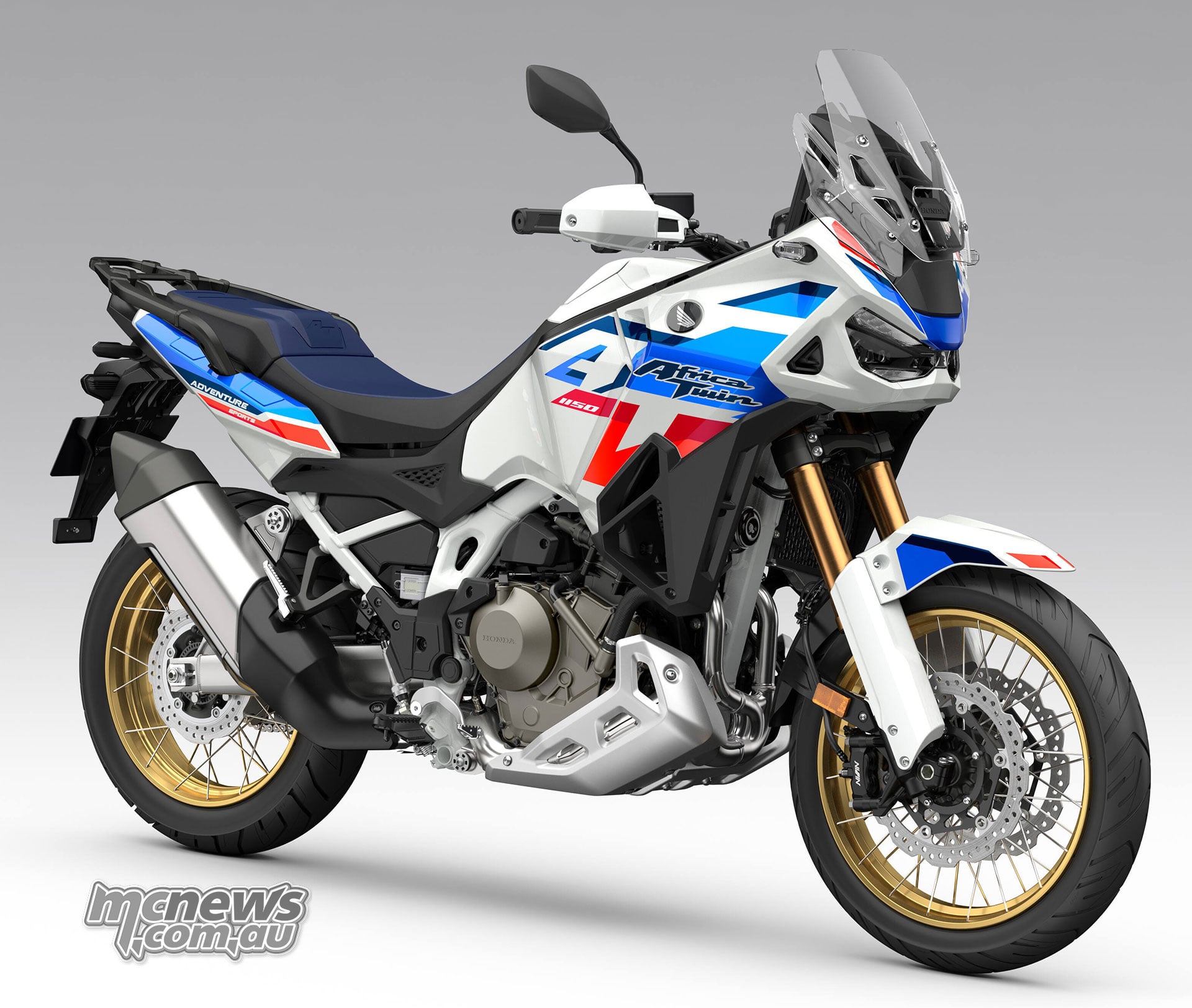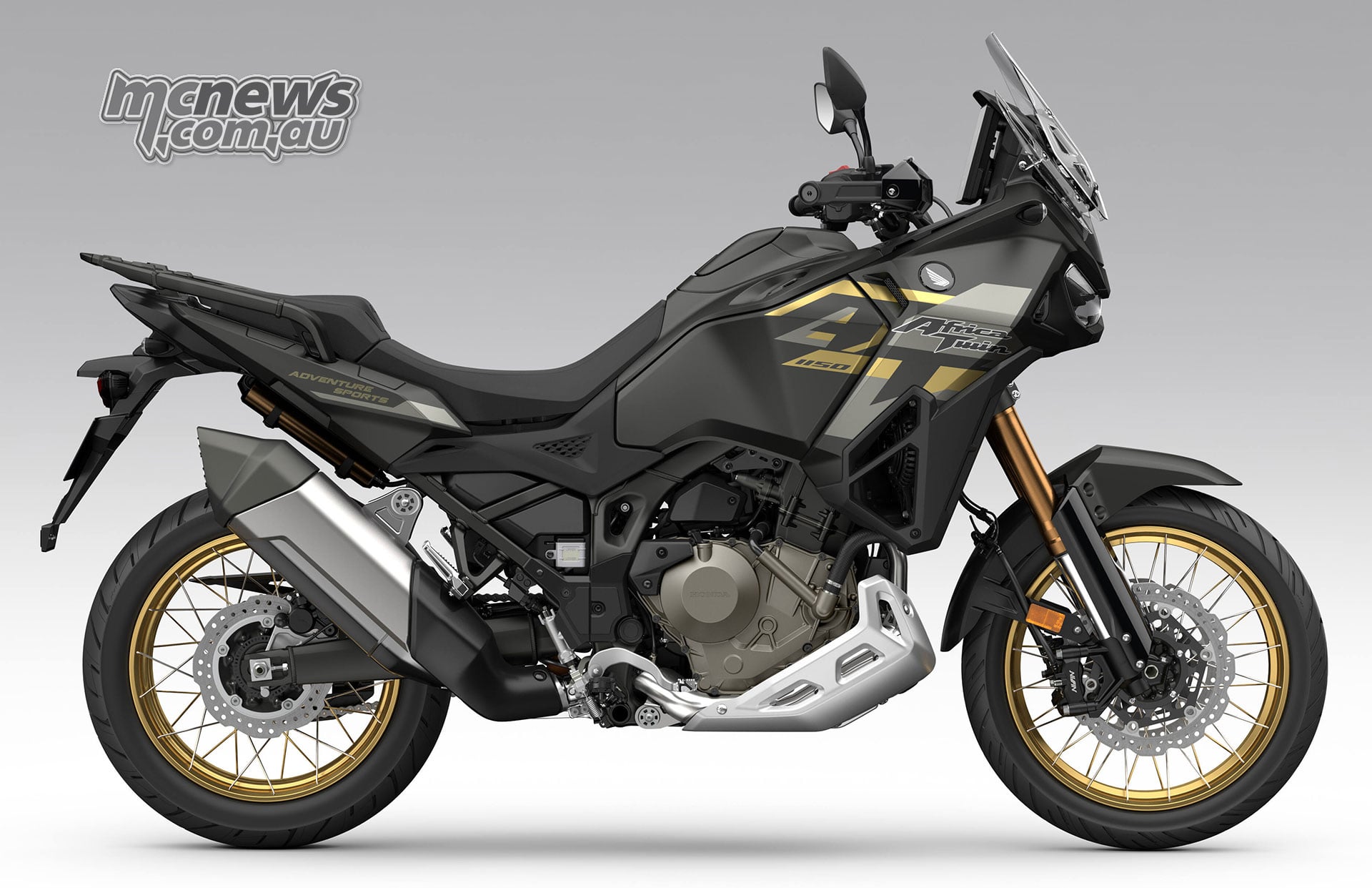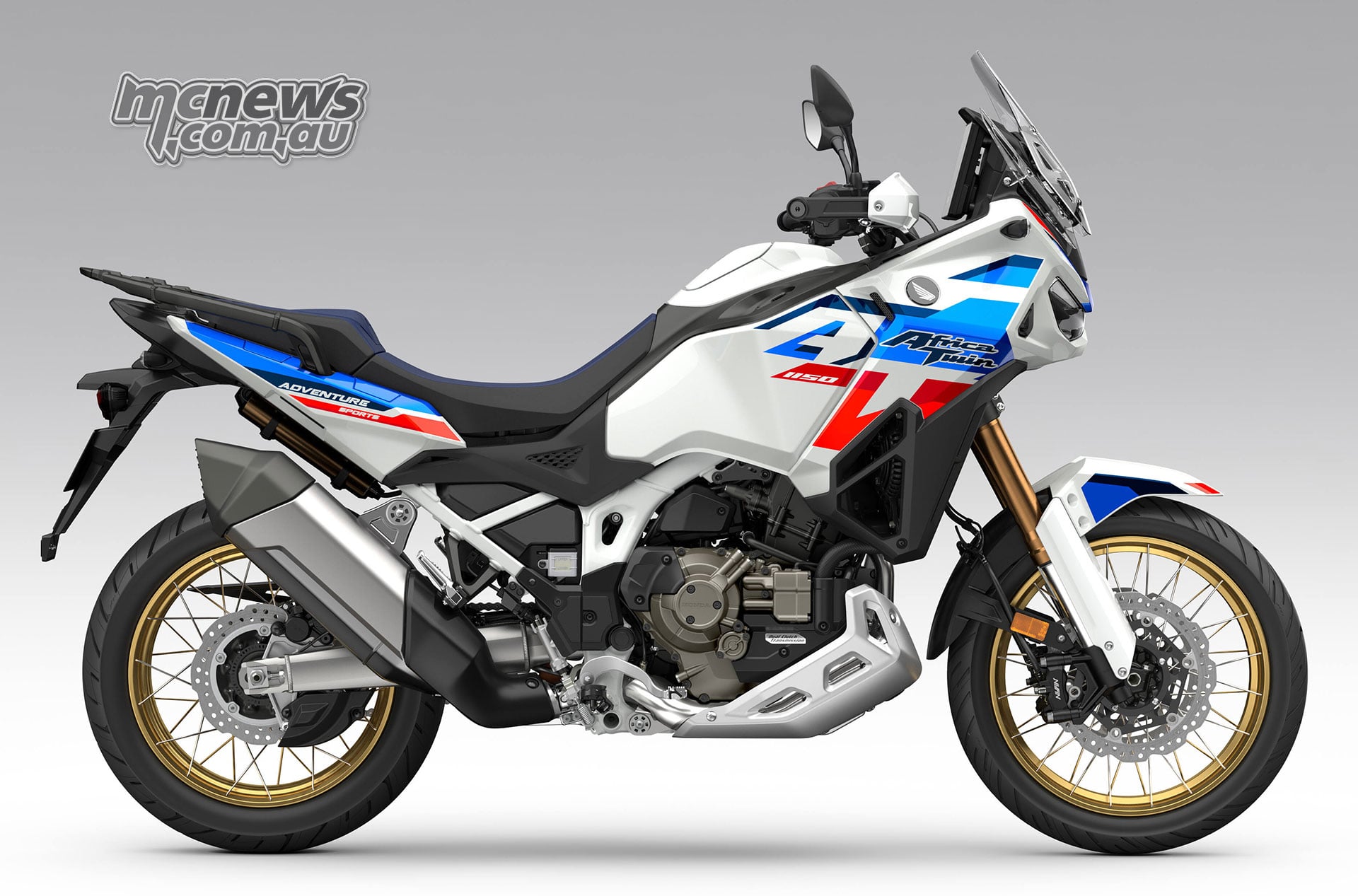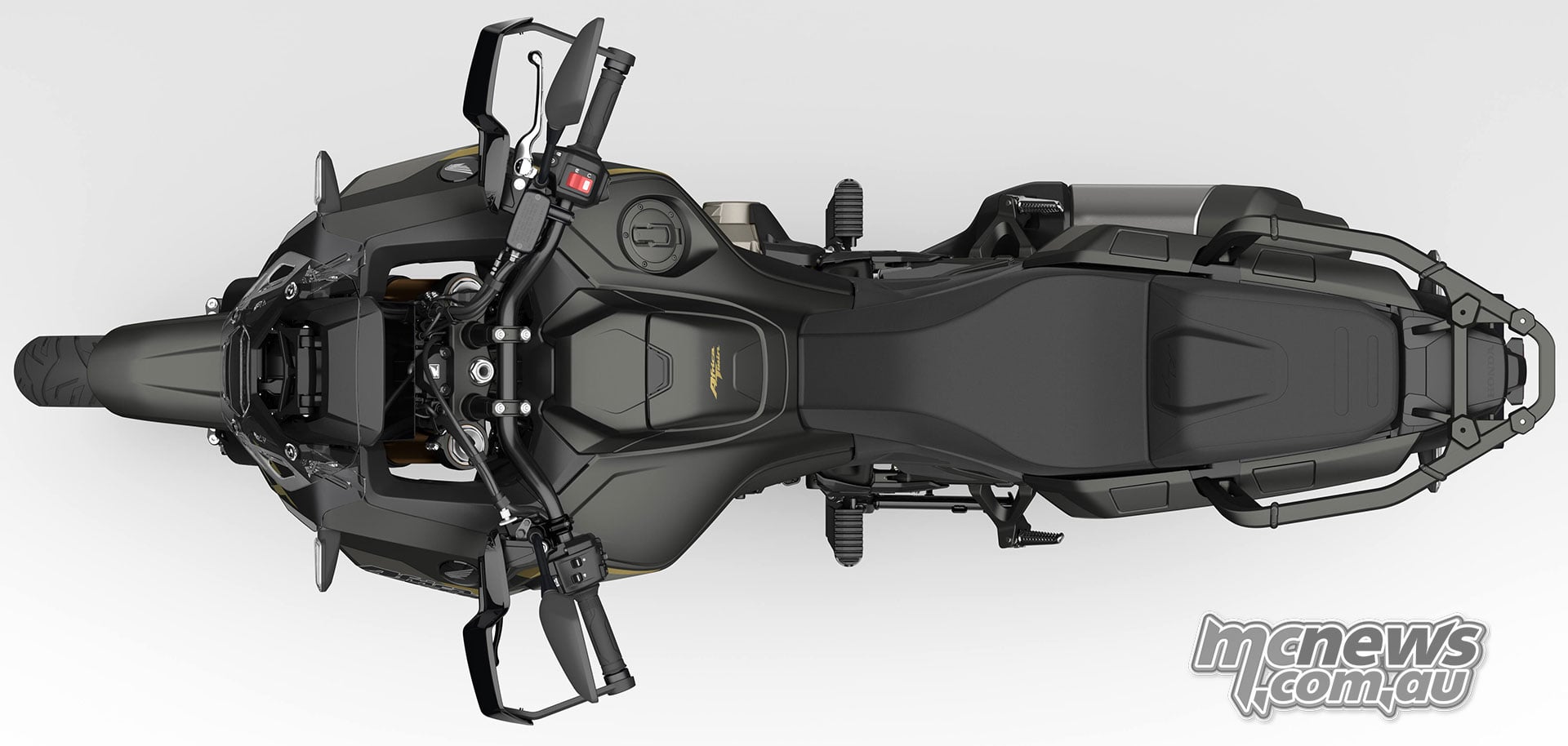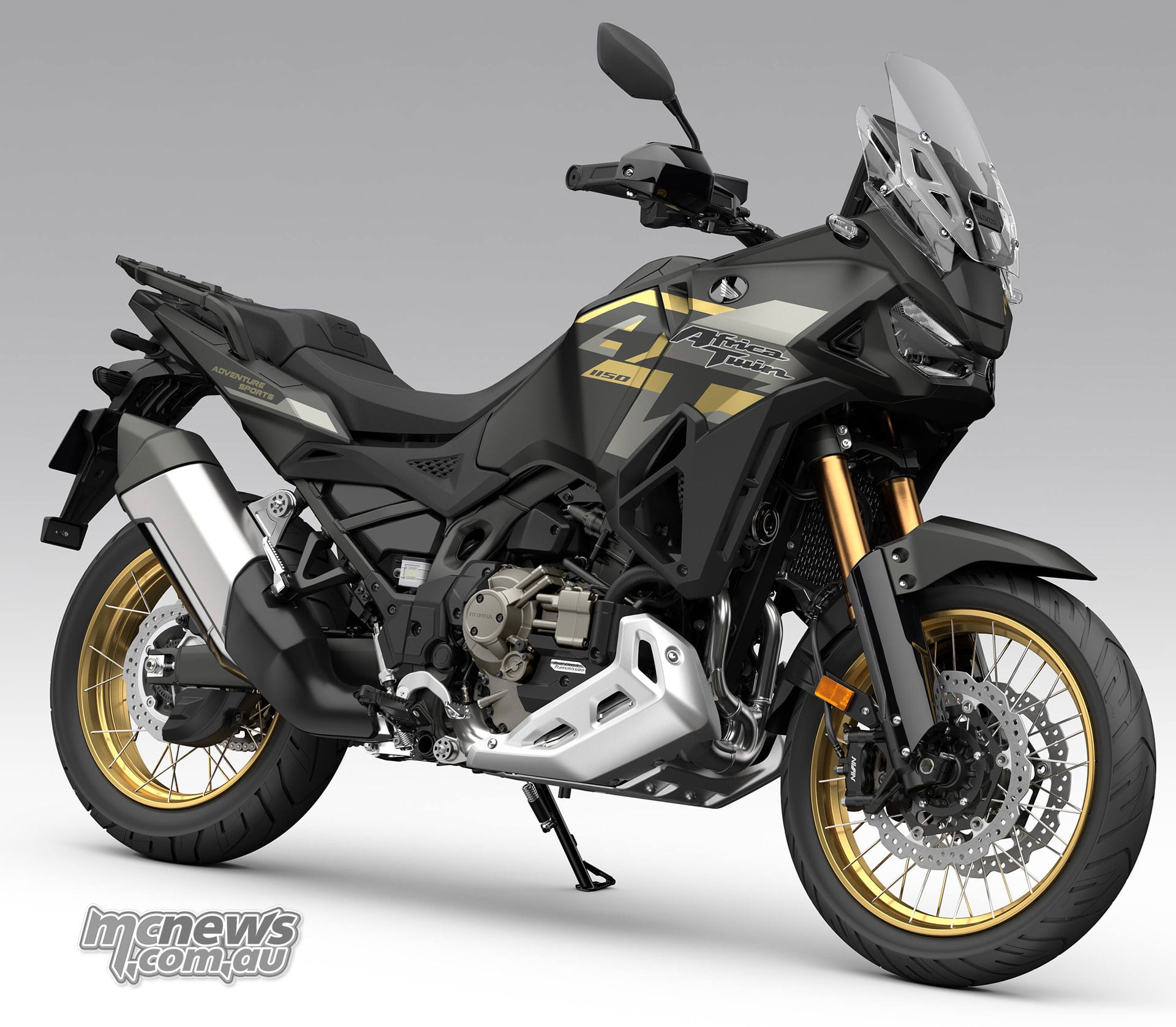


2027 Honda CRF1150L Africa Twin
When Honda brought the Africa Twin back in modern form a decade ago, it delivered something a little different. The CRF1000L had perhaps the most dirtbike-like feel of the big adventure machines, a punchy engine that seemed to deliver more than the spec sheet suggested and, in Australia, a remarkably affordable entry price.
The base model started at $15,499 plus on-road costs. That bought a manual gearbox, conventional suspension and no ABS or traction control. That proposition had a lot to like.
Like much of the adventure class, the Africa Twin has accumulated equipment and sophistication since then, and the price has risen along the way. For 2027, Honda has turned the technology dial up again, particularly on the Adventure Sports. There is also a new Enduro Sports which brings the range closer to that original dirt-focused formula, albeit with plenty of modern electronics still along for the ride.
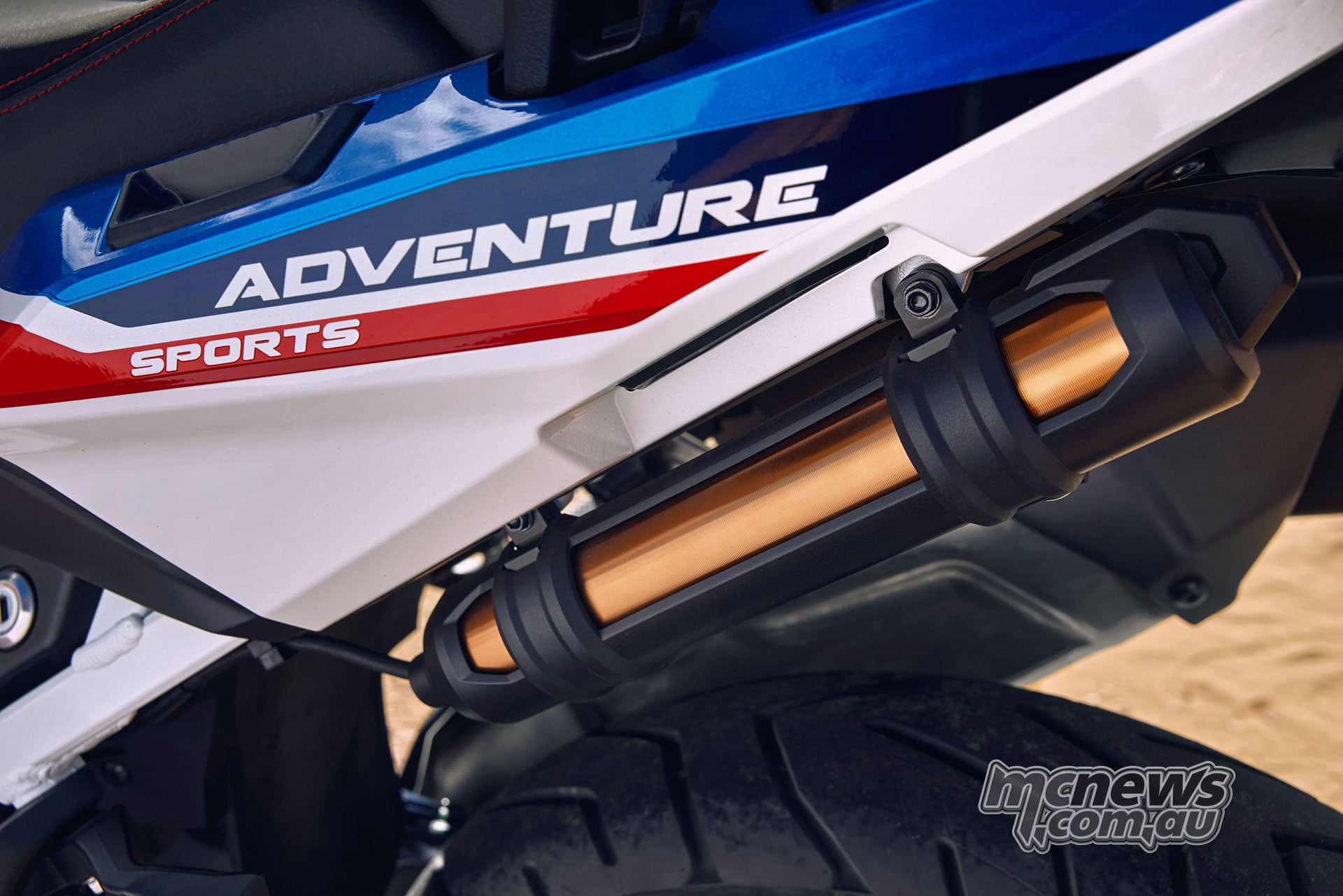
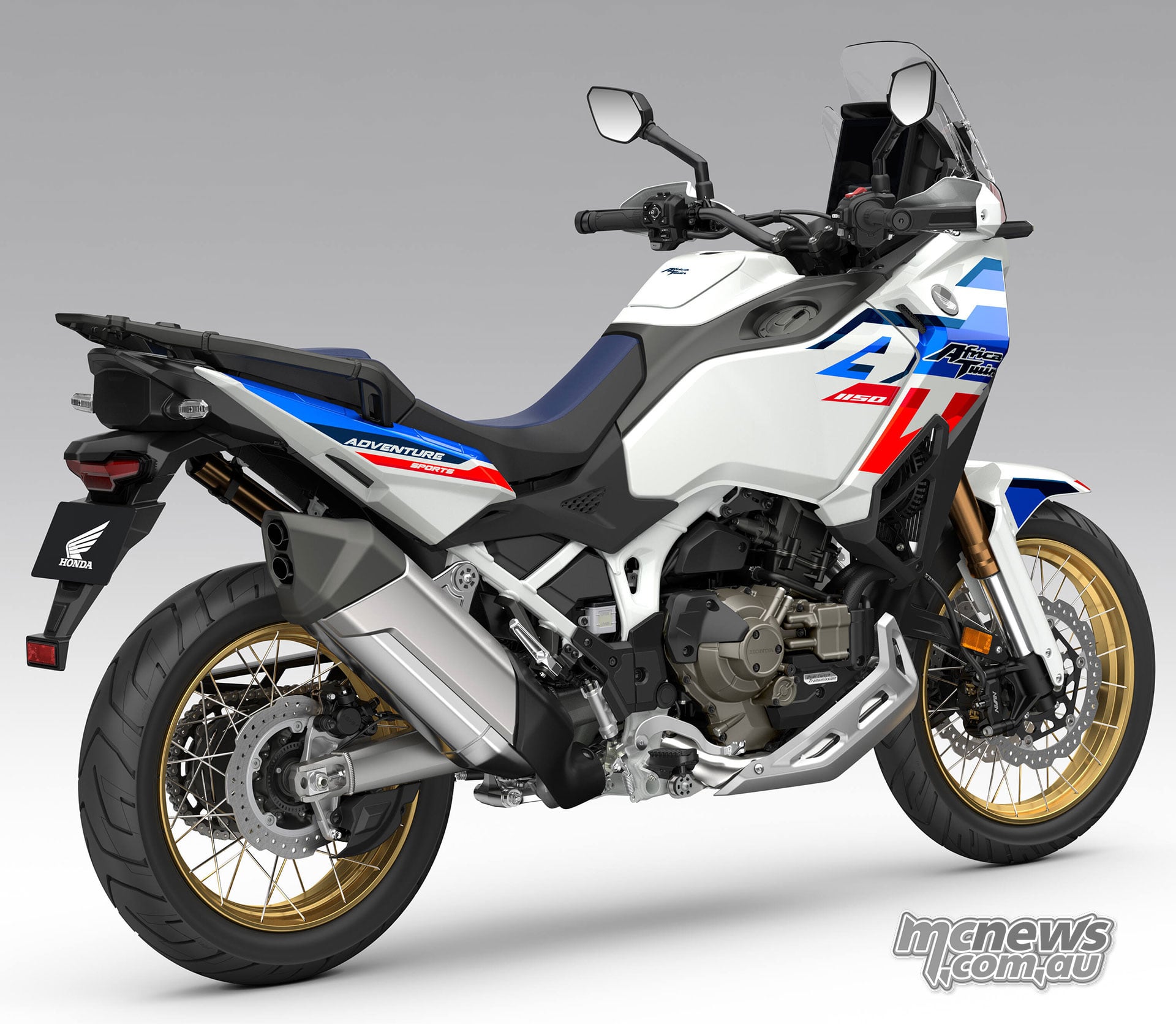
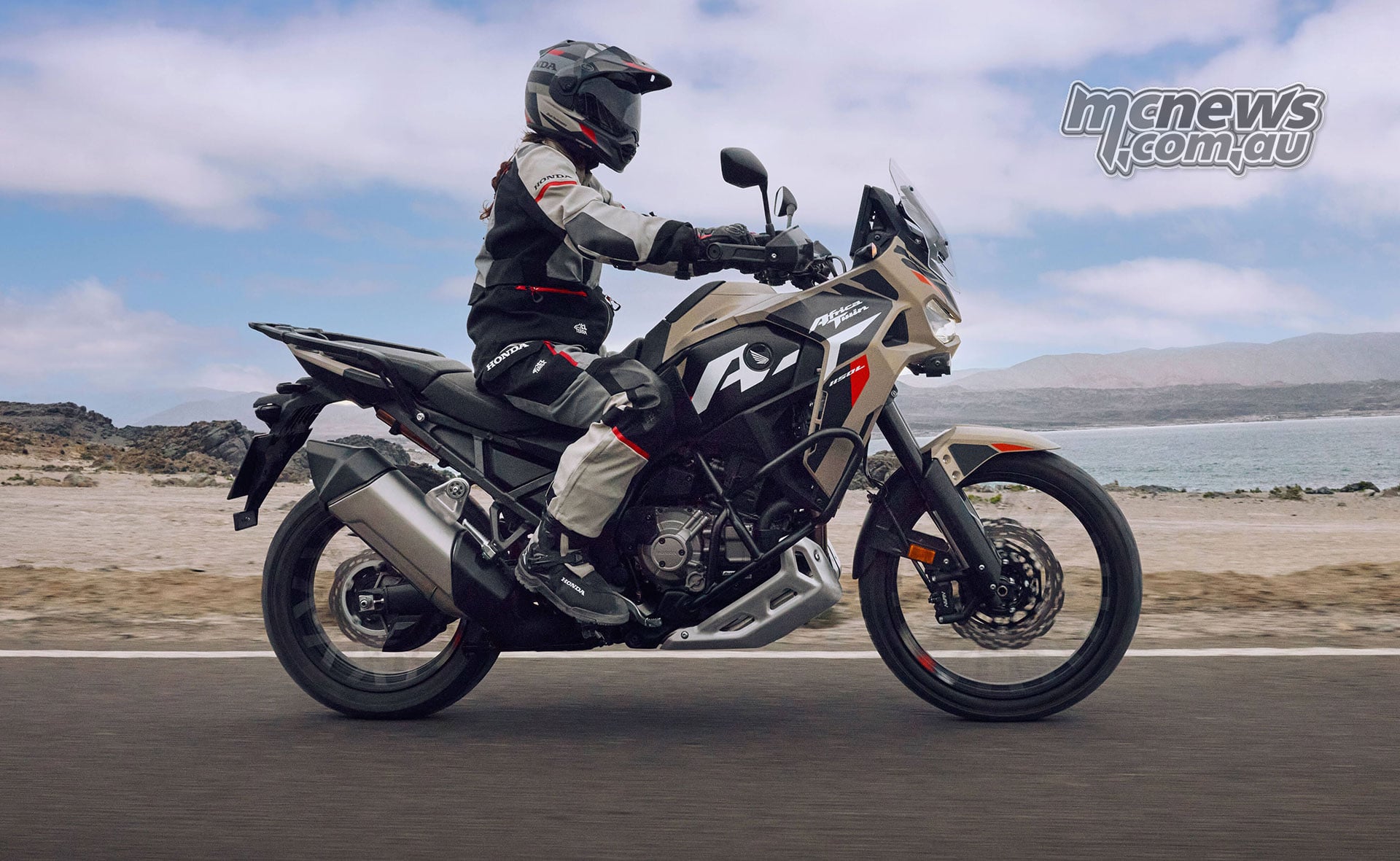
The distinction is clearer when the whole line-up is laid out. The standard Africa Twin remains the 21-inch-front all-rounder, the Enduro Sports gives that formula longer-travel conventional suspension, and the 19-inch-front Adventure Sports chases touring comfort, topped by the radar-equipped SENSING RIDE.
A decade of development
The modern bike has found more than 120,000 buyers in Europe, where Honda says it ranks second in the adventure segment above 1000 cc.
The Adventure Sports joined the family in 2018, followed by the larger 1084 cc engine and a much broader suite of electronics for 2020. By the time of our 2020 Africa Twin test, the Australian entry price had reached $19,999 plus on-road costs. Still very competitive.
I still love the Africa Twin, particularly the full-monty Adventure Sports with electronic suspension and DCT. Yes, I love the DCT. I might miss a clutch lever about once a month, but for 99.9 per cent of the time I wouldn’t swap it for the manual bike.
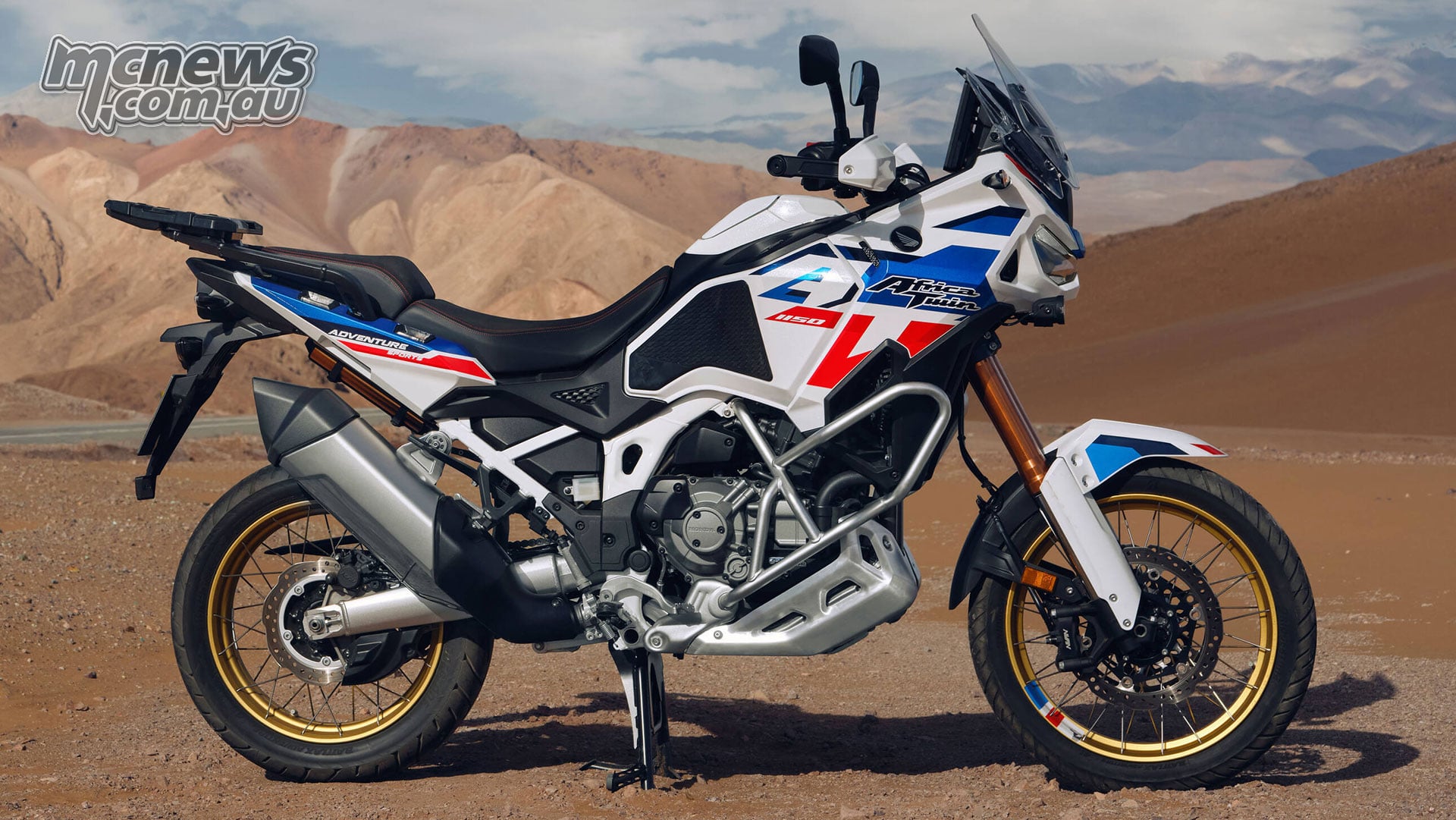
I’m hardly alone. Honda says DCT accounted for 68 per cent of Adventure Sports sales in Europe during 2025. For a motorcycle that might spend its time commuting, touring two-up or scything through the Spurs, the self-shifting gearbox makes a very convincing case.
That doesn’t stop me from seeing the appeal of another approach: a manual bike with good conventional suspension, less equipment and as little weight and cost as Honda can reasonably manage. That will make the new Enduro Sports variant, with its 21-inch front, appealing to those who like things a little more traditional in the bush; however, it still packs plenty of tech despite tipping the scales with a similar number as the 2016 model.
The standard Africa Twin gets more equipment too
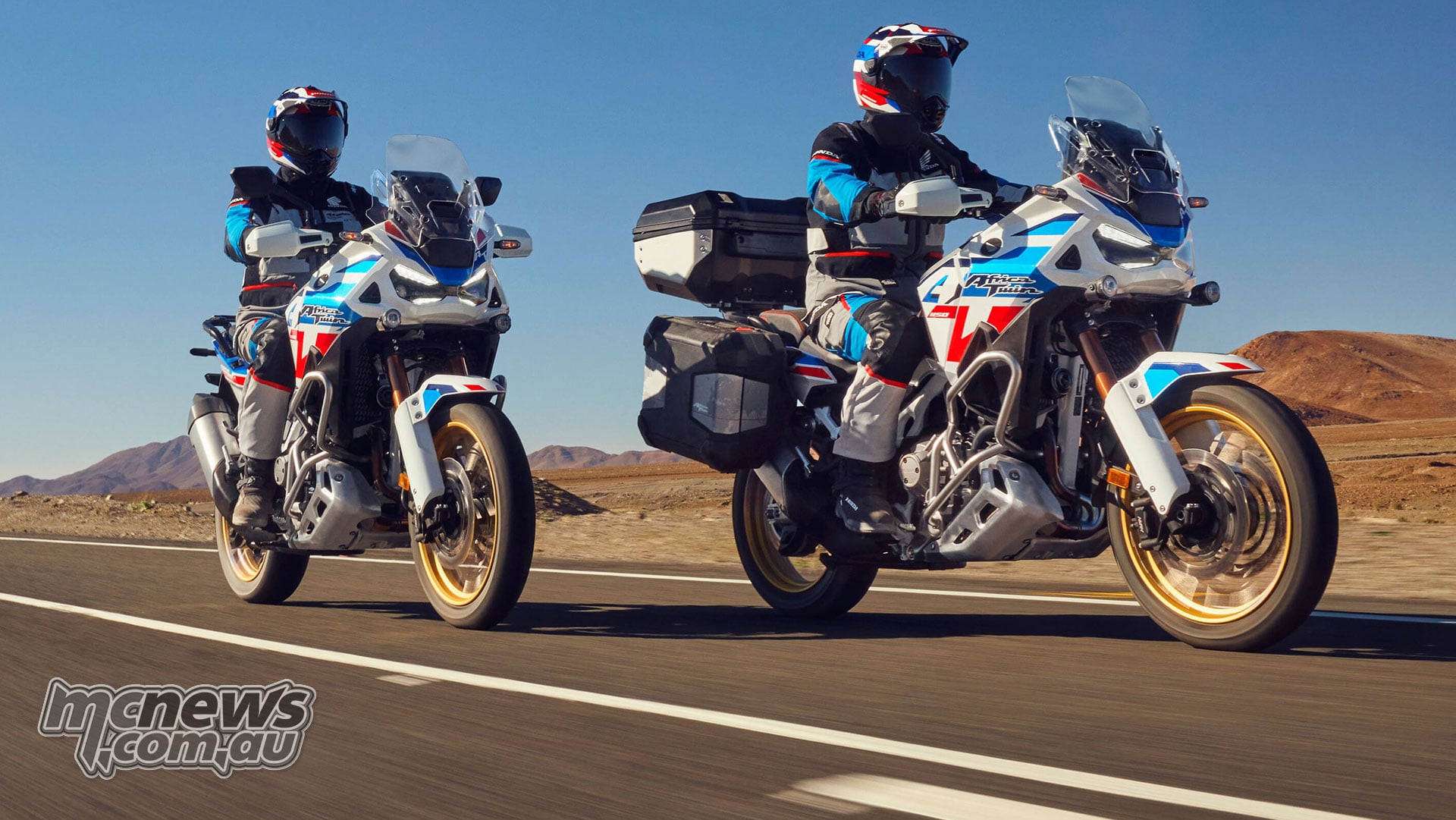
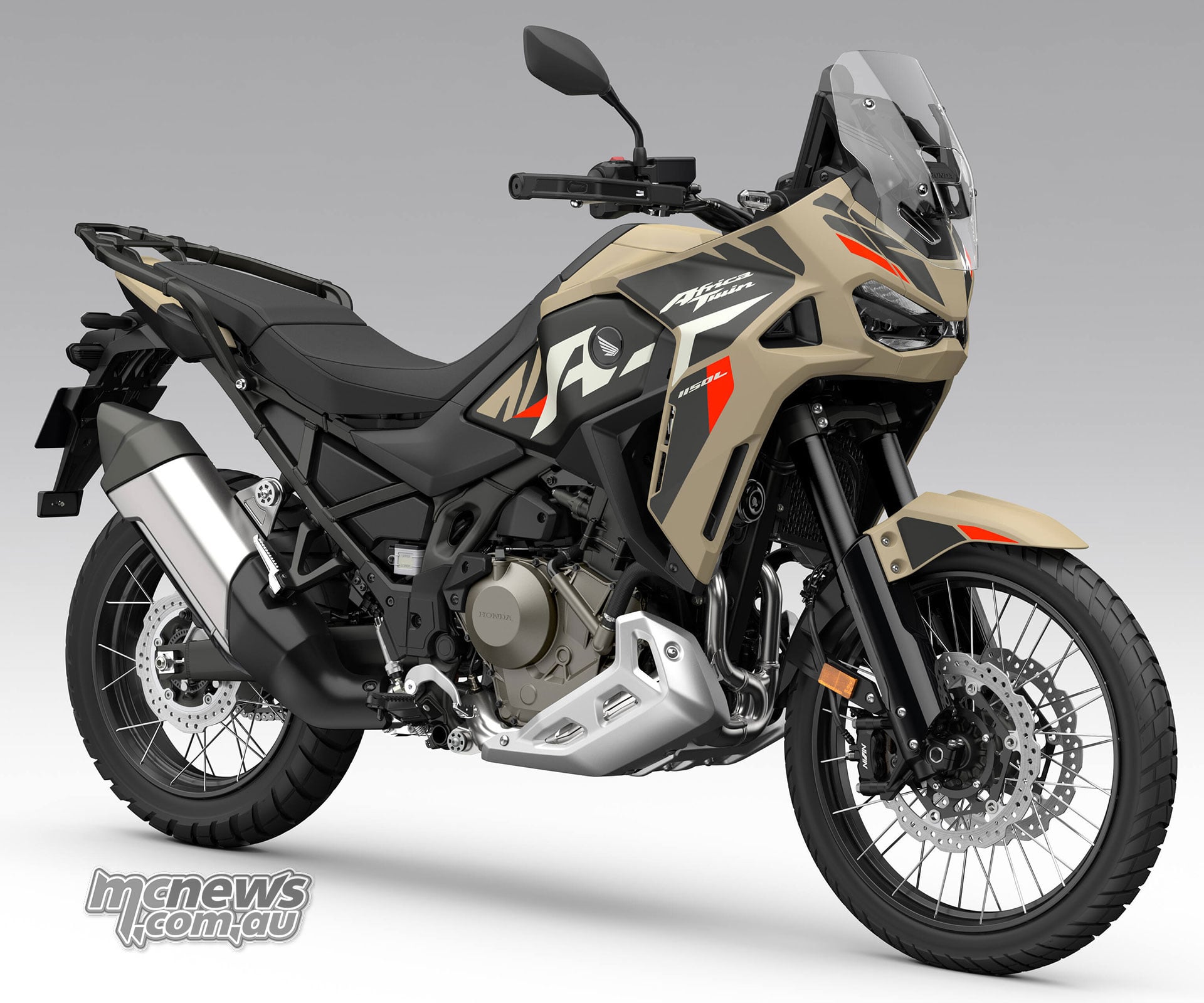
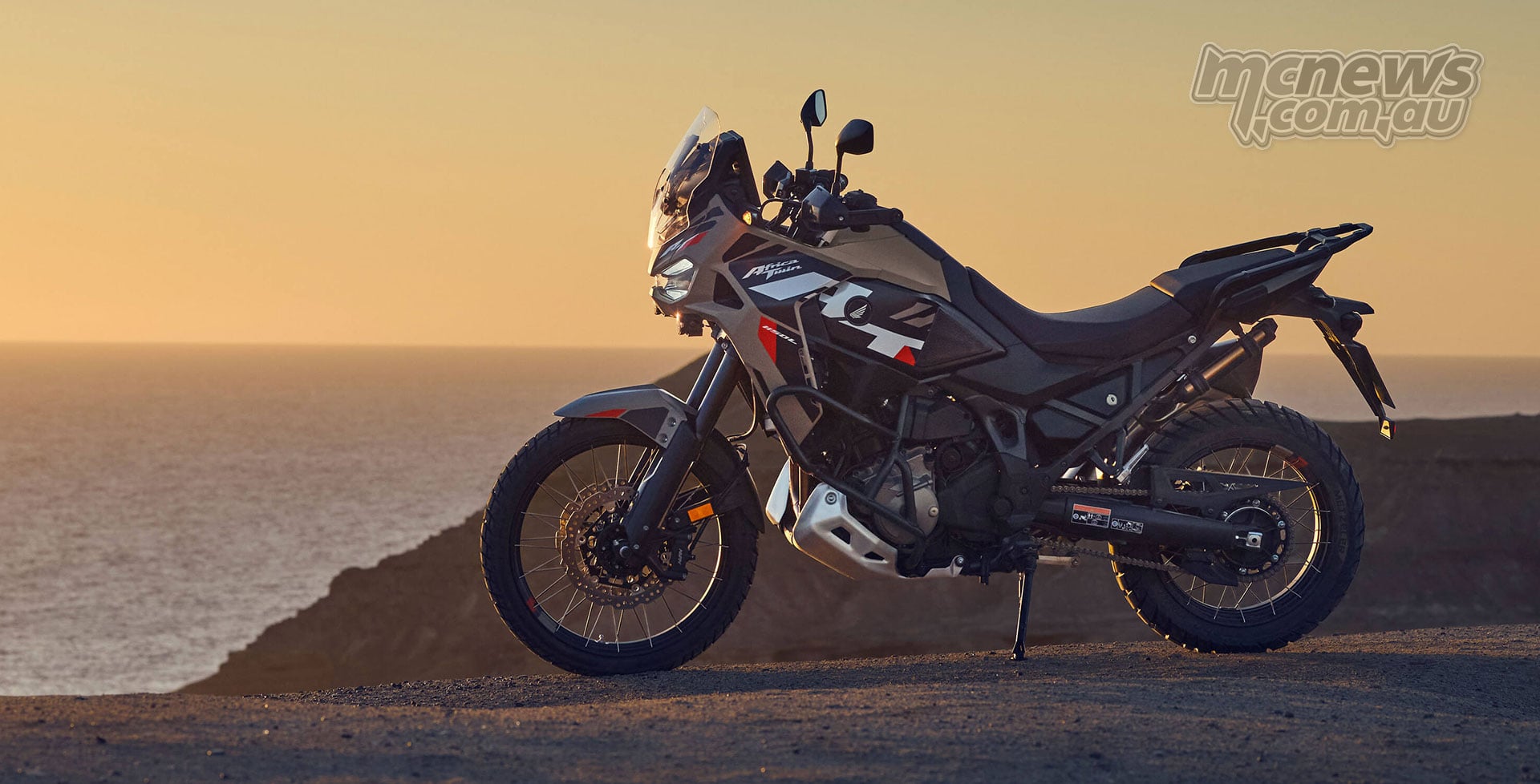
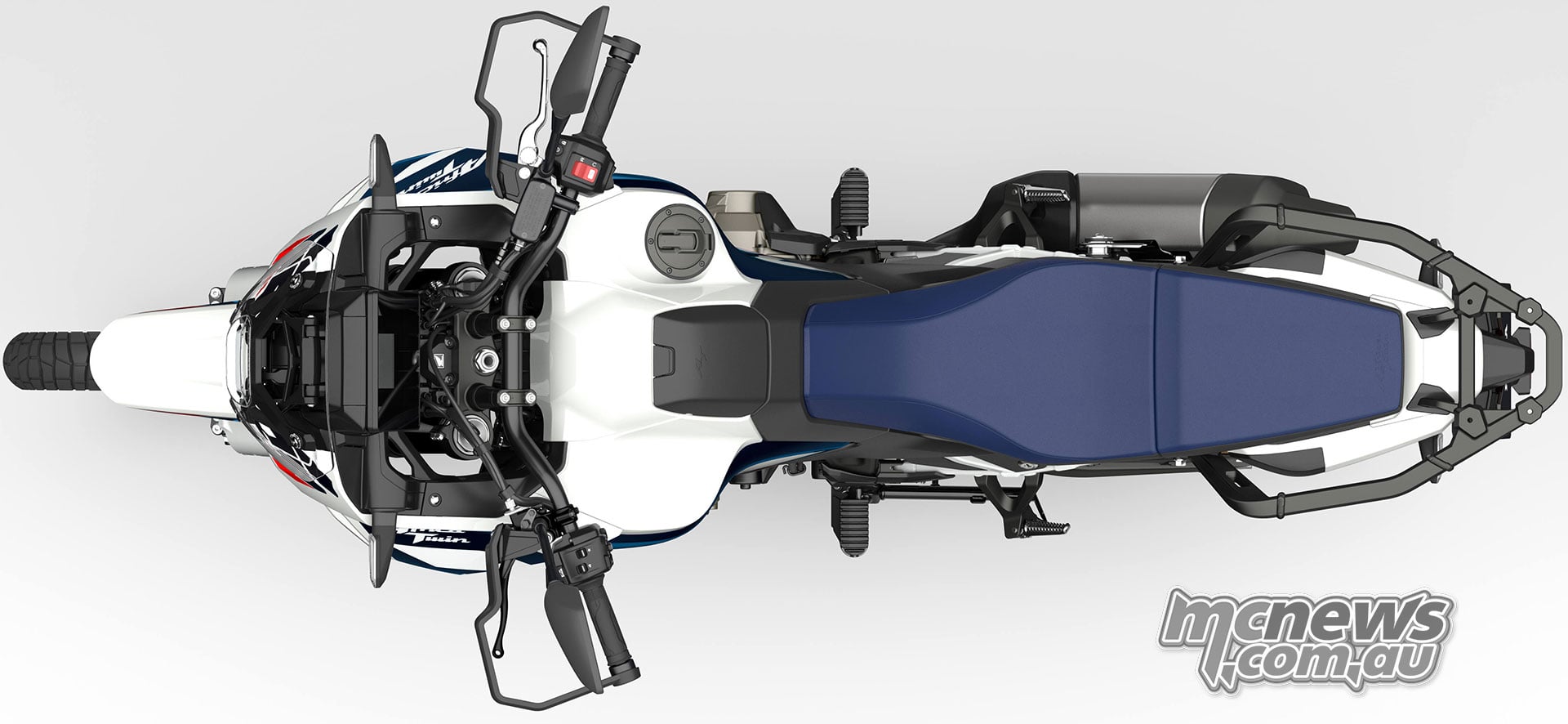
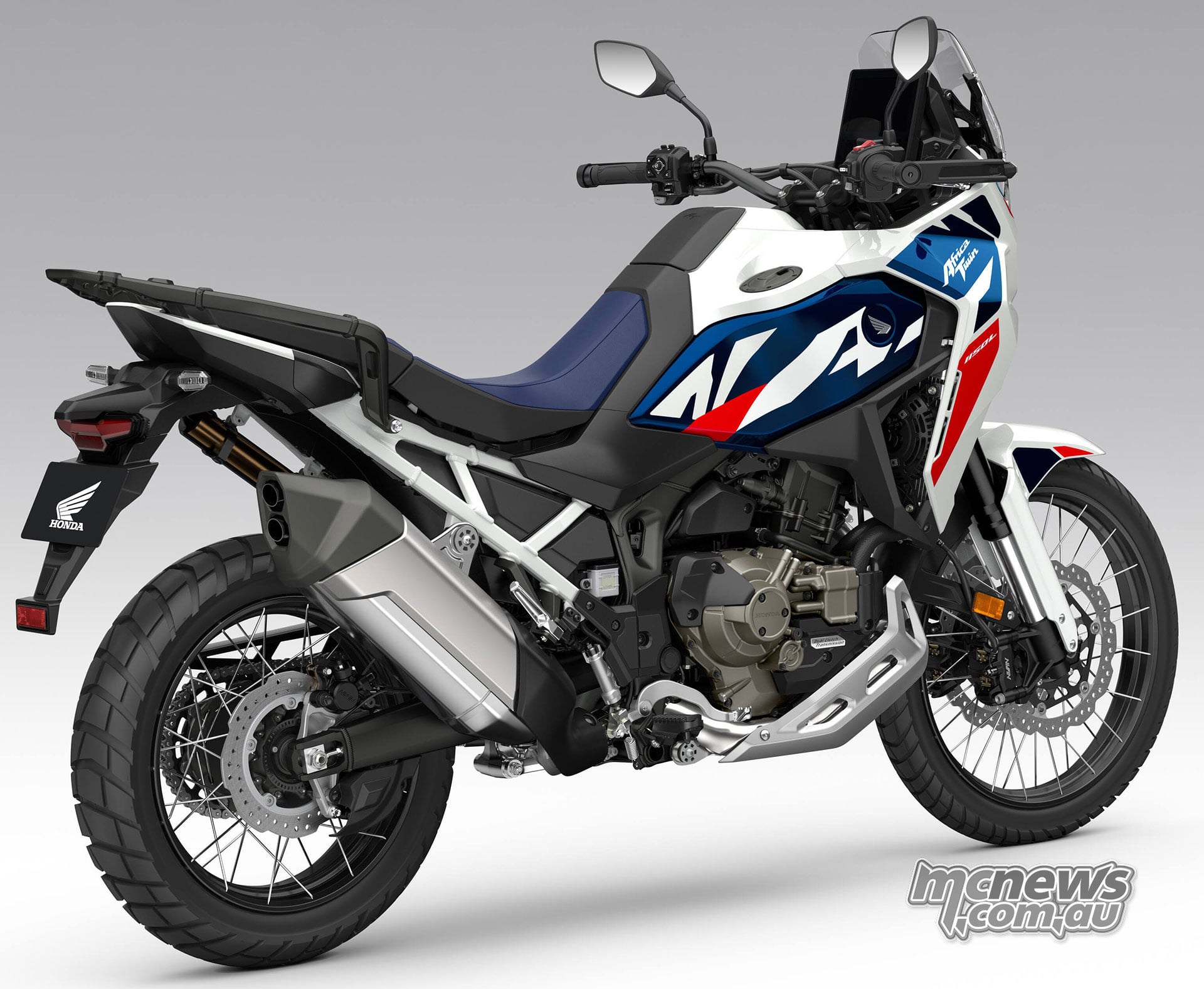
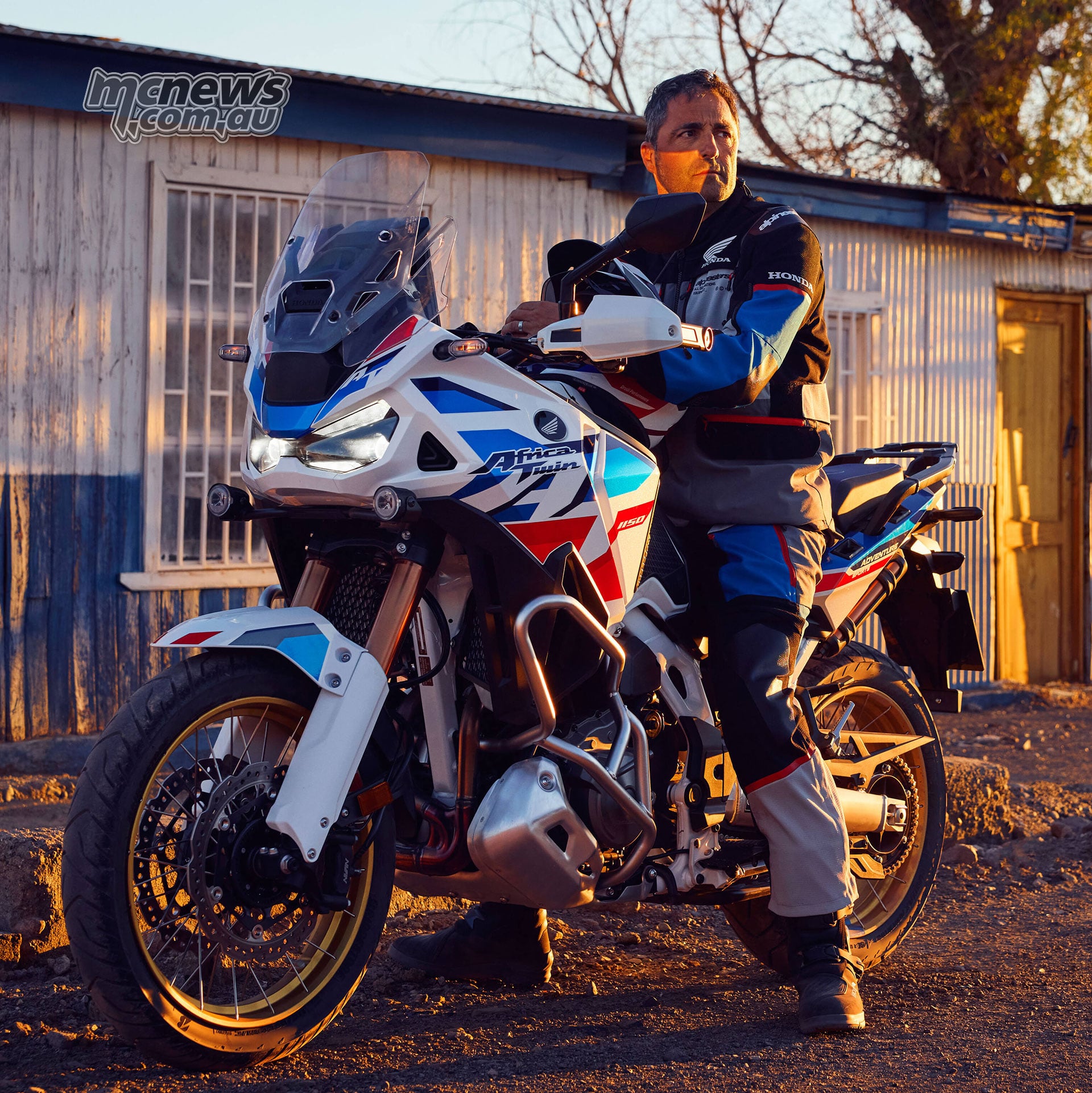
The standard CRF1150L Africa Twin retains a 21-inch front wheel and 18-inch rear, both with tubeless tyres, and an 18.8-litre fuel capacity. Honda lists kerb weights of 237 kg for the manual and 247 kg for DCT.
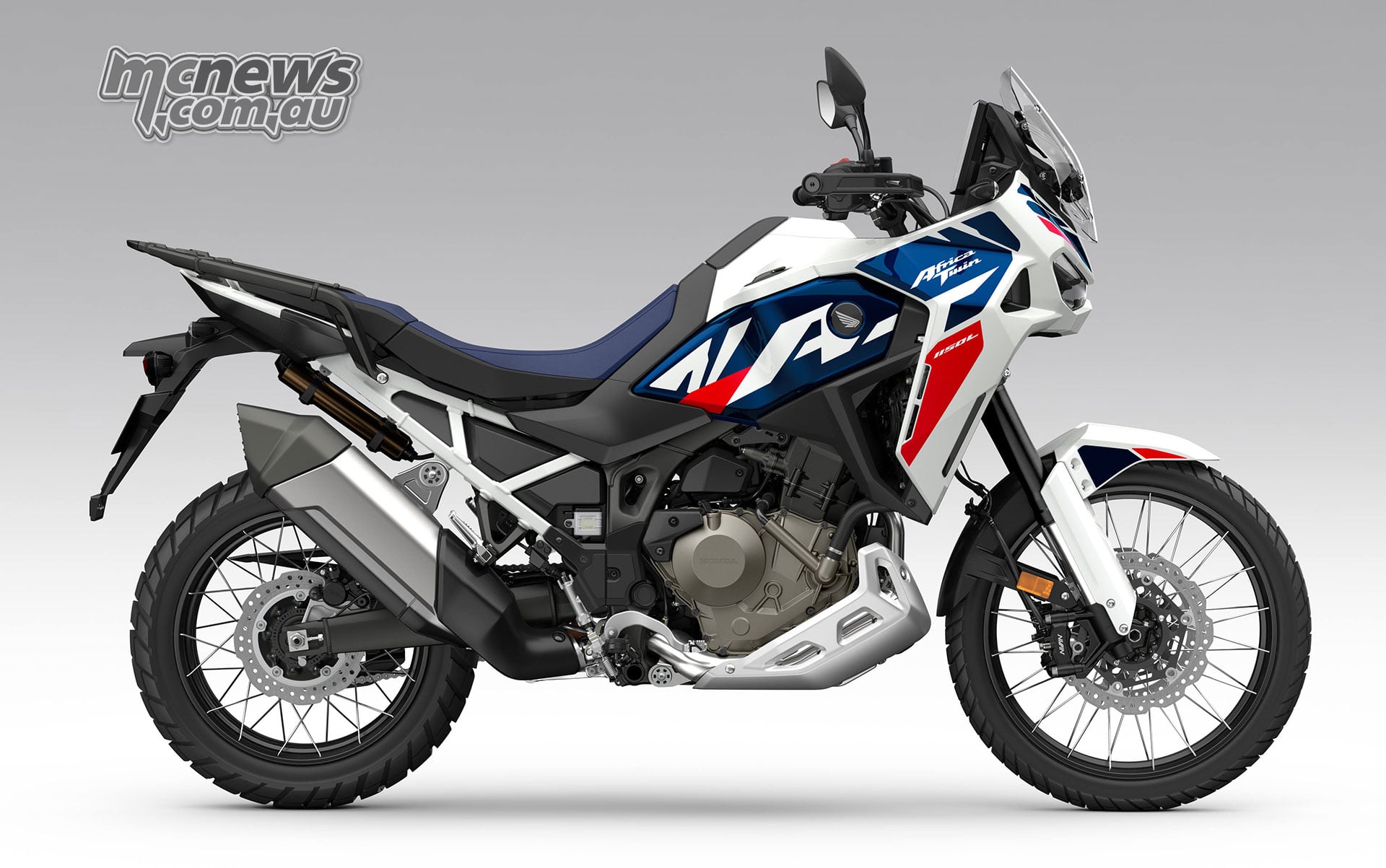
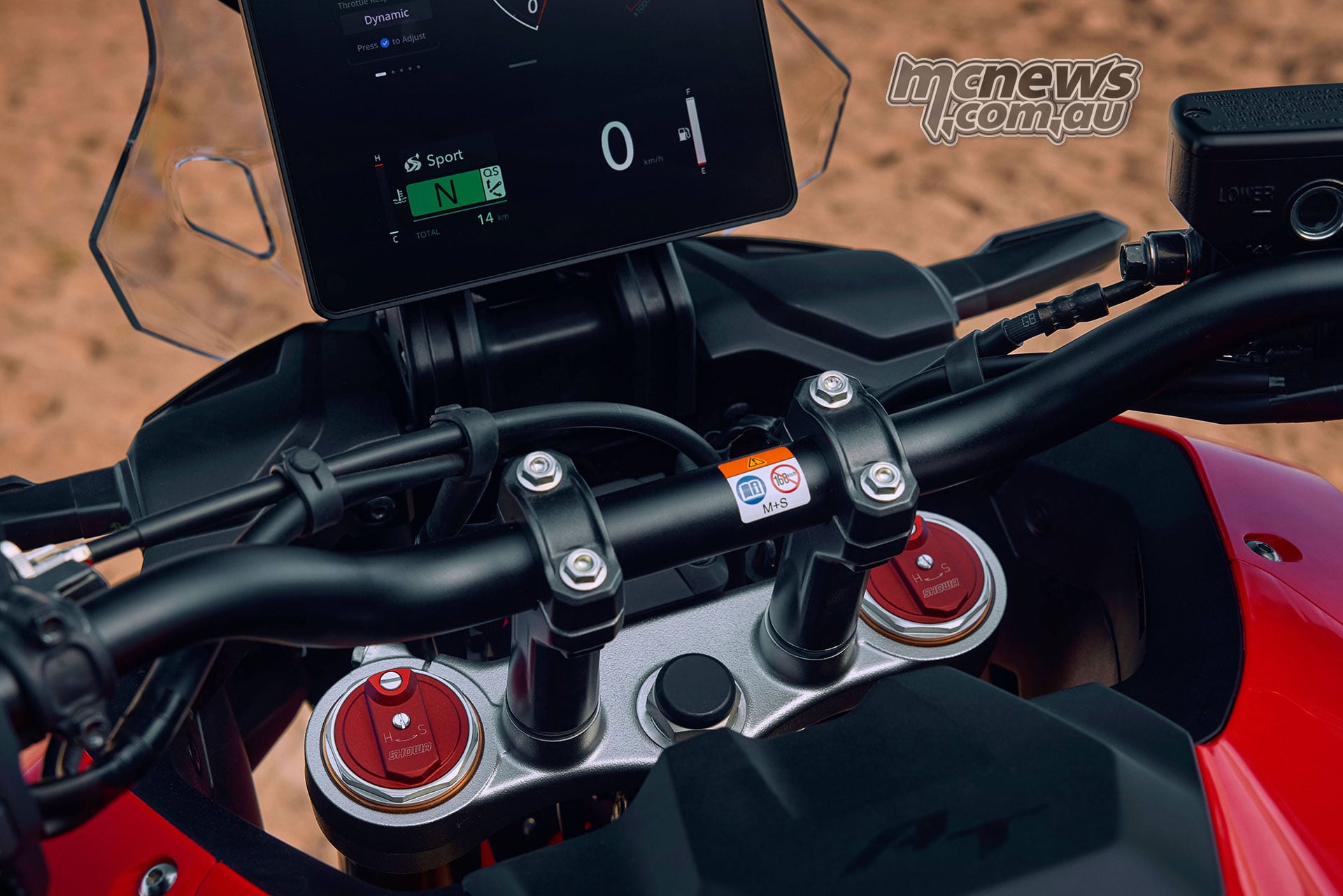
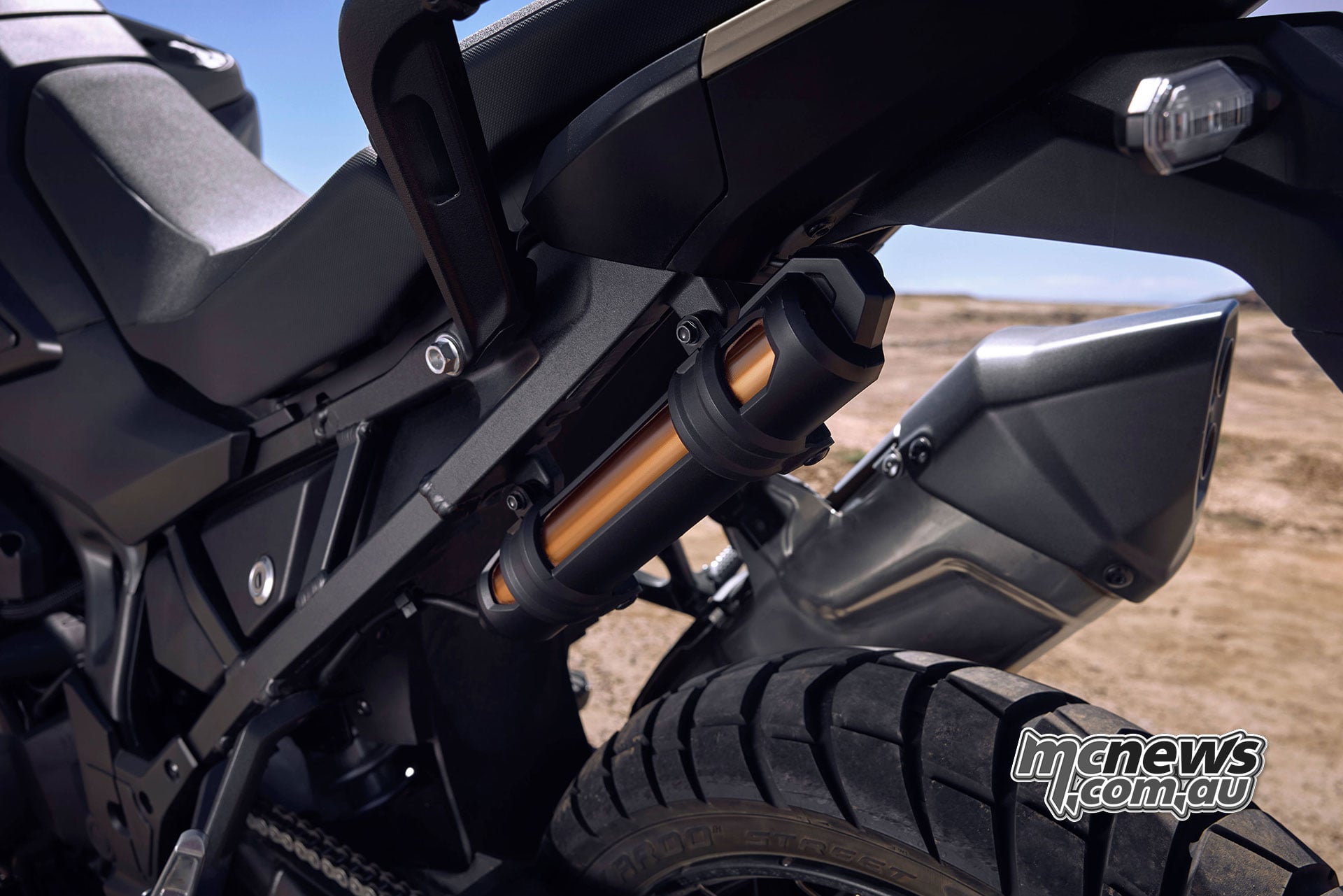
Showa EERA electronic suspension is now standard, complete with Honda Skyhook Control. The new 49 mm forks provide 220 mm of travel, with 210 mm at the rear, both 10 mm less than the previous model. Ground clearance is 240 mm.
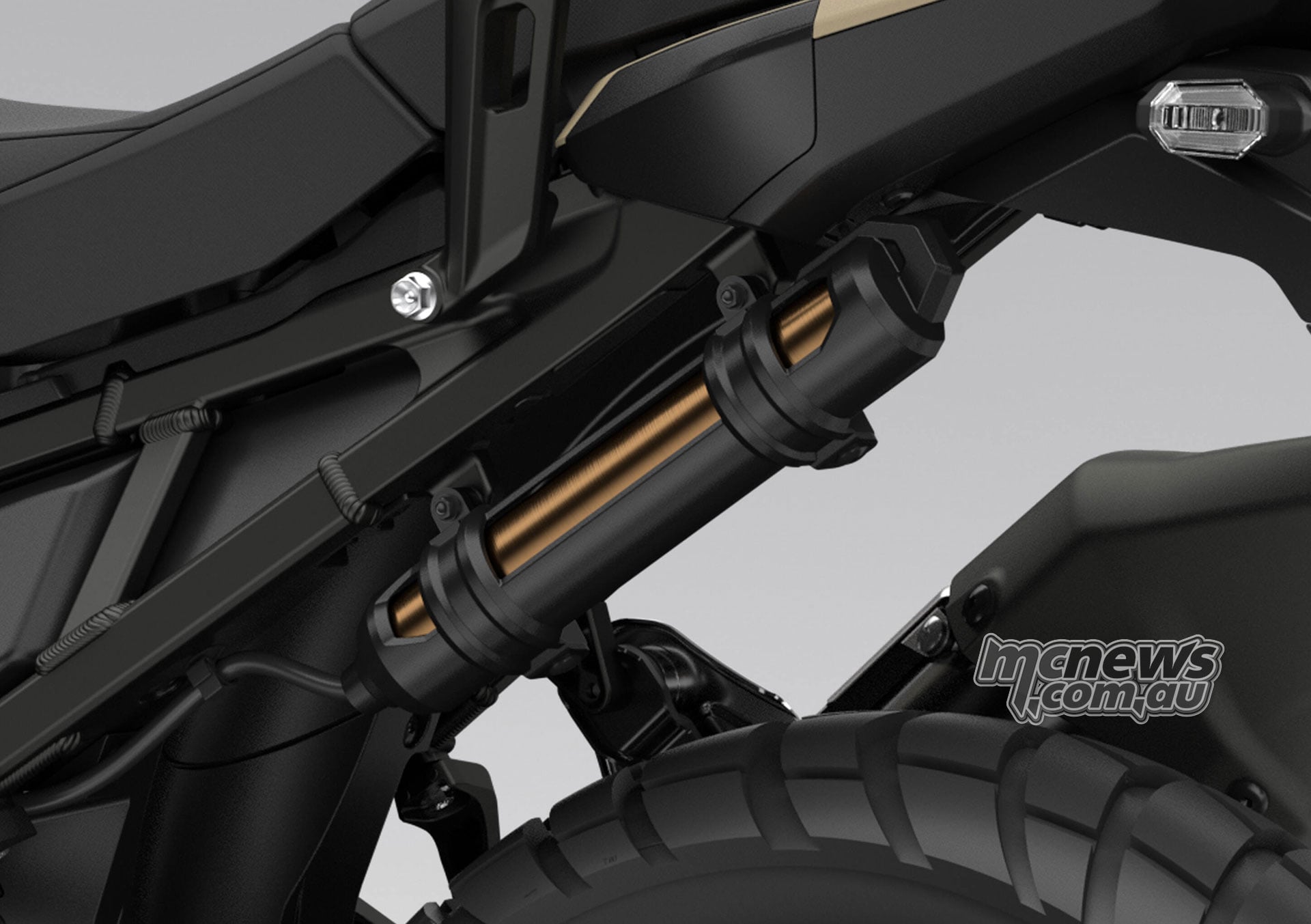
The seat adjusts between 850 and 870 mm. A new Minimum suspension setting can lower it by a further 10 mm, and Honda confirms that this setting is retained after the ignition is switched off.
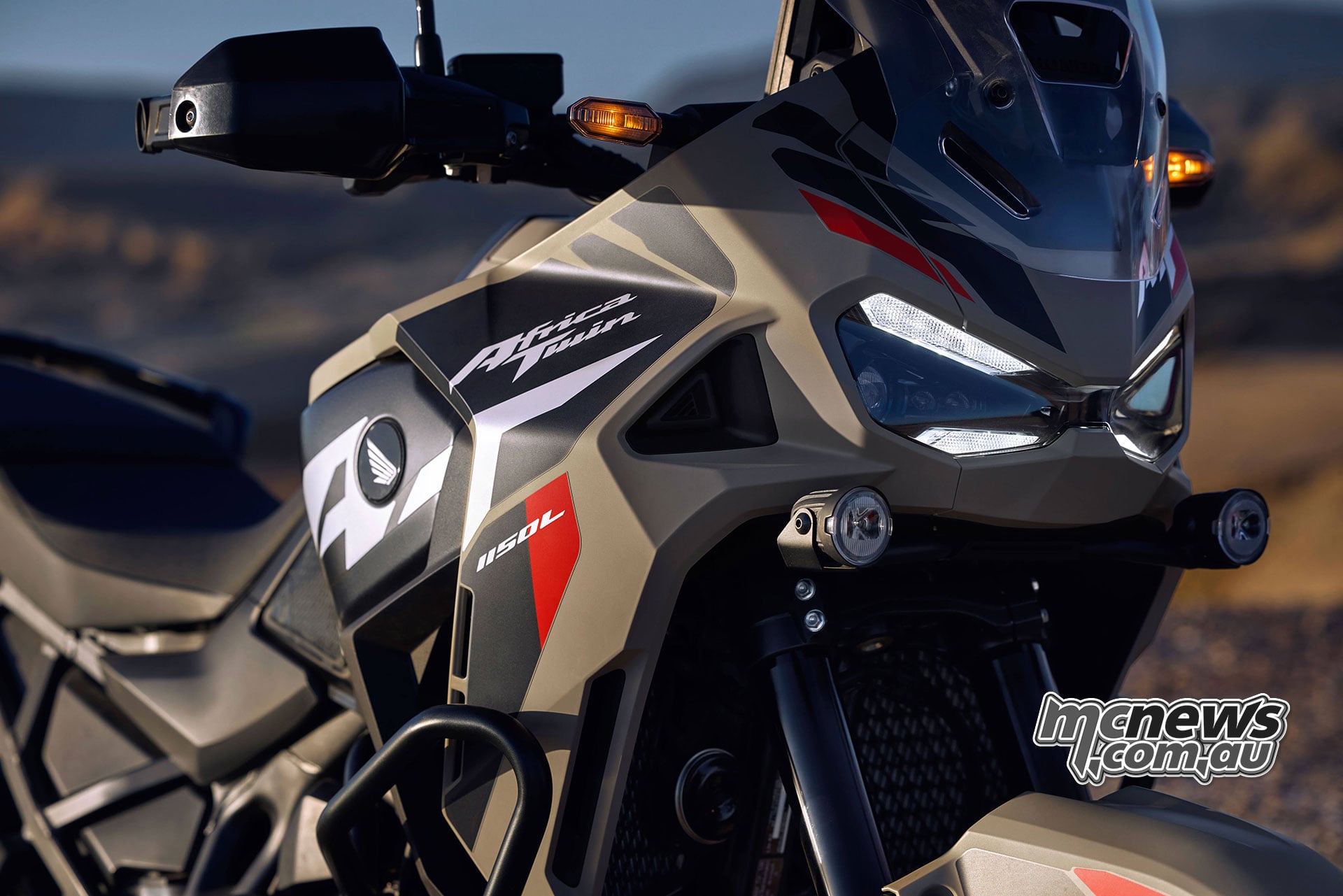
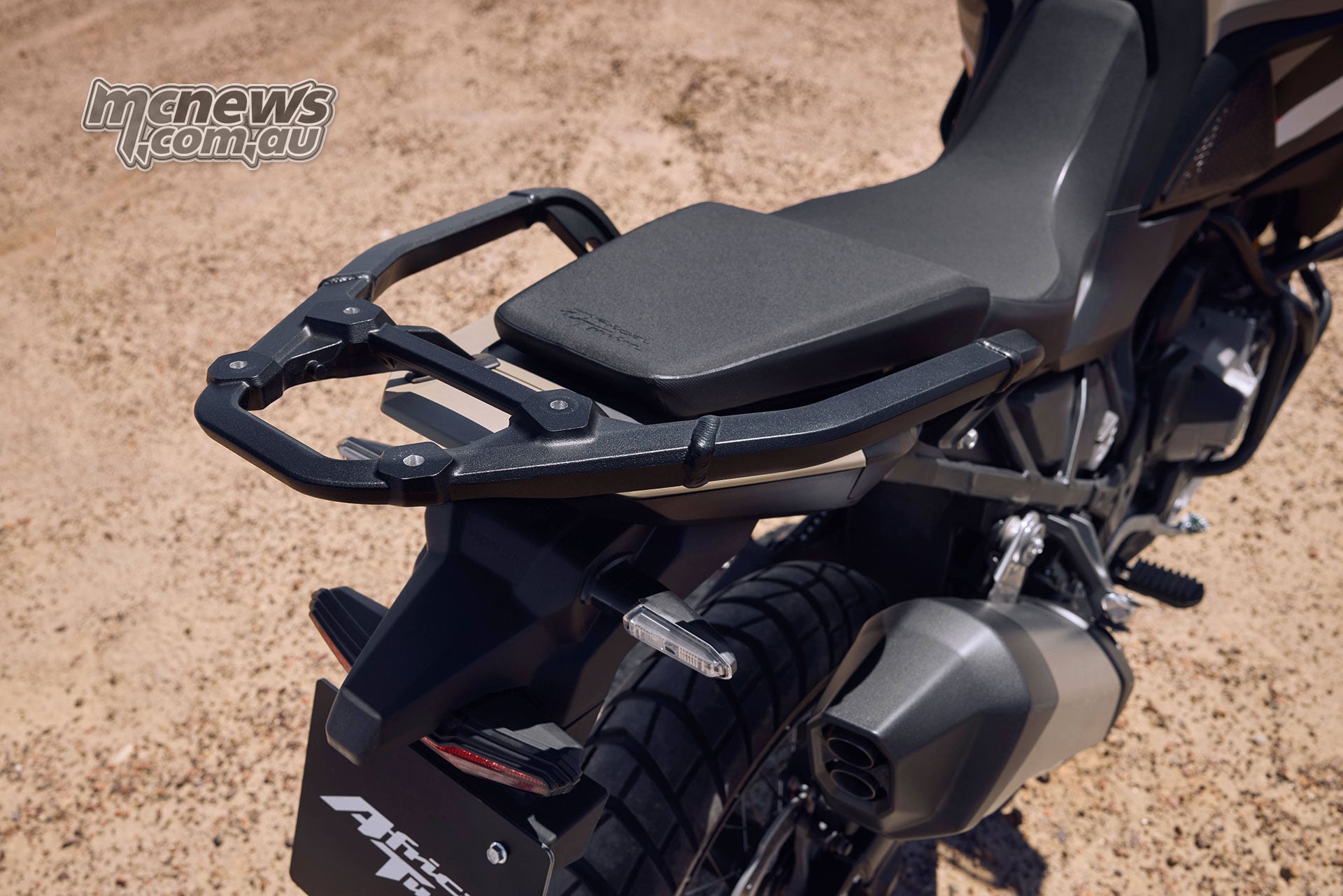
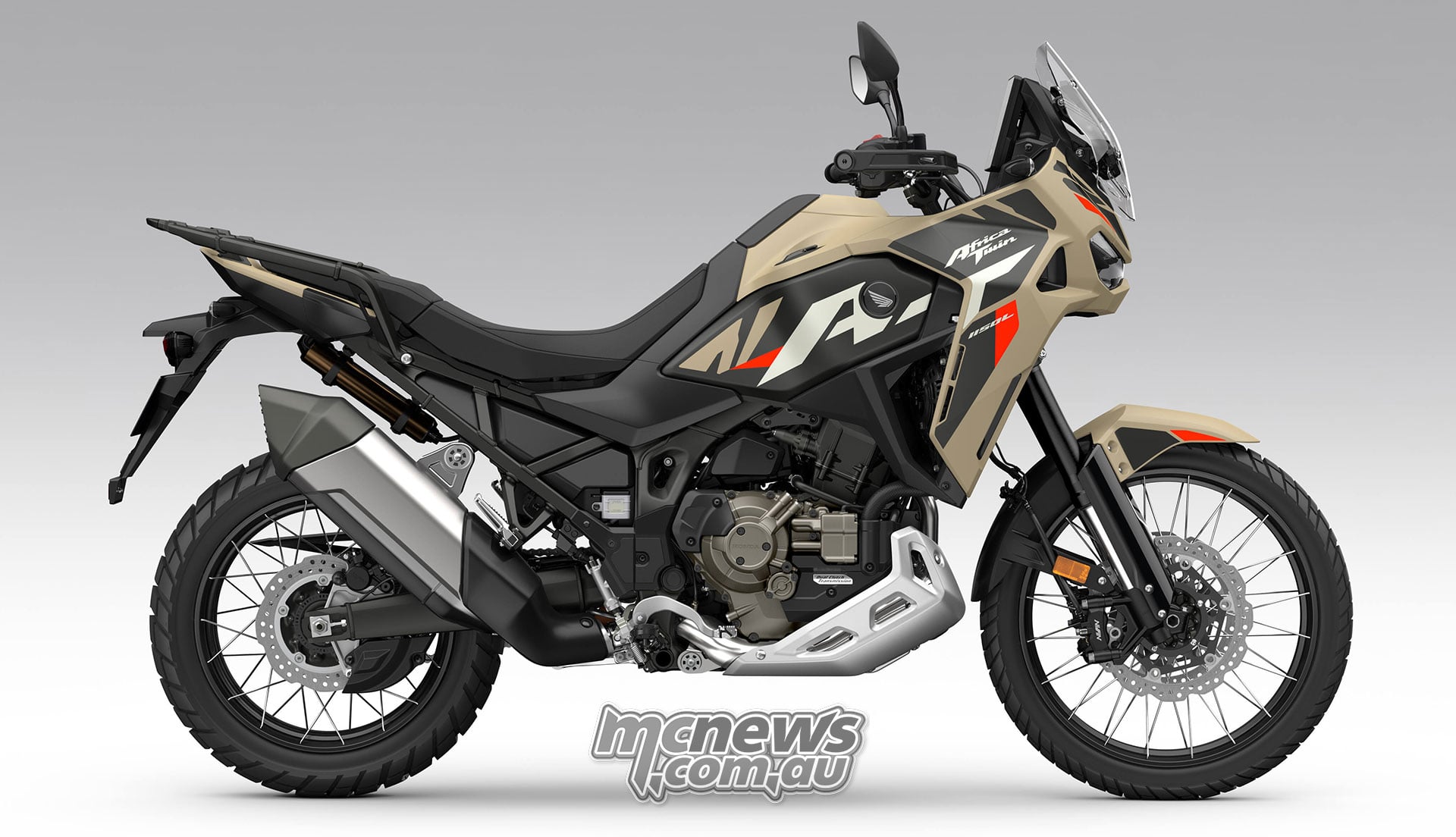
There is plenty of equipment on the standard bike, too: the electrically adjustable screen, cornering lights, heated grips, cruise control and an aluminium rear carrier all make the list. The standard Africa Twin is available in Pearl Glare White Tricolour or Mat Sandstorm Beige in Europe.
Enduro Sports: Part of the answer?
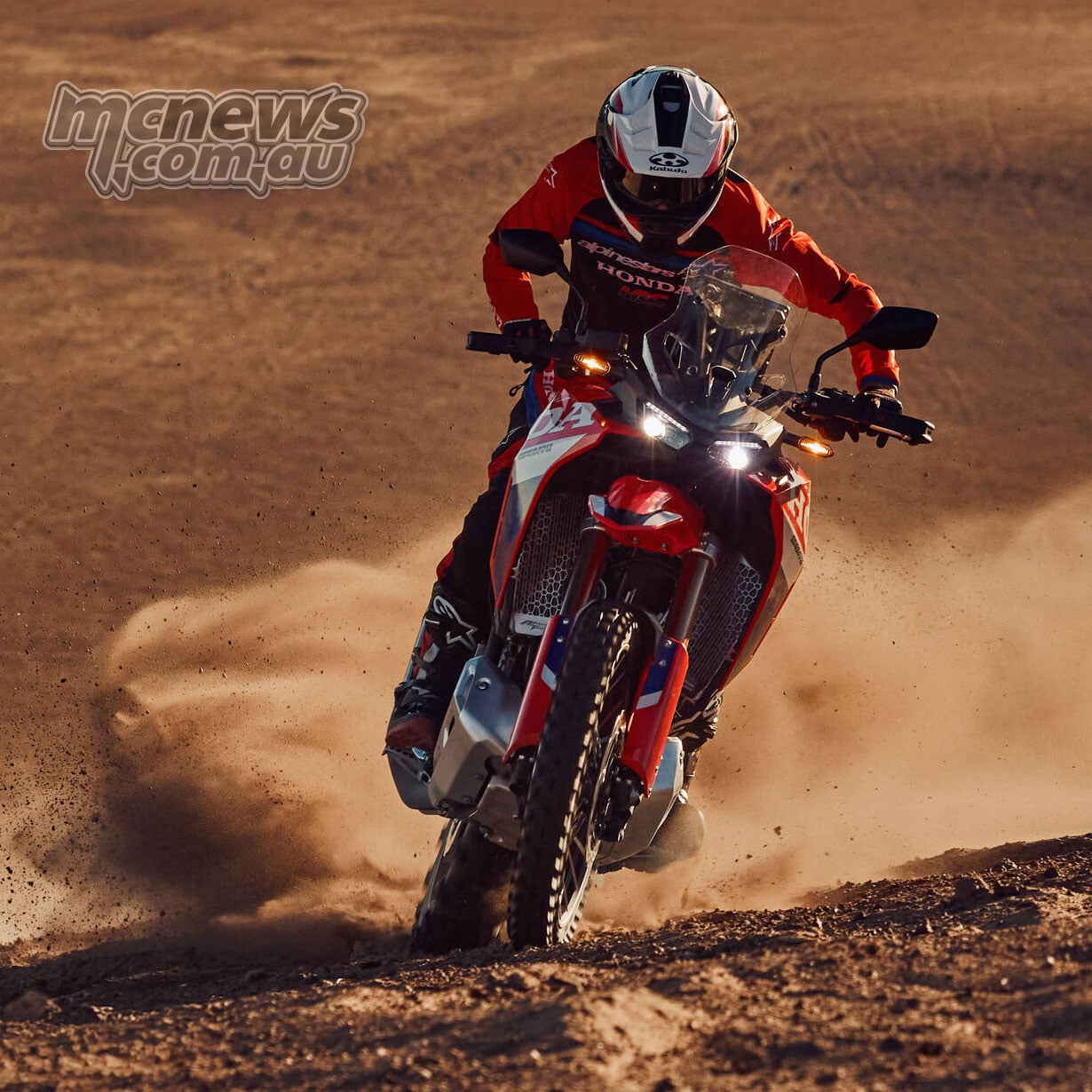
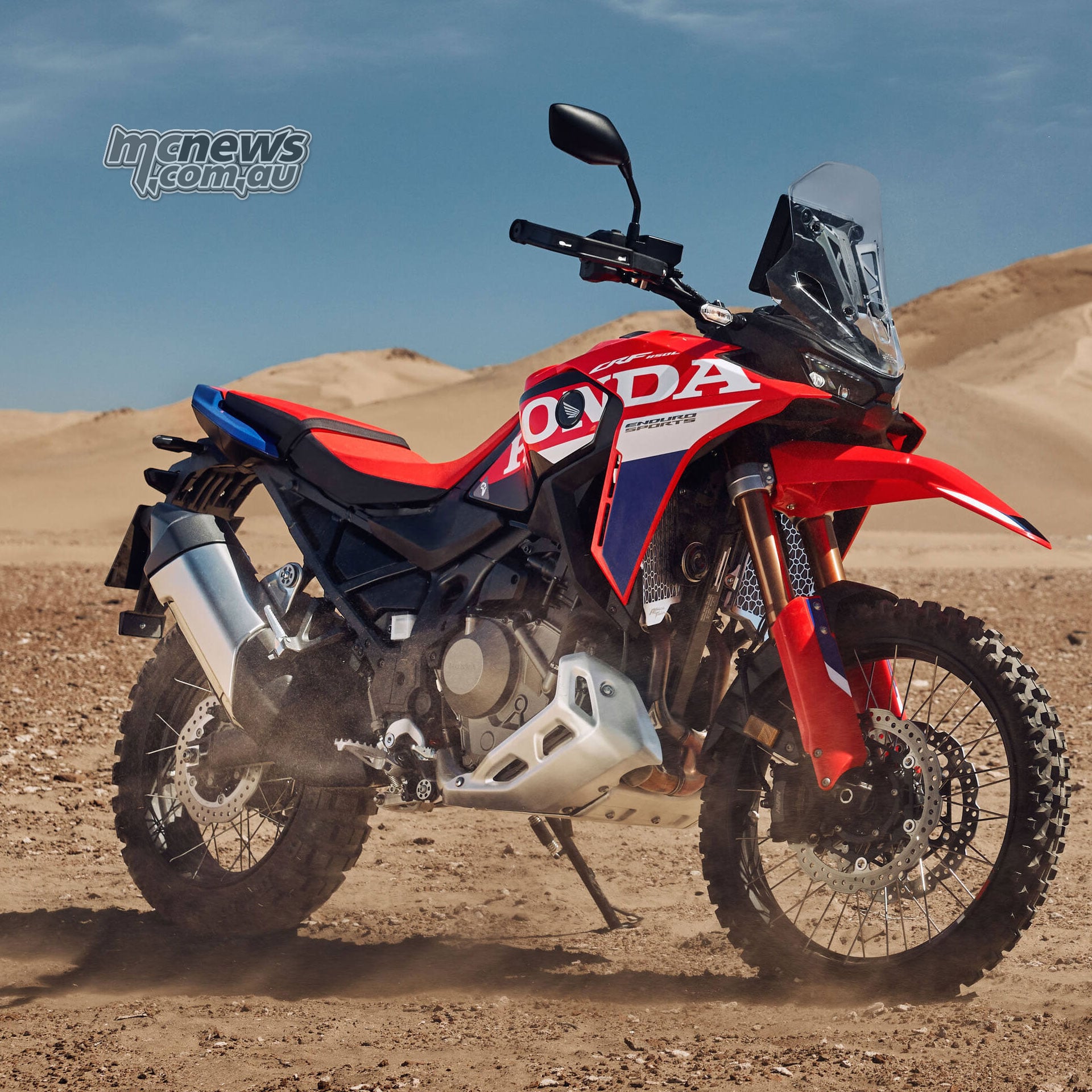
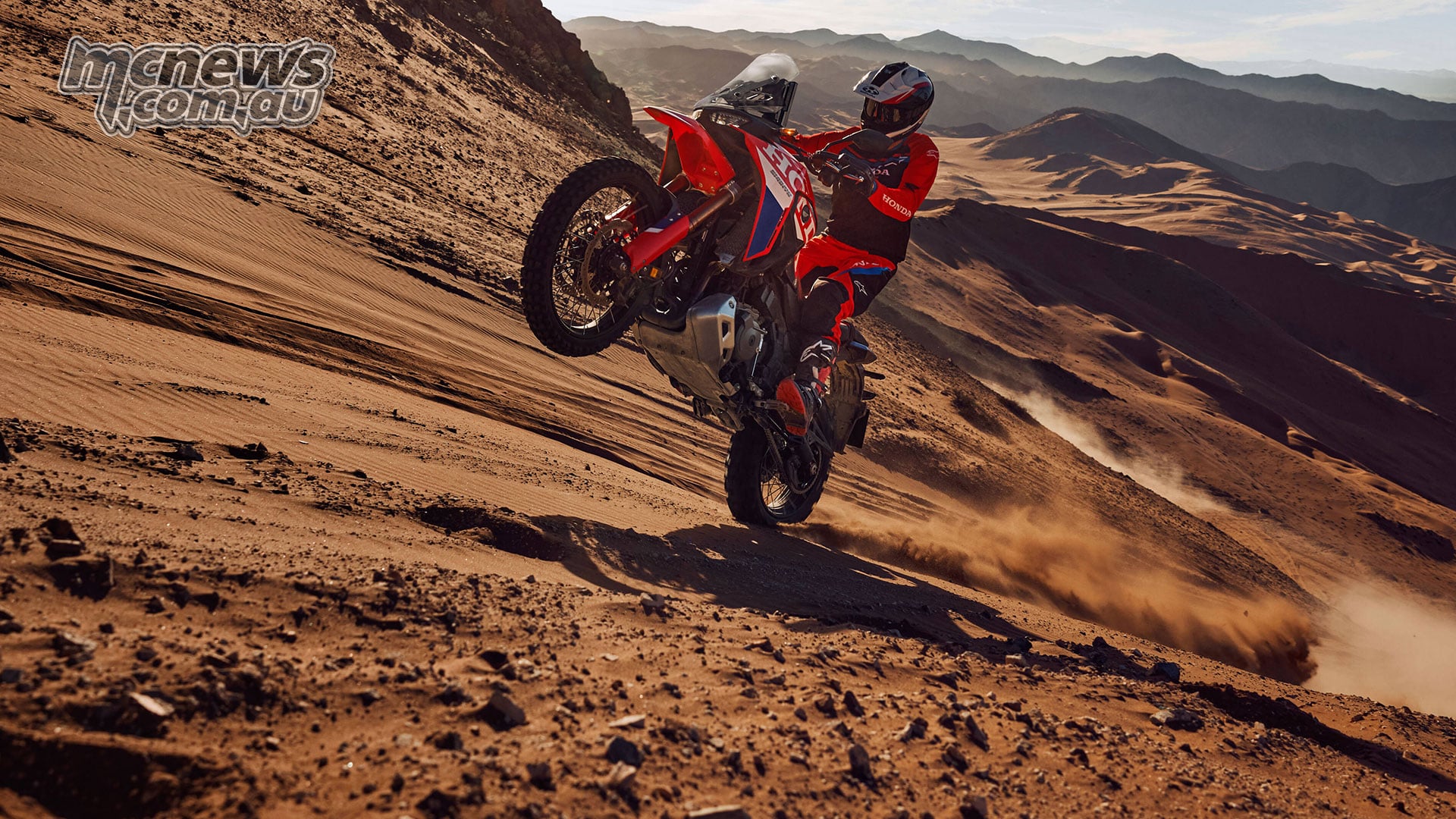
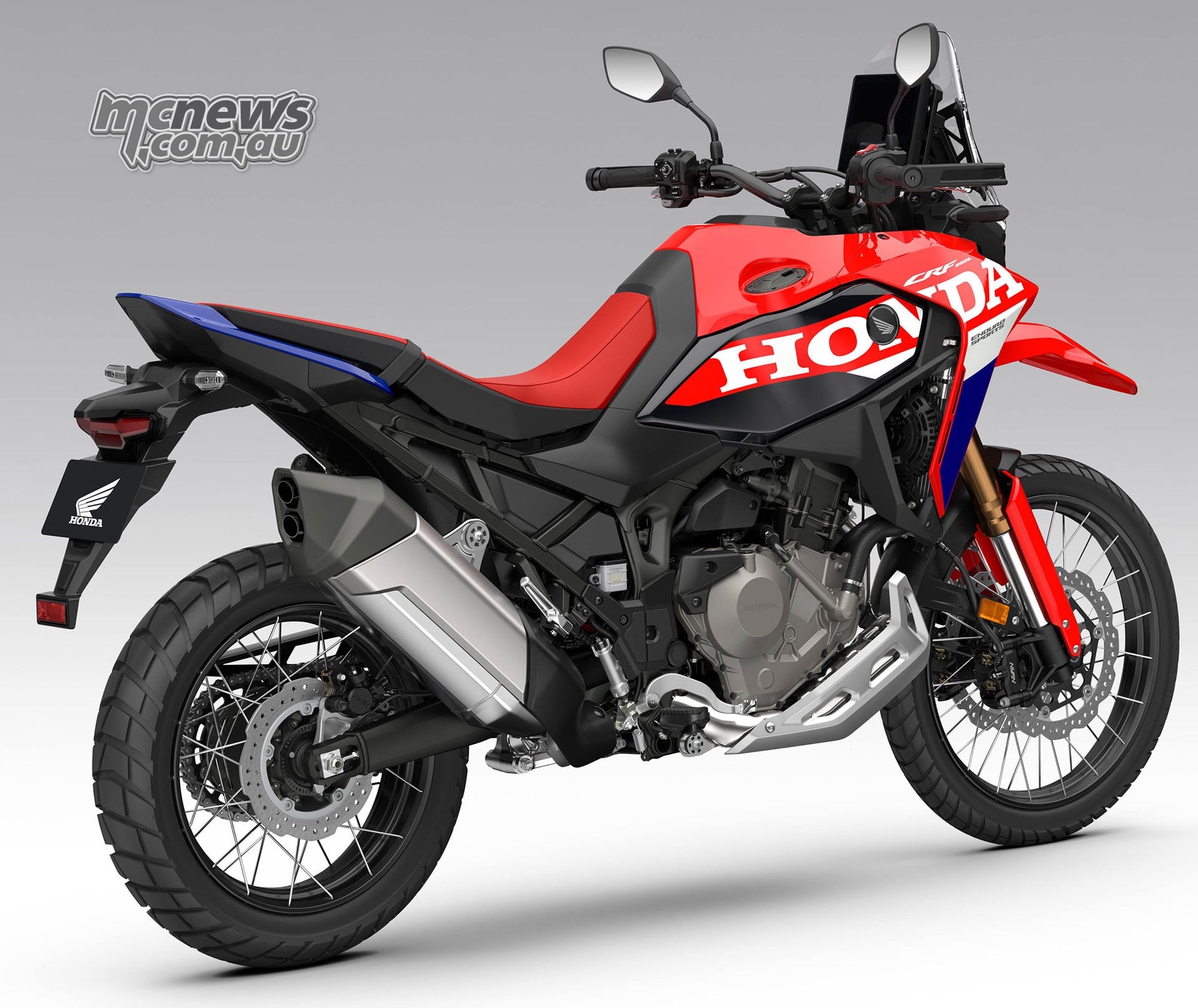
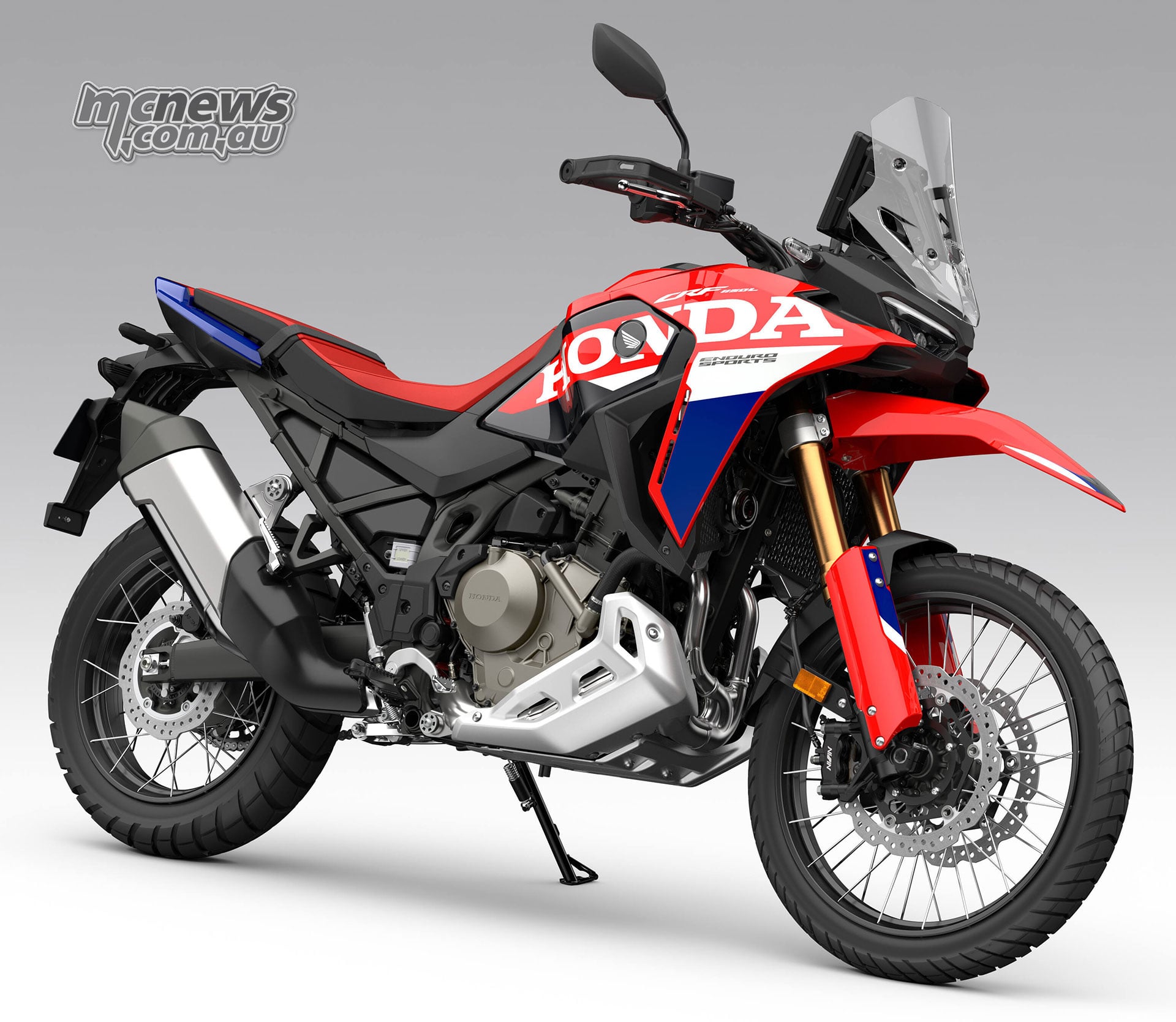
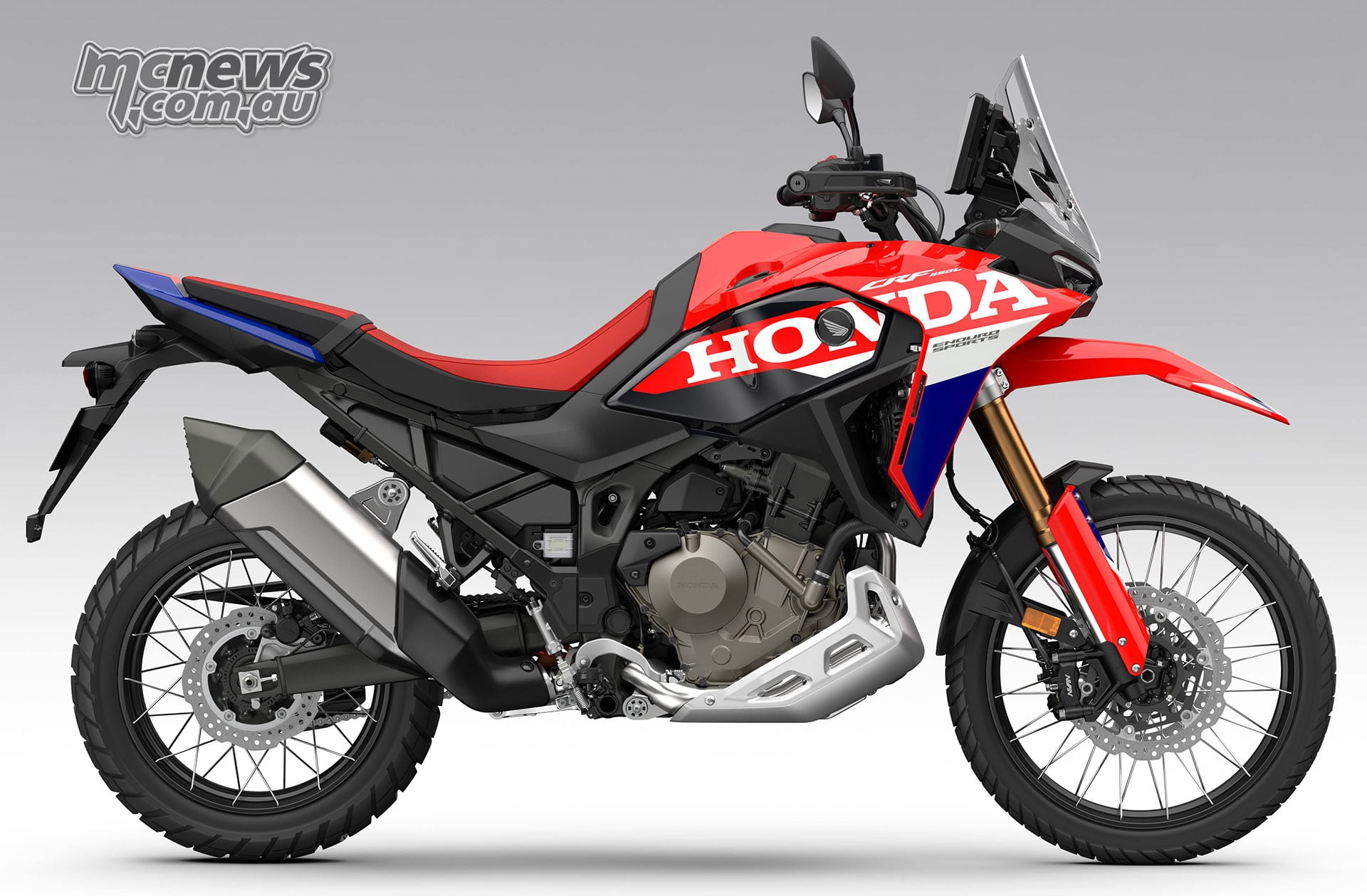
The Enduro Sports does get conventional suspension. Fully adjustable Showa 49 mm closed-cartridge forks provide 240 mm of travel, backed by a fully adjustable Pro-Link rear shock with 230 mm of rear-wheel travel.
Honda describes the forks as CRF450RALLY-spec. Compared with the standard Africa Twin, the Enduro Sports offers another 20 mm of suspension travel at each end, along with 20 mm more ground clearance.
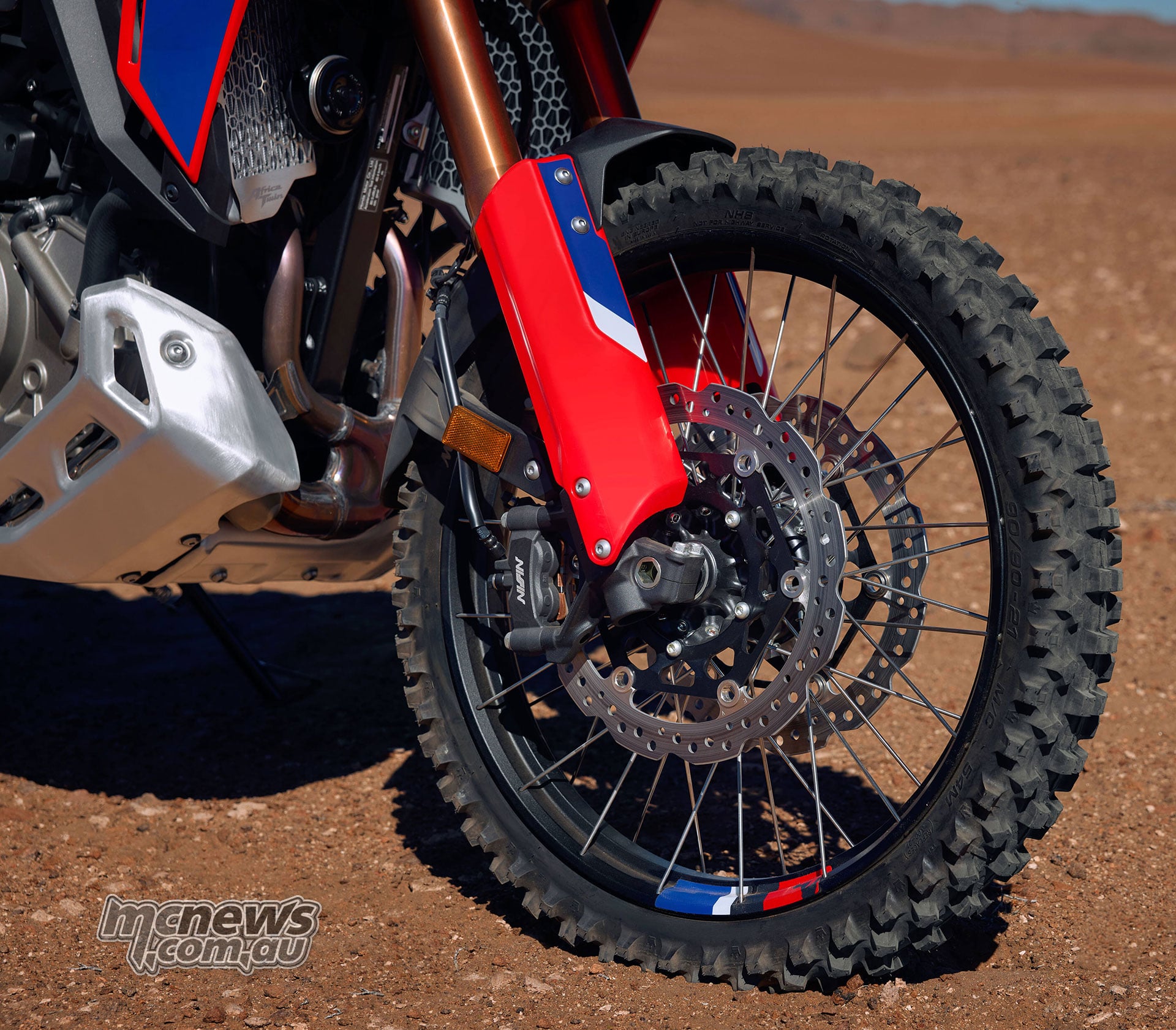
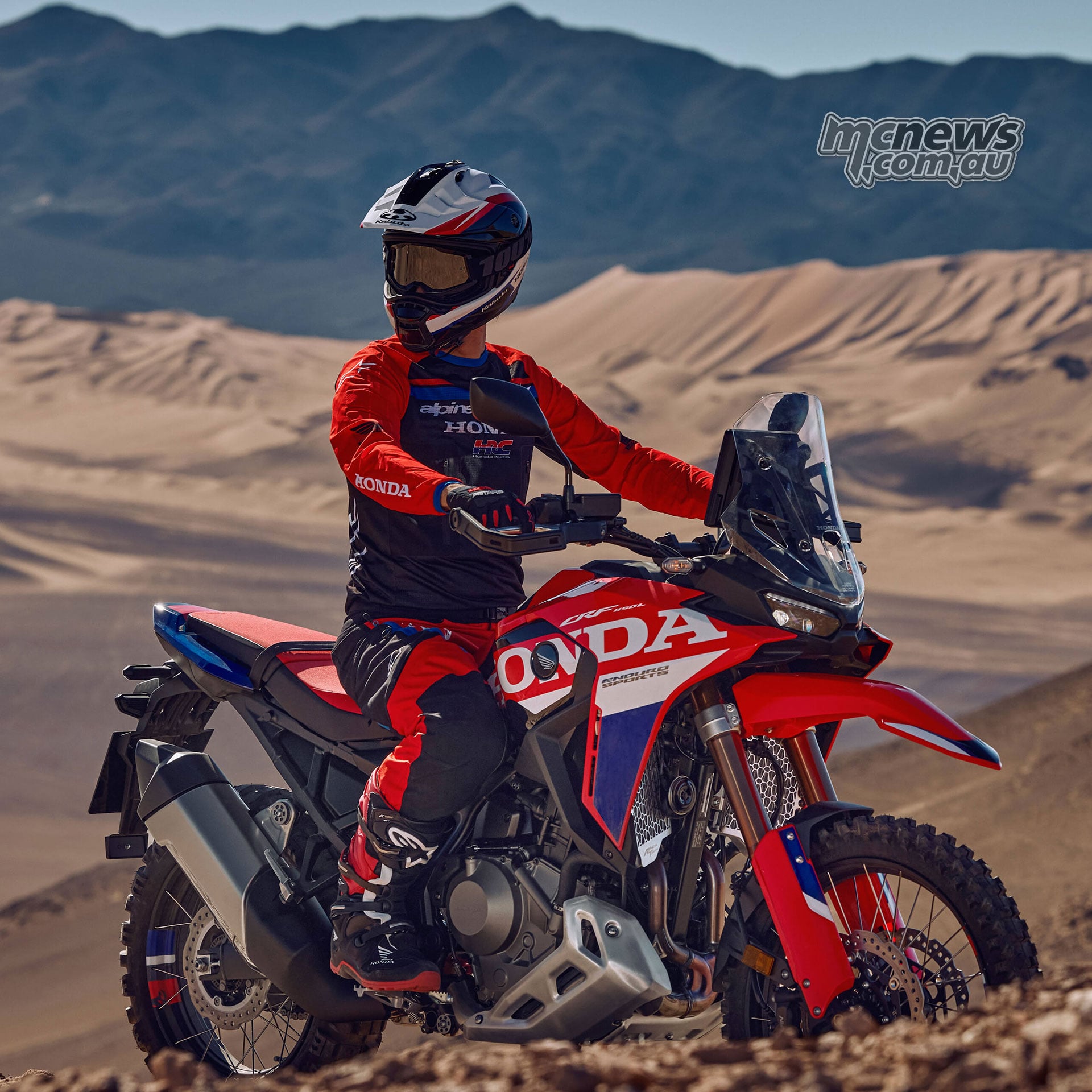
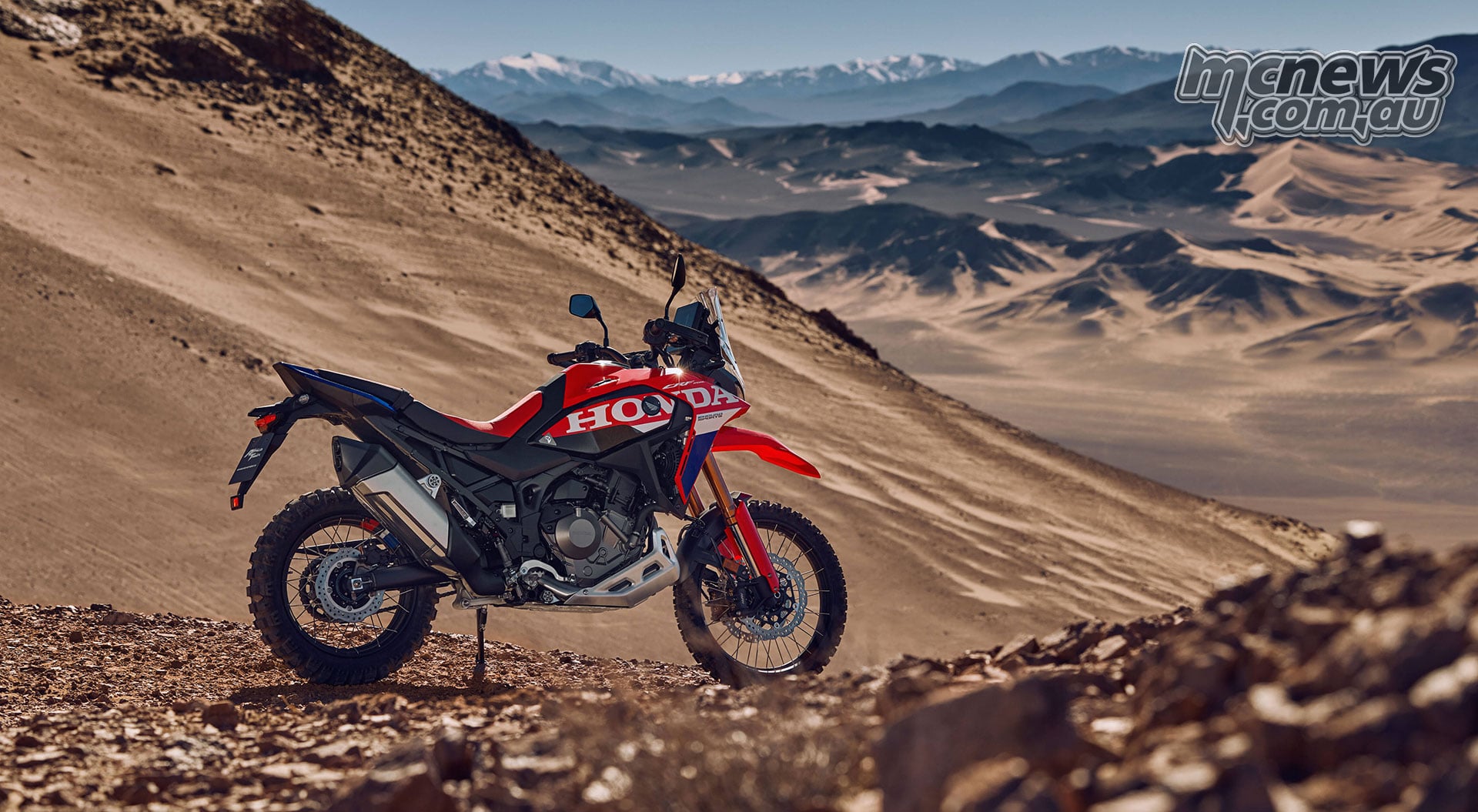
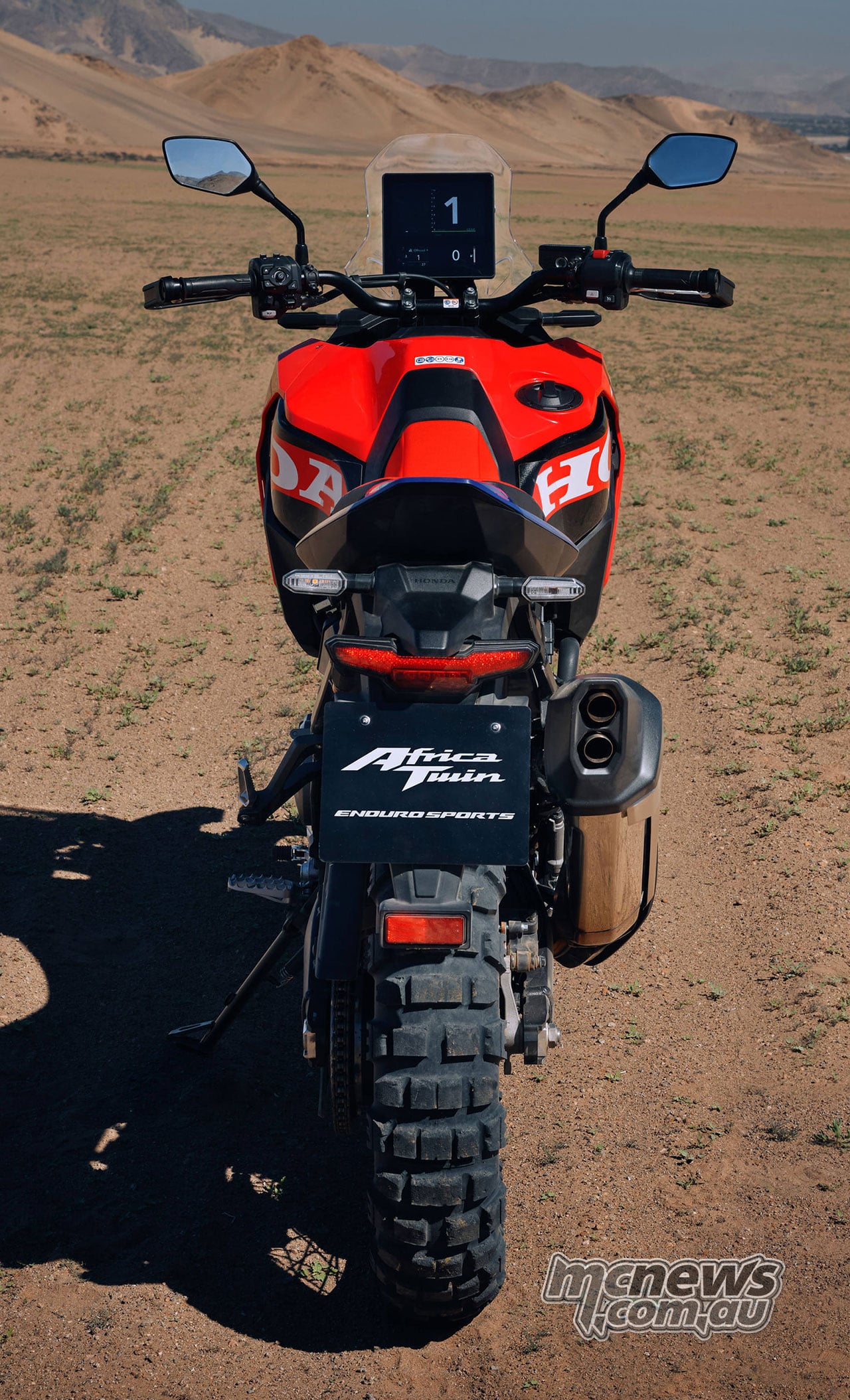
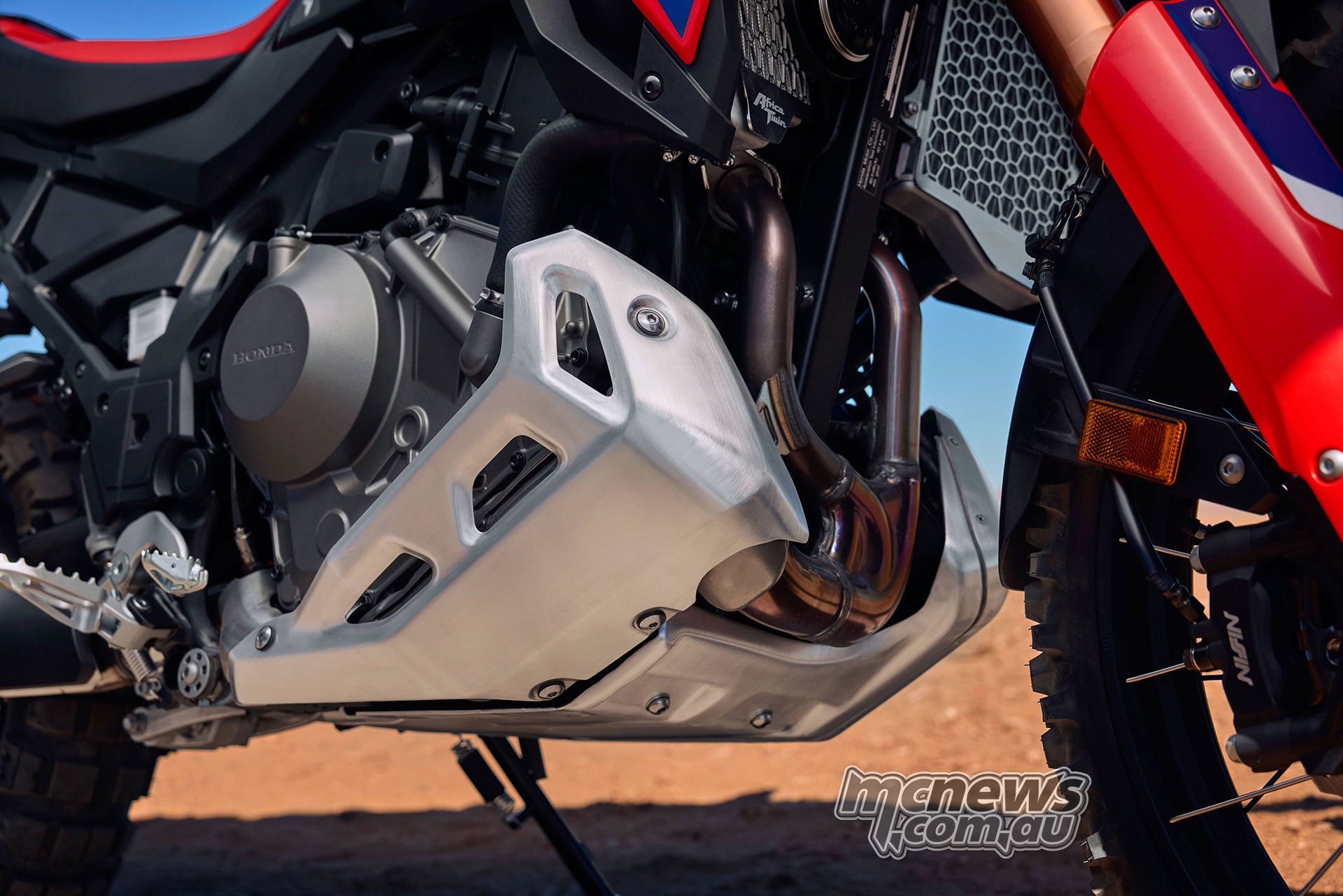
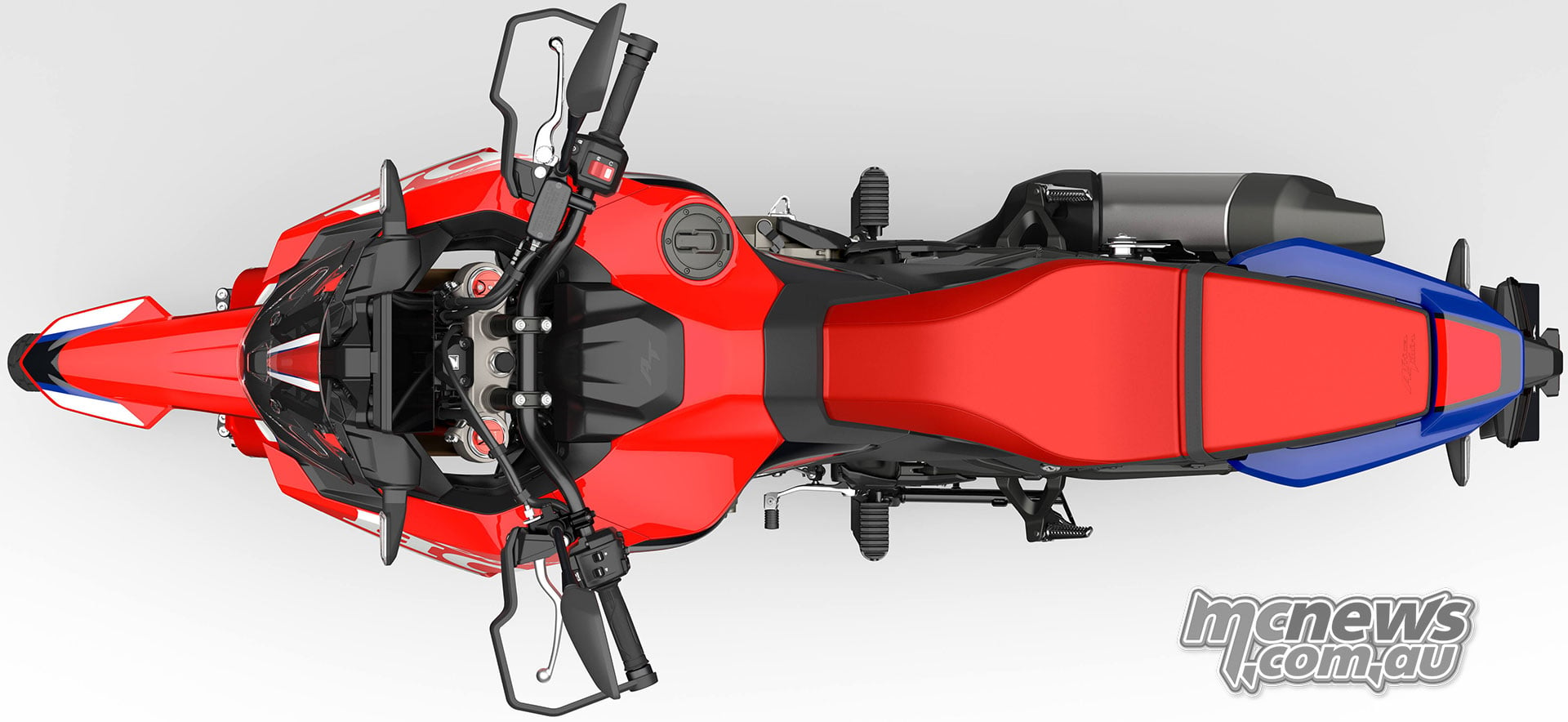
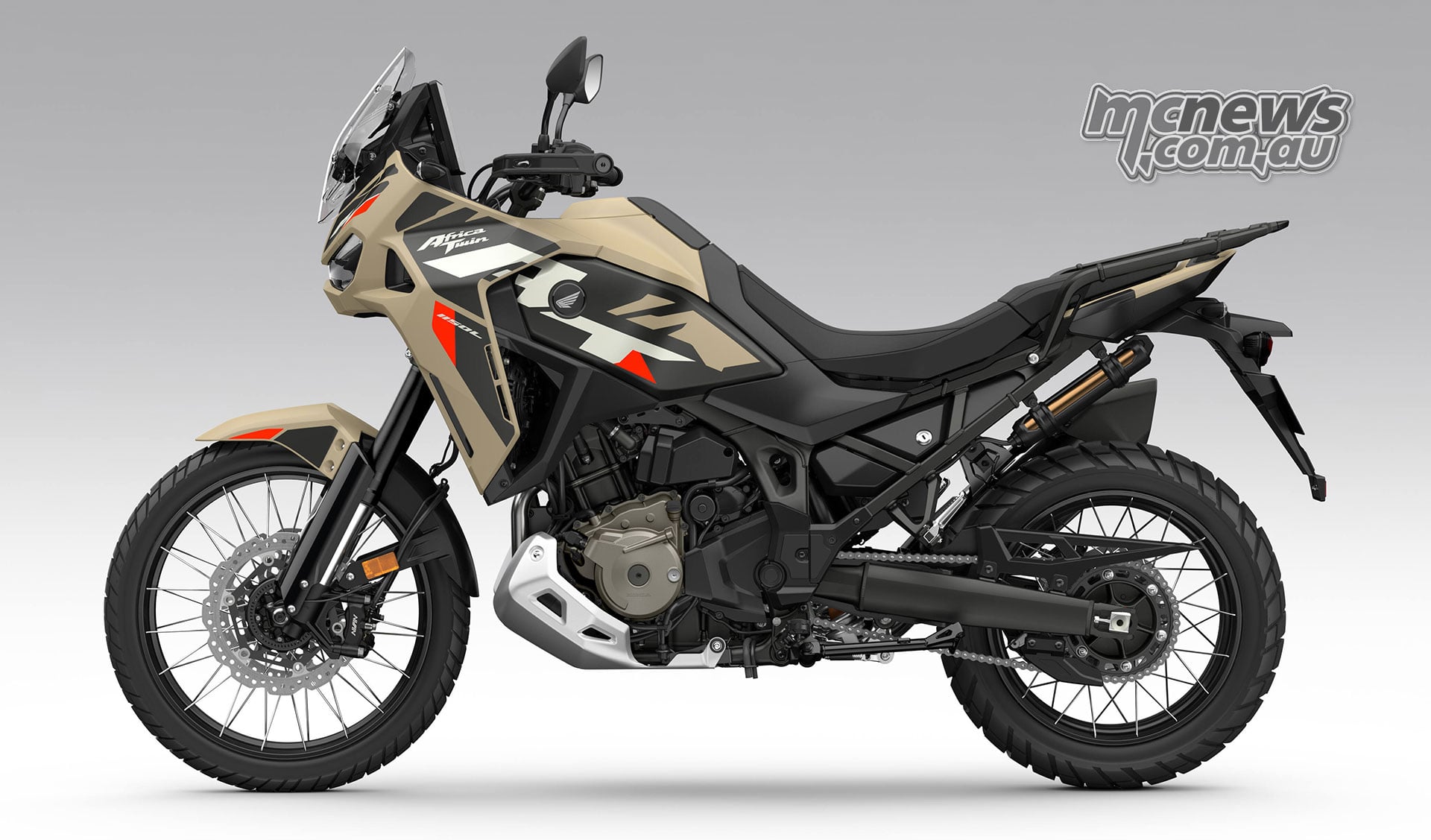
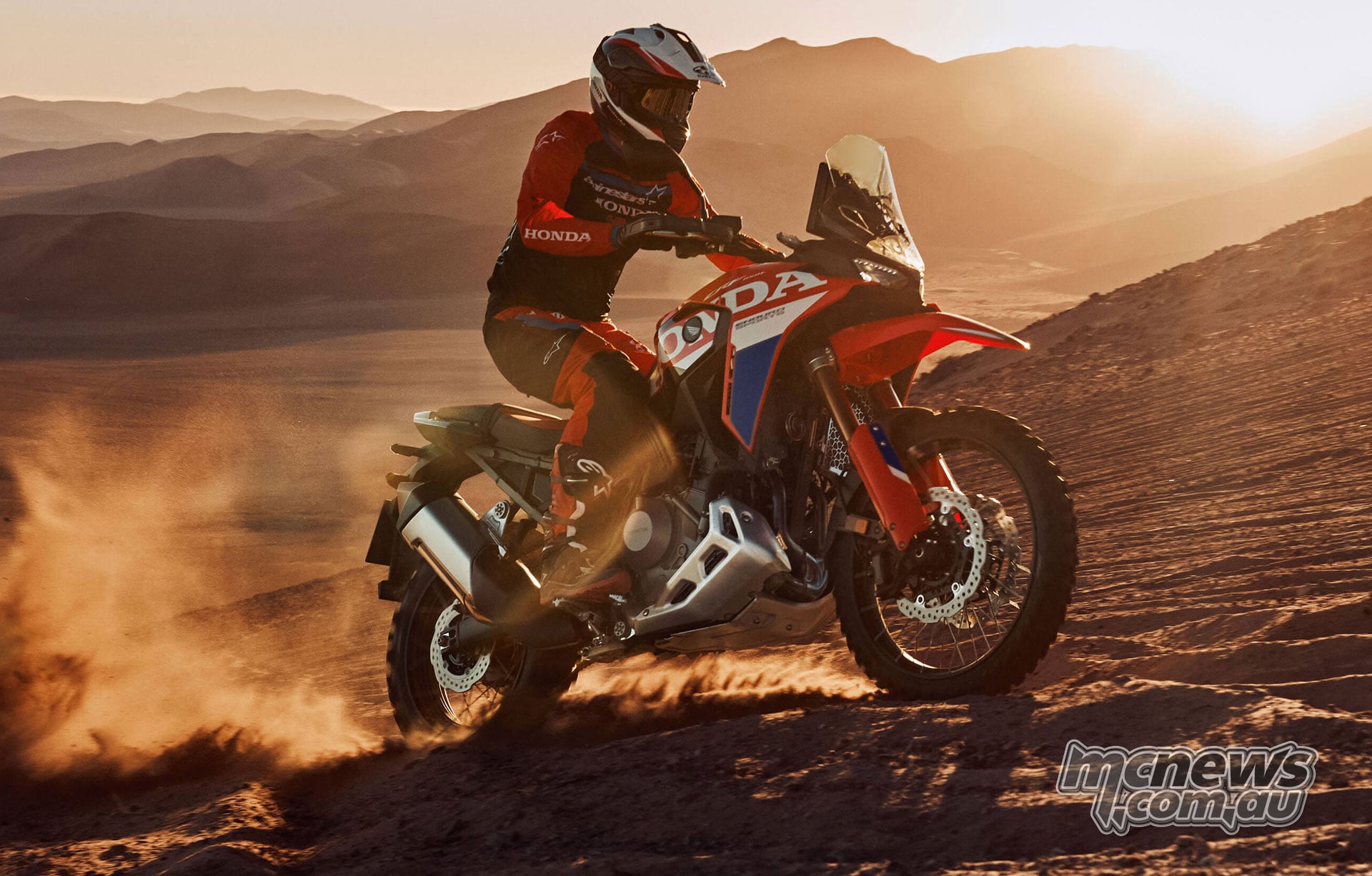
It also brings a 21-inch front wheel, an 18-inch rear, 260 mm of ground clearance, a high front mudguard and more compact bodywork. Honda lists kerb weight at 228 kg for the manual, nine kilos below the standard MY27 Africa Twin. The DCT Enduro Sports is listed at 239 kg.
The DCT version saves eight kilos against the standard DCT. However, our original CRF1000L specifications listed the 2016 base model at 228 kg, too. The new manual Enduro Sports matches that claimed figure despite its larger engine and extra equipment.
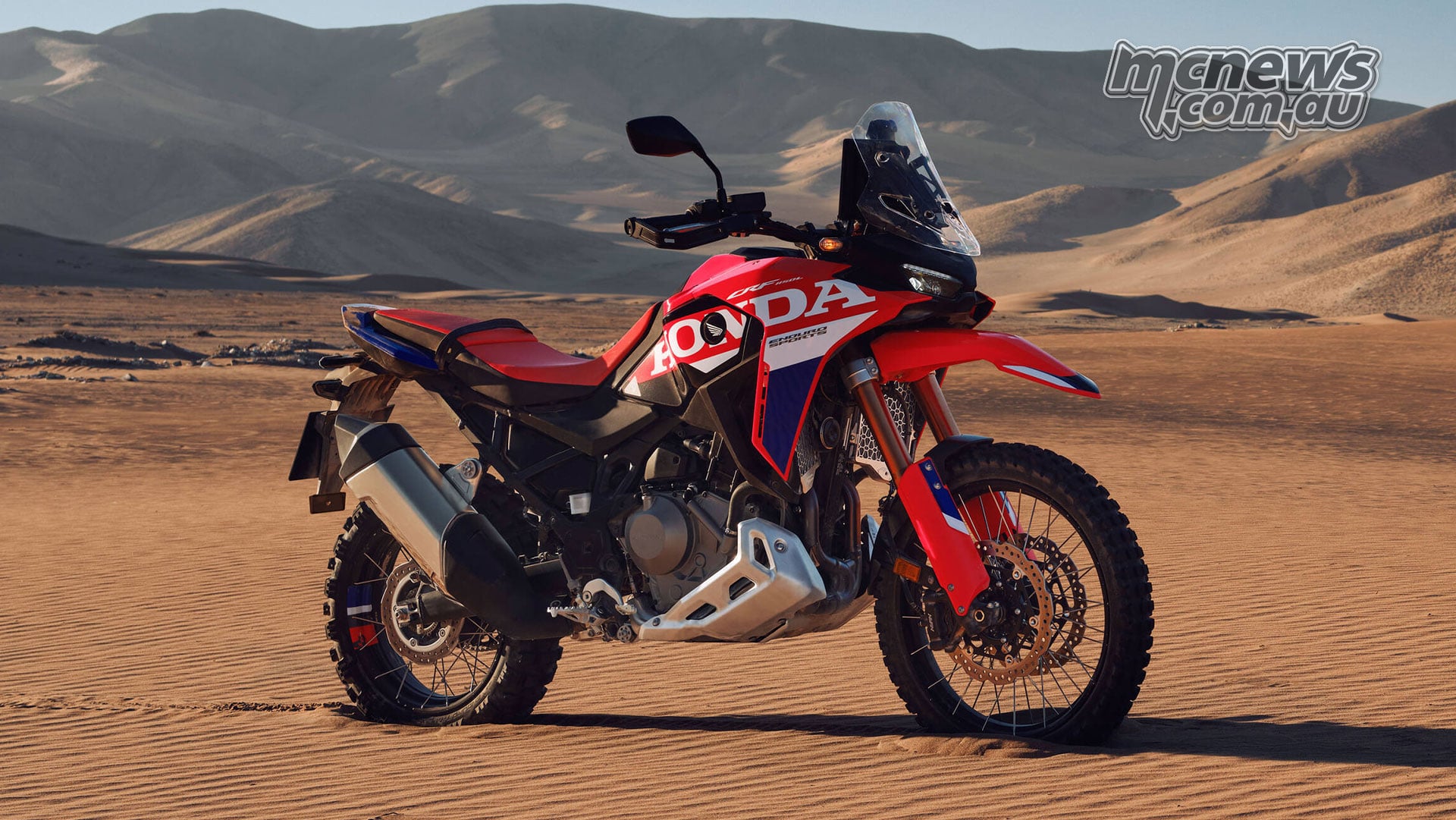
The 18.8-litre tank on the Enduro Sports is smaller than the Adventure Sports’ 24.2-litre arrangement, while the seat adjusts between a fairly lofty 870 and 890 mm.
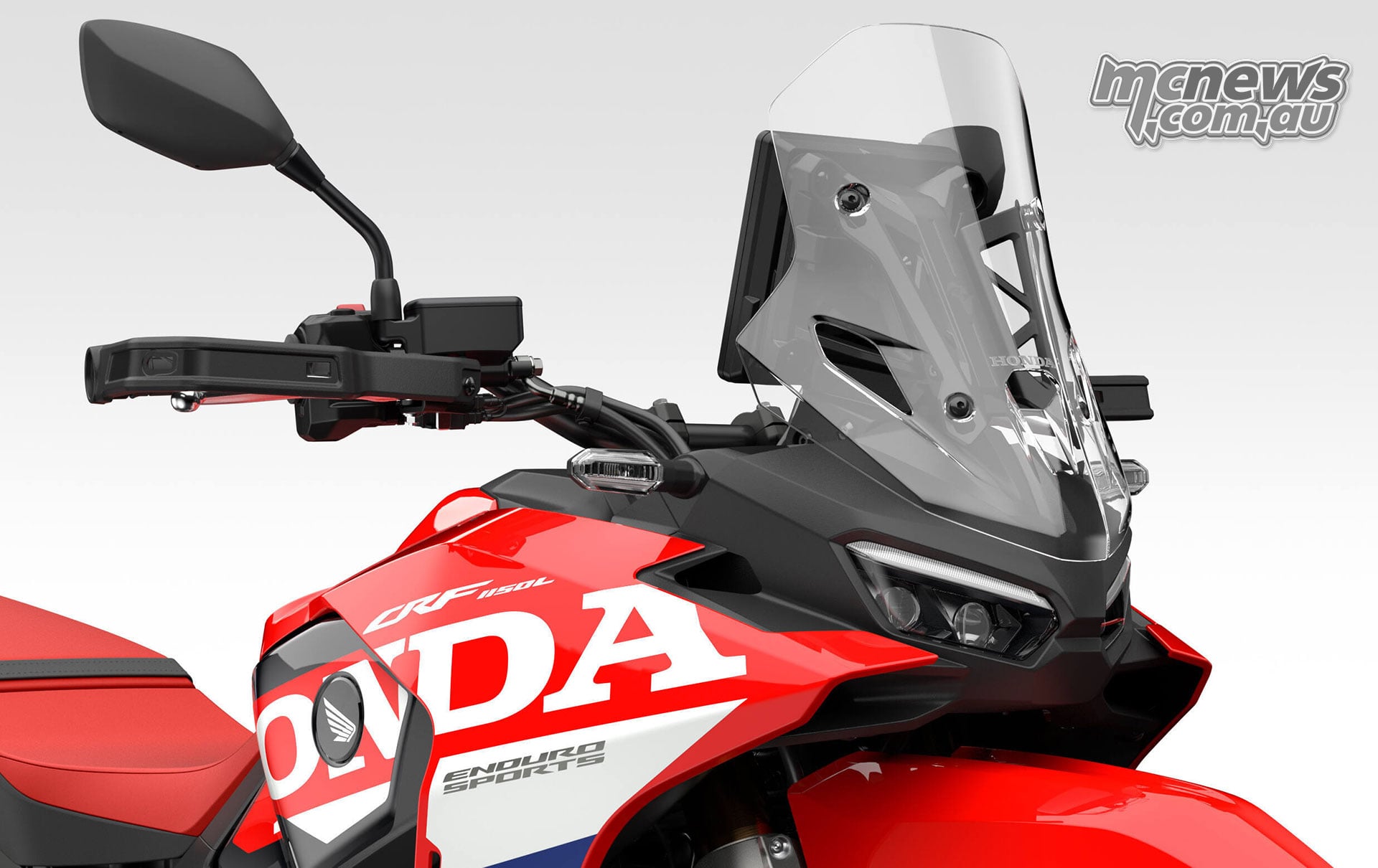
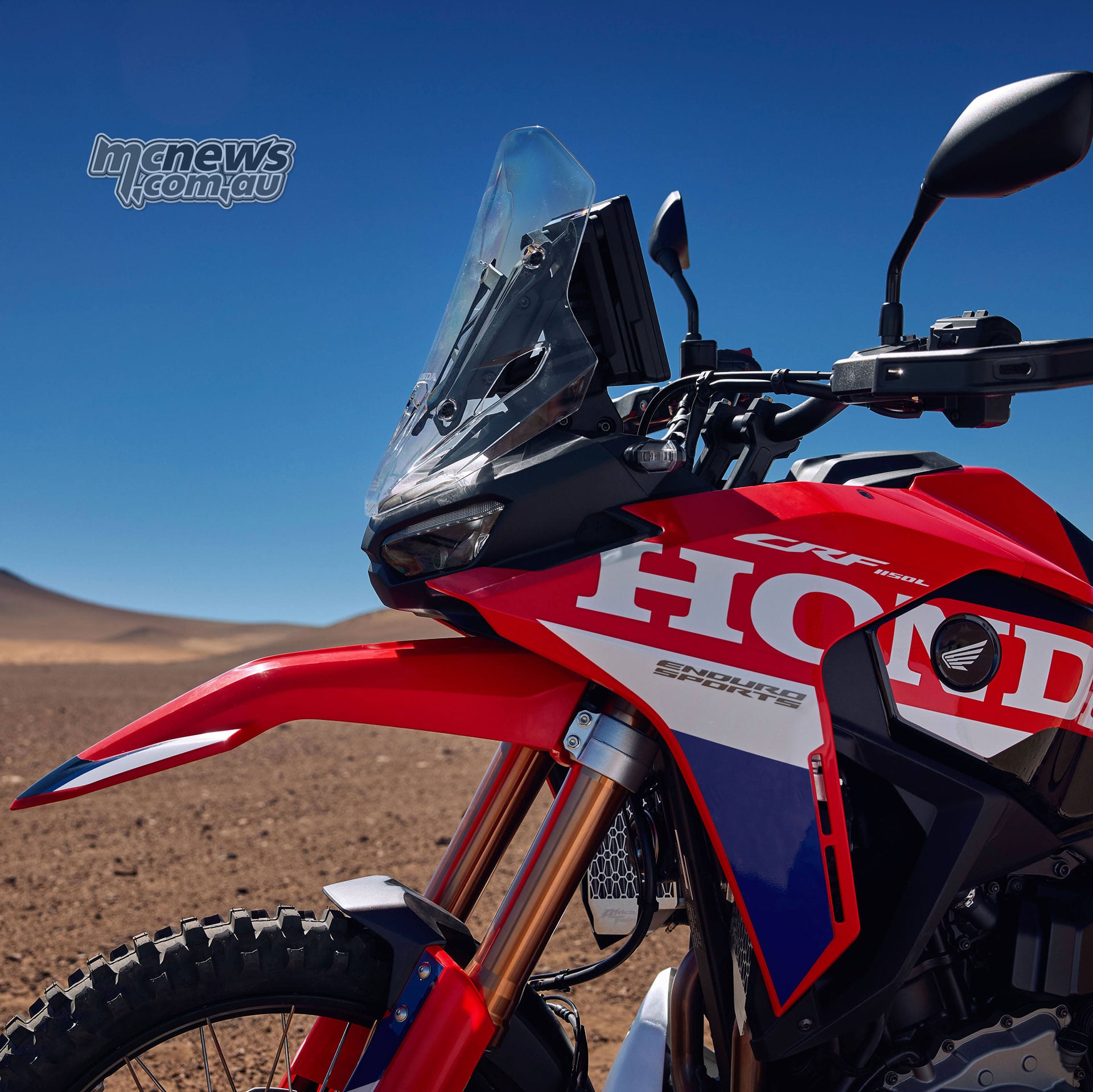
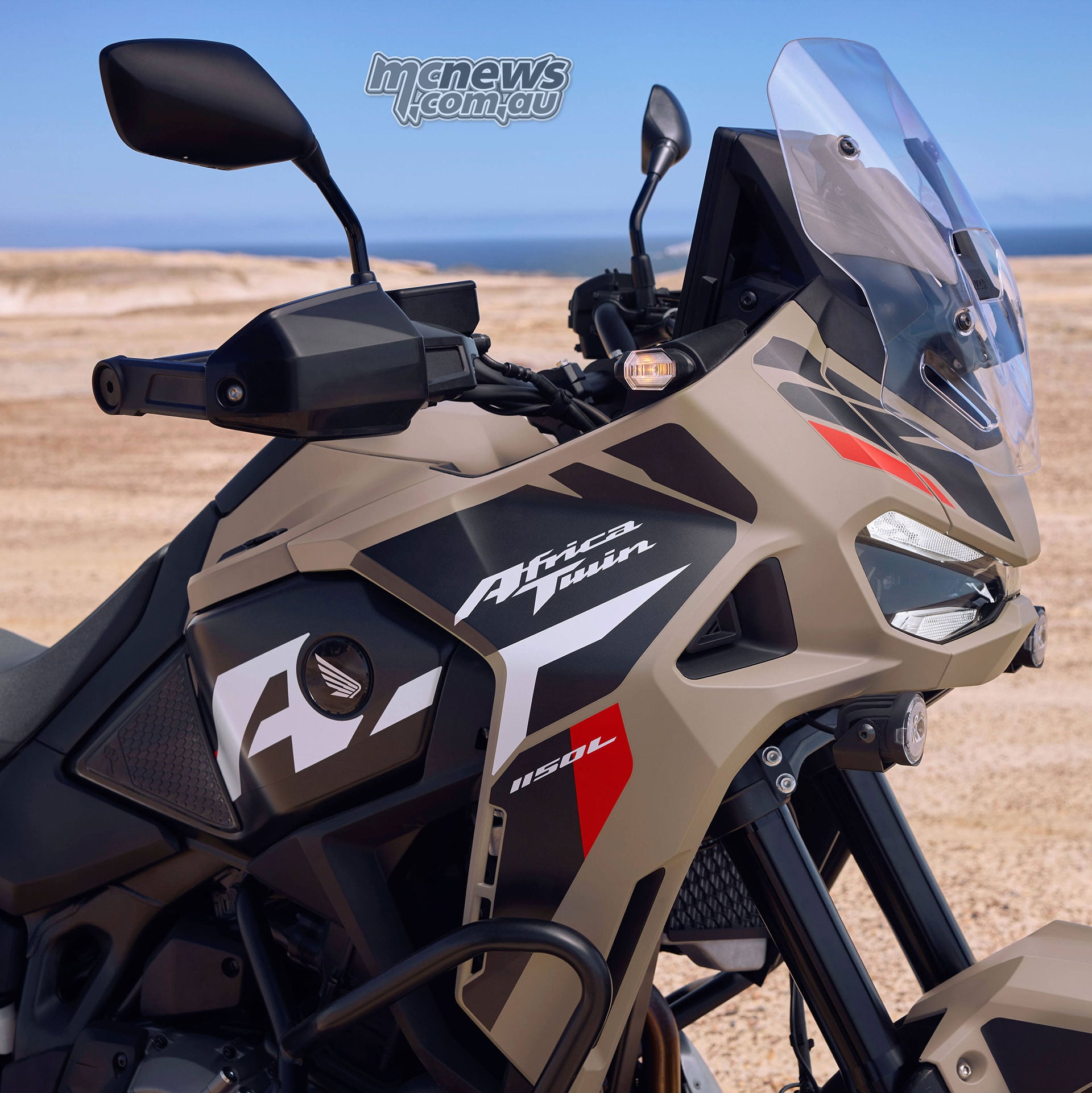
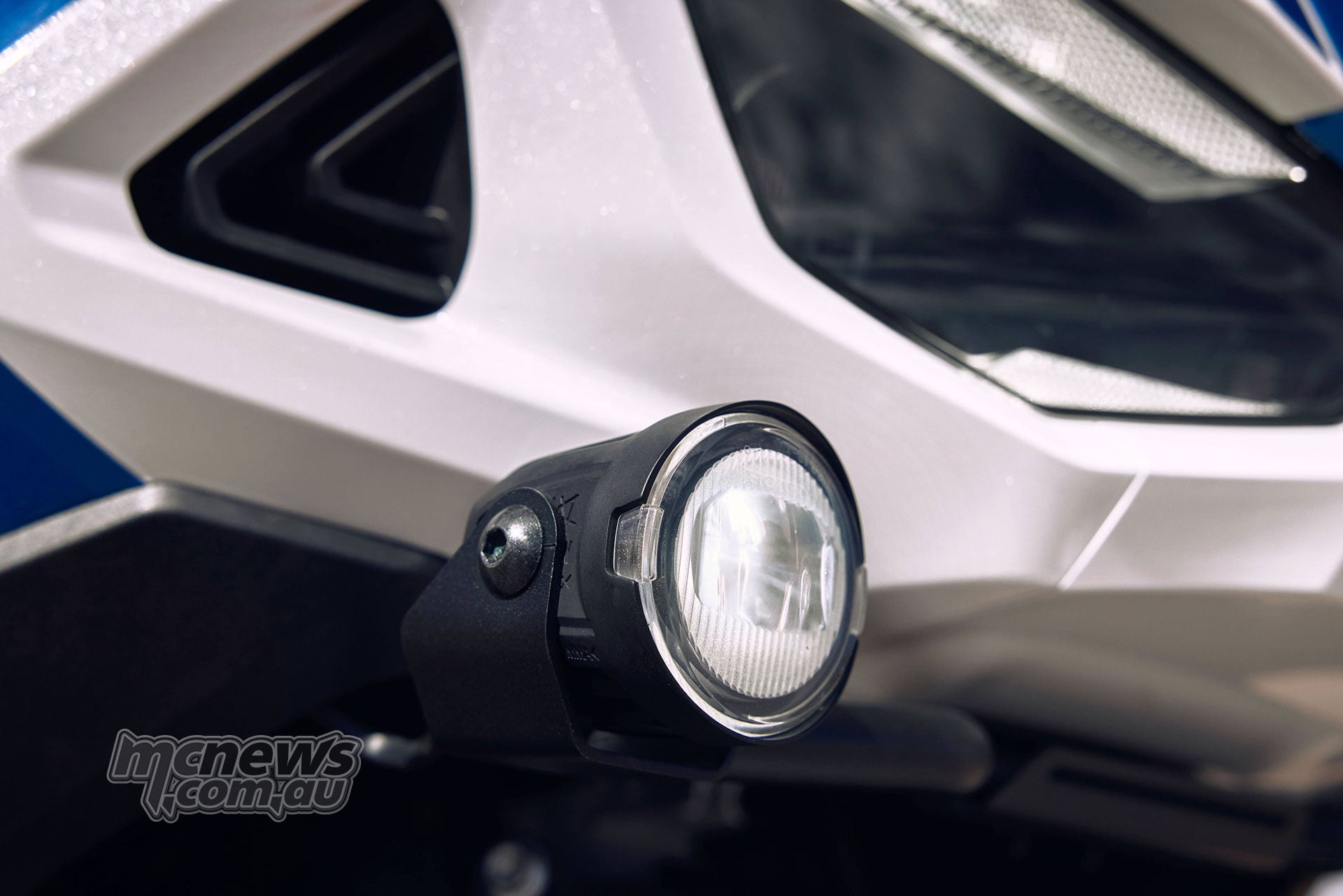
The Enduro Sports also gets a compact screen and lightweight dual LED headlights, with a high front mudguard and less bodywork giving it a stronger rally influence. Heated grips and a rear carrier are accessories rather than standard equipment. Its European colour is Extreme Red.
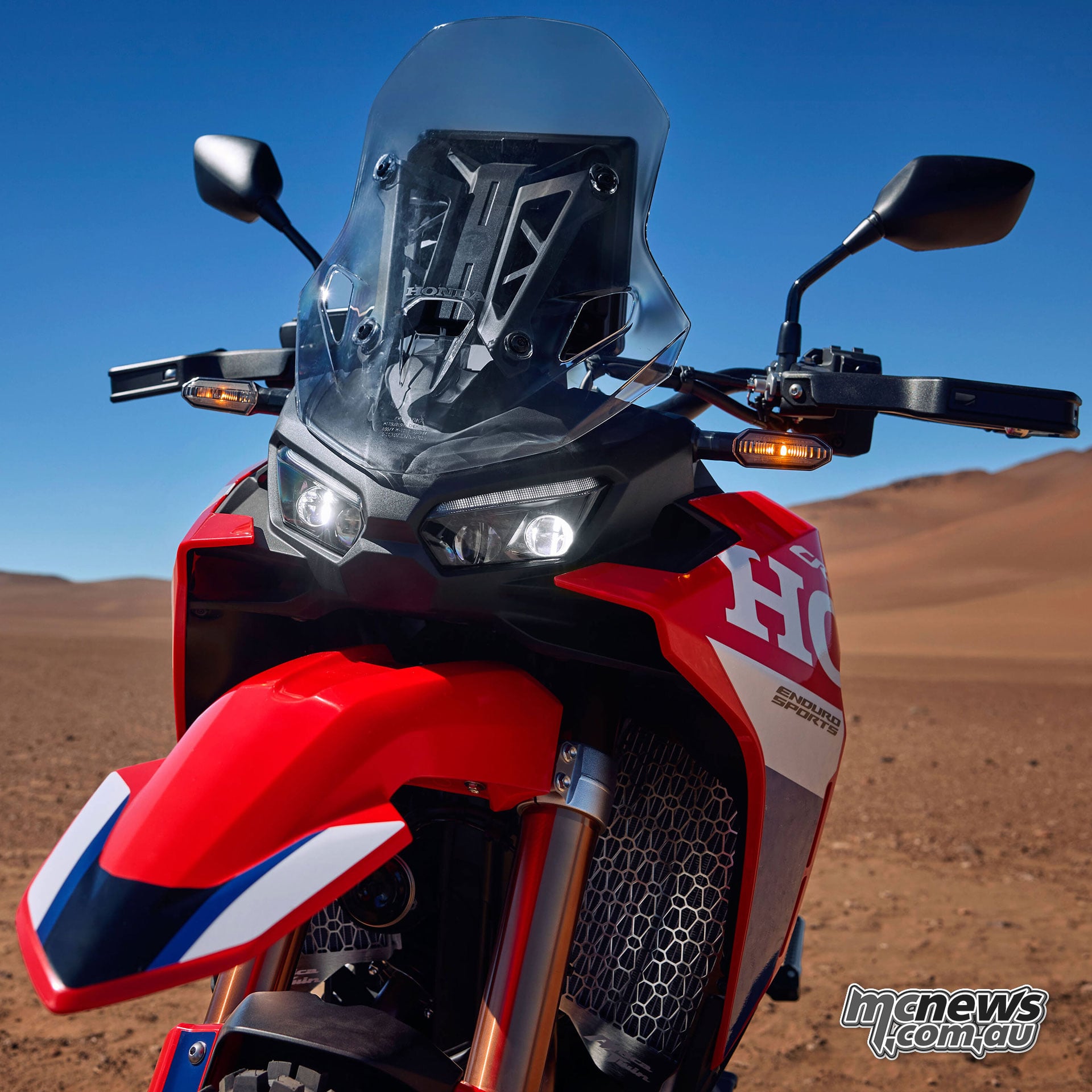
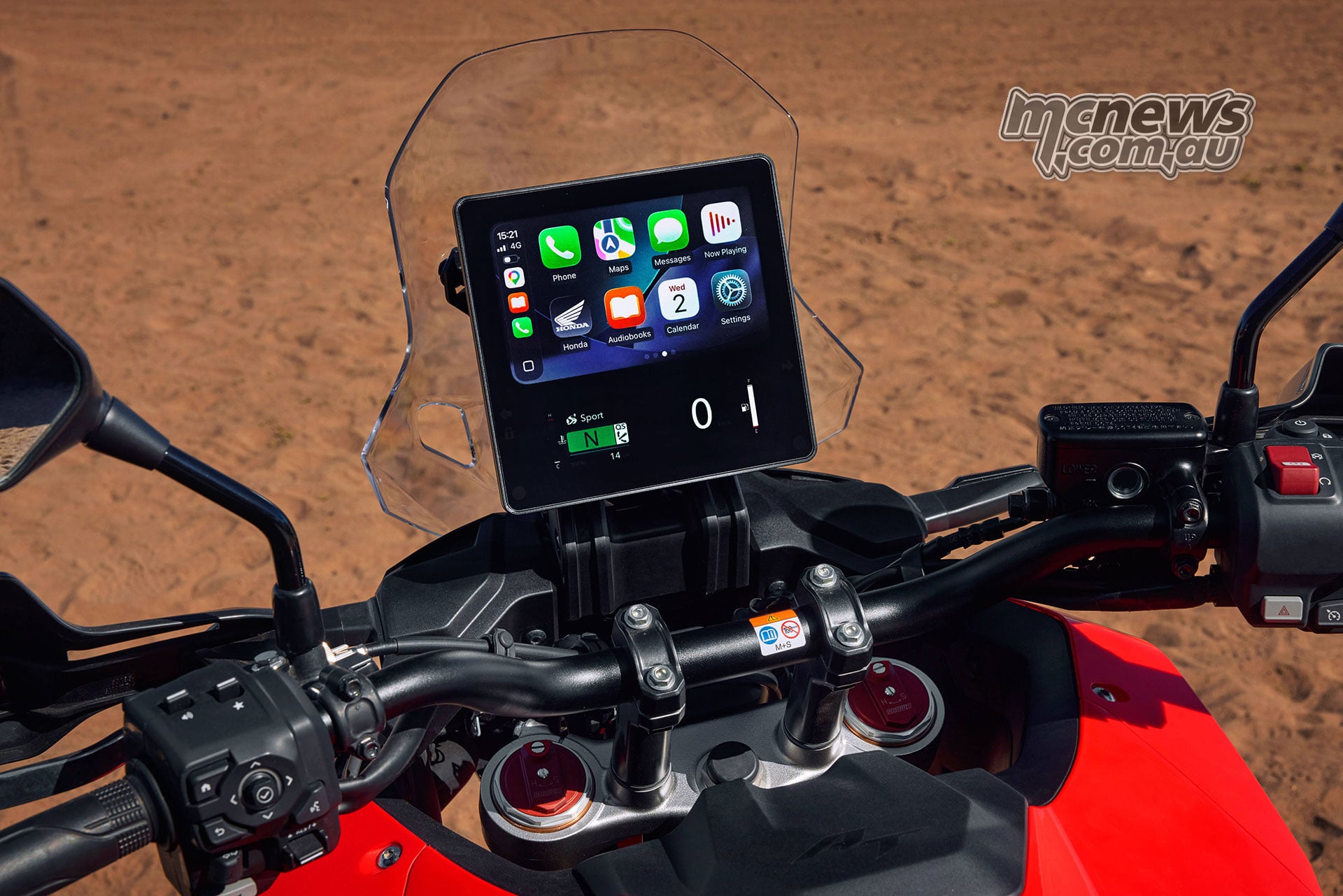
It hasn’t shed the electronics, however. The Enduro Sports retains the new twin-display dashboard, wireless phone connectivity, six riding modes, IMU-based rider aids, cruise control and smart key. It is a more focused dirt machine, but still a long way from the original base model’s equipment list.
Whether it also delivers the affordability part of that wish list will depend on pricing. Watch this space…
Bigger engine, considerably more grunt
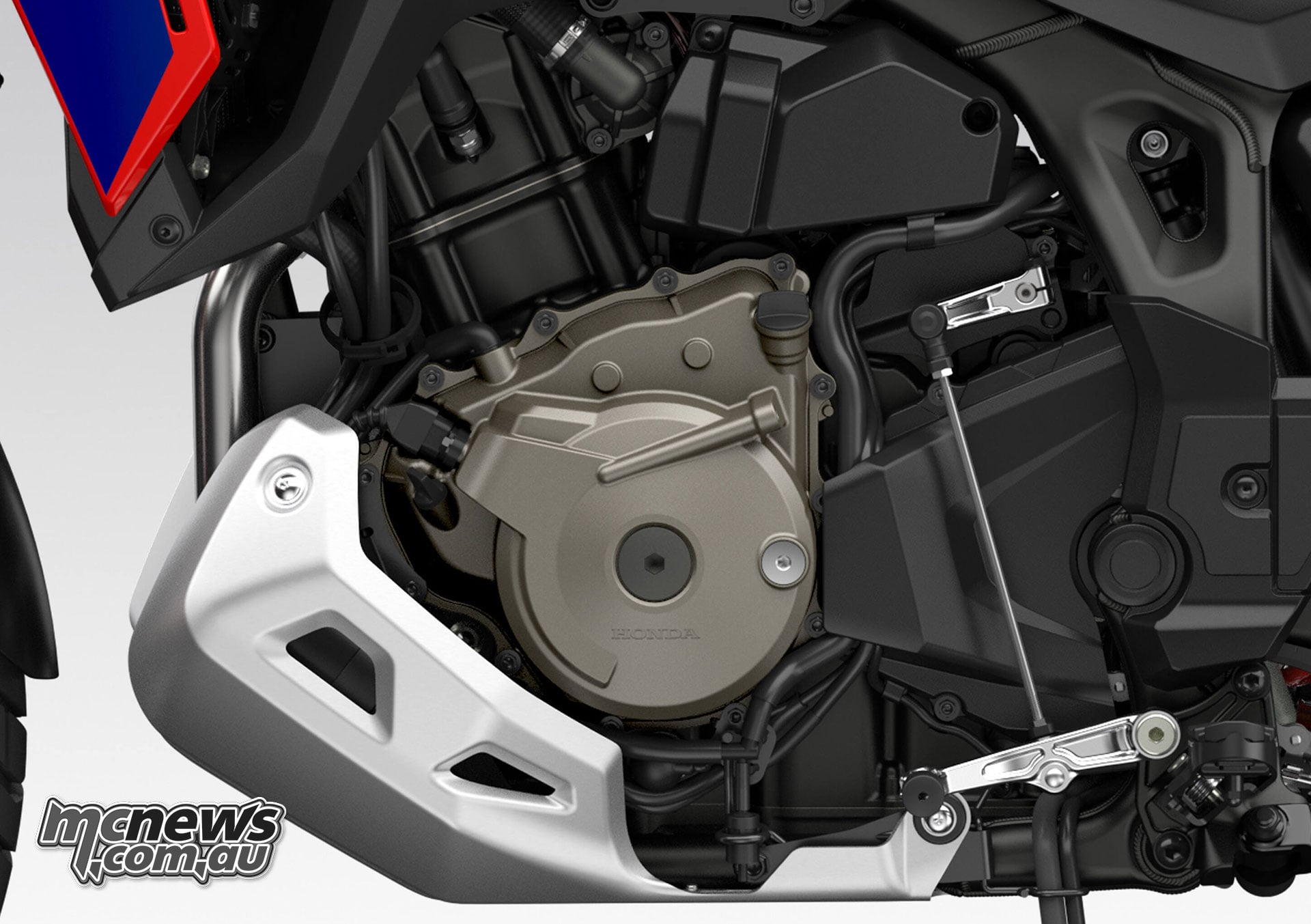
The CRF1150L badge accompanies an increase in actual capacity to 1131 cc. Bore grows by 2 mm to 94 mm, while the 81.5 mm stroke is retained.
Peak power rises from 102 metric hp (75 kW) to 119 metric hp (87.5 kW) at 7500 rpm, a claimed gain of 16.5 per cent. Torque increases from 112 Nm to 119 Nm, with the peak now arriving at 5750 rpm.
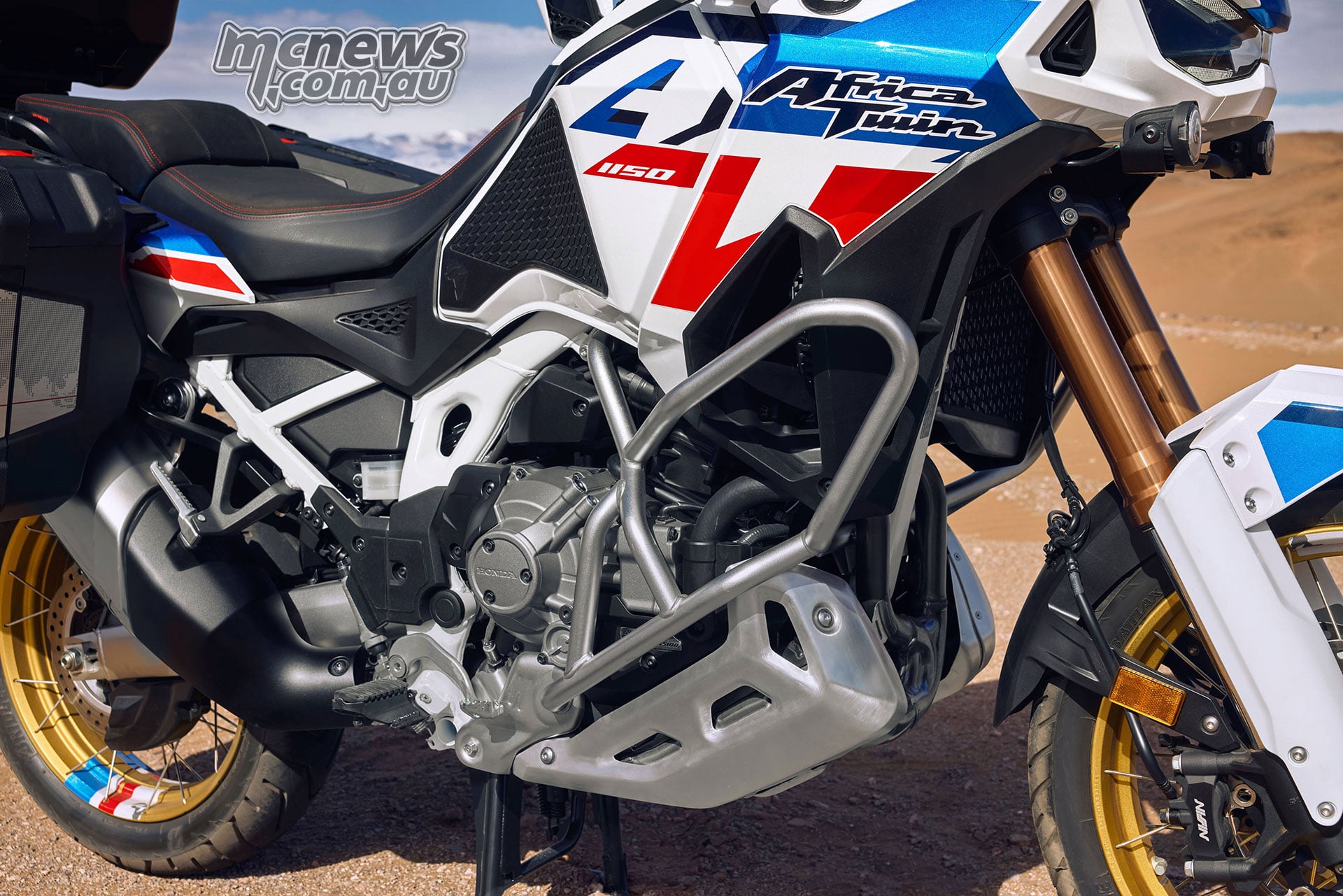
The changes extend well beyond the larger pistons. Compression rises appreciably from 10.5:1 to 12.1:1, throttle bodies grow from 46 to 52 mm, and Honda has revised the intake, cylinder head, valve gear, crankshaft, con-rods and exhaust. The familiar 270-degree crank remains.
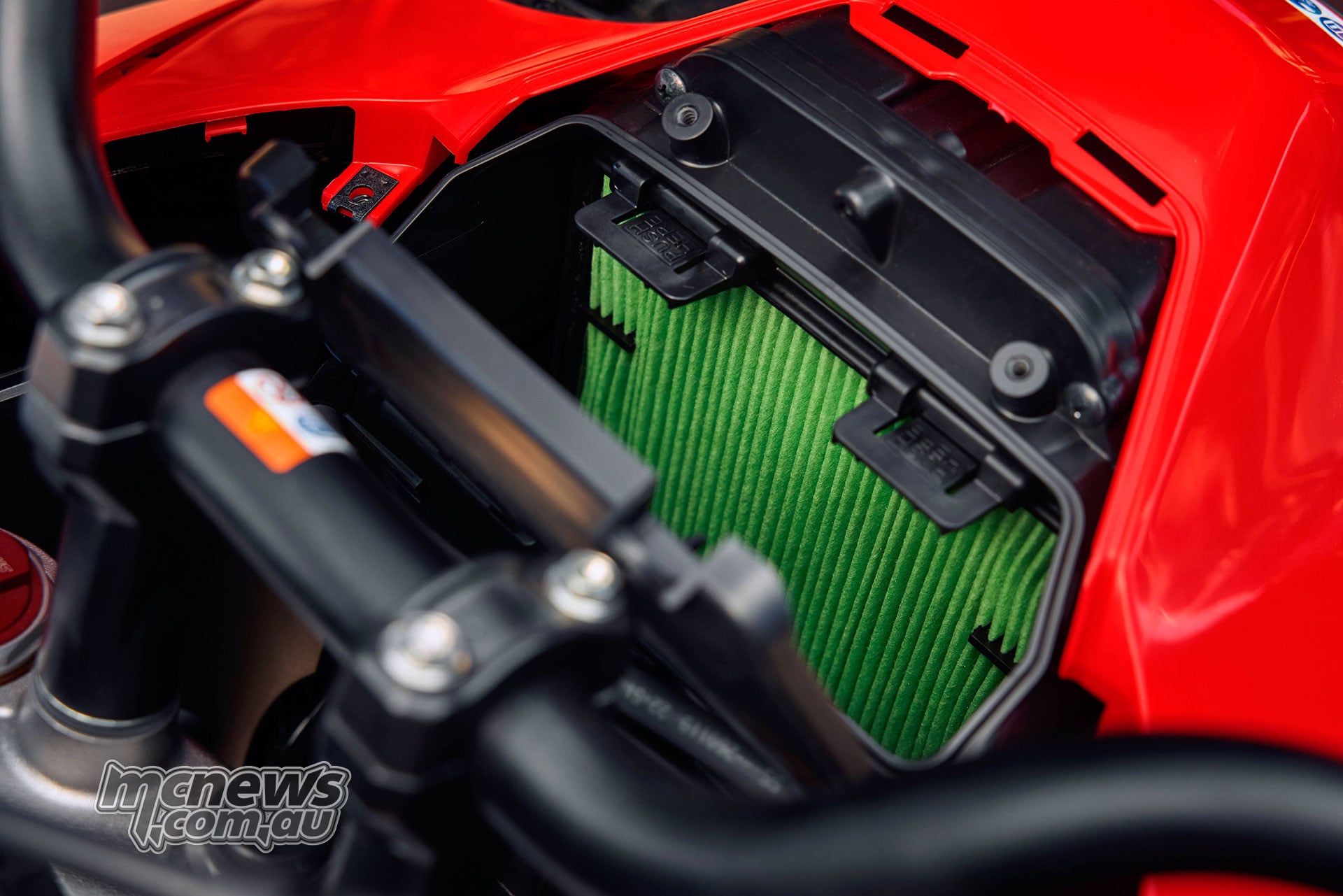
Honda claims stronger acceleration through the first five gears and lower revs when cruising. The manual receives a revised clutch and gearing, while DCT shift schedules have been matched to the extra performance.
DCT also has specific off-road programming. Off-road mode reduces clutch slip during gear changes, while Off-road+ gives the rider a choice of shift programme. Incline detection adapts the shifts to the gradient, and cornering detection also influences the shift strategy.
But can we turn the aids off easily?
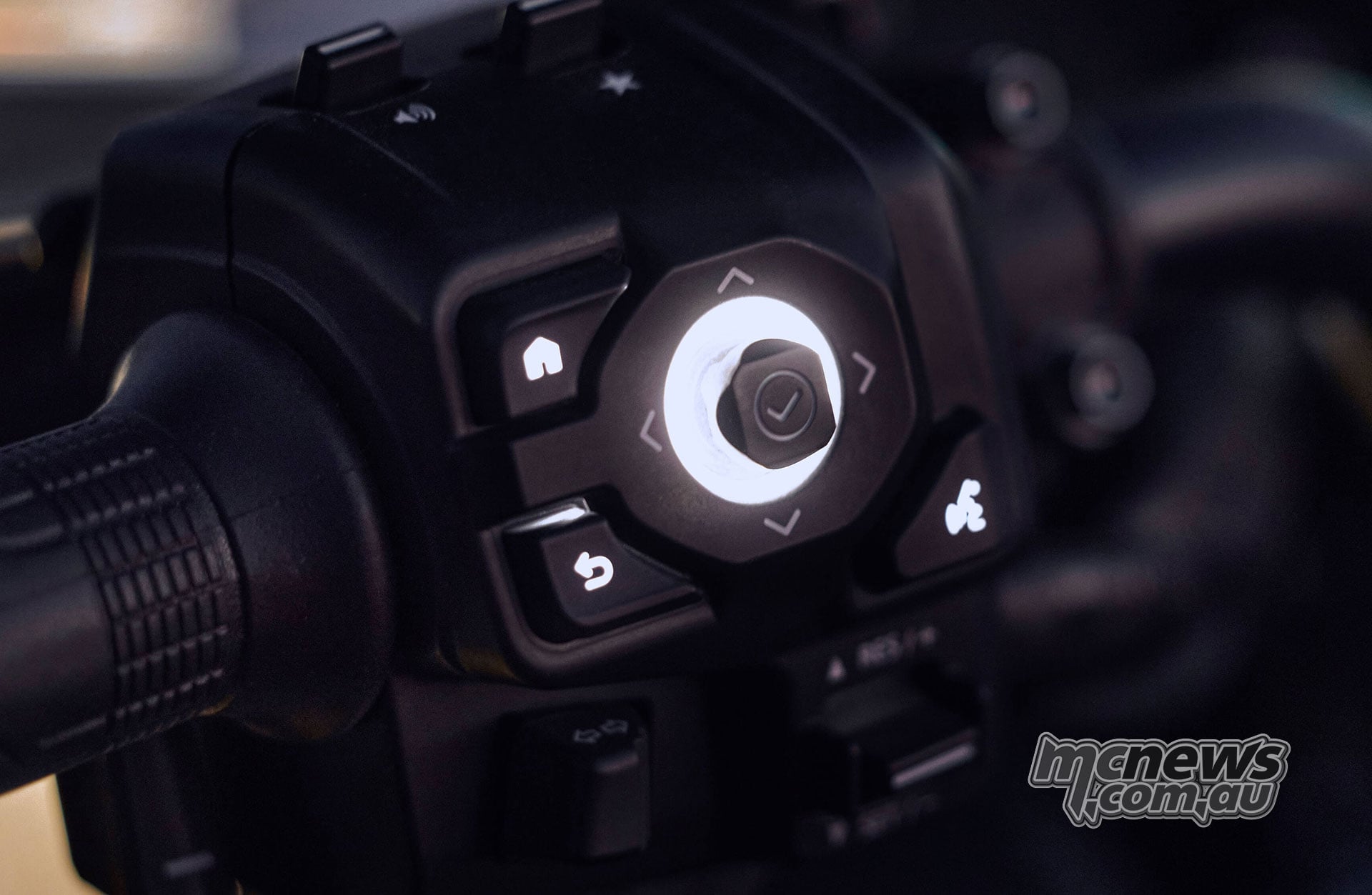
There are six default riding modes: Sport, Touring, Urban, Rain, Offroad and Offroad+. Riders can adjust settings within each mode, including engine power, engine braking, and Dynamic or Comfort throttle response.
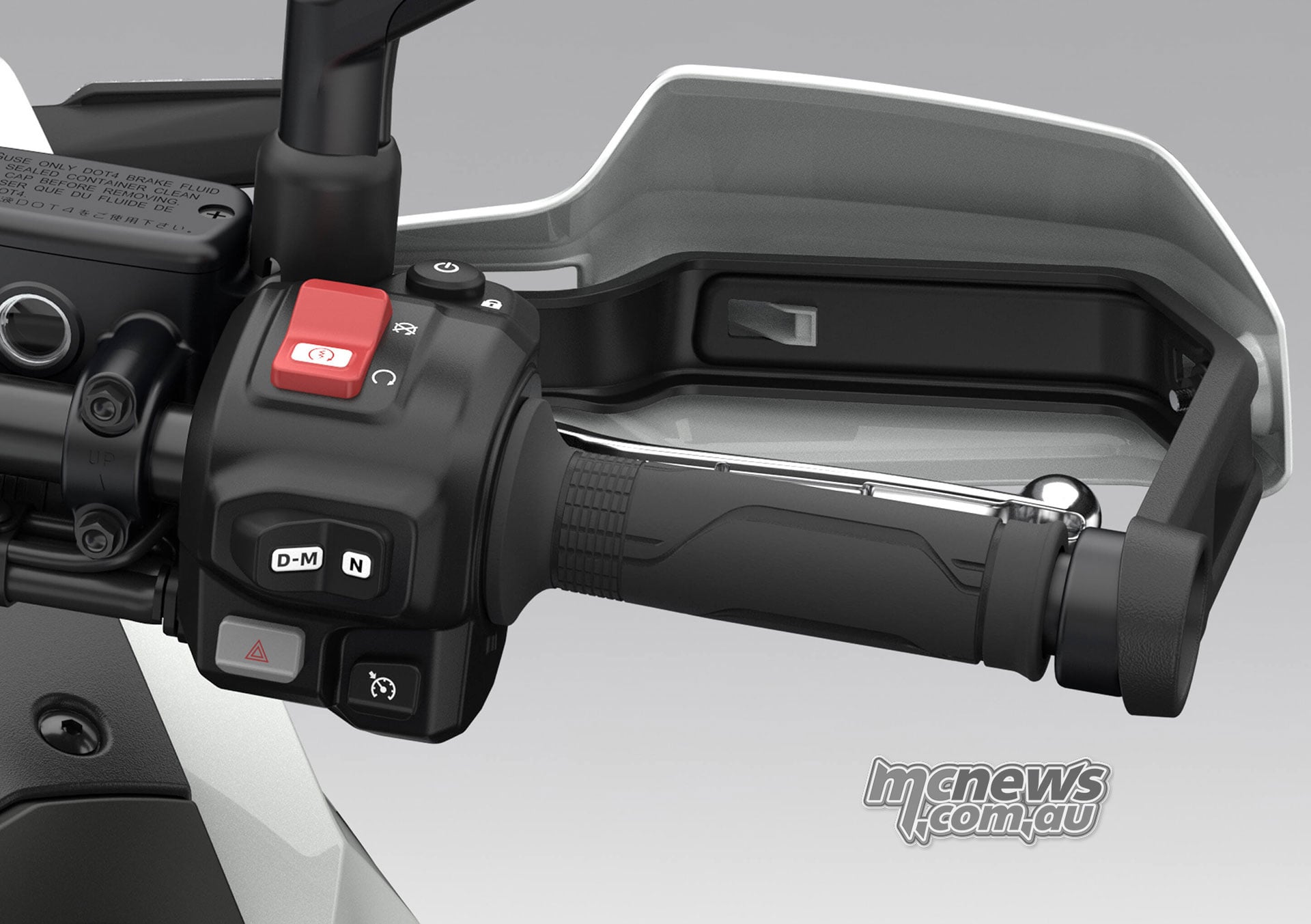
Honda Selectable Torque Control has seven intervention levels and can be switched off completely. Honda also confirms that rear-wheel ABS can be disabled. That distinction matters: the release does not say the entire ABS system can be turned off.
The standard Africa Twin and Enduro Sports both use two-channel ABS. Their lighter specification does not mean giving up the six-axis IMU or the adjustable traction-control package.
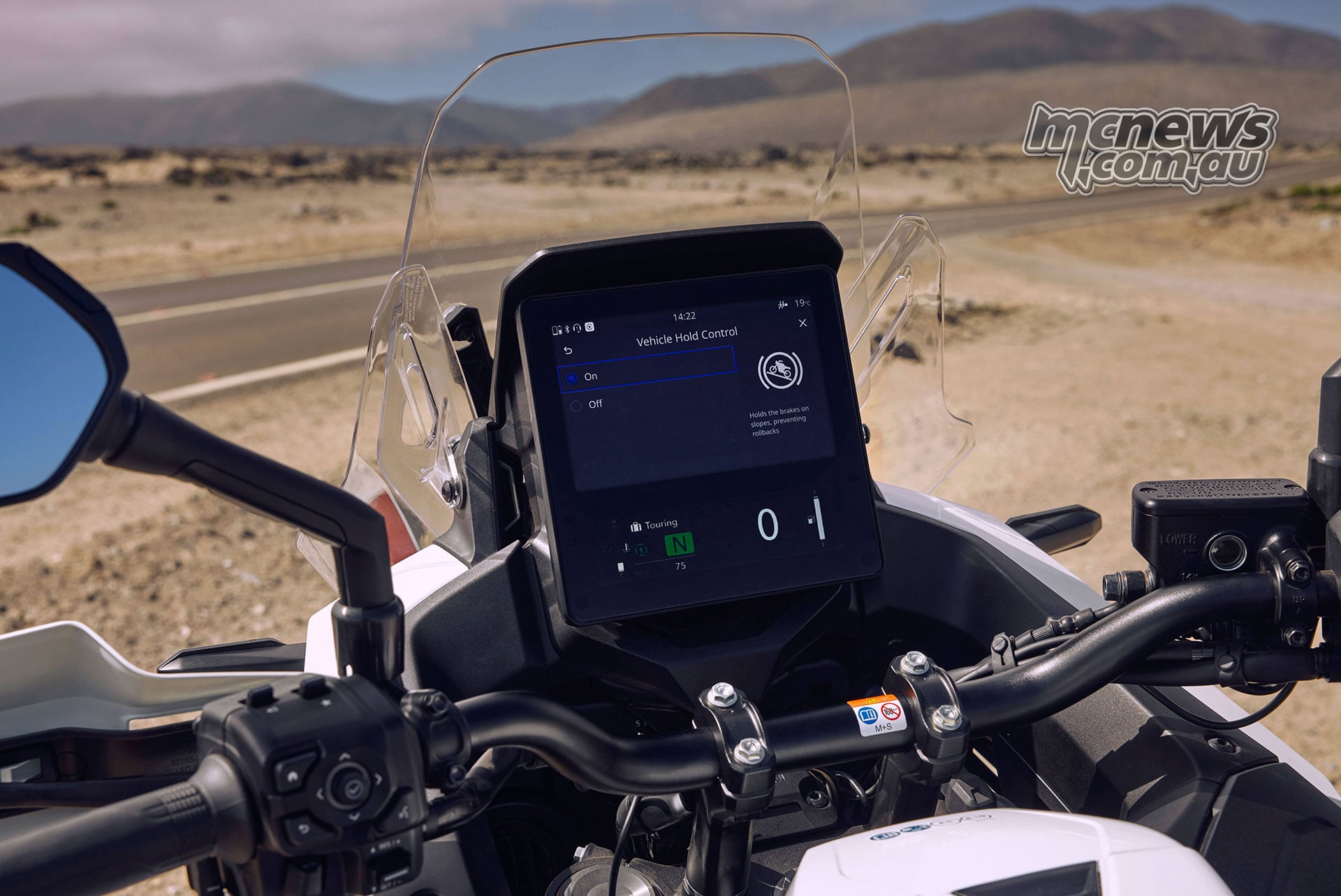
The Adventure Sports gains electronically controlled combined braking, with the linked braking function deactivated in Offroad and Offroad+. Vehicle Hold Control can maintain brake pressure while stopped on a slope.
All useful enough, but how quickly can we switch off traction control and rear ABS when the bitumen ends? And what will the bike remember after switching the ignition off?
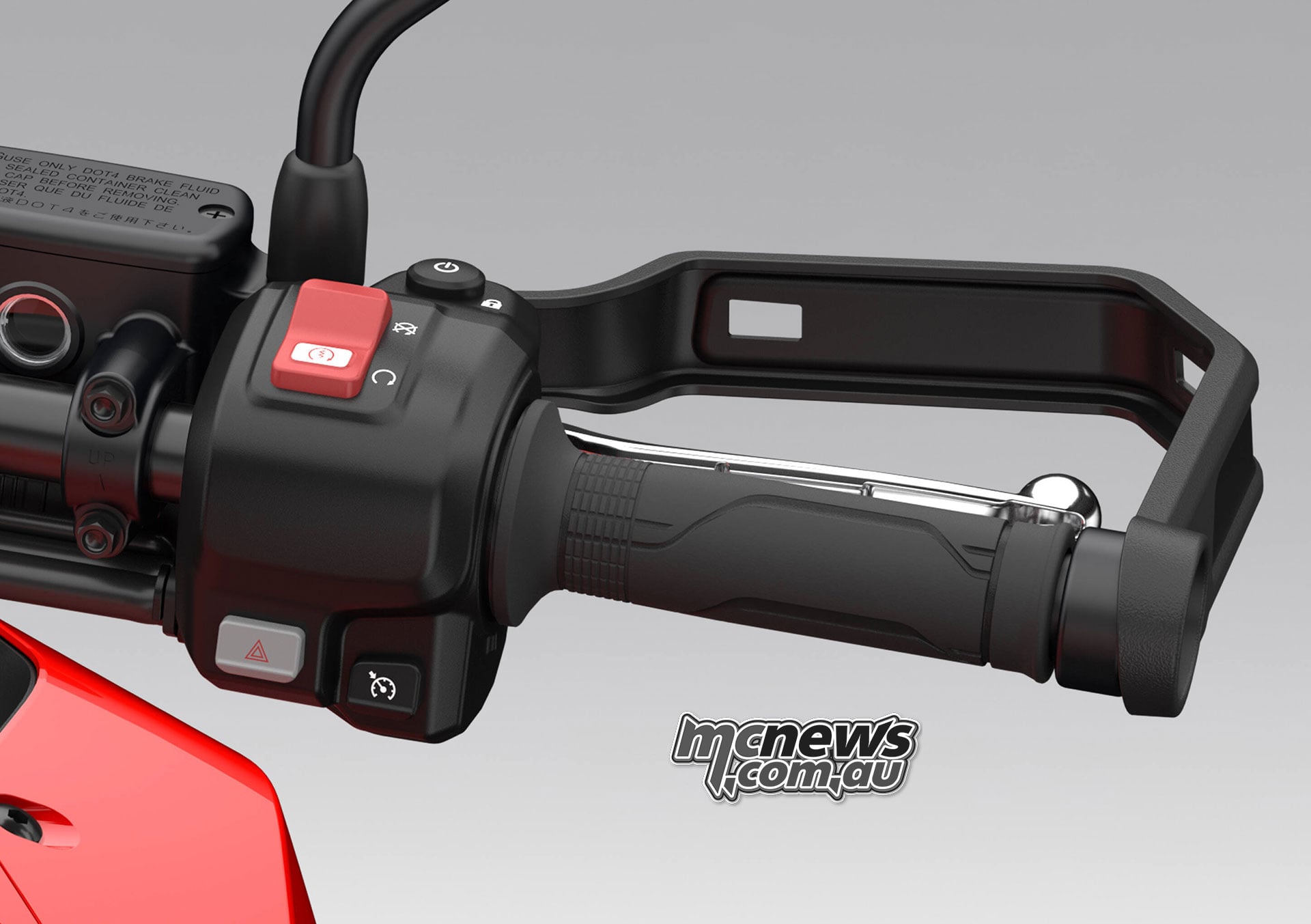
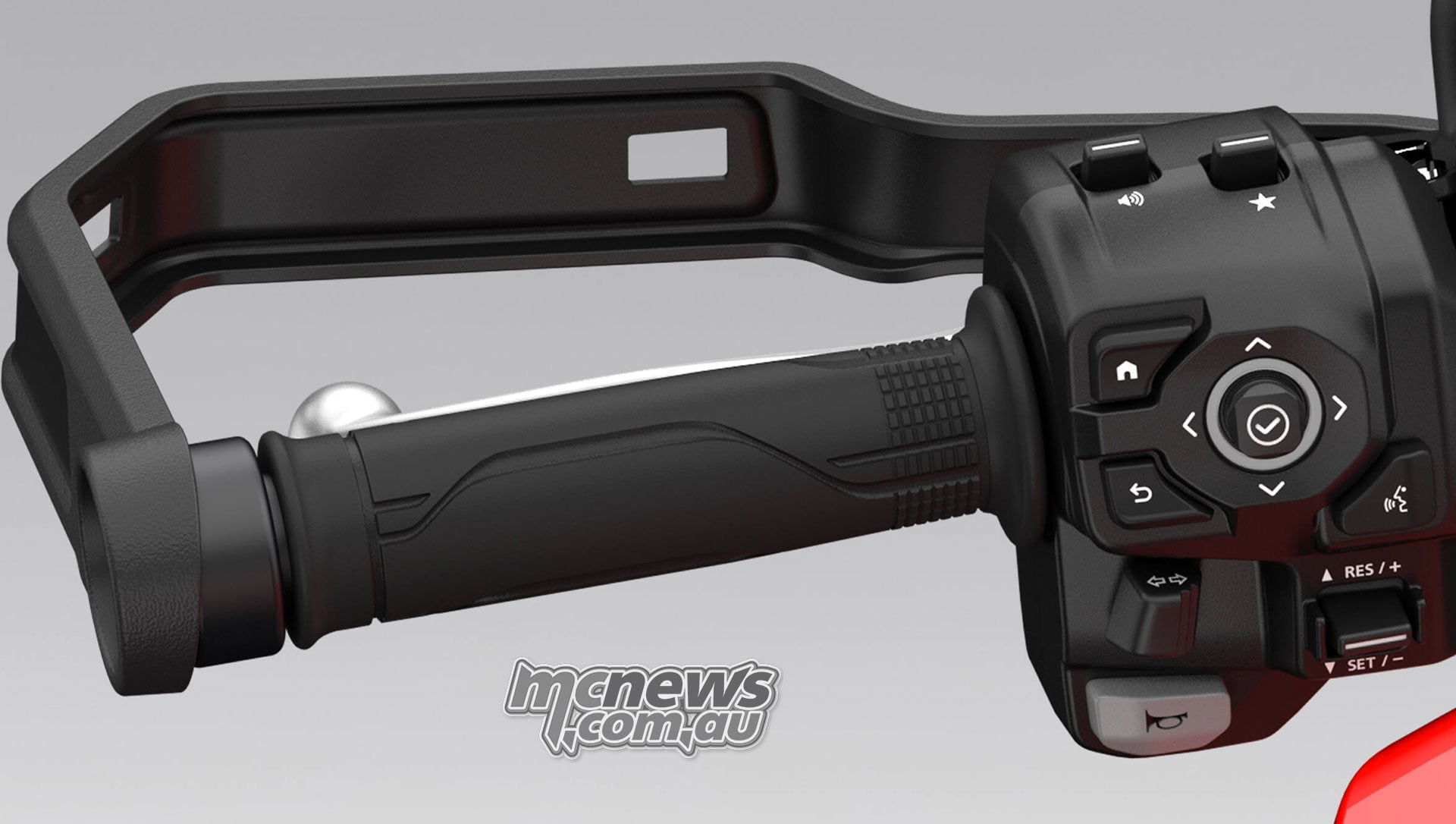
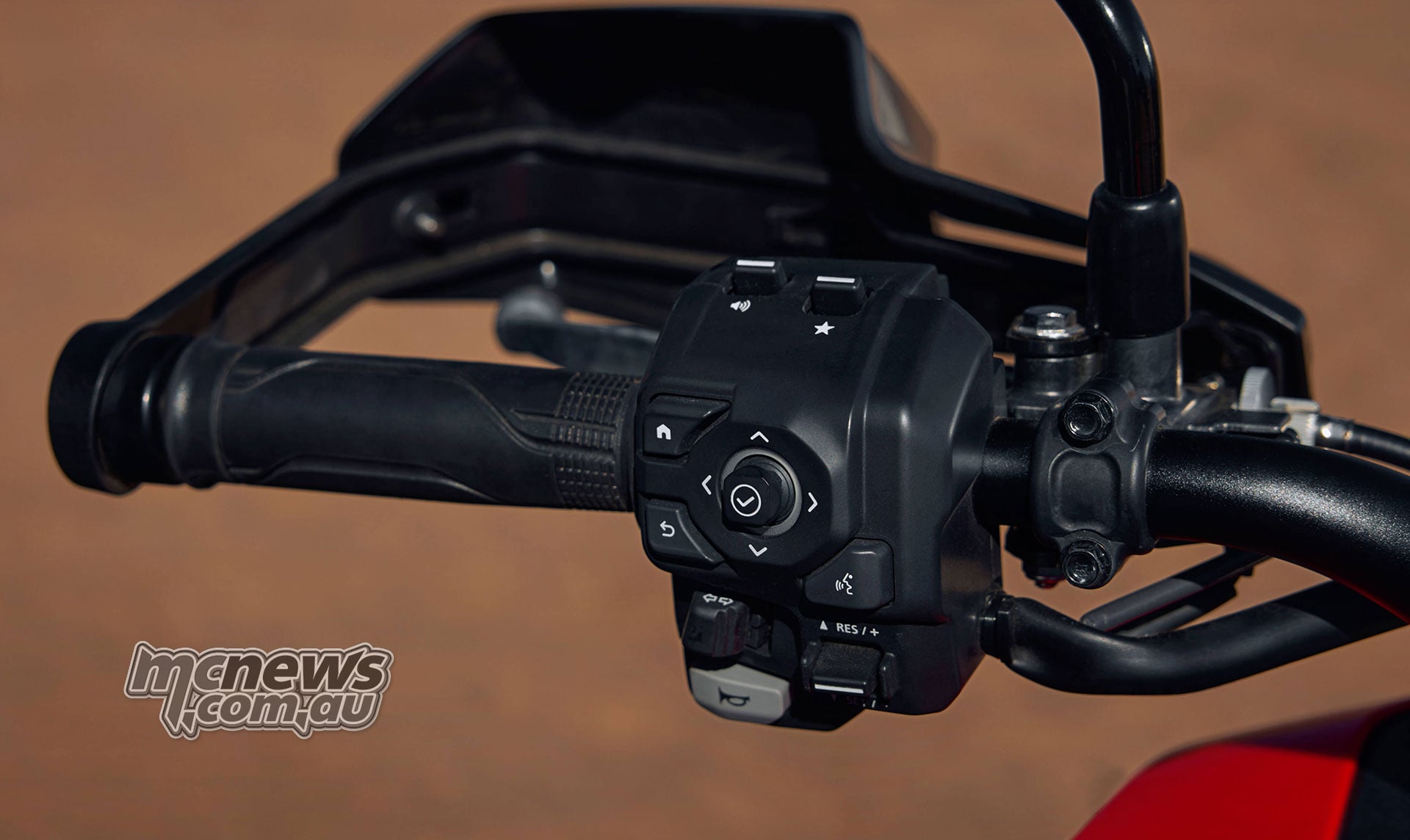
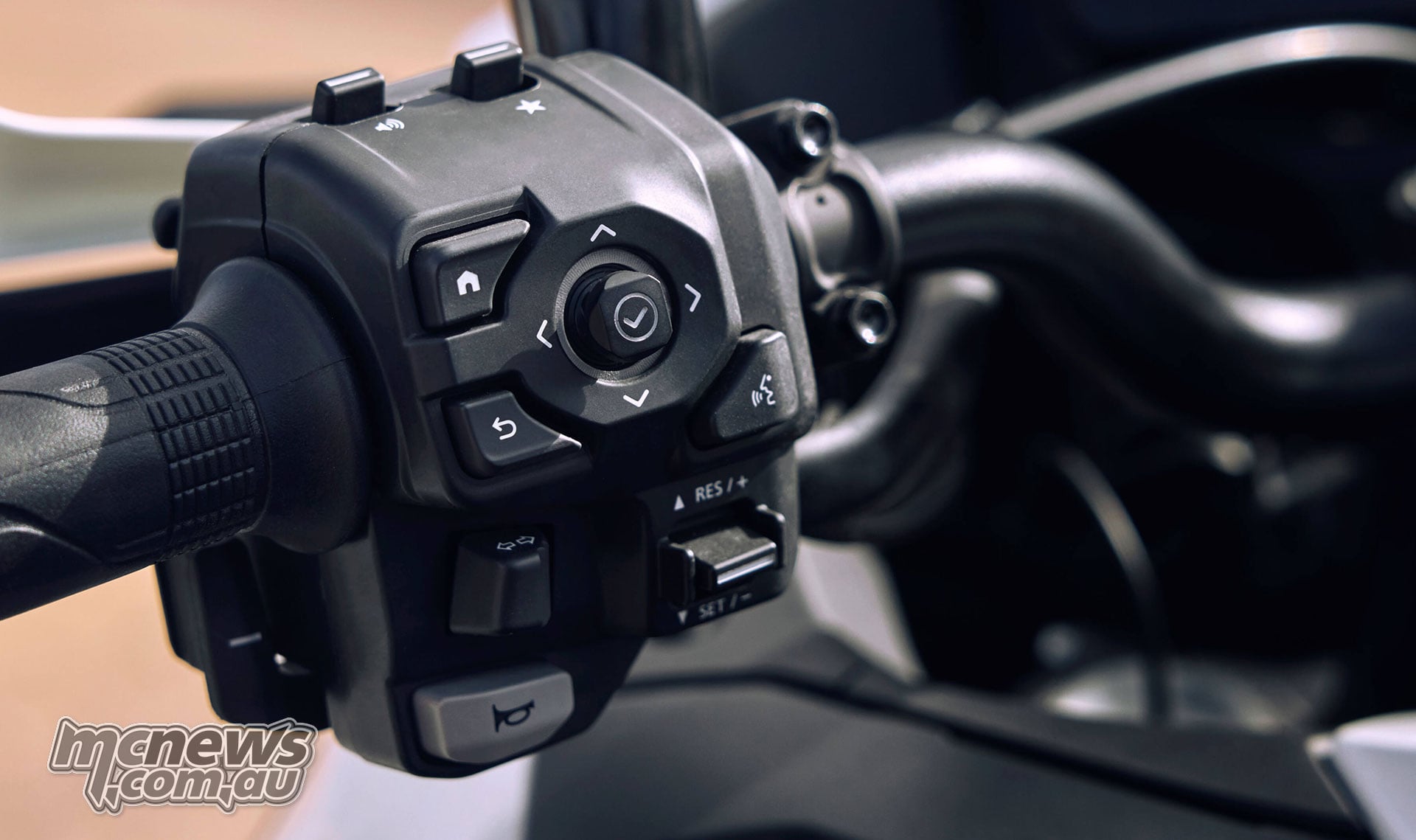
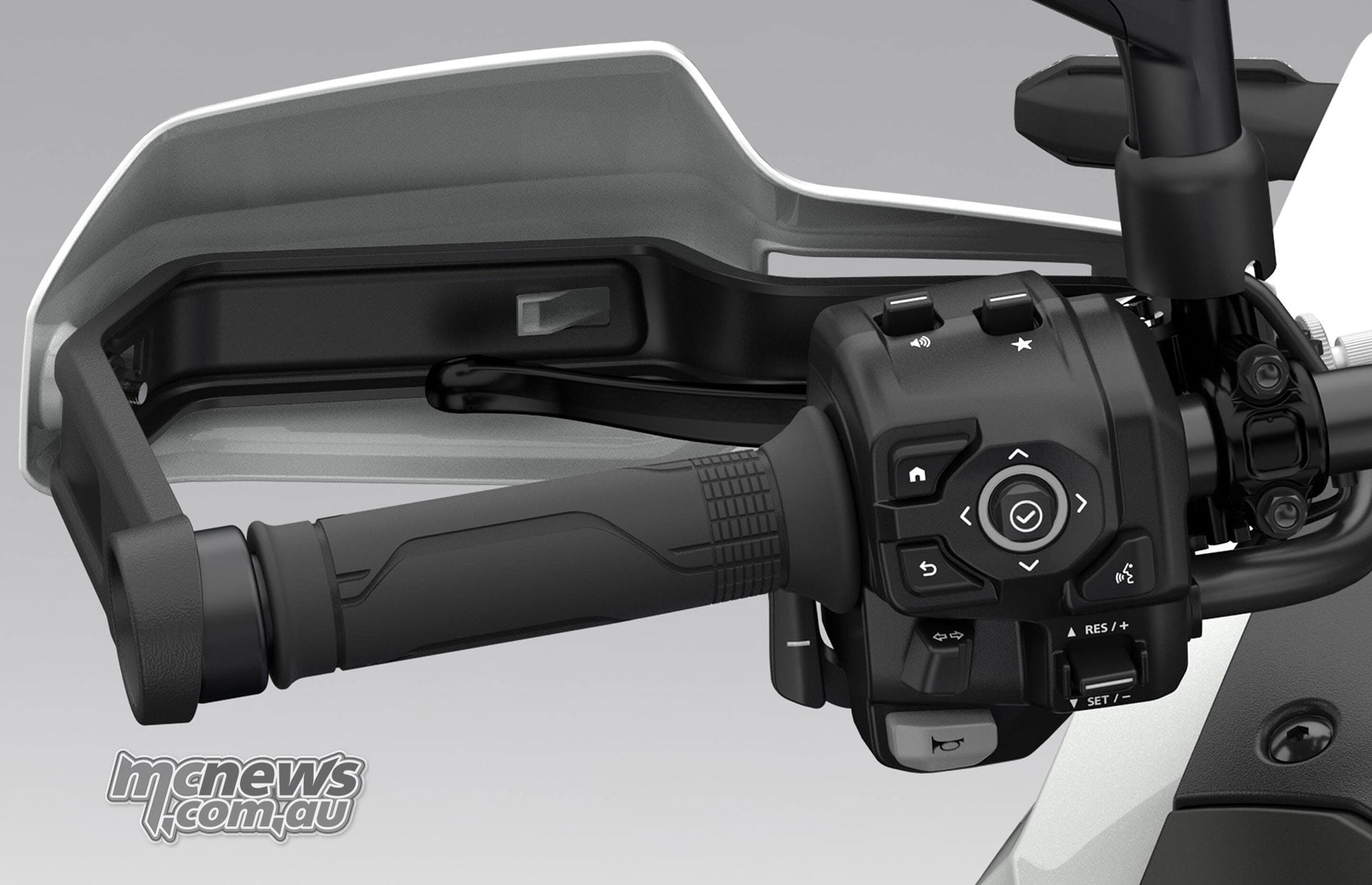
Honda promises simpler, backlit switchgear, but the release doesn’t spell out that operating sequence. Let’s hope the controls make those everyday off-road choices easy.
Adventure Sports adds radar
The new Adventure Sports Honda SENSING RIDE sits at the top of the range and is available exclusively with DCT. The regular Adventure Sports still offers a choice of manual or DCT transmissions in European markets, but that is yet to be confirmed for us at lower latitudes.
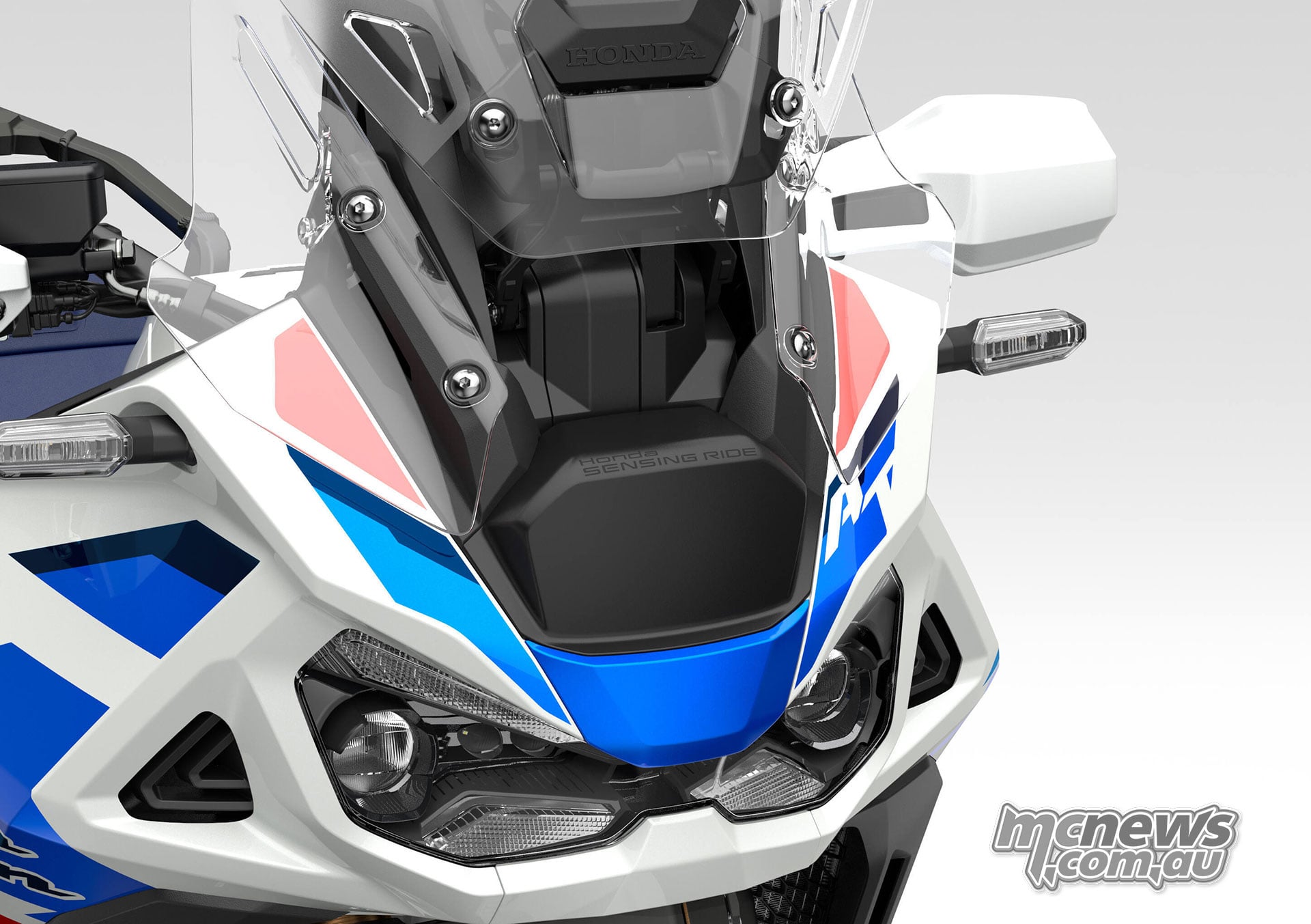
Front and rear radar support adaptive cruise control with Stop & Go, Group Ride Assist and Distance Assist. The latter helps the rider maintain a following distance when operating the throttle manually.
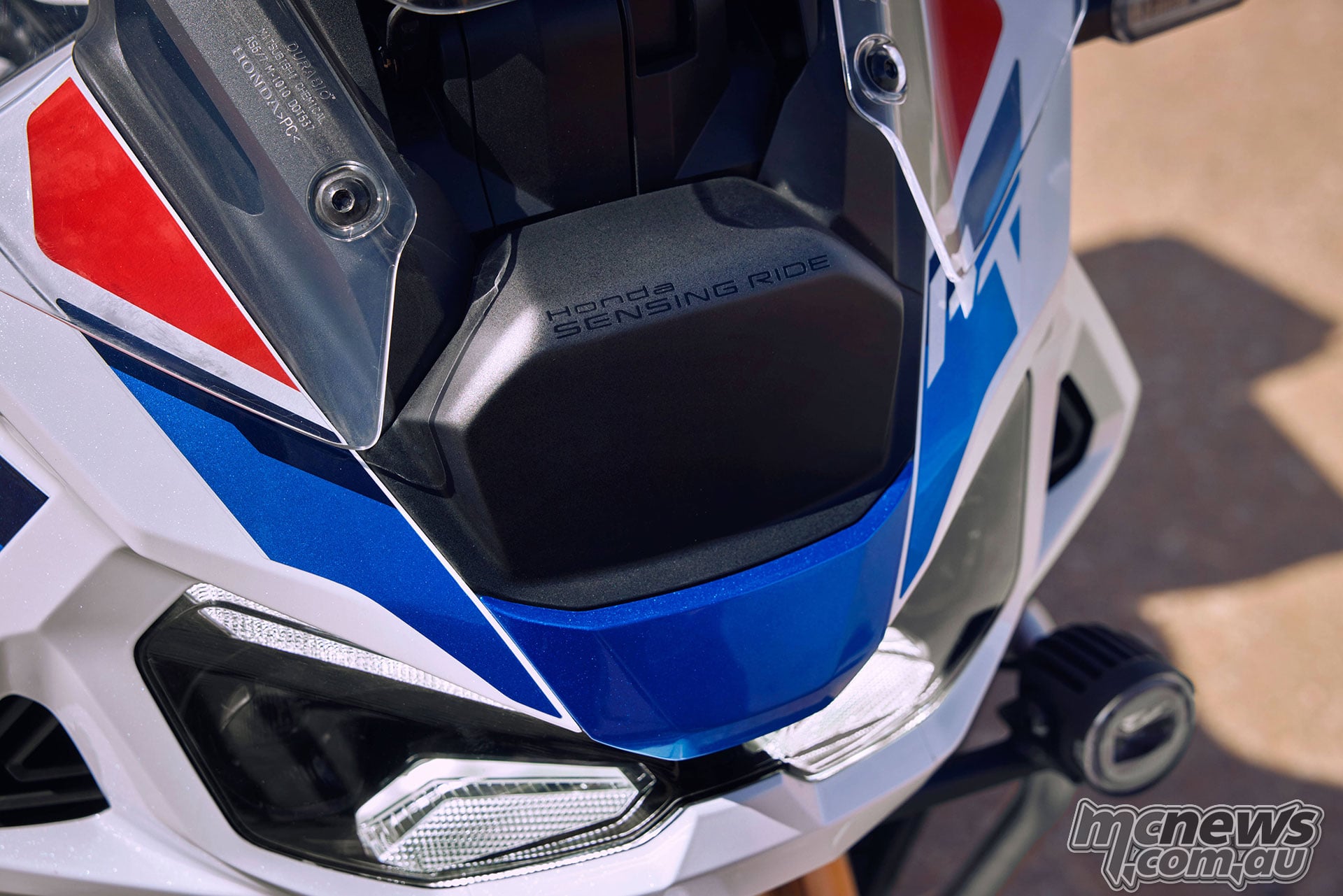
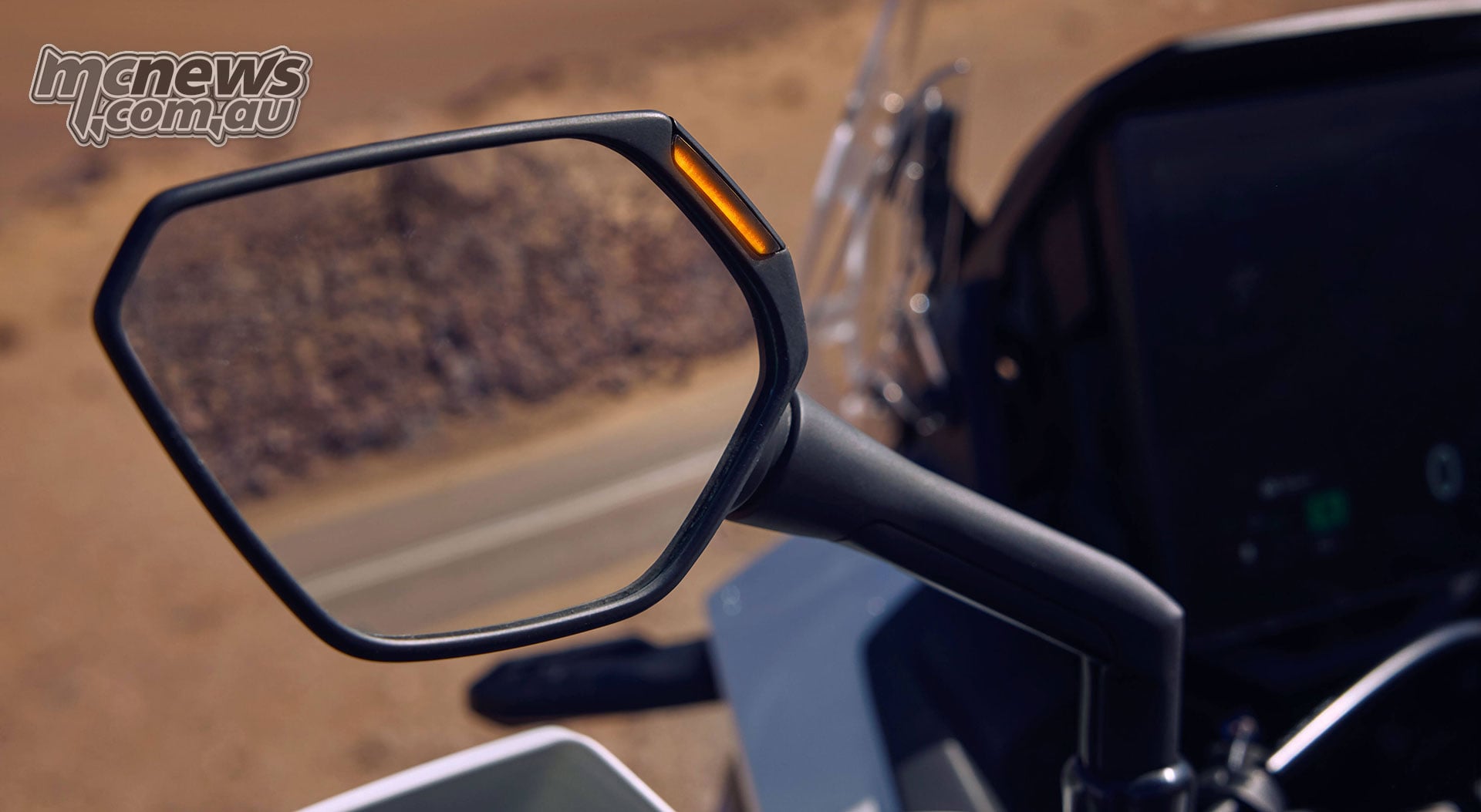
There is also Emergency Brake Assist, which provides braking assistance when a collision risk ahead is detected, plus forward-collision warnings and a brake-pulse alert. Blind-spot warnings appear through LEDs in the mirrors, while rear-distance information is displayed on the dash. A rear-collision warning function flashes the indicators to alert following traffic.
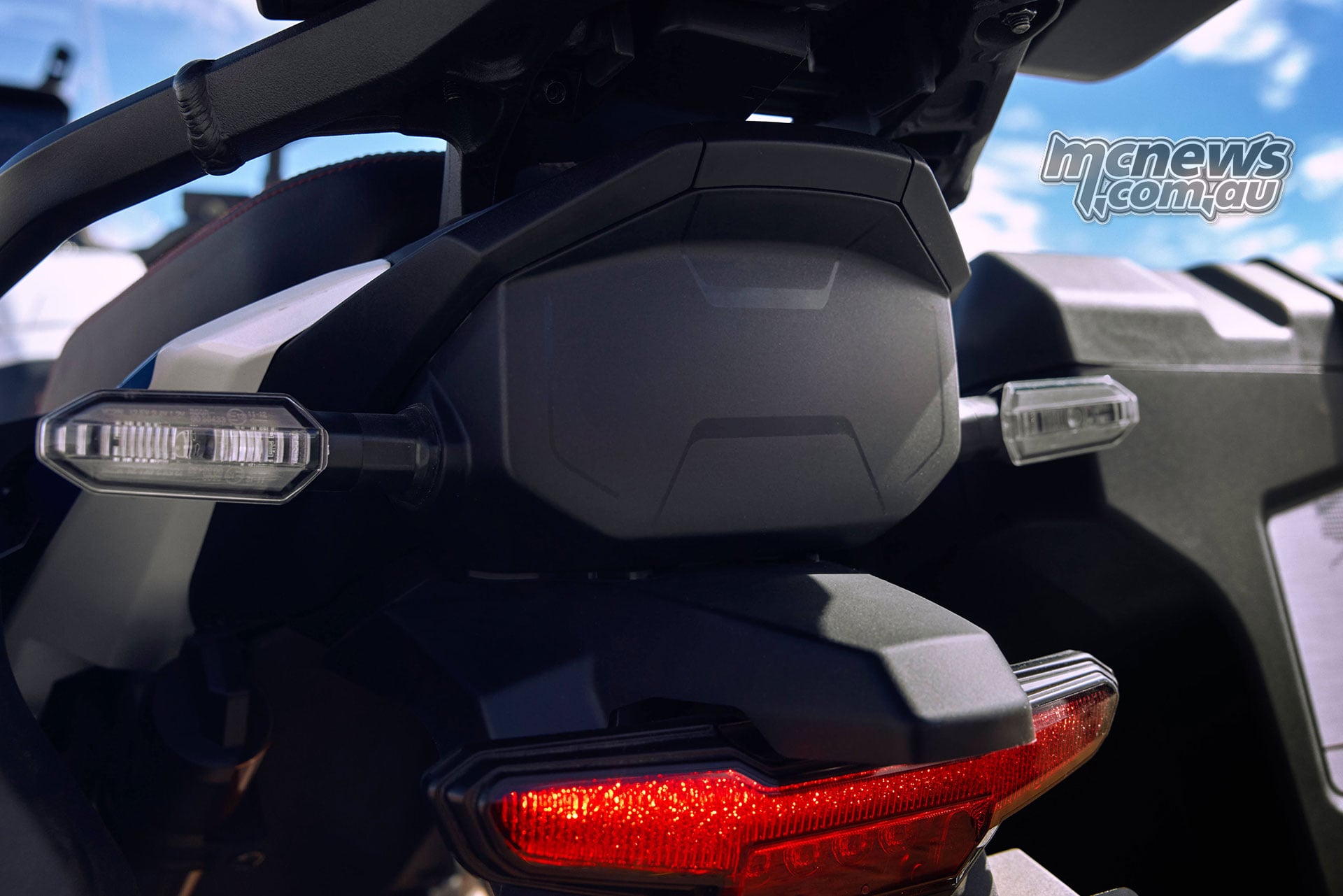
That is a substantial expansion of the touring equipment list. Much of it could prove welcome over a long day in traffic, especially when paired with DCT. Not so much in the bush.
Lower fuel, smarter suspension
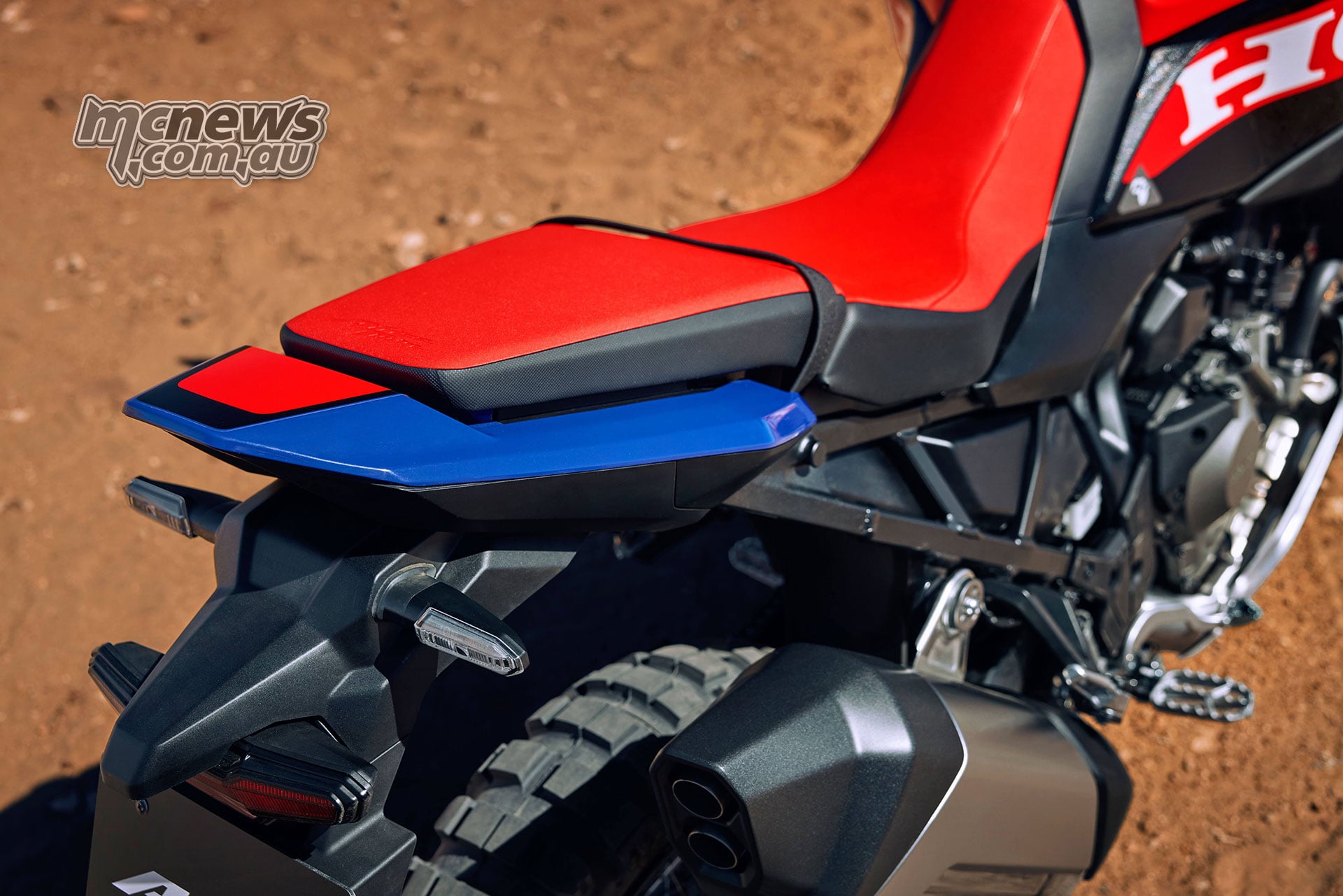
The new steel frame is 800 grams lighter, and the aluminium swingarm sheds another 600 grams. A fuel sub-tank beneath the seat places part of the fuel load lower in the motorcycle, alongside revised positioning of other major components.
Honda points to the Dakar-winning NXR750 as inspiration for that fuel arrangement. The aim is a lower centre of gravity, which should make the bike feel more manageable when manoeuvring or changing direction.
Those frame, swingarm and fuel-packaging changes apply across the new family. The Enduro Sports therefore gets the same effort to centralise mass, even though it uses conventional suspension.
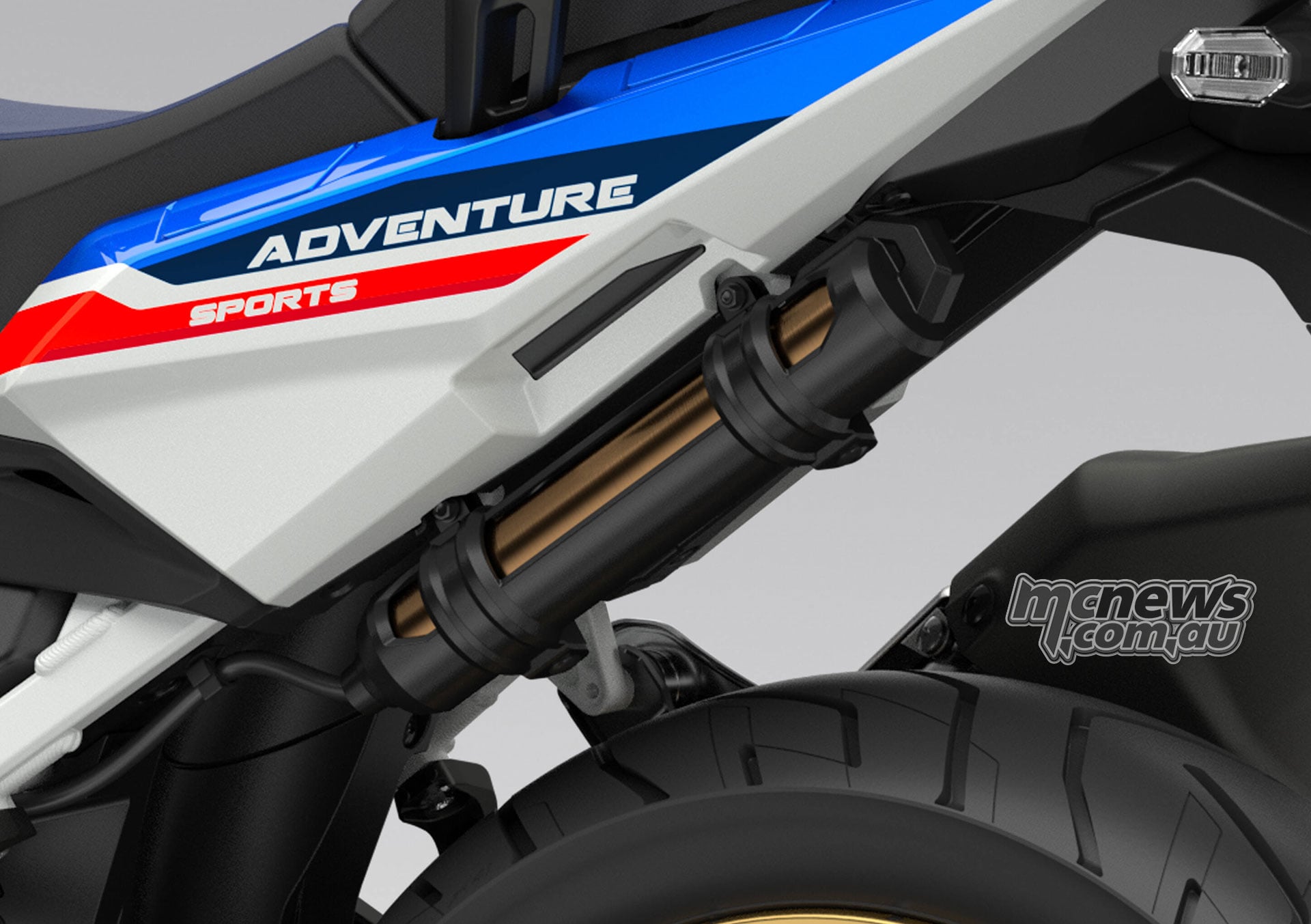
All three Adventure Sports versions receive Showa EERA electronic suspension with Honda Skyhook Control. New 49 mm forks replace the previous 45 mm units, with 210 mm of front travel and 200 mm at the rear.
The system adjusts damping using vehicle speed, IMU information and fork movement. Rider, pillion and luggage settings are joined by a Minimum setting that lowers the seat by a further 5 mm. The normal seat-height adjustment is 830 or 850 mm.
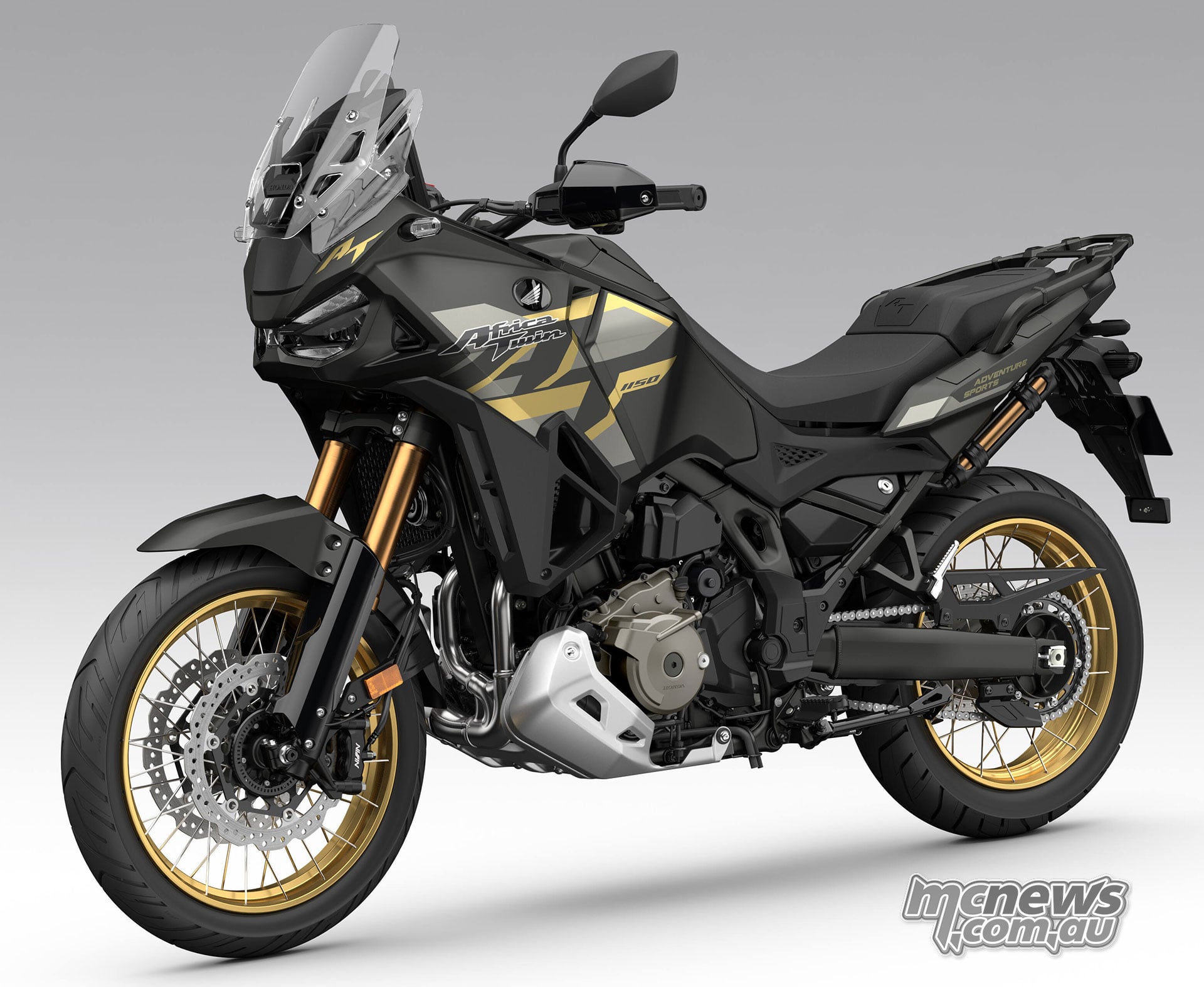
The Adventure Sports retains its 19-inch front and 18-inch rear wheel combination, with tubeless tyres. Listed kerb weights are 245 kg for the manual, 255 kg for DCT and 256 kg for SENSING RIDE.
More comfort and connectivity
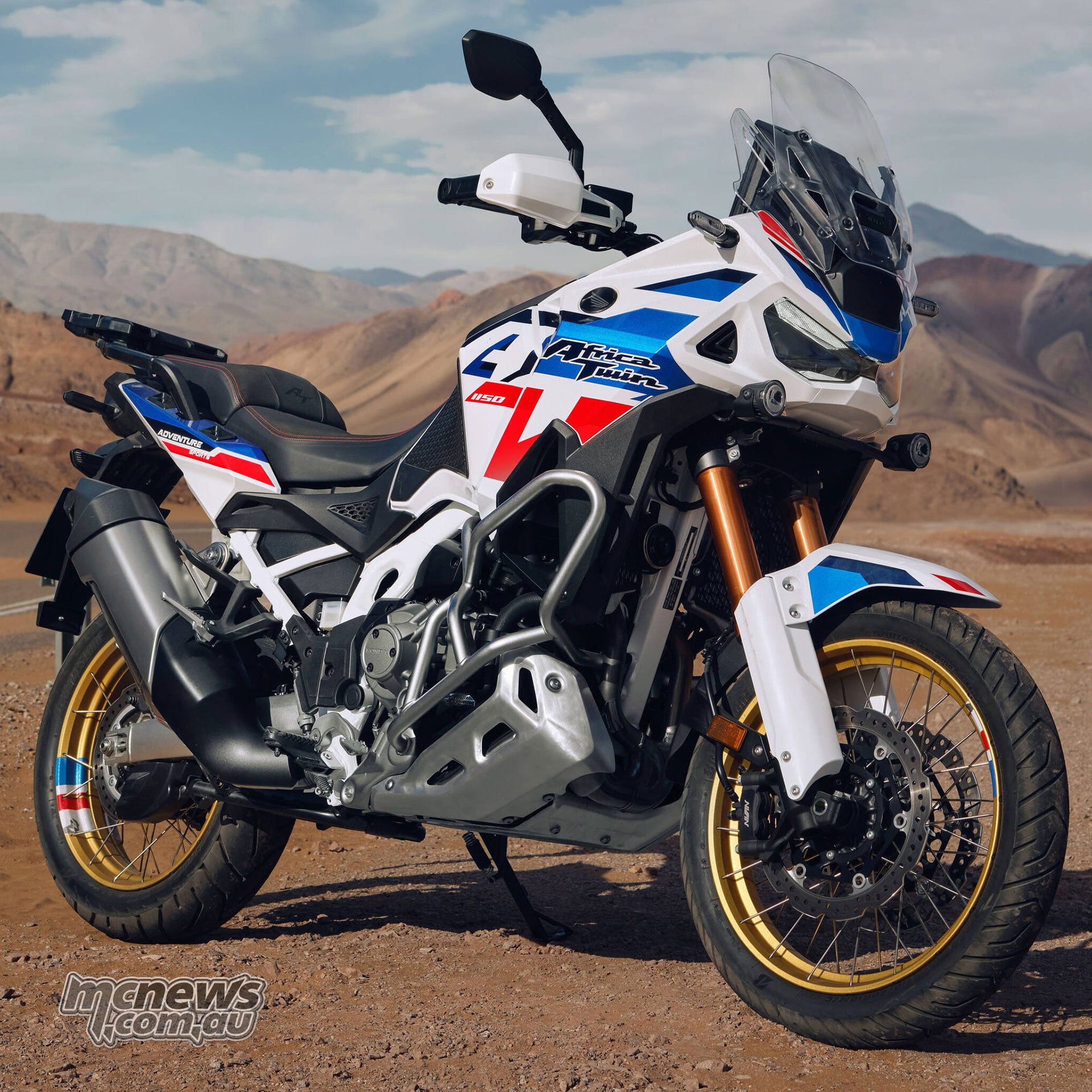
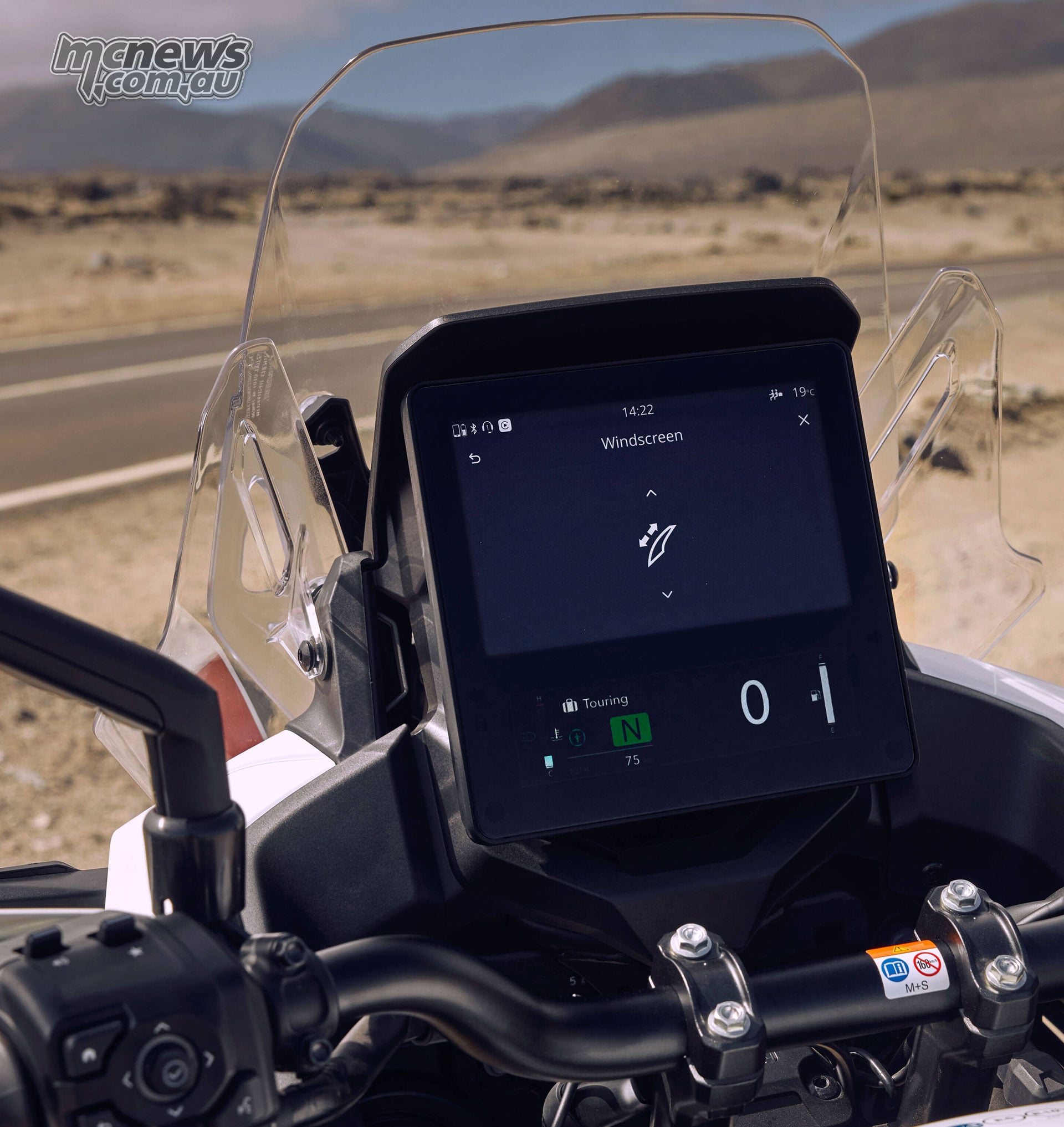
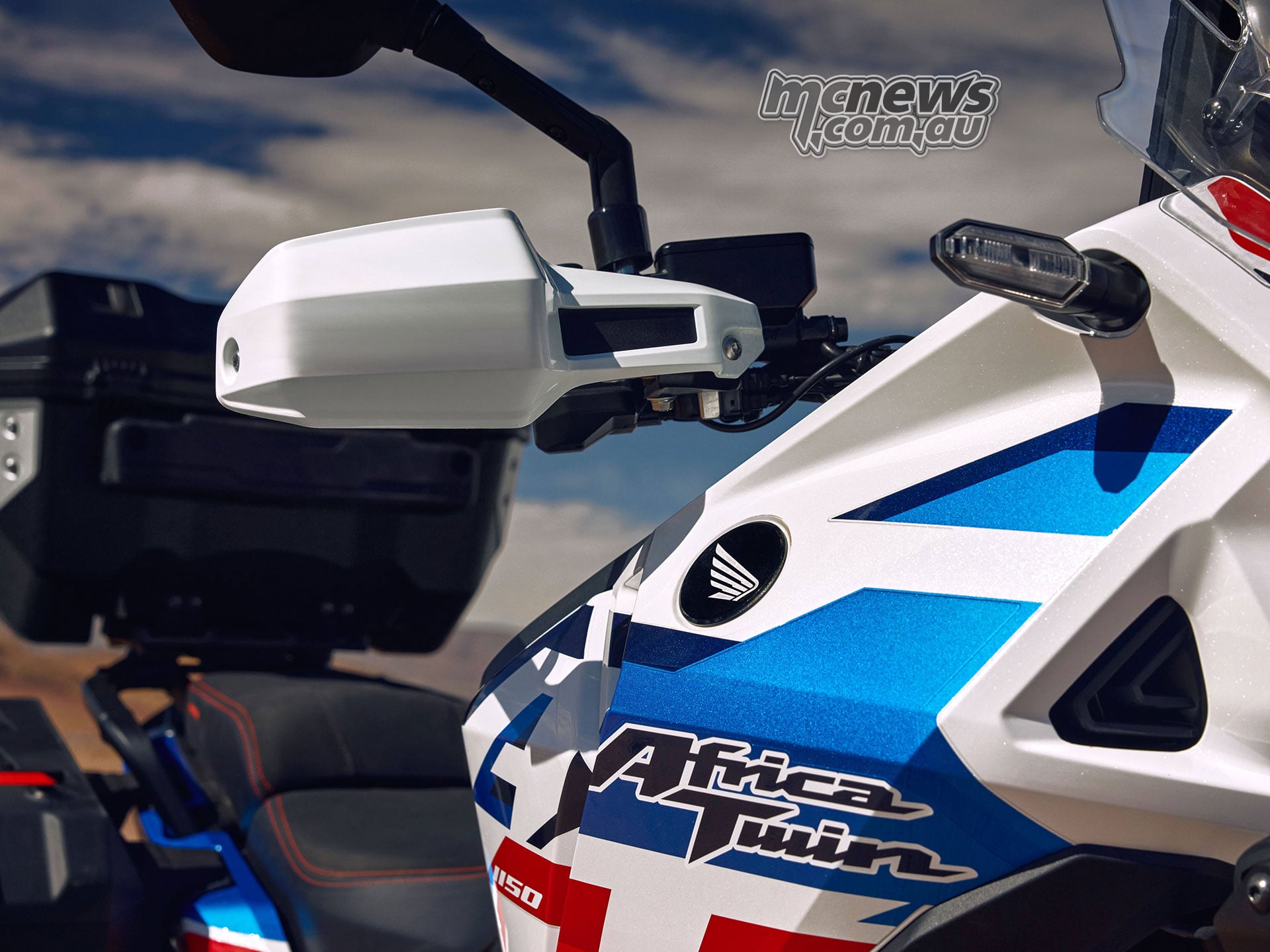
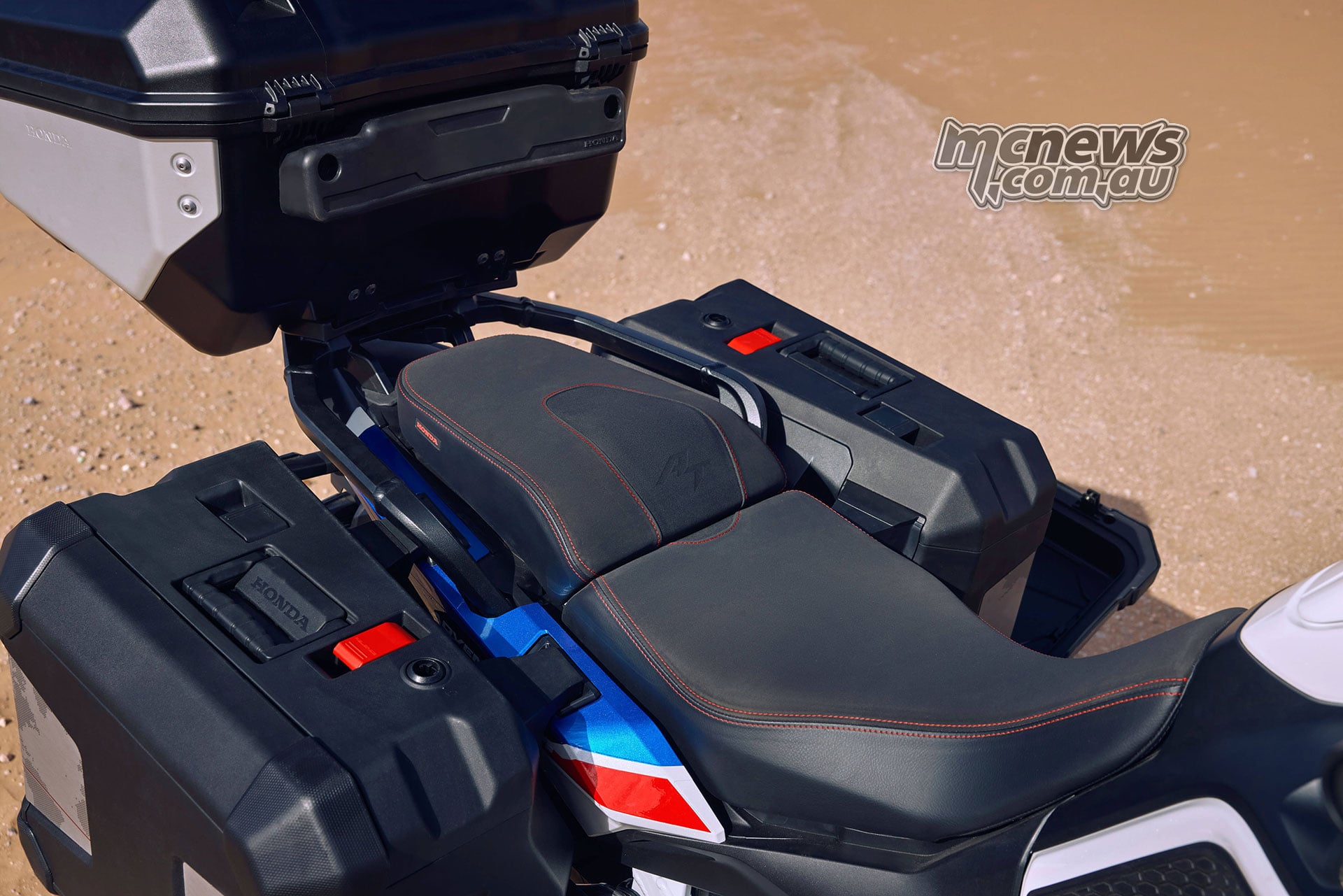
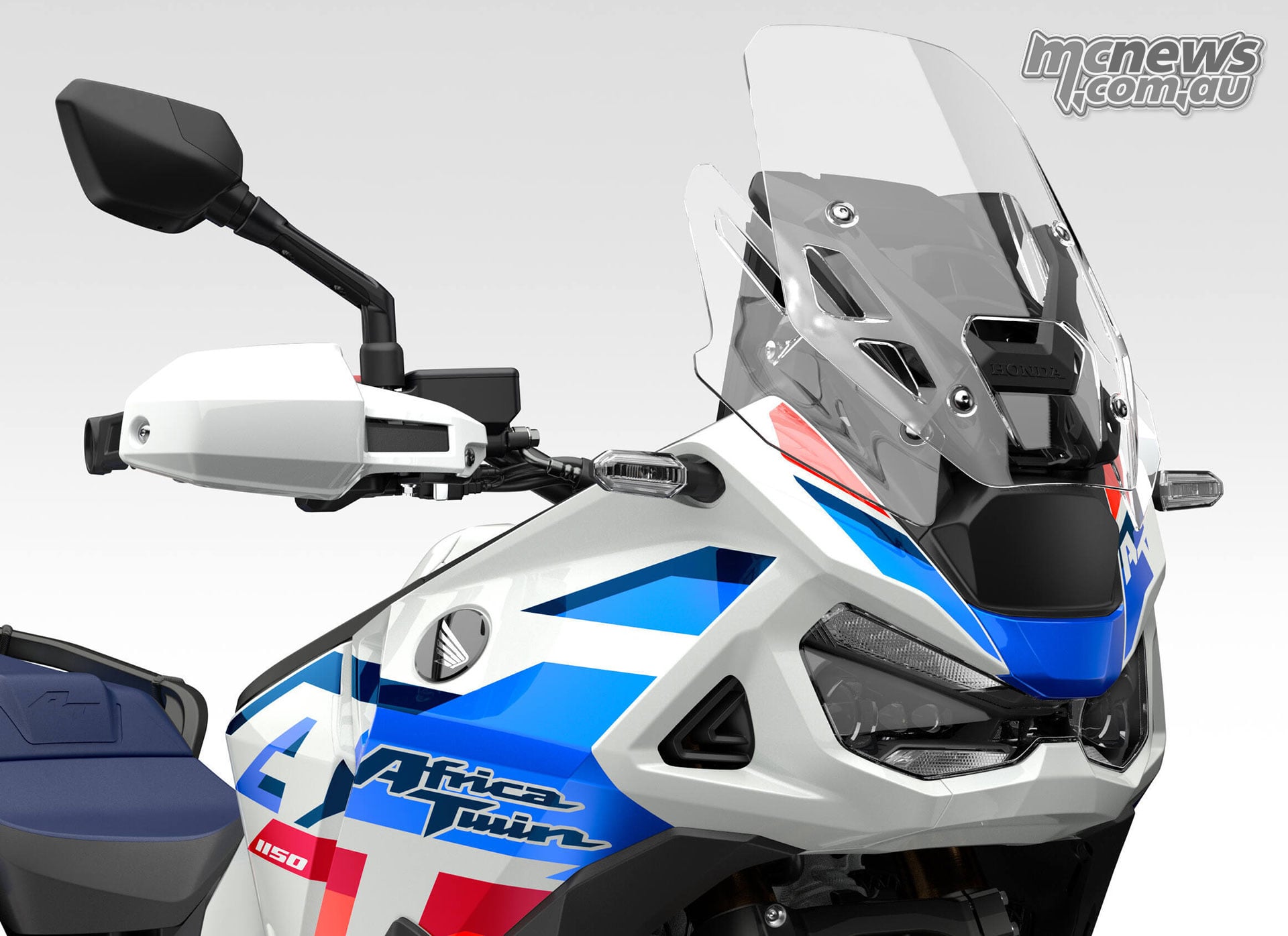
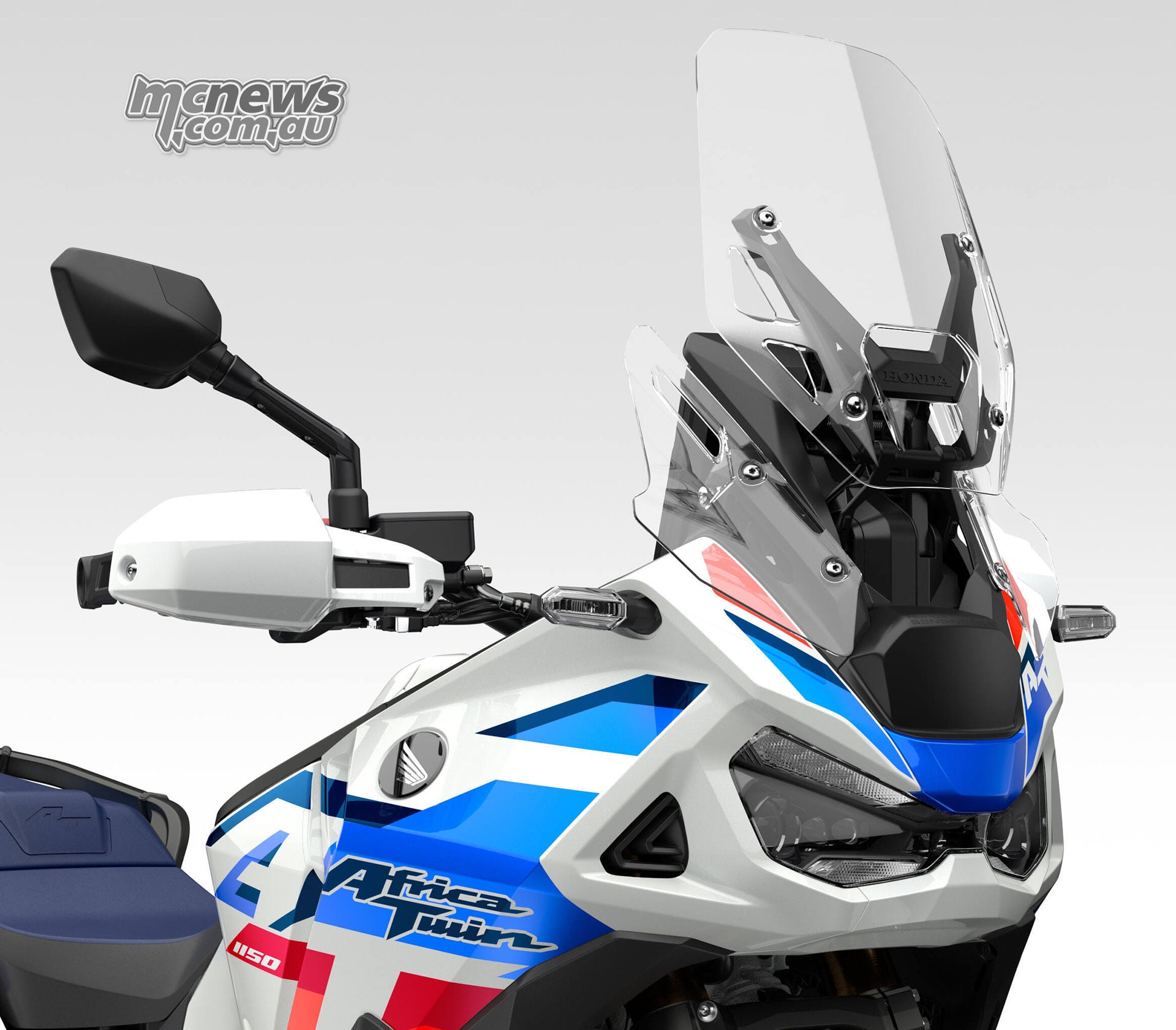
The Adventure Sports’ new electric screen offers 130 mm of height adjustment and 10 degrees of rake adjustment. Wind deflectors, heated grips, cruise control, cornering lights, knuckle guards and an aluminium rear carrier are standard.
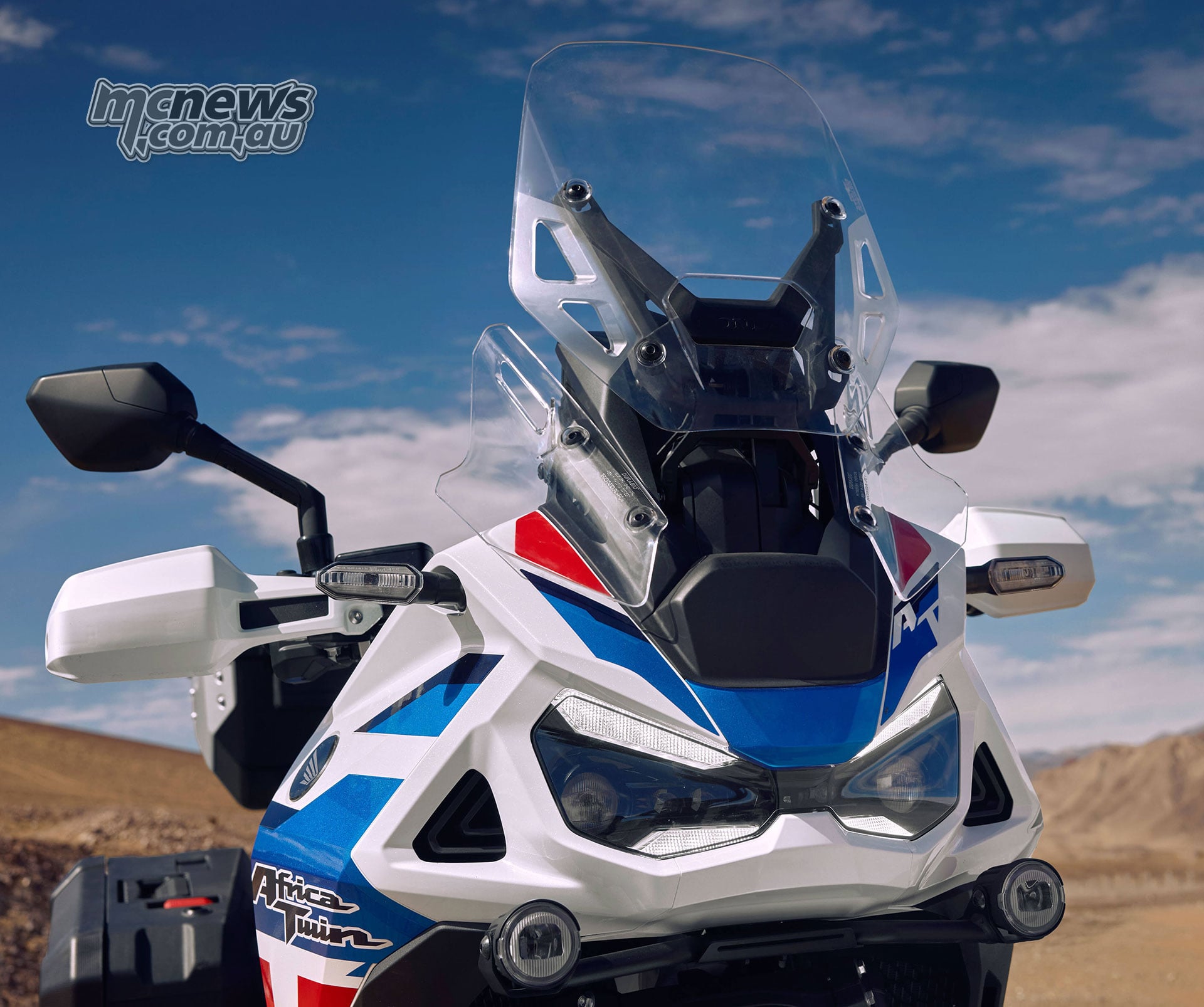
The standard Africa Twin shares that electrically adjustable screen and much of the touring equipment. The Enduro Sports takes the more compact-screen approach, while retaining cruise control and knuckle guards.
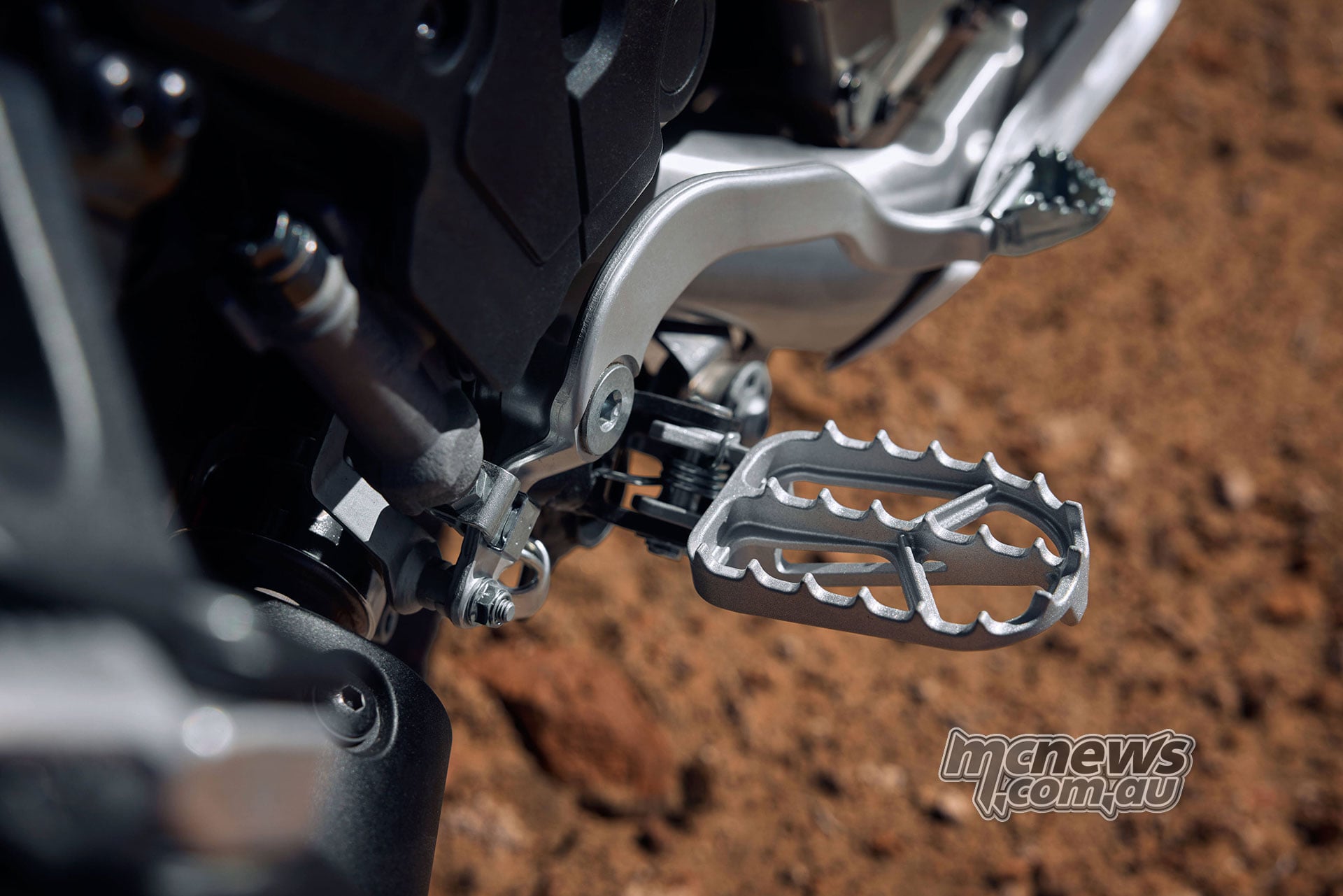
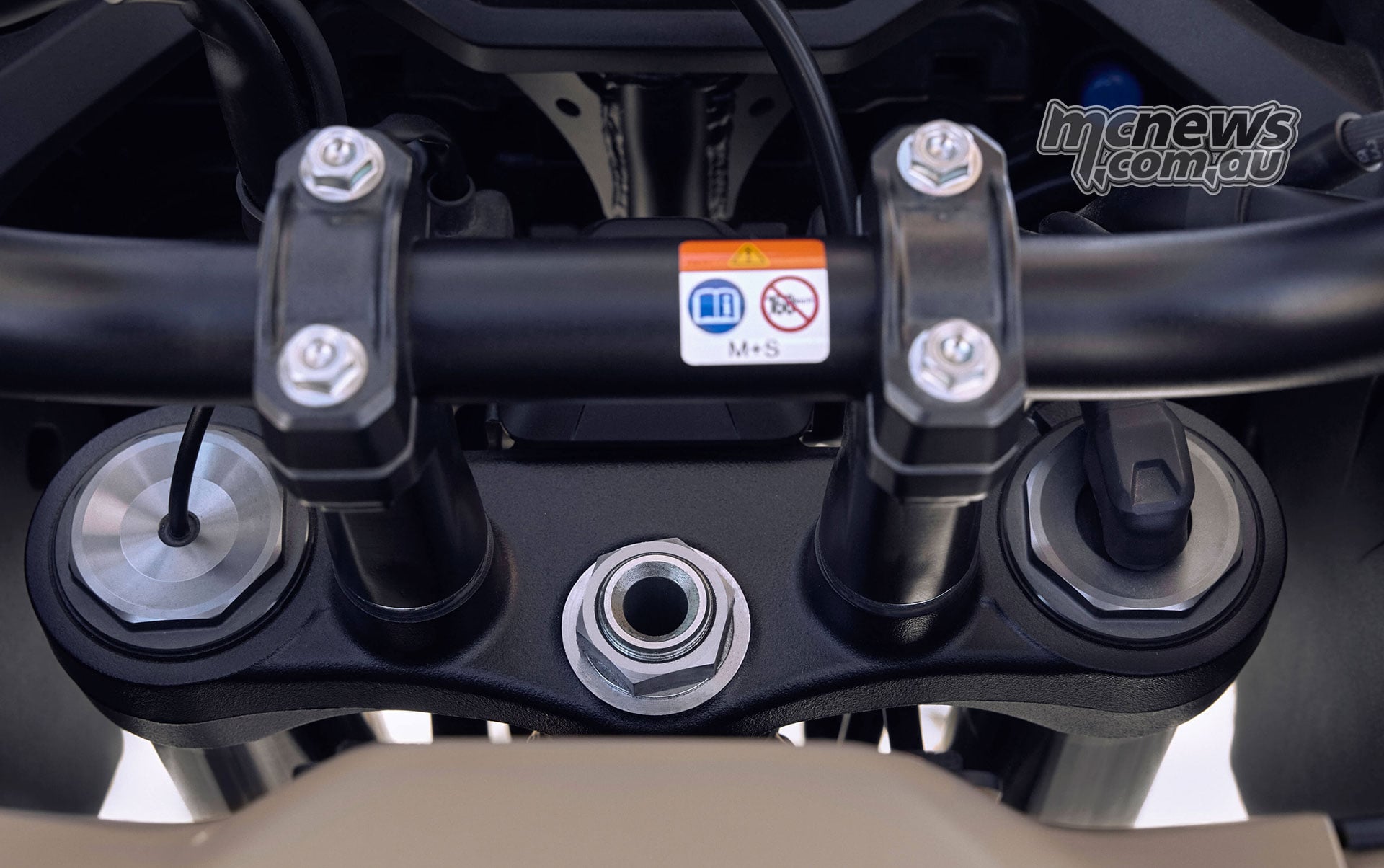
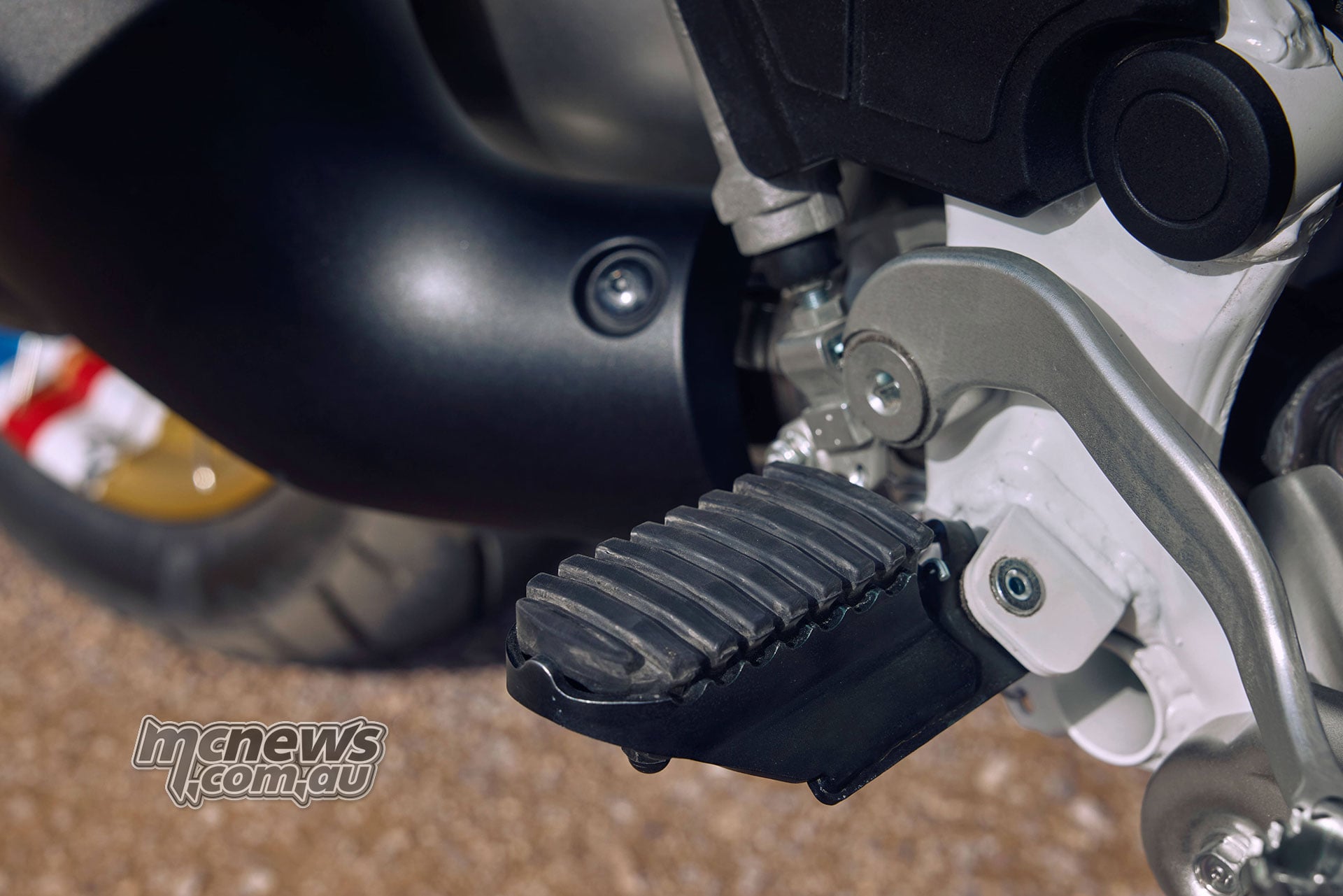
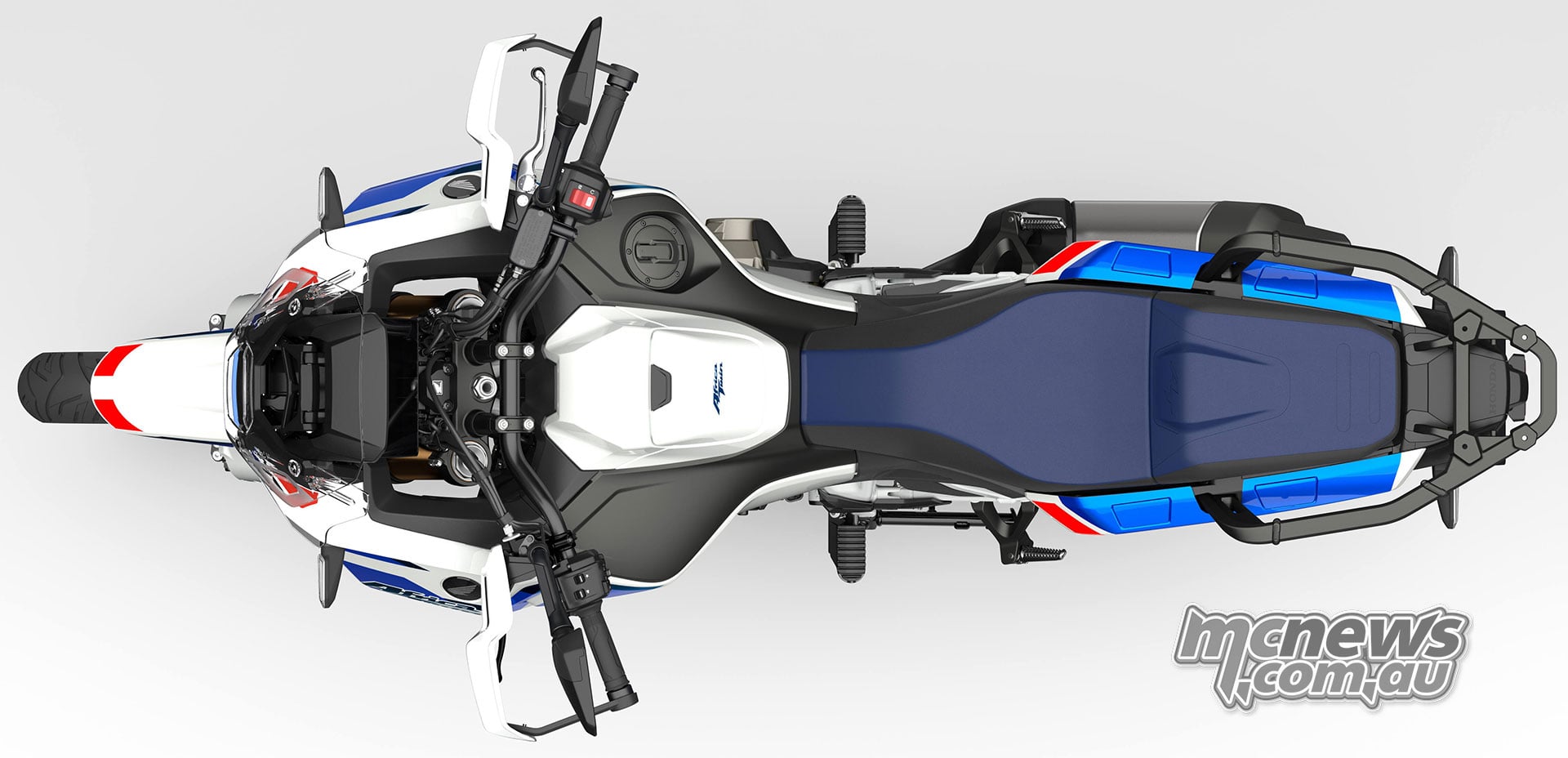
The handlebars are 10 mm narrower, 10 mm higher and further forward. The footpegs move inwards and rearwards, and the seat has revised padding and shaping.
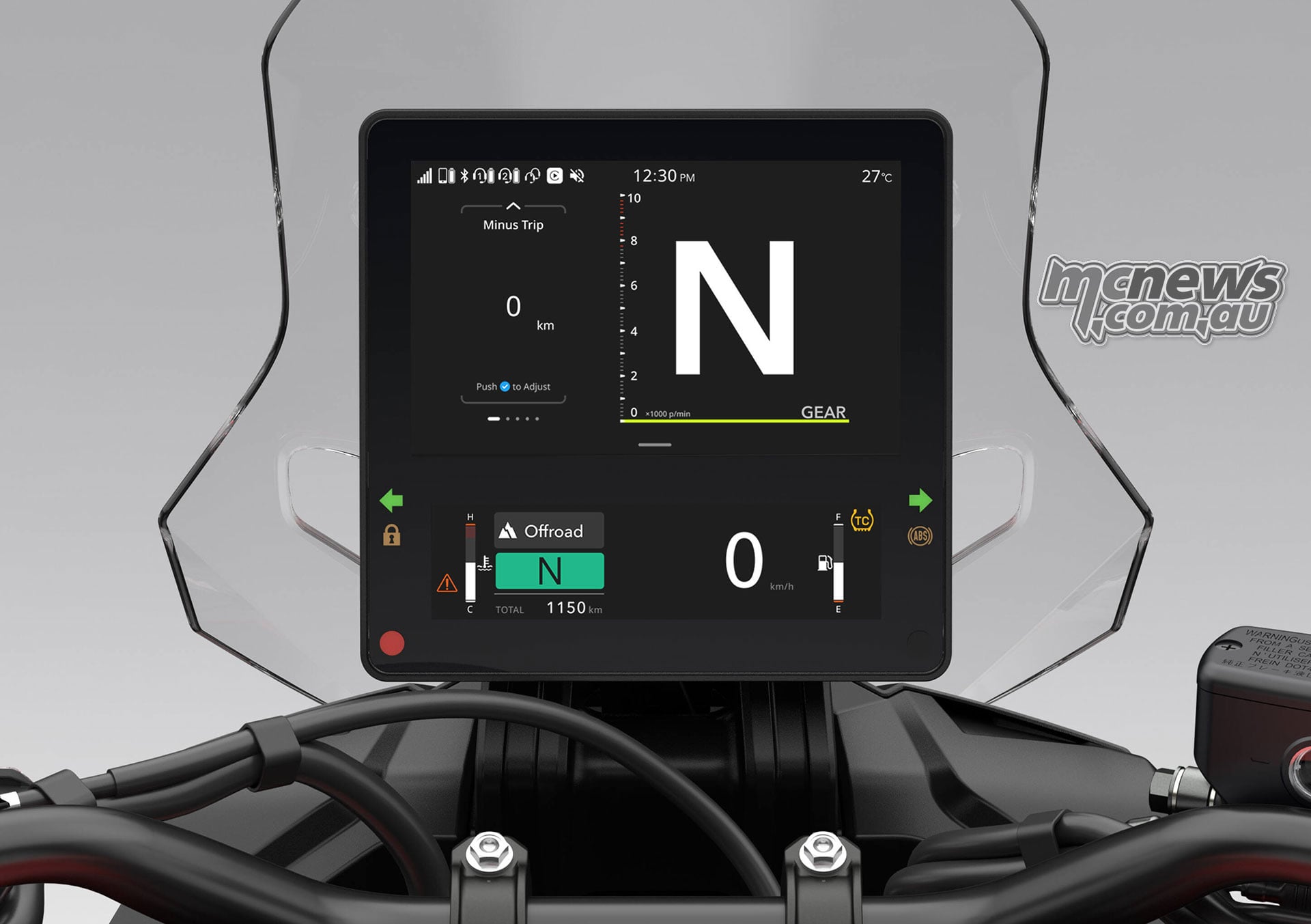
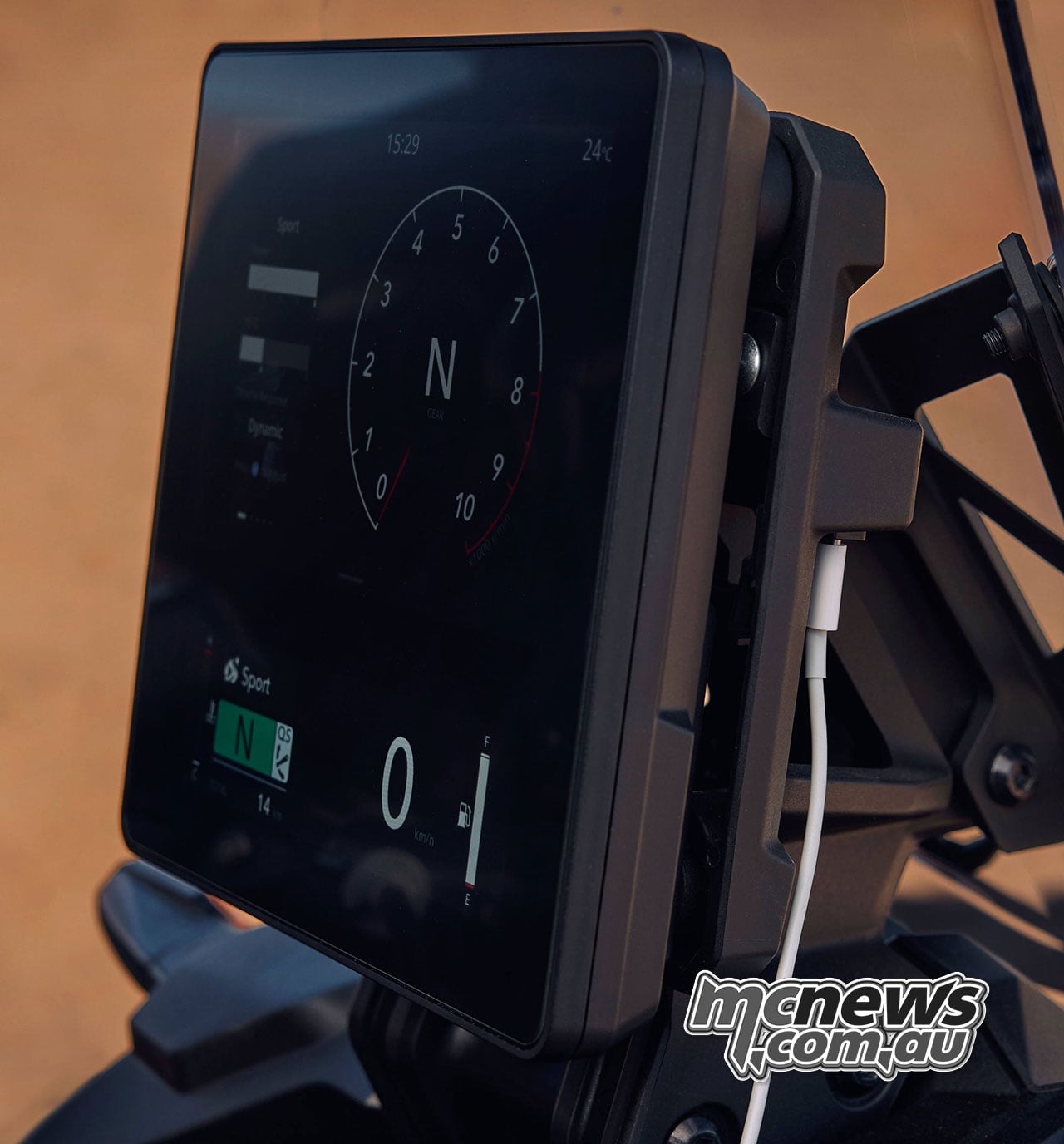
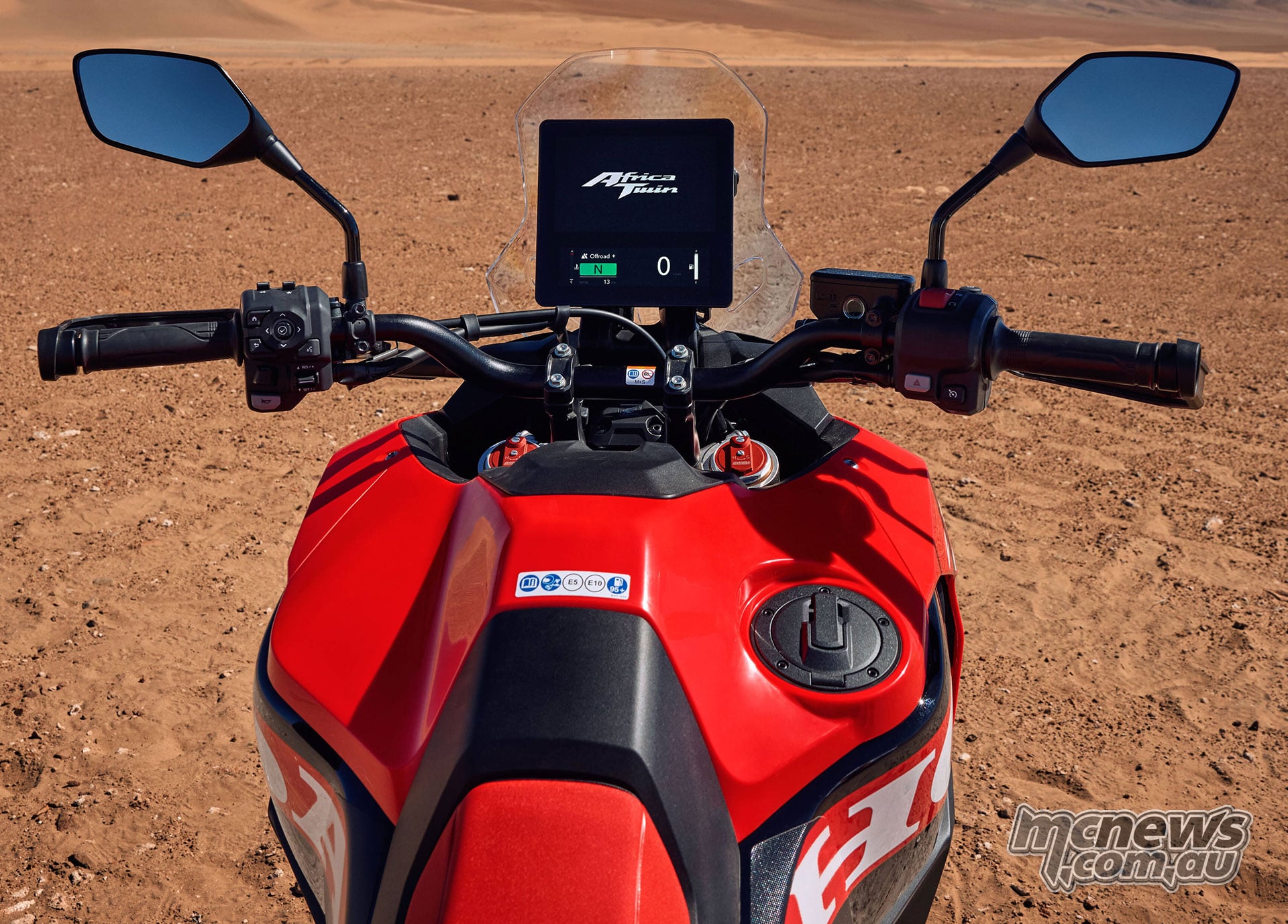
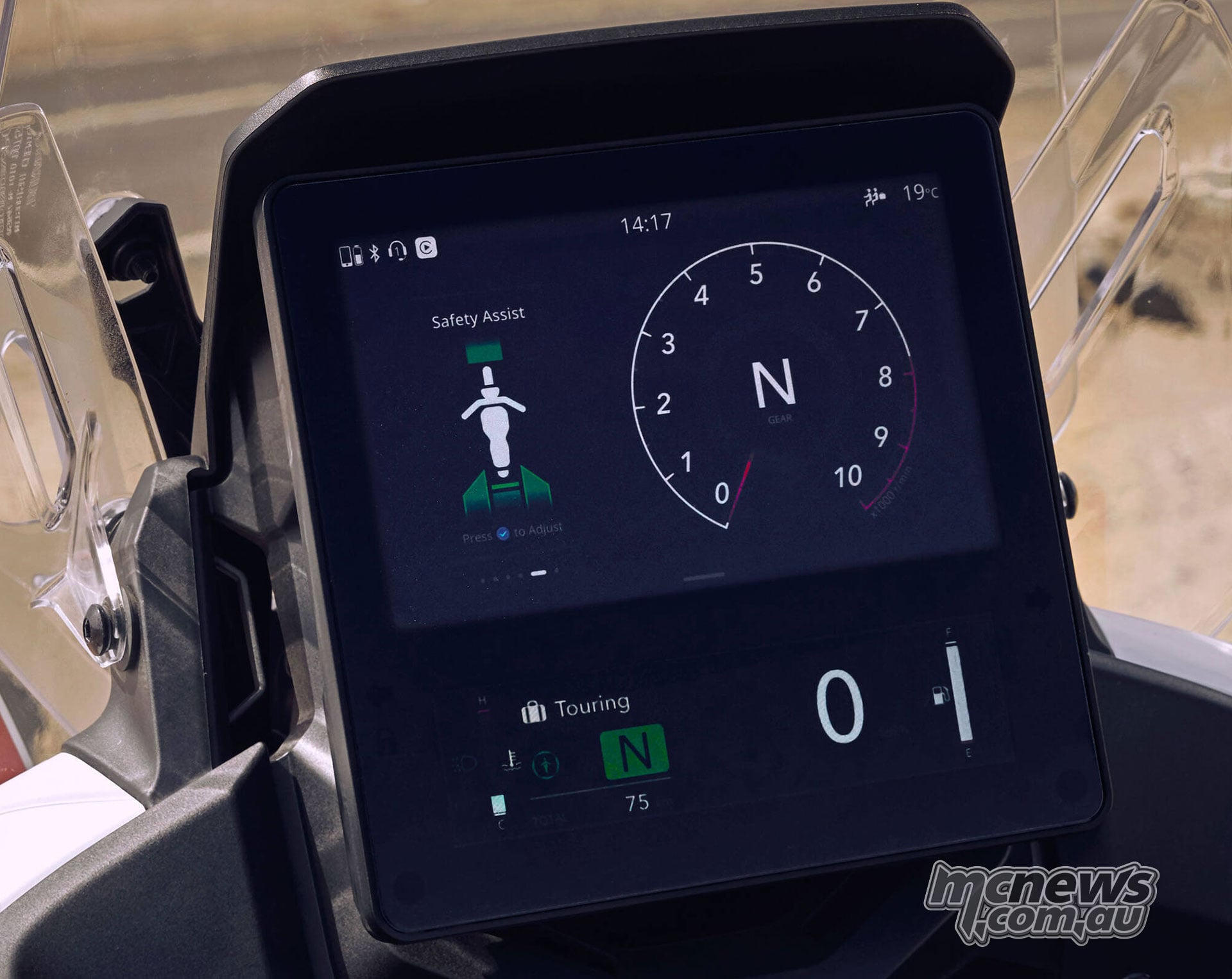
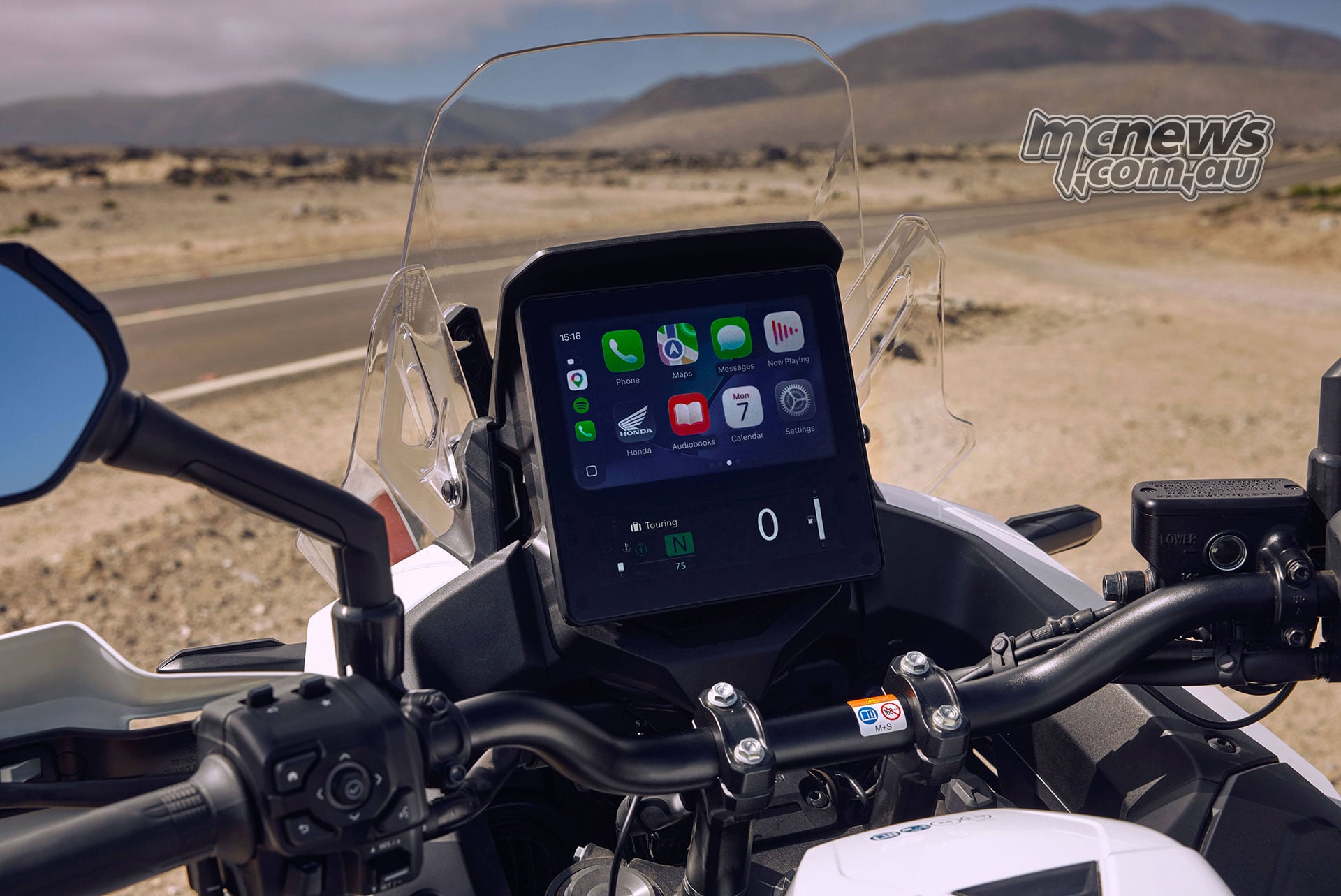
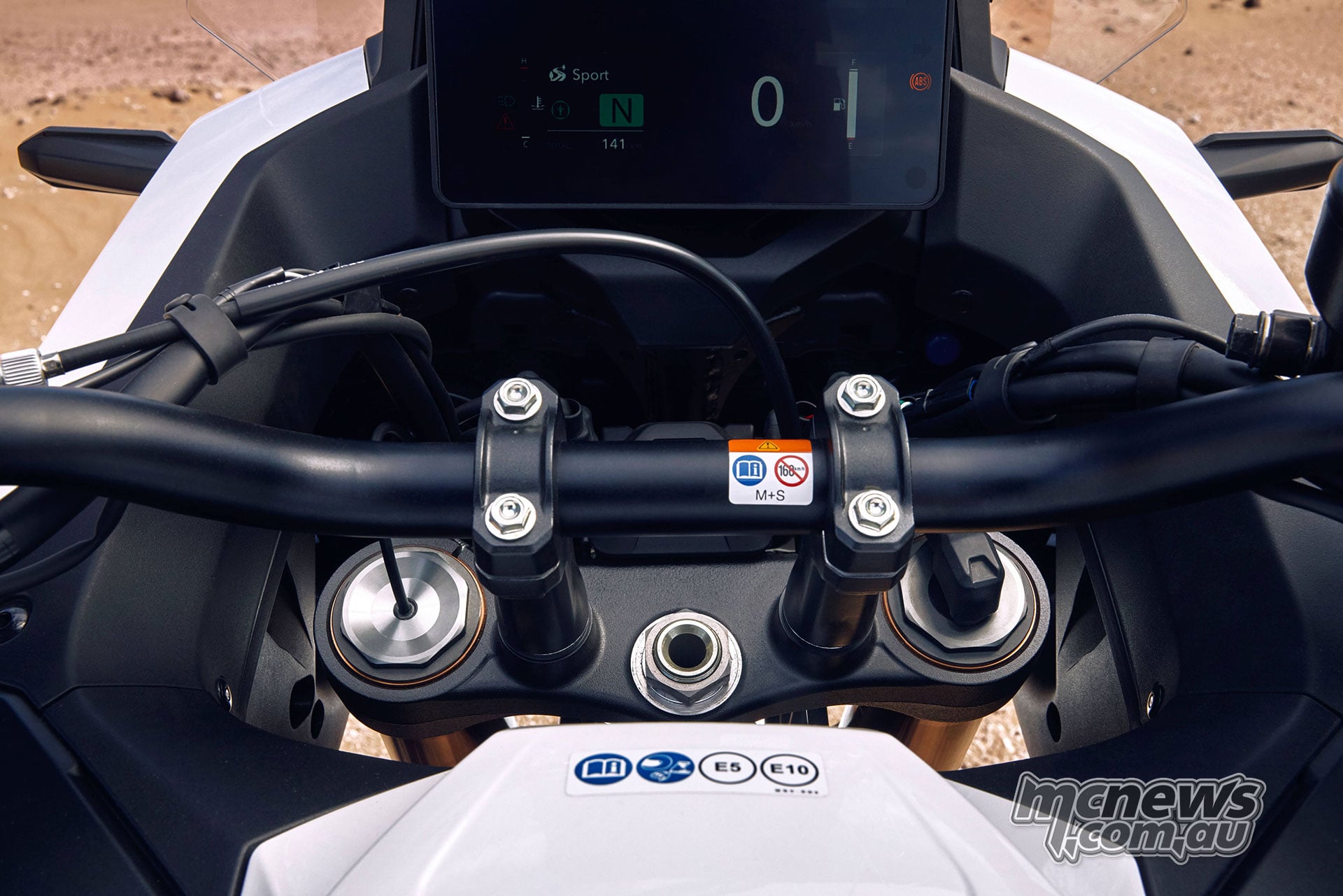
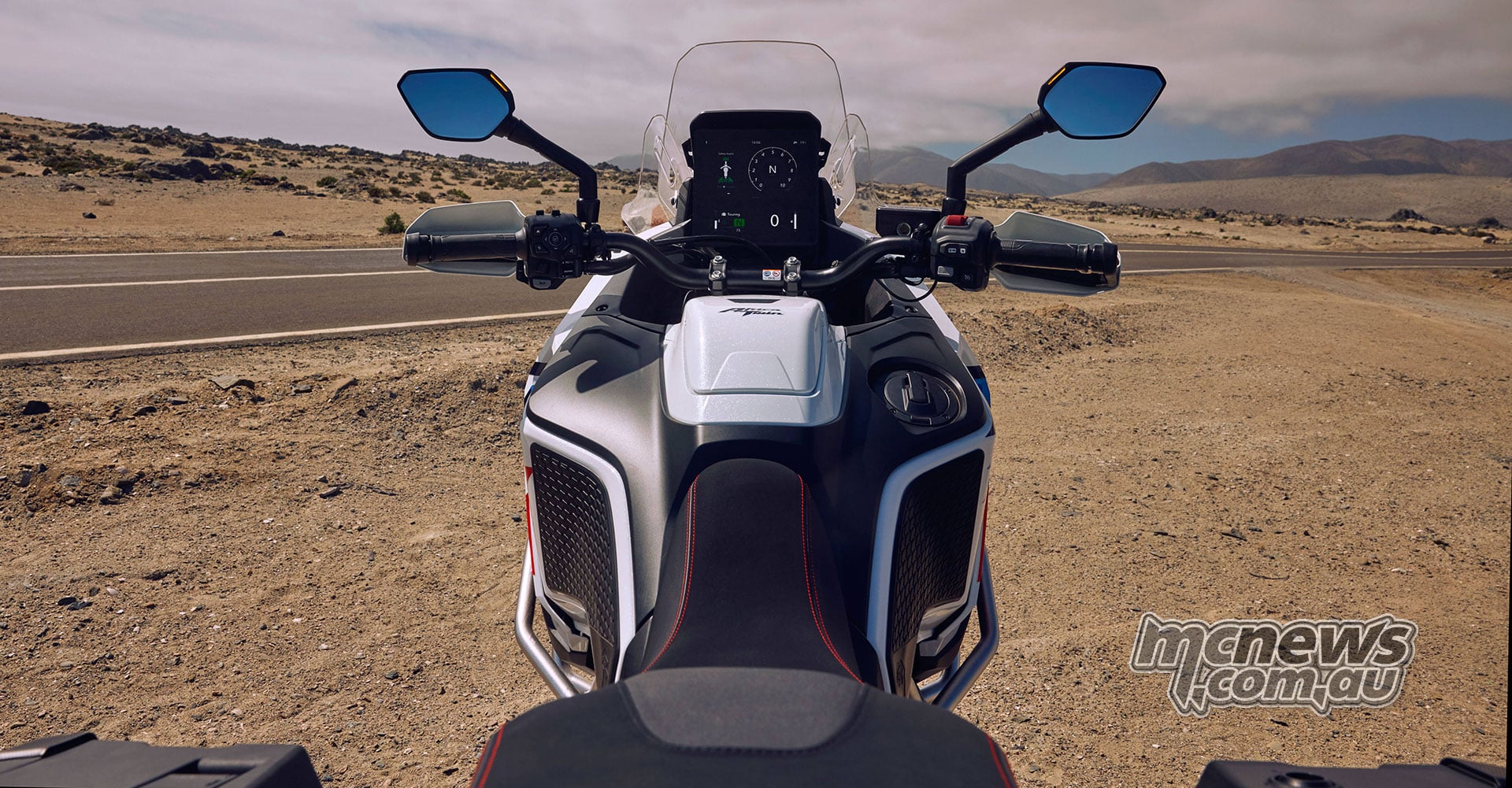
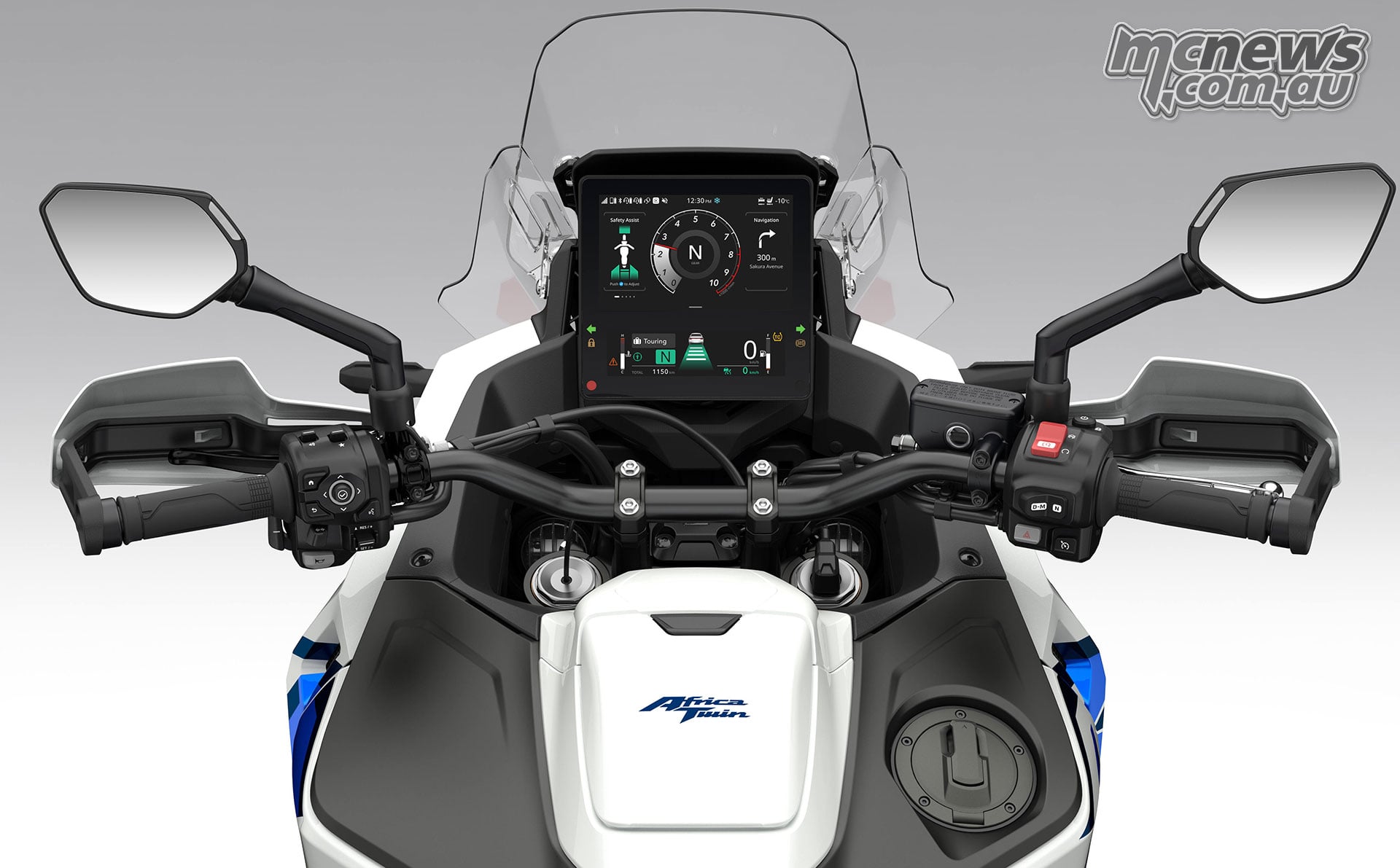
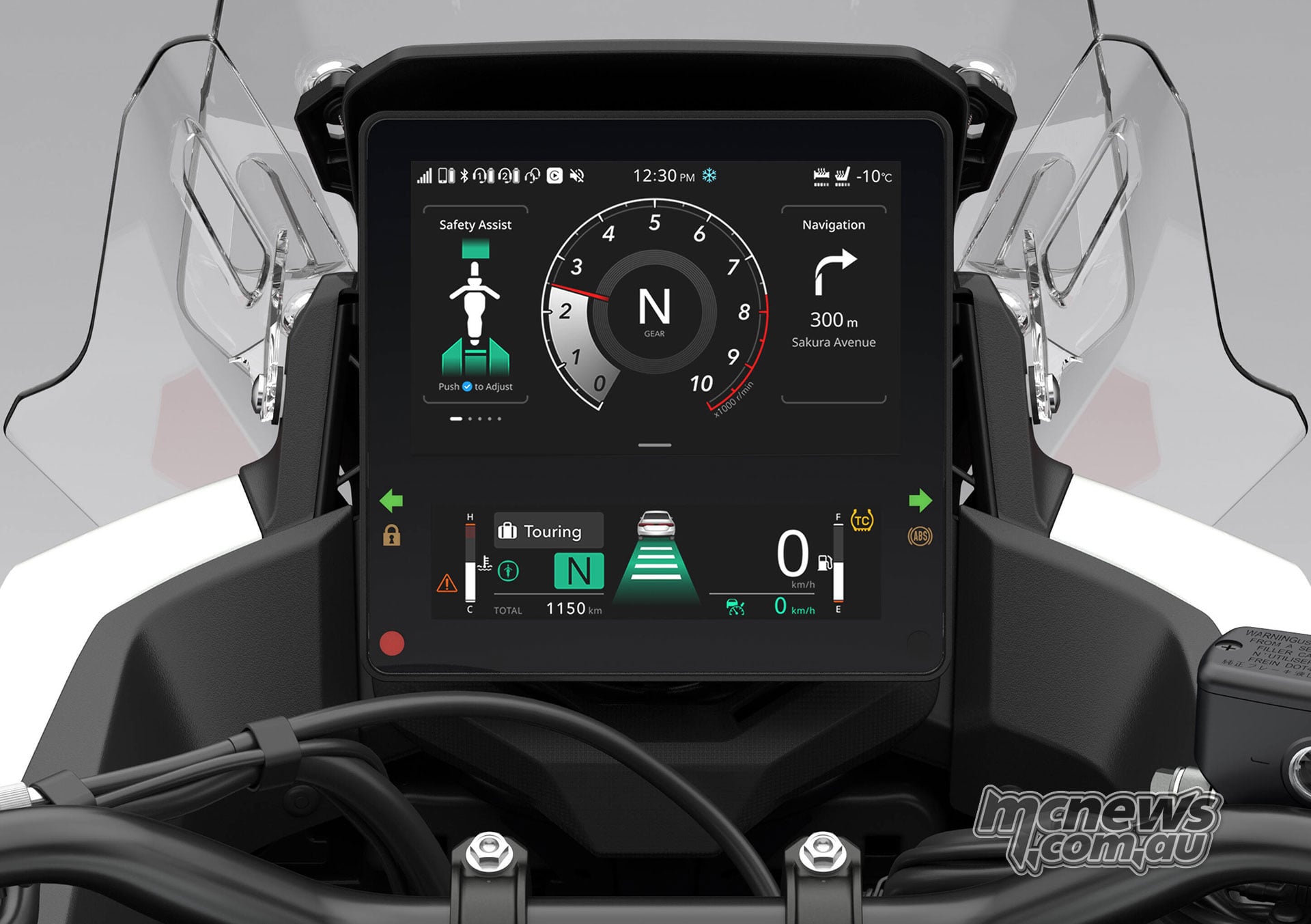
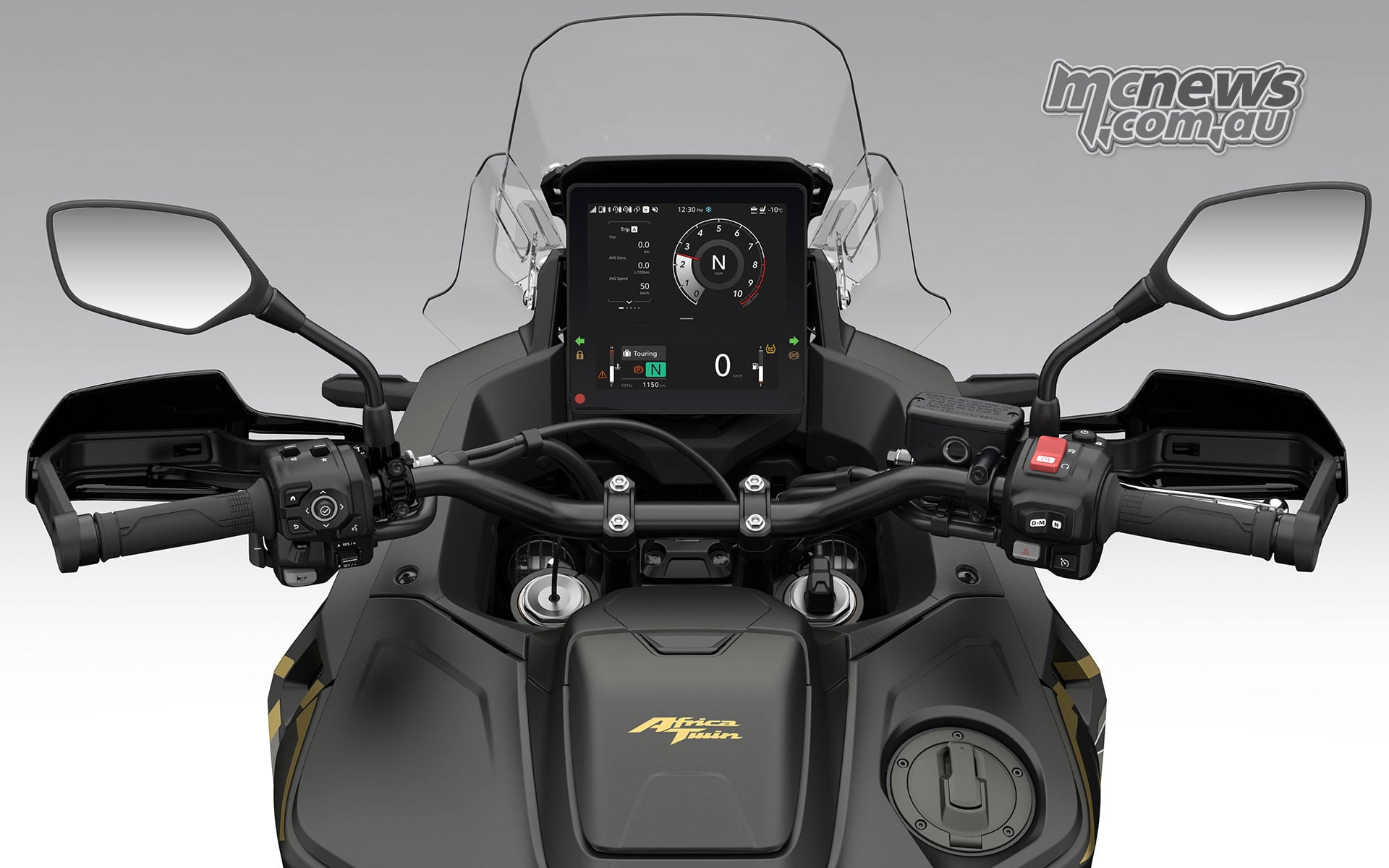
A 5.7-inch vehicle-information display is paired with a seven-inch TFT touchscreen. Honda claims a five-second start-up time, while a dedicated off-road display includes a compass.
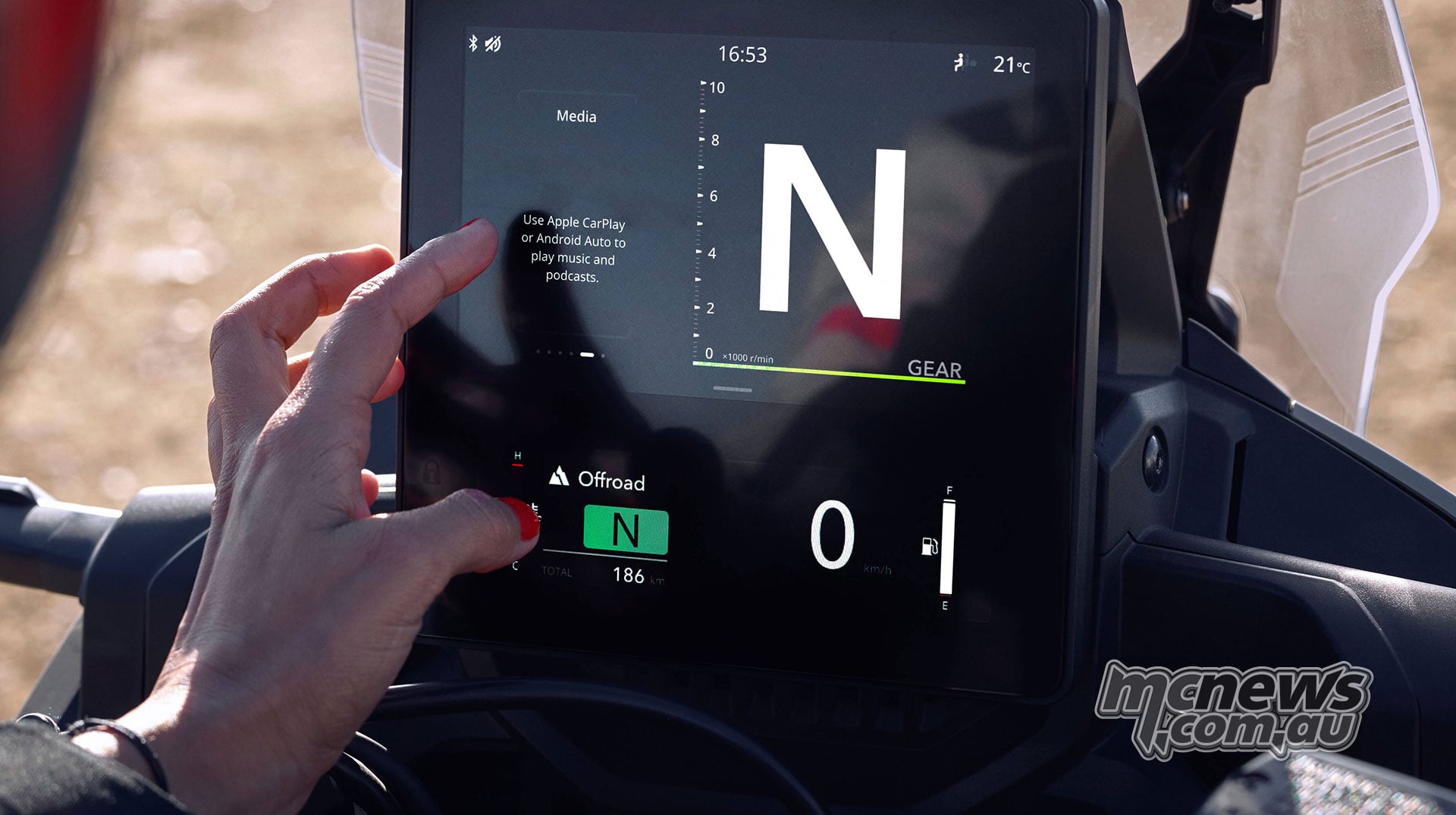
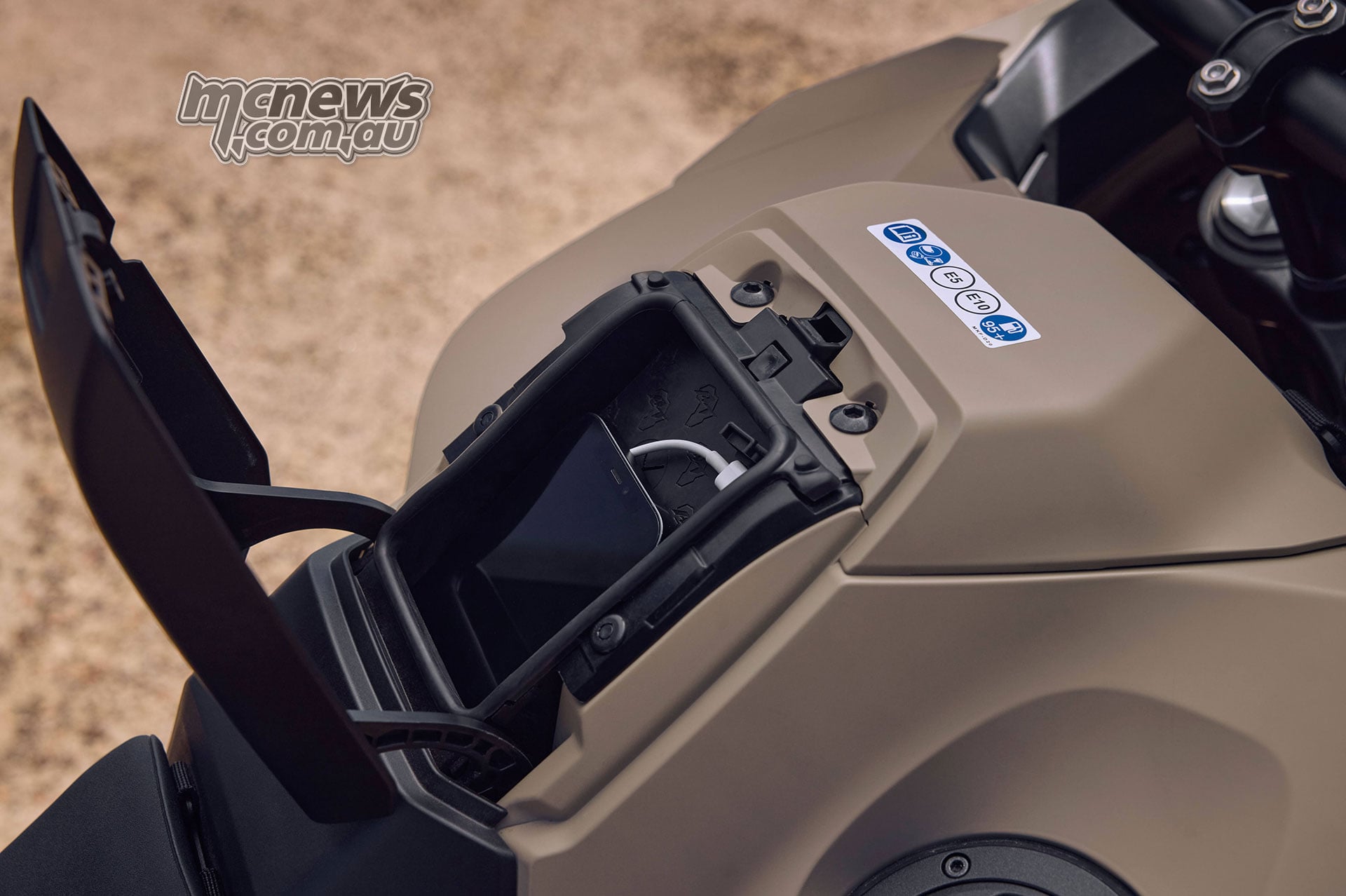
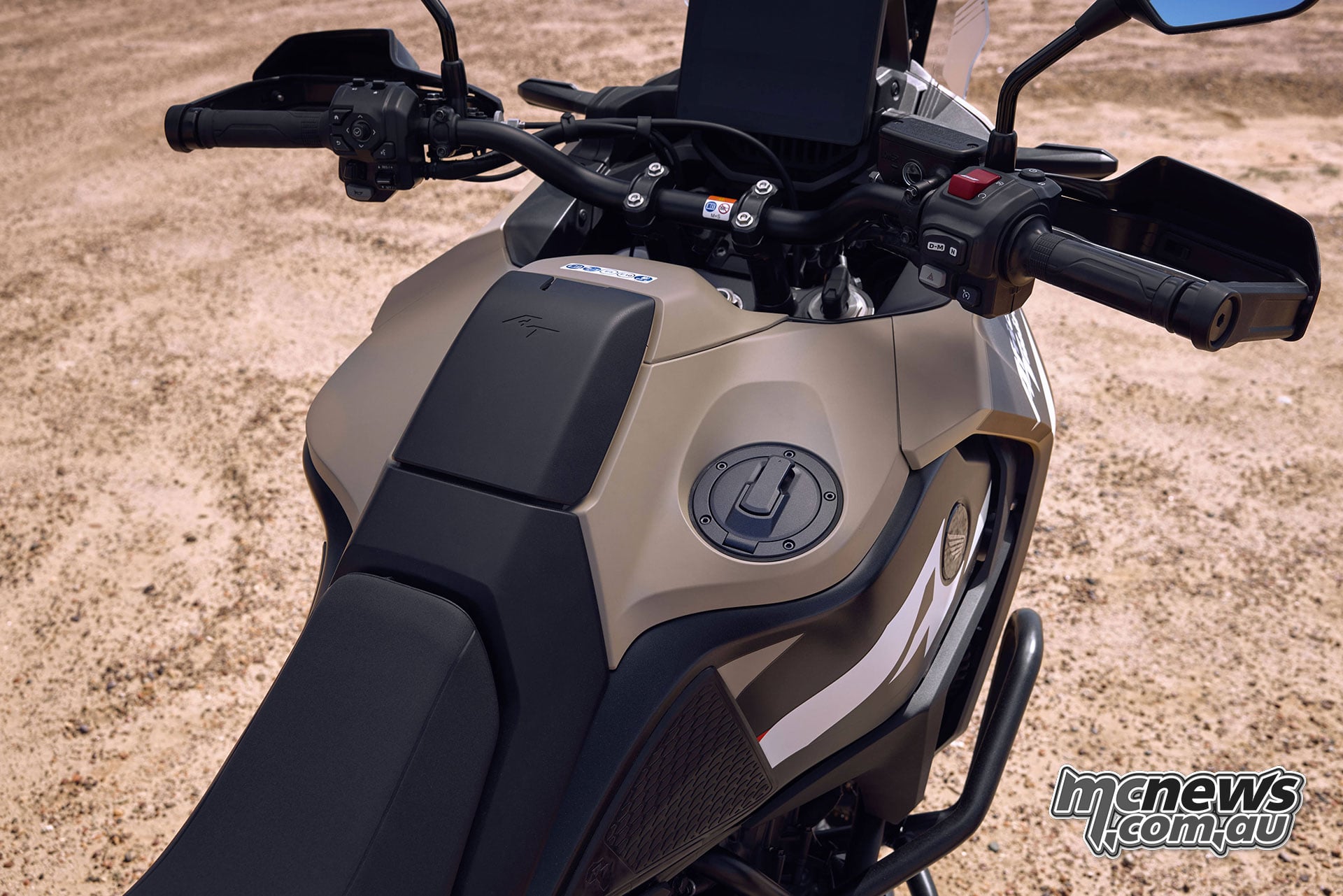
That display arrangement, the dedicated off-road screen and wireless Apple CarPlay and Android Auto are shared across all three models. The Enduro Sports positions its USB-C socket behind the display, while the standard bike and Adventure Sports have their smartphone storage in the tank cover.
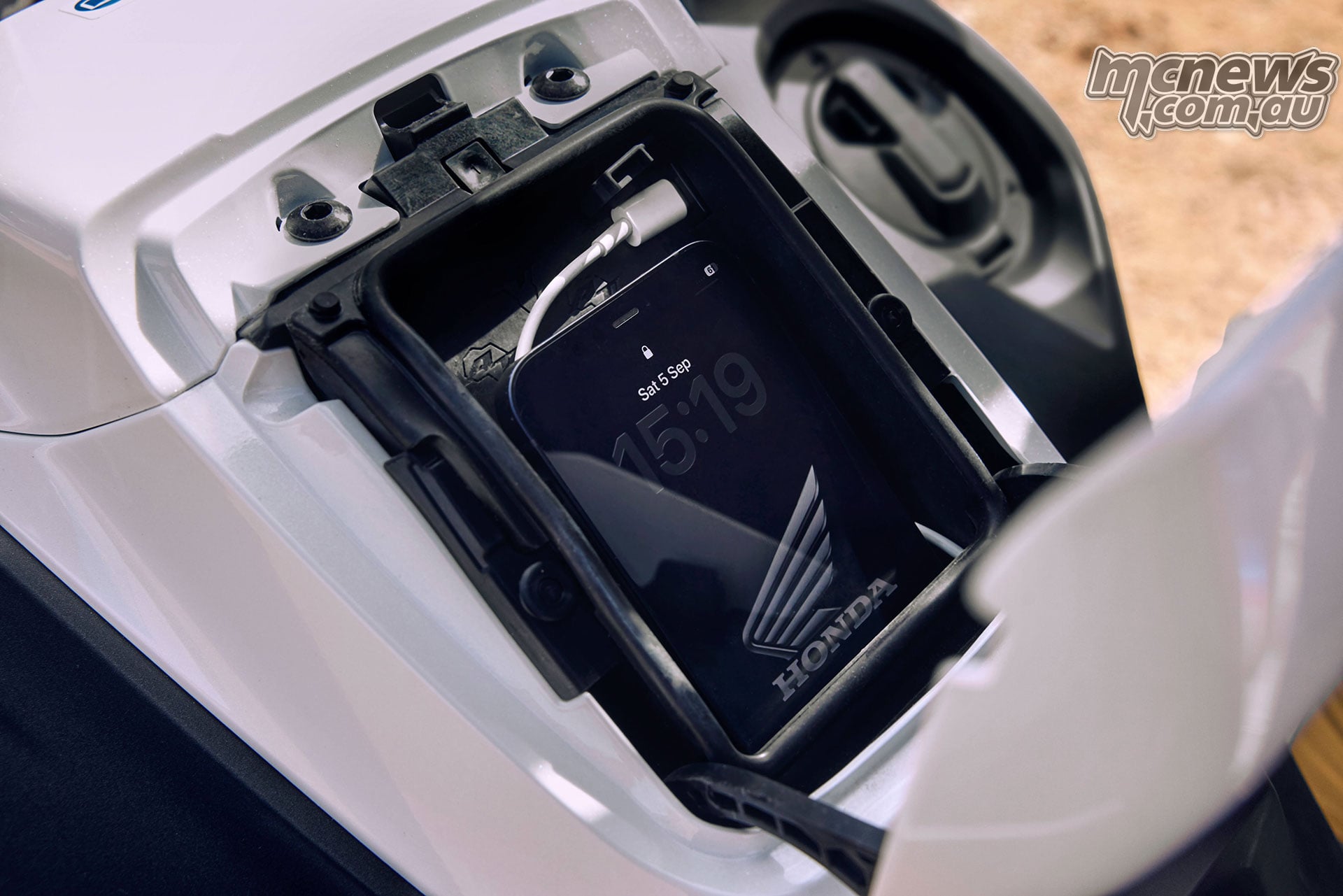
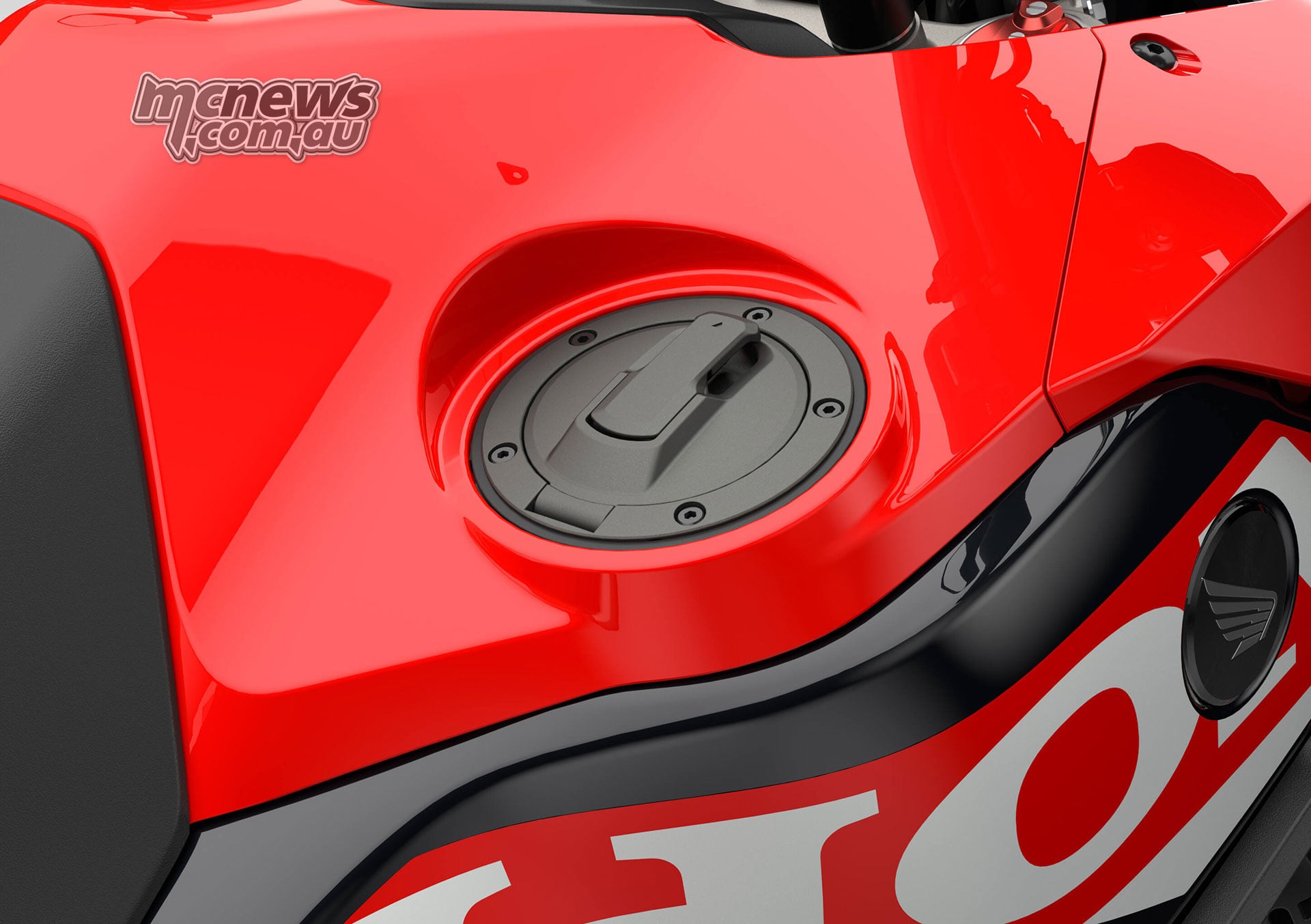
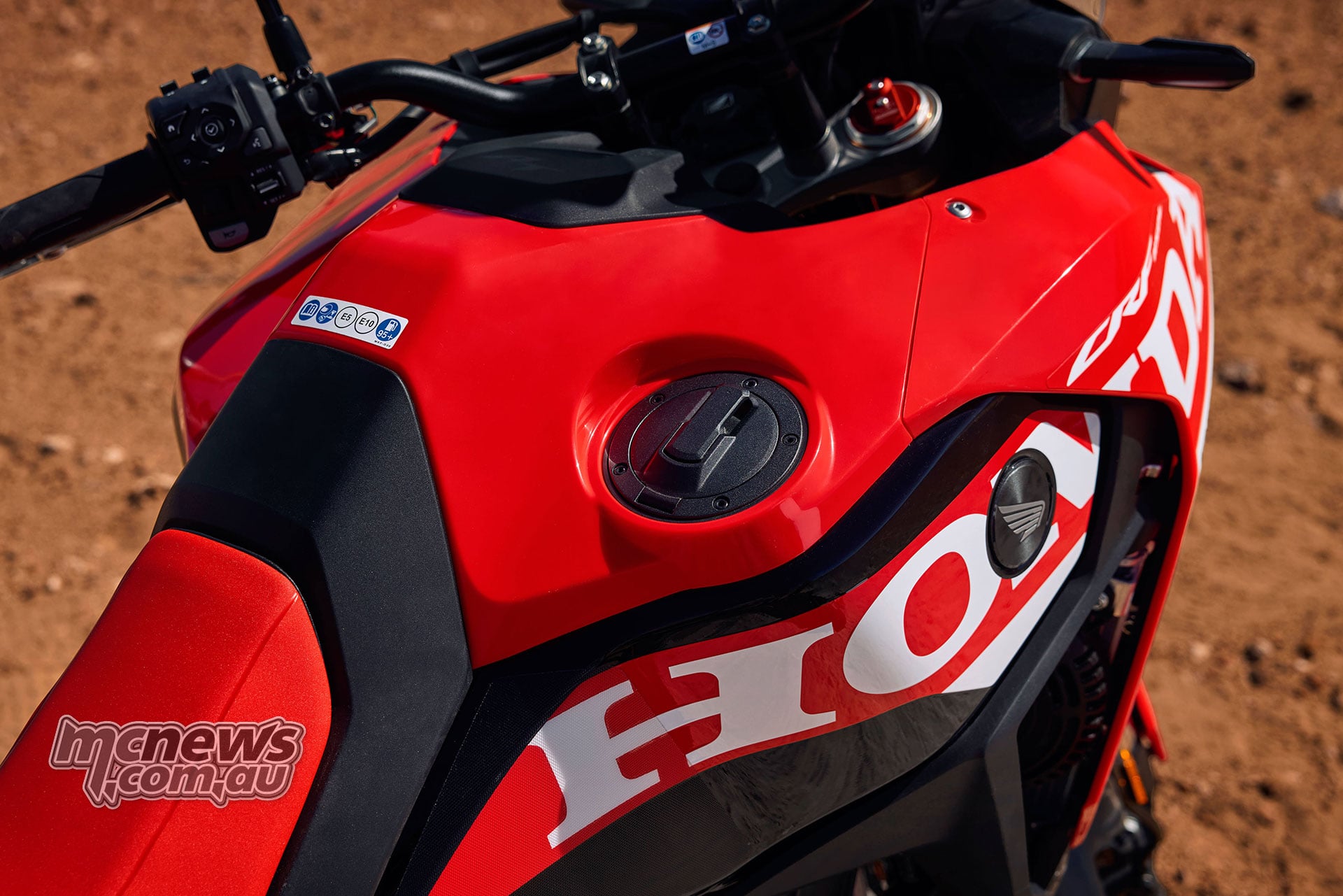
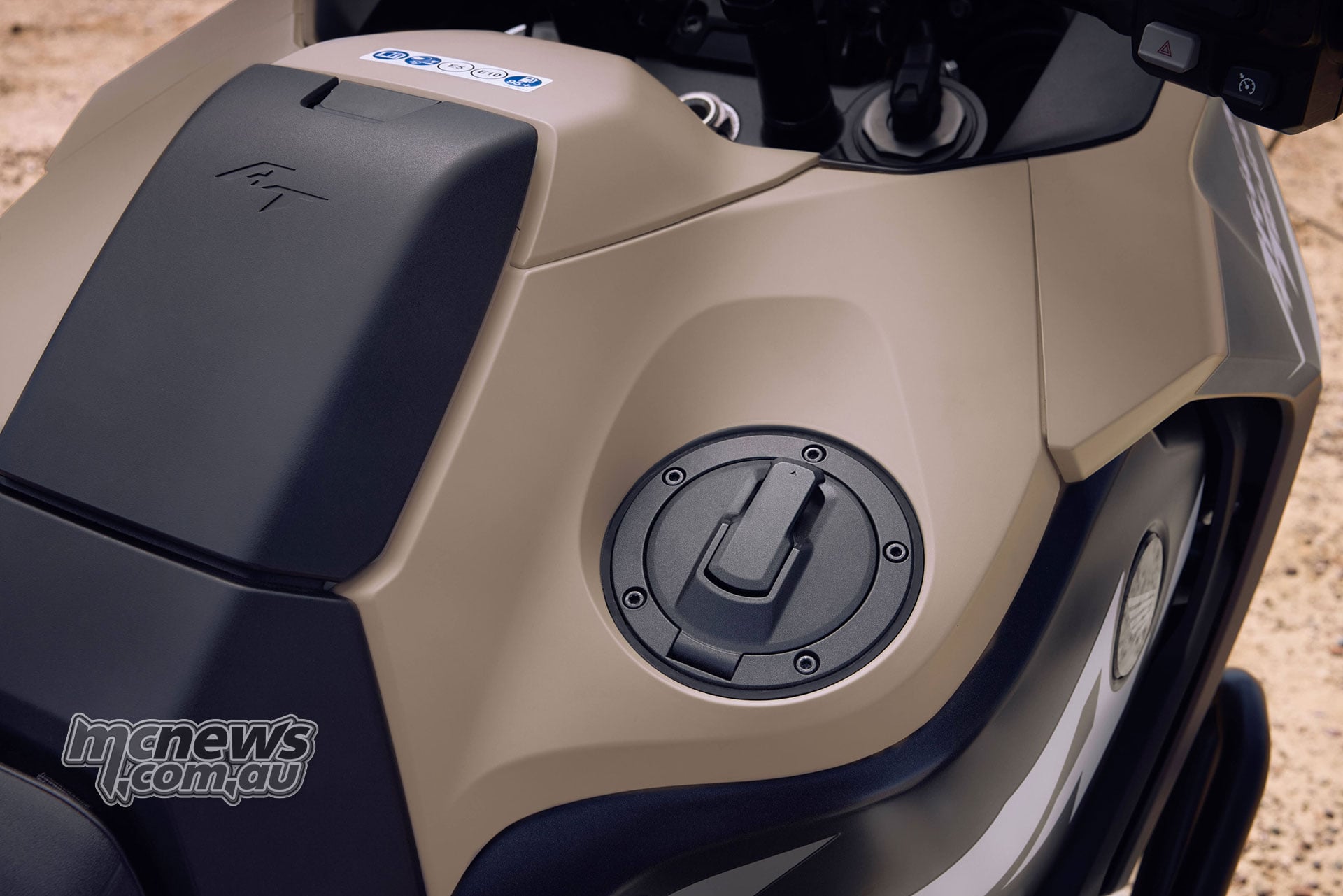
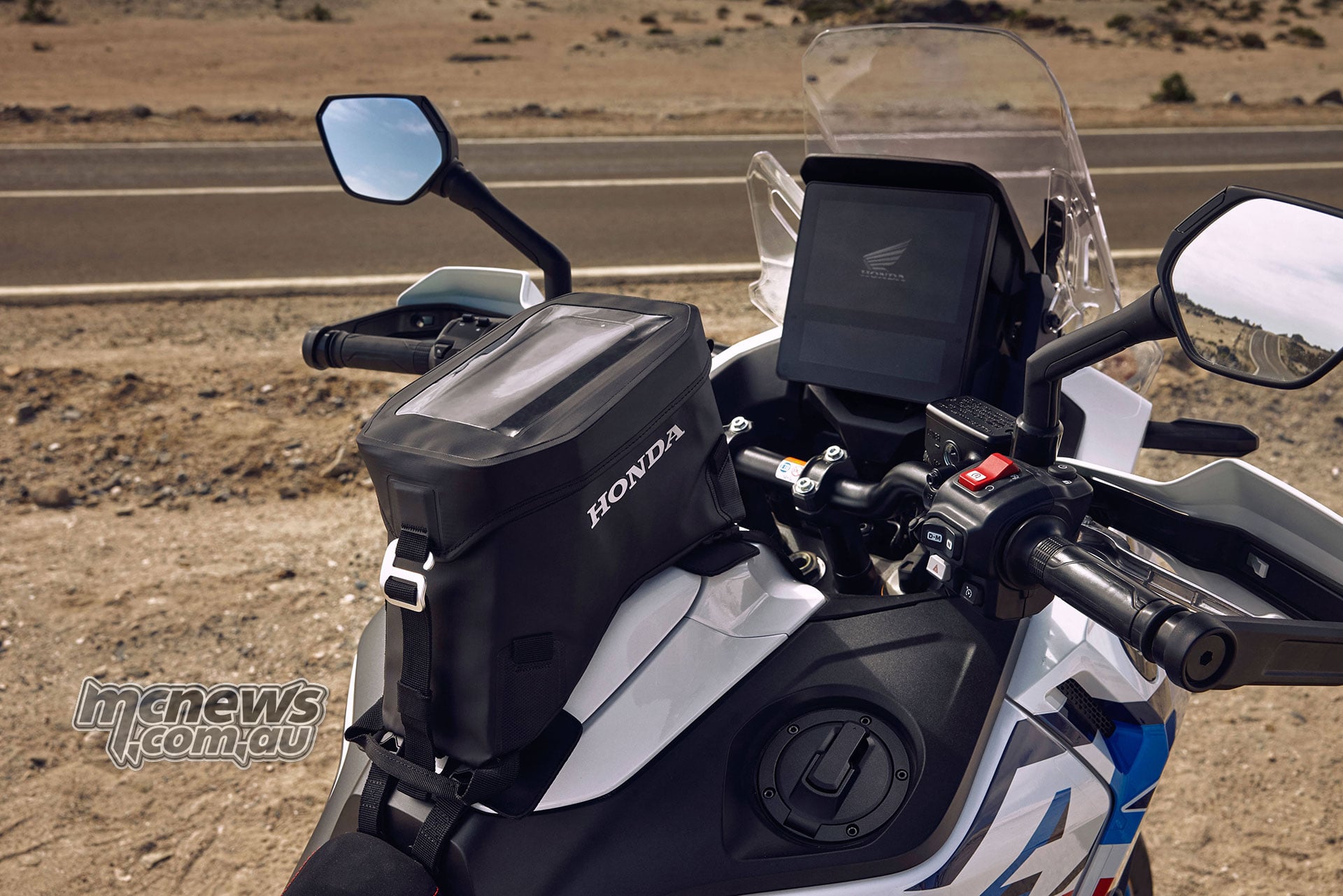
Apple CarPlay and Android Auto now work wirelessly. A smartphone compartment in the Adventure Sports’ tank cover includes USB-C charging, and a smart key operates the ignition, steering lock and fuel cap.
Combined fuel capacity is 24.2 litres. Honda lists WMTC consumption at 5.1 L/100 km for the manual and 5.4 L/100 km for the DCT models. Available colours are Pearl Glare White Tricolour and Mat Ballistic Black Metallic.
2027 Africa Twin range at a glance
| Specification | Africa Twin | Enduro Sports | Adventure Sports |
|---|---|---|---|
| Wheels, front / rear | 21 / 18-inch | 21 / 18-inch | 19 / 18-inch |
| Suspension | Showa EERA / Skyhook | Fully adjustable conventional Showa | Showa EERA / Skyhook |
| Travel, front / rear | 220 / 210 mm | 240 / 230 mm | 210 / 200 mm |
| Seat height | 850 / 870 mm | 870 / 890 mm | 830 / 850 mm |
| Ground clearance | 240 mm | 260 mm | 220 mm |
| Fuel capacity | 18.8 litres | 18.8 litres | 24.2 litres |
| Manual kerb weight | 237 kg | 228 kg | 245 kg |
| DCT kerb weight | 247 kg | 239 kg | 255 kg; SENSING RIDE 256 kg |
| Heated grips | Standard | Optional | Standard |
| Radar assistance | No | No | SENSING RIDE only |
European specifications are provisional. The Minimum suspension setting can reduce seat height by a further 10 mm on the standard Africa Twin or 5 mm on the Adventure Sports.
Two different kinds of appeal
For the full-monty Adventure Sports, I can see myself appreciating much of this. Good electronic suspension, DCT, decent weather protection and useful touring equipment make a very appealing combination.
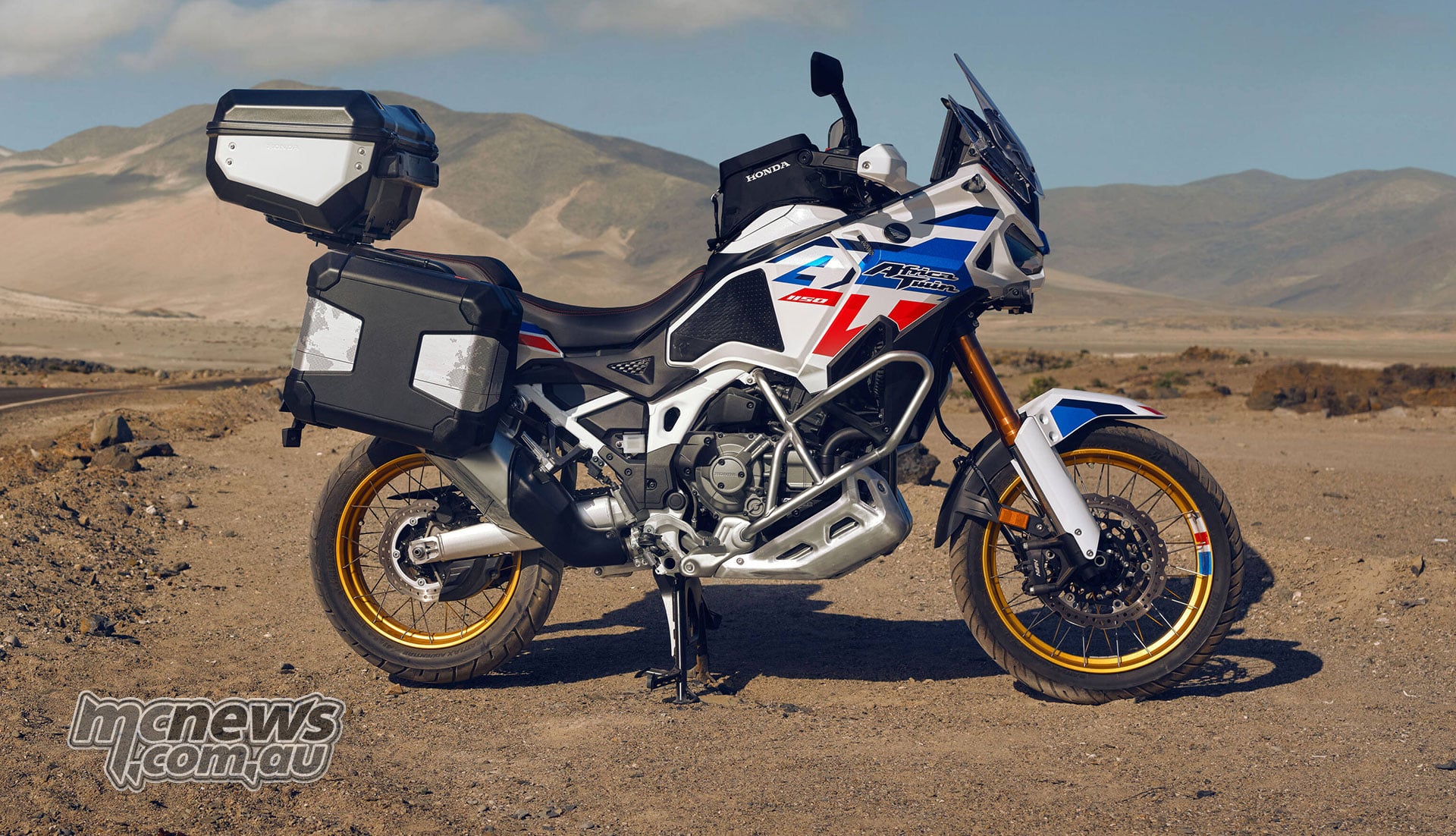
The standard Africa Twin now occupies an interesting middle ground: the 21-inch front and smaller tank, but with the electronic suspension and much of the comfort equipment of the Adventure Sports. It is another option to weigh up before automatically reaching for either end of the range.
The Enduro Sports also deserves a closer look. A manual gearbox, proper conventional suspension and a 228 kg kerb weight answer a fair chunk of the brief. It even gives you the option of DCT if, like me, you find that difficult to give up, although availability of both options in Australia is yet to be confirmed.
Whether Honda’s new Enduro Sports hits that sweet spot will come down to its price, how it rides and how easily the electronics let us get on with the job. Based on past experience, I reckon it could tick a few of those boxes.
There is room to love the burger with the lot and still want something simpler on the menu.
2027 Honda CRF1150L Africa Twin Images