

Stark claims VARG is now the world’s best-selling enduro bike
Barcelona-based electric motorcycle manufacturer Stark Future says revenue increased by 46 per cent year-on-year to €86 million during the first half of 2026, with the company also reporting that it was both EBITDA and EBIT-positive across the six-month period.
Stark delivered 8124 motorcycles during the half, an increase of 45 per cent over the corresponding period in 2025, while the second quarter reportedly produced company records for monthly revenue, dealer volume and factory output.
Stark moves into operating profit
EBITDA reached €5.3 million, representing a margin of 6.1 per cent, compared with a €1.7 million loss during the opening half of 2025. That amounts to an improvement of approximately €7 million.
Stark also reported a gross margin of 39.6 per cent, up 9.3 percentage points year-on-year, attributing the improvement to lower per-unit motorcycle costs as production volumes increased.
“We set a plan, and we exceeded it,” said Stark Future founder and CEO Anton Wass.
“Reaching EBIT-positive while still investing heavily in new technology is the part that matters.”
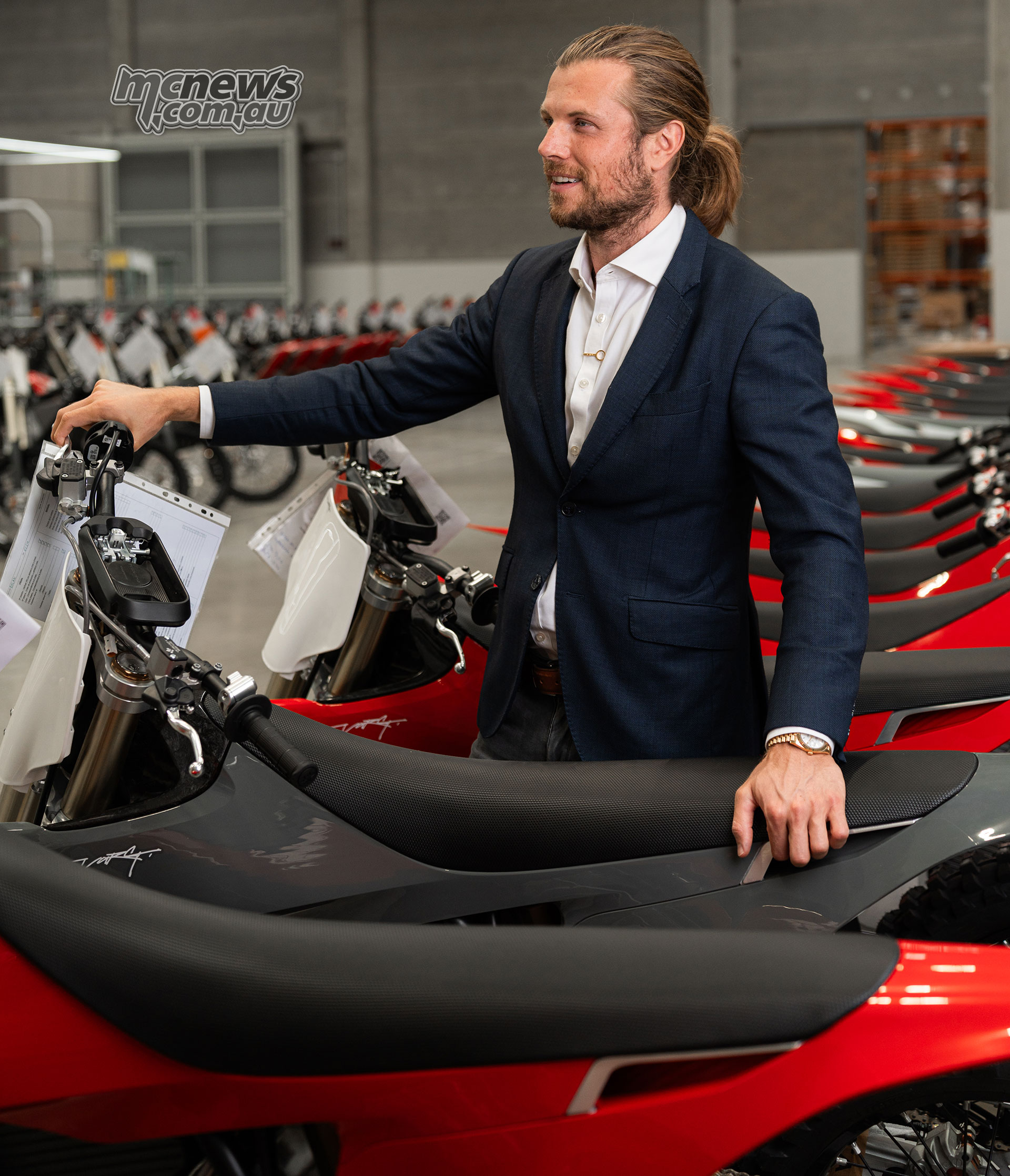
Moving beyond EBITDA to an EBIT-positive result is a meaningful step, as EBIT also accounts for depreciation and amortisation associated with the company’s machinery, factory and other capital investments. Stark did not, however, disclose its actual EBIT figure in the statement.
The company said spare-parts revenue had more than tripled year-on-year, while software revenue reached new records following the introduction of its Dynamic Traction Control system.
Stark also appointed former Tier-1 automotive executive Max Cichon as Chief Financial Officer during the period. The company says discussions with financial institutions over funding its next stage of expansion have progressed to due diligence.
Is the VARG really number one?
The more attention-grabbing part of Stark’s announcement is its claim that the VARG is now the best-selling enduro motorcycle in the world, supposedly outselling every individual combustion-powered competitor.

That claim might be possible, but MCNews cannot independently verify it from the information supplied.
Stark has not published the global model-by-model sales table behind the assertion, identified the markets included, specified the relevant sales period, or explained whether the comparison is based on factory deliveries, dealer sell-out figures or vehicle registrations.
The 8124-unit figure announced for the first half also represents total Stark motorcycle deliveries rather than sales of the enduro-specific VARG EX alone. Stark’s wider range now includes motocross and supermoto machinery, meaning the company-wide delivery number cannot by itself substantiate the enduro claim.
Until the supporting data and methodology are disclosed, the world number-one status therefore needs to be presented as a claim made by Stark rather than an independently established sales result.
One model against an entire range
There is, however, an important distinction that makes Stark’s claim more plausible than it might initially appear.
Stark essentially has one core enduro model into which all of its enduro demand is funnelled: the VARG EX. Factory Edition derivatives might add specification and exclusivity, but they remain versions of the same fundamental motorcycle.
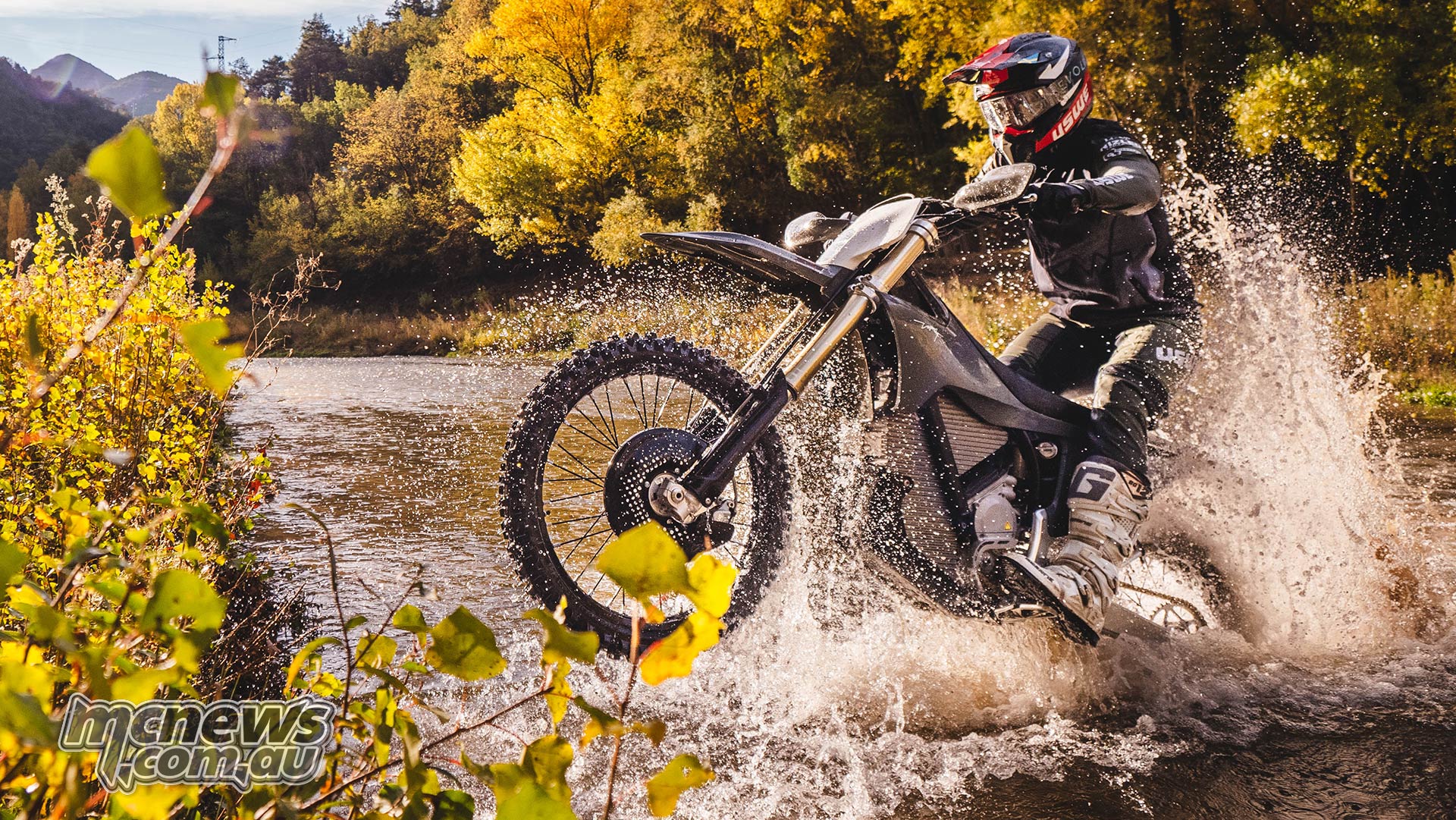
The major combustion manufacturers divide their enduro customers across numerous capacities and engine configurations.
KTM’s core 2026 Australian enduro range alone includes the 300 EXC two-stroke and the 250 EXC-F, 350 EXC-F, 450 EXC-F and 500 EXC-F four-strokes. Special editions and additional market-specific models further divide KTM’s overall enduro volume.
While those motorcycles share considerable architecture, buyers are spread across different capacities and preferences for whether an engine completes its combustion cycle in two or four strokes.
Yamaha presents a similar example. A rider choosing a competition-ready Yamaha enduro might buy either a WR250F or WR450F, splitting Yamaha’s sales between two distinct model names before its broader competition-enduro and cross-country range is considered.
That creates the possibility that the VARG EX could lead a narrowly defined individual-model ranking while Stark remains well behind KTM, Yamaha or another established manufacturer in total enduro motorcycle sales.
If worldwide sales of only the KTM 300 EXC and 450 EXC-F were combined, we would expect that total to sit comfortably ahead of the VARG EX. The same would likely apply when combining WR250F and WR450F sales into an overall Yamaha figure.
Without comprehensive global data, those combined comparisons cannot be conclusively proven either, but we can’t take Stark’s claims without challenging them in this fashion.
The financial result remains significant
The necessary qualification around Stark’s sales-ranking claim should not overshadow the broader result.
Stark was founded only in 2020 and began delivering motorcycles to customers several years later. Reporting €86 million in six-month revenue, delivering more than 8,000 motorcycles, and reaching an EBIT-positive position represent substantial progress for a relatively young electric motorcycle manufacturer.
Its improving gross margin also suggests Stark is beginning to extract meaningful efficiencies from increased production rather than pursuing volume at any cost.
Whether the VARG EX genuinely sells in greater numbers than every individual combustion enduro model remains unresolved. What is considerably clearer is that Stark has developed from an ambitious electric start-up into a serious and increasingly financially credible motorcycle manufacturer.
For the moment, though, “the world’s best-selling enduro motorcycle” remains Stark’s description. Leading a single-model sales table would also be very different from leading the global enduro market overall.