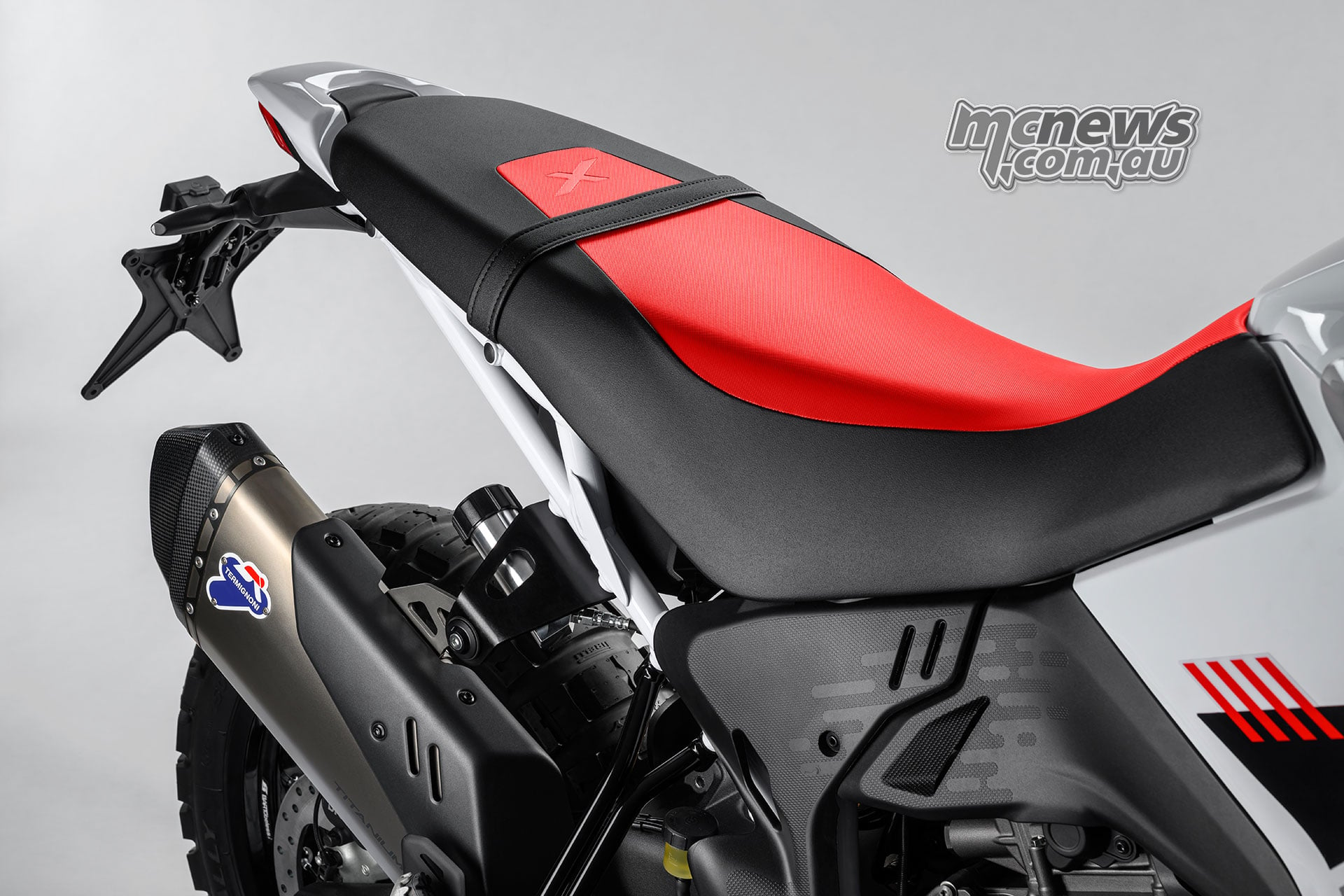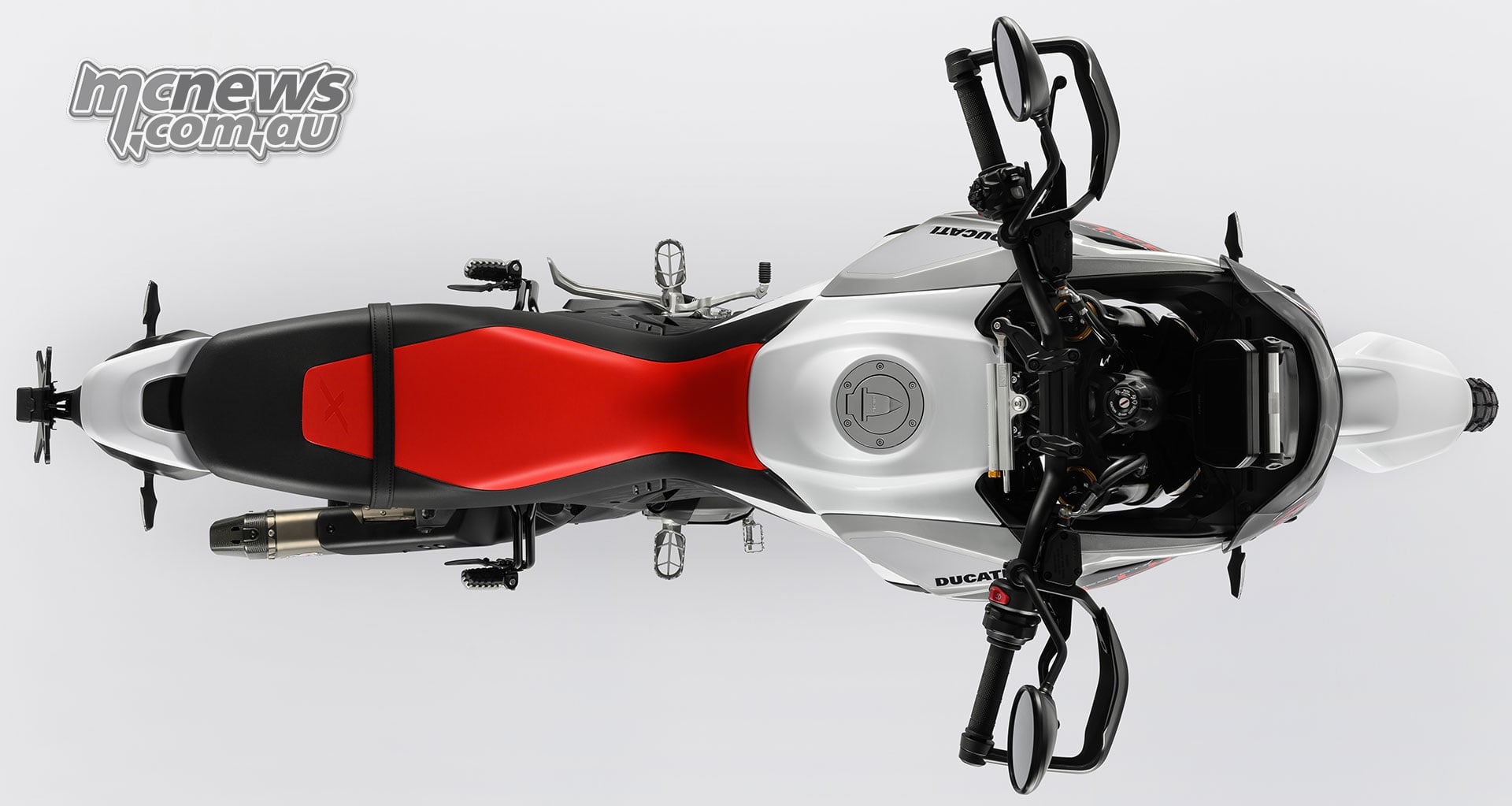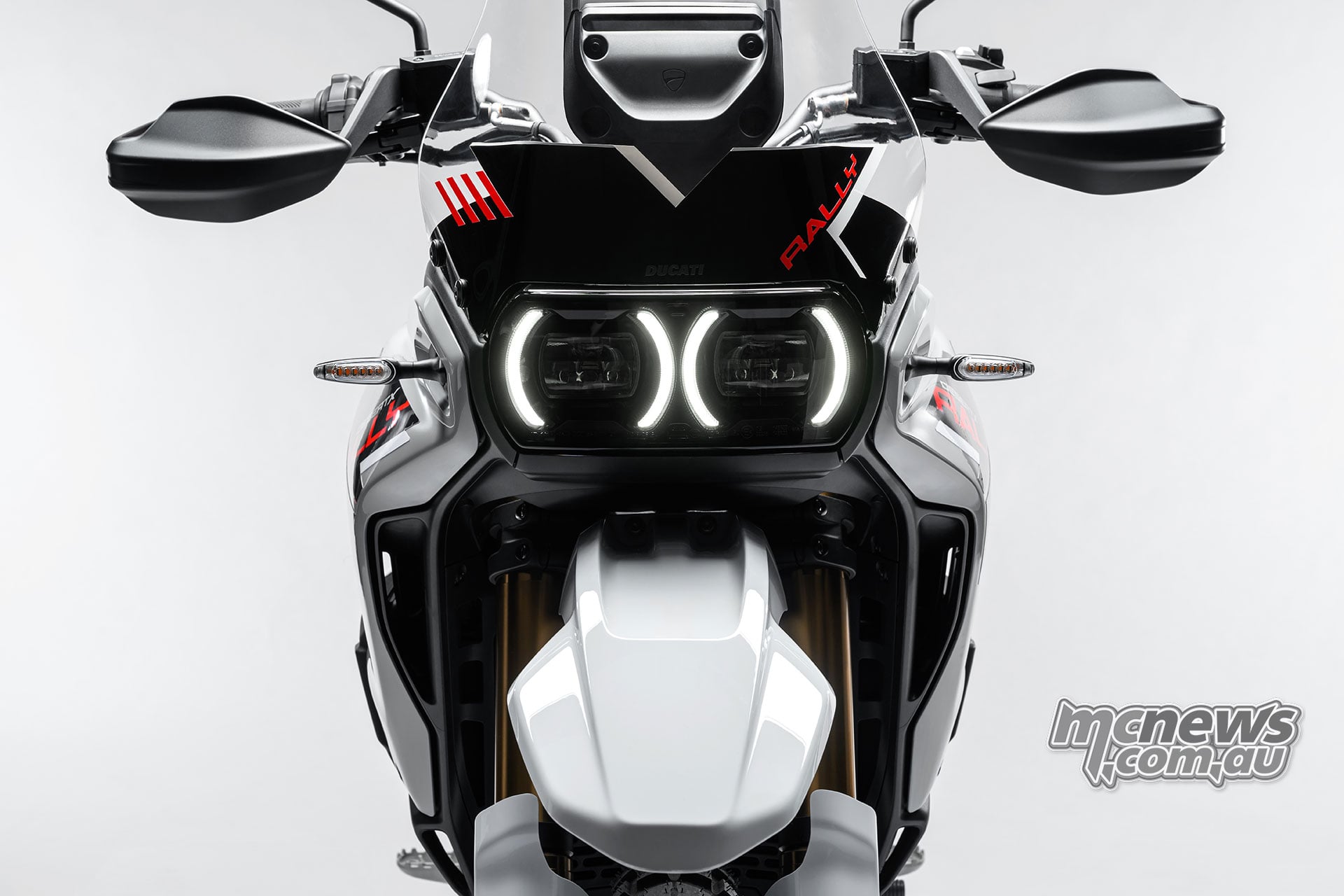


2027 Ducati DesertX Rally
Ducati’s DesertX Rally gets a new engine and chassis for 2027, but one of its most welcome changes might be found inside the wheels. The company’s most dirt-focused adventure bike is going tubeless.
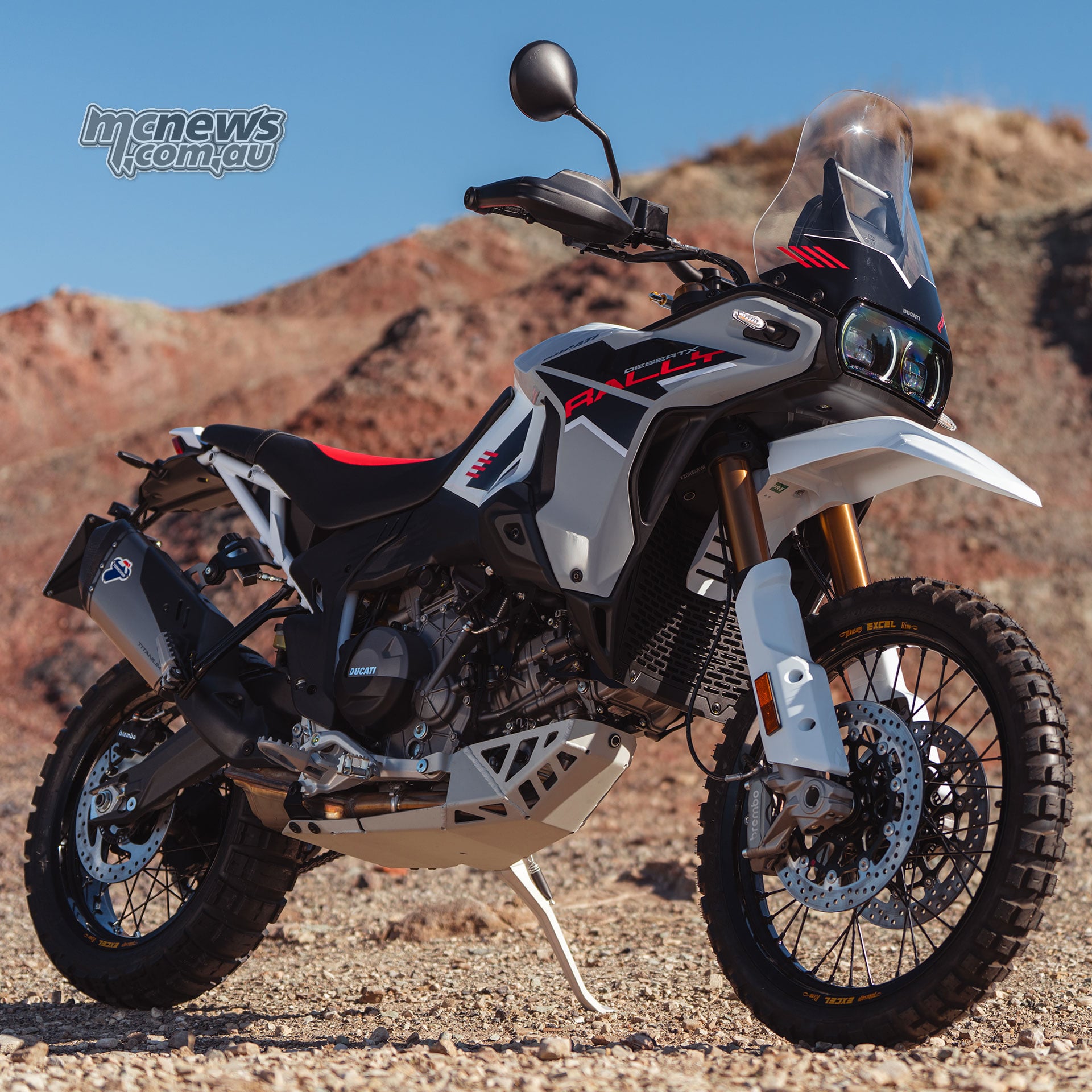
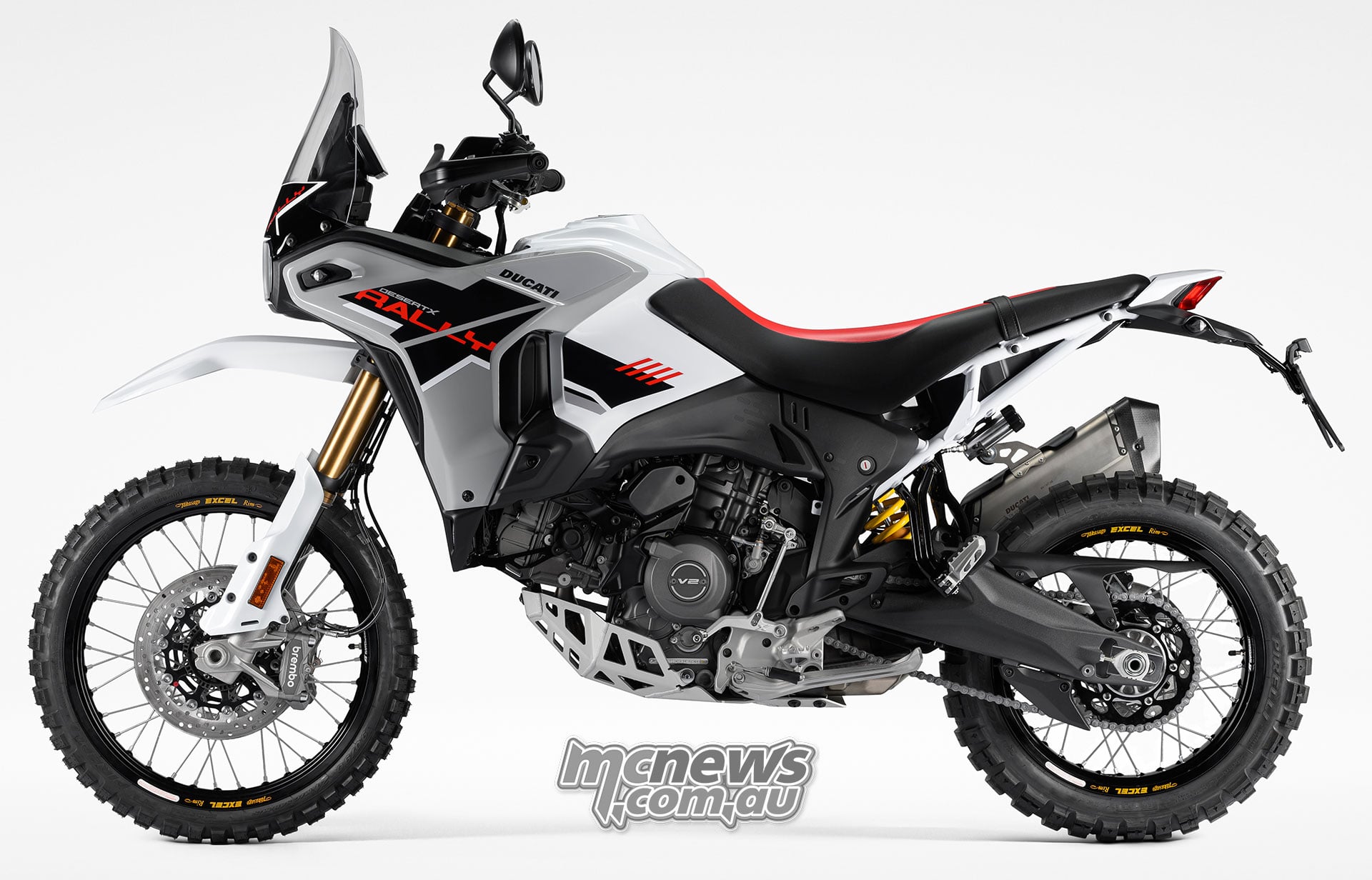
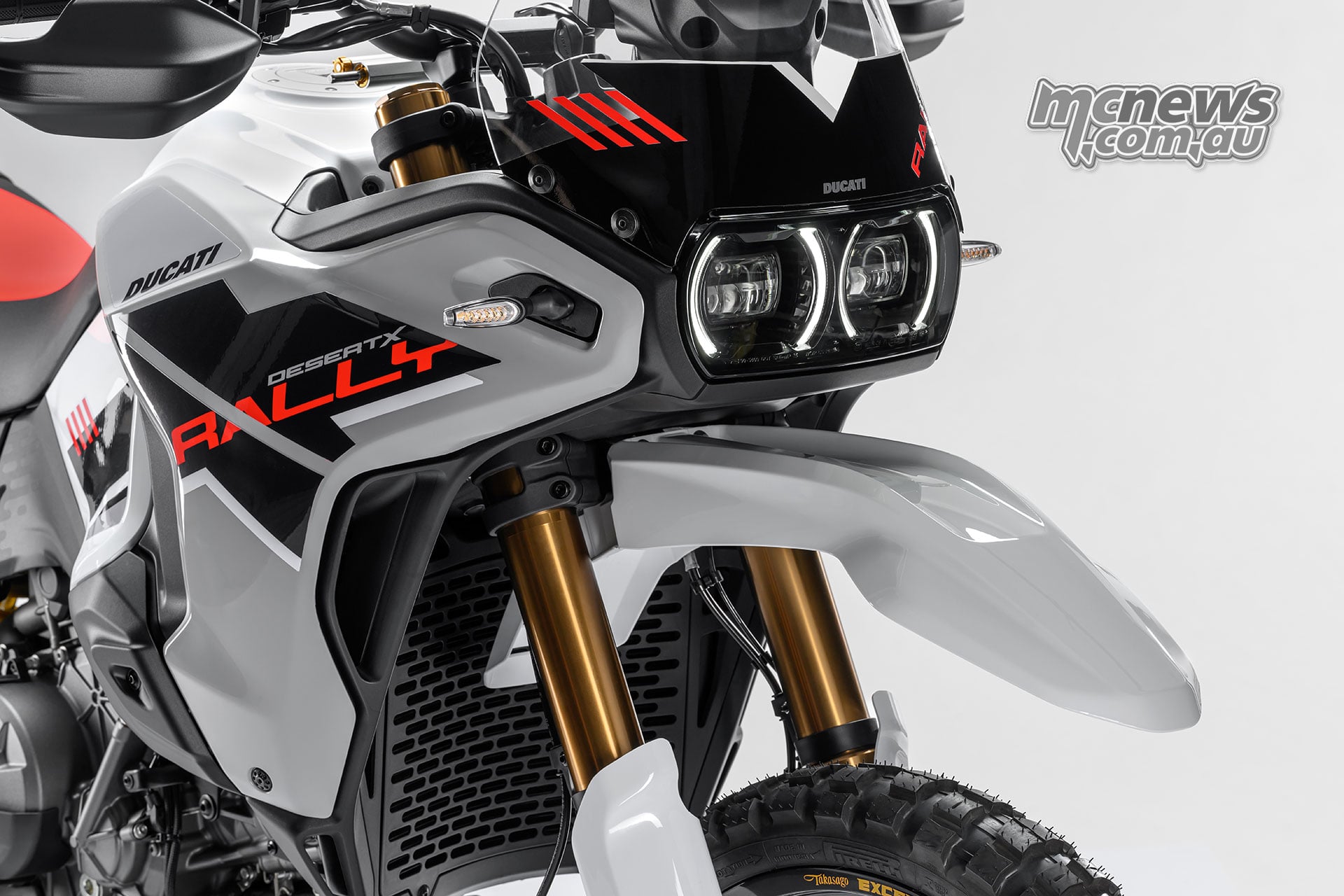
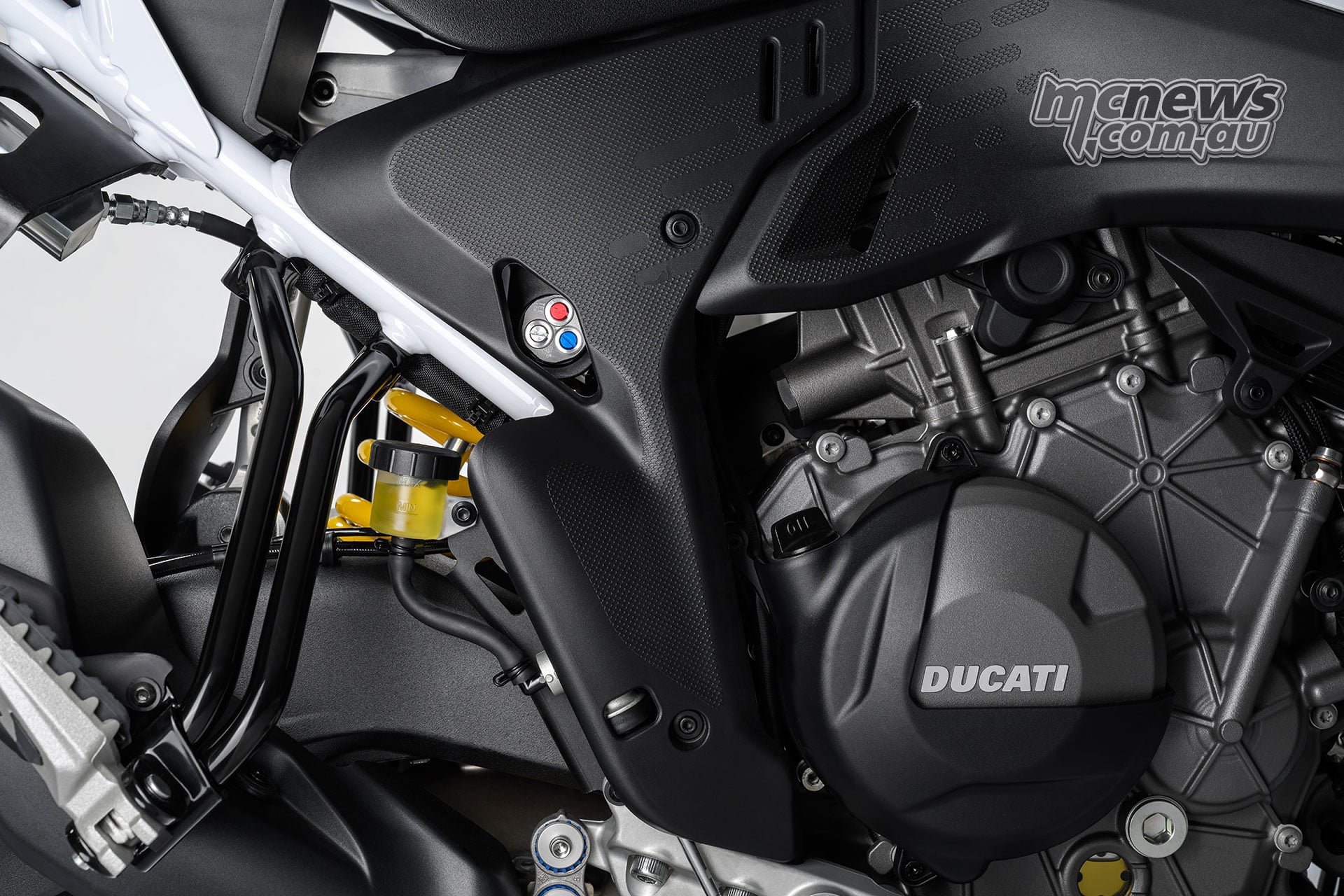
That comes as the Rally moves onto the latest DesertX platform, replacing the 937 cc Testastretta twin and steel trellis main frame with the 890 cc Ducati V2 and a monocoque chassis. It also features a new progressive Full Floater rear suspension arrangement, while the Rally retains its emphasis on specialist KYB suspension.
Smaller capacity, familiar numbers
The engine loses 47 cc, with the quoted peak outputs remaining at 110 hp and 92 Nm. Those are the same headline figures as the previous 937 cc Rally, putting the emphasis on how the new engine delivers its performance.
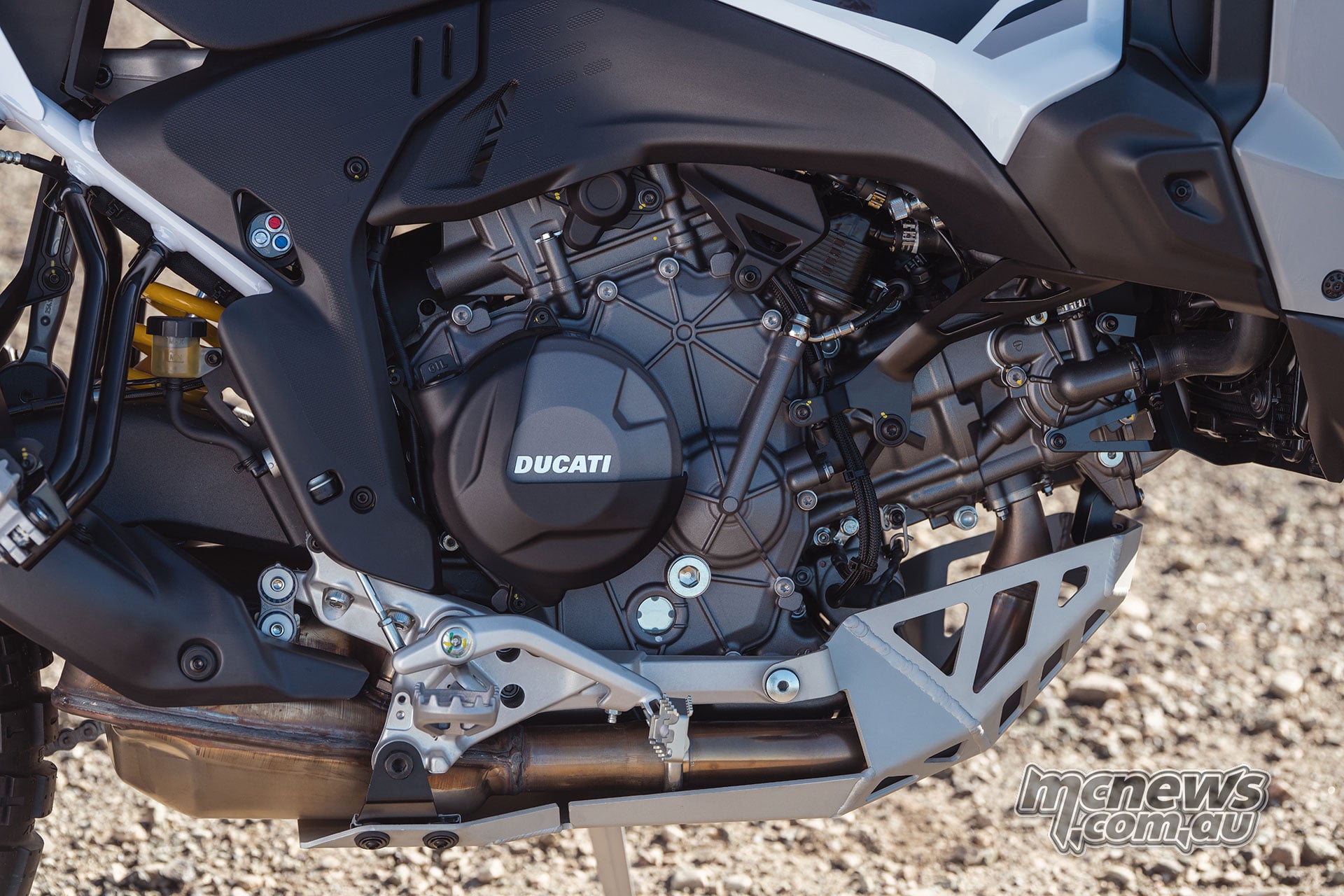
Ducati’s latest V2 uses variable intake valve timing to broaden its torque delivery. The company highlights the new Rally’s low- and mid-range response, which is where much of the work gets done when picking through rough terrain or driving out of loose corners.
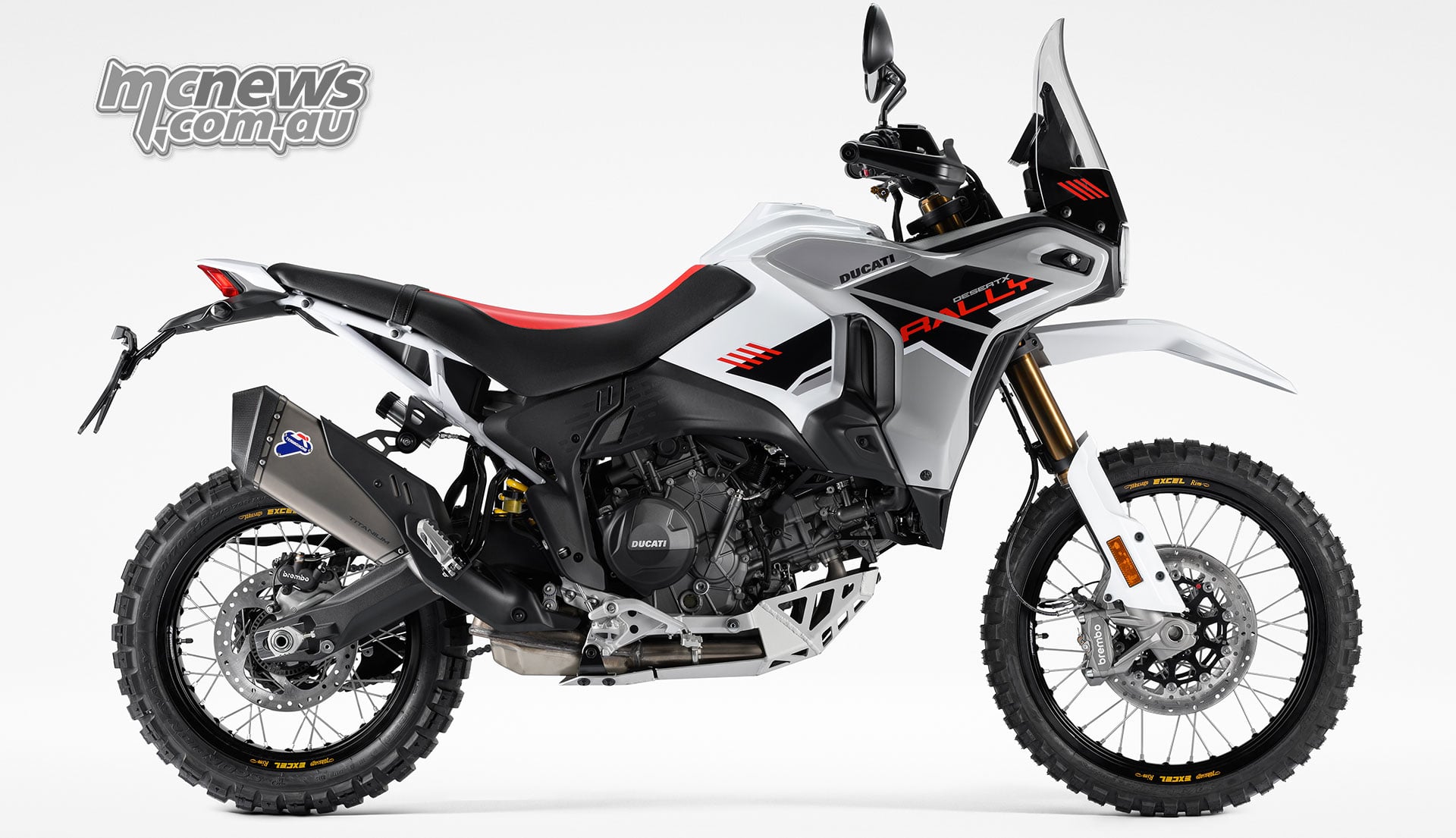
For this sort of motorcycle, a tractable response at low revs matters every bit as much as what happens near the redline. The smaller twin also brings the Rally into the new generation of DesertX chassis, making this a substantial platform change.
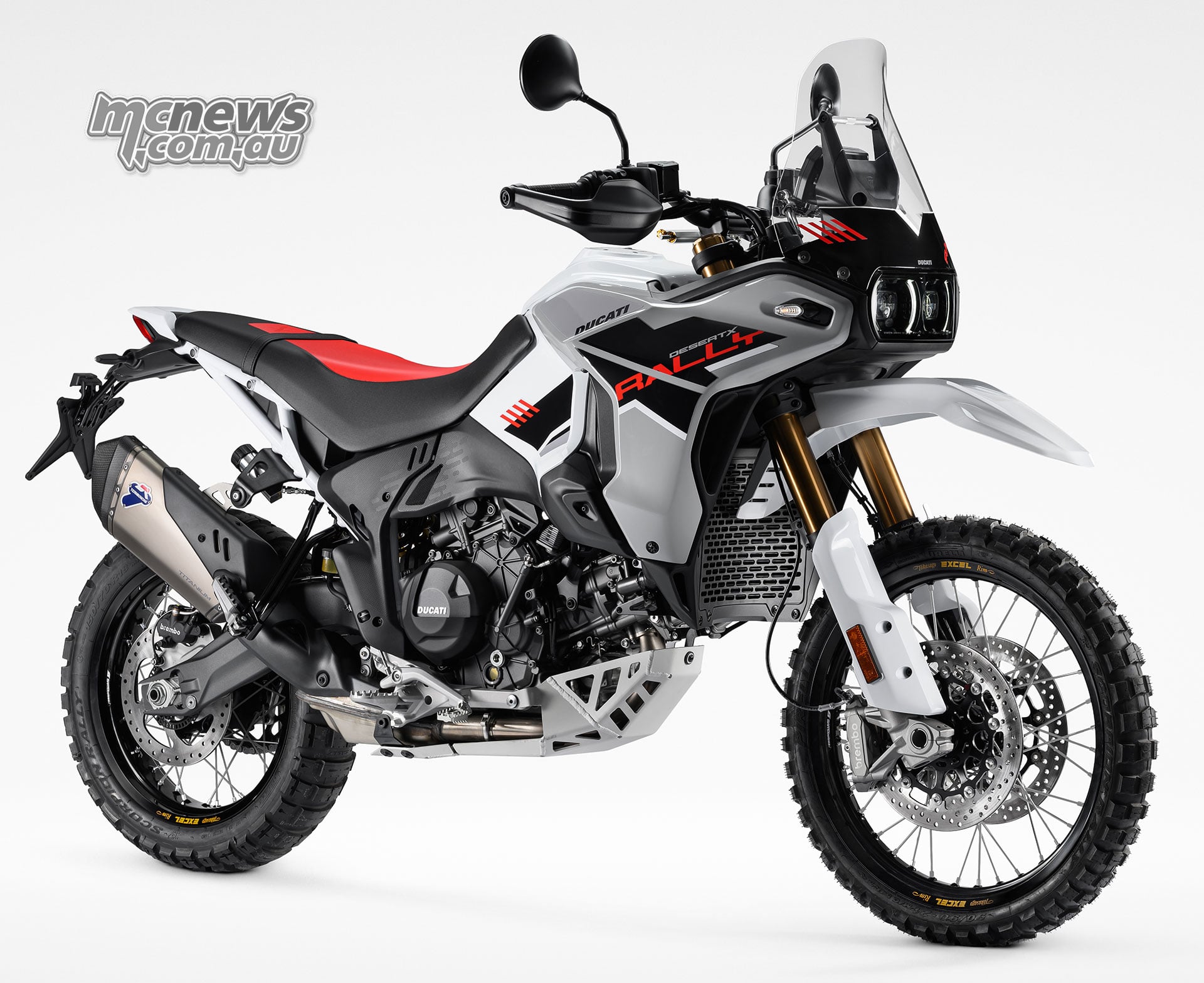
New chassis beneath familiar Rally hardware
The original DesertX Rally already took its suspension seriously. Its 48 mm closed-cartridge KYB fork, Kashima and DLC surface treatments, and adjustable Öhlins steering damper were key parts of the package.
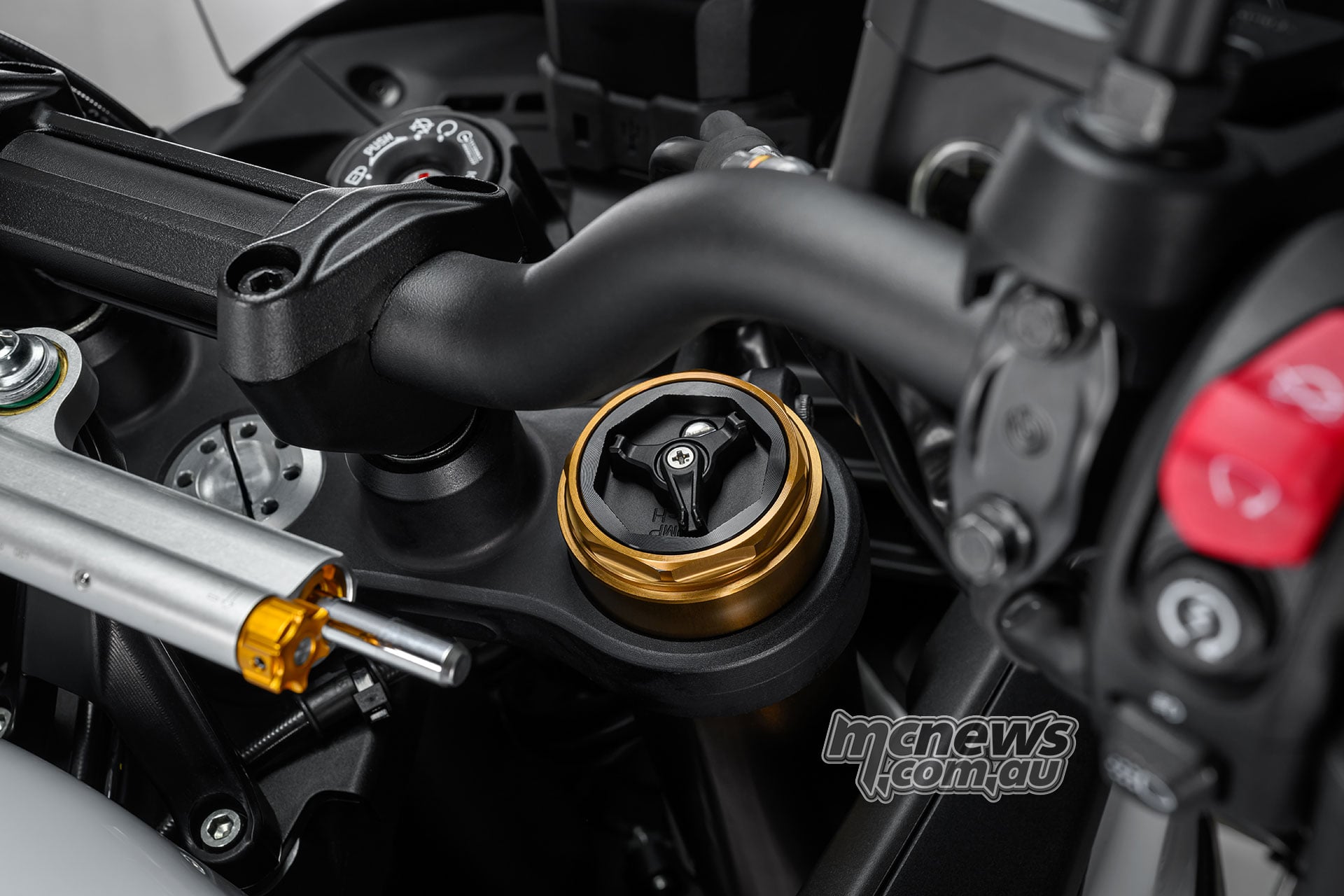
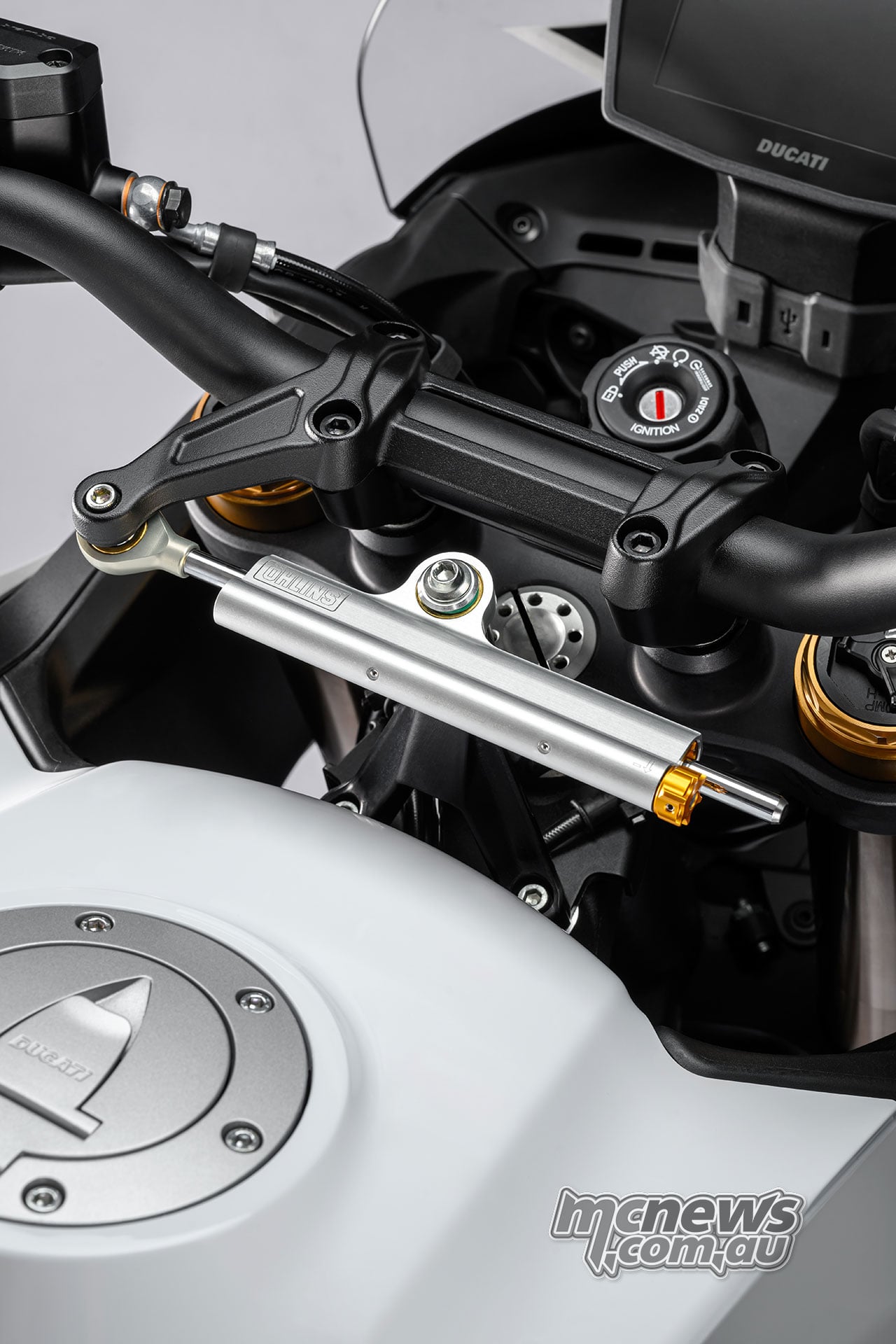
That approach continues for MY27, with a closed-cartridge KYB fork and fully adjustable rear shock. These components have to cope with the considerable demands of pushing an adventure bike through terrain more commonly associated with much lighter enduro machines.
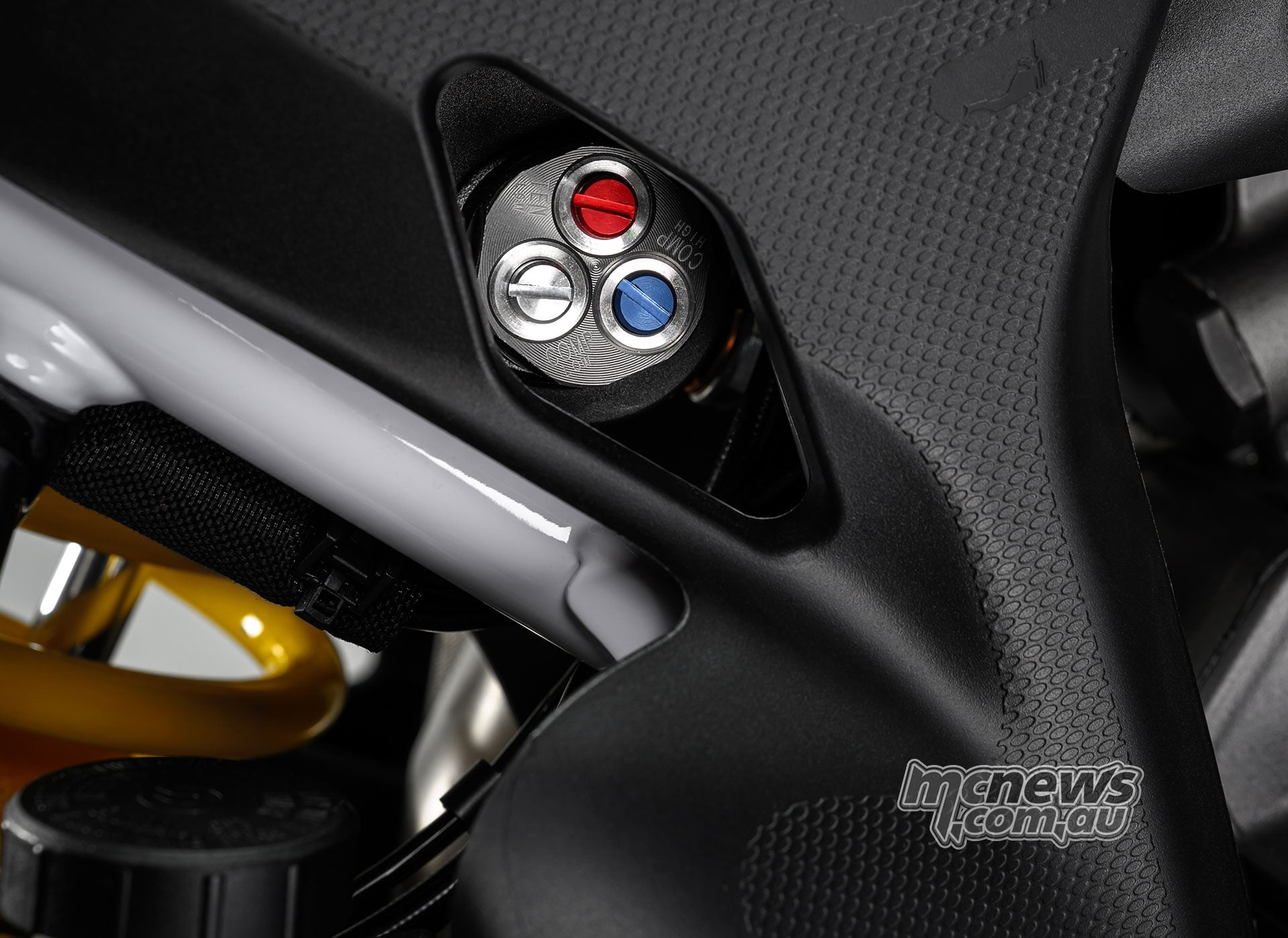
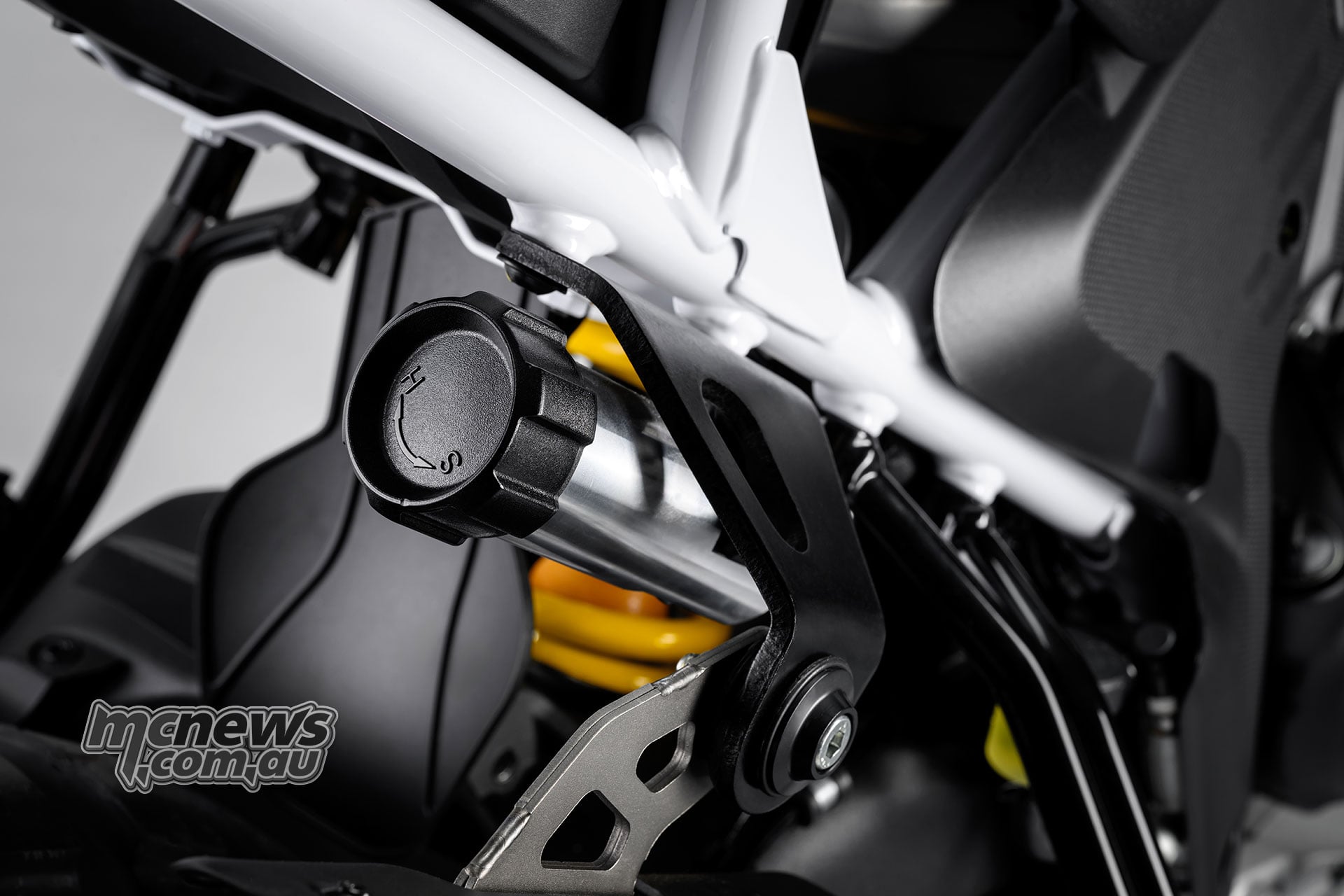
The previous DesertX Rally used a fully adjustable KYB shock with a 46 mm piston, mounted directly between the frame and swingarm without a separate linkage. For 2027, Ducati introduces a progressive linkage, which it calls Full Floater. This changes the relationship between rear-wheel movement and shock compression as the suspension moves through its travel. Ducati says the arrangement provides a softer initial response with greater support deeper into the stroke. The previous Rally already had high-spec suspension; the significant change is how the rear shock is actuated.
Tubeless wheels make a practical difference
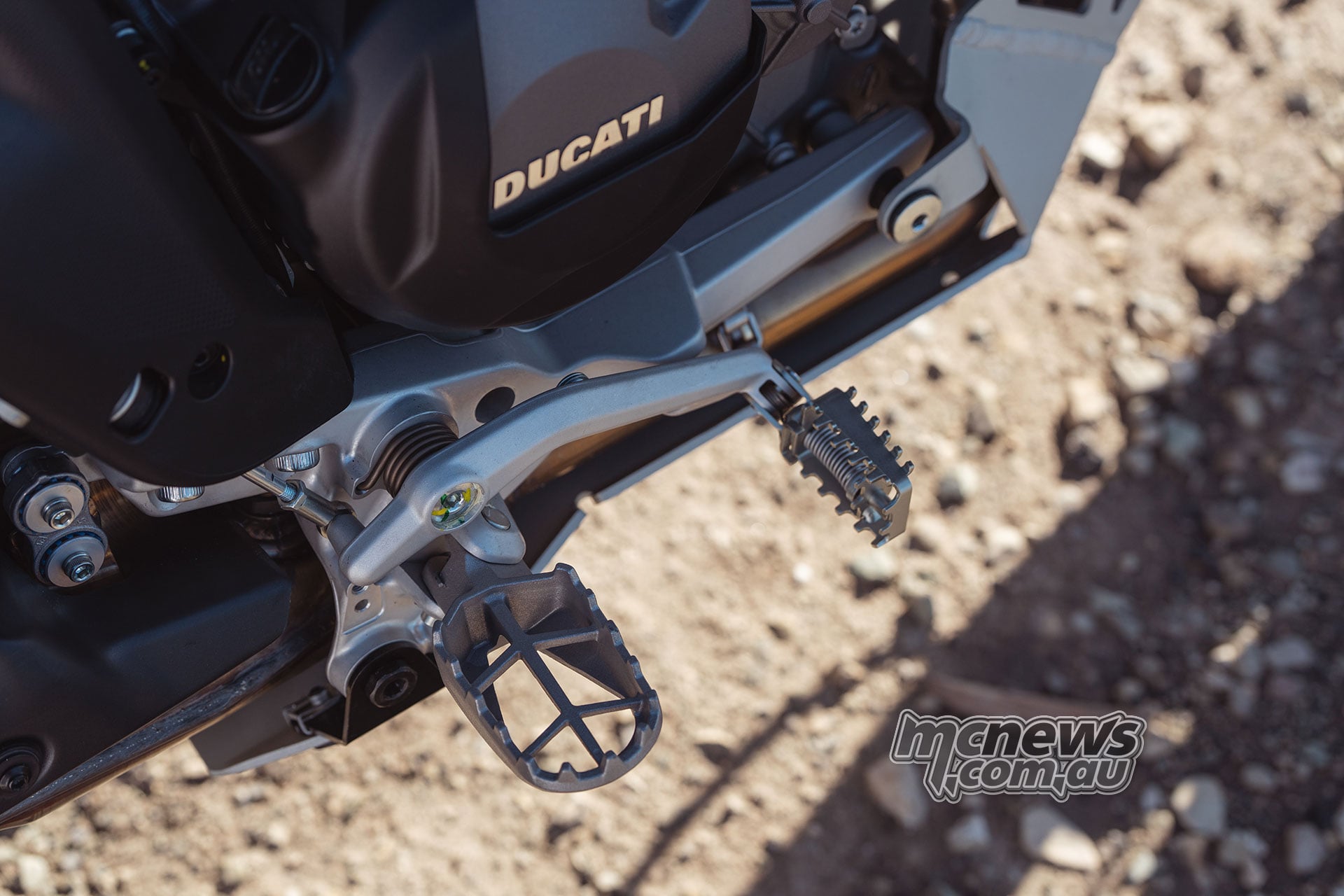
The original Rally used tube-type Takasago Excel rims, even though the regular DesertX ran tubeless wheels. For 2027, the Rally gets new Takasago Excel tubeless rims while retaining the 21-inch front and 18-inch rear wheel combination.
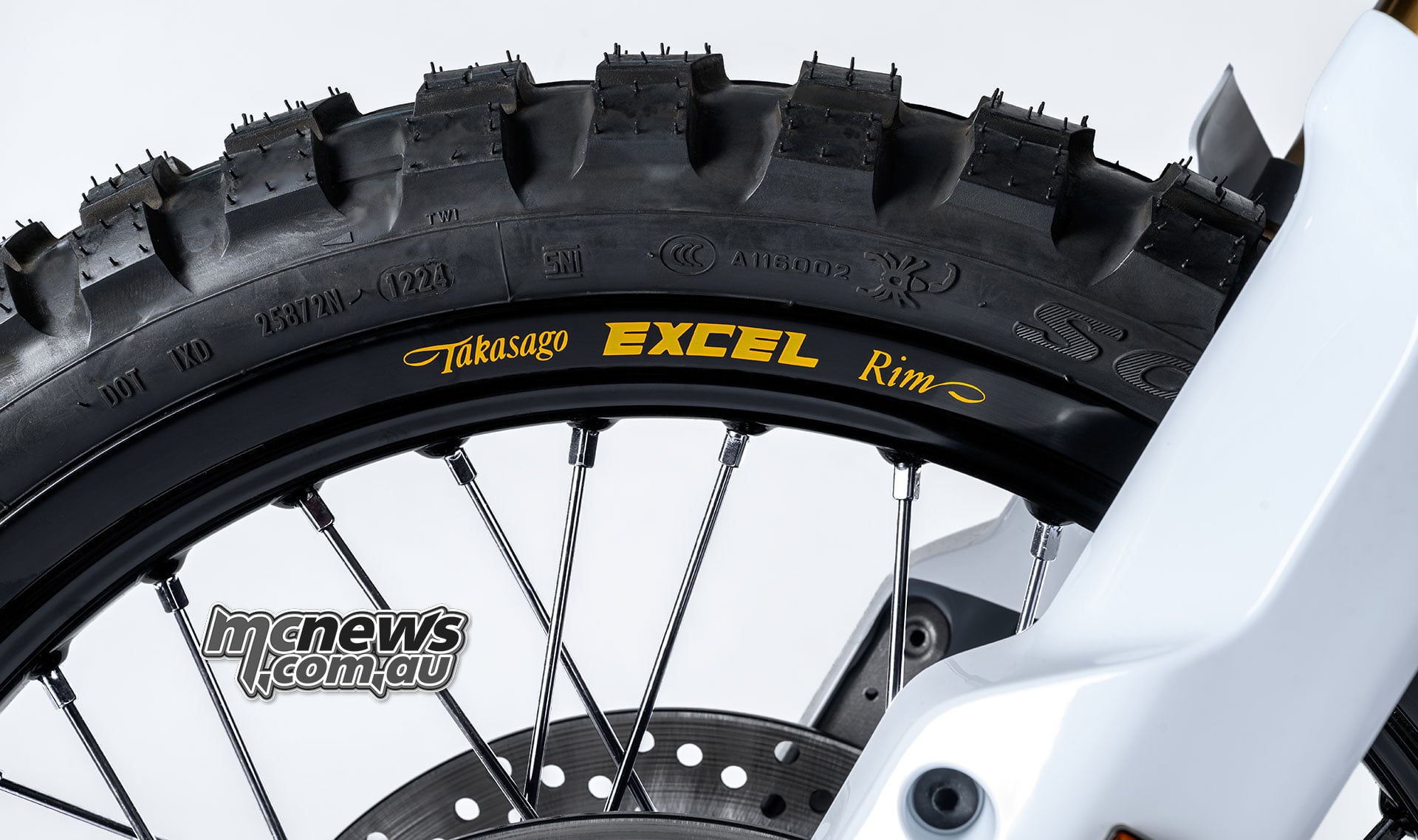
Anyone who has wrestled an inner tube out of a big adventure bike’s rear wheel beside a remote track will appreciate the significance of that change.
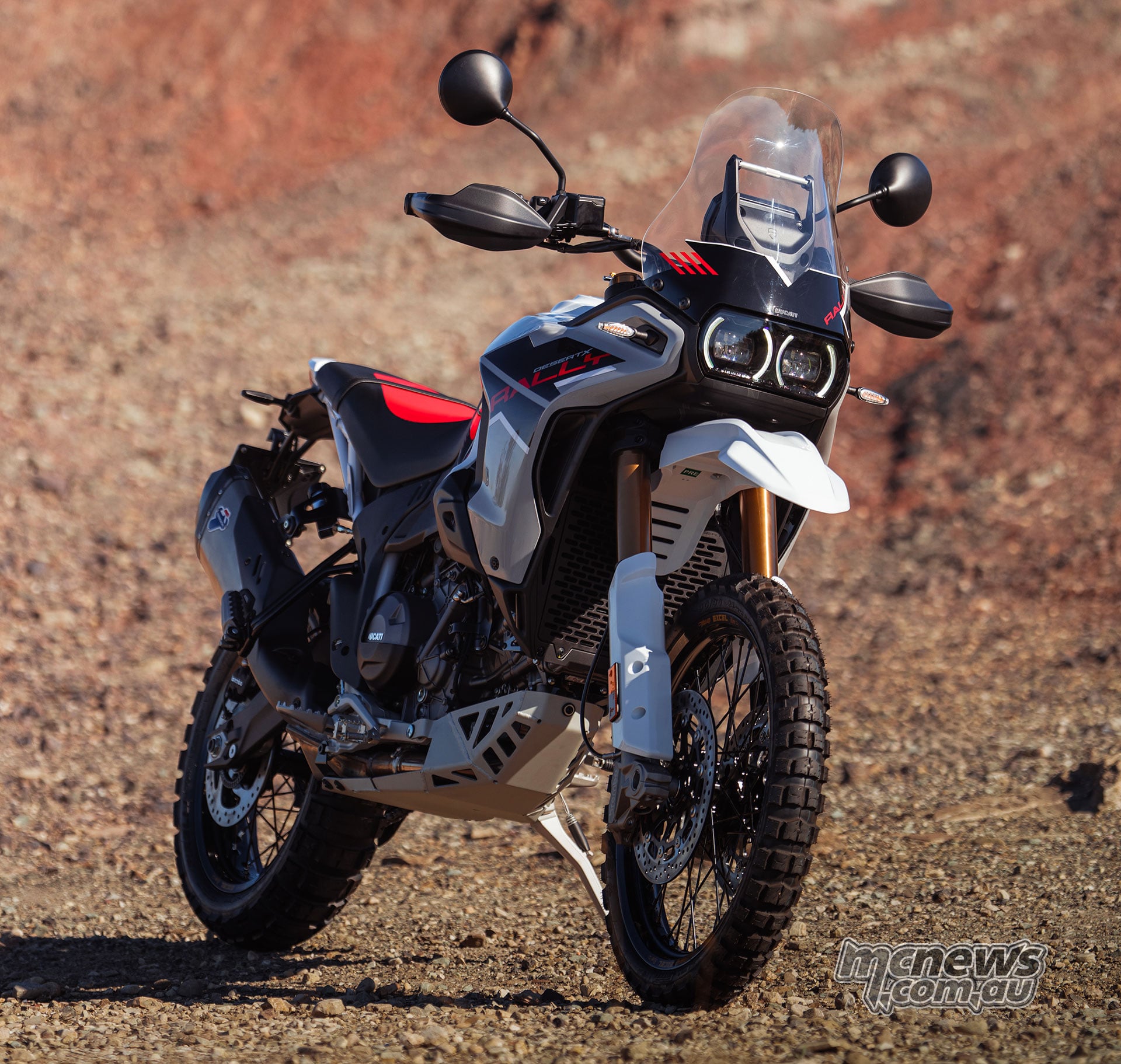
The new rear rim uses 36 spokes, while Ducati points to narrower rim profiles as part of the off-road package. Ducati says the new rims improve impact resistance while reducing wheel weight.
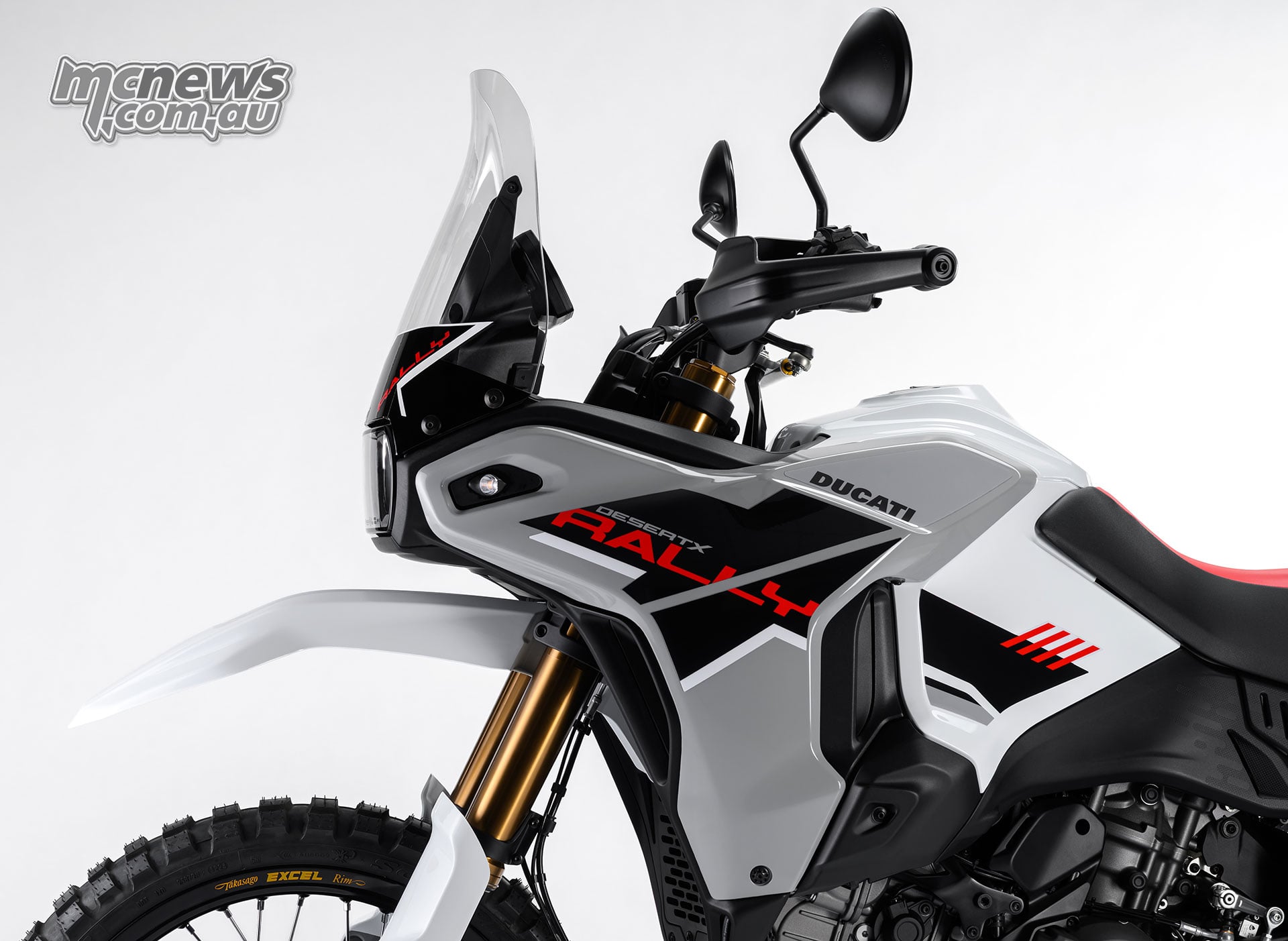
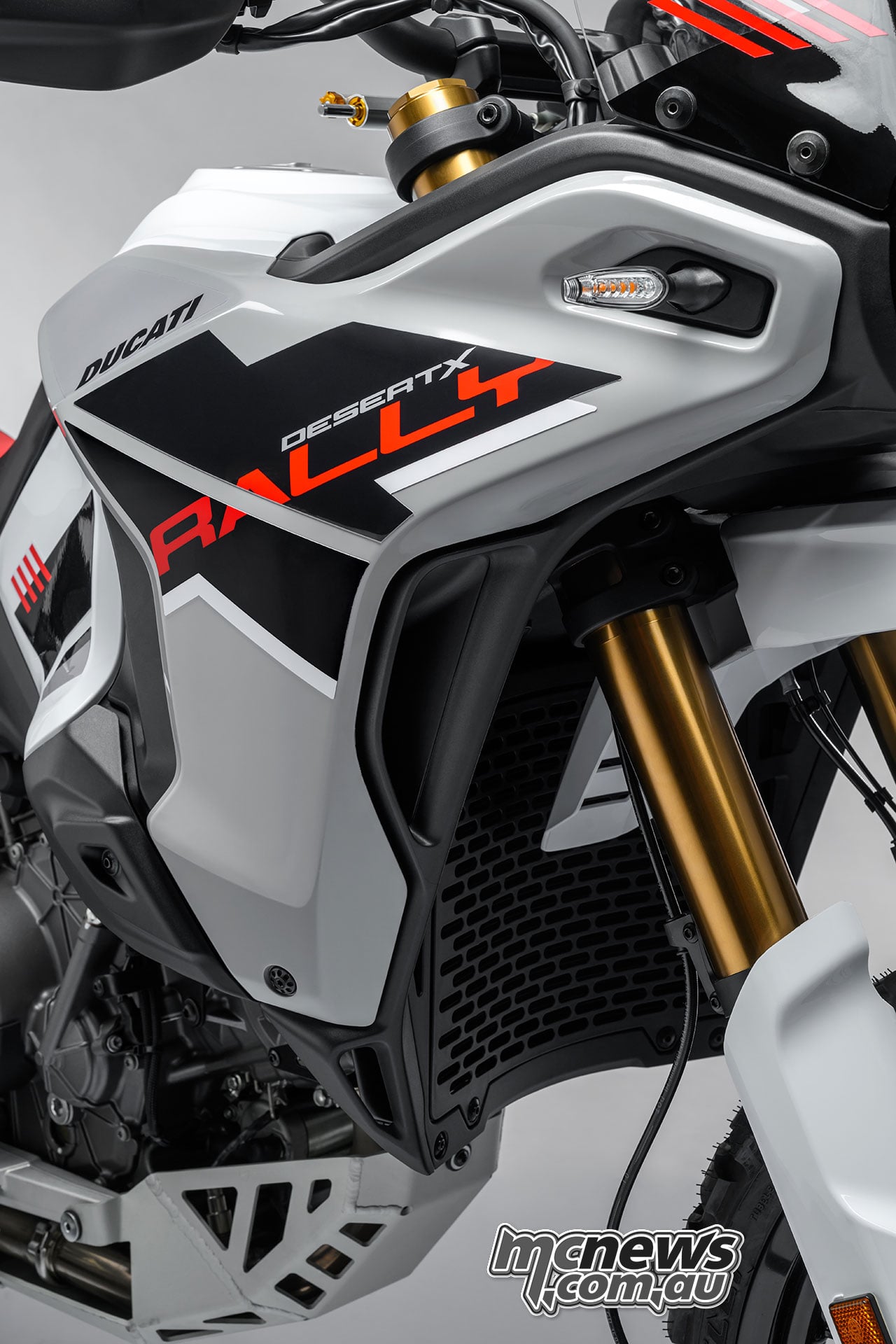
For riders who use their Rally for long trips as well as ambitious days in the dirt, those wheel changes deserve a prominent place in the conversation alongside the new engine and chassis.