

Bajaj Mobility AG
KTM recovery moves into its next phase
Bajaj Mobility AG has released its 2025 annual financial report, and for KTM watchers, the headline is straightforward enough. The group is back in profit, inventory is down sharply, debt has been reduced, and management says 2026 has started strongly.
Revenue for 2025 came in at €1.009 billion from 209,704 motorcycles sold, while EBITDA was €874 million, EBIT €748 million and net profit €590 million. Net debt was reduced to €798 million, the equity ratio improved to 24.3 per cent, and inventory fell by 101,153 units.
The numbers, however, need context. Bajaj Mobility also booked a restructuring gain of €1.193 billion during the year, so this is not simply a case of KTM suddenly roaring back to full health on operating performance alone. What the report really suggests is that the hard reset of 2025 has done its job well enough to give the group a firmer base for 2026.
That is a significant change from where things stood when MCNews first began charting KTM’s financial slide in late 2024. Back in October 2024, MCNews reported that first-half revenue had dropped 27 per cent and the group had slumped to an operating loss of just under €200 million as management cut staff, reduced production and tried to contain the damage.
By January 2025, the picture had darkened further, with restructuring proceedings underway and KTM’s finances under close scrutiny after an Alpine Creditors Association meeting. Then came the major February turning point, when creditors accepted KTM AG’s restructuring plan, including a 30 per cent cash quota to be paid by May 23, 2025.
That May deadline became the next critical moment in the saga. MCNews reported at the time that Bajaj was stepping in with the funding needed to get KTM through the creditor payment hurdle, a move that also pointed clearly toward greater control of the Austrian group. By August, MCNews was covering first-half 2025 numbers that showed the restructuring profit had pushed earnings positive, while production had resumed on all four Austrian lines by the end of July.
The formal shift then came in November 2025, when Bajaj Auto B.V. became the sole owner of Pierer Bajaj AG and approved the change of the company’s legal name from PIERER Mobility AG to Bajaj Mobility AG. That was more than a cosmetic rename. It confirmed who was now steering KTM’s future.
The new 2025 report suggests the group has used that reset to put more durable funding in place. Bajaj Mobility says KTM AG has secured a new €550 million unsecured loan from an international banking consortium, replacing a higher-interest €450 million loan from Bajaj Auto. It has also added a €150 million factoring facility and a €50 million working capital facility, while sharpening its focus by divesting MV Agusta, KTM X-Bow and the bicycle business.
There is still no real case for declaring the whole saga finished. Management itself flags geopolitical uncertainty as a live risk, and the recovery still has to prove itself through normalised trading rather than restructuring-led optics. But compared to the position KTM was in across late 2024 and early 2025, this is a far more stable footing.
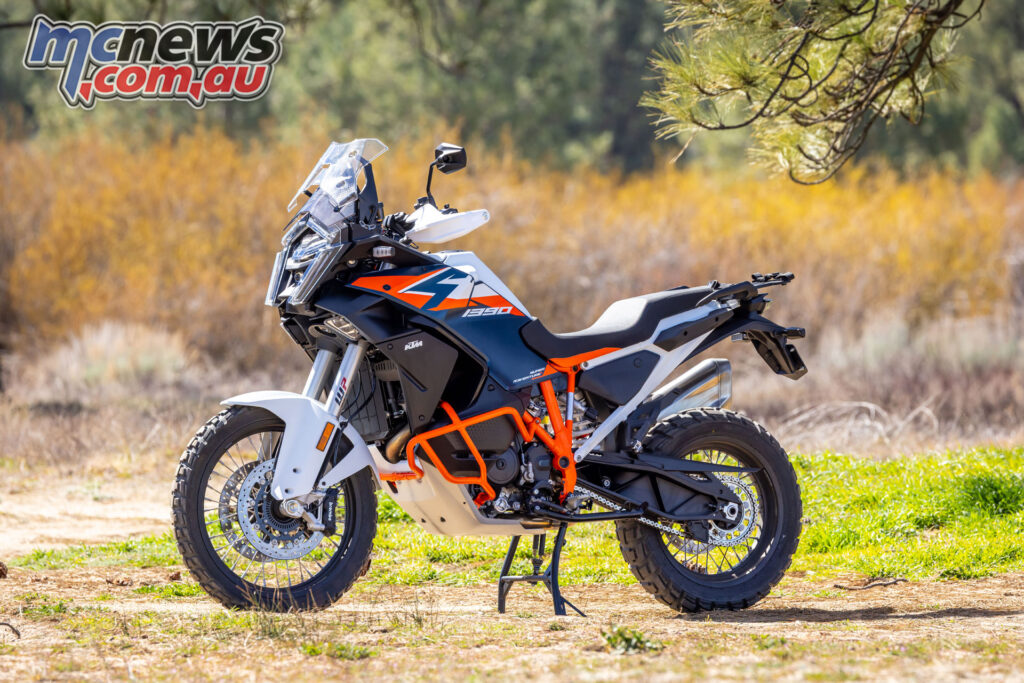
Bajaj Mobility says motorcycle sales in the second half of 2025 rose around 60 per cent over the first half, and that the first quarter of 2026 has already started at more than double the level of the same period last year. The group also points to new models, including the KTM 990 RC R, KTM 1390 Super Adventure S Evo, updated LC4 models and refreshed Husqvarna 701 models, as part of that next phase.
For KTM dealers, owners and would-be buyers, that probably matters more than the accounting headline. The company is now trying to turn a survival story into a business recovery story. After the past 18 months, that is about as much progress as anyone could realistically have hoped for. Supported by Bajaj’s capital, KTM now looks to have stepped out of the danger zone and into the much harder task of rebuilding trust, sales and momentum.