

2026 KTM 1390 Super Adventure R Motorcycle Test
With Rennie Scaysbrook
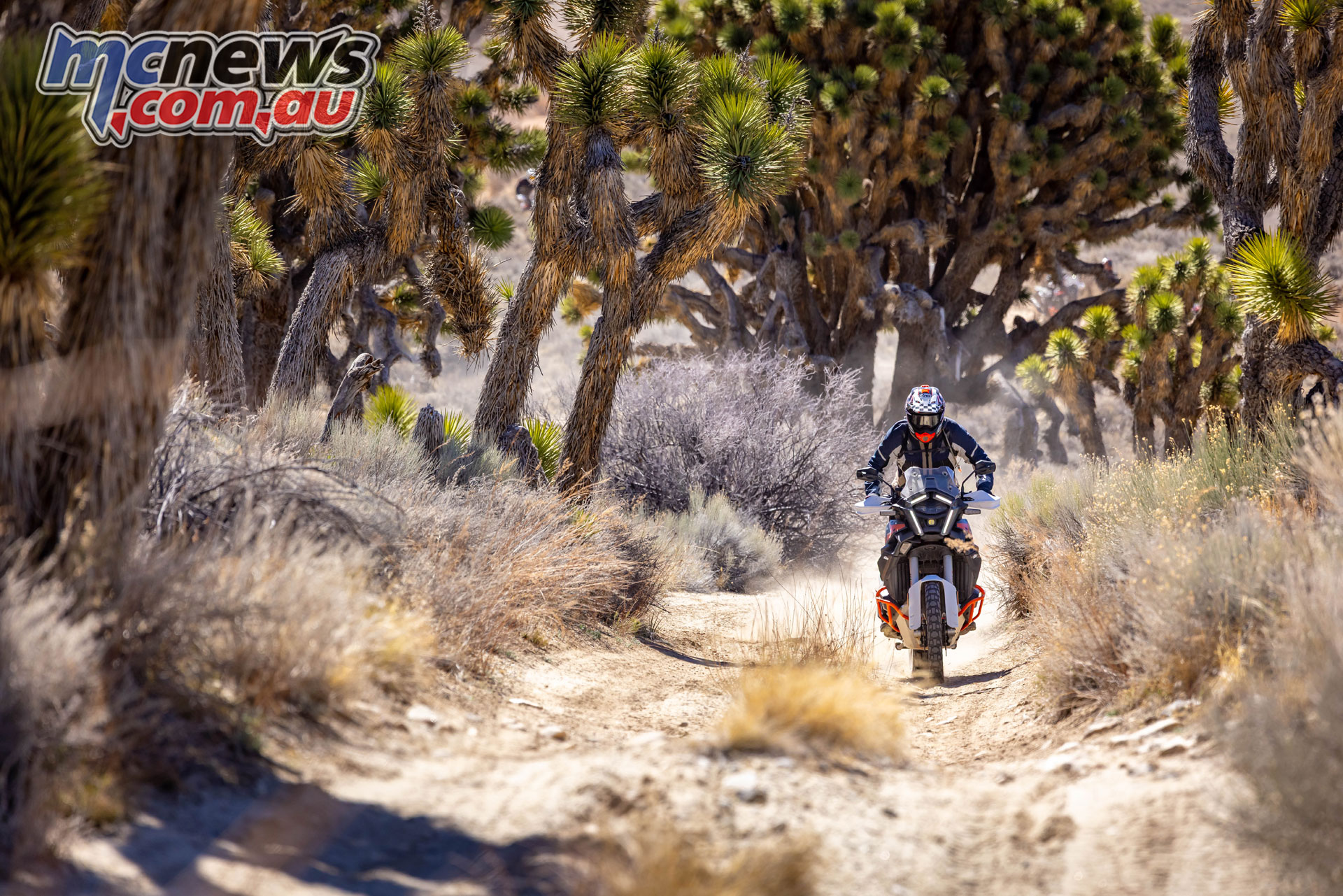
Oh, for the love of horsepower. At no point in my life did I ever wish to have a claimed 173 Austrian ponies ploughing away under the family jewels while ripping through the Southern California desert, but here we are.

That level of go is absolute overkill for 99 per cent of the riding you or I will put the new KTM 1390 Adventure R through, but it’s nice to have it all the same. It’s out with the old 1290, in with the new 1390.

It should come as no surprise that KTM has built such a beast. The company has been locked in a battle for big-bore ADV supremacy with neighbours BMW and Ducati for the last five years or so (and last few decades if you’re talking just KTM and BMW).
The arms race for outright power bragging rights is now firmly in 1000 cc superbike territory, which is a lot to have to put through a Dunlop Trailmax Raid rear tyre.

There are very few components on the 2026 1390 R that were there a year before. Engine size has been jacked up, and you now get variable valve timing, which debuted on the 2024 Super Duke R.

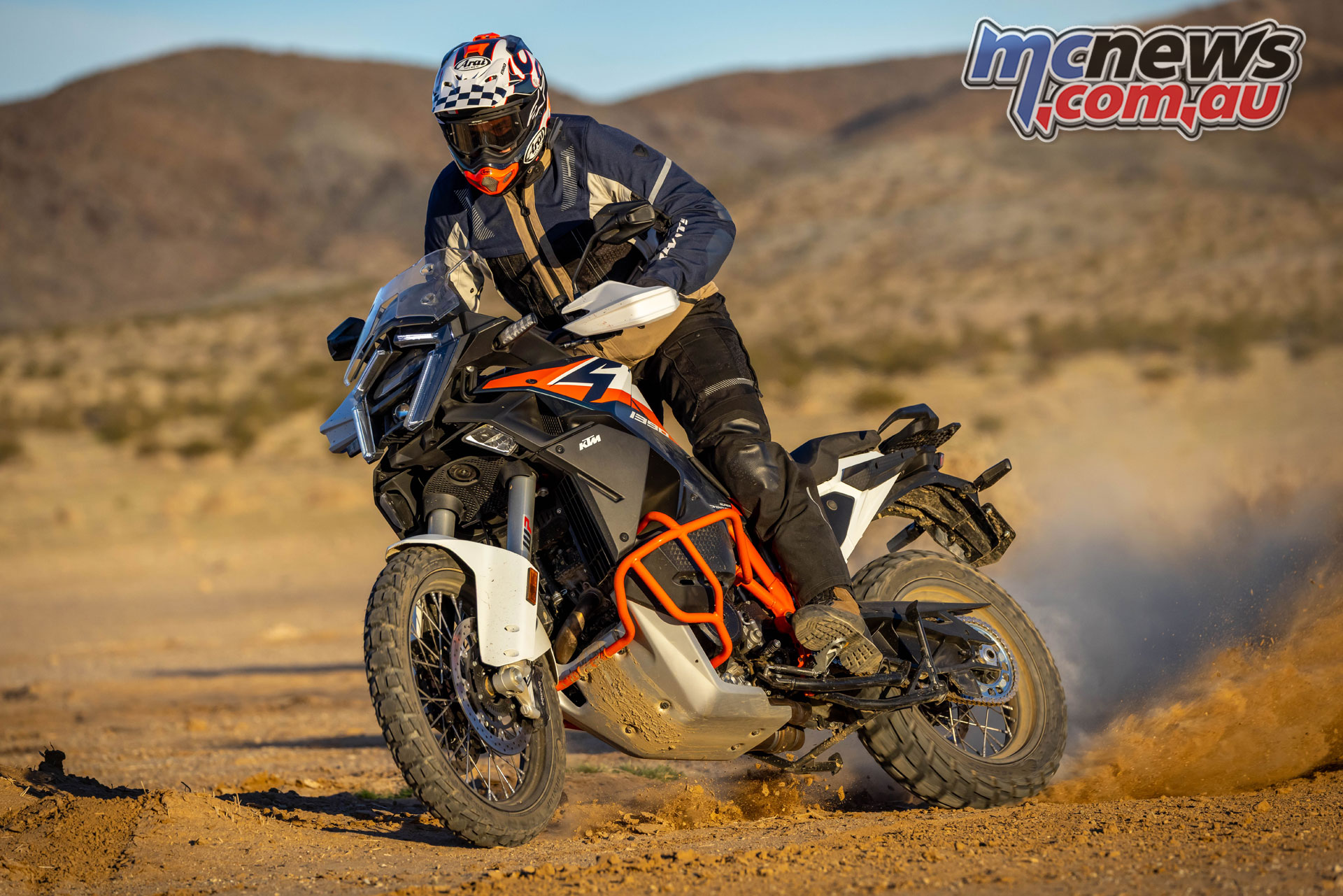
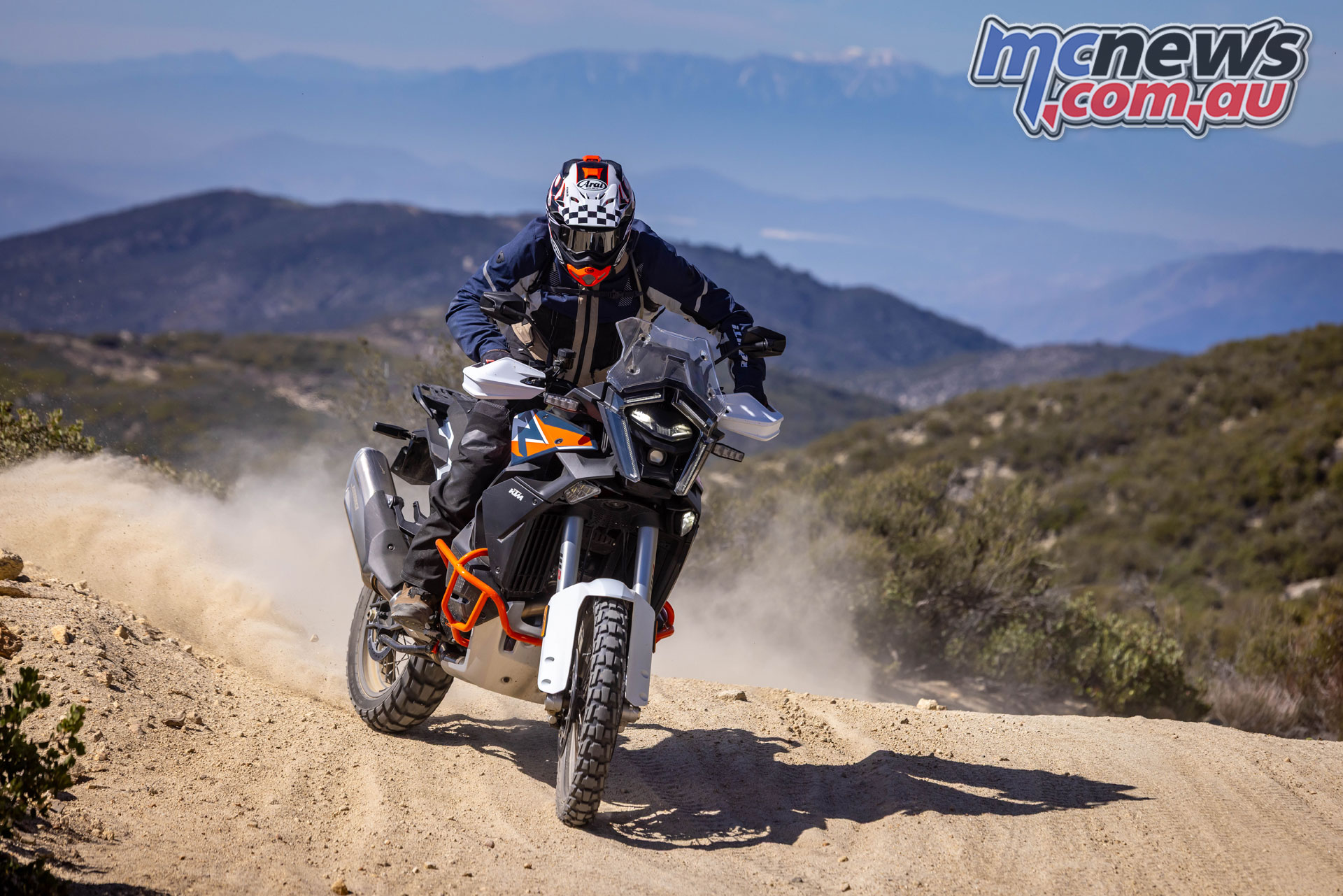
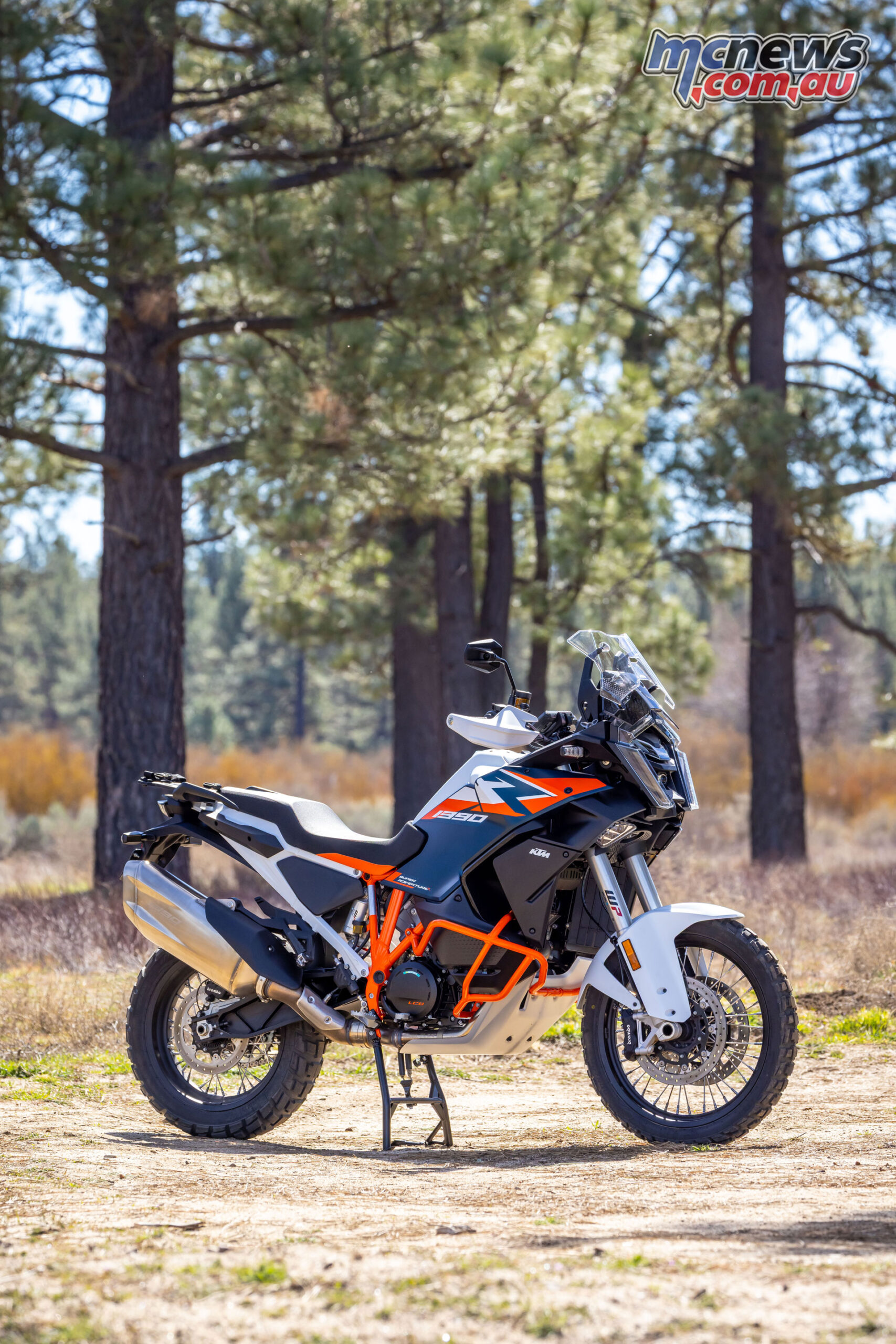
The chassis has been revised, the bodywork is all new, and the electronics are ground-up redeveloped via the massive rally-style eight-inch touchscreen tower tablet. Resplendent in a new blue, orange and white colourway, the 1390 R is a monster of a motorcycle, capable of almost any on or off-road riding you could throw at it. It’ll out-travel most travel bikes, and out-ADV most ADV bikes. That’s a hard trick to pull off.
The centrepiece of the 1390 is KTM’s latest version of its LC8 V-twin. Displacement increases by 49 cc to 1350 cc, achieved through a 2 mm larger bore at 110 mm, combined with the 71 mm stroke.

Output is claimed at 173 horsepower with 145 Nm of torque, numbers that put the 1390 firmly at the top end of the adventure bike performance spectrum, even ahead of the Ducati Multistrada V4 S. Despite those eye-opening figures, KTM has ensured the engine remains manageable in demanding off-road terrain where precise throttle response is essential.
One of the key technologies helping achieve that balance is KTM’s Camshift system, which introduces the variable valve timing that debuted on the Super Duke a few years prior. The intake camshaft can move laterally between two different cam profiles depending on engine speed and load.
At lower rpm, the system uses a milder cam shape, reducing valve lift and duration to improve smoothness, torque delivery and fuel efficiency. When revs climb above 6500 rpm, the camshaft transitions to a more aggressive profile, allowing the engine to breathe more freely and unlocking stronger top-end performance.

The result is an engine that feels tractable and predictable when navigating technical trails, yet still delivers immense acceleration when the rider opens the taps on tarmac roads (or off-road, too).
It’s one big electronic maze because you have up to eight possible ride modes to meter the torque delivery, which can turn the 1390 from a fire-breathing trail terror into a bit of a wet noodle for sedate, wet weather tarmac riding.
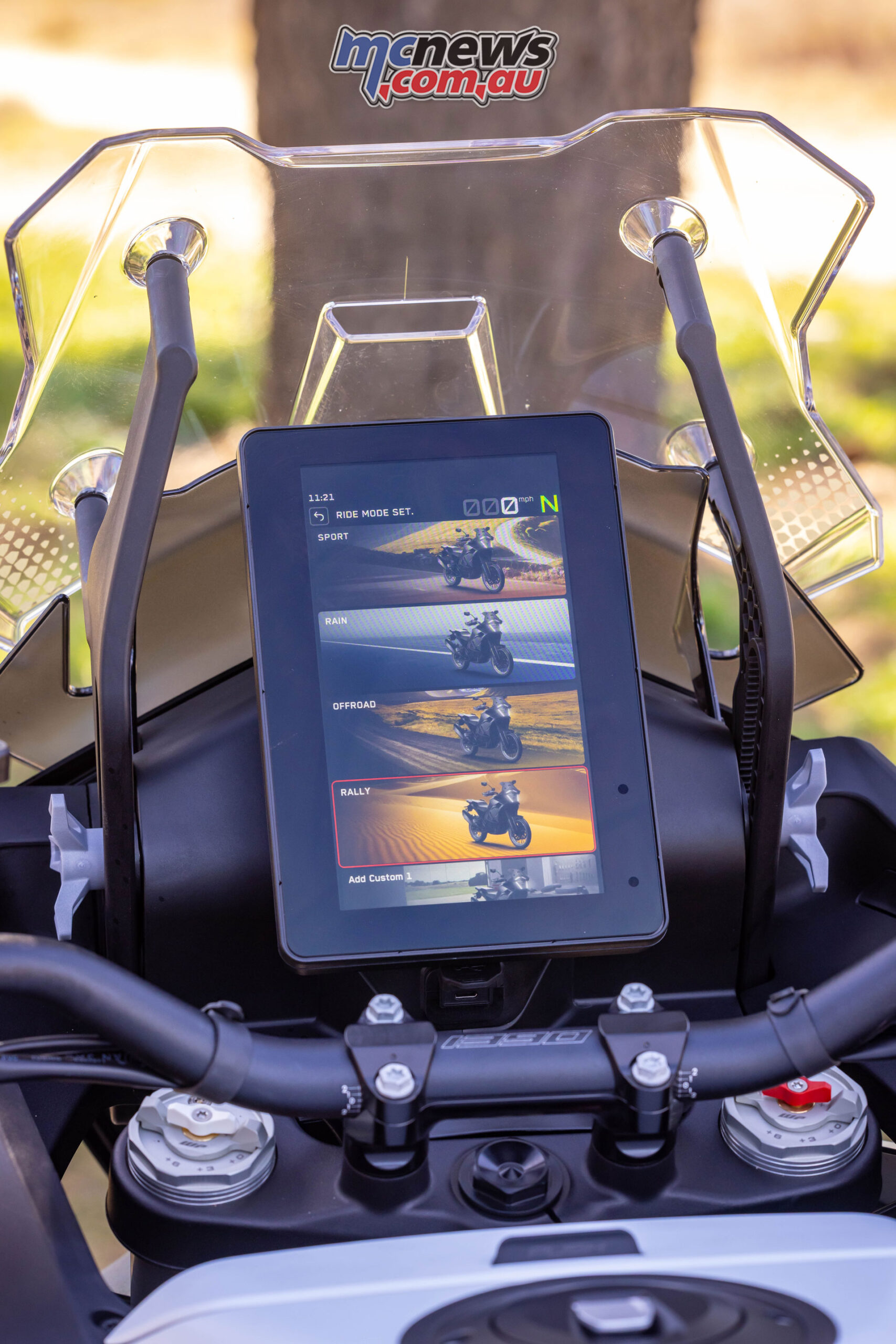
At your command via the brilliant eight-inch TFT touch screen tablet-style display, you have Rain, Road, Sport, Off Road and Rally (if you opt for the full Tech Pack or more limited Rally Pack (see below)). Rally mode will give you the full 173 hp but tapers the throttle response’s immediacy, making for a 248-odd kilo pussycat of a bike on loose topsoil and tight trails.
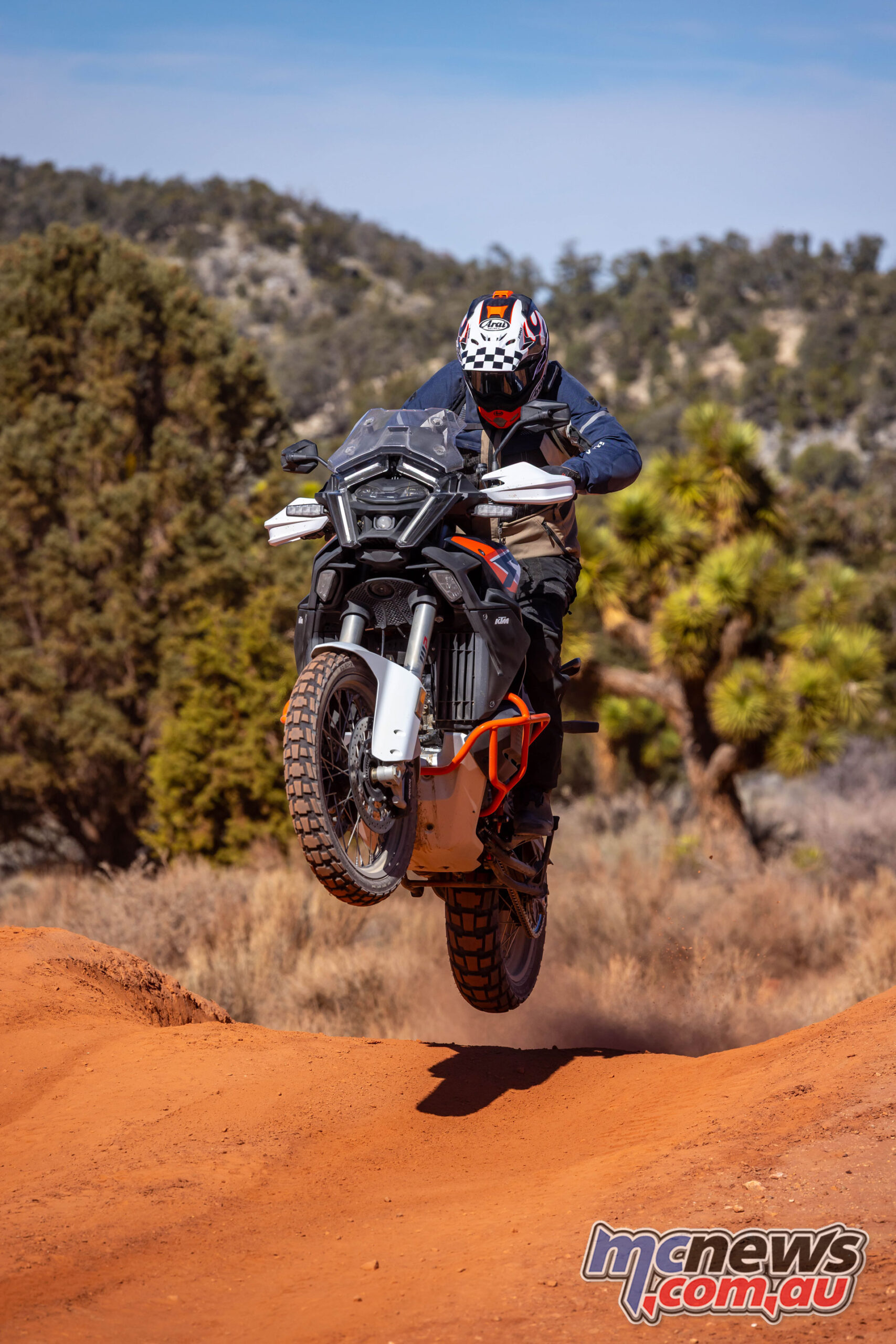
The wild part is you still have 173 hp at your disposal, and as I found out a couple of times after getting too complacent, the 1390 will still bite you hard if your mind isn’t on the job. The motor has so much power all through the rev range and will even pull fifth gear (yes, fifth gear!) power wheelies, which is something I’ve never experienced before, even on factory-spec superbikes.
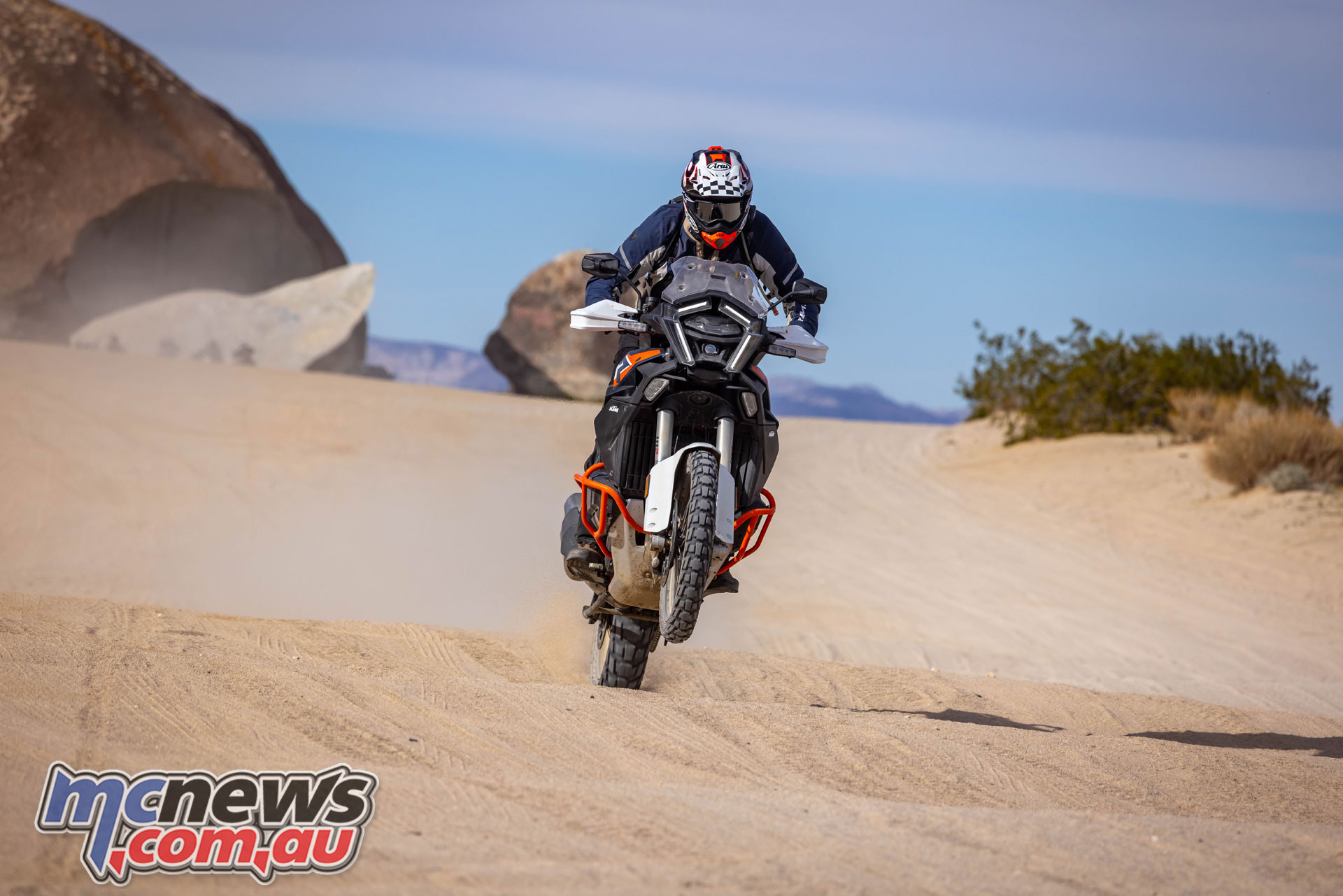
Yet despite that incredible number, the way KTM has massaged this monster of a motor to deliver, for the most part, unintimidating power delivery is truly impressive.
The go is delivered to the rear tyre via the six-speed ’box, but, and this really sucks for a bike costing this much, it doesn’t come with KTM’s Quickshifter+ system as standard fitment. It’s another damn thing you have to spec up in the KTM aftermarket catalogue, but it comes in the Tech Pack.

At least KTM has upped its manufacturer warranty to four years on the 1390 R. Valve clearance checks are now 60,000 km, so it’s possible the first owner won’t even need to do them before they sell their bike onwards.
The 1390 is a massive motorcycle, but the first time you sit on it, its sheer size doesn’t quite take over your senses as you’d expect. With a base seat height of 880 mm, the 1390 carries its size with an ease that belies its heavyweight looks.

KTM has reconfigured the rider triangle to give the pilot a little more breathing room. The handlebars are 15mm wider on both sides, with the footpegs lower by eight millimetres and wider by 10 mm. You will be able to purchase adjustable footpegs as part of the KTM aftermarket catalogue, but our test bikes just came with the stock pegs. The same goes for the seat.
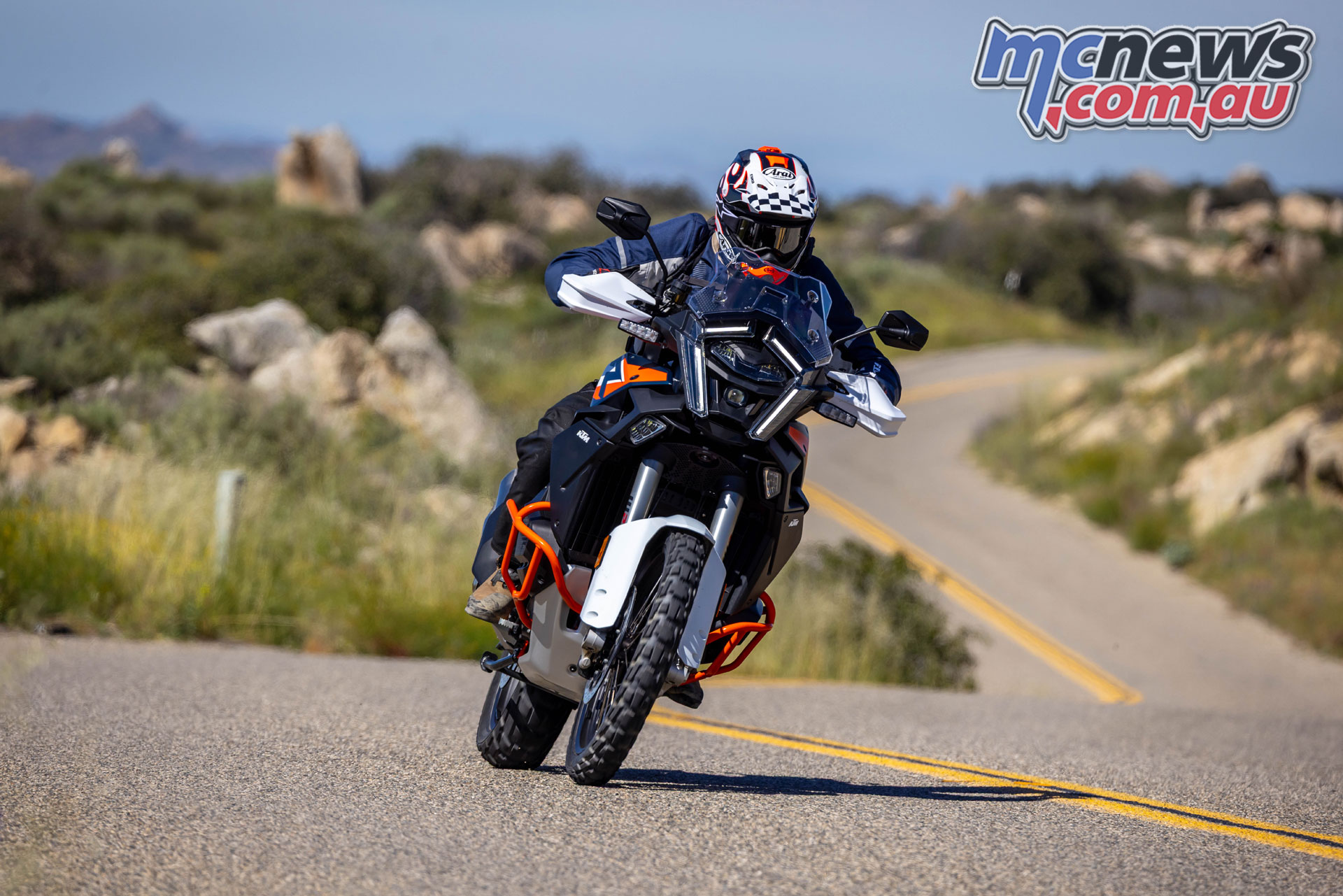
Although the 23L gas tank is the same as that of the 2024 1290 R model, the 1390 R’s bodywork has received a nip-and-tuck to direct hot air away from the rider and reduce buffeting at freeway speeds.

To that end, KTM has increased the screen adjustment by an extra 15 mm to 70 mm in total, but if you’re over six feet tall (183 cm) and you’ve got the screen at its highest setting, you will likely get the oncoming air ploughed straight into the peak of your helmet, and it’s not a pleasant experience. The best practice I found was to keep the screen at its lowest setting, with the air hitting my chest, and just deal with the wind blast.

In constructing the new tubular steel chassis, KTM stiffened it all round to the tune of 13 per cent longitudinally, 23 per cent laterally and a massive 73 per cent increase in torsional stiffness, with the wheelbase stretched 25 mm to 1577 (±15 mm), helping the 1390 to maintain stability at high speeds.
Despite its physical size, the Super Adventure R feels extremely nimble when you’re up and moving, particularly once you’re standing on the pegs.
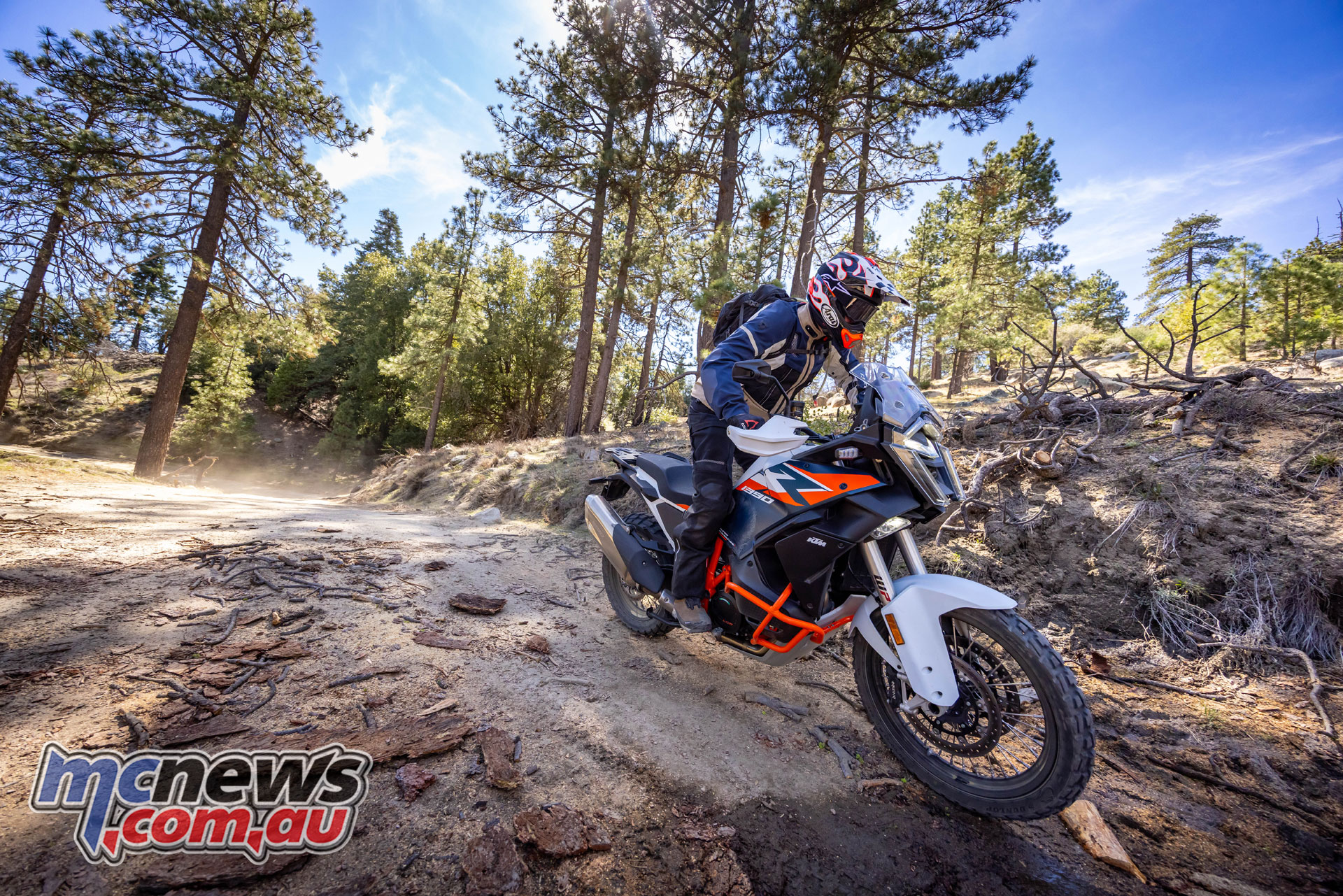
Suspension is supplied by KTM’s own subsidiary WP in the form of XPLOR components developed specifically for serious off-road riding. Up front sits a 48 mm upside-down fork offering 240 mm of travel, matched by a WP XPLOR PDS rear shock with the same amount of movement.
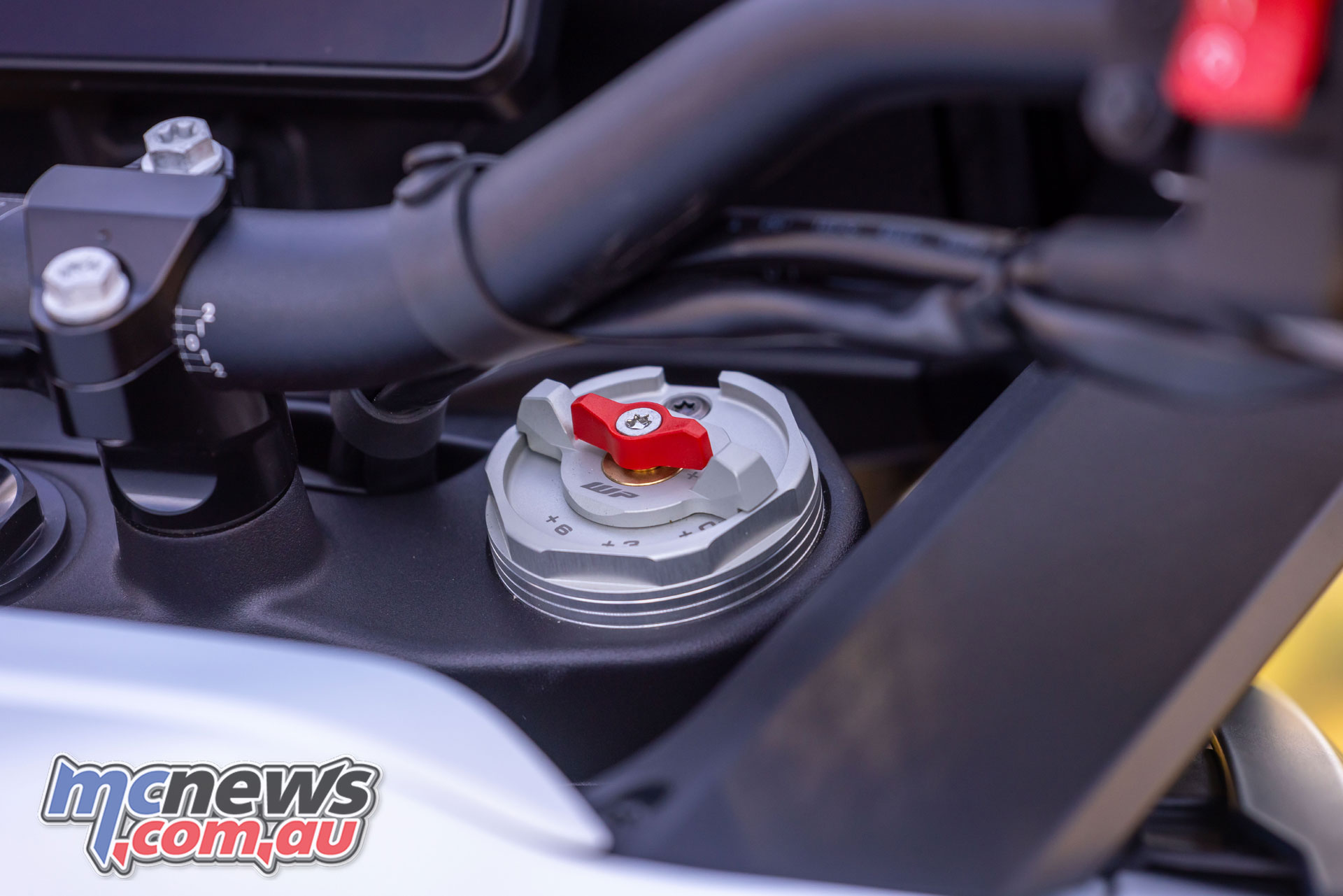
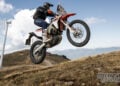
Both ends allow adjustments for compression, rebound and preload, giving riders the flexibility to tailor the setup to their weight, riding style and terrain. The long-travel suspension plays a crucial role in the bike’s off-road ability, allowing it to absorb large impacts and maintain traction over uneven surfaces. You can even jump the 1390, as I found out on the test.
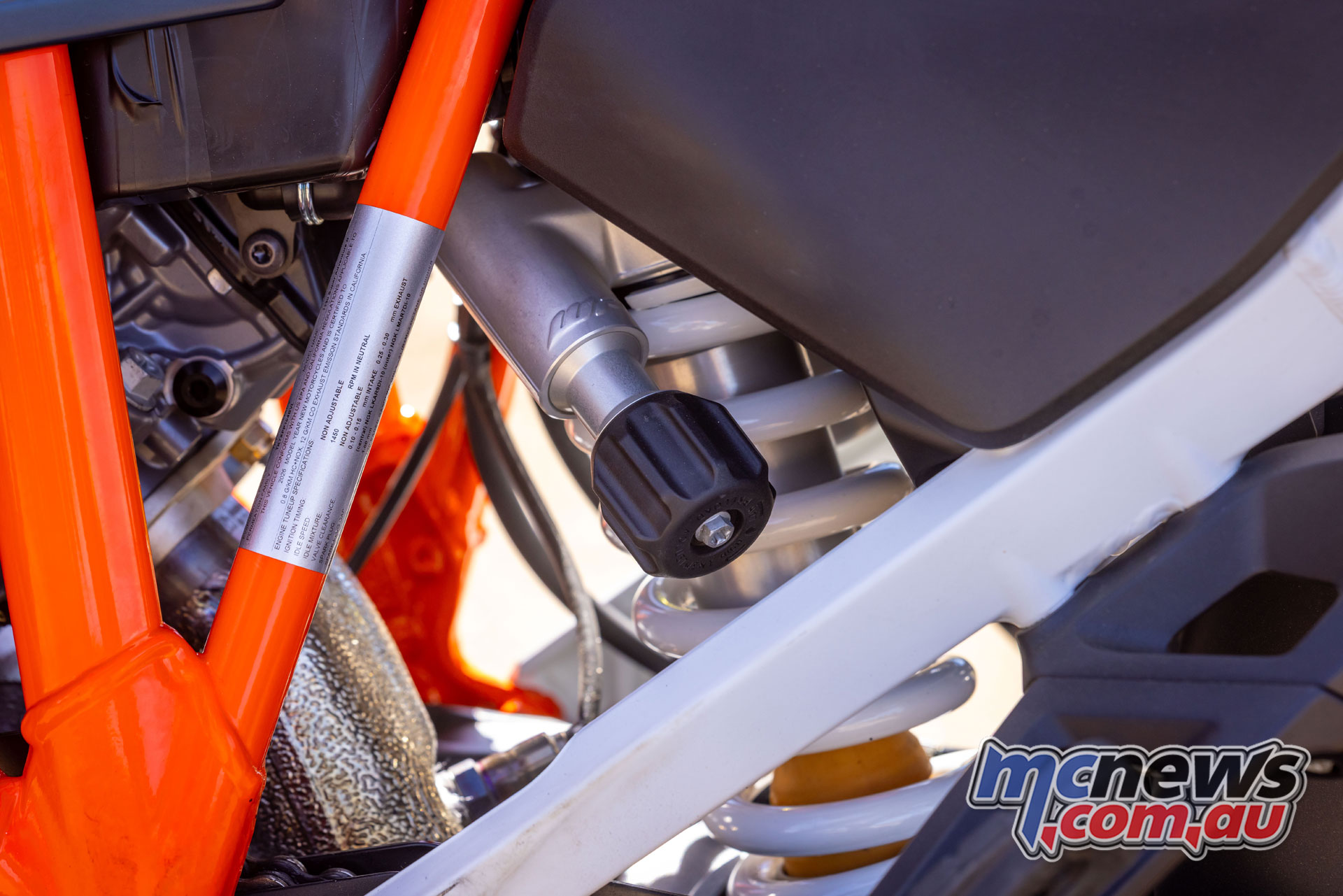
The combination of a light-on-its-feet, big-bore ADV and the brilliant WP suspension underneath it translates into a superb ride on rough off-road expeditions.
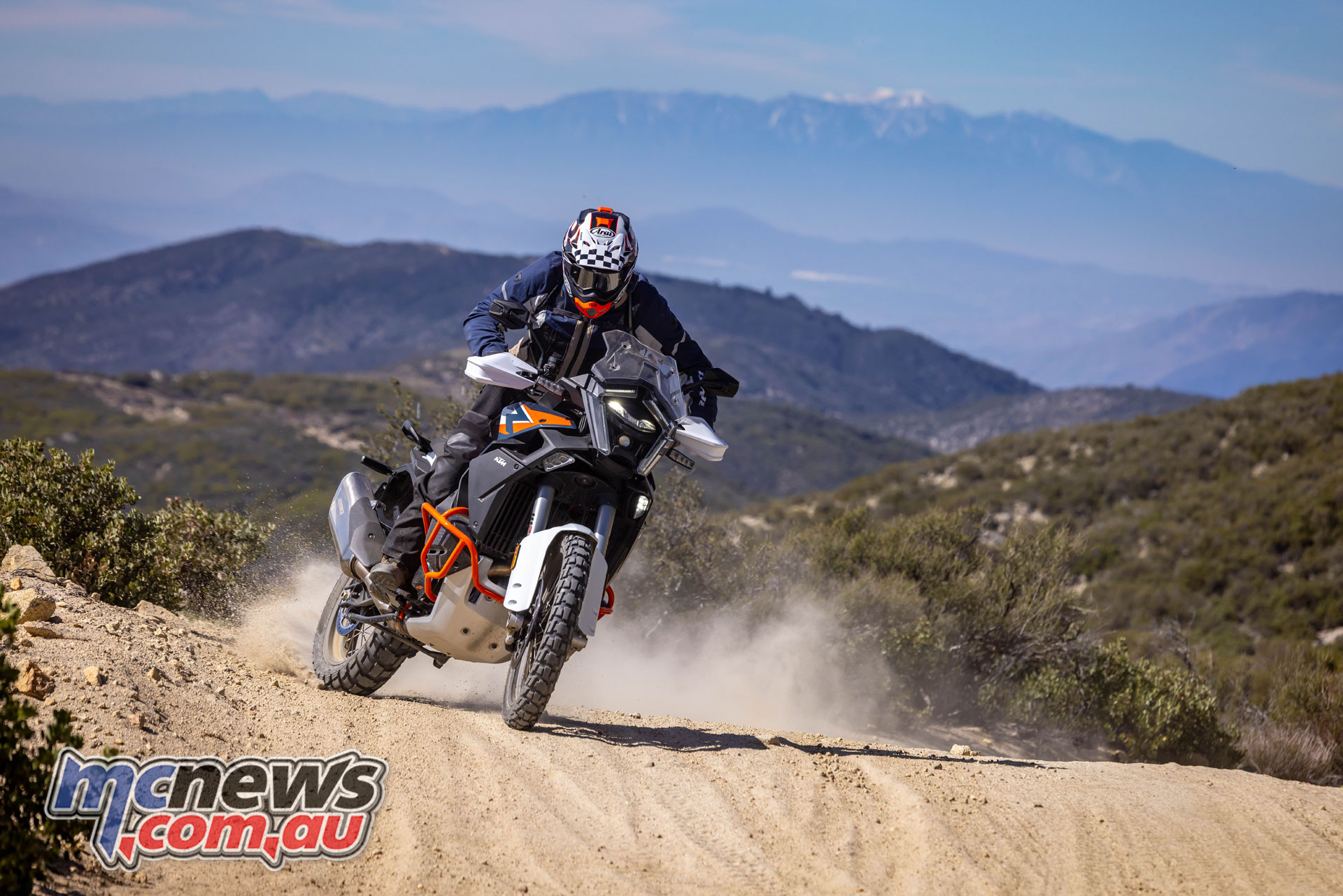
It’s such a great feeling as a rider to use the bike’s weight and the rebound stroke to float from one berm to the next on such a big bike, it almost feels like surfing, and when you keep the nine-stage Rally traction control set to level two so as to allow you to kick the rear wheel sideways when needed, it is indeed a good time on the 1390 R.

Braking hardware comes from Brembo, as expected, with twin 320 mm discs gripped by radial four-piston calipers up front. The system is supported by cornering ABS that uses data from the six-axis inertial measurement unit to adjust braking intervention based on lean angle and riding conditions.
Off-road settings allow riders to reduce or disable rear ABS (such as in Rally mode), enabling controlled slides and improved braking on loose surfaces while still maintaining protection on the front wheel. ABS can’t be switched off on the front, as has been the case for a while now.

Multiple ride modes allow the rider to alter throttle response, traction control intervention and other electronic parameters depending on conditions. Street and Sport settings provide sharper throttle response for paved riding, while Offroad mode softens throttle delivery, allows greater rear-wheel slip, and limits you to 100 hp.
For riders seeking the full-fat experience, Rally mode is available as an optional feature, enabling detailed tuning of traction, wheelie control, and throttle behaviour.

That’s where I spent most of my time, switching back to Sport mode only on the tarmac, as that allowed me to access cruise control. The electronics package has been expanded significantly compared to earlier generations of KTM’s adventure bikes.
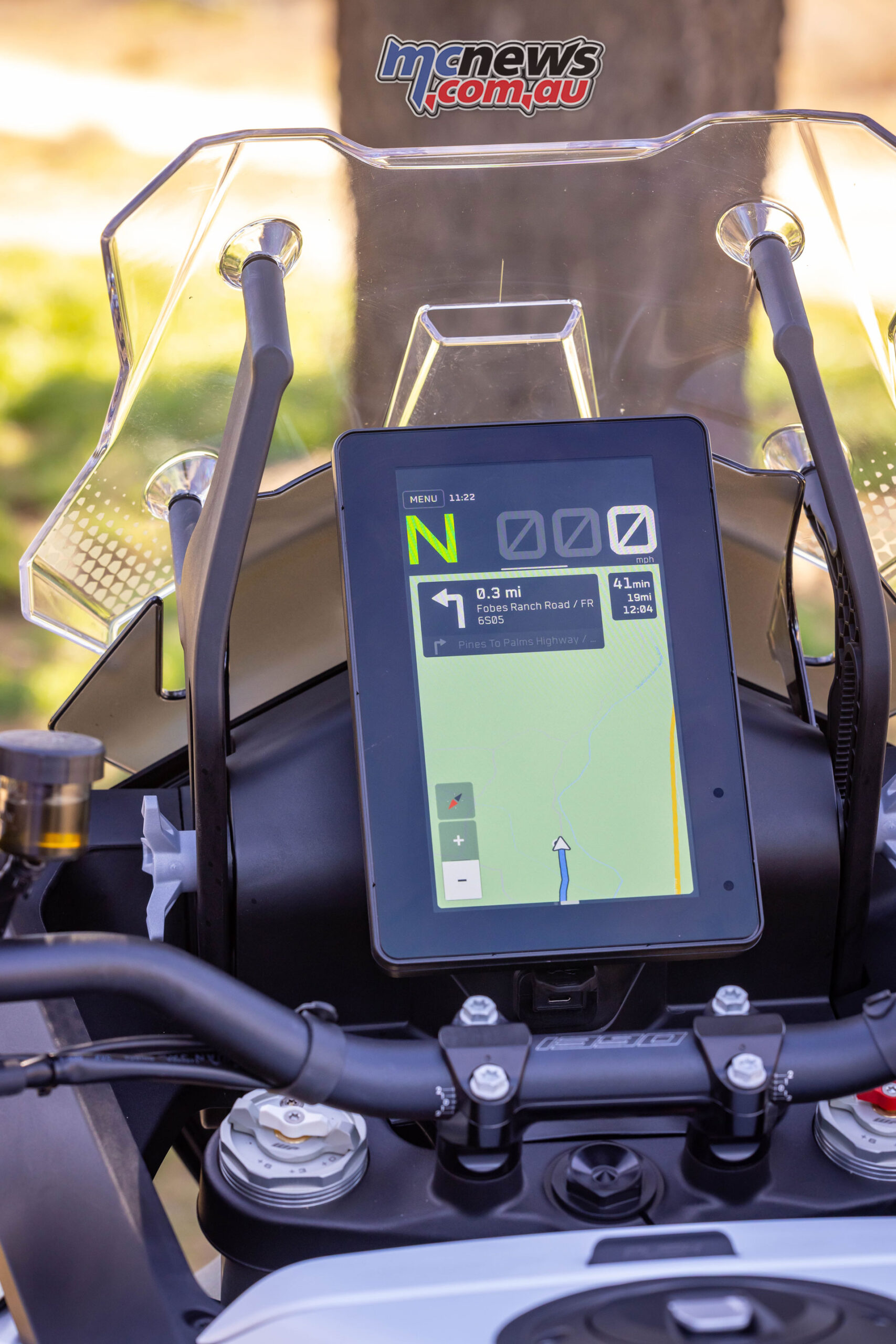
That massive eight-inch touchscreen TFT display dominates the centre of the cockpit, presenting navigation information, ride settings and connectivity features in a cleaner and easier-to-understand way than ever before.
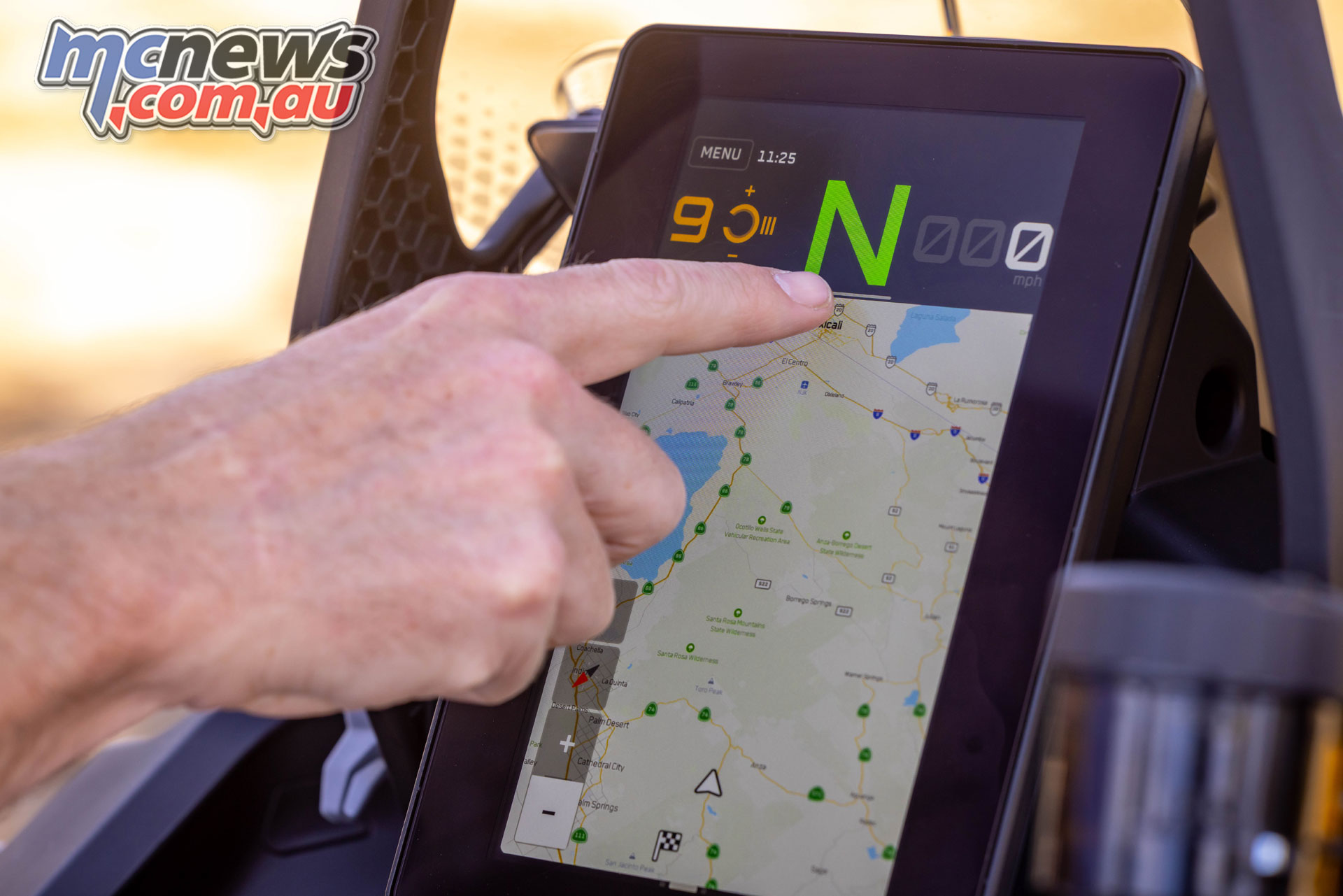
Riders can link their phones through KTM’s connectivity system if they wish for stuff like calls and music control, but you don’t have to pair your phone to access maps, which can be downloaded for the region you’re riding and accessed offline. Being able to use maps in the middle of nowhere with zero phone signal and no need for bluetooth helmet comms is a big plus for real ADV riders.

Additional electronics include cruise control, tyre pressure monitoring and keyless ignition. If you start really up-spec’ing the 1390, you can get the radar that enables adaptive cruise control and forward-collision warnings.
Despite KTM’s penchant for selling aftermarket add-ons, the base machine is incredible. There are very, very few things the 1390 doesn’t do exceptionally well, from tight, walking pace dirt corners to 130 km/h tarmac sweepers and everything in between.
It’s highly unlikely you’re going to spend the massive $35,995 to get one of these in your garage without going for the Tech Pack, and at least then you’ll have everything KTM throws at the 1390 at your disposal.
It’s also highly unlikely you actually need a 1390 to do any of the riding we’ve done. The company’s 890 Adventure R will do it all and for a much lower price, but that’s kinda missing the point.
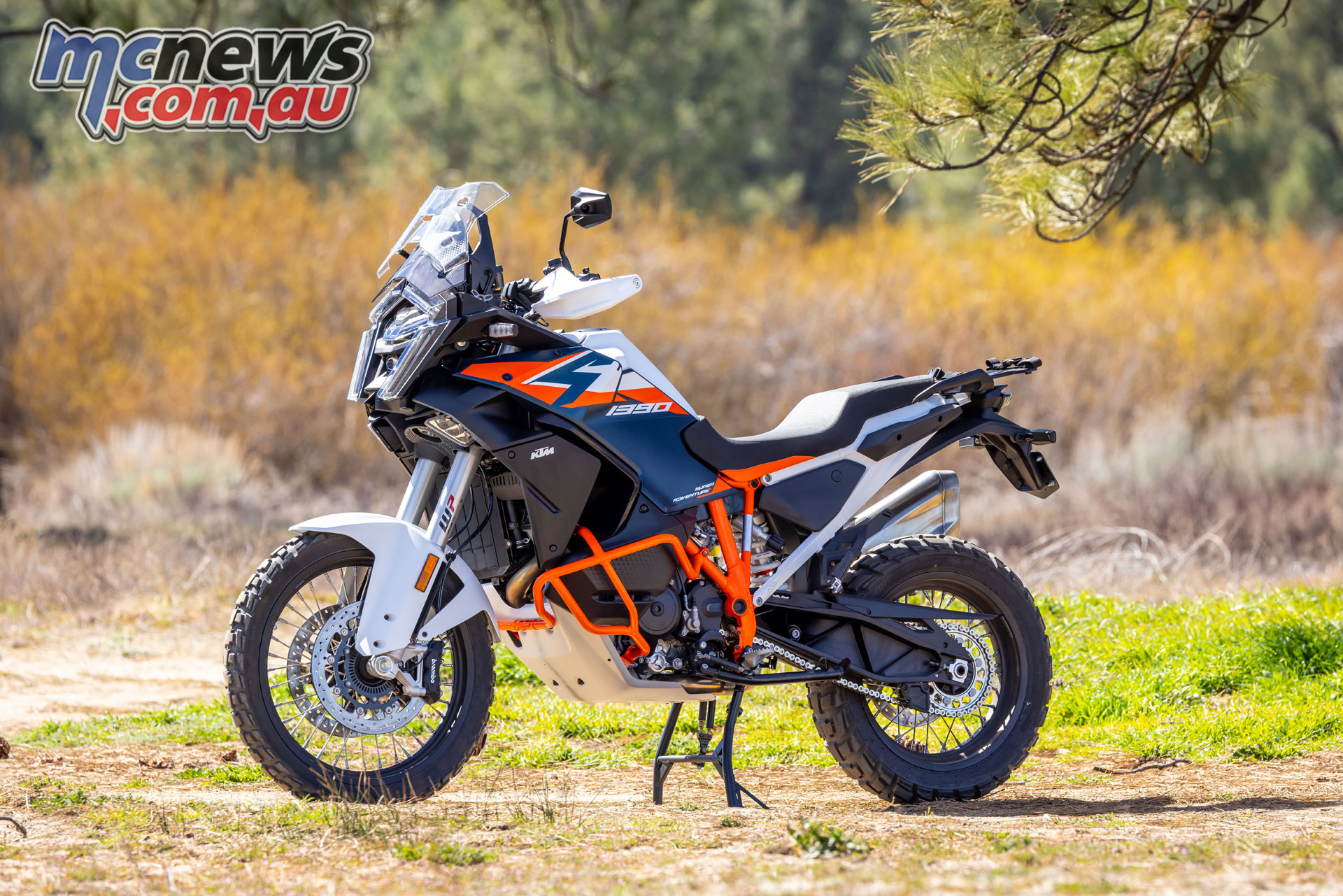
The 1390 is the biggest off-road beast you can buy, and its size means you’re extremely comfortable and have more power than anyone could reasonably use. That makes it a fantastic touring machine, although you’ll probably go for the 1390 Adventure S if that’s your jam, but being able to traverse all manners of terrain like you can on the 1390 R makes for a very compelling argument.
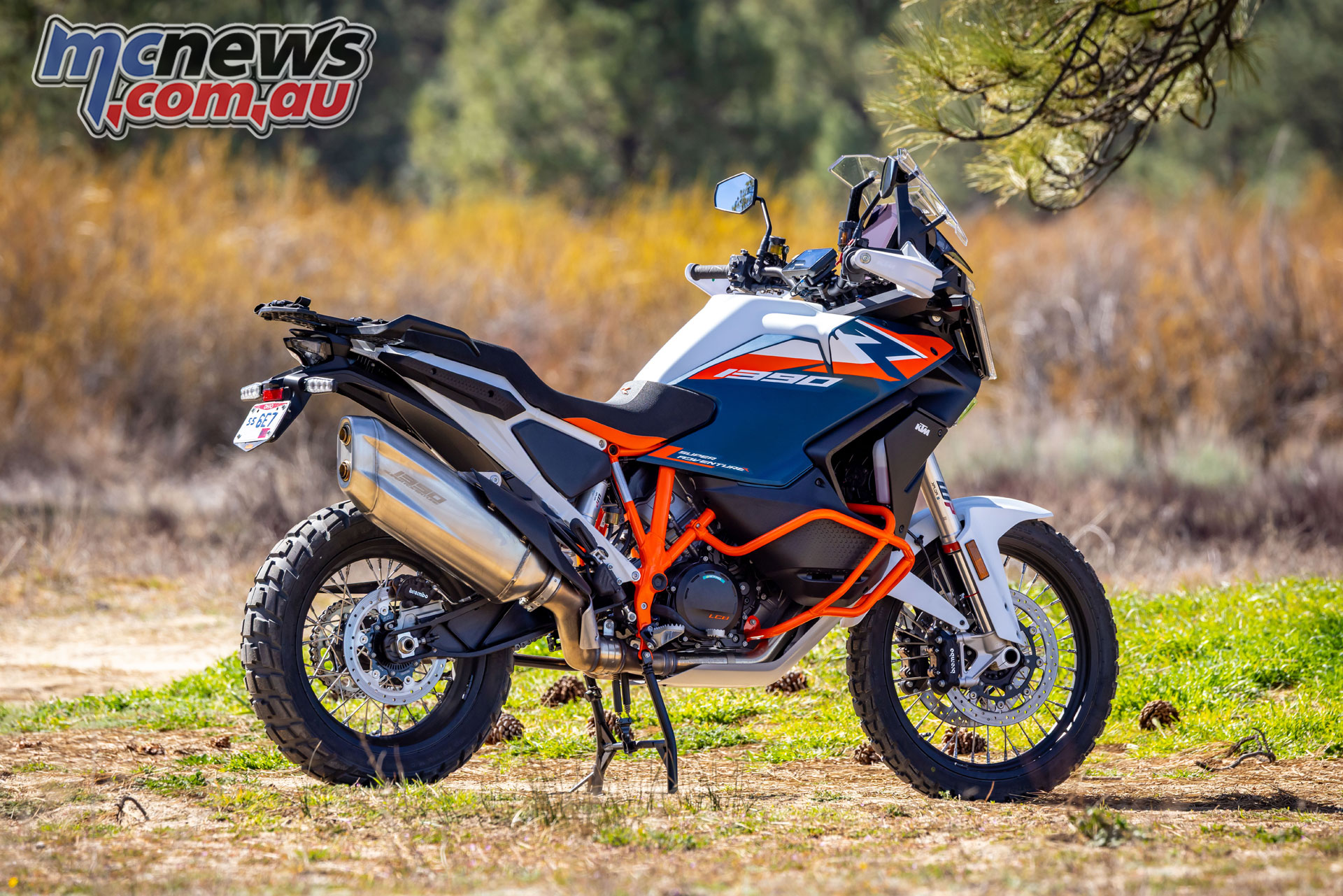
So you want a 1390 Super Adventure R
What about accessory packs?
I know, I know. I get it, but KTM ain’t budging on this. Just like BMW and Ducati, you don’t buy a big bike anymore with it all included in the sticker price, but at least when KTM gives you everything for under $2000 extra, it’s a lot cheaper than the other two.
My test bike came with the Tech Pack, which costs $1,749 at your local KTM dealer, and then you have the full-house 1390 R experience. The Tech Pack includes the Rally Pack, which can be bought separately for $582. Here’s the rundown on the two packs:
-
Rally Mode
-
Adjustable traction control (MTC), 9-levels
-
Adjustable throttle response
-
2 additional custom modes
-
Dynamic slip adjust
-
Telemetry screen
-
RALLY PACK (inclusions above)
-
HHC – Hill Hold Control
-
MSR – Motor Slip Regulation
-
Quickshifter+
-
Adaptive brake light
-
Engine brake control
You can also purchase the following standalone:
- Quickshifter+ $582 RRP A62600940000
- Hill Hold Control (HHC) $248 RRP A62600950000
- Motor Slip Regulation (MSR) $165 RRP A62600970000
If you want to go even further, you could spend an extra $1332 and get the front radar fitted for radar-assisted cruise control and front collision warning. I’ve ridden it on other bikes, and it works great, but I’d probably leave it off the 1390 R, as mine would be full off-road.

2026 KTM 1390 Super Adventure R Specifications
| 2026 KTM 1390 Super Adventure R Specifications | |
| Engine | 2-cylinder, 4-stroke, V 75° (EURO 5+) |
| Displacement | 1,350 cc |
| Bore/Stroke | 110/71 mm |
| Power | 127 kW (173 hp) at 9,500 rpm |
| Torque | 145 Nm at 8,000 rpm |
| Compression Ratio | 13:1 |
| Transmission | Six gears |
| Fuel System | Keihin EFI – 54 mm throttle bodies |
| Valvetrain | 4 valves per cylinder / DOHC / Camshift |
| Primary Drive | 40:76 |
| Final Drive | Chain 17:42 |
| Cooling | Liquid cooled with water/oil heat exchanger |
| Clutch | PASC slipper clutch, hydraulically operated |
| Engine Management | Keihin EMS with RBW, double ignition |
| Fuel Consumption | 6.1 l/100 km |
| CO2 Emissions | 139.5 g/km |
| Frame | Chromium-Molybdenum-Steel trellis frame, powder coated |
| Sub-frame | Aluminium, powder coated |
| Handlebar | Aluminium, tapered, 28/22 mm |
| Front Suspension | WP XPLOR Upside-Down Ø 48 mm, compression, rebound, preload adjustable, 240 mm travel |
| Rear Suspension | WP XPLOR shock absorber with PDS, compression (high and low speed), rebound, preload adjustable, 240 mm travel |
| Front Brakes | 2 x Brembo 4-piston, radially mounted calipers, brake disc Ø 320 mm |
| Rear Brake | Brembo 2-piston, fixed caliper, brake disc Ø 267 mm |
| Rims | Forged aluminium rims with spokes 2.5 x 21” (F); 4.25 x 18” (R) |
| Tyres | Bridgestone AT41 90/90-21; 150/70-18 |
| Wheelbase | 1,577 mm ± 15 mm |
| Ground Clearance | 242 mm |
| Seat Height | 880 mm |
| Tank Capacity | 23 litres |
| Wet Weight | 248 kg (Fuelled) |
2026 KTM 1390 Super Adventure R Images











Images by Simon Cudby