

BMW G 450 X Review
On paper, BMW’s new G 450 X is competitive across the three most obvious measures in the 450 cc enduro class: power, weight and price.
The numbers are approximately 52 hp in full-power competition trim, a claimed 111 kg dry weight and dealer pricing around the A$12,500 mark. After a full day on the trails, I am pleased to report that the G 450 X delivers the goods.
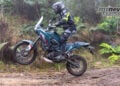
Its most impressive quality is how easily that performance can be put to work. A remarkably tractable engine and an excellent clutch make the BMW a willing accomplice when the going gets slippery.

Tractability over theatrics
The engine pulls cleanly from low rpm, with no discernible steps in the delivery as it builds towards its claimed peak power at 9000 rpm. Power then tails off progressively, with plenty of over-rev available before the limiter intervenes.
The 449.5 cc single proved reluctant to stall when lugging over obstacles. It allows the rider to feel for every last skerrick of grip without constantly worrying about the engine cutting out at precisely the wrong moment.
The clutch is equally impressive. I cannot comment on its durability after a single day in the saddle, but its progressive action and excellent feel at the lever are immediately apparent.
On one long, steep and extremely muddy climb, I got cross-rutted, hesitated and lost all drive. Normally, that sort of predicament means a long and careful rollback to the bottom before another attempt with fresh momentum.
Thanks to the BMW’s smooth low-rpm delivery and brilliant clutch, I managed to complete the rest of the ascent without having to start again. Much to my relief.

An unconventional route to rear-wheel grip
BMW attribute some of that ability to hook up and drive to the unusual rear suspension layout. The swingarm pivot and gearbox output sprocket share the same axis, keeping the distance between the front sprocket and rear axle constant as the suspension moves.
That removes the usual suspension-induced variation in chain tension. It also allows BMW to use a relatively long swingarm without stretching the wheelbase.
The clutch sits directly on the end of the reverse-rotating crankshaft, with an intermediate shaft transferring drive to the five-speed gearbox. A balance shaft helps control vibration.
From the saddle, however, it is the combination of accurate throttle response, smooth delivery and that beautifully progressive clutch that really stands out. Whatever share of the credit belongs to the chassis layout, the end result is exceptional tractability.
Inside the 449.5 cc single
The cylinder leans forward by approximately 30 degrees, creating room for a straight inlet tract and the dual-throttle-valve fuel-injection arrangement. The airbox occupies the space where a conventional motorcycle would carry its fuel tank.
The electric starter sits at the front of the engine, while the battery is tucked behind the steering head in the upper section of the frame. An automatic decompressor assists starting, and the engine runs a 12:1 compression ratio.
A pressure pump and a scavenge pump circulate the shared engine and gearbox oil supply. Oil capacity is approximately 1.15 litres, with accessible filtration and a sight glass for level checks.
The single radiator is fan-assisted and appears well protected. A stainless-steel exhaust incorporates a catalytic converter, while an oxygen sensor provides feedback to the injection system as part of the Euro III emissions package.
Marzocchi, Öhlins and Brembo
Up front, 45 mm inverted Marzocchi forks provide 300 mm of travel. At the rear, an Öhlins shock acts directly on the swingarm, without a linkage, and allows 320 mm of wheel travel.
The suspension and chassis feel more European than Japanese, unsurprisingly, but strike a useful middle ground between outright sporting potential and comfortable trail manners. The BMW is composed in most situations, although the front end can deflect a little. Hard chargers may want to investigate the fork valving to get the best from it.
Brembo provide the braking hardware, with a twin-piston floating caliper and 260 mm front disc complemented by a 220 mm rear disc. Neither gave me cause for complaint.
The wheels are the familiar enduro combination of a 21-inch front and 18-inch rear. Magura handlebars and a reinforced plastic bashplate are standard equipment.

Eight litres and a firm seat
The underseat fuel tank holds a modest eight litres and is filled through an opening at the rear of the seat. Across the seven riders on the launch, including a couple of proven racers, the calculated average tank range was 112.8 km.
For serious adventuring, I would be investigating a larger tank. For anyone planning plenty of time in the saddle, some very good underwear or cycling shorts may also be a worthwhile investment. The seat brings on a case of monkey butt quick smart.
Easy air filter, less convenient sprocket
The air intake sits high, near the steering head, to help keep it clear of water and dust. The flat foam filter slides out on a drawer mechanism, making routine access refreshingly straightforward. Access really is that easy.
Changing the front sprocket is another matter. BMW supply 13- and 14-tooth alternatives to the standard 15/48 gearing, but the concentric countershaft and swingarm arrangement means the swingarm has to come out to change the front sprocket.
BMW say that removal is simpler than it is on comparable machines and that a competent mechanic can complete the job in 15 minutes. Good luck with that one…
The company also claim reduced chain and sprocket wear from the constant sprocket-to-axle distance. That sounds reasonable, although a single launch ride is far too short to establish the benefit in practice.
Road equipment and competition power
What particularly impresses me is how thoroughly the road equipment is integrated into the motorcycle. The indicators, lighting and rear guard look like part of the original design, with little of the improvised appearance that can accompany the road-registration equipment on competition enduros.
The supplied coding plug selects the full-power competition mapping. It is a wonderfully simple way to access the engine’s performance, although BMW specify that the plug must be removed to restore the approved configuration for public-road use.
That straightforward approach reduces the amount of preparation needed to put the motorcycle into competition trim. It is a particularly useful point of difference for owners who have little mechanical experience or limited confidence in setting a new machine up themselves.
Warranty, servicing and the verdict
BMW offer a two-year warranty, subject to the required servicing and warranty conditions. The maintenance schedule calls for a basic service, including engine oil and filter, every ten operating hours, with an extended service at 70 hours.
Those are competition-enduro intervals and need to be factored into ownership. Friendly manners on the trail do not turn the G 450 X into a low-maintenance trailbike.
The BMW goes about its business with ruthless Germanic efficiency. A side effect of that user-friendliness is that it lacks some of the excitement supplied by the more aggressive personalities in the 450 cc class. Riders who enjoy a big hit in the power delivery may see that as a negative.
For long days on difficult trails, I think the positives comfortably outweigh that criticism. I would also hazard a guess that the forgiving delivery and excellent clutch will make plenty of riders quicker, particularly when grip is scarce and confidence matters.
The firm seat and awkward front-sprocket access are real irritations, and the front suspension may need attention for harder riding. Even so, the G 450 X feels like a carefully considered approach to four-stroke enduro performance. For that, BMW deserve to be applauded.
BMW G 450 X Enduro specifications
| Specification | BMW G 450 X Enduro |
|---|---|
| Engine | Liquid-cooled, DOHC, four-valve single |
| Capacity | 449.5 cc |
| Bore x stroke | 98 x 59.6 mm |
| Compression | 12:1 |
| Induction | Keihin fuel injection |
| Full-power output | Approx. 52 hp at 9000 rpm |
| Full-power torque | 44 Nm at 7800 rpm |
| Transmission | Five-speed; chain final drive |
| Clutch | Cable-operated wet multi-plate; crankshaft-mounted |
| Frame | Stainless-steel tubular bridge frame |
| Front suspension | 45 mm Marzocchi USD fork; 300 mm travel |
| Rear suspension | Direct-acting Öhlins shock; 320 mm travel |
| Front brake | 260 mm disc; Brembo twin-piston caliper |
| Rear brake | 220 mm disc; Brembo single-piston caliper |
| Front tyre | 90/90-21 |
| Rear tyre | 140/80-18 |
| Wheelbase | 1475 mm |
| Seat height | 955 mm |
| Claimed dry weight | 111 kg |
| Claimed road-ready weight | 121 kg |
| Fuel capacity | 8 litres |
| Warranty | Two years, subject to terms and servicing |
| Price at time of test | Approximately A$12,500 |
The approximately 52 hp figure refers to full-power competition trim. Weight figures are BMW claims, and the Australian price reflects the time of the original test.