

BMW traces 50 years of the RS story from R 100 RS to R 1300 RS
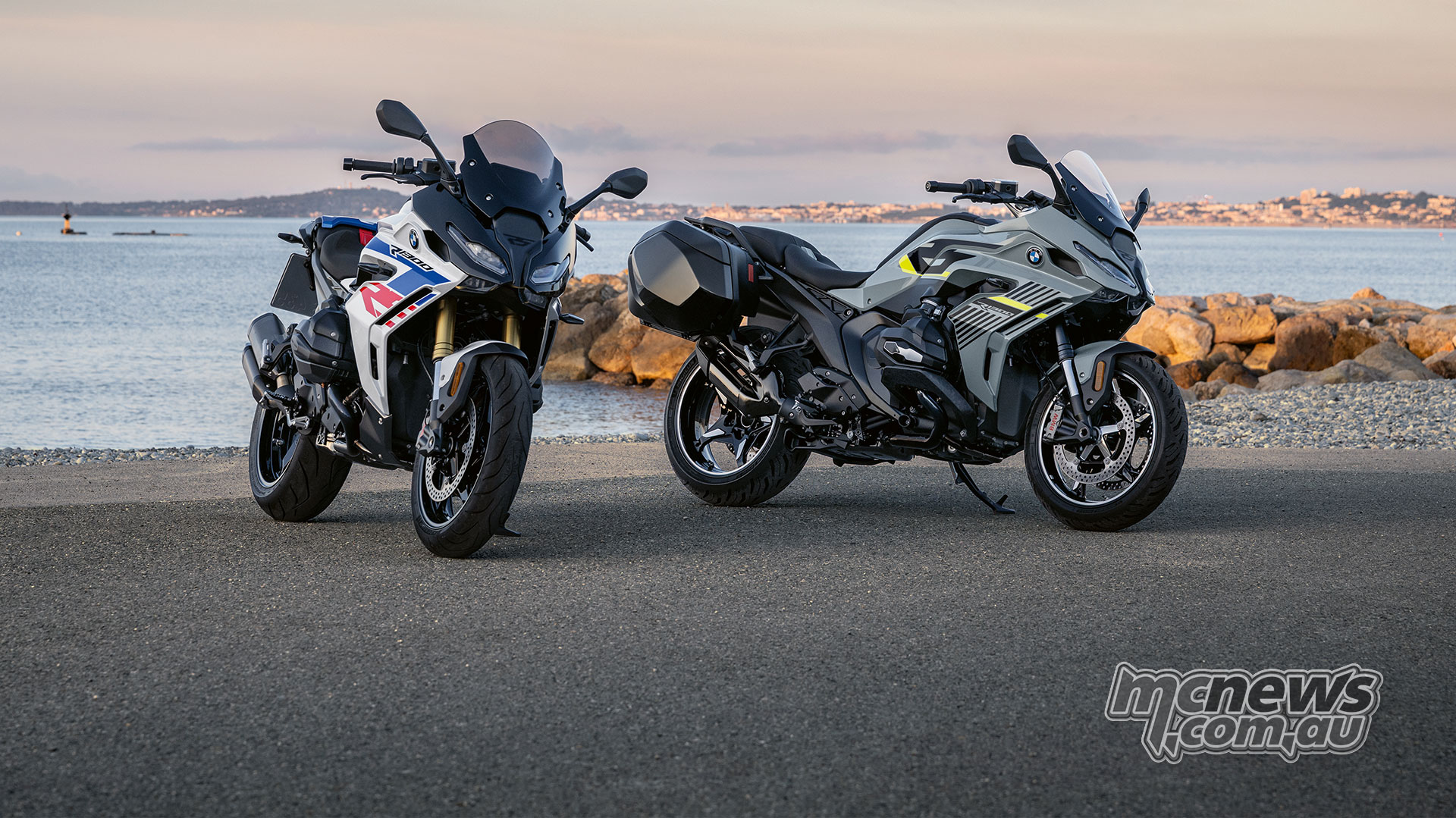
BMW Motorrad is marking 50 years of its RS production and competition motorcycles, tracing the line from the original R 100 RS through to today’s R 1300 RS. For decades, RS on BMW race bikes stood for Rennsport, but since the arrival of the R 100 RS in 1976 it has denoted Reise und Sport on production motorcycles — BMW’s shorthand for machines built to combine touring ability with a sporting edge.

The original R 100 RS
The bike that set the template was the BMW R 100 RS, unveiled at IFMA in 1976.

BMW describes it as the world’s first large-series production motorcycle with a frame-mounted full fairing, developed in the wind tunnel, a design that effectively helped define the modern sport-tourer.

Powered by a 980 cc boxer twin producing 70 hp, the R 100 RS offered strong weather protection, relaxed high-speed cruising and a claimed 200 km/h top speed, all while giving BMW a new production-bike interpretation of the RS badge.

BMW’s anniversary material also revisits the 1977 R 100 RS Nardò record bike, a modified version used in Italy for world-record attempts. With output lifted to 84 hp, the machine exceeded 220 km/h and helped BMW set five new world records. Later, after demand for the big boxer RS remained strong, BMW reintroduced the formula with the R 100 RS Monolever, which returned in 1986 and stayed in production through to 1992.

Boxer and K-bike RS evolution
The boxer-engined RS line moved into a new era with the R 1100 RS, bringing four-valve technology, air/oil cooling and BMW’s Telelever front suspension into the sport-touring brief.

That was followed by the R 1150 RS, then the R 1200 RS with its liquid-cooled boxer and Dynamic ESA, and later the R 1250 RS, which introduced the ShiftCam-era 1254 cc boxer producing 136 hp.

Across those generations, BMW steadily pushed the RS concept further without abandoning the blend of distance comfort and sporting intent that had defined the badge from the start.

The RS story was never purely about boxer twins, however.

BMW’s K-series gave the badge a parallel four-cylinder life, beginning with the K 100 RS in 1983.

The concept then evolved through the K 100 RS 4V, the K 1100 RS, and ultimately the K 1200 RS, which broke beyond the old 100 hp ceiling with 130 hp and a claimed 245 km/h top speed.

If the boxer RS models carried the original DNA, the K-bike RS machines showed just how broadly BMW could interpret the same travel-and-sport brief.

The R 1300 RS carries it forward
BMW naturally uses the anniversary to frame the current R 1300 RS as the latest expression of the idea. Presented last year, it is described as the seventh-generation boxer-engined RS and now sits at the top of that line with a 1300 cc boxer producing 107 kW (145 hp), making it BMW’s most powerful production boxer to date. The new model has been made significantly sportier than its predecessor through a completely new engine, chassis and aerodynamics package, while still retaining the long-distance comfort and touring capability expected of an RS.

Standard equipment includes three riding modes and engine drag torque control, while options include the Automated Shift Assistant (ASA) and Dynamic Suspension Adjustment (DSA). BMW also says the R 1300 RS is the world’s first production motorcycle with a telescopic fork featuring adjustable spring rate, and lists a top speed of 240 km/h. In that sense, the latest RS does much the same job as the original did 50 years ago: applying BMW’s current engineering thinking to a machine intended to cover distance quickly, comfortably and with a definite sporting bent.
See what Wayne thought of the latest bike in this R 1300 series review.

Over five decades, the formula has taken many forms, from air-cooled boxers and oilheads to liquid-cooled twins and four-cylinder K-bikes, but the premise has remained remarkably consistent. The RS badge still stands for motorcycles built to cover ground quickly and comfortably, while giving the rider a reason to enjoy every stretch of road along the way.