

CFMOTO
WorldSBK tipped and MotoGP the ambition
CFMOTO wants to reach the premier class of MotoGP. But when we asked its racing management about that ambition during our visit to Hangzhou, the answer centred on building the engineering capability and team structure needed to get there, rather than naming a debut season.
Samantha Liu, General Manager of CFMOTO’s Motorsports Management Centre, was direct about the objective and equally clear that the company still has work to do.
Samantha Liu
“MotoGP is a dream that everybody has in CFMOTO. But we also know that it’s not an easy dream to accomplish. So that is the reason why we’re building our competence.”
Liu described strengthening the company’s technical team and preparing its organisation for the challenge. Asked about timing, she added:
Samantha Liu
“But if you ask me about the time, I think that depends on our work.”
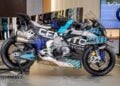
That ambition sits alongside some rather more immediate commitments. CFMOTO will supply the WorldWCR field with its 675SR-R from 2027, is developing the V4 SR-RR around which WorldSBK speculation continues to grow, and is feeding competition experience back into its production engineering. These are related activities, but they should not be mistaken for a confirmed timetable leading to MotoGP.
Aspar brings more than exposure
CFMOTO already has substantial success in the Grand Prix paddock. Its partnership with Aspar delivered David Alonso’s 2024 Moto3 title, alongside the teams’ and constructors’ crowns. Máximo Quiles has since added the 2026 Moto3 World Championship at Mandalika, securing the title with five rounds remaining.
The partnership has been extended through 2031, with projects covering young Chinese rider development, new motorcycle development, and the Moto3 and Moto2 teams.
The current Moto3 machinery is KTM-derived, while the Moto2 bikes combine Kalex chassis with the category’s control Triumph engines. Those results demonstrate the strength of the riders and racing operation, but they are not evidence that CFMOTO has already developed a complete Grand Prix motorcycle independently.
Equally, dismissing the relationship as nothing more than branding overlooks its expanding technical dimension. CFMOTO’s acquisition of a 51 per cent stake in Kalex underlines their ambition to bring racing expertise in-house. That gives CFMOTO a direct ownership interest in an established racing-engineering business, rather than simply a place for its logo on the fairing.
It does not establish that Kalex is building a CFMOTO MotoGP prototype. It does illustrate the distinction between increasing a sponsorship commitment and investing in the engineering knowledge behind a racing motorcycle.
WorldWCR puts the production motorcycle at the centre
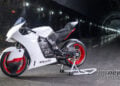
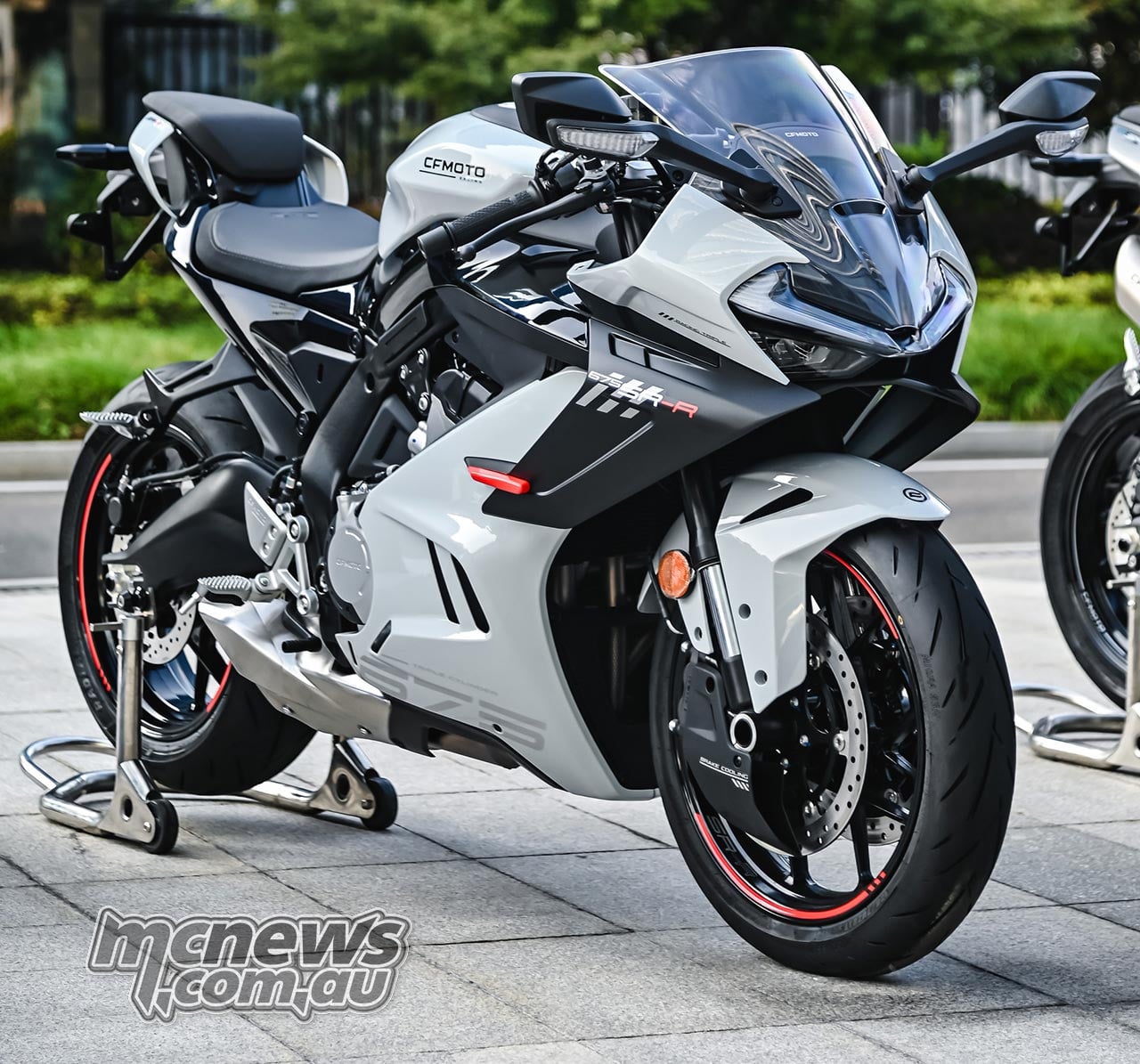
The next confirmed step places much greater responsibility on CFMOTO’s own hardware. As we reported when the agreement was announced, the 675SR-R replaces Yamaha’s R7 as the exclusive WorldWCR motorcycle for 2027, 2028 and 2029.
CFMOTO says its commitment includes race-bike preparation, spare-parts supply and an on-site technical team. That is a different undertaking from backing a pair of riders: an entire grid needs consistent machinery and dependable support throughout the season.
WorldSBK is a different test again
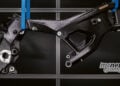
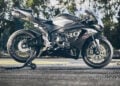
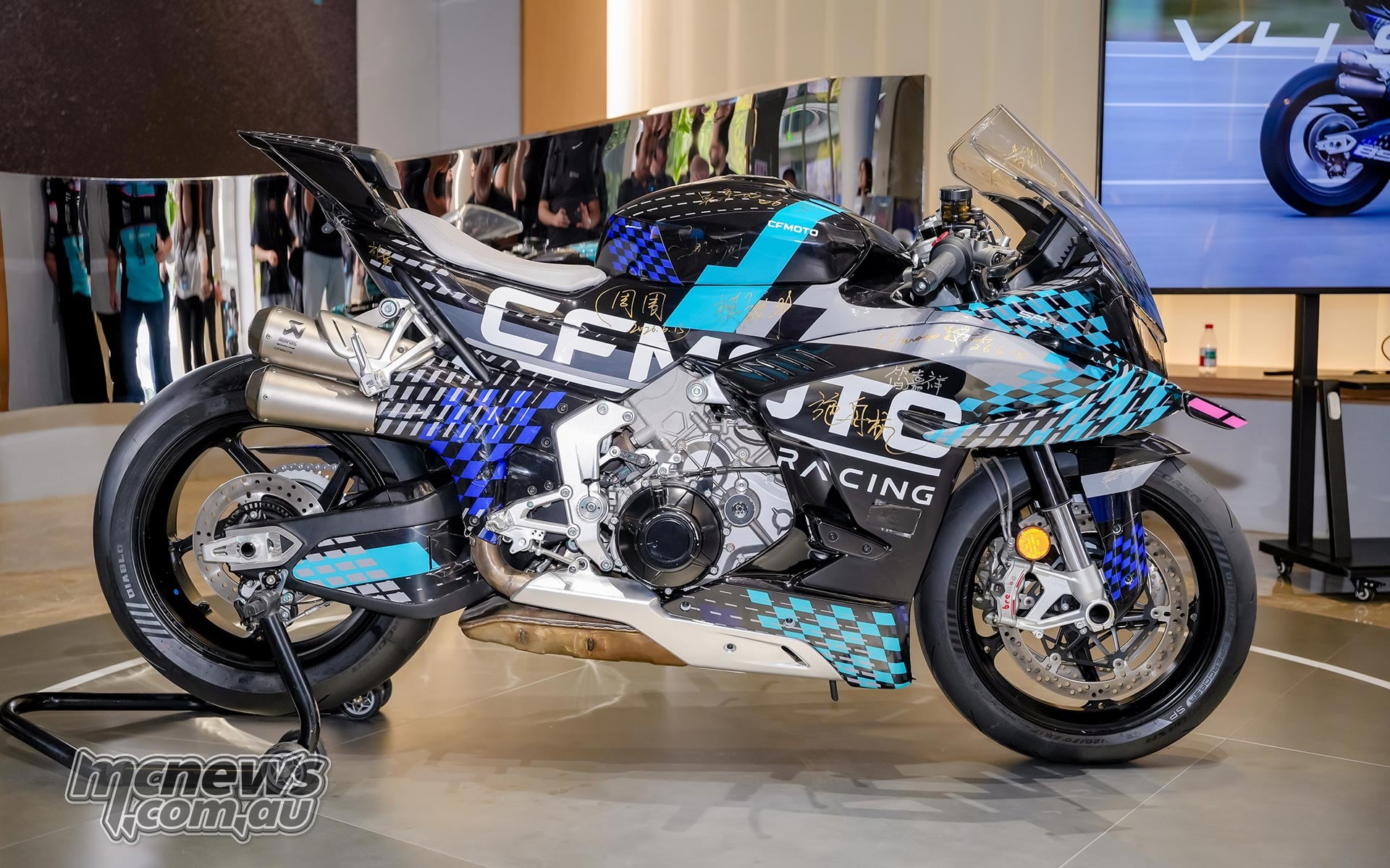
The V4 SR-RR offers a potential route into direct competition against other manufacturers in the premier WorldSBK class. Our technical feature examined the engine redesign, chassis work, and validation behind the project; the question is how CFMOTO might organise a race programme around it.
Albert Arenas and Aspar are widely tipped to bring CFMOTO to World Superbike on the V4, with possible appearances during 2027 and a fuller programme in 2028 among the scenarios discussed. However, nothing has been made official as yet.
Aspar’s existing relationship with CFMOTO makes the suggestion understandable, but an experienced team is only part of the requirement. A competitive package also needs a homologated motorcycle, effective testing, race engineering, and the ability to respond to problems throughout the season.
Nor is the 997 cc V4 a MotoGP motorcycle waiting for different bodywork. WorldSBK is production-derived racing; MotoGP is a prototype category moving to 850 cc engines from 2027. Experience could carry between programmes, but the technical task is not interchangeable.
Five engineers at the other end of a WeChat conversation
One of the most useful explanations of what CFMOTO wants from racing concerned a much slower, muddier challenge than either MotoGP or WorldSBK.
During the Hangzhou presentations, management described how Mario Román’s adventure-racing programme connects directly with five engineers back in China. A dedicated WeChat group lets the team pass problems encountered in competition back promptly, so those engineers can investigate and develop improvements.
The product-planning department is involved alongside the racing operation. The intention is to make competition feedback part of product development, rather than leave it within a separate race team.
That aligns with what Román told us in our separate interview. He described prototype and component testing, meetings with engineers every couple of weeks, and a willingness to respond when a rider demonstrates that something needs changing.
Mario Román
“They learn quick. They are very humble. They are more open-minded and they listen.”
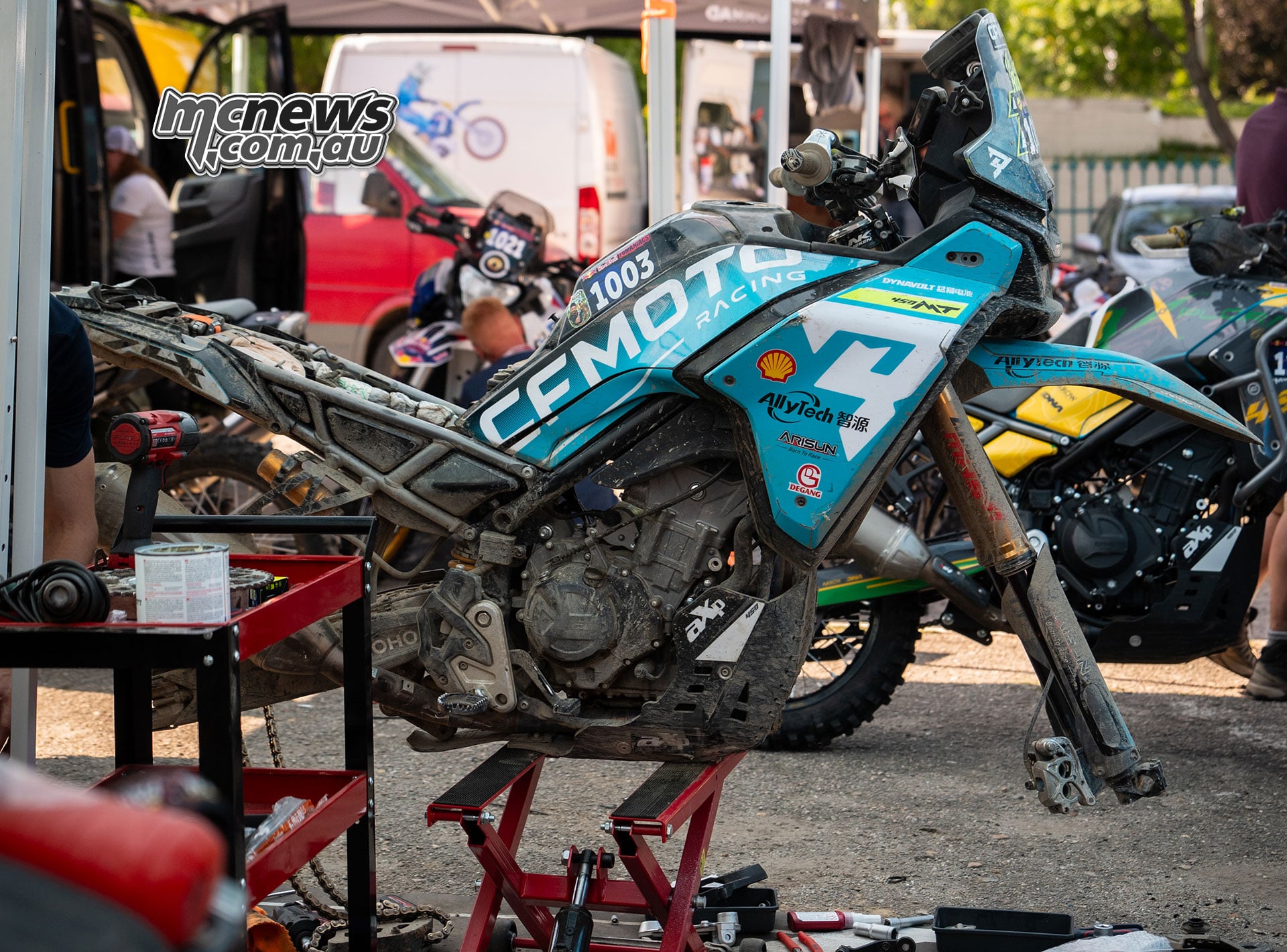
Management also said a forthcoming product would incorporate feedback from Román’s recent adventure racing, without identifying the model. We expect that model to be the 550MT, a successor to the popular 450MT.
Not every famous race belongs in the plan
CFMOTO’s growing resources do not mean it intends to enter every prestigious competition. When management was asked about expanding into other major off-road events, Liu said product relevance and the ability to compete were fundamental considerations.
Samantha Liu
“If there is a connection to our customer, to our products, and we have a very strong competence in that field to win, yes. If not, no.”
That is a more useful explanation than a general promise to spend more on motorsport. A programme needs to connect with the motorcycles or vehicles CFMOTO is developing, the people buying them and the capabilities the company can bring to the contest.
The same broader approach includes rider training and customer competition through activities such as the SR Cup and MT Challenge. These serve a different audience from a factory race team, but they let riders participate in the brand rather than simply watch it on television.
The work that comes before a MotoGP entry
CFMOTO’s commercial success gives it resources, and its V4 demonstrates growing engineering ambition. Neither, on its own, supplies the complete organisation needed to compete at the highest level.
The next phase brings more practical tests: supporting the WorldWCR grid, developing a race-ready V4, and turning competition feedback into production improvements.
CFMOTO is already taking on responsibilities that extend well beyond putting its name on a winning motorcycle largely sourced from another supplier.