

Honda CB1000 Hornet SP Review
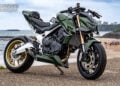
Yeah baby! Now this, is a Honda. Big bold statement up front: Not only is the new SP probably the road-oriented sports bike that most punters should be riding, but I’ll go a step further. I reckon it just might be the best bike Honda makes right now.
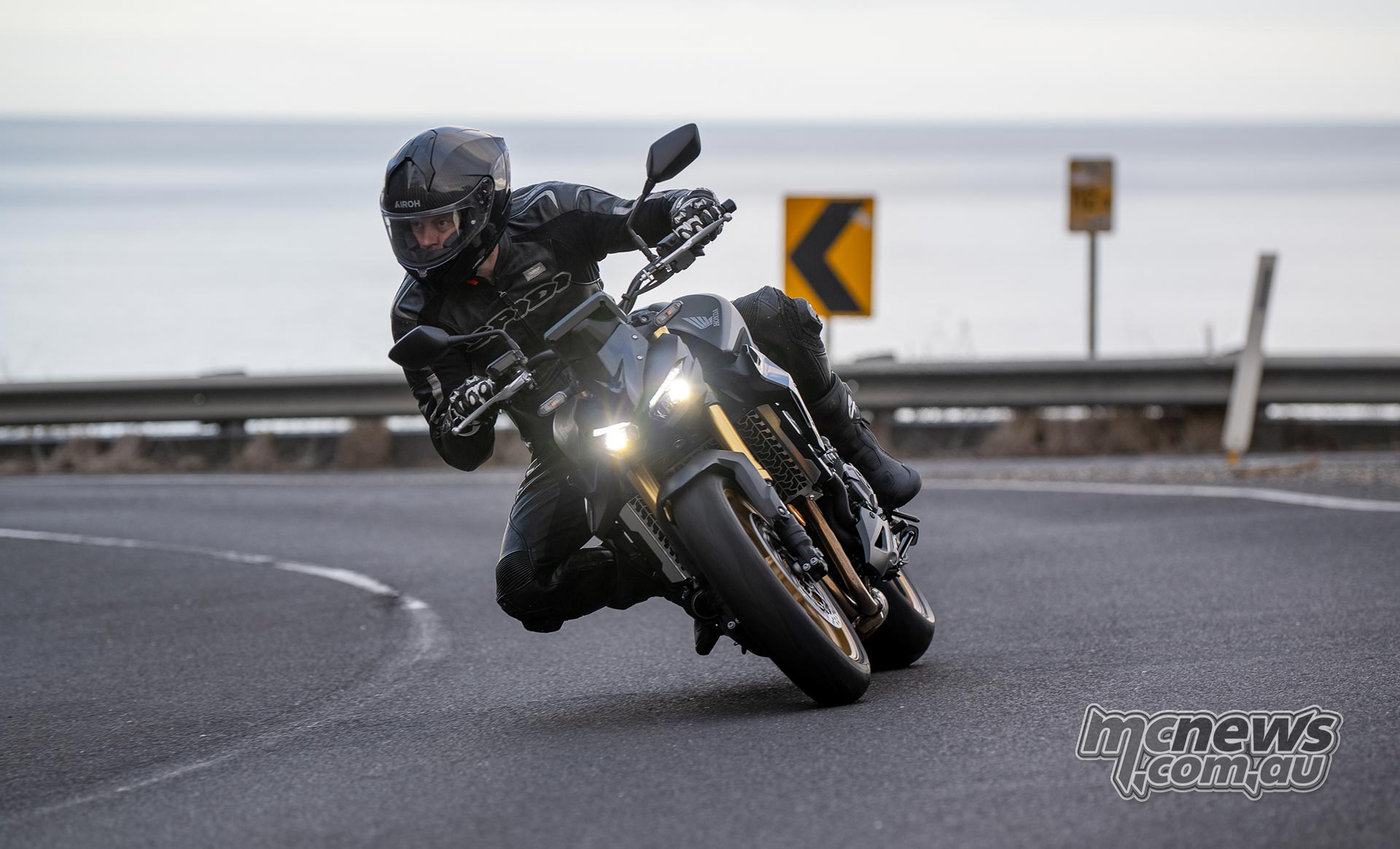
It looks like a proper Honda, it feels like a proper Honda, and most importantly, it rides like a proper Honda should.
Cards on the table – I’ll put my hand up and say that I have high expectations of the big H. I’ve owned more bikes with the red wing on the side than any other brand. Actually.. Than all other brands combined. So I’m critical when they don’t get it as ‘right’ from an engineering point of view, as I know they can and should.
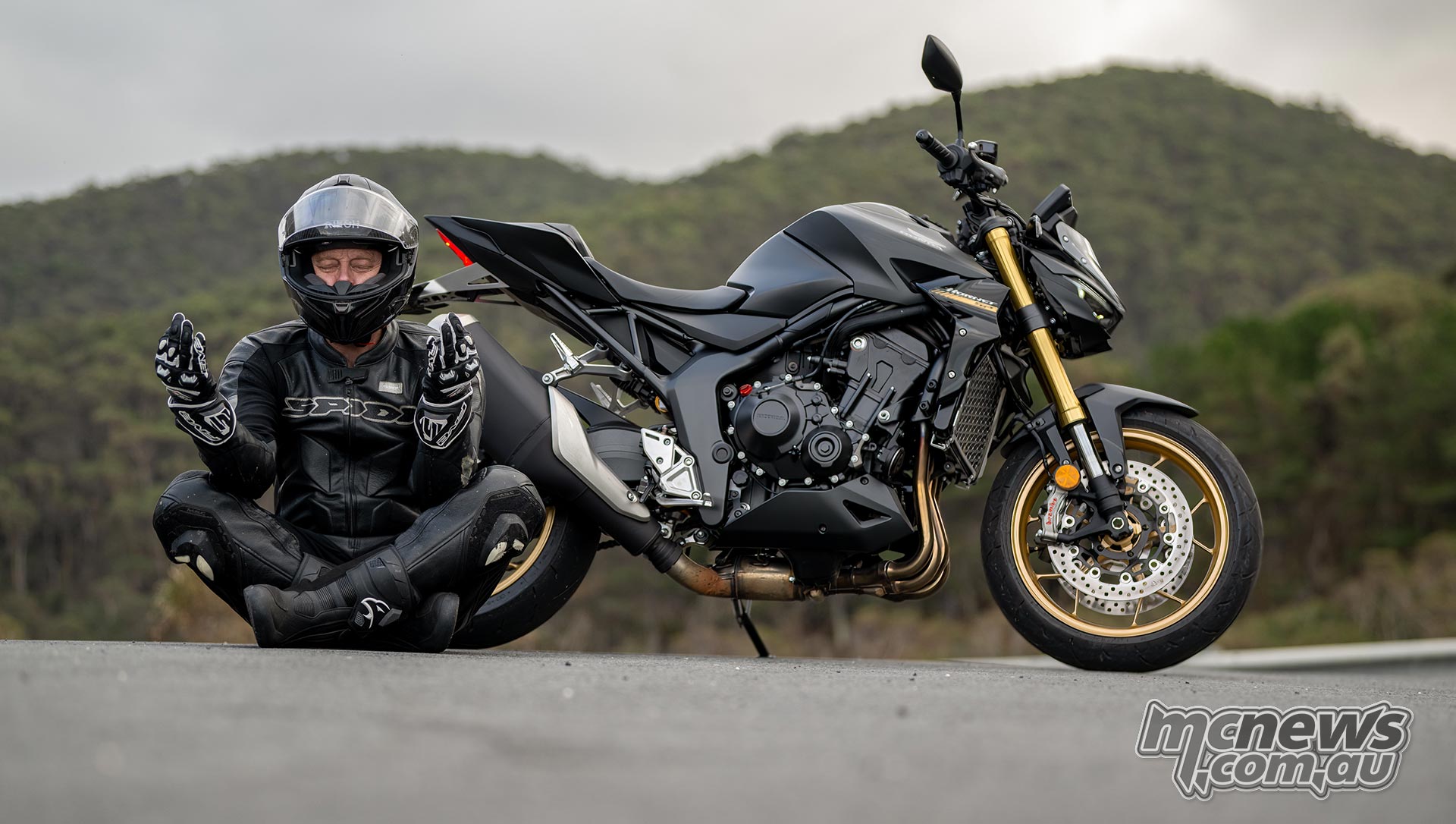
The SP? They had their A team on this one. What a brilliant, fun machine. It feels like it’s been properly sorted, and frankly, I’m amazed that you can get this much bike for the price. Just over 19 grand ride away. Mental. Bargain of the year? Possibly.
Basic stats don’t tell the story that even the first 60 seconds on the bike will tell you. I was sold pretty much immediately.
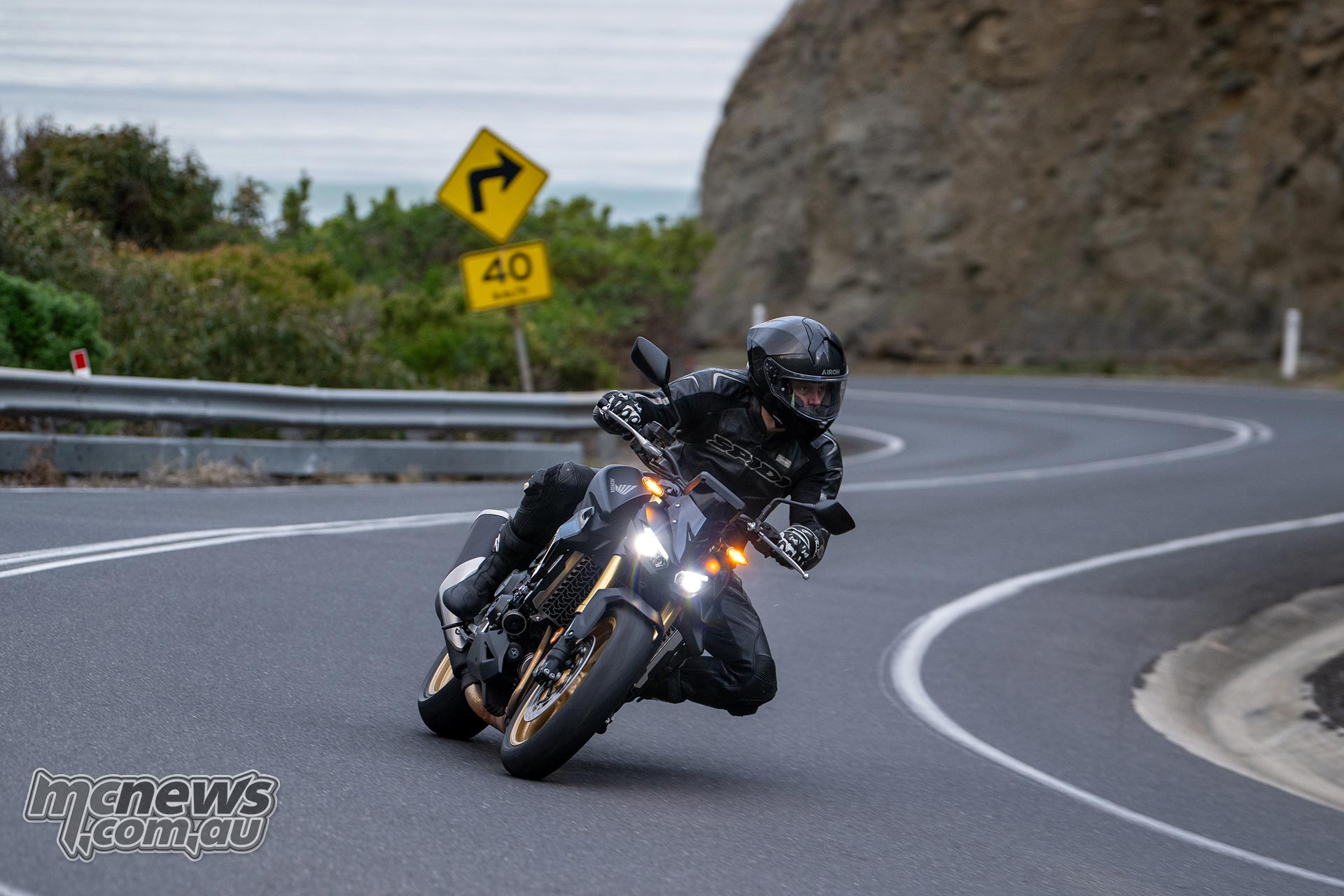
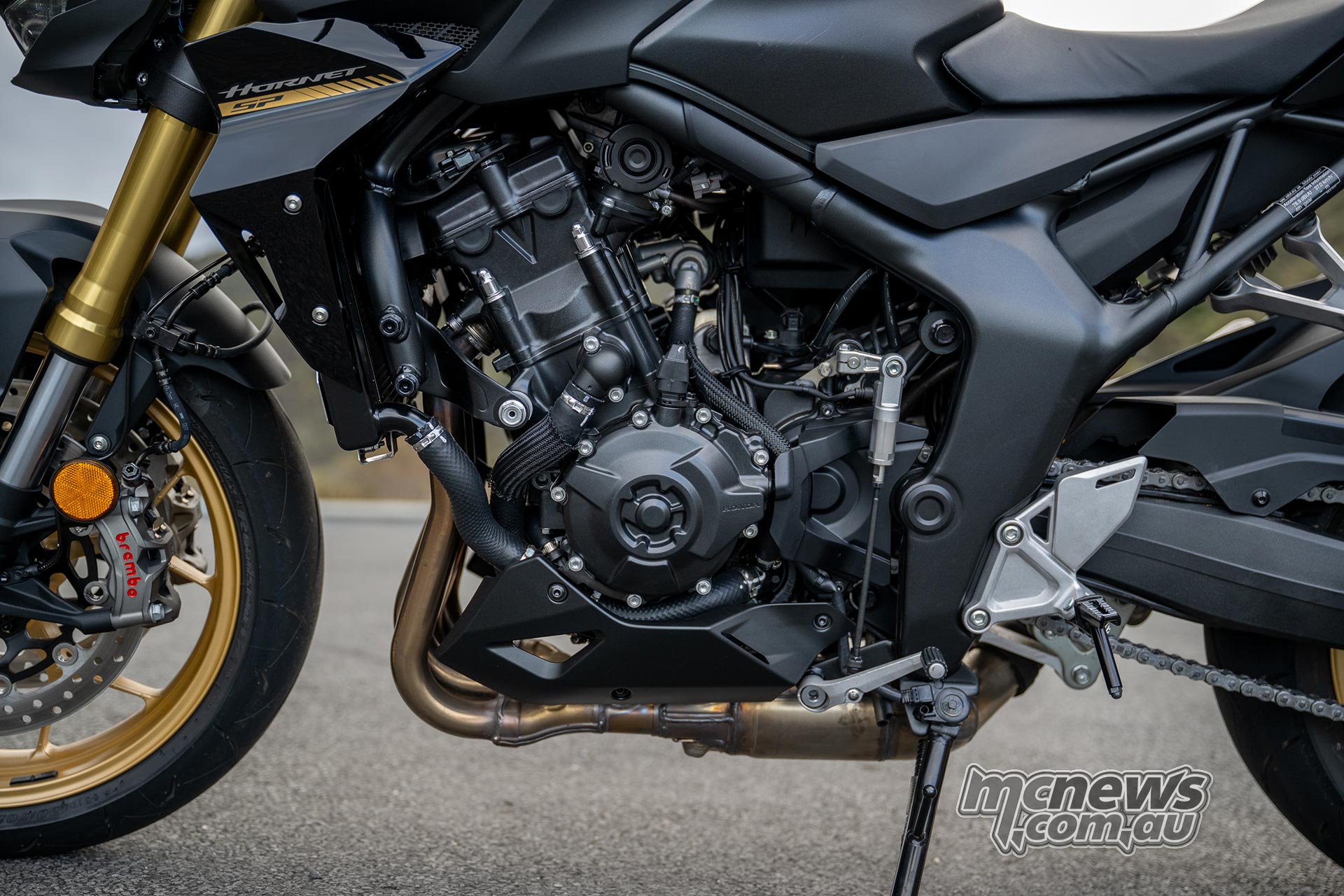
It comes to us with a 998 cc four-cylinder engine that originated in the 2017 Fireblade. While by today’s Super Naked standards it ‘only’ puts out 155 hp, that’s more than enough on the road. It’s tuned for usable torque and belts out 107 Nm of it, building like a wave off the bottom through a surging mid-range and storming top end.
After behaving myself in amongst city traffic, I was taken aback at how eagerly it gobbles up gears when you get it up higher in the revs on the open road… It’s properly rapid.
Delivery is incredibly smooth right off the bottom. Fuelling isn’t perfect, but it’s close enough. Just a little eager at times on small throttle openings, but you get used to it pretty quickly. There are three engine braking settings to explore, allowing you to find the one that’s right for you (I backed it off completely). You get a variety of ride modes, as expected these days, including two custom modes that allow you to adjust power, engine braking, and traction control to your liking.
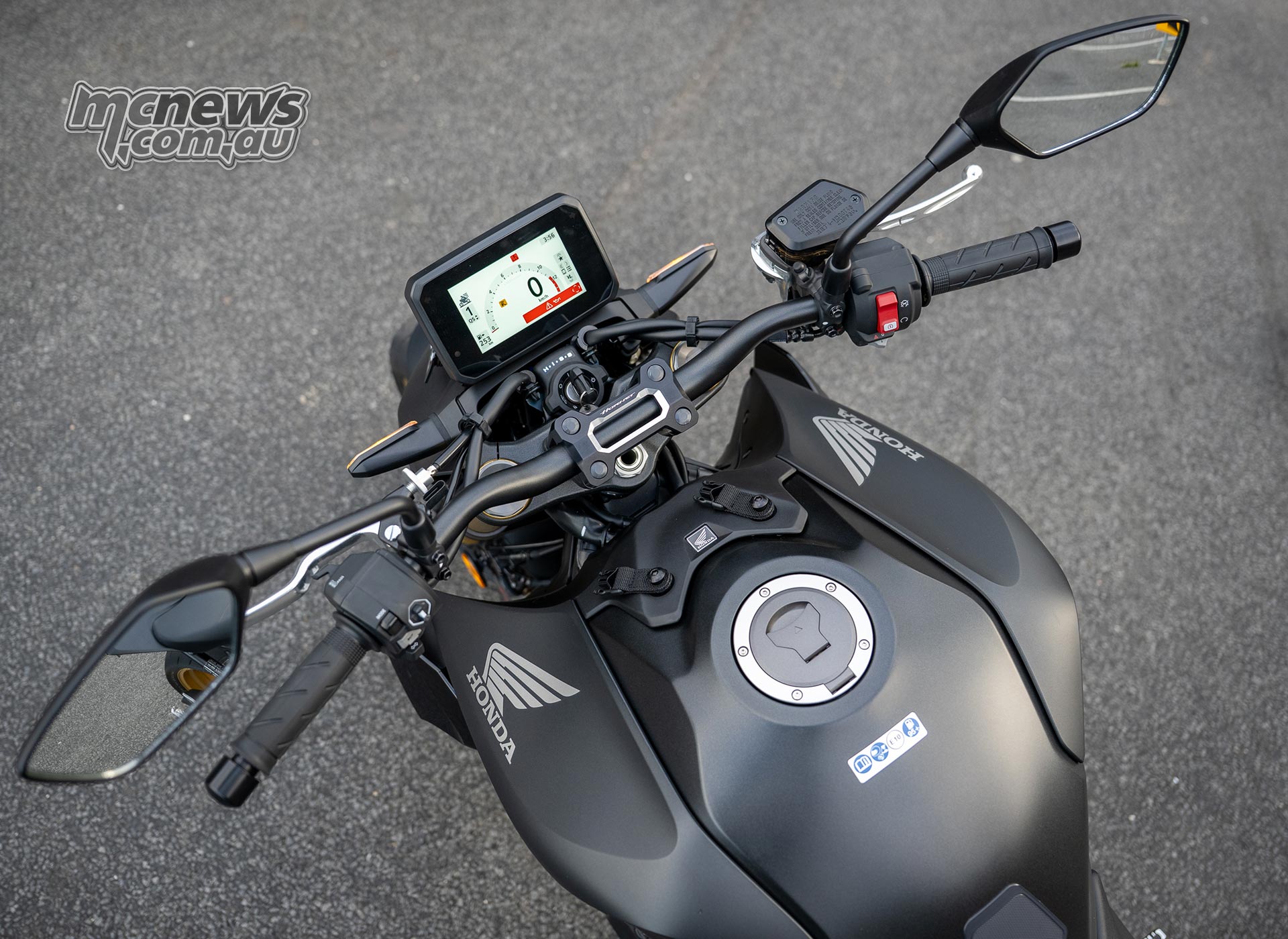
It’s worth mentioning how good the exhaust note is – it’s rowdy and racy, and I love it! Can only imagine the music that a slip-on might liberate… There’s an exhaust valve at play here that gives the SP a 5 hp bump over the base model available overseas – and I’m not sure if that’s working some magic from an aural point of view as well, but it sounds great for a stock pipe in this day and age.
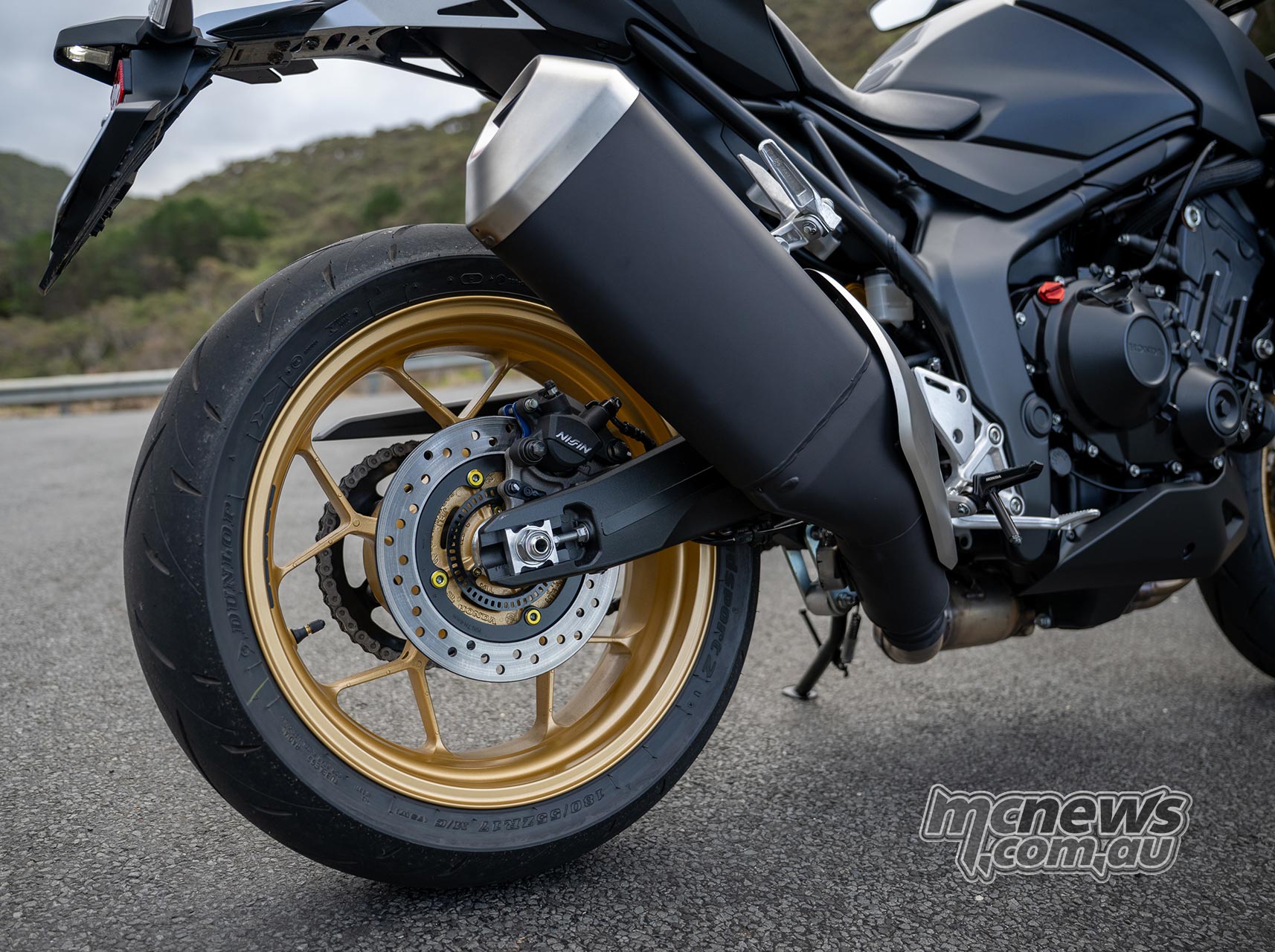
The gearbox ratios have been shortened in the first few gears from the original blade box, which means it no longer has the overly tall gearing of the donor bike. The result is gearing that’s nearly perfect for on-road use. And that quick-shifter is wonderful. Low or high revs, part or full throttle, it’s one of the smoothest shifting Hondas I can recall.
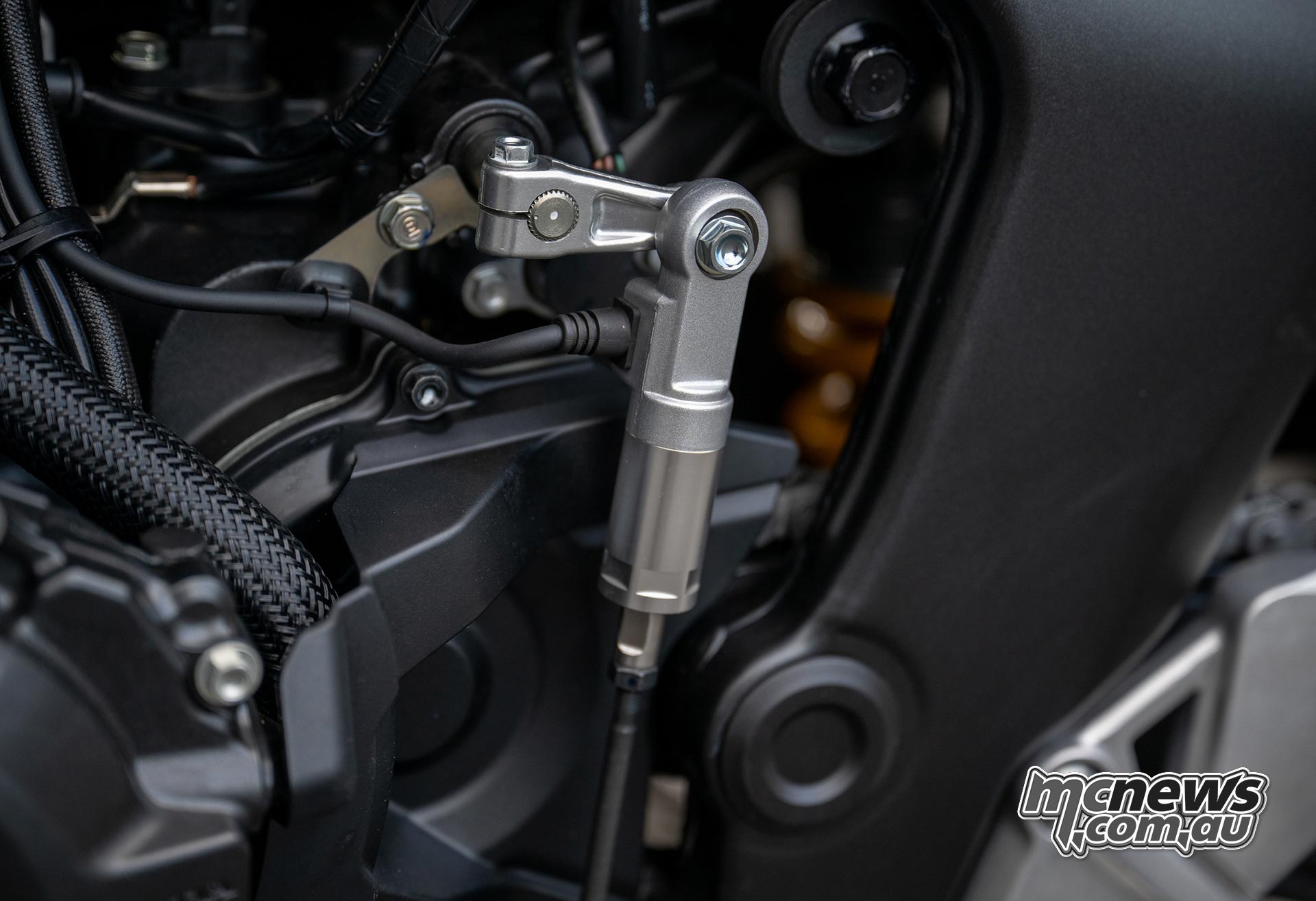
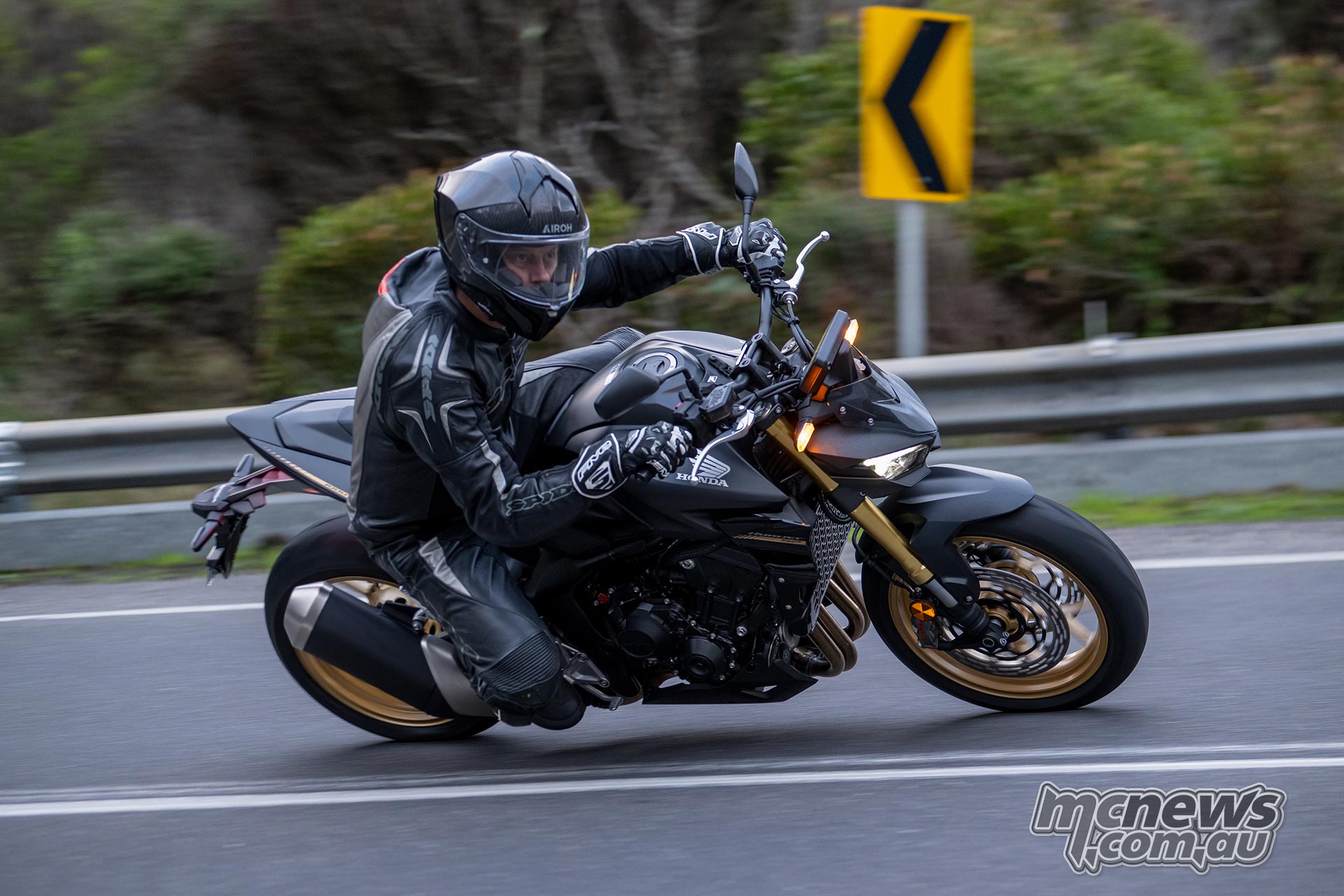
Keeping that power under control are Showa’s fully adjustable 41 mm forks up front and the brilliant Ohlins TTX36 shock out back. What a combo. I needn’t touch the clickers. Close enough for my 87 kgs. Out of the box, it felt like a great balance of firmness and control at both ends without feeling too hard. While it was a very different chassis, this is probably the shock they should have put in the old CB1000, a fantastic bike that was let down by a very sub-par shock. That is not the case here.
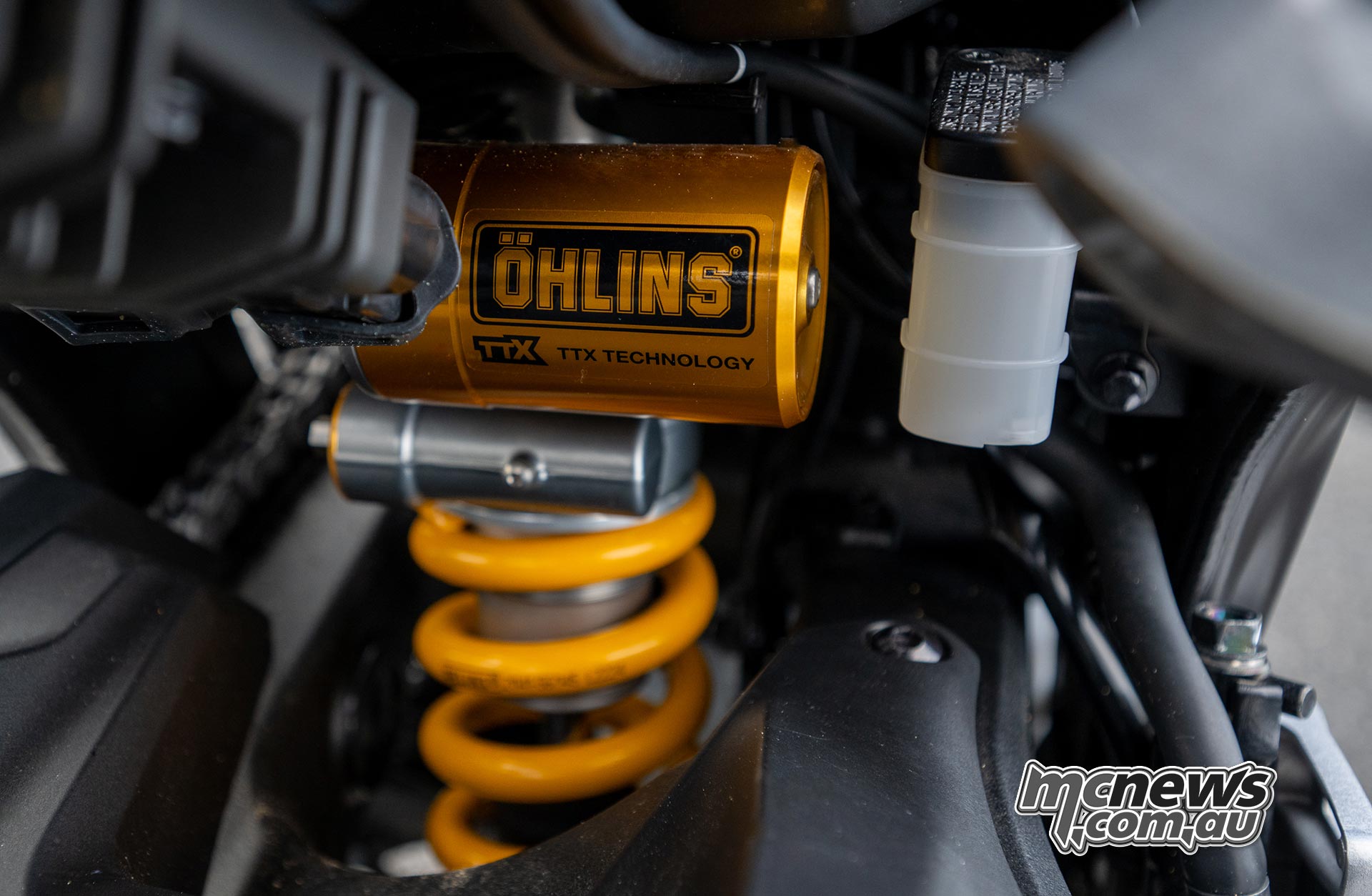
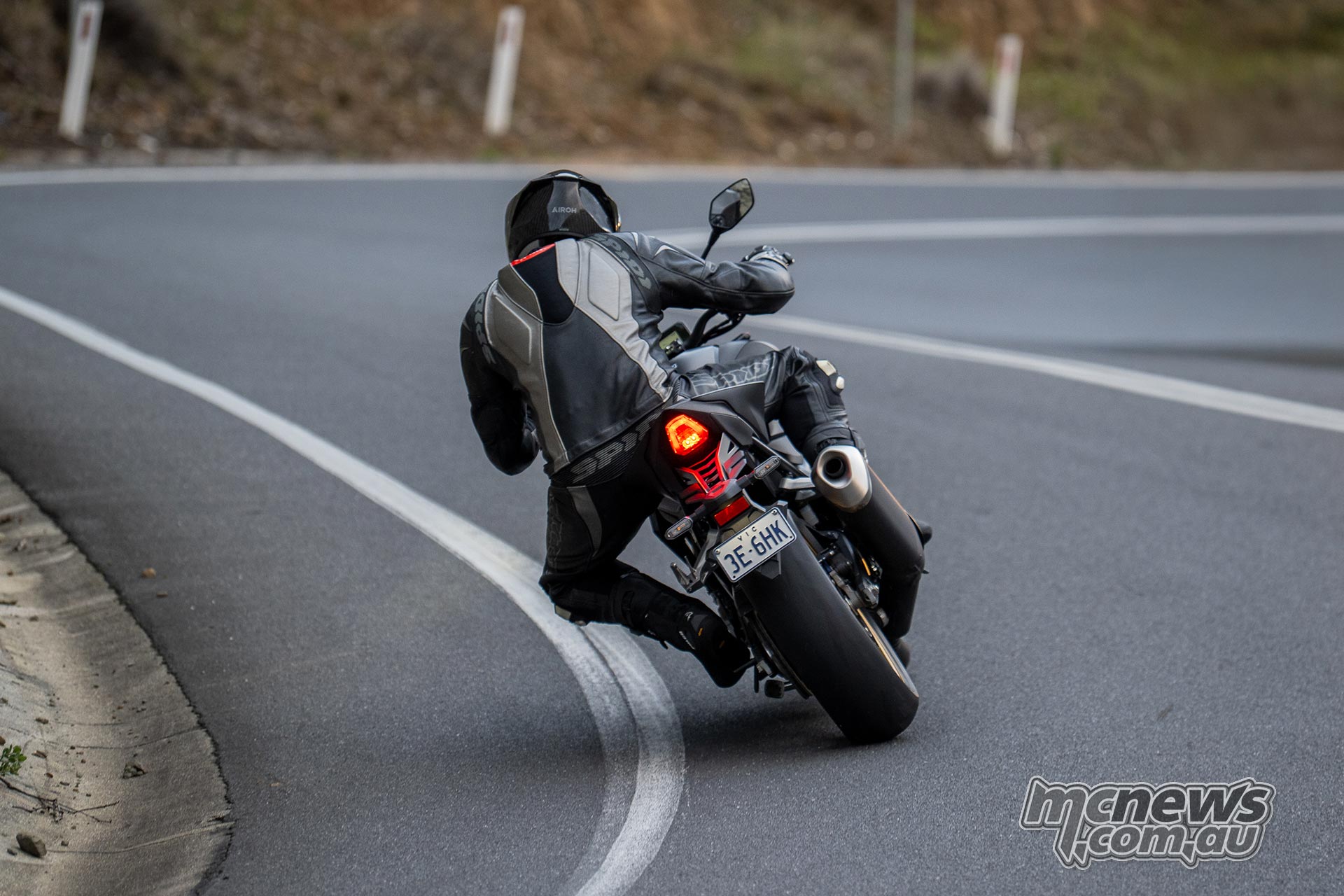
Handling-wise, it feels real-world sporty without being racebike fast. Planted yet impressively agile. No doubt the change of direction is helped by the nice wide flat bars too – it flicks from side to side without much effort at all and offers loads of feel while on its side. I’m quite sure that with even more time on board to really gel with it, this would be a weapon more than ready to take it to the big power and big dollar supernakeds across your favourite stretch of tarmac.
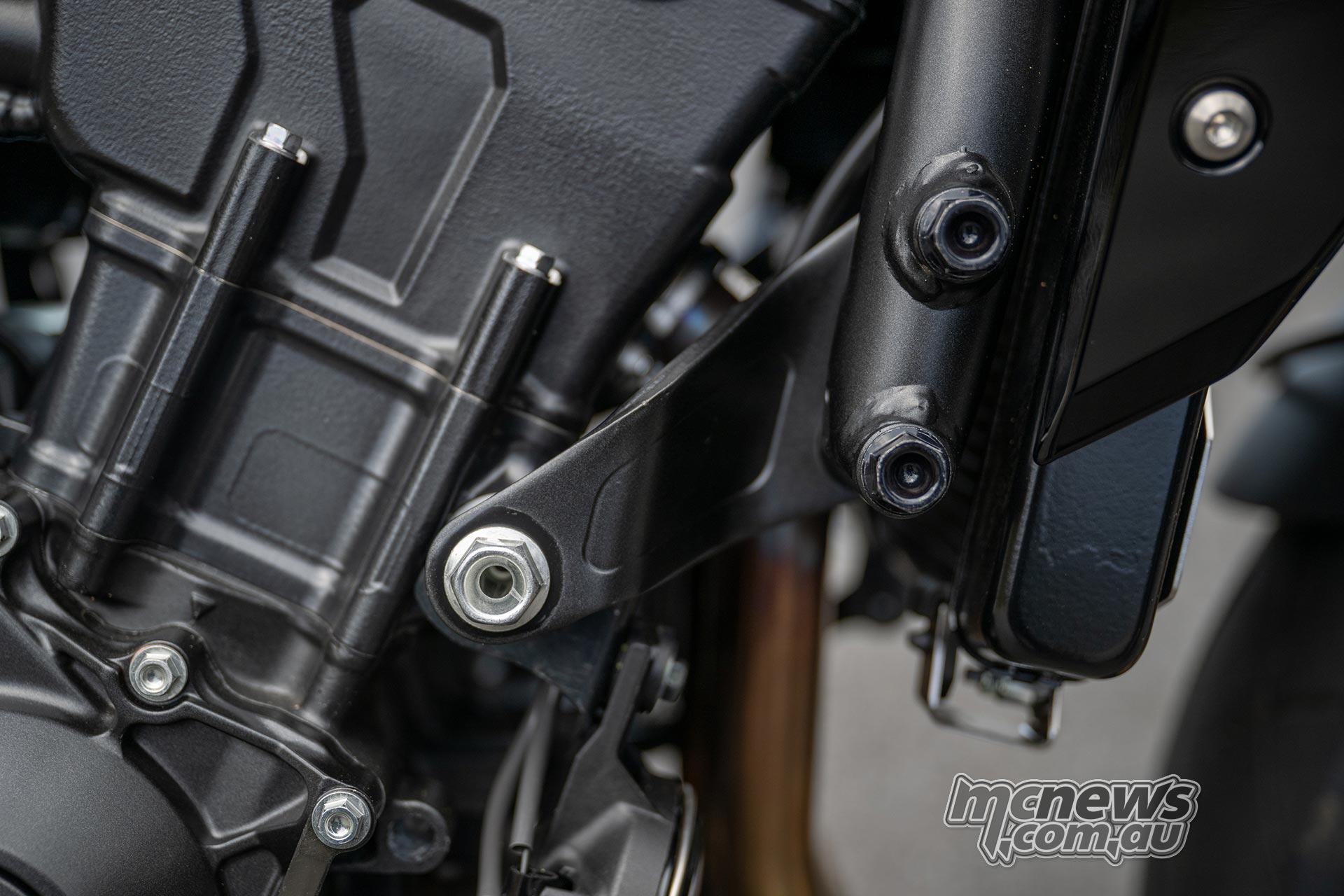
I’m told the development riders, while looking for more lateral flex, found it in the hollow centre engine mount bolts, among other tweaks. Imagine being able to feel the difference between bolt types, eh..? They walk among us mortals.
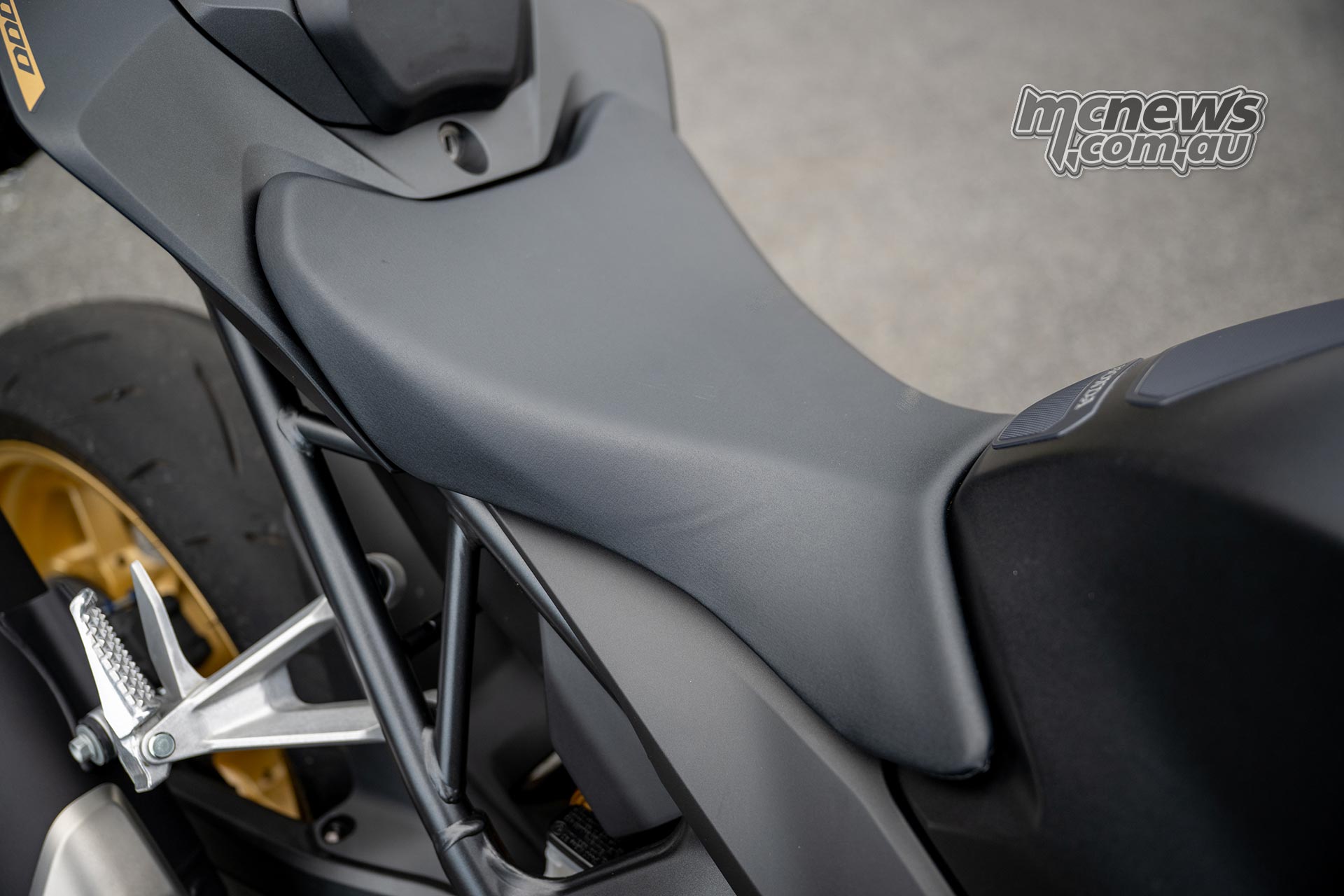
Those wide bars contribute to a riding position that’s more than comfortable. The seat-peg-bars triangle is nice and relaxed, and while the seat might look to be on the sporty side, it’s surprisingly good even for longer highway hauls. I felt no issues at all after nearly two hours in the saddle. Good around town, good on the highway, good in the twisties. Tick.
Stopping comes courtesy of Brembo’s terrific Stylema front brakes, which is matched to a Nissin rear. And while the Stylemas are no longer the halo product from Brembo (that mantle being taken by the newer Hypure calipers), they’re more than enough for real-world sport riding and still well pukka.
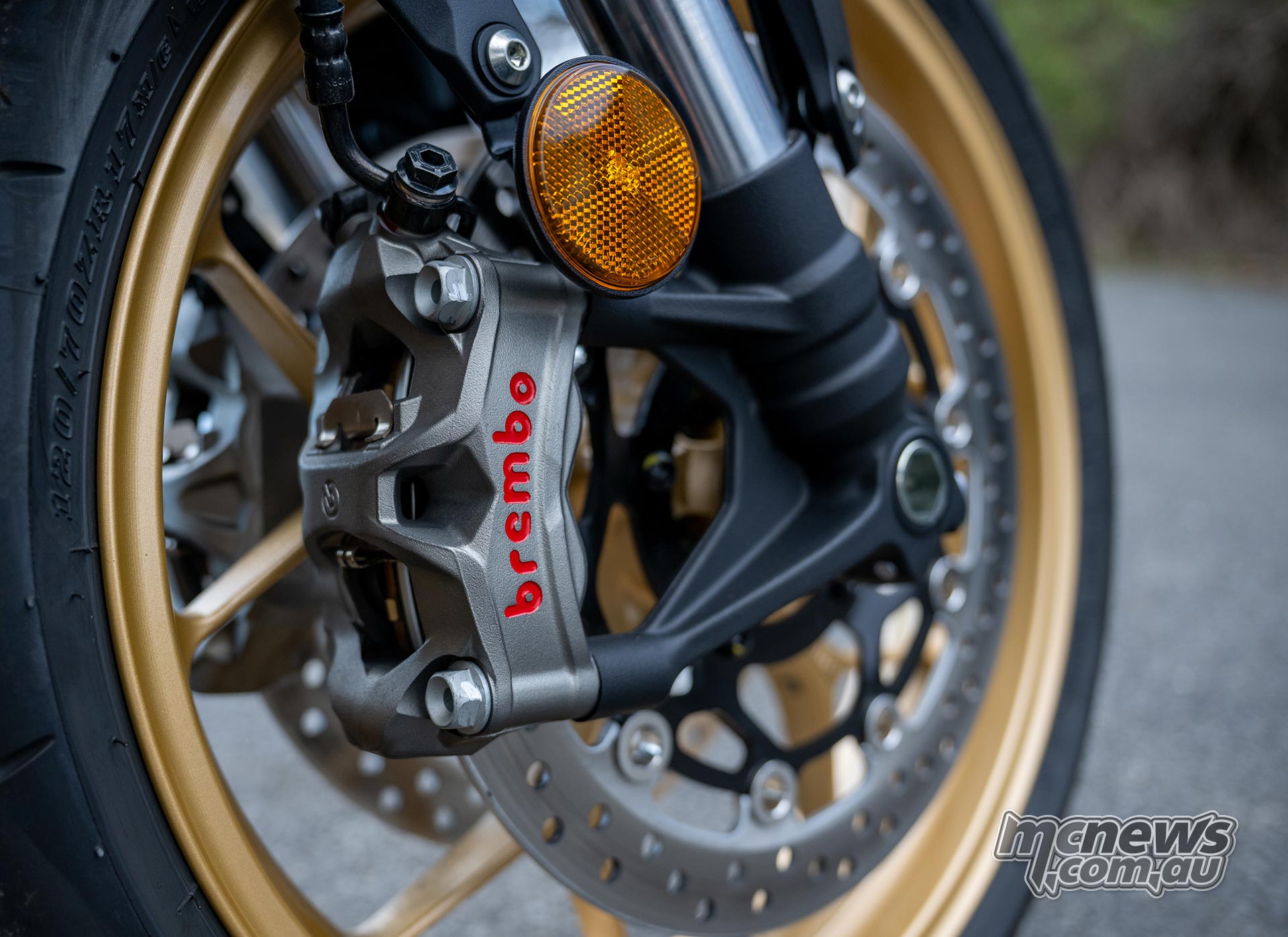
I found them to have ample bite and stopping power, but to be fair, I didn’t get a chance to put it through an extended high-speed session thanks to it being Winter and mostly damp here in Vic. I can’t see it being an issue, though. They’re Stylemas… If you’re after a specific feel, you probably know what you’re chasing – adjust your pads accordingly.
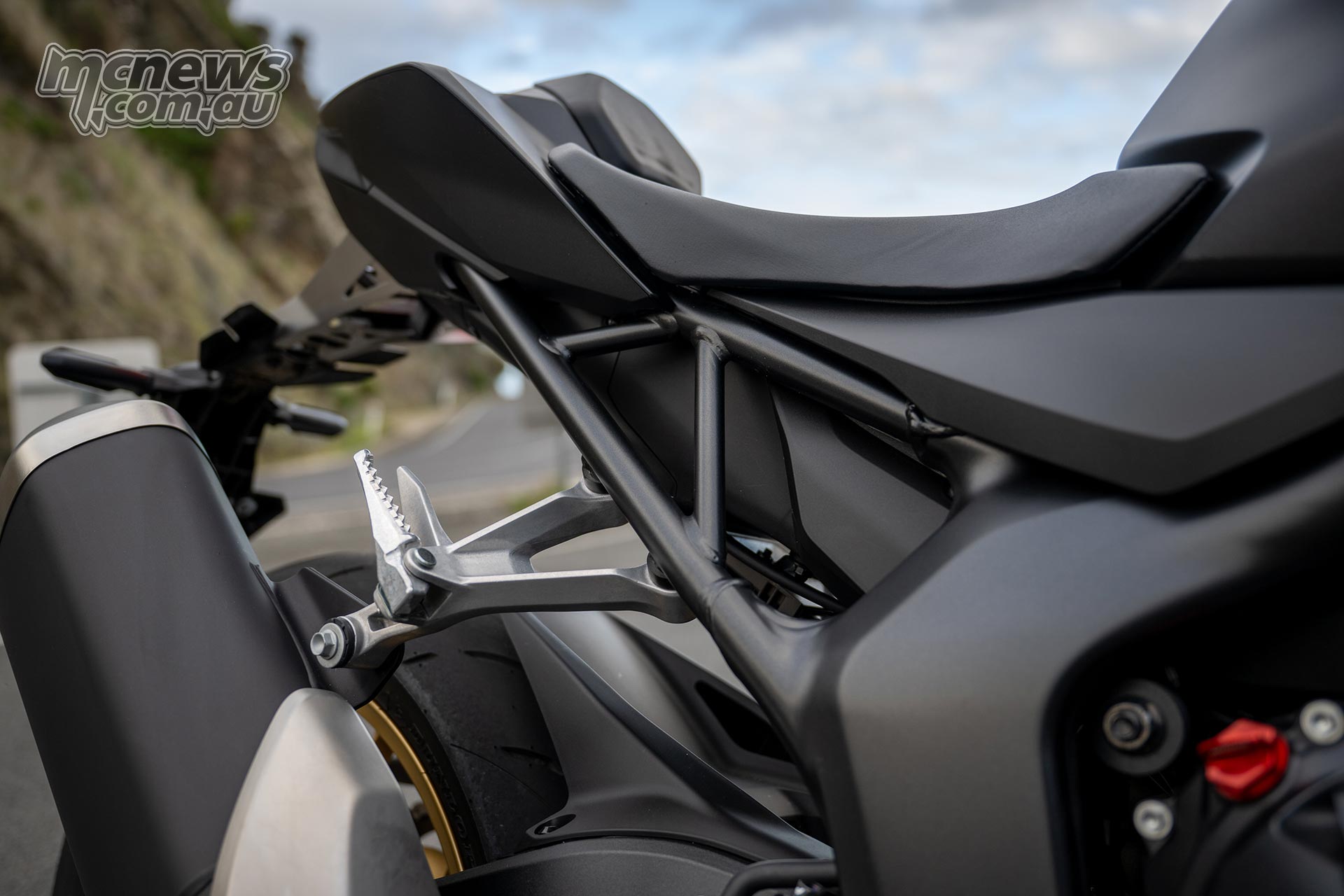
Build quality is typically Honda. You know it’s going to last. That said, some areas stand out and offer a little contrast to others. The very nice machining on the rider footpegs isn’t matched by the passenger pegs, for example. There are a few alloy castings that could be easily polished with a buff pad in the garage to add a little bling without incurring additional costs.
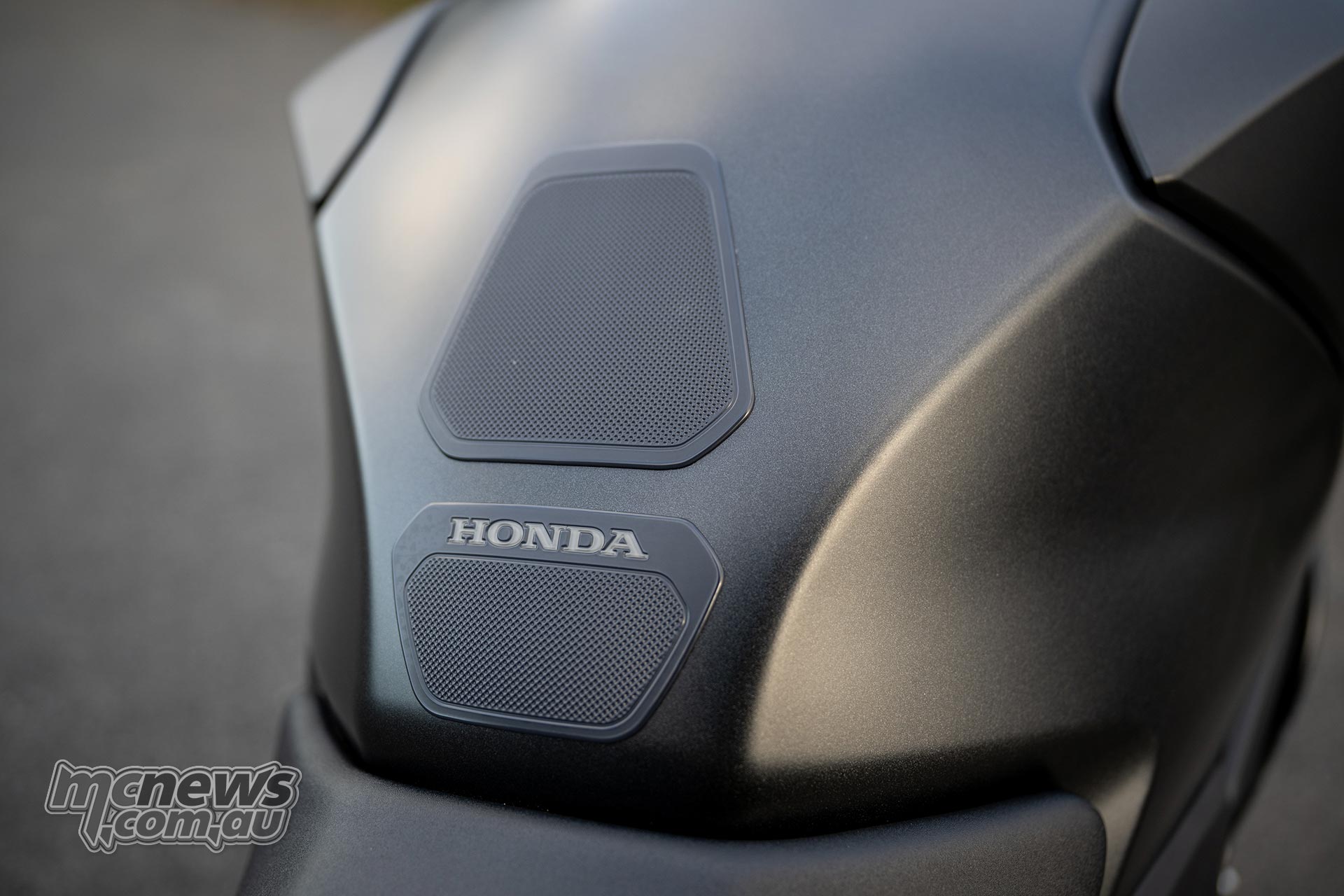
Another is that nice paint. Without any clear coat to protect it, the lovely ‘Ballistic Black’ Metallic paint also looked to be a little susceptible to scuffing on the sides of the tank from road grime that gets trapped on the inside of your knees (I’d be putting some grip pads there if it were mine anyway). But none of those are significant issues. Not when the core experience is so good.
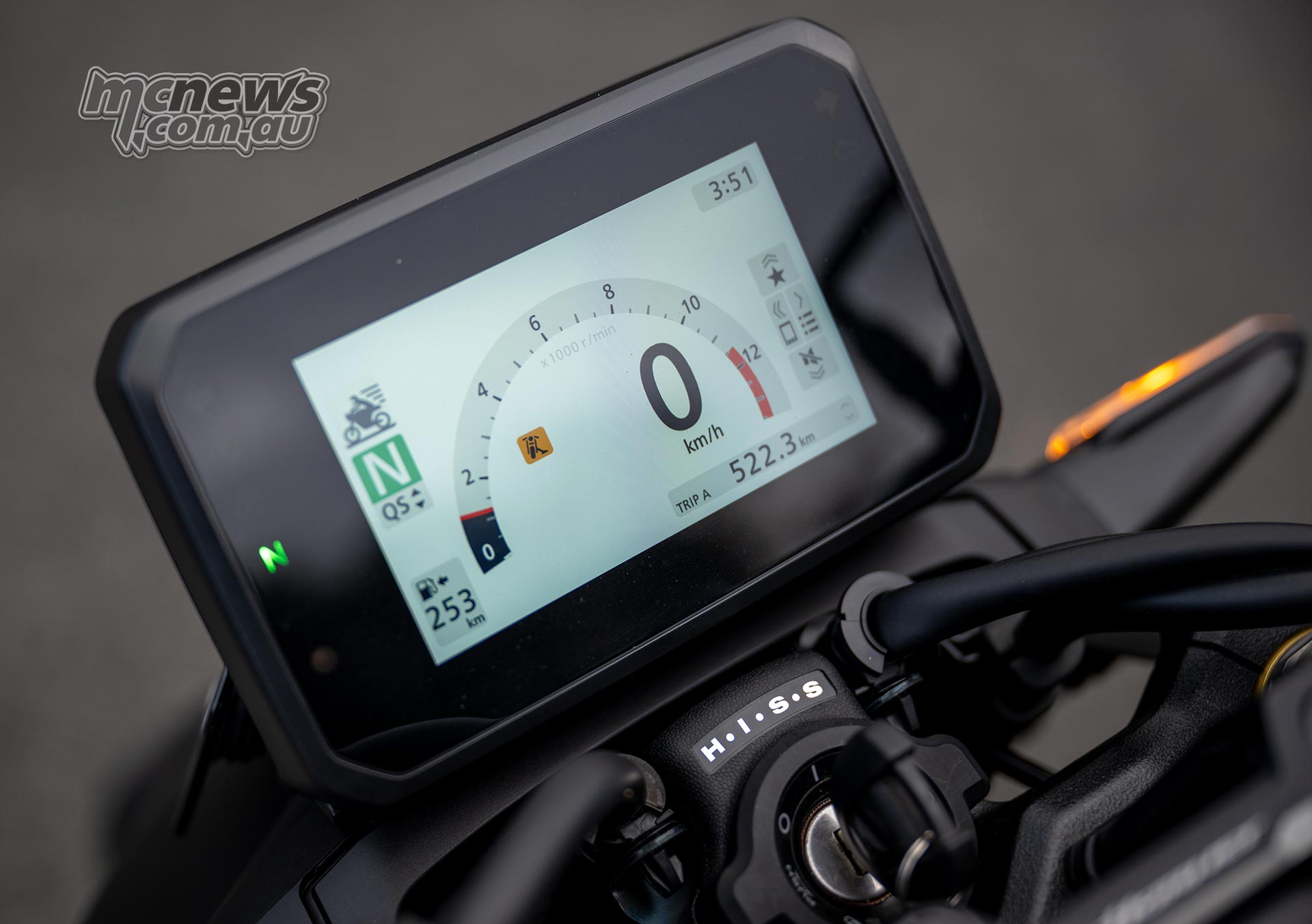
So, how do they manage to do it for the price? By leaving some tech off the bike. You don’t get cruise control (bummer), or heated grips (double bummer). There’s no cornering ABS or TC as the Hornet is not fitted with a six-axis IMU. While mentioning the TC, it can be adjusted through three stages or turned off entirely in the two custom ride modes. However, it seems to revert to default settings when you turn the key off. Boo.
But… you can easily argue that the bulk of riders out there don’t need that stuff. And if you do want it, prepare to pay at least half as much again for some of the other super naked options, which will also bring you additional power. The reality is, most of that (including the extra power) just isn’t put to use on the road. And I’d argue that the SP feels better for it.
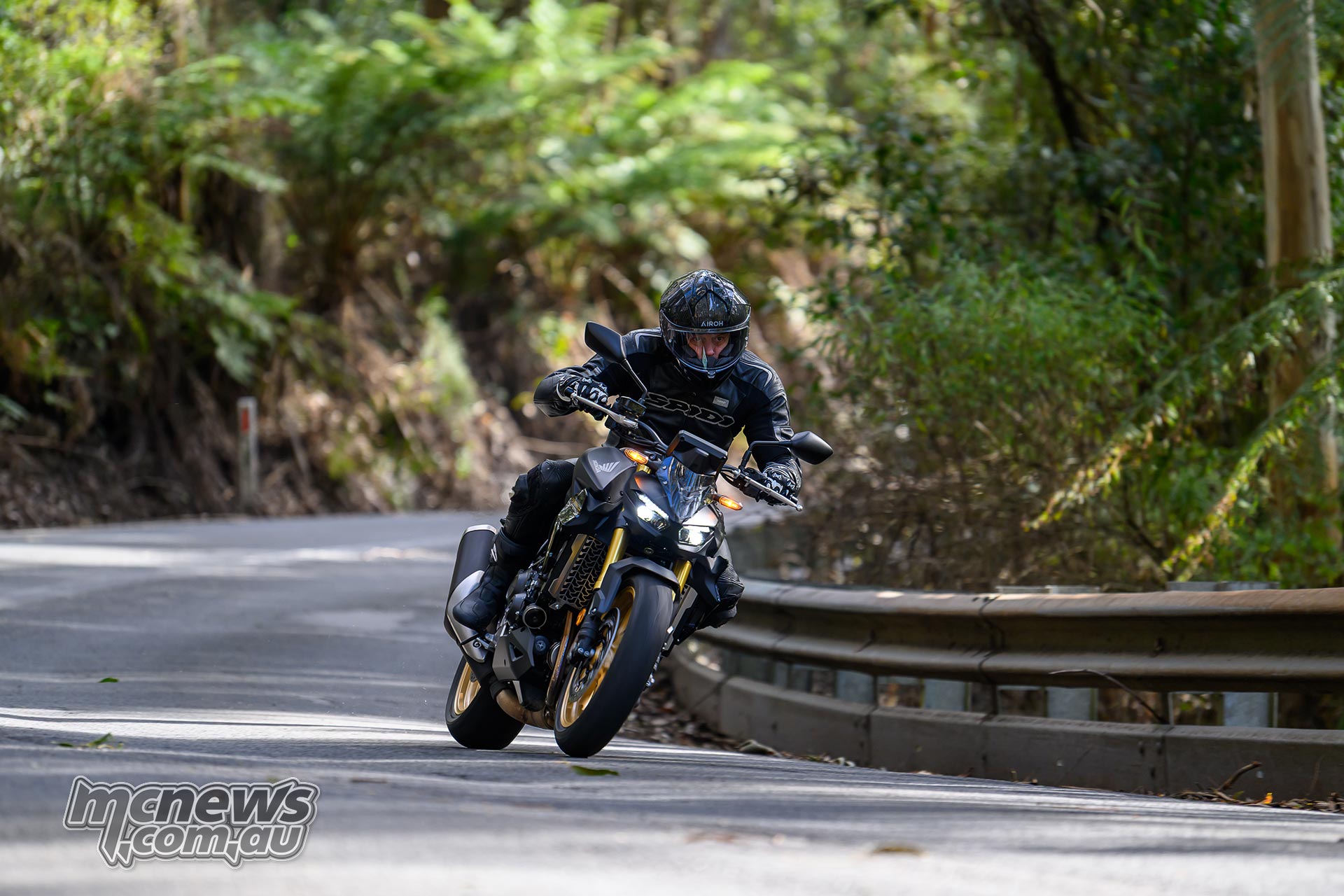
I’ll sign off with the highest praise I can come up with. As far as I and many others are concerned, the peak of road Sportsbikes was arguably in the early to mid-2000s. Before things slipped into the too focussed for the track era and became less and less usable as everyday prospects on the road. Bikes were in the 150-180 ish hp brackets, had minimal rider aids, and still had a certain rawness to them. They were engaging, involving things to ride. Gave you heaps of feedback and had chassis designs that didn’t need to be doing a buck-eighty to start to work…
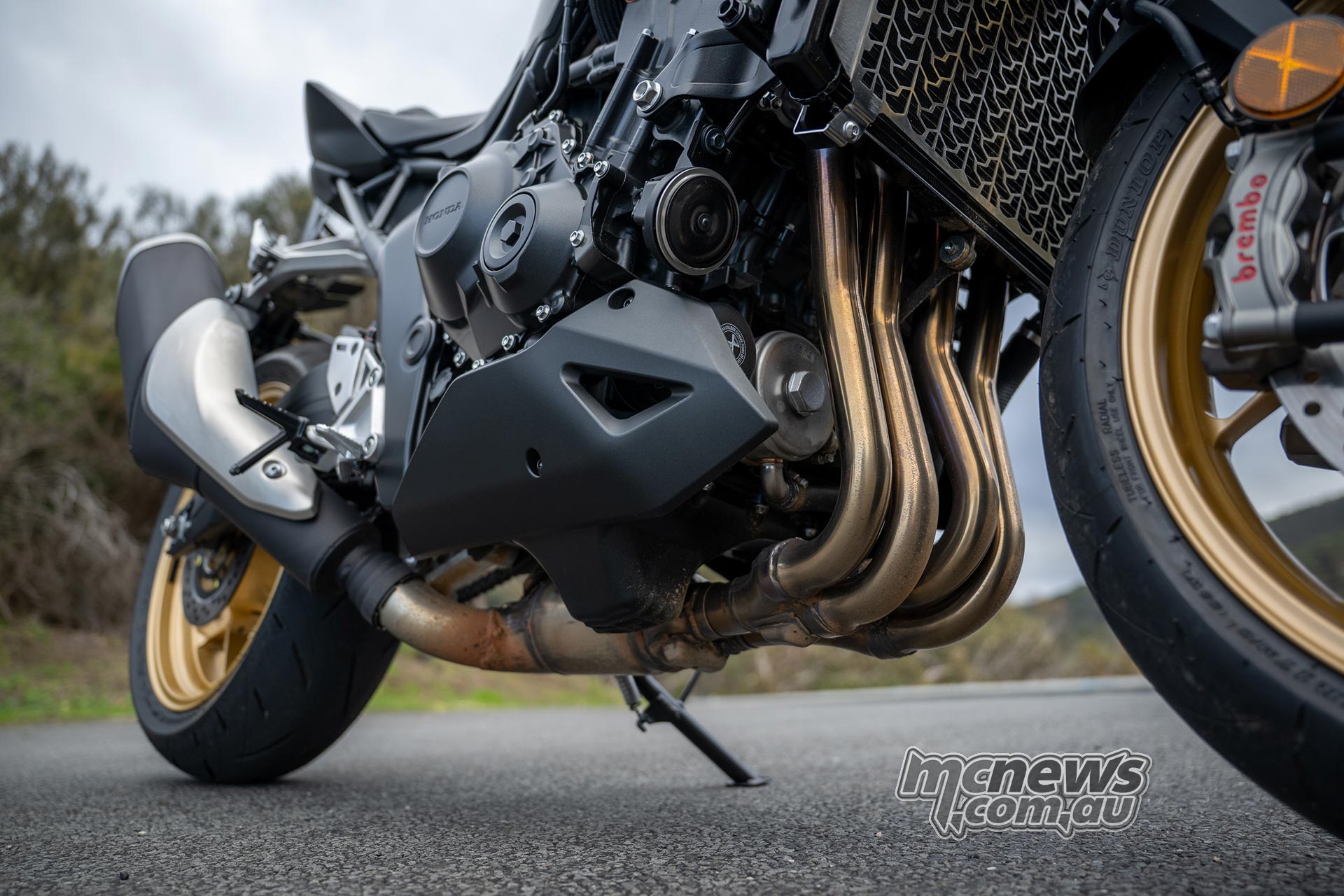
Well… This SP reminds me a lot of that era. Of my old Fireblades. That engine should, of course, coming from the 2017 Fireblade. The exhaust note, the fuelling, the way it delivers power. But there’s more to it than that. It’s the overall character of the bike. There’s a certain willingness and excitement that’s accessible at real-world speeds that’s hard to find in modern bikes. And it’s so composed while doing it. Brilliant. Just brilliant.
This is a riders’ bike. There should be more like it. Well done Team H. What have you got up your sleeve next…?
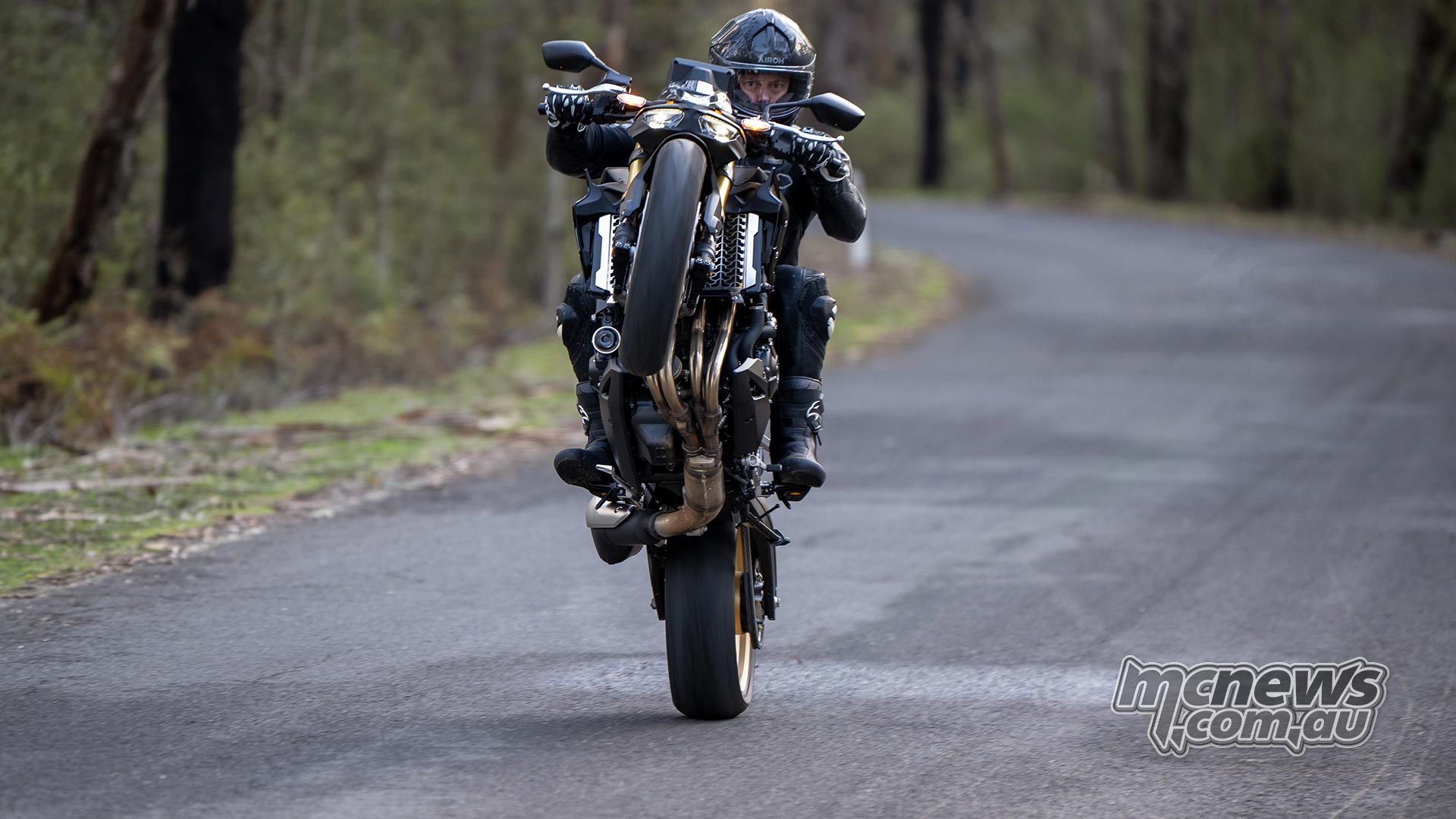
2005 Honda Hornet SP Hits:
- Wonderful driveline. Smooth, grunty, inspiring engine and a quick-shift that is among Honda’s best.
- Terrific Handling. A great chassis with excellent suspension.
- Comfortable, useable, reassuring, and so engaging on the road.
- At a price that should be making other brands nervous. Absolute bargain.
2005 Honda Hornet SP Misses:
- No cruise control, even as an option?
- TC settings seem to reset themselves with each key-off.
2025 Honda CB1000 Hornet SP Specifications
|
Specifications
|
|
|
Engine
|
Liquid-cooled, 4-stroke DOHC in-line four
|
|
Displacement
|
1000cc
|
|
Bore and Stroke
|
76mm x 55.1mm
|
|
Compression Ratio
|
11.7:1
|
|
Max. Power Output
|
155 horsepower (115.6 kW) at 11,000rpm
|
|
Max. Torque
|
107Nm at 9,000rpm
|
|
Induction
|
PGM FI electronic fuel injection, 44 mm throttle bodies
|
|
Fuel Tank Capacity
|
17L (including reserve)
|
|
Clutch Type
|
Wet multi-plate, Assisted slipper clutch
|
|
Transmission Type
|
Six-speed Manual
|
|
Final Drive
|
Chain
|
|
Frame
|
Twin Spar
|
|
Dimensions (L×W×H)
|
2,140mm x 790mm x 1,085mm
|
|
Wheelbase
|
1,455mm
|
|
Caster Angle
|
25°
|
|
Trail
|
98mm
|
|
Seat Height
|
809mm
|
|
Ground Clearance
|
135mm
|
|
Kerb Weight
|
212kg
|
|
Front Suspension
|
Showa 41mm SFF-BP USD forks, 118mm travel
|
|
Rear Suspension
|
Ohlins Monoshock damper, Prolink swingarm, 139mm travel
|
|
Rims
|
Multi-spoke cast aluminium 17×3.5″ (F), 17×5.5″ (R)
|
|
Front Brakes
|
Dual 310mm floating disc with Brembo Stylema radial mounted four piston calipers
|
|
Rear Brake
|
Single 240mm disc with single piston caliper
|
|
Instruments
|
Five-inch TFT Meter with customisable layout (speedometer, tachometer, clock, gear position, up-shift indicator)
|
|
Riding Modes
|
Standard, Rain, Sport, 2x User
|
|
Connectivity
|
Honda RoadSync
|
|
USB
|
Yes
|
|
Quickshifter
|
Yes
|
|
Security System
|
HISS (Honda Intelligent Security System)
|
|
HSTC
|
Yes
|
|
Wheelie Control
|
Yes
|
2025 Honda CB1000 Hornet SP Images